England and Wales
Fishing regions · Last reviewed 2026-08-14
A rod licence for freshwater angling, almost no publicly open fresh water, a close season that survives on rivers and not on stillwaters, and sea angling that is largely unlicensed and heavily byelawed.
Being listed here is not permission to fish. What that meansClose
Access, fishing rights, seasons, licences, local bylaws and permitted methods vary and can change. Check current access, permission, local regulations, closures and restrictions before you travel or fish. FishingHQ describes what the ground is and names who holds the answer; it does not hold the answer itself.
Find the authority for a jurisdiction · What FishingHQ does and does not cover
England and Wales share one licensing instrument and one basic model of who owns fishing, which is why they are described together — and they diverge on who administers it, which is why the divergence is stated rather than smoothed over.
THE DEFINING FACT IS THAT FRESHWATER FISHING RIGHTS ARE PROPERTY. With very limited exceptions the right to fish a river or stillwater belongs to somebody — a landowner, a club, an angling association, a commercial fishery — and it is bought, leased or granted rather than assumed. This is the single thing that most surprises anglers arriving from countries with public fishing rights, and it is why a licence is never sufficient on its own.
SO TWO SEPARATE PERMISSIONS ARE ALWAYS IN PLAY. A rod licence is a state instrument that permits the ACT of freshwater angling. Permission from whoever controls the water is what permits it AT THAT WATER. Having one without the other is not fishing legally, and the confusion between them is the commonest regulatory misunderstanding in British angling.
AT SEA THE MODEL INVERTS. Shore and boat angling in the sea is not licensed in the way freshwater angling is, and there is a broad public expectation of access to the foreshore for it. What governs sea angling instead is a dense layer of measures — minimum sizes, closed areas, protected species, gear restrictions and local byelaws — administered regionally rather than nationally.
WALES DIVERGES ON ADMINISTRATION AND ON SPECIFIC MEASURES rather than on the model. A separate environmental body administers Welsh fisheries, and salmon and sea trout measures in particular have been set differently in Wales from England in recent years. The instrument a reader needs and the structure of permission are the same; the authority to ask and the current measures are not.
What fishing here is like
The most intensively fished and most densely organised angling landscape on FishingHQ. Freshwater fishing is overwhelmingly a matter of clubs, syndicates, day-ticket fisheries and commercial stillwaters rather than open water, and the culture reflects that: booked pegs, fishery rules, membership, match calendars and a strong specimen-hunting scene. Sea angling is a large shore-based culture with a well-developed small-boat and charter sector. Participation is heavily concentrated in stillwater coarse fishing, and carp fishing alone accounts for a very large share of it.
What you can target here
One entry per fish, grouped by how you would be fishing — because the answer is a different one from the rocks and from a boat. Each entry says how strongly the sources support it and how much evidence sits behind it. These are documented catches, not a forecast, and none of it is a statement that you may fish any particular ground.
From the shore · 52
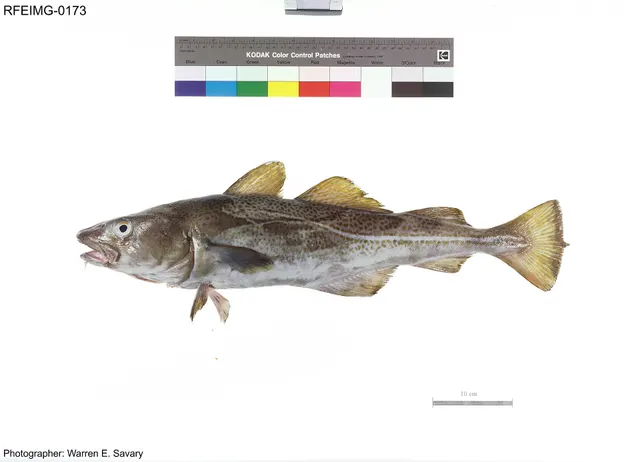 Atlantic codCharacteristic of this water110 places · 1 recorded catch · 1 fishery account · 2 independent sourcesAbbotsbury beach, Tynemouth North Pier, Hartlepool Headland, Filey Brigg and 106 moreOver bay, beach, beach section, breakwater, estuary, estuary mark, harbour wall, headland, island, jetty, ledge, marina, pier, promenade, river reach, rock mark, sandbank, shingle bank, surf beachSources name Ledgering with Peeler crabAround Jan–Mar, Sept–DecObserved April 2023
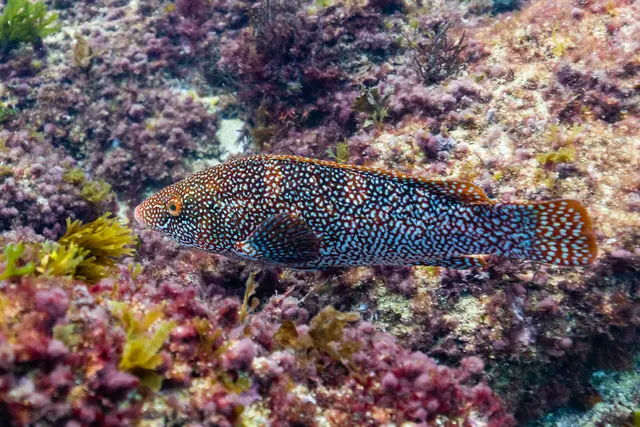 Ballan wrasseCharacteristic of this water72 placesMorte Point, Peninnis Head, Filey Brigg, Flamborough Head and the North Landing and 68 moreOver bay, beach, beach section, breakwater, cliff coast, cove, estuary, harbour wall, headland, ledge, pier, rock markAround May–Oct
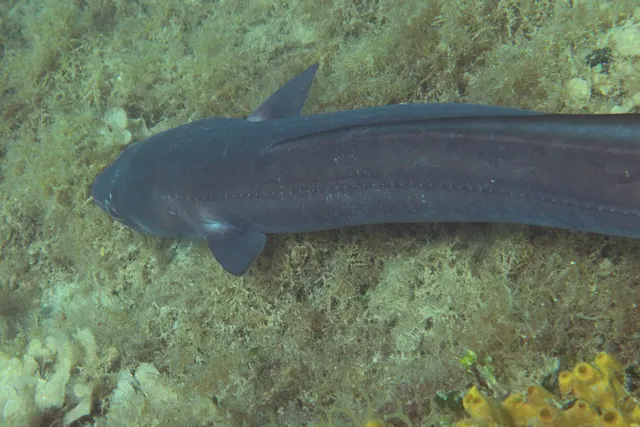 Conger eelCharacteristic of this water55 placesThe Plymouth rock marks, Chesil Cove, Holyhead breakwater, Nash Point and 51 moreOver bay, beach, beach section, breakwater, cliff coast, cove, estuary, estuary mark, harbour wall, headland, island, jetty, ledge, pier, rock mark, surf beach, tidal channelAround Apr–Oct
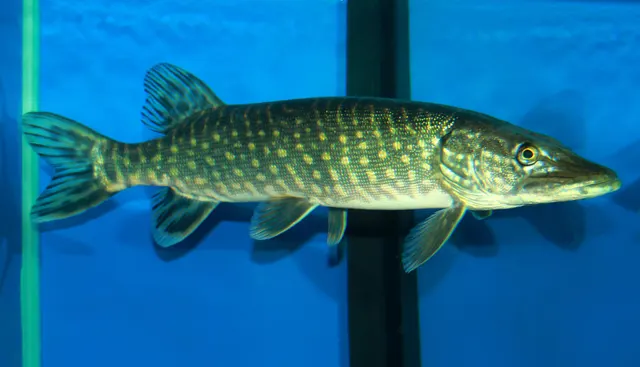 Northern pikeCharacteristic of this water38 placesWindermere, Esthwaite Water, The Old Bedford River and the Delph, Llyn Tegid and 34 moreOver broad, canal section, drain, lake, reservoir, river reach, weir poolAround Jan–Mar, Oct–Dec
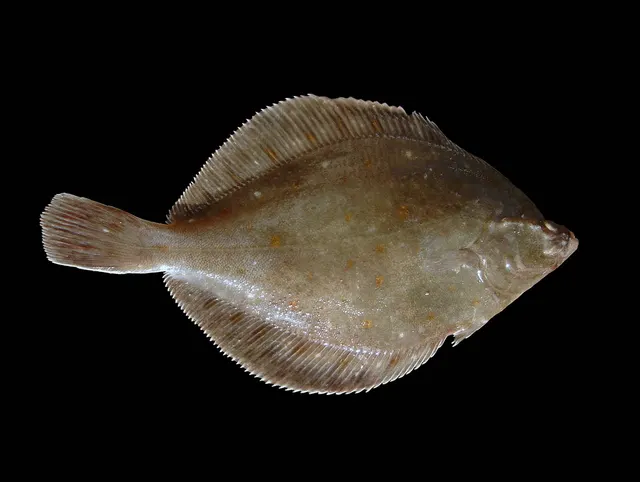 European plaiceCharacteristic of this water31 placesWest Bexington, Seahouses harbour, South Shields and the Tyne piers, Cogden Beach and 27 moreOver bay, beach, beach section, estuary, estuary mark, harbour wall, pier, promenade, rock mark, surf beachAround Mar–Sept
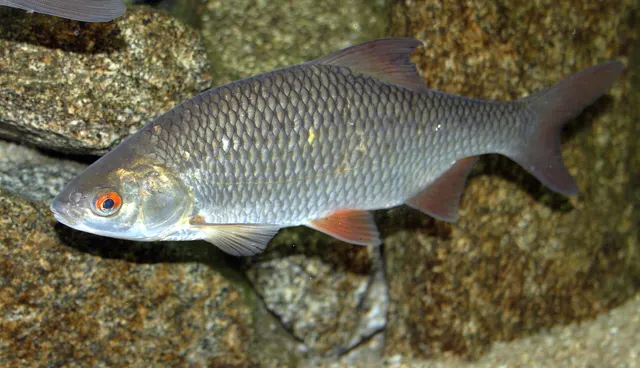 RoachCharacteristic of this water31 placesThe Grand Union Canal, The Trent at Collingham, The Severn at Bewdley, Llyn Tegid and 27 moreOver broad, canal section, drain, lake, river reach
Also documented from the shore: Common bream · Brown trout · Rainbow trout · Chub · Barbel · Edible crab · European sea bass · Starry smooth-hound · European flounder · Atlantic mackerel · Pollack · Thornback ray · Turbot · Gilthead bream · Whiting · Dab · Small-spotted catshark · European perch · Thick-lipped grey mullet · Common sole · Saithe · Pouting · Bull huss · Zander · Small-eyed ray · European lobster · Rudd · Dace · European squid · Garfish · Black seabream · Tench · Blonde ray · Tope · Grayling · Striped red mullet · Spotted ray · Common carp · Gudgeon · Tub gurnard · Atlantic horse mackerel · Atlantic salmon · Corkwing wrasse · Curled octopus · European eel · Twaite shad
From a boat · 13
- Northern pikeCharacteristic of this water19 placesWindermere, Esthwaite Water, Llyn Tegid, Grafham Water and 15 moreOver broad, lake, reservoirAround Jan–Dec
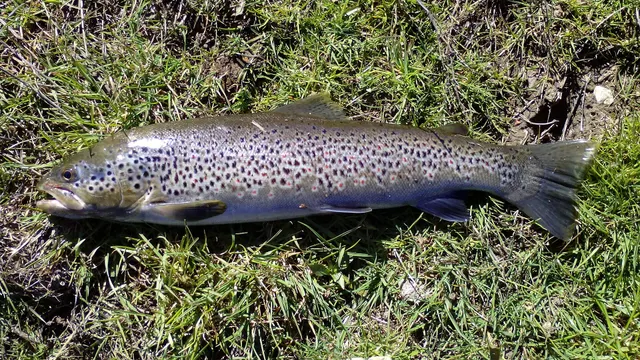 Brown troutCharacteristic of this water11 placesKielder Water, Rutland Water, Windermere, Chew Valley Lake and 7 moreOver lake, reservoirAround Mar–Sept
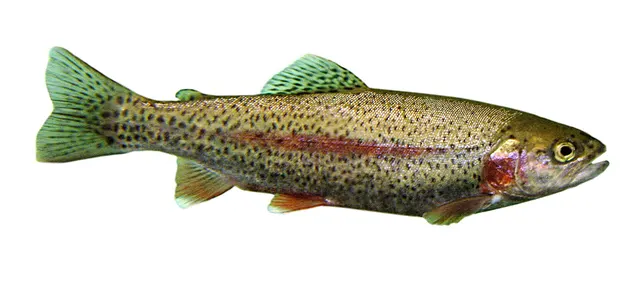 Rainbow troutCharacteristic of this water9 placesRutland Water, Grafham Water, Chew Valley Lake, Blagdon Lake and 5 moreOver lake, reservoirAround Jan, Mar–Dec
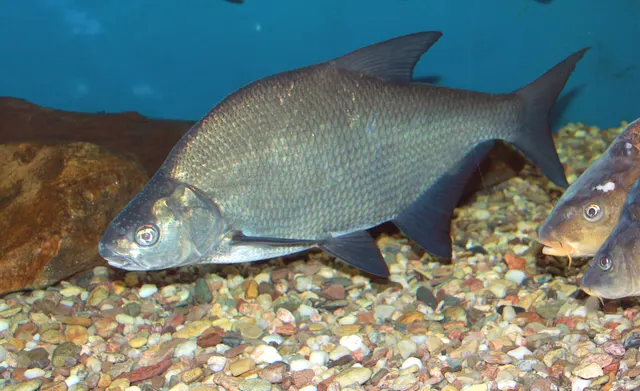 Common breamCharacteristic of this water2 placesBarton Broad, Wroxham BroadOver broadAround Jun–Sept
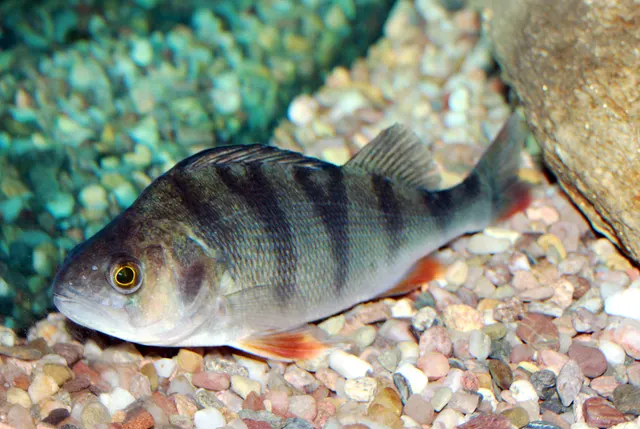 European perchRegular local target10 placesWindermere, Grafham Water, Pitsford Water, Ullswater and 6 moreOver lake, reservoirAround Jan, Oct–Dec
- RoachRegular local target2 placesBarton Broad, Wroxham BroadOver broad
Also documented from a boat: Blue shark · Arctic char · Conger eel · Ling · Pollack · Atlantic cod · Atlantic salmon
On a charter · 6
- Blue sharkSeasonal1 place · 2 fishery accounts · 2 independent sourcesThe south-west approachesOver sea areaAround Jun–Sept
- Atlantic bluefin tunaSeasonal1 place · 1 fishery account · 1 sourceThe south-west approachesOver sea areaAround Aug–Dec
- Conger eelRepeatedly reported1 place · 1 fishery account · 1 sourceThe south-west approachesOver sea area
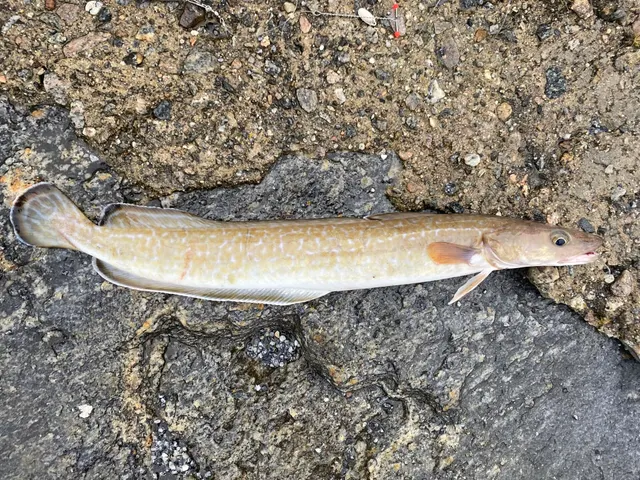 LingRepeatedly reported1 place · 1 fishery account · 1 sourceThe south-west approachesOver sea area
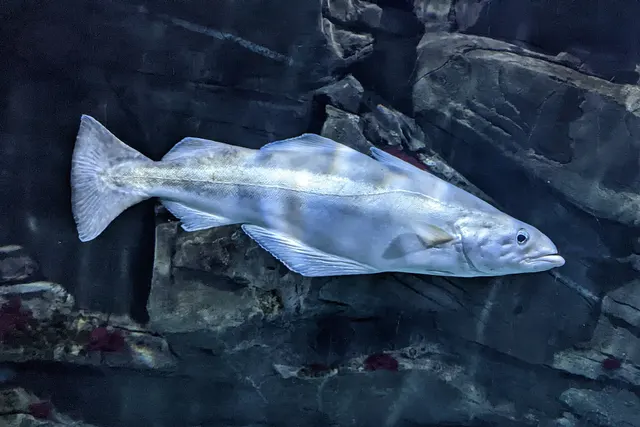 PollackRepeatedly reported1 place · 1 fishery account · 1 sourceThe south-west approachesOver sea area
- Atlantic codRecorded here1 place · 1 fishery account · 1 sourceThe south-west approachesOver sea area
From a kayak · 27
- PollackRegular local target11 places · 2 recorded catches · 2 fishery accounts · 3 independent sourcesWhitesands Bay and St David's Head, Solva, Lizard Point, Fowey and 7 moreOver bay, beach section, estuary, estuary mark, harbour wall, headland, surf beachSources name Jigging, Kayak fishing with Metal jigs, Soft plasticsAround Apr, JunObserved 2022–2025
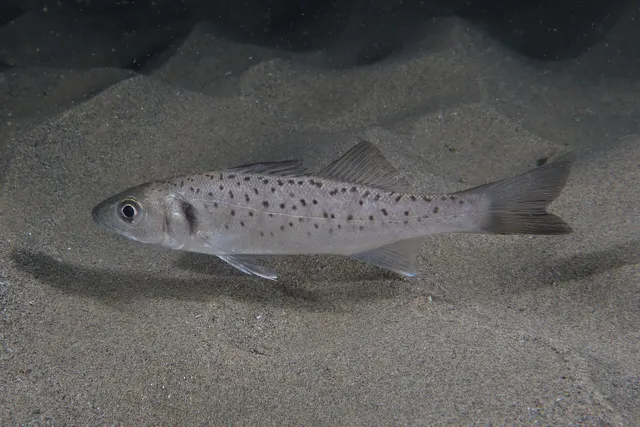 European sea bassRegular local target12 places · 2 fishery accounts · 2 independent sourcesWhitesands Bay and St David's Head, Solva, Lizard Point, Fowey and 8 moreOver bay, beach section, estuary, estuary mark, harbour wall, headland, surf beachSources name Kayak fishing with Metal jigsAround May–OctObserved July 2022
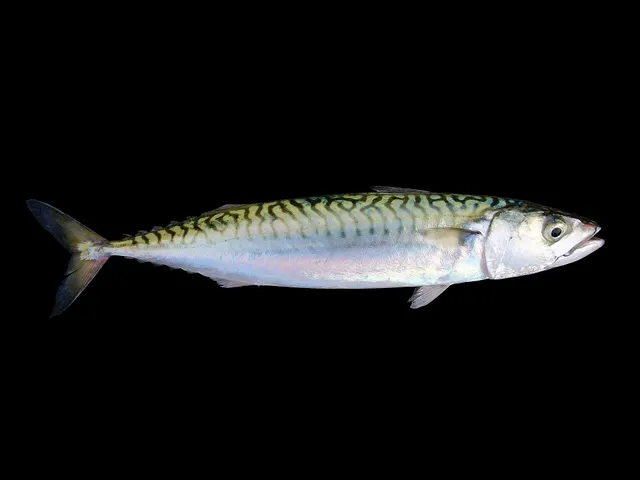 Atlantic mackerelSeasonal12 places · 2 fishery accounts · 2 independent sourcesLizard Point, Fowey, Falmouth and Castle Beach, Porthleven and 8 moreOver bay, beach section, estuary, estuary mark, harbour wall, headland, surf beachSources name Feathering and multi-lure tracesAround Jun–SeptObserved July 2022
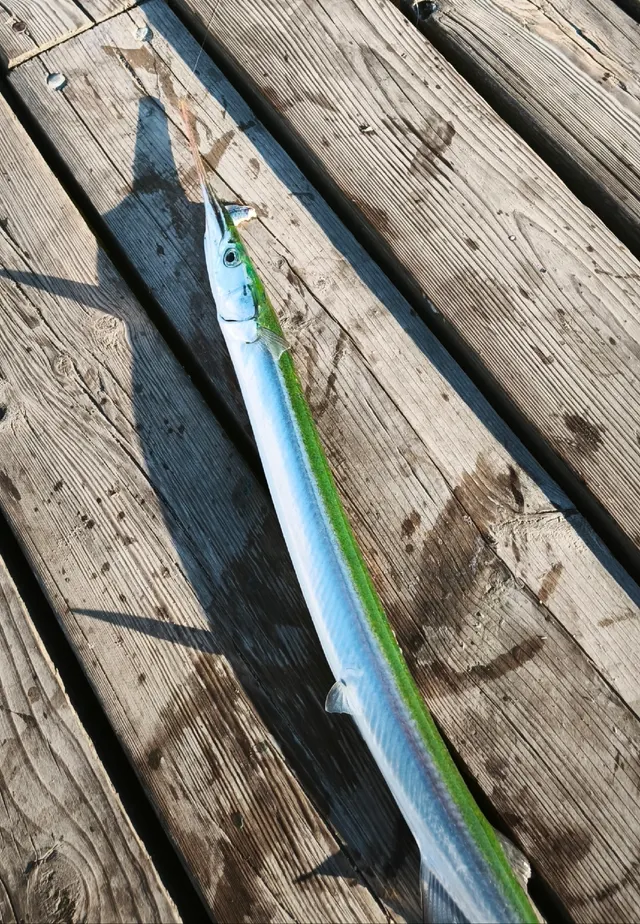 GarfishSeasonal11 placesLizard Point, Fowey, Falmouth and Castle Beach, Porthleven and 7 moreOver bay, beach section, estuary, estuary mark, harbour wall, headland, surf beachAround Jun–Sept
- Atlantic codSeasonal7 placesFowey, Solva, Lizard Point, Porthleven and 3 moreOver bay, estuary mark, harbour wall, headlandAround Jan–Mar, Nov–Dec
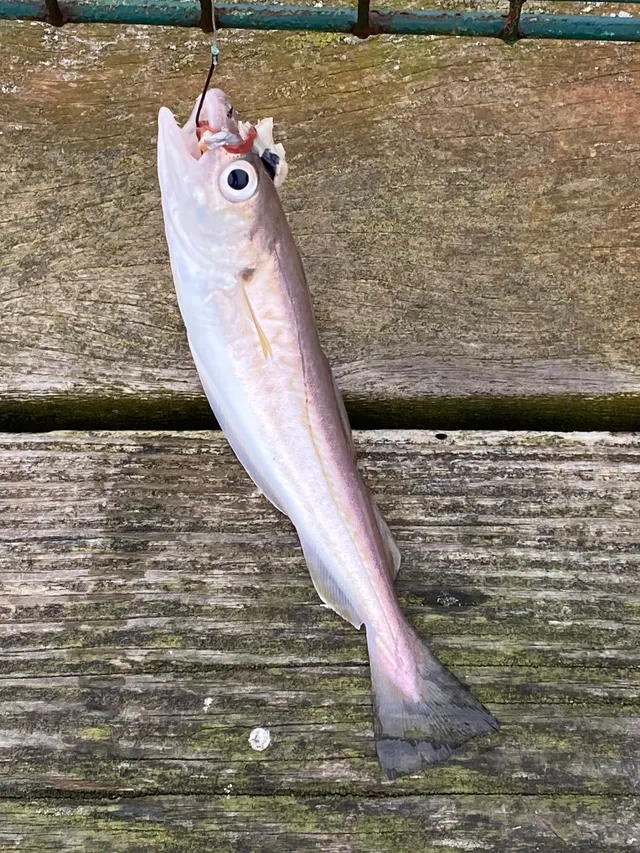 WhitingSeasonal5 placesFowey, Porthleven, Newquay and Towan Head, Gribbin Head and 1 moreOver estuary mark, harbour wall, headlandAround Jan–Feb, Nov–Dec
Also documented from a kayak: Atlantic horse mackerel · Ballan wrasse · Conger eel · Tope · Bull huss · European plaice · Tub gurnard · Dab · European flounder · Gilthead bream · Small-eyed ray · Turbot · Small-spotted catshark · Thick-lipped grey mullet · Pouting · Thornback ray · Cuckoo wrasse · Black seabream · Brill · Ling · Starry smooth-hound
Fly fishing · 6
- Brown troutCharacteristic of this water18 placesThe Test at Stockbridge, Kielder Water, Rutland Water, Windermere and 14 moreOver cove, lake, reservoir, river reachAround Mar–Oct
- Rainbow troutCharacteristic of this water10 placesRutland Water, Grafham Water, Chew Valley Lake, Blagdon Lake and 6 moreOver lake, reservoirAround Jan, Mar–Dec
- European sea bassRegular local target1 placeChichester HarbourOver estuary
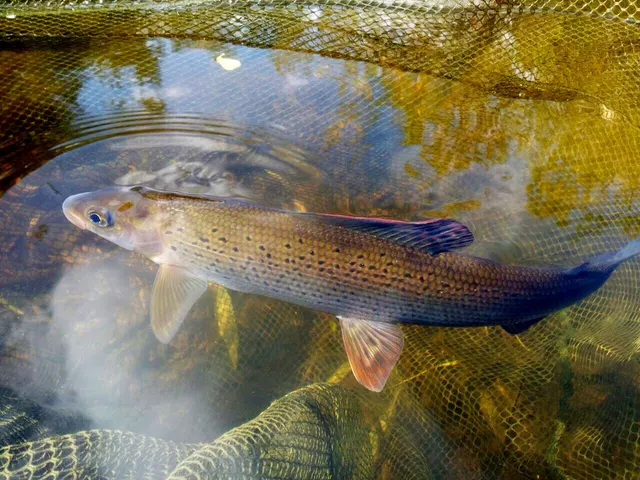 GraylingSeasonal2 placesThe Wye at Symonds Yat, The Test at StockbridgeOver river reachAround Jan–Mar, Oct–Dec
- Northern pikeSeasonal2 placesChew Valley Lake, Bewl WaterOver reservoirAround Jan–Dec
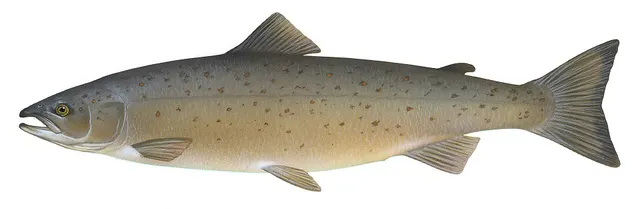 Atlantic salmonRecorded here2 placesThe Wye at Symonds Yat, The Test at StockbridgeOver river reach
What these strengths mean
- Characteristic of this water
- This water is strongly identified with this species by the sources that cover it.
- Regular local target
- Fishing sources describe this as a normal local target here, not merely as caught.
- Seasonal
- Well supported, and concentrated in part of the year rather than spread through it.
- Repeatedly reported
- Several independent public accounts. Enough to say it happens more than once; not enough to call it a fishery.
- Recorded here
- At least one credible public account of this species being caught here. That is all it means.
- Occasional
- Caught here, and described as unusual rather than normal. Do not plan a session around it.
- How breadth is counted
- A fish documented at six marks is shown as six marks: breadth never raises the strength on its own. A fishery account describes the fishing; a recorded catch reports one specific catch. How evidence is weighed.
How people fish here
18 methods are recorded on the places documented here, counted from the records themselves rather than from what is practised in the country. Each opens a full guide to the technique.
Ledgering
Recorded at 342 places here, over beach, headland, pier, estuary.
Fishing a bait on the bottom held by a weight, with no float — the simplest way to fish at distance, in depth, or in wind.
Documented on the same ground: Atlantic cod, Ballan wrasse, Barbel, Conger eel, Edible crab, European plaice.
Float fishing
Recorded at 205 places here, over headland, river reach, pier, rock mark.
Suspending a bait at a controlled depth beneath a buoyant indicator — the most visual, most controllable and most widely applicable method in angling.
Documented on the same ground: Ballan wrasse, Barbel, Chub, Common bream, Conger eel, Edible crab.
Spinning
Recorded at 176 places here, over headland, rock mark, estuary, bay.
Casting an artificial lure and retrieving it so that it moves like something alive — the most direct form of lure fishing.
Documented on the same ground: Atlantic cod, Ballan wrasse, Barbel, Common bream, Conger eel, European plaice.
Kayak fishing
Recorded at 72 places here, over estuary, harbour wall, bay, headland.
A platform rather than a technique: quiet, shallow-draught access to water no other craft reaches, bought at the price of exposure, and a discipline where the decision not to launch is part of the skill.
Documented on the same ground: Atlantic cod, Ballan wrasse, Bull huss, Conger eel, Dab, European flounder.
Surfcasting
Recorded at 55 places here, over beach, surf beach, estuary mark, rock mark.
Casting heavy baited tackle from a beach into surf — a method defined by distance, by tide, and by reading water that all looks the same.
Documented on the same ground: Atlantic cod, European plaice, Bull huss, Common sole, Conger eel, Dab.
Feeder fishing
Recorded at 41 places here, over river reach, canal section, weir pool, broad.
Legering with a weight that also carries bait, so that free offerings arrive in exactly the same place as the hookbait, cast after cast.
Documented on the same ground: Barbel, Chub, Common bream, Dace, European perch, Northern pike.
Stillwater fly fishing
Recorded at 22 places here, over reservoir, lake.
Fly fishing without current, where the angler supplies every movement and the problem becomes finding fish rather than presenting to them.
Documented on the same ground: Brown trout, Northern pike, Rainbow trout, European perch, Roach, Arctic char.
Deadbaiting
Recorded at 19 places here, over lake, drain, broad, gravel pit.
Presenting a dead fish as bait for predators — a method that works because scavenging is normal predator behaviour, not an exception.
Documented on the same ground: Common bream, Northern pike, Rainbow trout, Brown trout, European perch, Roach.
Feathering and multi-lure traces
Recorded at 19 places here, over pier, headland, bay, harbour wall.
A string of small lures on droppers, worked in the water column — how most people in Britain and Ireland catch their first sea fish, and the method most likely to catch far more than anybody intended.
Documented on the same ground: Atlantic cod, Atlantic mackerel, Ballan wrasse, Bull huss, Common sole, Conger eel.
9 further methods are recorded at one or two places each: Dry fly fishing, Pole fishing, Trolling, Light rock fishing, Crabbing with a line and a drop net, Eging, Jigging, Drop shotting, Saltwater fly fishing.
These are the methods documented at the places FishingHQ holds here. A species listed beside a method is documented on the same ground, which is not the same as being taken that way — where a source establishes the method a fish was caught on, it is stated on that place’s own page. All fishing methods.
The fishing year here
The months the records under this area actually name, tightest season first. This is “observed in these months” rather than a season: a species whose months nobody recorded is not listed, because a gap in the evidence is not a year-round fishery.
- Arctic charApril to June
- Spotted rayMarch to May
- Atlantic mackerelJune to September
- Small-spotted catsharkJune to September
- GarfishJune to September
- European perchOctober to January
- European lobsterJune to September
- Gilthead breamJune to September
- Blonde rayJune to September
- Blue sharkJune to September
- Atlantic horse mackerelJune to September
- Striped red mulletJune to September
Areas within this one
31 coasts, island groups and systems inside this area have fishing guides of their own.
Anglesey
13 documented places
A large island off north Wales separated from the mainland by a strait carrying one of the fastest tidal races in Britain — which is why its fishing is organised around water speed rather than around ground.
Documented here: Ballan wrasse, Pollack, European sea bass, Conger eel, Small-spotted catshark
Fished by: ledgering, float fishing, spinning, kayak fishing
Cardigan Bay and the sarnau
16 documented places
A great open bay in the west of Wales with glacial moraine reefs running kilometres out to sea and drying at low water — a ground type with no analogue anywhere else in these islands — and the largest bottlenose dolphin population in Britain.
Documented here: European sea bass, European flounder, Ballan wrasse, Pollack, Dab
Fished by: ledgering, spinning, float fishing, kayak fishing
Chesil Beach
6 documented places
Eighteen miles of shingle whose stones are graded from pea gravel at one end to fist-sized cobble at the other, with a tideless lagoon behind it and deep water immediately in front.
Documented here: European plaice, Atlantic cod, European sea bass, Common sole, Conger eel
Fished by: ledgering, spinning, surfcasting, float fishing
Lyme Bay
2 documented places
The great open bay of the west Dorset and east Devon coast, with the Chesil shingle bank forming its eastern shore and two small harbours cut into an otherwise unbroken cliff line.
Fished by: ledgering, float fishing
Morecambe Bay and the north-west England coast
14 documented places
The largest continuous intertidal sand and mud flats in Britain. A place defined by what is uncovered rather than by what is underwater — and by how fast it comes back.
Documented here: Atlantic cod, European flounder, European sea bass, Dab, Thornback ray
Fished by: ledgering, surfcasting, float fishing, spinning
Pembrokeshire and the south-west Wales coast
14 documented places
Old hard rock pushed out into the Atlantic, with islands off the end of it and tidal races between them. The races are the fishery and they are also the reason the coast is treated with respect.
Documented here: Pollack, European sea bass, Ballan wrasse, Conger eel, Small-spotted catshark
Fished by: ledgering, spinning, float fishing, kayak fishing
Portland Bill and the Portland Race
1 documented place
A limestone headland projecting into the Channel with a tidal race off its tip that is one of the most dangerous pieces of water in northern Europe, and one of the most productive.
Documented here: Ballan wrasse, Conger eel, European sea bass, Pollack, Atlantic mackerel
Fished by: feathering and multi-lure traces, float fishing, ledgering, spinning
The Channel shingle coasts
14 documented places
Steep banks of graded pebbles with deep water a rod's length out. The grading is not decoration — it sorts the seabed by particle size, and the fish distribute themselves along that sorting.
Documented here: European sea bass, Atlantic cod, Common sole, Starry smooth-hound, Thornback ray
Fished by: ledgering, float fishing, spinning, kayak fishing
The Cornish and Devon coasts
65 documented places
Britain's south-west peninsula has two coasts with different weather, the warmest sea in the country, deep water against rock, and full Atlantic swell — which together produce the widest shore species list in Britain and its most serious rock-fishing hazard.
Documented here: Ballan wrasse, Conger eel, European sea bass, European flounder, Thornback ray
Fished by: ledgering, spinning, float fishing, kayak fishing
The English canal network
10 documented places
Three thousand kilometres of water dug for freight and now fished by more people than any river in England — shallow, narrow, uniform, and the water on which competitive coarse angling was invented.
Documented here: Roach, Common bream, European perch, Northern pike, Zander
Fished by: float fishing, feeder fishing, pole fishing, ledgering
The English trout reservoirs
11 documented places
Large water-supply reservoirs stocked with trout, on which an entire discipline of fly fishing was invented within living memory — and which now hold some of the largest pike and perch in England as well.
Documented here: Rainbow trout, Brown trout, Northern pike, European perch
Fished by: stillwater fly fishing, deadbaiting, trolling
The Fens and their drains
9 documented places
A drained landscape in eastern England where the rivers run above the fields, every water level is set by a pump, and fishing a straight featureless channel is a skill of its own.
Documented here: Northern pike, Zander, Common bream, Roach, European perch
Fished by: float fishing, deadbaiting, spinning, feeder fishing
The Gower and Carmarthen Bay
16 documented places
A limestone peninsula between two great estuaries, with the second largest tidal range in Britain running through it and a cockle fishery that has been worked by the same communities for generations.
Documented here: European sea bass, Ballan wrasse, Conger eel, European flounder, Pollack
Fished by: ledgering, float fishing, spinning, kayak fishing
The Hampshire chalk streams
4 documented places
Clear, cold, spring-fed rivers running off chalk at almost constant temperature and flow — a rare habitat globally, the birthplace of modern dry-fly fishing, and among the most closely managed fisheries anywhere.
Documented here: Brown trout, Grayling, Atlantic salmon
Fished by: dry fly fishing, feeder fishing, float fishing, ledgering
The Isles of Scilly
4 documented places
A granite archipelago forty kilometres off Land's End with the clearest inshore water in England, almost no fresh water, and a species list that runs warmer than anywhere else in these islands.
Documented here: Ballan wrasse, Pollack, Atlantic mackerel, Thick-lipped grey mullet
Fished by: light rock fishing, spinning, feathering and multi-lure traces, float fishing
The Lake District lakes
6 documented places
Deep, cold, ice-cut ribbon lakes holding fish that have been isolated there since the glaciers left. The rarest freshwater fishes in England live in them, and they are in trouble for reasons that have nothing to do with angling.
Documented here: Northern pike, Brown trout, European perch, Rainbow trout, Arctic char
Fished by: deadbaiting, float fishing, spinning, stillwater fly fishing
The Norfolk and Suffolk sandbank coast
22 documented places
A soft, moving coast in front of a field of offshore sandbanks. The banks make the fishing and the softness makes the coast retreat — the same sediment system does both.
Documented here: Edible crab, European sea bass, Atlantic cod, Whiting, Dab
Fished by: ledgering, spinning, surfcasting, kayak fishing
The Norfolk Broads
6 documented places
A network of shallow lakes and slow rivers that everybody assumed was natural until the 1950s, when it turned out to be flooded medieval peat diggings — and one of Britain's great pike fisheries.
Documented here: Common bream, Roach, Rudd, Northern pike, Tench
Fished by: float fishing, deadbaiting, spinning, ledgering
The north-east England coast
37 documented places
Hard rock scars alternating with sand bays down the cold western edge of the North Sea — a coast where the ground changes every few hundred metres and the fishery changes with it.
Documented here: Atlantic cod, European flounder, Whiting, Saithe, Dab
Fished by: ledgering, spinning, float fishing, surfcasting
The Purbeck coast and Poole Bay
8 documented places
A limestone coast of ledges and a sheltered bay behind it, so an angler can fish full Channel exposure and near-flat water within the same few miles depending on which side of the Head they choose.
Documented here: Ballan wrasse, European sea bass, Conger eel, European flounder, Pollack
Fished by: ledgering, float fishing, spinning, feathering and multi-lure traces
The River Thames
4 documented places
A river declared biologically dead in the 1950s that now holds well over a hundred fish species along its length — one of the better environmental recovery stories in Europe, and an unfinished one.
Documented here: Chub, Dace, Roach, Common bream, Northern pike
Fished by: feeder fishing, float fishing, ledgering, pole fishing
The River Trent
5 documented places
A big lowland river that industry effectively killed and water treatment brought back, and now one of the most productive coarse rivers in England. The recovery is the story.
Documented here: Barbel, Chub, Roach, Northern pike, Common bream
Fished by: feeder fishing, float fishing, ledgering, spinning
The River Wye
4 documented places
One of Britain's great mixed rivers — historically a salmon river of the first rank, now better known for barbel and chub — and the clearest current example of what nutrient pollution does to a river system.
Documented here: Barbel, Chub, Grayling, Atlantic salmon, Northern pike
Fished by: feeder fishing, float fishing, ledgering, dry fly fishing
The Severn Estuary
29 documented places
The second largest tidal range in the world, in a funnel-shaped estuary so turbid that fish hunt by lateral line, with a tidal bore running miles upriver and an elver fishery of real antiquity.
Documented here: Rainbow trout, European sea bass, Atlantic cod, Turbot, Conger eel
Fished by: ledgering, surfcasting, spinning, float fishing
The Solent and the Hampshire coast
14 documented places
A sheltered strait between an island and the mainland where the tide does something it does nowhere else in Britain — a double high water that holds the sea up for hours, on top of the country's busiest small-craft water.
Documented here: European sea bass, Starry smooth-hound, Edible crab, European flounder, European lobster
Fished by: ledgering, spinning, kayak fishing, float fishing
The Thames Estuary
14 documented places
A vast shallow funnel of mud, sand and moving bank between Essex and Kent, biologically dead within living memory and now one of the most productive nursery systems in north-west Europe. The recovery is the record.
Documented here: Common sole, European sea bass, Thornback ray, Whiting, European flounder
Fished by: ledgering, kayak fishing, surfcasting
The Wash and the Lincolnshire coast
8 documented places
England's largest embayment: four rivers, an enormous drying sandflat, the country's biggest shellfishery and a nursery for a substantial share of the southern North Sea's flatfish.
Documented here: Atlantic cod, European flounder, Dab, Small-spotted catshark, Starry smooth-hound
Fished by: ledgering, kayak fishing
The Welsh coast and Anglesey
9 documented places
A long, varied coast whose defining feature is water speed: the tidal races off Anglesey and the headlands are among the fastest water fished from the shore anywhere in Britain, and they organise both the fishing and the risk.
Documented here: European flounder, European sea bass, Conger eel, Dab, Pollack
Fished by: ledgering, spinning, float fishing, kayak fishing
The Welsh sewin rivers
3 documented places
The sea trout rivers of west and south-west Wales, fished almost entirely in the dark, with their own tackle, their own literature and — on one of them — a licensed net fishery worked from coracles within living memory.
Fished by: dry fly fishing
The Yorkshire coast
17 documented places
Hard rock in the north, the fastest-eroding coast in Europe in the south, and the two joined by a chalk headland that sorts them. One coast that is three fisheries because it is three geologies.
Documented here: Atlantic cod, Saithe, Ballan wrasse, Pollack, Atlantic mackerel
Fished by: ledgering, float fishing, spinning, surfcasting
Weymouth Bay
5 documented places
The water east of Portland, sheltered from the prevailing south-westerly by the peninsula that makes Chesil dangerous — which is why Weymouth is a working angling port and Chesil is a storm beach.
Documented here: European sea bass, Ballan wrasse, Pollack, European flounder, Bull huss
Fished by: float fishing, ledgering, spinning, eging
What dominates
Stillwater coarse fishing, and carp fishing above all, is the numerical majority. Match fishing is highly developed and has shaped tackle design worldwide. River coarse fishing — barbel, chub, roach, dace — retains a strong following. Game fishing for trout, salmon and sea trout carries cultural weight out of proportion to its participation and is where the fly tradition sits, split between chalk stream, spate river and stillwater reservoir traditions. Predator fishing for pike, perch and zander is well established. Sea angling is dominated by beach, rock, pier and estuary fishing, with charter boats working wrecks and banks. Coastal lure fishing for bass has grown very substantially, and coastal fly fishing for bass and pollack is a small but growing discipline. Bait gathering, crabbing and shellfish gathering are ordinary coastal practices with their own rules.
The water available
Lowland rivers, chalk streams, spate rivers in the west and north, a dense and navigable canal network, natural lakes and meres, a very large number of man-made stillwaters and gravel pits, upland reservoirs, fenland drains, and roughly a third of the coastline of Britain. Estuaries are a defining environment — the Severn, Thames, Humber, Solway and Dee among them — and the tidal ranges in some are extreme. The coast ranges from the shingle banks and chalk of the south, through the Atlantic reef and kelp of the south-west, to the sandbank coasts of the east and the mixed ground of Wales.
How the rules are structured
Freshwater angling requires a rod licence issued under statute, with the environmental regulator administering it. The licence permits the act of angling; it conveys no right to fish any particular water, because fishing rights in fresh water are almost always private property held by an owner, club or fishery. Permission from that holder is a separate and equally necessary requirement. A statutory close season applies on rivers for coarse fish and is not generally applied to enclosed stillwaters, and separate seasons apply to salmon and trout. Byelaws made regionally govern methods, baits, size limits and catch limits, and fishery rules made privately sit beneath them and are frequently stricter. Salmon and sea trout are additionally governed by conservation measures that have been revised repeatedly and differ between England and Wales. At sea, angling from the shore or a private boat is not licensed in the same way, and is instead governed by minimum sizes, protected species, closed and restricted areas, gear restrictions and byelaws made by regional inshore authorities, with separate rules for the taking of shellfish and crustaceans. Marine protected areas and designated sites overlay all of it and may restrict activity inside their boundaries. FishingHQ does not state what any current rule is. Licences, permits, close seasons, size limits, bag limits, permitted methods and access arrangements all change, and they vary between waters as well as between countries. Before fishing, check the current position with the authority named above and with whoever controls the water itself.
Who to ask
- The environmental regulator for England, which issues the rod licence, makes fisheries byelaws and enforces them.
- The equivalent Welsh environmental body, which administers fisheries in Wales and has set salmon and sea trout measures differently from England.
- The regional inshore fisheries and conservation authority for the stretch of coast concerned, for sea angling byelaws, minimum sizes and closed areas.
- The owner, club, syndicate or commercial fishery controlling the water, whose permission is separate from and additional to any licence.
- The body managing any marine protected area, national park or designated site where the fishing takes place.
- The national conservation body, for protected species and habitat designations that override general rules.
Words you will meet
- Rod licence
- The state instrument permitting freshwater angling. It is not permission to fish any specific water — that comes separately from whoever holds the fishing rights, and confusing the two is the commonest regulatory error made here.
- Coarse and game
- The local division of freshwater fish into game — salmon, trout, sea trout, and by convention grayling — and coarse, meaning everything else. A nineteenth-century social and legal distinction rather than a biological one, and one that does not travel.
- Day ticket
- Permission to fish a water for a day, bought from the fishery or club. The normal means of access to fresh water here, and a concept that assumes the private-rights model underneath it.
- Peg
- A numbered fishing position on a match or day-ticket water. The word reflects how organised and how allocated British stillwater fishing is.
- Close season
- A statutory period during which fishing for particular species is not permitted. It applies to coarse fish on rivers and generally not on enclosed stillwaters, which is a distinction that catches out visitors and beginners alike.
- IFCA
- An inshore fisheries and conservation authority: the regional body making and enforcing sea fishing byelaws in English coastal waters. Rules differ between districts, so the relevant one depends on which stretch of coast you are standing on.
Conditions and hazards
The characteristic fatal accidents here are immersion and being cut off. Water is cold enough year-round for cold water shock to be a genuine danger, and most drownings involve people who did not intend to enter the water. Estuaries and intertidal flats — the Severn, Morecambe Bay, the Solway, the Wash — combine soft ground with very large, fast tides, and a flood tide fills channels behind an angler before the water ahead looks close. Rock marks on the Atlantic coasts of the south-west and Wales take swell that arrives independently of local wind. Steep, slippery banks and undercut margins on rivers and gravel pits account for a steady toll away from the sea. Overhead power lines near stillwaters and drains are a recurring and entirely avoidable cause of death with carbon rods.
The two permissions, and why a licence is never enough
Almost every regulatory misunderstanding in English and Welsh freshwater angling comes from collapsing two separate things into one.
THE FIRST PERMISSION IS THE ROD LICENCE. It is issued by the state, it permits the ACT of angling for fish in fresh water, and it is personal to the angler. It says nothing whatever about where.
THE SECOND PERMISSION IS THE RIGHT TO FISH THAT WATER. In England and Wales the right to fish is a property right attached to land, and it belongs to somebody: a riparian owner, a club that has bought or leased it, an angling association, a commercial fishery. Fishing without that holder's permission is not a licensing matter — it is a matter between the angler and the owner.
BOTH ARE REQUIRED AND NEITHER SUBSTITUTES FOR THE OTHER. An angler with a valid licence fishing a water they have no permission for is in the wrong. So is an angler with a day ticket and no licence. Visitors from countries with public fishing rights routinely assume the licence is the whole story, and it is the half that is easier to buy.
AT SEA THE PICTURE IS DIFFERENT AND THIS IS WHERE PEOPLE OVERCORRECT. Sea angling from the shore is not licensed in the same way, and there is a broad expectation of foreshore access for it. That does not make the sea unregulated: minimum sizes, protected species, closed areas, gear restrictions and byelaws all apply, they differ by district, and taking shellfish or crustaceans has its own rules again.
AND THE RULE BENEATH THE RULE IS THE FISHERY'S OWN. Club and fishery rules are private, they are frequently stricter than the law, and they are enforceable as a condition of the permission. Barbless hooks, no keepnets, no nuts, no braid, no night fishing: none of these is statute and all of them can end a day. They must be read for the specific water rather than assumed from another.
Official guidance — why, and the sources (2)
Stated by a fisheries authority, scientific institute or recognised angling body. Authoritative, but summarising rather than demonstrating.
- Environment Agency fisheries management, byelaws and rod licensing information — Environment Agency (Government fisheries body)Relied on for: Fisheries management in England, including the rod licence framework, byelaws, close seasons and the structure of freshwater fisheries regulation.States this directlyCitation checked — the work exists and is described correctly
- Angling Trust guidance for anglers — Angling Trust (Angling or fisheries organisation)Relied on for: Guidance for anglers on participation, licensing structure, access arrangements and getting started.Background and mechanism onlyCitation checked — the work exists and is described correctly
What people actually fish for, and how the disciplines divide
The participation picture here is lopsided in a way the literature does not reflect.
STILLWATER COARSE FISHING IS THE MAJORITY, and carp fishing is the largest single part of it. Commercial fisheries — purpose-dug, stocked, managed stillwaters with numbered pegs — are where most English and Welsh angling actually happens, and they are a genuinely distinct environment with their own tackle and their own conventions.
MATCH FISHING SHAPED THE TACKLE. Competitive fishing here drove the development of the pole, the modern feeder, fine terminal tackle and a whole vocabulary of technique, and much of that has been exported worldwide by anglers who have never fished a match.
RIVER COARSE FISHING IS A MINORITY WITH DEEP ROOTS. Barbel, chub, roach and dace on flowing water is where much of the written tradition sits, and it operates under a close season that stillwaters mostly do not.
GAME FISHING CARRIES DISPROPORTIONATE WEIGHT. Trout, salmon and sea trout account for a modest share of participation and a very large share of the writing, the money and the cultural association. Three distinct traditions sit inside it: the chalk stream, the spate river, and the stillwater reservoir.
PREDATOR FISHING is well established — pike above all, with perch and zander — and carries its own strong fish-care culture because the fish is easily damaged.
SEA ANGLING IS OVERWHELMINGLY SHORE-BASED: beach, rock, pier and estuary, with a charter sector working wrecks and offshore banks. Lure fishing for bass from the shore has grown enormously in twenty years and has changed what a sea angler's tackle looks like.
AND THE NON-ROD PRACTICES ARE ORDINARY RATHER THAN EXOTIC. Crabbing from harbour walls, bait digging, cockling, mussel and winkle gathering, and prawn netting are all normal coastal activities here, each with its own regulatory position that differs from rod angling.
What experienced anglers do — why, and the sources (3)
Widely and independently recommended by experienced anglers and specialist sources. This is real angling knowledge, not proof: controlled evidence for it is limited, and FishingHQ records it as convention rather than as a demonstrated effect.
- Angling Times — Bauer Media (Specialist angling publication)Relied on for: Contemporary UK coarse and match angling practice, participation and fishery culture as reported by practitioners.Background and mechanism onlyCitation checked — the work exists and is described correctly
- Sea Angler — Bauer Media (Specialist angling publication)Relied on for: Contemporary UK sea angling practice, including shore and boat technique, species and regional fishing culture.Background and mechanism onlyCitation checked — the work exists and is described correctly
- General angling website restatements of established technique — Various (Credible secondary source)Relied on for: Widely restated angling practice and belief, recorded as practitioner consensus rather than as tested fact.Background and mechanism onlyCitation checked — the work exists and is described correctly
The water available, from chalk stream to commercial pool
England and Wales pack an unusually wide range of fishable water into a small area, and the variety is the point.
CHALK STREAMS are globally rare and disproportionately concentrated here: spring-fed, clear, stable in flow and temperature, and the water the dry-fly tradition was built on.
SPATE RIVERS in the west and north behave in the opposite way — flashy, peat-stained, rising and falling fast with rain — and they carry the salmon and sea trout fishing.
LOWLAND RIVERS across the midlands and east are slower, richer and siltier, and hold the classic coarse species.
THE CANAL NETWORK is a genuine and unusual asset: hundreds of miles of shallow, narrow, walkable water reachable on foot and by public transport, holding a full coarse species list. Very few countries have anything comparable, and it is the most accessible fishing in Britain.
STILLWATERS RANGE FROM NATURAL TO ENTIRELY MANUFACTURED — meres and natural lakes, flooded gravel pits that have become some of the best carp and pike water in Europe, upland reservoirs stocked for trout, and purpose-built commercial fisheries.
FENLAND DRAINS AND LOWLAND WATERWAYS are a distinctive environment of their own: straight, wind-exposed, pumped and managed, holding large pike and bream.
AND THE COAST IS SEVERAL COASTS. Shingle banks and chalk in the south; Atlantic reef, kelp and deep water close in around the south-west; sandbanks and longshore drift on the east; mixed rock and sand around Wales. Estuaries are a defining feature and several — the Severn above all — have tidal ranges among the largest in the world.
Backed by research — why, and the sources (3)
Supported by peer-reviewed research or fisheries science. The sources are listed and can be checked.
- Freshwater Fishes of the British Isles — HarperCollins (New Naturalist 75), 1992 (Reference work)Relied on for: Distribution, biology and status of the freshwater fishes of the British Isles, including the differences between catchments and countries.States this directlyCitation checked — the work exists and is described correctly
- The Fishes of the British Isles and North-West Europe — Macmillan, 1969 (Reference work)Relied on for: Distribution, habitat and biology of the fishes of the British Isles and north-west Europe.States this directlyCitation checked — the work exists and is described correctly
- Cefas science, advice and data on marine and freshwater environments — Centre for Environment, Fisheries and Aquaculture Science (Government fisheries body)Relied on for: Marine and freshwater environmental science and the evidence base underpinning fisheries management advice.States this directlyCitation checked — the work exists and is described correctly
The fish, and which of them are actually the point
The species list here is modest by world standards and intensively known, which is a combination that produces a lot of specialist knowledge about a few fish.
IN FRESH WATER the coarse species dominate: common carp above all, then bream, tench, roach, rudd, perch, chub, barbel and dace, with crucian carp as a conservation concern and zander as an established introduction. Northern pike is the principal predator and one of the most carefully handled fish in British angling.
GAME SPECIES are brown trout, native and stocked; rainbow trout, stocked and largely non-breeding; Atlantic salmon and sea trout, both under serious and well-documented pressure; and grayling, which is biologically a salmonid and socially treated as neither one thing nor the other.
THE EUROPEAN EEL is present, critically endangered, and subject to strict protection — the clearest case in British fresh water of a fish whose regulatory position has changed sharply within living memory.
AT SEA the shore angler's list is led by European sea bass, which is both the most sought-after inshore species and the most heavily regulated. Atlantic cod, whiting, pollack, coalfish, ballan wrasse, mackerel, garfish, flounder, plaice, dab and sole make up the ordinary run, with conger, bull huss, smoothhound, tope and rays on rougher and deeper ground.
MULLET deserve separate mention as the fish most British anglers walk past: abundant, visible, extremely difficult and increasingly targeted deliberately.
AND THE NON-FINFISH CATCHES IS REAL RATHER THAN A FOOTNOTE. Edible and shore crabs, lobster, prawns and shrimp, cockles, mussels, razor clams, winkles and whelks, squid and cuttlefish are all taken here, each under rules that differ from rod angling and from one another.
Backed by research — why, and the sources (3)
Supported by peer-reviewed research or fisheries science. The sources are listed and can be checked.
- The Fishes of the British Isles and North-West Europe — Macmillan, 1969 (Reference work)Relied on for: Distribution, habitat and biology of the fishes of the British Isles and north-west Europe.States this directlyCitation checked — the work exists and is described correctly
- Freshwater Fishes of the British Isles — HarperCollins (New Naturalist 75), 1992 (Reference work)Relied on for: Distribution, biology and status of the freshwater fishes of the British Isles, including the differences between catchments and countries.States this directlyCitation checked — the work exists and is described correctly
- Cefas science, advice and data on marine and freshwater environments — Centre for Environment, Fisheries and Aquaculture Science (Government fisheries body)Relied on for: Marine and freshwater environmental science and the evidence base underpinning fisheries management advice.States this directlyCitation checked — the work exists and is described correctly
The fishing year, and the close season that only half exists
The English and Welsh fishing year has a shape most anglers know by habit and few can explain, and its oddities are mostly regulatory rather than biological.
SPRING is the transition. Water warms, coarse fish move towards spawning, and the statutory river close season for coarse fish covers the period when they do it. Trout seasons open through this period on different dates in different places.
THE CLOSE SEASON APPLIES ON RIVERS AND GENERALLY NOT ON ENCLOSED STILLWATERS, which is the single most confusing feature of the year and is entirely an artefact of how the rules developed rather than a statement about fish. The practical consequence is that the same species may be legitimately fished for on one water and not on another a mile away, at the same time of year.
SUMMER is the peak of participation and the hardest on the fish. Warm, low-oxygen water makes handling and release genuinely consequential, and it is when carp fishing, match fishing and the bass season are all at their height.
AUTUMN is widely regarded as the best fishing of the year in fresh water: cooling water, feeding fish, and pike coming into condition. At sea it is when cod and whiting return to many shore marks and when bass fishing is often at its best before the fish move off.
WINTER concentrates the specialists. Pike, grayling, chub and roach on rivers; cod and whiting on the beaches; and a general thinning-out of casual participation.
SALMON AND SEA TROUT RUN ON THEIR OWN CALENDAR, which varies enormously between rivers and has shifted measurably over recent decades. Their seasons are set river by river and revised in response to stock assessments, so this is the part of the year most likely to have changed since anything was written about it.
Backed by research — why, and the sources (3)
Supported by peer-reviewed research or fisheries science. The sources are listed and can be checked.
- Freshwater Fishes of the British Isles — HarperCollins (New Naturalist 75), 1992 (Reference work)Relied on for: Distribution, biology and status of the freshwater fishes of the British Isles, including the differences between catchments and countries.States this directlyCitation checked — the work exists and is described correctly
- NASCO conservation and management of North Atlantic salmon — North Atlantic Salmon Conservation Organization (Government fisheries body)Relied on for: Conservation and management of North Atlantic salmon, including national regulatory measures, stock status and the international framework states operate within.States this directlyCitation checked — the work exists and is described correctly
- Angling Times — Bauer Media (Specialist angling publication)Relied on for: Contemporary UK coarse and match angling practice, participation and fishery culture as reported by practitioners.Background and mechanism onlyCitation checked — the work exists and is described correctly
The words, and the ones that mislead visitors
British angling vocabulary is unusually thick, unusually old and exported far beyond the conditions it describes, which makes it worth being explicit about.
COARSE AND GAME is the big one. It divides freshwater fish into game — salmon, trout, sea trout, conventionally grayling — and coarse, meaning all the rest. It originated in nineteenth-century social and legal distinctions about who fished for what, and it describes nothing biological. A reader outside these islands should treat it as a local category rather than a fact about fish.
LEDGERING, TROTTING, LAYING ON, LINK LEGER, QUIVERTIP: a dense technical vocabulary for ways of presenting a bait, fixed here and used worldwide by anglers who often do not know where it came from.
SWIM means the piece of water an angler is fishing. PEG means an allocated position on it. Both assume an organised, allocated fishery.
SPECIMEN HUNTING means deliberately targeting large individuals of a species rather than numbers, and it is a whole culture with its own literature.
A COMMERCIAL means a commercial coarse fishery — a stocked, managed, day-ticket stillwater — and not a commercial fishing vessel. This confuses visitors reliably.
BAILIFF means the person who checks permits on a water. The word carries a legal weight elsewhere that it does not carry here.
AND ROUGH GROUND, CLEAN GROUND AND MIXED GROUND are the sea angler's basic classification of the bottom, deciding rig, weight and expected loss rate. Rough ground here means reef, boulder and kelp — never coral, which is what a reader arriving from a tropical account may assume.
What experienced anglers do — why, and the sources (3)
Widely and independently recommended by experienced anglers and specialist sources. This is real angling knowledge, not proof: controlled evidence for it is limited, and FishingHQ records it as convention rather than as a demonstrated effect.
- General angling website restatements of established technique — Various (Credible secondary source)Relied on for: Widely restated angling practice and belief, recorded as practitioner consensus rather than as tested fact.Background and mechanism onlyCitation checked — the work exists and is described correctly
- Angling Times — Bauer Media (Specialist angling publication)Relied on for: Contemporary UK coarse and match angling practice, participation and fishery culture as reported by practitioners.Background and mechanism onlyCitation checked — the work exists and is described correctly
- Sea Angler — Bauer Media (Specialist angling publication)Relied on for: Contemporary UK sea angling practice, including shore and boat technique, species and regional fishing culture.Background and mechanism onlyCitation checked — the work exists and is described correctly
Where the modern sport was written down
England and Wales occupy a peculiar position in fishing history: a modest fishery with an enormous written tradition, and the tradition travelled further than the fish ever could.
THE WRITING STARTS EARLY. A treatise on angling with a rod was printed here in the late fifteenth century, describing tackle, baits and seasons in terms a modern angler can follow, and by the seventeenth century angling had a literature of its own rather than being a subsection of husbandry.
THE PRIVATE-RIGHTS MODEL IS MEDIEVAL IN ORIGIN. Fishing rights attached to land and to manorial holdings long before there was any recreational fishery to speak of, and the arrangement survived into a period when it came to govern a mass leisure activity. That is why a densely populated country with a strong public-access tradition on foot has almost no publicly open fresh water.
THE INDUSTRIAL REVOLUTION MADE IT A MASS SPORT AND A NORTHERN ONE. Railways gave industrial workers access to water at a distance, and the club and match culture that grew out of that is the direct ancestor of the organised fishery landscape today.
THE CANALS WERE BUILT FOR FREIGHT AND INHERITED BY ANGLERS. A transport network made obsolete by rail became, by accident, one of the most accessible fisheries in the world.
SEA ANGLING DEVELOPED SEPARATELY AND LATER, out of commercial small-boat fishing and seaside tourism, which is part of why its vocabulary and its regulatory position are so different from freshwater's.
AND THE EXPORT IS THE PART THAT MATTERS TO EVERYONE ELSE. Because so much angling writing in English describes these conditions and uses these categories, a great deal of it is read worldwide as though it were general. It is not, and FishingHQ tries to name the assumption wherever it appears.
Official guidance — why, and the sources (2)
Stated by a fisheries authority, scientific institute or recognised angling body. Authoritative, but summarising rather than demonstrating.
- Fishers' Craft and Lettered Art: Tracts on Fishing from the End of the Middle Ages — University of Toronto Press, 1997 (Scientific literature)Relied on for: The medieval and early-modern development of angling in Europe, including the emergence of fishing rights, private fisheries and the written tradition.States this directlyCitation checked — the work exists and is described correctly
- General angling website restatements of established technique — Various (Credible secondary source)Relied on for: Widely restated angling practice and belief, recorded as practitioner consensus rather than as tested fact.Background and mechanism onlyCitation checked — the work exists and is described correctly
How fishing feels here, and what is expected of you
The culture is organised, sociable, rule-bound and quietly formal, and knowing that in advance saves a visitor a lot of friction.
ACCESS IS ARRANGED RATHER THAN ASSUMED. You join, you buy a ticket, you book. Turning up at attractive-looking water and starting to fish is not how it works, and the assumption that it might be is the clearest marker of somebody who has fished elsewhere.
FISHERY RULES ARE TAKEN SERIOUSLY AND VARY BY WATER. Barbless hooks, approved landing nets, no keepnets, unhooking mats, no particular baits, no night fishing: these are conditions of permission rather than suggestions, and they exist mostly for fish welfare.
FISH CARE IS A STRONG NORM, particularly for carp, pike and specimen fish. Wet hands, unhooking mats, proper retention and quick returns are expected, and failing to observe them attracts comment.
SPACE AND SILENCE HAVE CONVENTIONS. Crowding another angler is rude; walking the bank behind somebody fishing shallow water is worse. On a match water the pegs settle it; elsewhere it is judgement.
MATCH AND SPECIMEN CULTURES ARE DISTINCT and largely separate, with different tackle, different waters and different conversations.
SEA ANGLING IS MORE INFORMAL AND MORE SOLITARY, particularly beach fishing at night, and the etiquette is mostly about not casting across people.
AND CONSERVATION IS AN ACTIVE ARGUMENT RATHER THAN A SETTLED BACKGROUND. Salmon and sea trout decline, bass management, eel protection, water quality and pollution, and the lead-versus-alternatives question are all live debates that anglers here take positions on, and a visitor will encounter them.
What experienced anglers do — why, and the sources (3)
Widely and independently recommended by experienced anglers and specialist sources. This is real angling knowledge, not proof: controlled evidence for it is limited, and FishingHQ records it as convention rather than as a demonstrated effect.
- Angling Trust guidance for anglers — Angling Trust (Angling or fisheries organisation)Relied on for: Guidance for anglers on participation, licensing structure, access arrangements and getting started.Background and mechanism onlyCitation checked — the work exists and is described correctly
- General angling website restatements of established technique — Various (Credible secondary source)Relied on for: Widely restated angling practice and belief, recorded as practitioner consensus rather than as tested fact.Background and mechanism onlyCitation checked — the work exists and is described correctly
- JNCC species and habitat conservation advice — Joint Nature Conservation Committee (Conservation authority)Relied on for: Conservation designation and advice for species and habitats, including protected areas and the statutory framework behind them.Background and mechanism onlyCitation checked — the work exists and is described correctly
Places within this area
Publicly documented fishing geography. FishingHQ describes what the ground is; it does not say whether you may fish it, and every one of these sends that question to the body that holds the answer. Browse every place in this part of the world.
Who to ask before fishing any of these
FishingHQ does not know the current access position here. Freshwater rod fishing in England requires a current rod licence AND separate permission from whoever controls the fishing, which is frequently a club, riparian owner or navigation authority rather than a public body. Close seasons, byelaws and local rules apply and change. Check with the Environment Agency and with the controlling club or owner before going.
FishingHQ does not know the current access position here. Freshwater rod fishing in Wales requires a current rod licence AND separate permission from whoever controls the fishing, which is frequently a club, riparian owner or navigation authority rather than a public body. Close seasons, byelaws and local rules apply and change. Check with Natural Resources Wales and with the controlling club or owner before going.
The Severn at Bewdley
River reach · Fresh water
A wide, fast, gravel-bedded reach of the middle Severn running through a wooded gorge below the Wyre Forest, with hard gravel glides, deeper pools on the bends and a well-defined flood plain.
Substantially sheltered by the valley and by heavy bankside tree cover.
Particular to this ground: moving water and currents, drowning and immersion, cold water shock.
Llyn Tegid
Lake · Fresh water
The largest natural lake in Wales: a glacial ribbon lake in a fault-guided valley in Snowdonia, six kilometres long, with steep sides, a deep central trough and the River Dee running through it.
The valley funnels wind along the lake axis and Bala is notoriously windy; the fetch is the full length of the lake.
Particular to this ground: cold water shock, boat safety, biosecurity and disease transfer.
Particular to this water: This ground carries conservation designations that constrain access, vehicles, bait collection and disturbance independently of any fishing rule.
The Severn at Shrewsbury
River reach · Fresh water
A wide, slow, silt-and-gravel loop of the upper-middle Severn enclosing the town on three sides, with high tree-lined banks and a very flashy response to Welsh rainfall.
Severe hazards of England and Wales apply here: cold water shock.
The Severn at Worcester
River reach · Fresh water
A deep, wide, weir-controlled navigation reach below the Teme confluence, with a soft bed, steep banks and one of the longest match-fishing records of any English river.
Severe hazards of England and Wales apply here: cold water shock.
The Severn at Tewkesbury and the Avon confluence
Confluence · Fresh water
Where the Warwickshire Avon joins the Severn below a weir and lock complex, giving a slack, a fast tongue and a deep junction pool within a very short distance.
Severe hazards of England and Wales apply here: cold water shock.
The Dorset Stour at Blandford
River reach · Fresh water
A clay-and-chalk river with a soft bed, deep slow bends and streamier gravel between, running through open downland farmland.
Severe hazards of England and Wales apply here: cold water shock.
The Wharfe at Bolton Abbey
River reach · Fresh water
A limestone-gravel river running fast and clear through a wooded valley, with long streamy glides, a narrow rock gorge at the Strid and deep pools between.
Particular to this ground: moving water and currents.
Severe hazards of England and Wales apply here: cold water shock.
The Ure at Ripon
River reach · Fresh water
A limestone river of gravel runs and deep bends below the Yorkshire Dales, joined by the Skell and the Laver at Ripon and becoming the Ouse a short way downstream.
Severe hazards of England and Wales apply here: cold water shock.
19 more places in this area
The Yorkshire Ouse at York
River reach · Fresh water
A wide, deep, silt-bedded river through the city, tidal a short way downstream, flashy in response to Dales rainfall and prone to substantial and rapid flooding.
Severe hazards of England and Wales apply here: cold water shock.
The Yorkshire Derwent at Malton
River reach · Fresh water
A slow, deep, clay-bedded lowland river with heavy bankside vegetation, one of the most ecologically protected rivers in England and an unusually rich coarse fishery.
Severe hazards of England and Wales apply here: cold water shock.
The Ribble at Clitheroe
River reach · Fresh water
A limestone-influenced river of fast gravel runs and deep pools below the Bowland fells, with a large migratory run and a flashy hydrograph.
Severe hazards of England and Wales apply here: cold water shock.
The Lune at Lancaster
River reach · Fresh water
A wide gravel river running to a tidal limit just below the city, with long streamy glides, unstable shifting gravel bars and a substantial salmon and sea trout run.
Severe hazards of England and Wales apply here: cold water shock.
The Eden at Appleby
River reach · Fresh water
A red sandstone river running north through the Vale of Eden, with gravel glides, deep sandstone-walled pools and a strong grayling population alongside its salmonids.
Severe hazards of England and Wales apply here: cold water shock.
The Tyne at Hexham
River reach · Fresh water
A wide gravel river below the meeting of the North and South Tyne, and the most productive salmon river in England — a recovery from an industrially dead river within living memory.
Severe hazards of England and Wales apply here: cold water shock.
The Coquet at Rothbury
River reach · Fresh water
A small, fast, clean upland river of gravel and bedrock running through a wooded Northumbrian valley, with a substantial sea trout run for its size.
Severe hazards of England and Wales apply here: cold water shock.
The Great Ouse at Bedford
River reach · Fresh water
The upper Great Ouse above the fen: a slower clay-bedded river of deep bends, weir pools and long tree-lined reaches, quite unlike the drain-like river downstream.
Severe hazards of England and Wales apply here: cold water shock.
The Witham at Lincoln
River reach · Fresh water
A canalised, uniform, slow river running dead straight across the fen from Lincoln to Boston, with reed margins, an even bed and almost no natural variation in depth.
Severe hazards of England and Wales apply here: cold water shock.
The Ancholme
River reach · Fresh water
An entirely artificial straightened river running north across north Lincolnshire to a tidal sluice at South Ferriby, with uniform depth, reed margins and a controlled level.
Severe hazards of England and Wales apply here: cold water shock.
Kielder Water
Reservoir · Fresh water
The largest artificial lake in northern Europe by volume, in a deep afforested valley on the Northumberland border, with acidic peaty water, steep drowned sides and great depth.
Severe hazards of England and Wales apply here: cold water shock.
The Cotswold Water Park
Gravel pit · Fresh water
A complex of well over a hundred flooded gravel workings in the upper Thames valley, with clear water over clean gravel, steep-shelving margins and extensive weed.
Severe hazards of England and Wales apply here: cold water shock.
The Usk at Abergavenny
River reach · Fresh water
A fast, clean, freestone river running over gravel and bedrock ledges through the Brecon Beacons foothills, with a celebrated wild brown trout population and an early salmon run.
Severe hazards of England and Wales apply here: cold water shock.
The Conwy at Llanrwst
River reach · Fresh water
A fast Snowdonian river running over gravel and bedrock through the Conwy valley to a tidal limit a few miles below, with a substantial sewin run.
Severe hazards of England and Wales apply here: cold water shock.
The Dee at Llangollen
River reach · Fresh water
A fast, rocky, regulated river running through a narrow valley below Llyn Tegid, with a horseshoe weir feeding the canal and a flow held up by the lake above.
Severe hazards of England and Wales apply here: cold water shock.
The Clwyd
River reach · Fresh water
A slow, silt-and-gravel lowland river running north through the Vale of Clwyd to a tidal limit at Rhuddlan, with a modest sewin run and coarse fish in its lower reaches.
Severe hazards of England and Wales apply here: cold water shock.
Llyn Brenig
Reservoir · Fresh water
A large, high, exposed moorland reservoir on the Denbigh moors, with acidic peat-influenced water, a long fetch and cold conditions well into spring.
Severe hazards of England and Wales apply here: cold water shock.
Llyn Clywedog
Reservoir · Fresh water
A deep, steeply-sided reservoir in a narrow mid-Wales valley behind a very tall concrete dam, built to regulate the Severn, with a level that varies greatly through the year.
Severe hazards of England and Wales apply here: cold water shock.
Llyn Trawsfynydd
Reservoir · Fresh water
A shallow upland reservoir in Snowdonia built to serve a hydro and later a nuclear station, with a distinctive warmed history and an exposed moorland setting.
Severe hazards of England and Wales apply here: cold water shock.
Check the rules before you fish
Fishing laws, bylaws, access rules, seasons, bait restrictions and permitted methods vary by location and can change. Check the current rules from the relevant authority and the water you intend to fish before fishing.
Check with:
- Current national or regional law for where you are fishing
- Current local bylaws
- The relevant fisheries authority
- The landowner, club or fishery whose water it is
- Any restrictions specific to the species or the method you intend to use
Where to go next
What swims here
Local knowledge
- Accessible fishingThe canal network and urban stillwaters make this the jurisdiction with the most developed barrier-free and car-free fishing provision in FishingHQ.
- Coarse fish: a category that does not travelThe jurisdiction the coarse-and-game division came from, and the reason it appears in angling literature worldwide as though it described fish rather than nineteenth-century social arrangements.
How this compares
- Britain and IrelandThe parent page explains what these islands share — the coarse-and-game vocabulary, the written tradition, the private-rights inheritance. This is one of the four jurisdictions that actually regulate.
- Fly fishing for bass in surf, estuary and over rockThe bass fishery that drove the growth of shore lure fishing here also drove the growth of coastal fly, and bass are heavily regulated in this jurisdiction.
- Match fishingCompetitive fishing here shaped pole, feeder and fine terminal tackle design worldwide, and is the direct descendant of the industrial club culture that made angling a mass sport.
- Northern IrelandBoth require a licence and a separate permission, and they differ in who provides the second: much of Northern Ireland's freshwater fishing is publicly administered rather than held by private clubs.
- ScotlandThe sharpest regulatory contrast in these islands. England and Wales require a rod licence and hold fishing rights privately; Scotland requires no coarse rod licence, governs salmon under a separate heritable-rights system, and has a statutory right of responsible access that England and Wales do not.
- The Channel shingle coastsThe shingle coasts of the Channel are among the most heavily fished shore marks in the jurisdiction and gave beachcasting much of its technique.
- The Isle of ManThe comparison that makes the point: the Isle of Man is not part of the United Kingdom, and an angler who knows the England and Wales position knows nothing about the Manx one.
- The Republic of IrelandThe two extremes of the licensing question in these islands: England and Wales require a rod licence for all freshwater angling, and the Republic requires none for coarse fish or brown trout while managing salmon more strictly than either.
1 more
- The Severn Estuary Fishing regions
Rules and access
- Close seasonsThe jurisdiction where the close-season concept is at its most confusing in practice: statutory on rivers for coarse fish and generally not on enclosed stillwaters.
- Licences and permissionThe clearest illustration of the two-permission structure the concept describes: a state licence permitting the act, and a separate private permission for the water.
History and culture
Sources and evidence
- Environment Agency fisheries management, byelaws and rod licensing information — Environment Agency (Government fisheries body)Relied on for: Fisheries management in England, including the rod licence framework, byelaws, close seasons and the structure of freshwater fisheries regulation.States this directlyCitation checked — the work exists and is described correctly
- Angling Trust guidance for anglers — Angling Trust (Angling or fisheries organisation)Relied on for: Guidance for anglers on participation, licensing structure, access arrangements and getting started.Background and mechanism onlyCitation checked — the work exists and is described correctly
- Cefas science, advice and data on marine and freshwater environments — Centre for Environment, Fisheries and Aquaculture Science (Government fisheries body)Relied on for: Marine and freshwater environmental science and the evidence base underpinning fisheries management advice.States this directlyCitation checked — the work exists and is described correctly
Why the 15 connections on this page are here, and the sources
What swims here
Backed by research — 1 connection
Supported by peer-reviewed research or fisheries science. The sources are listed and can be checked.
European sea bass
A distribution claim about the world, so it rests on the reference works rather than on angling report. FishingHQ's evidence policy requires it.
- FishBase: a global information system on fishes — Froese, R. and D. Pauly, eds. — FishBase Consortium (Scientific institute)Relied on for: Distribution, habitat association, water-type tolerance and occurrence records for the species, including its presence in the countries concerned.States this directlyPassage read and verified
- The IUCN Red List of Threatened Species — International Union for Conservation of Nature (Conservation authority)Relied on for: Assessment and range account for the species, including the countries and systems it occupies and its population trend within them.States this directlyCitation checked — the work exists and is described correctly
Local knowledge
What experienced anglers do — 2 connections
Widely and independently recommended by experienced anglers and specialist sources. This is real angling knowledge, not proof: controlled evidence for it is limited, and FishingHQ records it as convention rather than as a demonstrated effect.
Accessible fishing
What is distinctive about fishing somewhere is usually a process working differently there, so the process is explained once here rather than restated for every place.
- General angling website restatements of established technique — Various (Credible secondary source)Relied on for: Widely restated angling practice and belief, recorded as practitioner consensus rather than as tested fact.Background and mechanism onlyCitation checked — the work exists and is described correctly
- Angling Trust guidance for anglers — Angling Trust (Angling or fisheries organisation)Relied on for: Guidance for anglers on participation, licensing structure, access arrangements and getting started.Background and mechanism onlyCitation checked — the work exists and is described correctly
Coarse fish: a category that does not travel
What is distinctive about fishing somewhere is usually a process working differently there, so the process is explained once here rather than restated for every place.
- General angling website restatements of established technique — Various (Credible secondary source)Relied on for: Widely restated angling practice and belief, recorded as practitioner consensus rather than as tested fact.Background and mechanism onlyCitation checked — the work exists and is described correctly
- Angling Trust guidance for anglers — Angling Trust (Angling or fisheries organisation)Relied on for: Guidance for anglers on participation, licensing structure, access arrangements and getting started.Background and mechanism onlyCitation checked — the work exists and is described correctly
How this compares
What experienced anglers do — 9 connections
Widely and independently recommended by experienced anglers and specialist sources. This is real angling knowledge, not proof: controlled evidence for it is limited, and FishingHQ records it as convention rather than as a demonstrated effect.
Britain and Ireland
Two places a reader would reasonably weigh against one another, joined where the comparison teaches something about both. It is also how the larger geography is linked to what sits inside it.
- General angling website restatements of established technique — Various (Credible secondary source)Relied on for: Widely restated angling practice and belief, recorded as practitioner consensus rather than as tested fact.Background and mechanism onlyCitation checked — the work exists and is described correctly
- Angling Trust guidance for anglers — Angling Trust (Angling or fisheries organisation)Relied on for: Guidance for anglers on participation, licensing structure, access arrangements and getting started.Background and mechanism onlyCitation checked — the work exists and is described correctly
Fly fishing for bass in surf, estuary and over rock
Two records a reader would reasonably weigh against one another, joined where the comparison teaches something about both.
- Sea Angler — Bauer Media (Specialist angling publication)Relied on for: Contemporary UK sea angling practice as reported and restated by practitioners, including shore technique, species behaviour and tackle convention.Background and mechanism onlyCitation checked — the work exists and is described correctly
- General angling website restatements of established technique — Various (Credible secondary source)Relied on for: Widely restated angling practice and belief, recorded as practitioner consensus rather than as tested fact.Background and mechanism onlyCitation checked — the work exists and is described correctly
Match fishing
Two places a reader would reasonably weigh against one another, joined where the comparison teaches something about both. It is also how the larger geography is linked to what sits inside it.
- Fishers' Craft and Lettered Art: Tracts on Fishing from the End of the Middle Ages — University of Toronto Press, 1997 (Scientific literature)Relied on for: The medieval and early-modern development of angling in Europe, including the emergence of fishing rights and private fisheries.States this directlyCitation checked — the work exists and is described correctly
- General angling website restatements of established technique — Various (Credible secondary source)Relied on for: Widely restated accounts of regional angling tradition and practice, recorded as practitioner consensus.Background and mechanism onlyCitation checked — the work exists and is described correctly
Northern Ireland
Two places a reader would reasonably weigh against one another, joined where the comparison teaches something about both. It is also how the larger geography is linked to what sits inside it.
- General angling website restatements of established technique — Various (Credible secondary source)Relied on for: Widely restated angling practice and belief, recorded as practitioner consensus rather than as tested fact.Background and mechanism onlyCitation checked — the work exists and is described correctly
- Angling Trust guidance for anglers — Angling Trust (Angling or fisheries organisation)Relied on for: Guidance for anglers on participation, licensing structure, access arrangements and getting started.Background and mechanism onlyCitation checked — the work exists and is described correctly
Scotland
Two places a reader would reasonably weigh against one another, joined where the comparison teaches something about both. It is also how the larger geography is linked to what sits inside it.
- General angling website restatements of established technique — Various (Credible secondary source)Relied on for: Widely restated angling practice and belief, recorded as practitioner consensus rather than as tested fact.Background and mechanism onlyCitation checked — the work exists and is described correctly
- Angling Trust guidance for anglers — Angling Trust (Angling or fisheries organisation)Relied on for: Guidance for anglers on participation, licensing structure, access arrangements and getting started.Background and mechanism onlyCitation checked — the work exists and is described correctly
The Channel shingle coasts
Two places a reader would reasonably weigh against one another, joined where the comparison teaches something about both. It is also how the larger geography is linked to what sits inside it.
- General angling website restatements of established technique — Various (Credible secondary source)Relied on for: Widely restated angling practice and belief, recorded as practitioner consensus rather than as tested fact.Background and mechanism onlyCitation checked — the work exists and is described correctly
- Angling Trust guidance for anglers — Angling Trust (Angling or fisheries organisation)Relied on for: Guidance for anglers on participation, licensing structure, access arrangements and getting started.Background and mechanism onlyCitation checked — the work exists and is described correctly
The Isle of Man
A navigational claim that two places pose the same problem differently and that a reader on one is likely to want the other.
- Angling Times — Bauer Media (Specialist angling publication)Relied on for: Contemporary British angling practice as reported week by week, across coarse, game and sea fishing, including which waters are fished for what.States this directlyCitation checked — the work exists and is described correctly
- General angling website restatements of established technique — Various (Credible secondary source)Relied on for: Widely restated descriptions of regional angling practice, recorded as consensus rather than as scholarship.Background and mechanism onlyCitation checked — the work exists and is described correctly
The Republic of Ireland
Two places a reader would reasonably weigh against one another, joined where the comparison teaches something about both. It is also how the larger geography is linked to what sits inside it.
- General angling website restatements of established technique — Various (Credible secondary source)Relied on for: Widely restated angling practice and belief, recorded as practitioner consensus rather than as tested fact.Background and mechanism onlyCitation checked — the work exists and is described correctly
- Angling Trust guidance for anglers — Angling Trust (Angling or fisheries organisation)Relied on for: Guidance for anglers on participation, licensing structure, access arrangements and getting started.Background and mechanism onlyCitation checked — the work exists and is described correctly
The Severn Estuary
Two places a reader would reasonably weigh against one another, joined where the comparison teaches something about both. It is also how the larger geography is linked to what sits inside it.
- General angling website restatements of established technique — Various (Credible secondary source)Relied on for: Widely restated angling practice and belief, recorded as practitioner consensus rather than as tested fact.Background and mechanism onlyCitation checked — the work exists and is described correctly
- Angling Trust guidance for anglers — Angling Trust (Angling or fisheries organisation)Relied on for: Guidance for anglers on participation, licensing structure, access arrangements and getting started.Background and mechanism onlyCitation checked — the work exists and is described correctly
Rules and access
Official guidance — 2 connections
Stated by a fisheries authority, scientific institute or recognised angling body. Authoritative, but summarising rather than demonstrating.
Close seasons
A place joined to the regulatory concept whose structure it illustrates. The edge asserts that the concept applies here, never what any current rule says.
- Environment Agency fisheries management, byelaws and rod licensing information — Environment Agency (Government fisheries body)Relied on for: Fisheries management structure, licensing, byelaws and close seasons in England, and the shape of freshwater fisheries regulation.States this directlyCitation checked — the work exists and is described correctly
- NASCO conservation and management of North Atlantic salmon — North Atlantic Salmon Conservation Organization (Government fisheries body)Relied on for: Conservation and management of North Atlantic salmon, including the national regulatory measures and management structures states operate.States this directlyCitation checked — the work exists and is described correctly
Licences and permission
A place joined to the regulatory concept whose structure it illustrates. The edge asserts that the concept applies here, never what any current rule says.
- Environment Agency fisheries management, byelaws and rod licensing information — Environment Agency (Government fisheries body)Relied on for: Fisheries management structure, licensing, byelaws and close seasons in England, and the shape of freshwater fisheries regulation.States this directlyCitation checked — the work exists and is described correctly
- NASCO conservation and management of North Atlantic salmon — North Atlantic Salmon Conservation Organization (Government fisheries body)Relied on for: Conservation and management of North Atlantic salmon, including the national regulatory measures and management structures states operate.States this directlyCitation checked — the work exists and is described correctly
History and culture
Official guidance — 1 connection
Stated by a fisheries authority, scientific institute or recognised angling body. Authoritative, but summarising rather than demonstrating.
Angling literature and the written tradition
A place joined to the documented fishing tradition it belongs to, so the history has a real setting and the place has a real past.
- Fishers' Craft and Lettered Art: Tracts on Fishing from the End of the Middle Ages — University of Toronto Press, 1997 (Scientific literature)Relied on for: The medieval and early-modern development of angling in Europe, including the emergence of fishing rights and private fisheries.States this directlyCitation checked — the work exists and is described correctly
- General angling website restatements of established technique — Various (Credible secondary source)Relied on for: Widely restated accounts of regional angling tradition and practice, recorded as practitioner consensus.Background and mechanism onlyCitation checked — the work exists and is described correctly
How FishingHQ labels evidence is explained in the evidence policy.