Peeler crab
Bait · Last reviewed 2026-08-10
A shore crab caught in the act of moulting — soft, defenceless, and among the most effective sea baits there is, for exactly that reason.
Safety: tides and being cut off — can cause serious injury or death. 5 more points apply here.
- What it actually is
- Chiefly Carcinus maenas, the common shore crab, in the pre-moult and soft-shell stages.
- How long it keeps
- Two to five days live in cold damp weed. Frozen peeler keeps for months and remains an excellent bait, though it is softer and must be bound to the hook. Peeler is one of the few baits that freezes without losing much of its effectiveness.
A peeler is a shore crab about to shed its shell. Crabs grow by moulting, and for a short window either side of that moult the animal is soft, vulnerable and completely defenceless. Every predatory fish on the shore knows this, and a peeler crab is therefore not merely a bait but the single most reliably attractive natural item available inshore.
Bass, cod, wrasse, flounder and smoothhound all take peeler readily, and for bass in particular there are periods when nothing else comes close. The timing is seasonal, tied to the moulting cycle, which is why peeler is a spring and summer bait and why its availability varies sharply.
It is also the bait that demands the most care in collection and identification. Recognising a crab that is about to peel — rather than one that has just hardened, or one that is nowhere near — is a specific skill, and collecting crabs involves turning over rocks and weed on a shore where both the habitat and the collection may be regulated.
What it is
A crab in the pre-moult stage has a shell that is beginning to separate from the new one forming beneath it. The classic test is the back leg: press or gently twist the last segment of the rearmost leg, and if the outer casing slips off cleanly to reveal a soft new limb beneath, the crab is a peeler. The undershell shows dark cracking lines along the edge where separation is beginning. A softback is the stage immediately after the moult, when the whole animal is soft and rubbery.
Fish it catches
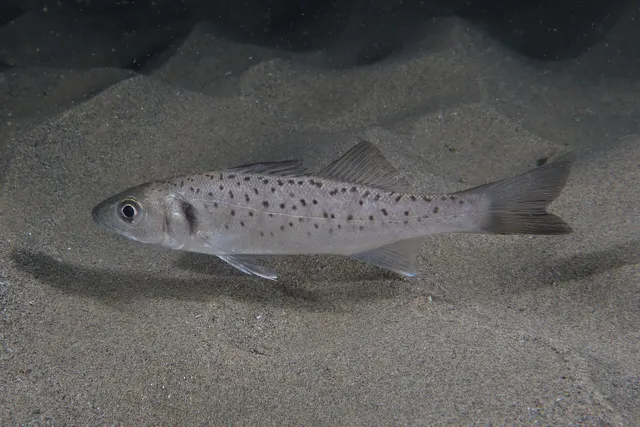 European sea bassThe most highly regarded shore bait in British sea angling for bass, and the reasoning is biological rather than traditional: a crab that has just shed its shell is defenceless and briefly abundant, and bass feed on exactly that.
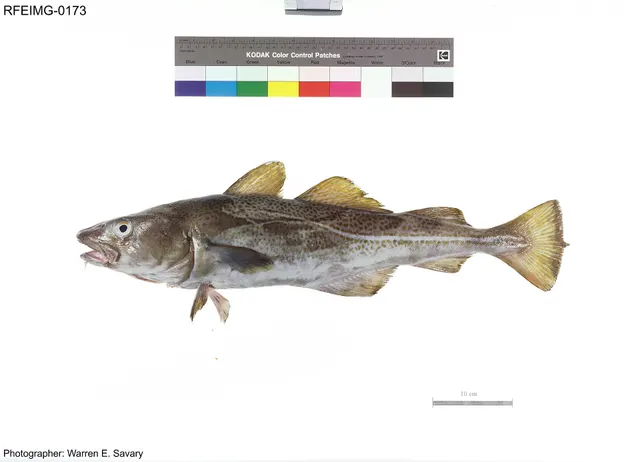 Atlantic codWidely used for cod over mixed and rough ground, frequently in combination with worm rather than alone.
- Common stingrayWhere a stingray is a target rather than an accident, crab and king ragworm are what the sources say to use — the Shannon directory is explicit that the fish baits which take the tope and thornback will not do it.
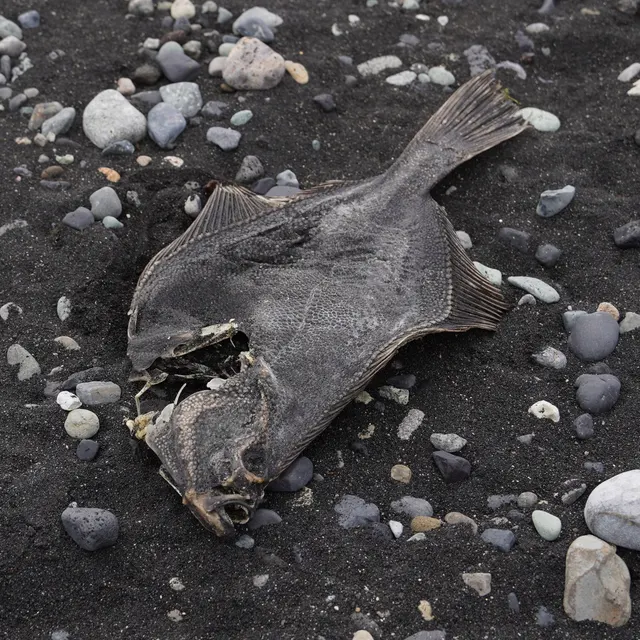 European flounderTakes better flounders than worm in many estuaries, particularly in spring when crabs are moulting.
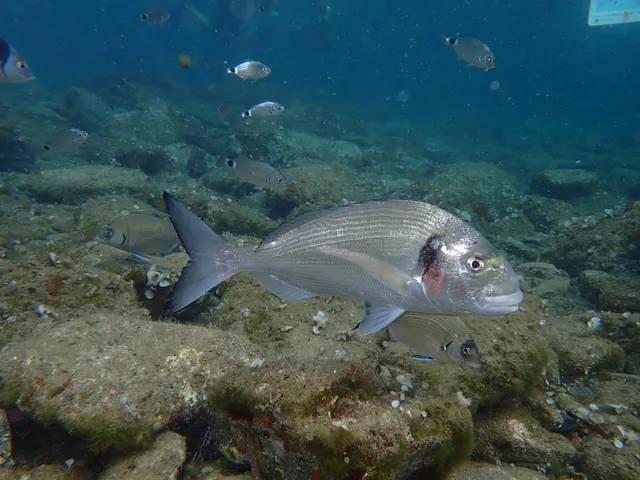 Gilthead breamThe statutory guide gives crab as the best bait in the Clonakilty estuary, where it names gilthead bream alongside bass, flounder and three mullet species on the same tide.
- Spotted rayThe standout bait for this species, and a worked example of diet informing bait choice: the spotted ray's diet is crustacean-weighted where the blonde ray's is fish-weighted.
- Starry smooth-houndEvery published account of a shore smooth-hound fishery read for this names crab and offers no alternative. A Wexford club match landing a hundred and sixteen hounds in four hours, and a Lincolnshire session of more than fifty fish per angler, both fished fresh peeler.
Finding and obtaining it
Collected from intertidal rocks, weed, and man-made structures where crabs shelter to moult, or bought from tackle shops at considerable expense. Collection means turning over rocks and lifting weed — and REPLACING THEM AS THEY WERE, which is not a courtesy but the whole basis of a shore staying productive. A turned rock left upside down kills everything living on its underside. Collection is subject to rules that vary by location and may be restricted or prohibited on protected sites; check what applies before collecting.
Keeping and storing it
Cool, damp and dark, in a container with damp seaweed, not submerged. Crabs kept too warm complete the moult and go soft and useless, or die. Kept cold, a peeler can be held for several days and the moult slowed considerably. Keep them in a single layer where possible and remove any that have died, which spoils the rest quickly.
Keeping it alive
Cold, damp, dark, and in weed rather than water. Crabs held in standing seawater without aeration die quickly. The aim is to slow the moult, and that means cold.
Preparing it
Peel the crab: remove the back shell, the leg casings, the gills — the feathery 'dead man's fingers' — and the mouthparts, leaving the soft body and the legs. This is what the bait is. Legs are used as tipping or bound alongside the body. A frozen peeler should be thawed only as needed.
Using it
Hook through the body and bind the whole bait to the hook with bait elastic. This is not optional: peeler is soft, it will not survive a cast unbound, and elastic is what turns it from a bait that falls off into one that arrives intact. Half a crab on a smaller hook for flatfish and wrasse; a whole crab, sometimes with legs bound alongside, for bass and cod.
Disposing of what is left
Return unused live crabs to the shore they came from, low down and under cover, not thrown onto open rock where gulls take them. Never move live crabs between shores or between countries — Carcinus maenas is one of the world's most damaging invasive species where it has been introduced, and bait movement is a documented pathway. Dead crab and shell go into sealed domestic waste.
Biosecurity
This is the bait with the most serious biosecurity profile in FishingHQ. The common shore crab is a highly successful invasive species outside its native range, and live crabs moved for bait have contributed to introductions. Collect locally, use locally, return locally, and never transport live crabs to a different coast.
Keeping and storing peeler crab
A peeler crab is a crab about to moult, and the whole value of it is a window of a few days in that crab's life. Storage is really about holding that window open.
WHY IT WORKS AS A BAIT AT ALL. A crab that has just shed its shell is defenceless and edible, and a great many fish know it. The scent of a peeling crab is one of the strongest natural bait signals in inshore fishing.
KEEPING THEM ALIVE. Cool, damp, and in the dark. Damp newspaper or seaweed in a shallow tray in a cool box. Not submerged in fresh water, which kills them quickly, and not in a sealed bag. Kept cold, a peeler will hold for several days and will continue to advance towards its moult; kept warm it will either moult and become a soft crab or die.
FREEZING is the standard answer and it works well, which is unusual among sea baits. Kill the crab, remove the shell, legs and gills, and freeze the body — ideally wrapped tightly and individually, because air is what causes freezer burn and freezer-burnt crab loses the scent that is the entire point. Some anglers bind them with elastic thread before freezing, which saves doing it with cold hands on a beach.
WHAT DOES NOT SURVIVE. Repeated thawing. A crab that has softened and been refrozen is a poor bait and a food-hygiene problem if it is being handled alongside anything else.
AND THE HONEST NOTE ON QUALITY. Frozen peeler is a genuinely good bait — closer to fresh than any frozen worm is — but a fresh peeler in season outfishes it, and everybody who has used both knows it.
Gathering peeler crab responsibly
Peeler crabs are gathered by turning rocks, lifting weed and checking the artificial refuges anglers leave for them, in the intertidal zone at low water.
THE HARM IS NOT THE CRABS. It is the ground. A turned rock that is not turned back is a small habitat destroyed: the animals on its underside dry out or are eaten within hours, and the community that took years to establish does not return quickly. Repeated turning of the same shore visibly strips it.
SO THE RULE IS SIMPLE AND IT IS THE WHOLE OF GOOD PRACTICE. TURN EVERY ROCK BACK, the same way up, in the same place. It costs nothing and it is the difference between gathering and damage.
TAKE ONLY PEELERS. A hard crab taken is a peeler removed from next month, and a berried female is a great many crabs removed from next year. Both go back.
ARTIFICIAL REFUGES — pipes, tiles, traps left on the shore — are widely used and are a genuinely better method, because they concentrate crabs without disturbing ground. They are also structures left on a public shore, and in some places that is regulated or prohibited.
AND THE RULES ARE LOCAL AND VARIED. Crab gathering is restricted in many places by size limits, by quantity, by season, by protected-area conditions, and sometimes by a prohibition on taking berried or soft crabs at all. Several fisheries treat it as shellfish collection rather than as bait gathering, which brings a different regulatory regime entirely. Check the current position with the inshore fisheries body and the protected-area manager for that shore.
Official guidance — why, and the sources (1)
Stated by a fisheries authority, scientific institute or recognised angling body. Authoritative, but summarising rather than demonstrating.
- JNCC species and habitat conservation advice — Joint Nature Conservation Committee (Conservation authority)Relied on for: The framework of protected areas covering intertidal and estuarine habitats, and the conservation interest of the bird and invertebrate communities they support.Background and mechanism onlyCitation checked — the work exists and is described correctly
Safety
Tides and being cut off — Can cause serious injury or death
Crab grounds are low on the shore and are covered first as the tide returns. Rocky shores also cut off collectors from the landward side while they are still standing on dry rock.
What reduces it: Know when your exit closes, set an alarm, and leave then. Never collect alone on a shore with a limited exit.
Slips, trips and falls — Can cause injury needing treatment
Crab collecting means walking on wet, weed-covered intertidal rock, bent over, with attention on the ground rather than the surroundings. Weed-covered rock is as slippery as ice, and a fall onto barnacle-covered rock cuts badly.
What reduces it: Studded or felt-soled boots, both hands free, and a deliberate slow pace. Look up periodically — for the tide, for swell, and for where you are.
Precautions that always apply here
- Check the tide before you go and know your exit route. Being cut off is the commonest way a shore session becomes a rescue.
- Tell somebody where you are going and when you expect to be back.
- Carry a charged phone in a waterproof case, or another means of calling for help.
- Check, clean and dry your kit between different waters — the published guidance is 48 hours’ drying, in sunlight where possible, because a number of invasive species survive over two weeks in damp conditions. Nets, boots and wet mats move invasive species and disease more effectively than anything else anglers do.
Check the rules before you fish
Fishing laws, bylaws, access rules, seasons, bait restrictions and permitted methods vary by location and can change. Check the current rules from the relevant authority and the water you intend to fish before fishing.
Check with:
- Current national or regional law for where you are fishing
- Current local bylaws
- The relevant fisheries authority
- The landowner, club or fishery whose water it is
- Any restrictions specific to the species or the method you intend to use
Where to go next
How it is fished
Understanding it
- Crabs taking the bait, and what to do about itThe bait and the problem are the same animal, which is the resolution of an apparent contradiction: ground crawling with crabs is ground where a peeler is the most natural offering available.
- How to hook a bait so it behaves naturallyPeeler cannot be hooked in any way that survives casting, which is why bait elastic is structural to the bait rather than an accessory to it.
More baits
Not related to this page — just the rest of the section. There is little else joined to this subject yet, and a short page should still lead somewhere.
Sources and evidence
- Check Clean Dry — biosecurity guidance for water users — GB Non-native Species Secretariat (Conservation authority)Relied on for: That live bait movement is a recognised pathway for the introduction and spread of non-native species.FishingHQ's interpretation of what it saysPassage read and verified
Why the 10 connections on this page are here, and the sources
Fish it catches
What experienced anglers do — 6 connections
Widely and independently recommended by experienced anglers and specialist sources. This is real angling knowledge, not proof: controlled evidence for it is limited, and FishingHQ records it as convention rather than as a demonstrated effect.
European sea bass
Long-established and independently described sea angling practice.
- Sea Angler — Bauer Media (Specialist angling publication)Relied on for: Peeler crab as a bass bait and its seasonal availability.Citation checked — the work exists and is described correctly
- Angling Times — Bauer Media (Specialist angling publication)Relied on for: Contemporary peeler crab practice from a separate editorial tradition.Citation checked — the work exists and is described correctly
Established angling convention about what a bait is used for. Convention is what this is, and labelling it as convention is what stops it being read as a tested result.
- Sea Angler — Bauer Media (Specialist angling publication)Relied on for: Contemporary UK sea angling practice as reported and restated by practitioners, including shore technique, bait use and species behaviour.States this directlyCitation checked — the work exists and is described correctly
- General angling website restatements of established technique — Various (Credible secondary source)Relied on for: Widely restated angling practice and belief, recorded as practitioner consensus rather than as tested fact.Background and mechanism onlyCitation checked — the work exists and is described correctly
Atlantic cod
Established angling convention about what a bait is used for. Convention is what this is, and labelling it as convention is what stops it being read as a tested result.
- Sea Angler — Bauer Media (Specialist angling publication)Relied on for: Contemporary UK sea angling practice as reported and restated by practitioners, including shore technique, bait use and species behaviour.States this directlyCitation checked — the work exists and is described correctly
- General angling website restatements of established technique — Various (Credible secondary source)Relied on for: Widely restated angling practice and belief, recorded as practitioner consensus rather than as tested fact.Background and mechanism onlyCitation checked — the work exists and is described correctly
Common stingray
Two independent publishers naming crab for stingray on two different pieces of Irish coast, one of them contrasting it with the fish bait used for other elasmobranchs there.
- Sea Angling in Ireland: the shore marks of south Clare and the Shannon estuary — Sea Angling Ireland (Credible secondary source)Relied on for: A county directory distinguishing the bait for stingray from the fish baits used for tope and thornback on the same ground.Passage read and verified
- Inland Fisheries Ireland: South West Sea Angling Guide — the Kerry and Beara angling marks — Inland Fisheries Ireland, 2020 (Government fisheries body)Relied on for: The statutory body naming peeler crab and fish baits together at the Tralee Bay marks where it gives stingray.Passage read and verified
European flounder
A bait joined to the fish it is conventionally used for. Convention, recorded as convention.
- Sea Angler — Bauer Media (Specialist angling publication)Relied on for: Contemporary UK and European sea angling practice as reported by practitioners, including ground, seasonal timing, bait and method convention.States this directlyCitation checked — the work exists and is described correctly
- General angling website restatements of established technique — Various (Credible secondary source)Relied on for: Widely restated descriptions of species behaviour and regional angling practice, recorded as consensus rather than as scholarship.Background and mechanism onlyCitation checked — the work exists and is described correctly
Spotted ray
A bait joined to the fish it is conventionally used for. Convention, recorded as convention.
- Sea Angler — Bauer Media (Specialist angling publication)Relied on for: Contemporary UK sea angling practice as reported by practitioners, including ground, seasonal timing, bait and method convention.States this directlyCitation checked — the work exists and is described correctly
- General angling website restatements of established technique — Various (Credible secondary source)Relied on for: Widely restated descriptions of species behaviour and regional angling practice, recorded as consensus rather than as scholarship.Background and mechanism onlyCitation checked — the work exists and is described correctly
Starry smooth-hound
Named as the smooth-hound bait by two independent publishers in two countries, each attached to a dated session with a fish count.
- Sea Angling in Ireland: the shore marks of Wexford — Sea Angling Ireland (Credible secondary source)Relied on for: A county shore directory describing a shore smooth-hound fishery across five beaches and naming the bait at each.Passage read and verified
- On the Lincolnshire smoothhounds — Planet Sea Fishing, 2016 (Specialist angling publication)Relied on for: A dated feature on an English shore smooth-hound session naming the bait, the rig and the hook size.Passage read and verified
Reported, not established — 1 connection
Reported, but without independent support. Recorded because it is in circulation, not because it has been shown to hold.
Gilthead bream
One publisher, but a statutory one, naming the bait at four separate marks in the same estuary system where it names the species. Recorded as practice on that coast rather than as a general claim, and graded as a claim resting on a single independent original.
- Inland Fisheries Ireland: South West Sea Angling Guide — the west and south Cork angling marks — Inland Fisheries Ireland, 2020 (Government fisheries body)Relied on for: The statutory body naming crab as the best bait at the estuary marks where it gives gilthead bream as an ordinary catch.Passage read and verified
How it is fished
What experienced anglers do — 1 connection
Widely and independently recommended by experienced anglers and specialist sources. This is real angling knowledge, not proof: controlled evidence for it is limited, and FishingHQ records it as convention rather than as a demonstrated effect.
Surfcasting
Both records describe the same seasonal window from opposite ends: the beach fishery changes when peeler is available, and the peeler page describes the fish that switch onto it.
- Sea Angler — Bauer Media (Specialist angling publication)Relied on for: Practitioner treatment of which lure or bait family this technique is fished with.States this directlyCitation checked — the work exists and is described correctly
- General angling website restatements of established technique — Various (Credible secondary source)Relied on for: The widely restated practitioner pairing of this technique with this family.Background and mechanism onlyCitation checked — the work exists and is described correctly
Understanding it
What experienced anglers do — 2 connections
Widely and independently recommended by experienced anglers and specialist sources. This is real angling knowledge, not proof: controlled evidence for it is limited, and FishingHQ records it as convention rather than as a demonstrated effect.
Crabs taking the bait, and what to do about it
Why it works, resting on shore-fishing practice reported consistently across independent practitioner sources rather than on experiment.
- Sea Angler — Bauer Media (Specialist angling publication)Relied on for: Contemporary UK sea angling practice as reported by practitioners, including shore technique, terminal tackle, regional ground and species behaviour.States this directlyCitation checked — the work exists and is described correctly
- Freshwater Fishing — Macdonald & Jane's, 1975 (Specialist angling publication)Relied on for: Comprehensive angling practice including terminal tackle, casting, leaders and the reasoning behind the choices.States this directlyCitation checked — the work exists and is described correctly
How to hook a bait so it behaves naturally
Why it works, resting on practice reported consistently across independent angling traditions rather than on experiment.
- Coarse Fishing — A. & C. Black, 1912 (Specialist angling publication)Relied on for: Classical coarse angling practice: baits, hooking, loose feed, presentation and swim selection.States this directlyCitation checked — the work exists and is described correctly
- Sea Angler — Bauer Media (Specialist angling publication)Relied on for: Contemporary UK sea angling practice as reported by practitioners, including bait preparation, hooking and presentation.States this directlyCitation checked — the work exists and is described correctly
How FishingHQ labels evidence is explained in the evidence policy.