Particle baits
Bait · Last reviewed 2026-08-10
Small seeds and pulses fished in quantity — hemp, maize, tares and tiger nuts — which hold fish in a swim by giving them a great deal to look for and very little to eat.
Safety: fish welfare — can cause serious injury or death. 2 more points apply here.
- What it actually is
- Seeds, nuts and pulses of many plant species — hempseed, maize, tares, tiger nuts and chickpeas being the commonest — used as bait after soaking and cooking.
- How long it keeps
- Dry: effectively indefinite. Prepared and refrigerated: two to three days before fermentation becomes significant. Frozen: a few months. The failure sign is smell and a slimy surface, and the correct response is to throw it away — introducing spoiled bait in quantity is bad for the water as well as ineffective.
Particle baits are small seeds, nuts and pulses used in quantity: hempseed, tares, maize, tiger nuts, chickpeas and a long list of regional variants. They work on a principle quite different from most baits.
A large bait feeds a fish. A carpet of particles gives a fish a reason to stay and search, because each item is small enough that finding one does not end the search. That is why particles hold a shoal in a swim for hours where a few large baits would empty in minutes, and it is the mechanism behind almost all of European match and specimen coarse fishing.
HEMPSEED is the most important. Prepared correctly — soaked then simmered until the shell splits and the white kernel shows — it produces an intense feeding response in roach, barbel, chub and carp that has no obvious explanation and is one of the more striking pieces of practitioner knowledge in the sport.
The preparation is not optional and this deserves emphasis. Dry particles swell substantially when they absorb water, and a fish that eats dry unprepared particles can suffer serious internal damage. Every particle bait must be fully soaked and, for most, cooked before use. That is a welfare requirement rather than a performance one, and several fisheries prohibit particles altogether because of it.
What it is
Small, hard, dry seeds and pulses that swell considerably on absorbing water and soften on cooking. Prepared hemp splits to show a white kernel; prepared maize is soft enough to hook and firm enough to stay on. The dry-to-prepared transformation is substantial, which is exactly why the preparation matters.
Fish it catches
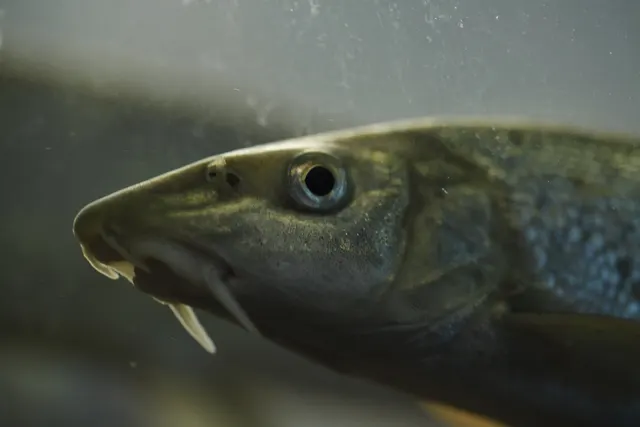 BarbelHempseed in particular produces a feeding response in barbel that has no obvious explanation and is one of the more striking pieces of practitioner knowledge in the sport.
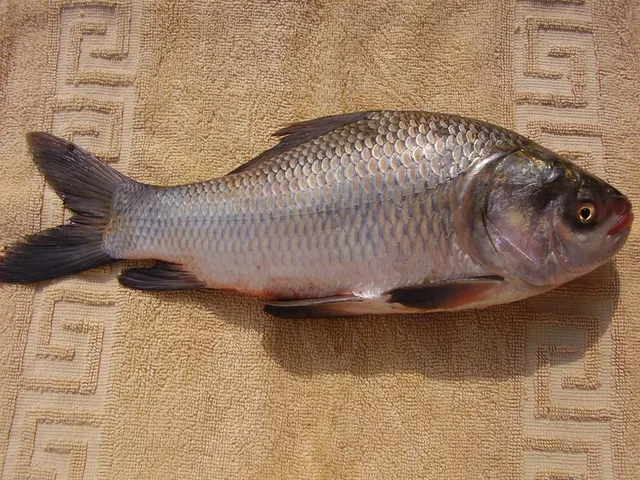 CatlaPaste baits presented in midwater and near the surface.
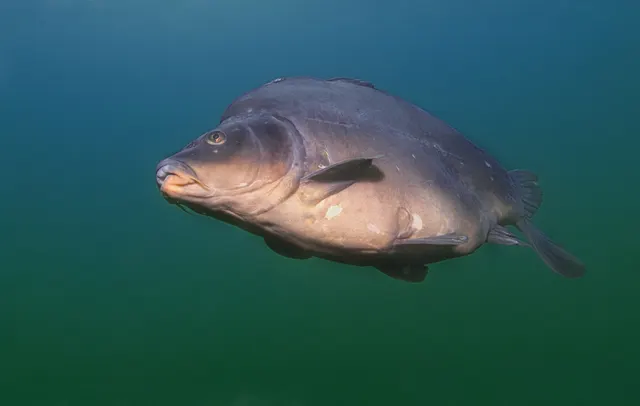 Common carpA carpet of particles holds carp searching for hours where a few large baits would be found and eaten in minutes — which is the whole mechanism.
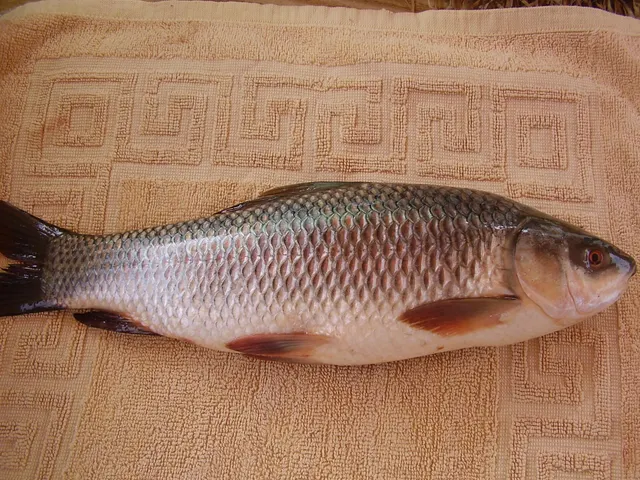 RohuPaste and prepared vegetable baits fished in the middle water column.
Finding and obtaining it
Bought dry from tackle shops, pet suppliers and grocers, or ready-prepared in tins and jars. Dry is cheaper and requires preparation; prepared is convenient and consistent. Some fisheries prohibit particles entirely and others permit only specific prepared types, which is a rule of the water rather than of law and must be checked.
Keeping and storing it
Dry particles keep indefinitely in a sealed container in a dry place. Prepared particles ferment quickly and must be kept cold and used within days, or frozen in session-sized portions. Fermenting particles smell strongly and, while some anglers regard mild fermentation as an advantage, badly fermented bait should be discarded rather than used.
Keeping it alive
Not applicable: particles are plant material. The equivalent care is preparation, since improperly prepared particles present a genuine welfare risk to the fish that eat them, and that is where the attention belongs.
Preparing it
THIS IS THE PART THAT MATTERS. Soak dry particles in cold water for several hours to overnight so they absorb water fully and swell, then boil or simmer until soft — hemp until the shells split and the white kernel shows, maize and larger pulses until soft enough to compress between finger and thumb. Tiger nuts require prolonged soaking and boiling and are among the most commonly under-prepared. Never fish dry or partly prepared particles.
Using it
Hemp is used almost entirely as loose feed with a hook bait of something else, or on a hair rig for specialist use. Maize, tiger nuts and larger pulses are hooked directly or fished on a hair rig. The technique is to introduce particles regularly in small quantities to hold fish searching, rather than to put in a large amount at once, which feeds them rather than holding them.
Disposing of what is left
Do not tip surplus prepared particles into the water at the end of a session. Uneaten bait on the bottom decays and consumes oxygen, and a large quantity introduced at once is exactly what fishery rules on particles exist to prevent. Take surplus home, freeze it for next time or dispose of it in household waste.
Biosecurity
Plant material rather than a live aquatic organism, so the direct transfer risk is low. The relevant concern is water quality: large quantities of introduced bait decaying in a still water consume oxygen, which is why fisheries limit particle use. Clean and dry containers between waters as a general habit.
Fermentation is the clock, and swelling is the safety issue
Particle bait storage is governed by two separate processes with two separate failure modes, and conflating them is how anglers end up either wasting bait or harming fish.
THE FIRST PROCESS IS FERMENTATION AND IT IS A SPOILAGE CLOCK. Once particles are soaked and cooked, they are a warm wet carbohydrate substrate, which is to say an excellent medium for yeasts and bacteria. Fermentation begins almost immediately and accelerates with temperature. That is why prepared particles keep for days rather than weeks even refrigerated, and why they keep indefinitely dry: the water is what starts the clock.
MILD FERMENTATION IS DEFENSIBLE AND HEAVY FERMENTATION IS NOT. Some anglers deliberately allow a light fermentation on hemp for the smell and swear by it, and that is a legitimate practitioner position. Bait that has gone slimy, smells sharply of alcohol or vinegar, or has visible mould is a different matter: it should be discarded rather than used, and it should not be tipped into the water. Introducing several kilos of spoiled fermenting material into a swim consumes oxygen as it breaks down and is bad for the fishery independently of whether it catches anything.
THE SECOND PROCESS IS SWELLING AND IT IS A FISH-SAFETY ISSUE RATHER THAN A SPOILAGE ONE. Dry seeds, nuts and pulses absorb water and expand substantially. A particle introduced dry, or inadequately soaked, continues to absorb water after being eaten — inside a fish. Inadequately prepared particles, tiger nuts and larger pulses especially, have been implicated in fish deaths, and this is the origin of the prohibitions many fisheries place on specific baits.
WHICH IS WHY THE PREPARATION IS NOT NEGOTIABLE AND WHY IT IS TWO STEPS. Soaking hydrates the particle fully; boiling or simmering then softens it and kills anything that would otherwise sprout or ferment immediately. Skipping the soak and going straight to the boil leaves the centre dry. The visible test is the reliable one: hemp splits and shows the white kernel, larger pulses compress between finger and thumb.
FREEZING IS THE HONEST SOLUTION TO BOTH PROBLEMS. Prepared particles frozen in session-sized portions stop the fermentation clock entirely and are ready to use, and portioning avoids the repeated thawing that ruins the texture.
AND THE FISHERY'S RULES ARE THE BINDING CONSTRAINT. Many waters prohibit particles entirely or permit only specific prepared types, and those are rules of the water. FishingHQ does not state what any of them are.
Official guidance — why, and the sources (2)
Stated by a fisheries authority, scientific institute or recognised angling body. Authoritative, but summarising rather than demonstrating.
- Coarse Fishing — A. & C. Black, 1912 (Specialist angling publication)Relied on for: Established coarse angling bait practice, preparation and care.States this directlyCitation checked — the work exists and is described correctly
- Freshwater Fishing — Macdonald & Jane's, 1975 (Specialist angling publication)Relied on for: Freshwater angling practice, including the obtaining, keeping and presentation of natural baits.States this directlyCitation checked — the work exists and is described correctly
Safety
Fish welfare — Can cause serious injury or death
Dry or improperly prepared particles swell inside a fish that has eaten them and can cause serious internal damage. This is the reason many fisheries prohibit particles outright.
What reduces it: Soak every particle bait fully and cook it until soft before use, without exception. Never fish dry or partly prepared particles. Check the fishery's rules, because many restrict or prohibit particles specifically because of this.
Biosecurity and disease transfer — Can cause injury needing treatment
Large quantities of bait introduced into a still water decay and consume oxygen, which affects the whole fishery rather than the swim.
What reduces it: Introduce small quantities regularly rather than large quantities at once. Do not dispose of surplus bait by tipping it in. Observe fishery limits on bait quantity, which exist for this reason.
Precautions that always apply here
- Check, clean and dry your kit between different waters — the published guidance is 48 hours’ drying, in sunlight where possible, because a number of invasive species survive over two weeks in damp conditions. Nets, boots and wet mats move invasive species and disease more effectively than anything else anglers do.
Check the rules before you fish
Fishing laws, bylaws, access rules, seasons, bait restrictions and permitted methods vary by location and can change. Check the current rules from the relevant authority and the water you intend to fish before fishing.
Check with:
- Current national or regional law for where you are fishing
- Current local bylaws
- The relevant fisheries authority
- The landowner, club or fishery whose water it is
- Any restrictions specific to the species or the method you intend to use
Where to go next
How it is fished
More baits
Not related to this page — just the rest of the section. There is little else joined to this subject yet, and a short page should still lead somewhere.
Sources and evidence
- Coarse Fishing — A. & C. Black, 1912 (Specialist angling publication)Relied on for: Early practitioner treatment of hempseed and particle baits in British coarse fishing.FishingHQ's interpretation of what it saysCitation checked — the work exists and is described correctly
- Carp Fever — Beekay Publishers, 1981 (Specialist angling publication)Relied on for: Practitioner treatment of particle bait preparation and the requirement for full soaking and cooking before use.States this directlyCitation checked — the work exists and is described correctly
- Angling Times — Bauer Media (Specialist angling publication)Relied on for: Contemporary practitioner guidance on particle preparation and on fishery restrictions relating to it.FishingHQ's interpretation of what it saysCitation checked — the work exists and is described correctly
Why the 5 connections on this page are here, and the sources
Fish it catches
What experienced anglers do — 4 connections
Widely and independently recommended by experienced anglers and specialist sources. This is real angling knowledge, not proof: controlled evidence for it is limited, and FishingHQ records it as convention rather than as a demonstrated effect.
Barbel
A practitioner claim recorded as such precisely because the mechanism is unexplained.
- Coarse Fishing — A. & C. Black, 1912 (Specialist angling publication)Relied on for: Early practitioner treatment of hempseed and its effect on barbel and roach.Citation checked — the work exists and is described correctly
- Angling Times — Bauer Media (Specialist angling publication)Relied on for: Contemporary practitioner treatment of hemp as a river bait.Citation checked — the work exists and is described correctly
Catla
A practitioner claim about tackle commonly used for Labeo catla.
- General angling website restatements of established technique — Various (Credible secondary source)Relied on for: Widely restated practitioner accounts of this presentation for catla.Citation checked — the work exists and is described correctly
- Angling Times — Bauer Media (Specialist angling publication)Relied on for: Practitioner treatment of comparable presentations for the species group.Citation checked — the work exists and is described correctly
Common carp
A practitioner claim about a bait-species pairing and the reasoning behind it.
- Carp Fever — Beekay Publishers, 1981 (Specialist angling publication)Relied on for: Practitioner treatment of particle baiting for carp, including the holding effect of small items in quantity.Citation checked — the work exists and is described correctly
- Angling Times — Bauer Media (Specialist angling publication)Relied on for: Contemporary practitioner treatment of particle use and fishery restrictions on it.Citation checked — the work exists and is described correctly
Rohu
A practitioner claim about tackle commonly used for Labeo rohita.
- General angling website restatements of established technique — Various (Credible secondary source)Relied on for: Widely restated practitioner accounts of this presentation for rohu.Citation checked — the work exists and is described correctly
- Angling Times — Bauer Media (Specialist angling publication)Relied on for: Practitioner treatment of comparable presentations for the species group.Citation checked — the work exists and is described correctly
How it is fished
What experienced anglers do — 1 connection
Widely and independently recommended by experienced anglers and specialist sources. This is real angling knowledge, not proof: controlled evidence for it is limited, and FishingHQ records it as convention rather than as a demonstrated effect.
Ledgering
The particle page describes holding fish searching a patch of bottom on small items with a hookbait among them. That is a bottom presentation by construction — there is no float version of it.
- Carp Fever — Beekay Publishers, 1981 (Specialist angling publication)Relied on for: Specialist treatment of which bait or lure family this technique is fished with.States this directlyCitation checked — the work exists and is described correctly
- Angling Times — Bauer Media (Specialist angling publication)Relied on for: The independently restated practitioner pairing of this technique with this family.Background and mechanism onlyCitation checked — the work exists and is described correctly
How FishingHQ labels evidence is explained in the evidence policy.