Coarse fish: a category that does not travel
Explainer · Last reviewed 2026-08-15
A British classification with no biological content, invented socially rather than scientifically, and meaningless in most of the world — including to readers who will nonetheless encounter it constantly in British writing.
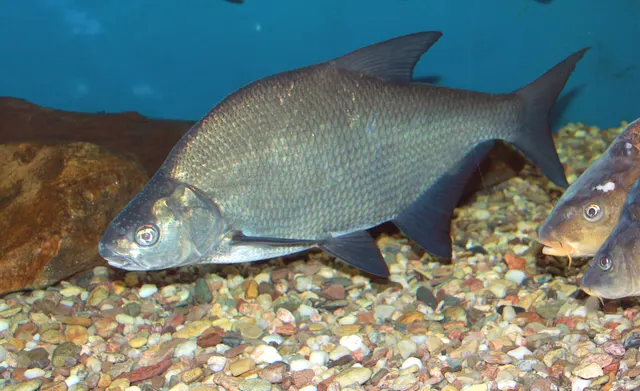
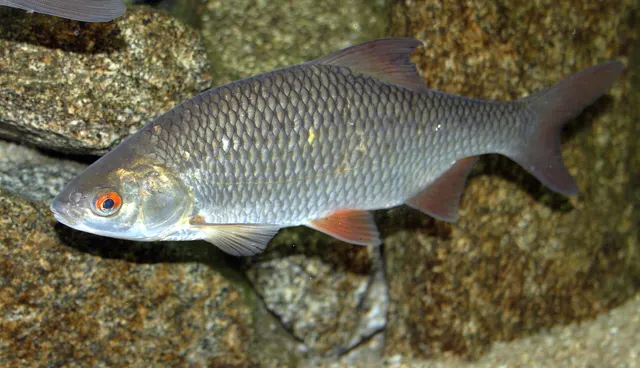
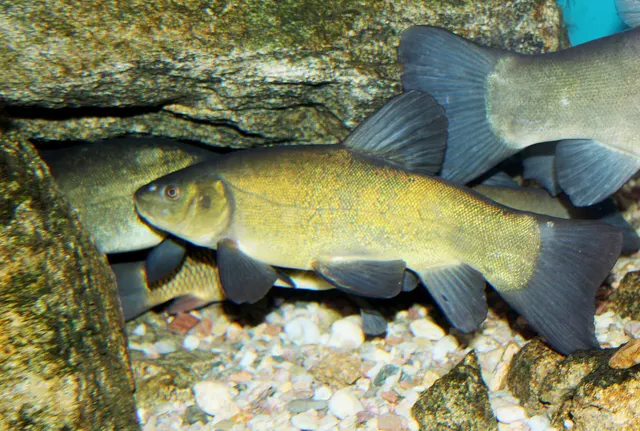
Coarse fish means, in British usage, freshwater fish that are not salmonids. Roach, bream, tench, carp, pike, perch, barbel and chub are coarse fish; salmon, trout and grayling are game fish.
There is no biological property that the coarse fish share and the game fish lack. Pike and perch are predators; so is a trout. Barbel live in fast rivers; so do grayling. The line runs between two social histories rather than between two kinds of animal.
The distinction is a nineteenth-century British one, reflecting who fished for what and on what water. Game fishing was associated with private beats and rod licences of a particular sort; coarse fishing with public waters and a different tradition. Grayling sits awkwardly on the boundary and is claimed by both, which is the clearest evidence that the category is social.
The practical importance for a reader is that British angling literature uses the word constantly and without explanation, that closed seasons and licence categories in parts of Britain are still organised around it, and that outside Britain and Ireland it means nothing at all. An American reader encounters rough fish, which is a different and more pejorative category again.
Where the boundary is still load-bearing
Closed seasons in parts of England and Wales are defined against the category rather than against species biology, and licence types have historically distinguished the two.
That makes the word regulatory rather than merely cultural in those places, which is why it survives despite explaining nothing about the fish. FishingHQ does not state what any current rule is — those vary by water, by season and by year — and points readers at the relevant fisheries authority instead.
Elsewhere the word is simply absent. Continental European traditions divide by method and water rather than by this axis, and North American, Australian and Asian traditions never adopted it.
Official guidance — why, and the sources (1)
Stated by a fisheries authority, scientific institute or recognised angling body. Authoritative, but summarising rather than demonstrating.
- Environment Agency fisheries management, byelaws and rod licensing information — Environment Agency (Government fisheries body)Relied on for: The regulatory categories used in England and Wales, within which the coarse and game distinction appears in licensing and close-season structure.States this directlyCitation checked — the work exists and is described correctly
Why FishingHQ does not organise itself this way
A guide built on the coarse and game split would be unusable outside two countries, and would misgroup fish that behave alike.
So the species pages are organised by what a fish is and where it lives, and the disciplines are organised by how it is fished. Pike and trout sit beside each other where the intelligence is comparable and apart where it is not, and neither carries a category that a reader in Japan or Brazil would have to learn first.
The word is explained here because British writing is a large part of the available literature and a reader will meet it — not because the platform uses it.
Where to go next
Fish this applies to
Where this applies
- England and WalesThe jurisdiction the coarse-and-game division came from, and the reason it appears in angling literature worldwide as though it described fish rather than nineteenth-century social arrangements.
- ScotlandWhere the division has a legal edge as well as a social one: migratory salmonids sit under a separate statutory system, so 'game' here names a genuinely different regulatory category.
Sources and evidence
- Coarse Fishing — A. & C. Black, 1912 (Specialist angling publication)Relied on for: The British coarse-fishing tradition as a distinct practice, and the species and waters it covered.Background and mechanism onlyCitation checked — the work exists and is described correctly
Why the 5 connections on this page are here, and the sources
Fish this applies to
Official guidance — 3 connections
Stated by a fisheries authority, scientific institute or recognised angling body. Authoritative, but summarising rather than demonstrating.
Common bream
The grouping is social history rather than a property of the animals.
- Environment Agency fisheries management, byelaws and rod licensing information — Environment Agency (Government fisheries body)Relied on for: The regulatory categories used in England and Wales, within which the coarse and game distinction appears.States this directlyCitation checked — the work exists and is described correctly
Roach
British writing applies the category constantly and without explanation.
- Environment Agency fisheries management, byelaws and rod licensing information — Environment Agency (Government fisheries body)Relied on for: The regulatory categories used in England and Wales, within which the coarse and game distinction appears.States this directlyCitation checked — the work exists and is described correctly
Tench
Where the category is still regulatory rather than merely cultural.
- Environment Agency fisheries management, byelaws and rod licensing information — Environment Agency (Government fisheries body)Relied on for: The regulatory categories used in England and Wales, within which the coarse and game distinction appears.States this directlyCitation checked — the work exists and is described correctly
Where this applies
What experienced anglers do — 2 connections
Widely and independently recommended by experienced anglers and specialist sources. This is real angling knowledge, not proof: controlled evidence for it is limited, and FishingHQ records it as convention rather than as a demonstrated effect.
England and Wales
What is distinctive about fishing somewhere is usually a process working differently there, so the process is explained once here rather than restated for every place.
- General angling website restatements of established technique — Various (Credible secondary source)Relied on for: Widely restated angling practice and belief, recorded as practitioner consensus rather than as tested fact.Background and mechanism onlyCitation checked — the work exists and is described correctly
- Angling Trust guidance for anglers — Angling Trust (Angling or fisheries organisation)Relied on for: Guidance for anglers on participation, licensing structure, access arrangements and getting started.Background and mechanism onlyCitation checked — the work exists and is described correctly
Scotland
What is distinctive about fishing somewhere is usually a process working differently there, so the process is explained once here rather than restated for every place.
- General angling website restatements of established technique — Various (Credible secondary source)Relied on for: Widely restated angling practice and belief, recorded as practitioner consensus rather than as tested fact.Background and mechanism onlyCitation checked — the work exists and is described correctly
- Angling Trust guidance for anglers — Angling Trust (Angling or fisheries organisation)Relied on for: Guidance for anglers on participation, licensing structure, access arrangements and getting started.Background and mechanism onlyCitation checked — the work exists and is described correctly
How FishingHQ labels evidence is explained in the evidence policy.