Roach
Fish · Last reviewed 2026-08-10
The most numerous and most frequently caught coarse fish across much of Europe, and the prey species that underpins the whole freshwater predator food web.
Safety: standing precautions apply on this water.
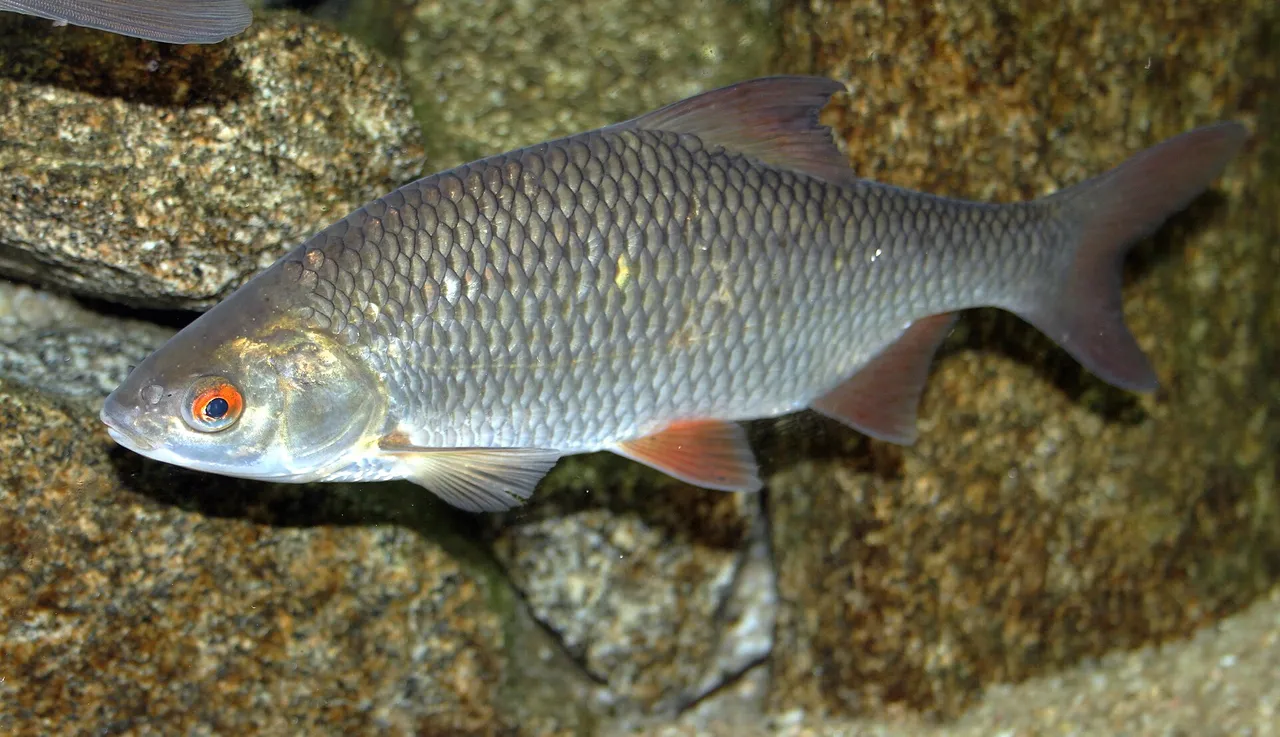

Catching Roach
Everything here on fishing for it. Each entry opens the page behind it.
- Ground
- When
- Mar — months recorded at the places that document it, not a season for the whole range.
- Where
- 43 places FishingHQ documents — strongest claim anywhere: characteristic of this water · From the shore, From a boat
The roach is the fish that everything else eats. It is silver, abundant, shoaling, and present in almost every kind of fresh water from a canal to a large lake, and its role in European freshwater angling is out of all proportion to its size: pike, perch, zander and every other predator take roach, which is why so much lure design is silver, roach-shaped and roach-sized.
It is also, in its own right, a subtle and rewarding species to catch. Roach are small-mouthed, sensitive and easily spooked, and catching large ones consistently is one of the genuine tests in coarse angling. The species has an unusual place in British angling culture: enormously popular, technically demanding at the top end, and comparatively poorly served by modern tackle marketing precisely because it does not require anything expensive.
Roach hybridise readily with bream and with rudd, which is a real practical problem: a substantial proportion of large 'roach' turn out to be hybrids, and the identification points below are what separates them.
How it is caught
- Float fishingRoach are small-mouthed and easily spooked, which is exactly the situation float tackle exists for.
- Pole fishingThe pole's whole advantage — a bait held stationary on a short line directly above the feed — is a response to a small, shy, shoaling fish that will not tolerate a moving bait or a visible line.
- TrottingThe classic catch of a British trotting swim, holding in a defined line in steady flow and fed up the swim rather than searched for.
Gear for this fish
- BreadPunched bread on a fine hook is one of the most effective winter roach baits there is, and it costs nothing.
- CastersReckoned to sort out better roach than maggots and to stay on a hook far better in a current, which is why match anglers carry both.
- Pole rigSmall shoal fish at close range on a fixed spot is the case the pole exists for, and roach are the archetype of it.
- Soft plasticsA silver paddle-tail shad is a roach with a hook in it, which is the whole design logic of the family.
- SpoonsLoosely — what a spoon actually reproduces is the flash and rolling of an injured silver fish rather than its shape.
- Stick float rigThe classic catch of the trotted stick float on rivers, taken on a bait running slightly slower than the flow.
- StreamersA streamer imitates a small fish rather than an insect, which is what makes fly tackle usable for predators that would ignore anything smaller.
- Waggler float rigThe float arrangement most directed at roach: it presents a small bait at a controlled depth in the upper water and registers the light, quick bite this species gives.
1 more
- Maggots Bait
Where Roach is documented
Places where public sources describe this species as fished, with how it is fished and how strongly the evidence supports it. This is not a range map and it is not a recommendation — it is what has been written down about a fishery rather than a record of any individual catch, and being listed is never permission to fish.
The English canal network
10 documented places
Canal section
Characteristic of this water
From the shore
Canal section
Regular local target
From the shore
Canal section
Regular local target
From the shore
Canal section
Regular local target
From the shore
Canal section
Regular local target
From the shore
Canal section
Regular local target
From the shore
The Gloucester and Sharpness Canal
Canal section
Regular local target
From the shore
Canal section
Regular local target
From the shore
Canal section
Regular local target
From the shore
Northern Ireland
4 documented places
River reach
Characteristic of this water
From the shore
River reach
Regular local target
From the shore
River reach
Regular local target
From the shore
Lough
Regular local target
From the shore
Lough Erne
2 documented places
Lough
Regular local target
From the shore
River reach
Characteristic of this water
From the shore · From a boat
The Fens and their drains
8 documented places
River reach
Regular local target
From the shore
River reach
Regular local target
From the shore
River reach
Regular local target
From the shore
Drain
Regular local target
From the shore
Drain
Regular local target
From the shore
Drain
Regular local target
From the shore
Drain
Regular local target
From the shore
Drain
Regular local target
From the shore
England and Wales
5 documented places
River reach
Regular local target
From the shore
Lake
Regular local target
From the shore
River reach
Regular local target
From the shore
River reach
Regular local target
From the shore
River reach
Regular local target
From the shore
The Norfolk Broads
3 documented places
Broad
Regular local target
From the shore · From a boat
Broad
Regular local target
From the shore · From a boat
Broad
Regular local target
From the shore
The River Thames
2 documented places
River reach
Regular local target
From the shore
River reach
Regular local target
From the shore
The Shannon system
2 documented places
Lough
Regular local target
From a boat · From the shore
River reach
Regular local target
From the shore
Also documented on 5 more coasts
Fewer places each, or less strongly supported. Each one names its own marks.
The River Trent (1) · The Republic of Ireland (1) · The Lake District lakes (2) · Scotland (1) · The Azores (2)
What these strengths mean
- Regular local target
- Fishing sources describe this as a normal local target here, not merely as caught.
- Characteristic of this water
- This water is strongly identified with this species by the sources that cover it.
- Recorded here
- At least one credible public account of this species being caught here. That is all it means.
- Repeatedly reported
- Several independent public accounts. Enough to say it happens more than once; not enough to call it a fishery.
Managed fisheries for roach
These are private businesses rather than public water: you pay for a day, and the fishery sets its own rules on top of whatever the law requires. That is the opposite of the section above, where the places are public geography and being listed is never permission to fish. Nothing here is a recommendation, the order is alphabetical, and no price or opening hour is carried because both change faster than this page does.
Drennan Lindholme Lakes
Commercial coarse fishery · Epworth, near Doncaster, South Yorkshire
Purpose-built coarse pools, usually day ticket
Ten lakes and more than four hundred and fifty pegs on former farmland near Doncaster, a regular venue for national match series, with lodges and camping on the same site.
Named by the fishery as a species you can fish for. Also named here: Common bream, Common carp, European perch.
How you get a day: Day tickets on arrival, Book in advance.
The fishery’s own conditions: Bait fishing permitted, Coarse tactics permitted, Catch and release only.
Season: Open through the year, with a match calendar and fishing festivals published by the fishery.
The rules this fishery sets, in its own terms
- The fishery's rules are published at the shop and cafe and apply across all ten waters.
- Anglers must supply their own insurance; the fishery states that it accepts no responsibility.
- Waters may be booked whole for matches, from small club events up to national championships.
Checked against the operator's own information. Last checked 2026-08-29.
Linear Fisheries
Carp and specimen water · Enslow, Kidlington, Oxfordshire
Managed for larger carp and specimen fish
A complex of carp and mixed coarse lakes in the Oxfordshire gravel-pit country, run on both day tickets and syndicates, with its own bait and tackle shop on site.
Named by the fishery as a species you can fish for. Also named here: Common bream, Common carp, European perch, Northern pike, Tench, Wels catfish.
How you get a day: Book in advance, Membership or syndicate.
The fishery’s own conditions: Bait fishing permitted, Coarse tactics permitted, Night fishing permitted, Catch and release only.
Season: Open through the year, with individual waters occasionally closed and stated as such on the fishery's own booking platform.
The rules this fishery sets, in its own terms
- Rules are published per water and the fishery states that they are enforced, with sections on fish care, swim reservation and retention slings.
- Individual lakes are booked through the fishery's own platform rather than by turning up at every water.
- Under-sixteens fish free with a paying adult at weekends and during school holidays.
Checked against the operator's own information. Last checked 2026-08-29.
Partridge Lakes Fishery
Commercial coarse fishery · Culcheth, Warrington, Cheshire
Purpose-built coarse pools, usually day ticket
Seventy acres of purpose-built Cheshire coarse fishery with almost four hundred pegs across fifteen waters, long one of the north-west's best-known match venues and now turning towards day-ticket and family angling.
Named by the fishery as a species you can fish for. Also named here: Common carp, Crucian carp, European perch, Tench.
How you get a day: Book in advance, Day tickets on arrival, Membership or syndicate.
The fishery’s own conditions: Bait fishing permitted, Coarse tactics permitted, Barbless hooks only, No keepnets, No night fishing, Catch and release only.
Season: Open seven days a week through the year, with gate times that shift with the daylight.
The rules this fishery sets, in its own terms
- Night fishing is not permitted. The gates open and close, and fishing stops before they do.
- No keepnets.
- Barbless hooks to a maximum of size 14, and size 12 on Willow, Piper and Gold.
- No braided lines. In-line method feeders only. No elasticated methods except one named safety system. No fixed or floatless rigs.
- No nuts and no cat or dog food.
- Two rods per peg, never left unattended, and juniors under sixteen accompanied by an adult at all times.
Checked against the operator's own information. Last checked 2026-08-29.
A fishery’s own conditions — barbless hooks, no keepnets, no night fishing — are conditions of that water and not law. The licences and close seasons a jurisdiction requires are a separate matter and are set out by the fisheries authority, never here. Telephone before travelling, and see every fishing business FishingHQ lists.
Identification
- Scientific name
- Rutilus rutilus
- Family
- Leuciscidae
- Water
- Freshwater, Brackish
- Conservation status
- Least Concern
- Regions
- Britain & Ireland, Northern Europe, Western Europe, Central & Eastern Europe
- Bright silver flanks with a bluish-green back; reddish pelvic and anal fins, and a red iris.
- The dorsal fin starts directly ABOVE the base of the pelvic fins — the single most reliable separation from rudd, where it starts noticeably behind.
- The mouth is terminal or very slightly under-turned, not upturned as in rudd.
- Relatively few scales along the lateral line — around 40–45 — compared with a bream's much smaller scales.
- Hybrids with rudd and bream are common; intermediate fin position, intermediate mouth angle or an unusually long anal fin should all raise suspicion.
Size
- Typical
- 10–20 cm and well under 200 g.
- Large
- Over 30 cm and 900 g — a genuinely notable fish, and rarer than its abundance suggests.
Exceptional: Fish over 1.8 kg are recorded and are exceptional anywhere. Large specimens are disproportionately likely to be hybrids, and claims should be checked against the identification points rather than the weight.
Why older books put this fish in a different family
Reference works written before roughly the last two decades place roach in Cyprinidae, the carp family, and a great deal of angling literature still does. Current taxonomy does not.
Molecular work on the carp order (Cypriniformes) split the very large old Cyprinidae into several families, and most of the fish an angler thinks of as silver-fish — roach and bream among them — moved into Leuciscidae. Tench moved further still, into a family of its own, Tincidae. Carp and barbel remain in Cyprinidae. None of this changes the fish, and none of it changes how you catch one.
It is noted here because the superseded family name was in use here until the source review checked them against a maintained database rather than against a printed reference work. The general lesson is more useful than the taxonomy: a book is fixed at its publication date, and the parts that go out of date are not always the parts you would expect. Morphology and behaviour age well. Names do not.
Backed by research — why, and the sources (1)
Supported by peer-reviewed research or fisheries science. The sources are listed and can be checked.
- FishBase: a global information system on fishes — Froese, R. and D. Pauly, eds. — FishBase Consortium (Scientific institute)Relied on for: The current family placement of Rutilus rutilus, Abramis brama and Tinca tinca, read from their FishBase summary pages during the source review.States this directlyPassage read and verified
A cold-water generalist, and why winter produces the bigger fish
Roach have less of a season than almost any other British coarse fish, and the interesting question is not when they feed but why the size of the average fish changes so markedly through the year.
THE FEEDING ITSELF IS FLAT. Roach are broad-spectrum omnivores taking invertebrates, plant material, algae and detritus, and that breadth means there is essentially never a time when nothing they eat is available. They also tolerate cold well: metabolic rate falls, but the fish remains functional and continues to feed at a reduced rate rather than shutting down the way a tench does. That is why roach are a mainstay of winter river and stillwater fishing.
THE SIZE SHIFT IS THE REAL PATTERN AND IT HAS TWO CAUSES.
FIRST, SMALL FISH ARE MORE COLD-SENSITIVE THAN LARGE ONES. A small fish has more surface area relative to its mass, less energy reserve, and a proportionally higher maintenance cost. As water cools, the smallest year classes become inactive first and stop competing for a bait. The large fish, with reserves to spend, go on feeding.
SECOND, THE SHOALS TIGHTEN AND SORT. Roach shoal by size, and as water cools the shoals become smaller, denser and more localised. A winter angler who finds one is fishing to a group of similarly sized fish rather than to a mixed population, and the groups of large fish are findable in a way they are not in summer when everything is dispersed and mixed.
SO THE SUMMER PATTERN IS HEAVY FEEDING AND SMALL FISH — bites all day, and a preponderance of the year's recruitment intercepting the bait before anything bigger reaches it. The winter pattern is fewer bites and better fish. Neither is a better time; they are different fisheries.
SPAWNING PRODUCES THE ONE GENUINE LULL, a short period as water reaches the low to middle teens when fish are preoccupied and feeding stops, followed by a hard recovery feed afterwards. Where a legal close season exists it is generally built around exactly this window, and what applies on any particular water is a matter for the local authority rather than for this page.
Backed by research — why, and the sources (2)
Supported by peer-reviewed research or fisheries science. The sources are listed and can be checked.
- Coarse Fishing — A. & C. Black, 1912 (Specialist angling publication)Relied on for: Seasonal patterns in British coarse angling and the conditions that drive them.States this directlyCitation checked — the work exists and is described correctly
- Freshwater Fishes of the British Isles — HarperCollins (New Naturalist 75), 1992 (Reference work)Relied on for: Seasonal behaviour and temperature response of British freshwater fishes.States this directlyCitation checked — the work exists and is described correctly
A few days of synchronised spawning, and why year classes vary so wildly
Roach reproduction explains one of the more striking features of coarse fisheries: the fact that some year classes dominate a water for a decade while others are effectively absent.
SPAWNING IS SYNCHRONISED AND BRIEF. When conditions arrive — water reaching the right temperature, with the right stability — roach gather in dense, conspicuous shoals over marginal weed, roots and submerged structure and spawn in a burst, typically over within a few days. The activity is unmistakable: shallow water boiling with fish, in daylight, in numbers. Adhesive eggs are scattered onto vegetation and abandoned.
COMPRESSION IS THE STRATEGY AND THE WEAKNESS AT ONCE. Spawning everything at once, in a short window, means the resulting fry all appear together and swamp the available predators — more of them survive than would if they trickled out over weeks. It is the same predator-satiation logic that drives mass emergences everywhere in nature.
BUT IT PUTS THE WHOLE YEAR ON ONE SET OF CONDITIONS. A cold snap immediately after spawning, a sudden rise in river level that washes eggs off the weed, a drop in temperature that stalls development, or a shortage of the tiny zooplankton the fry must eat in their first days — any of these can remove most of a generation. And because it all happened in a few days, there is no second cohort behind it to compensate.
WHICH IS WHY YEAR-CLASS STRENGTH IN ROACH IS SO VARIABLE, and why anglers on a water talk about particular years. A good year produces a cohort that is visible in the catch for a decade as it grows through the sizes; a failed year leaves a gap that is equally visible.
IT ALSO EXPLAINS WHY BIG ROACH ARE WHERE THEY ARE. Waters producing very large roach are frequently waters with POOR recruitment — few young fish, little competition, and the survivors growing on. A water full of small roach is a water that is spawning successfully, which is good for the population and disappointing for anybody wanting a two-pounder.
Where a close season exists it is generally built around this window; what applies on any water is current local information.
Backed by research — why, and the sources (2)
Supported by peer-reviewed research or fisheries science. The sources are listed and can be checked.
- Freshwater Fishes of the British Isles — HarperCollins (New Naturalist 75), 1992 (Reference work)Relied on for: Spawning habitat, timing, egg deposition and recruitment of European freshwater fishes.States this directlyCitation checked — the work exists and is described correctly
- FishBase: a global information system on fishes — Froese, R. and D. Pauly, eds. — FishBase Consortium (Scientific institute)Relied on for: Reproductive mode, spawning season and parental care recorded for the species.States this directlyPassage read and verified
The most adaptable fish in Europe, and what it still cannot do without
Roach are among the most widely distributed freshwater fish on the continent, and the reason is a very broad tolerance combined with two requirements that are easily overlooked.
THE TOLERANCE IS GENUINELY WIDE. Roach live in lowland rivers, canals, lakes, gravel pits, reservoirs and drains; they tolerate low oxygen better than most cyprinids, cope with turbidity, handle a considerable temperature range, and extend into brackish water in Baltic coastal areas. They are broad-spectrum omnivores taking invertebrates, plant material, algae and detritus, so there is essentially no water with life in it where a roach cannot find something.
WITHIN A WATER THEY ARE A MID-COLUMN SHOALING FISH ASSOCIATED WITH COVER. Roach shoal by size, hold near features rather than in open water, and use marginal weed, roots, overhanging trees, bridge shadow and depth changes both for security and for the food those features hold. In rivers they favour steady moderate flow rather than fast water, and in winter they concentrate in deeper, slower reaches.
WHAT THEY CANNOT DO WITHOUT IS SPAWNING SUBSTRATE. Roach need submerged vegetation, root masses or similar structure to attach adhesive eggs to, in shallow water. A canal or river that has been dredged, hardened, or stripped of marginal weed can hold plenty of adult roach and produce nothing, and the loss is invisible until the year classes stop arriving.
THE SECOND REQUIREMENT IS WATER CLARITY, INDIRECTLY. Roach have declined markedly in waters where high nutrient loading, carp introduction or bream densities have turned clear, weedy systems into turbid, plant-free ones. The mechanism runs through the vegetation rather than through the fish: no plants means no spawning substrate, no invertebrate habitat and no refuge for fry.
WHICH MAKES ROACH A GOOD INDICATOR OF A FUNCTIONING LOWLAND WATER — present almost anywhere, but reproducing only where the margins are still alive.
Backed by research — why, and the sources (2)
Supported by peer-reviewed research or fisheries science. The sources are listed and can be checked.
- Freshwater Fishes of the British Isles — HarperCollins (New Naturalist 75), 1992 (Reference work)Relied on for: Habitat association, distribution and ecology of European freshwater fishes, including position within a water body.States this directlyCitation checked — the work exists and is described correctly
- FishBase: a global information system on fishes — Froese, R. and D. Pauly, eds. — FishBase Consortium (Scientific institute)Relied on for: Habitat association, depth range and water-type tolerance recorded for the species.States this directlyPassage read and verified
Why a two-pound roach is rarer than a twenty-pound carp
Roach are the clearest case in British coarse fishing of a fish that is everywhere and is almost never large, and the gap between abundance and size is the whole answer.
THE ORDINARY ROACH IS SMALL AND WILL STAY SMALL. Roach mature early, grow slowly after maturity, and live in dense shoals that compete for the same food. In most waters the population is dominated by fish of a few years old at a size well under the 'large' figure on this page, and those fish are what an angler catches by the dozen. That is not a stunted population; that is what a roach is.
A GENUINELY BIG ROACH REQUIRES A SPECIFIC AND UNCOMMON SET OF CONDITIONS. It needs a water rich enough to support fast growth, a population sparse enough that the fish is not competing with thousands of its own kind, and enough years of survival — which for a slow-growing prey fish in a water holding pike, perch and zander is a substantial ask. Large roach are consequently produced disproportionately by low-density populations in rich waters, and they are old.
WHICH IS WHY THE ONE-POUND FISH IS THE REAL LANDMARK for most anglers and the two-pound fish is a specimen anywhere in the range. That ordering is worth stating plainly because the record figure is nearly double the second of those, and a reader who anchors on the maximum will systematically undervalue the fish in front of them.
THE OTHER THING A LARGE 'ROACH' MAY BE IS NOT A ROACH. Roach hybridise readily with bream and with rudd, and roach × bream hybrids grow faster and larger than either parent's roach lineage. A very large fish reported as a roach is disproportionately likely to be a hybrid, which is why this page grades its exceptional figure as conflicting rather than known, and why claims are properly checked against fin position, mouth angle and the pharyngeal-tooth count rather than against the scales.
AND GROWTH IS LATITUDE-SENSITIVE. Roach in warmer, more productive southern waters grow faster and reach larger sizes than the same species at the cold northern edge of its range, where a fish of a given age may be half the length. A size expectation carried from one country to another is one of the commonest ways an angler misjudges a fish.
Backed by research — why, and the sources (2)
Supported by peer-reviewed research or fisheries science. The sources are listed and can be checked.
- Freshwater Fishes of the British Isles — HarperCollins (New Naturalist 75), 1992 (Reference work)Relied on for: Growth, age structure, maximum sizes and regional variation in British and European freshwater fishes.States this directlyCitation checked — the work exists and is described correctly
- FishBase: a global information system on fishes — Froese, R. and D. Pauly, eds. — FishBase Consortium (Scientific institute)Relied on for: Maximum recorded length and weight and reported longevity for the species.Background and mechanism onlyPassage read and verified
Small baits, small hooks and a fish that detects fraud quickly
Roach bait practice is the foundation of British coarse angling technique, and it rewards precision more than variety because the fish's limits are narrow and its caution is real.
THE MOUTH IS SMALL AND IT SETS EVERYTHING. A roach's mouth is small even on a large fish, and the bait and hook must fit it. That is why roach fishing runs on maggots, casters, hemp, small pieces of bread, tares and punched bread rather than on anything substantial, and why hook sizes are at the fine end of what most anglers own.
ROACH DETECT RESISTANCE AND EJECT QUICKLY. A roach mouths a bait and expels it if something is wrong, and the whole architecture of float fishing for them — fine line, light float, small hook, a bait that hangs naturally — is an attempt to remove anything the fish can feel. This is the species that taught British angling the value of finesse, and it is why match anglers scale down as a first response to a slow session rather than up.
LOOSE FEED CONTROLS WHERE THE SHOAL SITS, and controlling that is most of the skill. Regular small quantities of feed hold a shoal in one place at one depth; a large quantity spread widely disperses it, and a long gap loses it. Feeding little and often is not tradition, it is a mechanism for keeping a mobile shoal within reach.
DIFFERENT BAITS SELECT DIFFERENT FISH IN THE SAME SWIM. Maggots catch everything including small fish; caster, hemp and tares are more selective and tend to produce better roach; bread punch is highly effective in clear cold water. Choosing bait to select for size is a real and reliable tactic in this species.
WINTER CHANGES THE ANSWER. In cold clear water roach feed sparingly and close to the bottom, and small quantities of bait, finer tackle and bread or a single maggot outperform anything generous. The season section explains why winter produces better fish; the bait practice follows from it.
AND WHERE HYBRIDS ARE PRESENT, BAIT SELECTION WILL NOT SEPARATE THEM — the size section explains why a large 'roach' should be checked against the identification points rather than assumed. Local fishery rules on bait, keepnets and close seasons are set by the fishery and the competent authority.
What experienced anglers do — why, and the sources (2)
Widely and independently recommended by experienced anglers and specialist sources. This is real angling knowledge, not proof: controlled evidence for it is limited, and FishingHQ records it as convention rather than as a demonstrated effect.
- Coarse Fishing — A. & C. Black, 1912 (Specialist angling publication)Relied on for: Established coarse angling practice, including tackle, bait and presentation and the reasoning behind them.States this directlyCitation checked — the work exists and is described correctly
- Freshwater Fishing — Macdonald & Jane's, 1975 (Specialist angling publication)Relied on for: Freshwater angling technique, tackle and the principles behind method selection.Background and mechanism onlyCitation checked — the work exists and is described correctly
The fish that taught British angling to scale down, and what each reduction is doing
Roach tackle is the foundation of coarse angling technique, and its value is that every element is doing an identifiable job rather than expressing a tradition.
THE HOOK IS SMALL BECAUSE THE MOUTH IS. A roach's mouth is small even on a specimen, and a hook it cannot take in comfortably is a hook it ejects. Everything else scales from that.
THE LINE IS FINE BECAUSE OF PRESENTATION, NOT STRENGTH. A heavy line stiffens the connection between float and bait, drags the bait unnaturally in any tow, and slows the fall of a light bait through the water — and roach take a falling bait constantly. Fining down improves how the bait behaves; it is not a concession to the fish's power.
THE FLOAT IS SHOTTED TO REGISTER A TAKE THAT IS NEARLY NOTHING. A roach mouths a bait and expels it if it feels resistance, so the shotting pattern exists to let the bait fall at a controlled rate and to show the smallest possible interruption. This is where the discipline actually lives, and it is why two anglers with identical tackle catch very differently.
THE POLE SOLVES THE SAME PROBLEM DIFFERENTLY. Elastic in the pole tip gives a cushion that fine line and a small hook otherwise lack, which allows even lighter terminal tackle than rod-and-line permits — the elastic is doing the shock absorption the line no longer can.
WINTER PUSHES EVERYTHING FURTHER. In cold clear water roach feed sparingly and cautiously, and the response is finer still: smaller hooks, lighter floats, single baits. The record's season section explains why winter produces the better fish and this is the tackle consequence of it.
AND THE ONE PLACE TO GO HEAVIER IS PREDATORS. A hooked roach is a target for pike, and losing a fish that way costs the fish rather than the tackle. Where pike are present in numbers, that is a genuine argument against fishing as fine as the roach alone would justify.
What experienced anglers do — why, and the sources (2)
Widely and independently recommended by experienced anglers and specialist sources. This is real angling knowledge, not proof: controlled evidence for it is limited, and FishingHQ records it as convention rather than as a demonstrated effect.
- Coarse Fishing — A. & C. Black, 1912 (Specialist angling publication)Relied on for: Established coarse angling practice, including tackle, presentation and the reasoning behind them.States this directlyCitation checked — the work exists and is described correctly
- Freshwater Fishing — Macdonald & Jane's, 1975 (Specialist angling publication)Relied on for: Freshwater angling technique, tackle and the principles behind method selection.States this directlyCitation checked — the work exists and is described correctly
Lifecycle and reproduction
Roach are prolific, fast to mature and short-lived by the standards of their relatives, typically reaching maturity at two to three years and rarely exceeding ten to twelve. Populations are boom-and-bust, responding sharply to good and bad spawning years, and dense populations of small stunted fish are common where predation is low.
Roach spawn in spring in dense, conspicuous shoals over marginal weed, roots and submerged structure, with adhesive eggs scattered onto vegetation. Spawning is highly synchronised and typically over within a few days when conditions arrive, which is part of why year-class strength varies so much: a cold snap at the wrong moment can largely remove a generation.
Feeding and senses
Roach are omnivorous, taking insect larvae, small crustaceans, molluscs, plant material and algae, feeding throughout the water column but principally on and near the bottom. They shoal by size, which is the practically important fact: catching small roach usually means you are among small roach, and moving or changing approach is more effective than waiting for a big one to appear in the same shoal.
Vision is good and roach are notably easy to spook in clear shallow water. Hearing via the Weberian apparatus is acute. Taste and smell matter for feeding but less than they do for bottom-rooting species like tench and barbel. The species' sensitivity to disturbance is the reason so much roach fishing is done with fine tackle at a distance rather than heavy tackle close in.
Through the year
Roach feed year-round and are one of the more reliable cold-water species, with winter often producing the largest fish as shoals tighten and small fish become less active. Summer brings heavy feeding but a preponderance of small fish. Spawning in spring produces a short lull.
Distribution
Native across most of Europe and into western Asia, and one of the most widely distributed freshwater fish on the continent. Tolerates brackish water, occurring in Baltic coastal areas. Introduced beyond its native range in several regions.
This is a biological range — where the species occurs, not a prediction that you will catch one. To browse the fishing geography FishingHQ holds, start at fishing places.
Why anglers care
The foundation species of European coarse angling, both as a target in its own right and as the prey base that makes predator angling possible. Its silhouette and colouring are the template for an enormous proportion of freshwater lure design, and it is the standard deadbait for perch and zander.
Handling and returning
Roach are small, delicate and easily damaged by dry hands or rough surfaces. Wet hands, minimal handling, prompt return. If using a keepnet, use a large one, keep it in deep water, and be aware that warm, still conditions make retention considerably more damaging than it appears.
Going further
- What does roach eat? — feeding biology, kept separate from what anglers infer from it.
- Roach vs Rudd — how to tell them apart.
Safety
Precautions that always apply here
- Wet your hands before touching a fish. Dry hands strip the protective mucus layer that keeps infection out.
- Support the fish's weight along its body, keep it out of the water for as short a time as possible, and hold it over something soft.
Where to go next
Similar and related fish
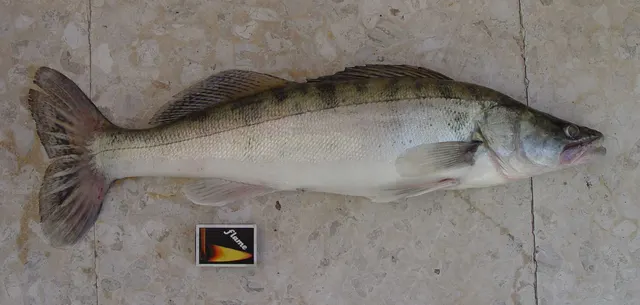 ZanderZander are specialist fish predators and small cyprinids dominate the diet wherever the two occur — which is why they are so effective in the turbid, cyprinid-rich waters they favour.
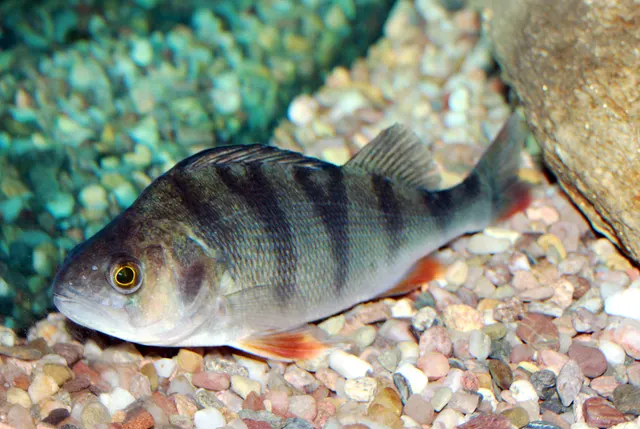 European perchRoach are the principal fish prey of perch across most of Europe, and the shift from invertebrates to roach is what produces the large perch anglers pursue.
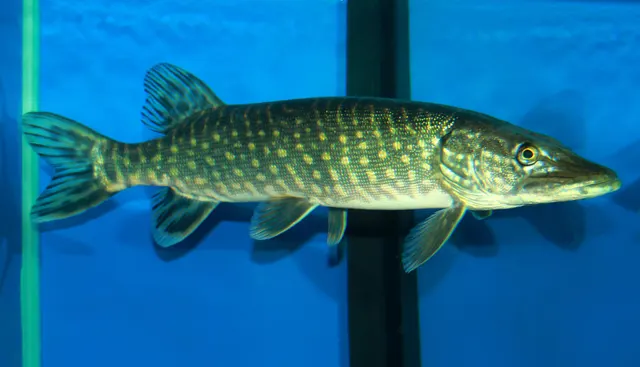 Northern pikeRoach are among the most important prey species for pike across their European range, which is why so much pike lure design is silver and roach-shaped.
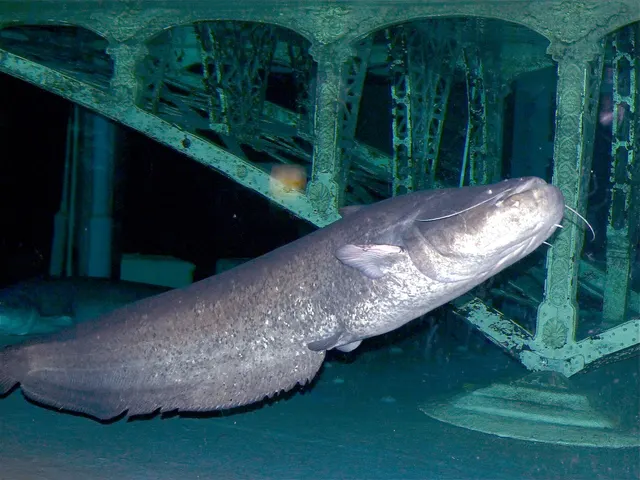 Wels catfishRoach and other cyprinids are the staple prey of wels across their European range, taken mainly at night and located by the barbels and lateral line rather than by sight.
Where it lives
Where you will find it
- Lough CorribArrived and established in the twentieth century, altering the zooplankton and invertebrate community and competing with trout at some life stages.
- Lough ErneWidespread through the system after spreading into it, competing with bream for diet and habitat and hybridising with them extensively — the two effects together are why the shoals changed.
- The Baltic SeaExtends well out into the sea itself in the low-salinity coastal areas, which is possible only because the Baltic is diluted along its whole length.
- The English canal networkThe characteristic canal fish: abundant in shallow uniform productive water with limited refuge, distributed along the whole network, and the species most canal matches are won on.
- The English trout reservoirsIn very large numbers as the prey base that supports both the trout's autumn fry feeding and the pike and perch fisheries, and the reason the whole predator layer exists.
- The Fens and their drainsThe other half of the classic Fenland match fishery, and the other half of its decline.
- The River TrentThroughout, and one of the clearest measures of the river's recovery: roach returned to reaches that held nothing at all within living memory.
- The Shannon systemWidespread through the system, and a relatively recent arrival in Ireland whose spread had substantial effects on the existing fish community — which is why any account of this fishery written decades ago describes different conditions.
Understanding this fish
- Aquatic insect larvae as preyRoach take insect larvae throughout their lives alongside plant material and, in older fish, molluscs, which makes them omnivores rather than the pure invertebrate feeders they are often described as.
- Coarse fish: a category that does not travelA coarse fish in British usage, and simply a fish everywhere else.
- How floats workThe other, and the opposite lesson. A roach's bite is a fast delicate dip that a coarsely shotted float will not show at all, which is why shotting is presented as part of the same mechanical system rather than as a refinement. The two species between them define the range a float has to register.
Told apart from
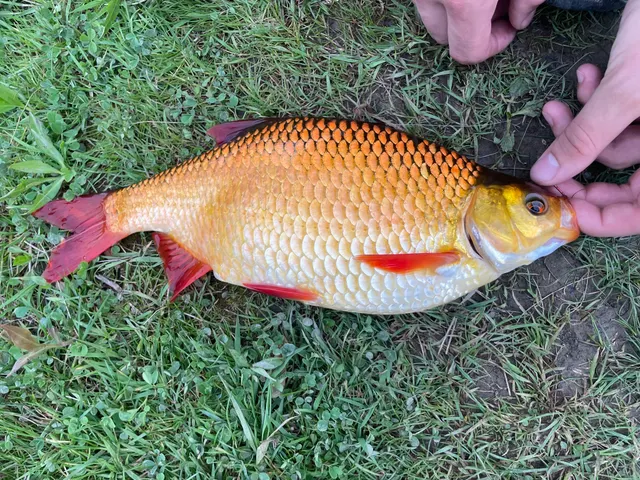 RuddThe classic european coarse-fishing confusion, separated by mouth angle and dorsal fin position, and the two hybridise.
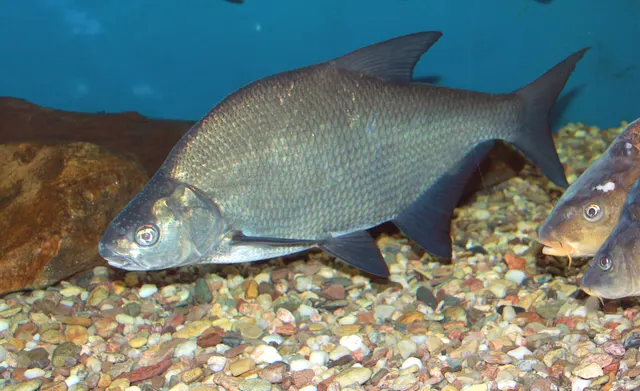 Common breamThe two hybridise readily, and a proportion of large 'roach' turn out to be hybrids — the anal fin length is the check.
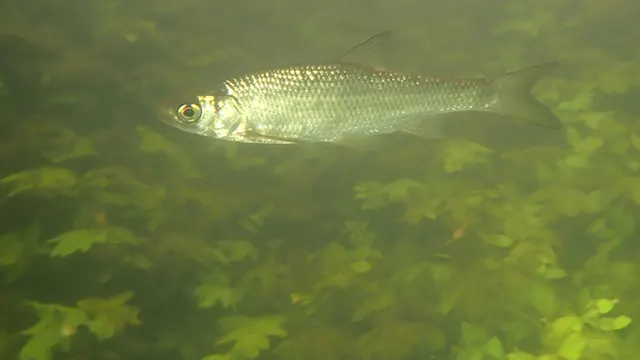 DaceSlimmer and brighter than a roach, with a pale yellow iris where a roach's is red. The two shoal together in the same runs, which is why the pair comes up constantly.
Sources and evidence
- Freshwater Fishes of the British Isles — HarperCollins (New Naturalist 75), 1992 (Reference work)Relied on for: Identification including dorsal-fin position relative to the pelvics, hybridisation with rudd and bream, and spawning behaviour.States this directlyCitation checked — the work exists and is described correctly
- The Fishes of the British Isles and North-West Europe — Macmillan, 1969 (Reference work)Relied on for: Morphological separation of roach from rudd and from hybrids.States this directlyCitation checked — the work exists and is described correctly
- FishBase: a global information system on fishes — Froese, R. and D. Pauly, eds. — FishBase Consortium (Scientific institute)Relied on for: Current family placement (Leuciscidae), accepted name and authority, size maxima, and the IUCN category with its assessment date — read during source review, which is what caught the superseded family name.States this directlyPassage read and verified
Why the 32 connections on this page are here, and the sources
Similar and related fish
Backed by research — 4 connections
Supported by peer-reviewed research or fisheries science. The sources are listed and can be checked.
Zander
The inverse edge, stated separately for the same reason the pike cluster states it separately: a reader on the roach page is asking a different question from a reader on the zander page.
- Freshwater Fishes of the British Isles — HarperCollins (New Naturalist 75), 1992 (Reference work)Relied on for: Predation pressure on roach populations from introduced and native piscivores.States this directlyCitation checked — the work exists and is described correctly
- FishBase: a global information system on fishes — Froese, R. and D. Pauly, eds. — FishBase Consortium (Scientific institute)Relied on for: Diet records for Sander lucioperca.Background and mechanism onlyPassage read and verified
A claim about feeding ecology, held to a scientific standard. Recorded diet composition for Sander lucioperca is consistently dominated by small shoaling fish, cyprinids prominent among them.
- FishBase: a global information system on fishes — Froese, R. and D. Pauly, eds. — FishBase Consortium (Scientific institute)Relied on for: Recorded diet composition for Sander lucioperca as a piscivore taking small shoaling fish.States this directlyPassage read and verified
- Freshwater Fishes of the British Isles — HarperCollins (New Naturalist 75), 1992 (Reference work)Relied on for: The feeding ecology of Sander lucioperca in European fresh waters, including Rutilus rutilus among the small shoaling cyprinids taken.States this directlyCitation checked — the work exists and is described correctly
European perch
Recorded diet evidence identifies Rutilus rutilus as a food item of this predator at species level. The edge is written at that granularity and no further.
- FishBase: a global information system on fishes — Froese, R. and D. Pauly, eds. — FishBase Consortium (Scientific institute)Relied on for: Food items recorded for this predator, including Rutilus rutilus.States this directlyPassage read and verified
- FAO Species Identification Guides for Fishery Purposes and the FAO Species Catalogues — Food and Agriculture Organization of the United Nations (Scientific institute)Relied on for: Species account describing the diet of this predator in the region where Rutilus rutilus occurs.Background and mechanism onlyCitation checked — the work exists and is described correctly
Northern pike
Pike diet composition is well studied and cyprinids including roach are consistently recorded as a principal prey group where both occur. This is a claim about the world and is held to a scientific standard.
- Pike: Biology and Exploitation — Chapman & Hall (Fish and Fisheries Series 19), 1996 (Scientific literature)Relied on for: Pike feeding ecology and prey composition, including the predominance of cyprinid prey and specifically Rutilus rutilus where the two co-occur.States this directlyCitation checked — the work exists and is described correctly
- FishBase: a global information system on fishes — Froese, R. and D. Pauly, eds. — FishBase Consortium (Scientific institute)Relied on for: Recorded diet composition for Esox lucius.States this directlyPassage read and verified
Wels catfish
Recorded diet evidence identifies Rutilus rutilus as a food item of this predator at species level. The edge is written at that granularity and no further.
- FishBase: a global information system on fishes — Froese, R. and D. Pauly, eds. — FishBase Consortium (Scientific institute)Relied on for: Food items recorded for this predator, including Rutilus rutilus.States this directlyPassage read and verified
- FAO Species Identification Guides for Fishery Purposes and the FAO Species Catalogues — Food and Agriculture Organization of the United Nations (Scientific institute)Relied on for: Species account describing the diet of this predator in the region where Rutilus rutilus occurs.Background and mechanism onlyCitation checked — the work exists and is described correctly
How it is caught
What experienced anglers do — 3 connections
Widely and independently recommended by experienced anglers and specialist sources. This is real angling knowledge, not proof: controlled evidence for it is limited, and FishingHQ records it as convention rather than as a demonstrated effect.
Float fishing
Long-established and independently described.
- Coarse Fishing — A. & C. Black, 1912 (Specialist angling publication)Relied on for: Float practice for roach in the pre-modern era.Citation checked — the work exists and is described correctly
- Still-Water Angling — MacGibbon & Kee, 1953 (Specialist angling publication)Relied on for: Float and bait practice for silver fish from an independent tradition.Citation checked — the work exists and is described correctly
Pole fishing
Established angling practice for this species, recorded as convention. The note states the property of the animal or its water that makes the method the answer.
- Coarse Fishing — A. & C. Black, 1912 (Specialist angling publication)Relied on for: Established coarse-angling technique and its application to the species.States this directlyCitation checked — the work exists and is described correctly
- Angling Times — Bauer Media (Specialist angling publication)Relied on for: Contemporary British coarse practice for this species.Background and mechanism onlyCitation checked — the work exists and is described correctly
Trotting
That a species is conventionally fished for by this method, drawn from angling literature and from widely restated practitioner description rather than from testing.
- Coarse Fishing — A. & C. Black, 1912 (Specialist angling publication)Relied on for: Classical British coarse angling practice: river float work, shotting, bait delivery and the reels and rods used for each.States this directlyCitation checked — the work exists and is described correctly
- Freshwater Fishing — Macdonald & Jane's, 1975 (Specialist angling publication)Relied on for: Comprehensive British freshwater angling practice including river float fishing, surface presentation and the equipment for each.States this directlyCitation checked — the work exists and is described correctly
Gear for this fish
What experienced anglers do — 9 connections
Widely and independently recommended by experienced anglers and specialist sources. This is real angling knowledge, not proof: controlled evidence for it is limited, and FishingHQ records it as convention rather than as a demonstrated effect.
Bread
Long-established and independently described.
- Coarse Fishing — A. & C. Black, 1912 (Specialist angling publication)Relied on for: Bread baits for roach and coarse fish.Citation checked — the work exists and is described correctly
- Angling Times — Bauer Media (Specialist angling publication)Relied on for: Contemporary bread punch practice for roach.Citation checked — the work exists and is described correctly
Casters
A practitioner claim about relative selectivity, labelled as convention because no controlled comparison supports it.
- Coarse Fishing — A. & C. Black, 1912 (Specialist angling publication)Relied on for: Early practitioner treatment of caster use and its selectivity in British coarse fishing.Citation checked — the work exists and is described correctly
- Angling Times — Bauer Media (Specialist angling publication)Relied on for: Contemporary practitioner treatment of casters as a bait that sorts better fish.Citation checked — the work exists and is described correctly
Pole rig
That anglers conventionally choose this arrangement when targeting this fish. It is a claim about practice rather than about the fish, and it does not assert that the arrangement is necessary or that it will succeed.
- Coarse Fishing — A. & C. Black, 1912 (Specialist angling publication)Relied on for: Classical coarse angling practice: terminal arrangements, shotting, float attachment and bite registration in still and running water.States this directlyCitation checked — the work exists and is described correctly
- Angling Times — Bauer Media (Specialist angling publication)Relied on for: Contemporary UK coarse and match angling practice as reported by practitioners, including pole, float and surface rig convention.States this directlyCitation checked — the work exists and is described correctly
Soft plastics
Design convention, independently described across lure fishing sources.
- Angling Times — Bauer Media (Specialist angling publication)Relied on for: Contemporary soft plastic lure selection for pike and perch, and the prey species imitated.Citation checked — the work exists and is described correctly
- Sea Angler — Bauer Media (Specialist angling publication)Relied on for: Shad-style soft plastic design and the baitfish profiles they reproduce, from a separate tradition.Citation checked — the work exists and is described correctly
Spoons
Long-established convention with an explicit mechanical rationale, independently described.
- Pike and the Pike Angler — Stanley Paul, 1981 (Specialist angling publication)Relied on for: Spoon design and the visual signature it presents to a predator.Citation checked — the work exists and is described correctly
- Freshwater Fishing — Macdonald & Jane's, 1975 (Specialist angling publication)Relied on for: Spoon and spinner selection in British predator practice.Citation checked — the work exists and is described correctly
Stick float rig
That anglers conventionally choose this arrangement when targeting this fish. It is a claim about practice rather than about the fish, and it does not assert that the arrangement is necessary or that it will succeed.
- Coarse Fishing — A. & C. Black, 1912 (Specialist angling publication)Relied on for: Classical coarse angling practice: terminal arrangements, shotting, float attachment and bite registration in still and running water.States this directlyCitation checked — the work exists and is described correctly
- Angling Times — Bauer Media (Specialist angling publication)Relied on for: Contemporary UK coarse and match angling practice as reported by practitioners, including pole, float and surface rig convention.States this directlyCitation checked — the work exists and is described correctly
Streamers
An imitation claim about lure category rather than about a specific pattern, which is the level at which it is actually true.
- Pike and the Pike Angler — Stanley Paul, 1981 (Specialist angling publication)Relied on for: Baitfish-imitating patterns for predatory fish.Citation checked — the work exists and is described correctly
- Trout & Salmon — Bauer Media (Specialist angling publication)Relied on for: Contemporary streamer use for predators on fly tackle.Citation checked — the work exists and is described correctly
Waggler float rig
Which species a terminal arrangement is directed at is established practitioner knowledge, converging across independent angling traditions and literatures, and is labelled as consensus rather than as tested result.
- Coarse Fishing — A. & C. Black, 1912 (Specialist angling publication)Relied on for: Classical coarse angling practice: terminal arrangements, shotting, bite registration and the species each is directed at.States this directlyCitation checked — the work exists and is described correctly
- Angling Times — Bauer Media (Specialist angling publication)Relied on for: Contemporary UK coarse and match angling practice as reported by practitioners, including which rigs are directed at which species.States this directlyCitation checked — the work exists and is described correctly
Maggots
The standard general coarse bait, independently described.
- Coarse Fishing — A. & C. Black, 1912 (Specialist angling publication)Relied on for: Maggot and gentle baits for coarse fish.Citation checked — the work exists and is described correctly
- Angling Times — Bauer Media (Specialist angling publication)Relied on for: Contemporary maggot practice for silver fish.Citation checked — the work exists and is described correctly
Where it lives
Backed by research — 2 connections
Supported by peer-reviewed research or fisheries science. The sources are listed and can be checked.
Canals
Habitat association recorded for the species, in an environment FishingHQ describes on its own page.
- Freshwater Fishes of the British Isles — HarperCollins (New Naturalist 75), 1992 (Reference work)Relied on for: Habitat association and distribution of European freshwater fishes, including occurrence in artificial and modified waters.States this directlyCitation checked — the work exists and is described correctly
- FishBase: a global information system on fishes — Froese, R. and D. Pauly, eds. — FishBase Consortium (Scientific institute)Relied on for: Habitat association, depth range and water-type tolerance recorded for the species.States this directlyPassage read and verified
Lowland rivers
Recorded habitat association across the species' range.
- FishBase: a global information system on fishes — Froese, R. and D. Pauly, eds. — FishBase Consortium (Scientific institute)Relied on for: Habitat records for Rutilus rutilus.States this directlyPassage read and verified
- Freshwater Fishes of the British Isles — HarperCollins (New Naturalist 75), 1992 (Reference work)Relied on for: Roach distribution and habitat use in British rivers and stillwaters.FishingHQ's interpretation of what it saysCitation checked — the work exists and is described correctly
Where you will find it
Backed by research — 8 connections
Supported by peer-reviewed research or fisheries science. The sources are listed and can be checked.
Lough Corrib
A distribution association between an animal and a kind of water, rather than a claim about any named mark.
- Freshwater Fishes of the British Isles — HarperCollins (New Naturalist 75), 1992 (Reference work)Relied on for: Distribution, habitat association and ecology of British and Irish freshwater fishes, including occurrence in the water body concerned.States this directlyCitation checked — the work exists and is described correctly
- FishBase: a global information system on fishes — Froese, R. and D. Pauly, eds. — FishBase Consortium (Scientific institute)Relied on for: Distribution, habitat association and life history recorded for the species.Background and mechanism onlyPassage read and verified
Lough Erne
A claim that a place contains the ground, water and seasonal conditions the species is associated with. It is a distributional statement about the world, it rests on the regional reference literature, and it deliberately asserts nothing about access, permission or catch.
- Freshwater Fishes of the British Isles — HarperCollins (New Naturalist 75), 1992 (Reference work)Relied on for: Distribution, ecology and conservation status of the freshwater fishes of the British Isles, including in artificial and modified waters.States this directlyCitation checked — the work exists and is described correctly
- Environment Agency fisheries management, byelaws and rod licensing information — Environment Agency (Government fisheries body)Relied on for: Fisheries monitoring, water quality and species distribution in English rivers, canals and still waters.States this directlyCitation checked — the work exists and is described correctly
The Baltic Sea
Occurrence of the species in this system or along this coast: a statement about the animal's distribution, not a venue recommendation.
- Freshwater Fishes of the British Isles — HarperCollins (New Naturalist 75), 1992 (Reference work)Relied on for: Distribution and habitat association of European freshwater fishes, including their occurrence in brackish and coastal waters.States this directlyCitation checked — the work exists and is described correctly
- FishBase: a global information system on fishes — Froese, R. and D. Pauly, eds. — FishBase Consortium (Scientific institute)Relied on for: Salinity tolerance and distribution recorded for the species.States this directlyPassage read and verified
The English canal network
A claim that a place contains the ground, water and seasonal conditions the species is associated with. It is a distributional statement about the world, it rests on the regional reference literature, and it deliberately asserts nothing about access, permission or catch.
- Freshwater Fishes of the British Isles — HarperCollins (New Naturalist 75), 1992 (Reference work)Relied on for: Distribution, ecology and conservation status of the freshwater fishes of the British Isles, including in artificial and modified waters.States this directlyCitation checked — the work exists and is described correctly
- Environment Agency fisheries management, byelaws and rod licensing information — Environment Agency (Government fisheries body)Relied on for: Fisheries monitoring, water quality and species distribution in English rivers, canals and still waters.States this directlyCitation checked — the work exists and is described correctly
The English trout reservoirs
A claim that a place contains the ground, water and seasonal conditions the species is associated with. It is a distributional statement about the world, it rests on the regional reference literature, and it deliberately asserts nothing about access, permission or catch.
- Freshwater Fishes of the British Isles — HarperCollins (New Naturalist 75), 1992 (Reference work)Relied on for: Distribution, ecology and conservation status of the freshwater fishes of the British Isles, including in artificial and modified waters.States this directlyCitation checked — the work exists and is described correctly
- Environment Agency fisheries management, byelaws and rod licensing information — Environment Agency (Government fisheries body)Relied on for: Fisheries monitoring, water quality and species distribution in English rivers, canals and still waters.States this directlyCitation checked — the work exists and is described correctly
The Fens and their drains
A distributional claim about where a species occurs, which is a claim about the world and rests on the reference literature rather than on angling report.
- Freshwater Fishes of the British Isles — HarperCollins (New Naturalist 75), 1992 (Reference work)Relied on for: Distribution, habitat association and ecology of the freshwater fishes of the British Isles.States this directlyCitation checked — the work exists and is described correctly
- FishBase: a global information system on fishes — Froese, R. and D. Pauly, eds. — FishBase Consortium (Scientific institute)Relied on for: Distribution, habitat association and life history recorded for the species.States this directlyPassage read and verified
The River Trent
A claim that a place contains the ground, water and seasonal conditions the species is associated with. It is a distributional statement about the world, it rests on the regional reference literature, and it deliberately asserts nothing about access, permission or catch.
- Freshwater Fishes of the British Isles — HarperCollins (New Naturalist 75), 1992 (Reference work)Relied on for: Distribution, habitat and conservation status of British freshwater fishes, including the isolated glacial-relict populations of northern England.States this directlyCitation checked — the work exists and is described correctly
- Environment Agency fisheries management, byelaws and rod licensing information — Environment Agency (Government fisheries body)Relied on for: Fisheries monitoring, water quality and species distribution in English rivers and still waters.States this directlyCitation checked — the work exists and is described correctly
The Shannon system
A claim that a place contains the ground, water and seasonal conditions the species is associated with. It is a distributional statement about the world, it rests on the regional reference literature, and it deliberately asserts nothing about access, permission or catch.
- Freshwater Fishes of the British Isles — HarperCollins (New Naturalist 75), 1992 (Reference work)Relied on for: Distribution, ecology and conservation status of the freshwater fishes of the British Isles, including in artificial and modified waters.States this directlyCitation checked — the work exists and is described correctly
- Environment Agency fisheries management, byelaws and rod licensing information — Environment Agency (Government fisheries body)Relied on for: Fisheries monitoring, water quality and species distribution in English rivers, canals and still waters.States this directlyCitation checked — the work exists and is described correctly
Understanding this fish
Backed by research — 1 connection
Supported by peer-reviewed research or fisheries science. The sources are listed and can be checked.
Aquatic insect larvae as prey
Recorded diet evidence identifies aquatic insect larvae as a food item of this predator at group level rather than to species. The edge points at the taxon record for that reason, and encoding it as a species-level claim would assert something the source does not.
- FishBase: a global information system on fishes — Froese, R. and D. Pauly, eds. — FishBase Consortium (Scientific institute)Relied on for: Food items recorded for this predator, given as aquatic insect larvae.States this directlyPassage read and verified
- FAO Species Identification Guides for Fishery Purposes and the FAO Species Catalogues — Food and Agriculture Organization of the United Nations (Scientific institute)Relied on for: Species account describing this predator's diet, recorded at the level of aquatic insect larvae.Background and mechanism onlyCitation checked — the work exists and is described correctly
Official guidance — 1 connection
Stated by a fisheries authority, scientific institute or recognised angling body. Authoritative, but summarising rather than demonstrating.
Coarse fish: a category that does not travel
British writing applies the category constantly and without explanation.
- Environment Agency fisheries management, byelaws and rod licensing information — Environment Agency (Government fisheries body)Relied on for: The regulatory categories used in England and Wales, within which the coarse and game distinction appears.States this directlyCitation checked — the work exists and is described correctly
What experienced anglers do — 1 connection
Widely and independently recommended by experienced anglers and specialist sources. This is real angling knowledge, not proof: controlled evidence for it is limited, and FishingHQ records it as convention rather than as a demonstrated effect.
How floats work
A record joined to the beginner explainer that answers a question it raises. Written to open the beginner spine outward, which carried eleven internal edges and almost nothing else — a reader could circle it indefinitely without reaching a method, a habitat or a fault they were actually experiencing.
- Freshwater Fishing — Macdonald & Jane's, 1975 (Specialist angling publication)Relied on for: Comprehensive angling practice across disciplines, including tackle, water reading and the conduct of a session.States this directlyCitation checked — the work exists and is described correctly
- Coarse Fishing — A. & C. Black, 1912 (Specialist angling publication)Relied on for: Classical coarse angling practice including approach to the water, presentation and the ordinary faults of a day's fishing.States this directlyCitation checked — the work exists and is described correctly
- Angling Times — Bauer Media (Specialist angling publication)Relied on for: Contemporary UK angling practice as reported by practitioners, including the faults beginners actually meet and what is done about them.FishingHQ's interpretation of what it saysCitation checked — the work exists and is described correctly
- Sea Angler — Bauer Media (Specialist angling publication)Relied on for: British sea angling practice including shore access, pier and harbour fishing and session conduct.FishingHQ's interpretation of what it saysCitation checked — the work exists and is described correctly
Told apart from
Backed by research — 2 connections
Supported by peer-reviewed research or fisheries science. The sources are listed and can be checked.
Rudd
An identification comparison naming both binomials: Scardinius erythrophthalmus and Rutilus rutilus.
- FishBase: a global information system on fishes — Froese, R. and D. Pauly, eds. — FishBase Consortium (Scientific institute)Relied on for: Morphological and distributional data for Scardinius erythrophthalmus and for Rutilus rutilus.States this directlyPassage read and verified
- The IUCN Red List of Threatened Species — International Union for Conservation of Nature (Conservation authority)Relied on for: Separate assessments treating Scardinius erythrophthalmus and Rutilus rutilus as distinct species.States this directlyCitation checked — the work exists and is described correctly
An identification link between two species readers genuinely mistake for one another, resting on published identification keys rather than on angling lore. It names the character that separates them, which is what makes it useful rather than merely adjacent.
- Freshwater Fishes of the British Isles — HarperCollins (New Naturalist 75), 1992 (Reference work)Relied on for: Identification, distinguishing features and confusable species among the freshwater fishes of the British Isles, together with their distribution and habitat.States this directlyCitation checked — the work exists and is described correctly
- The Fishes of the British Isles and North-West Europe — Macmillan, 1969 (Reference work)Relied on for: Morphological identification features and identification keys for the fishes of the British Isles and north-west Europe, including the characters separating confusable species.States this directlyCitation checked — the work exists and is described correctly
Dace
A claim that two species are genuinely confused and are separated by stated characters. It rests on the identification literature rather than on the observation that both exist.
- Freshwater Fishes of the British Isles — HarperCollins (New Naturalist 75), 1992 (Reference work)Relied on for: Distribution, habitat association, identification and life history of the freshwater fishes of the British Isles.States this directlyCitation checked — the work exists and is described correctly
- FishBase: a global information system on fishes — Froese, R. and D. Pauly, eds. — FishBase Consortium (Scientific institute)Relied on for: Distribution, habitat association, depth range, diet and reproductive parameters recorded for the species.States this directlyPassage read and verified
What experienced anglers do — 1 connection
Widely and independently recommended by experienced anglers and specialist sources. This is real angling knowledge, not proof: controlled evidence for it is limited, and FishingHQ records it as convention rather than as a demonstrated effect.
Common bream
Hybridisation and the identification difficulty it creates are widely documented.
- Freshwater Fishing — Macdonald & Jane's, 1975 (Specialist angling publication)Relied on for: Roach and bream identification and hybridisation.Citation checked — the work exists and is described correctly
- Angling Times — Bauer Media (Specialist angling publication)Relied on for: Contemporary identification guidance for roach, bream and their hybrids.Citation checked — the work exists and is described correctly
How FishingHQ labels evidence is explained in the evidence policy.