The English canal network
Fishing regions · Last reviewed 2026-08-16
Three thousand kilometres of water dug for freight and now fished by more people than any river in England — shallow, narrow, uniform, and the water on which competitive coarse angling was invented.
Safety: overhead power lines — can cause serious injury or death. 4 more points apply here.
Overhead power lines — Can cause serious injury or death
Overhead electricity lines cross canals and towpaths in many places. Carbon poles and rods conduct, and electricity arcs across a gap without contact, so raising or shipping back a long pole beneath a line kills instantly. It is a recurring cause of angler deaths in Britain.
What reduces it: Look up before setting up, at the peg and along the whole stretch you will ship back over. Do not fish a peg with a line over or near it — there is always another peg. Treat this as an absolute rule rather than a judgement.
Worse when:
- With long poles, which are shipped back over a considerable distance behind the angler.
- In poor light or in a hurry, when nobody looks up.
Being listed here is not permission to fish. What that meansClose
Access, fishing rights, seasons, licences, local bylaws and permitted methods vary and can change. Check current access, permission, local regulations, closures and restrictions before you travel or fish. FishingHQ describes what the ground is and names who holds the answer; it does not hold the answer itself.
Find the authority for a jurisdiction · What FishingHQ does and does not cover
The canal network is a system-tier record because the individual canals are not the unit that matters: they were dug to one broad specification, they hold broadly the same communities, they are fished with the same methods, and understanding one goes a long way towards understanding all of them.
WHAT A CANAL PHYSICALLY IS, and it is worth being exact because everything follows. A trench roughly ten to twenty metres wide, typically less than one and a half metres deep, with a deeper dredged navigation channel down the middle, sloping stone or piled sides, a hard bottom of clay or concrete, and effectively no current except at locks. It was built to move boats, not water, and it is level between locks by design.
WHICH PRODUCES A FISHERY WITH A VERY PARTICULAR SHAPE. Uniform depth means fish are not concentrated by contour the way they are in a lake. Almost no current means food does not come to a fish; the fish has to find it. And the deeper central channel makes a distinct feature — the far shelf, the track, the near shelf — that is the same on almost every canal in the country. That repeatability is why canal technique is so codified.
BOATS ARE THE OTHER HALF OF THE HYDROLOGY. A narrowboat passing stirs sediment, pushes water, and moves fish; a canal is a water that gets disturbed on a schedule set by traffic rather than by weather. Anglers who fish canals treat boat traffic as a condition to work with rather than an interruption, and on busy canals the fishing is often better after a boat than before.
THE SPECIES LIST IS DOMINATED BY SMALL FISH IN NUMBERS: roach, perch, gudgeon, bleak, skimmer bream, ruffe, with tench, carp and bream in the more mature and weedier canals, and pike and zander as the predators. Zander in particular have spread widely through the connected network from their original introduction and are now a canal fish in the English public mind.
AND THE NETWORK IS CONNECTED, which matters more than anything else in this page for two reasons. It made the canals a single spreading corridor for fish, including species people moved deliberately and species that moved themselves. And it makes biosecurity a network problem rather than a local one.
THE SOCIAL FACT IS AS IMPORTANT AS THE PHYSICAL ONE. Canals run through the middle of industrial towns. They are the most accessible fishing in England — free or cheap, reachable on foot, and everywhere — and a very large proportion of English anglers started on one.
What fishing here is like
A connected artificial network of roughly three thousand kilometres of shallow, narrow, level water, typically ten to twenty metres wide and often under one and a half metres deep, with a deeper dredged central channel, sloping stone or piled sides and a hard clay or engineered bottom. There is effectively no current except at locks. Water is generally coloured, warms and cools quickly because it is shallow, and is disturbed on a schedule set by boat traffic rather than by weather. Character varies from heavily used urban navigation to little-used semi-derelict rural arms that behave almost like linear ponds.
What you can target here
One entry per fish, grouped by how you would be fishing — because the answer is a different one from the rocks and from a boat. Each entry says how strongly the sources support it and how much evidence sits behind it. These are documented catches, not a forecast, and none of it is a statement that you may fish any particular ground.
From the shore · 8
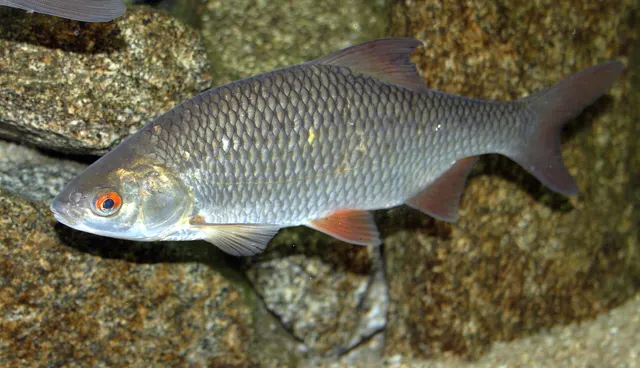 RoachCharacteristic of this water10 placesThe Grand Union Canal, The Leeds and Liverpool Canal, The Trent and Mersey Canal, The Shropshire Union Canal and 6 moreOver canal section
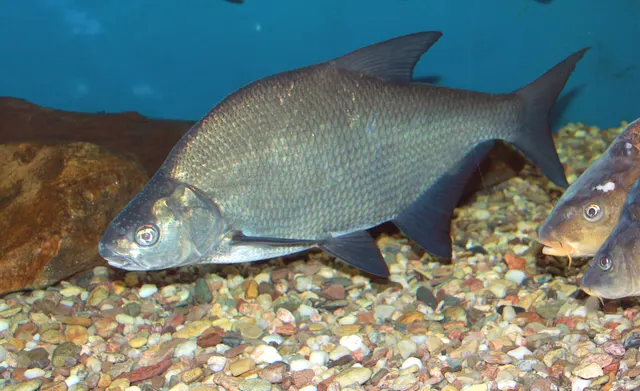 Common breamRegular local target10 placesThe Grand Union Canal, The Trent and Mersey Canal, The Shropshire Union Canal, The Oxford Canal and 6 moreOver canal section
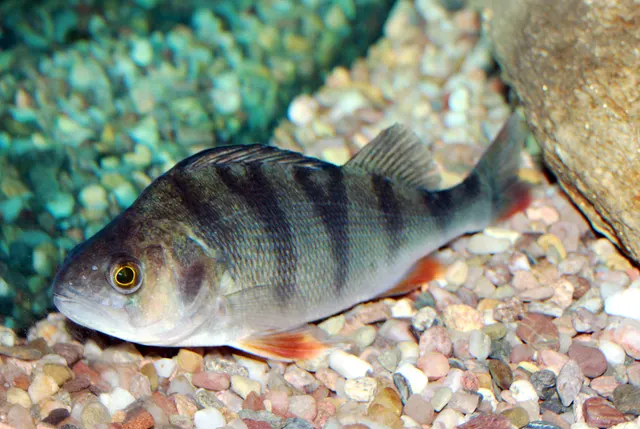 European perchRegular local target10 placesThe Grand Union Canal, The Leeds and Liverpool Canal, The Trent and Mersey Canal, The Shropshire Union Canal and 6 moreOver canal section
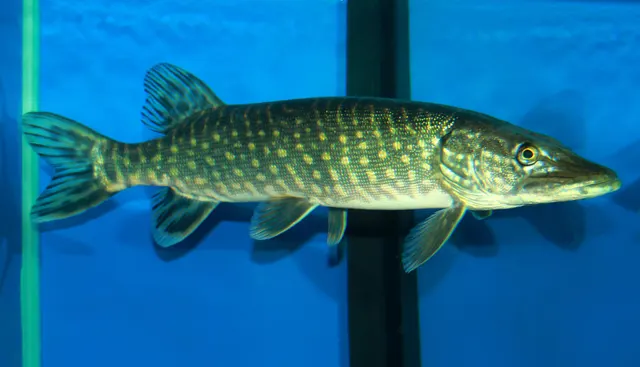 Northern pikeRegular local target9 placesThe Leeds and Liverpool Canal, The Kennet and Avon Canal, The Gloucester and Sharpness Canal, The Grand Union Canal and 5 moreOver canal sectionAround Jan–Feb, Oct–Dec
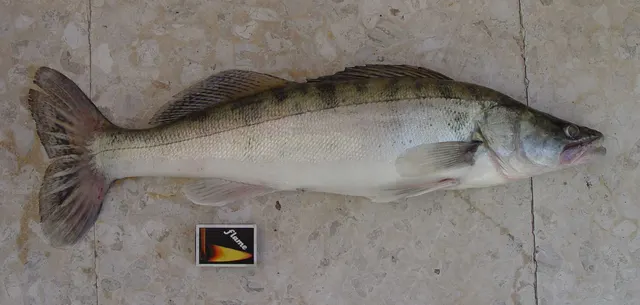 ZanderRegular local target3 placesThe Grand Union Canal, The Shropshire Union Canal, The Gloucester and Sharpness CanalOver canal sectionAround Jan–Feb, Sept–Dec
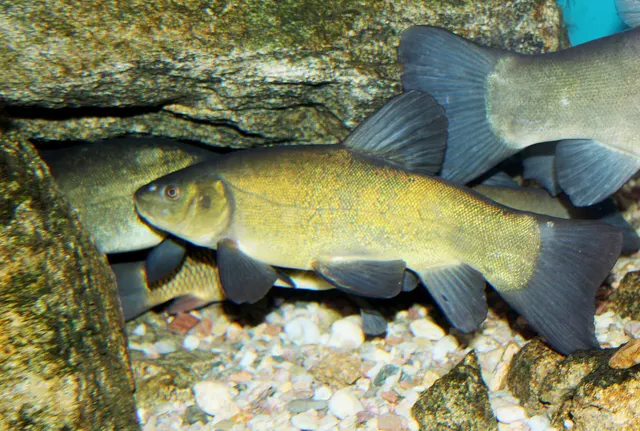 TenchSeasonal3 placesThe Oxford Canal, The Kennet and Avon Canal, The Montgomery CanalOver canal sectionAround May–Sept
Also documented from the shore: Common carp · Gudgeon
What these strengths mean
- Characteristic of this water
- This water is strongly identified with this species by the sources that cover it.
- Regular local target
- Fishing sources describe this as a normal local target here, not merely as caught.
- Seasonal
- Well supported, and concentrated in part of the year rather than spread through it.
- Recorded here
- At least one credible public account of this species being caught here. That is all it means.
- How breadth is counted
- A fish documented at six marks is shown as six marks: breadth never raises the strength on its own. A fishery account describes the fishing; a recorded catch reports one specific catch. How evidence is weighed.
How people fish here
5 methods are recorded on the places documented here, counted from the records themselves rather than from what is practised in the country. Each opens a full guide to the technique.
Float fishing
Recorded at 10 places here, over canal section.
Suspending a bait at a controlled depth beneath a buoyant indicator — the most visual, most controllable and most widely applicable method in angling.
Documented on the same ground: Roach, Common bream, European perch, Northern pike, Zander, Tench.
Feeder fishing
Recorded at 9 places here, over canal section.
Legering with a weight that also carries bait, so that free offerings arrive in exactly the same place as the hookbait, cast after cast.
Documented on the same ground: Common bream, European perch, Northern pike, Roach, Zander, Tench.
Pole fishing
Recorded at 9 places here, over canal section.
Fishing with a long jointed pole and a short fixed line, giving bait placement precision no rod and reel can match.
Documented on the same ground: Roach, Common bream, European perch, Northern pike, Zander, Tench.
Ledgering
Recorded at 2 places here, over canal section.
Fishing a bait on the bottom held by a weight, with no float — the simplest way to fish at distance, in depth, or in wind.
Documented on the same ground: Roach, Common bream, European perch, Northern pike, Zander, Common carp.
Spinning
Recorded at 1 place here, over canal section.
Casting an artificial lure and retrieving it so that it moves like something alive — the most direct form of lure fishing.
Documented on the same ground: Roach, Common bream, European perch, Zander, Northern pike, Common carp.
These are the methods documented at the places FishingHQ holds here. A species listed beside a method is documented on the same ground, which is not the same as being taken that way — where a source establishes the method a fish was caught on, it is stated on that place’s own page. All fishing methods.
The fishing year here
The months the records under this area actually name, tightest season first. This is “observed in these months” rather than a season: a species whose months nobody recorded is not listed, because a gap in the evidence is not a year-round fishery.
- Northern pikeOctober to February
- TenchMay to September
- ZanderSeptember to February
What dominates
Pole fishing, which the canal's fixed width, uniform depth and short range made the dominant method and which reached its highest development here. Match fishing, which was substantially invented on this water and whose national competition structure grew out of canal and works-club angling. Float fishing with a waggler or stick where the width allows. Light feeder and bomb fishing to the far shelf. Predator fishing for pike and zander, by lure and deadbait, which has grown enormously and which the connected network's zander population supports. Carp and tench fishing on the more mature and weedy arms. Bleak and speed fishing as a match discipline in its own right. Almost all of it is bank fishing from a towpath.
The water available
Shallow uniform artificial channel with a dredged central track and near and far shelves; hard clay or engineered bed; stone and piled margins; lock chambers, pounds and the deeper water below them; marinas, basins and winding holes; bridge holes and their shade; reservoir feeders and side ponds; overgrown and semi-derelict arms with dense marginal weed; and a connected network linking most of the major English river catchments to one another.
How the rules are structured
England's freshwater framework applies and there are usually two documents rather than one. A rod licence from the national environment authority is required for freshwater fishing in England, and separately the right to fish a given stretch belongs to somebody — most commonly a club or association holding it from the navigation authority — so a club book, day ticket or association permit is normally needed as well. National close season provisions apply to some waters and not others, and the position on canals has changed and differs by water. The navigation authority sets its own rules about towpath use, mooring and access. Zander and other non-native species are subject to specific rules about return and movement which differ by area and have changed. Biosecurity requirements apply across a connected network. FishingHQ does not state what any current rule is, including close season and permit requirements.
Who to ask
- The Environment Agency, for rod licensing in England, close season provisions and fisheries enforcement.
- The navigation authority for the waterway — most commonly the Canal and River Trust — for towpath access, mooring and waterway rules.
- The angling club or association holding the fishing rights on the stretch, which is normally where the right to fish it actually comes from.
- Natural England, where a canal or its margins carry a conservation designation.
- The local authority, for towpath byelaws and access in urban areas.
Words you will meet
- The cut
- The canal, in the words of everybody who fishes one. The term is a direct survival from the excavation itself and it is used far more than the word canal by the people on the bank.
- Track
- The deeper dredged channel down the middle of a canal, kept clear for boats. It is the single most important feature on the water: fish drop into it when disturbed, it is where the depth change is, and canal tactics are largely a matter of deciding whether to fish the track, the far shelf or the near one.
- Far shelf
- The shallow ledge on the opposite side of the canal from the towpath, between the track and the far bank. It is the classic pole line: undisturbed, holding food, and reachable with a pole but not comfortably with a rod and line.
- Bridge hole
- The narrowed and usually deeper water where a canal passes under a bridge. Bridge holes hold fish because they offer shade, depth and shelter from boat wash, and they are a first-choice feature on almost any canal.
Conditions and hazards
Canal hazards are almost entirely urban and mundane, which is exactly why they are underestimated. The banks are frequently vertical stone or steel piling with no shallow margin at all, so somebody who goes in cannot wade out and cannot climb a smooth vertical face — the water may be only a metre deep and still be a serious situation for a person who cannot get purchase, and cold water shock removes the ability to try within seconds for much of the year. Towpaths are narrow, sometimes unlit, frequently slippery and occasionally shared with cyclists at speed. Locks are the specific serious hazard: the chambers are deep, the sides are sheer, the gates and paddles move a great deal of water quickly, and a person in a filling or emptying lock is in a machine rather than a pond. Overhead electricity lines cross canals in many places and a carbon pole or rod raised beneath one is a recurring cause of angler fatalities in Britain — this is the single most avoidable death in freshwater angling. Weil's disease is a real if uncommon risk on urban water. And in some places the towpath is genuinely isolated after dark.
A trench dug for freight, and the fishery that grew in it
Canals were not built for fish and their physical specification was set entirely by the requirements of moving cargo boats. Almost everything distinctive about canal fishing is a downstream consequence of engineering decisions taken two centuries ago for other reasons.
THE WIDTH WAS SET BY THE BOATS. A narrow canal takes a seven-foot narrowboat; a broad one takes a barge. That produced a water typically ten to twenty metres across, which is close enough to the reach of a fishing pole to have decided how English coarse anglers fish.
THE DEPTH WAS SET BY THE DRAUGHT. Boats needed a metre or so of water, so the canals were dug shallow — dredging is expensive and there was no reason to go deeper. Shallow water warms and cools fast, grows weed readily where light reaches the bed, and holds a great deal of small fish and very little deep-water refuge.
THE CROSS-SECTION WAS SET BY STABILITY. A trench with vertical sides collapses, so canals were built with sloping margins and a deeper dredged channel down the middle where the boats run. That gives the near shelf, the track and the far shelf — the three lines every canal angler thinks in, present on almost every canal in the country because they were all built the same way.
THE LEVEL WAS SET BY THE LOCKS. Between locks a canal is level and still by design; a canal that flowed would empty itself. So there is effectively no current, which means food does not travel to fish and fish must search. That is why bait introduction and holding a swim matter so much more here than on a river, and why a canal angler is feeding a spot rather than fishing a feature.
AND THE HARD BED WAS SET BY LEAKAGE. Canals were puddled with clay to stop water escaping, and many have been relined since. A hard, flat, uniform bottom holds little natural food compared with a silty river bed, which is another reason introduced bait dominates the fishing.
WHAT LIVES IN THAT SPECIFICATION. Small fish in numbers — roach, perch, gudgeon, bleak, ruffe, skimmer bream — which suit shallow uniform productive water with limited refuge. Tench, carp and bream where age, weed and silt have built a richer margin. And predators: pike everywhere, and zander through much of the connected network.
THE BOATS REMAIN PART OF THE HYDROLOGY. A passing narrowboat stirs the bed, colours the water, pushes fish off the shelves and into the track, and then lets them drift back. Canal anglers plan around traffic rather than against it, and on many waters the productive period is the settling after a boat rather than the calm before one.
What experienced anglers do — why, and the sources (4)
Widely and independently recommended by experienced anglers and specialist sources. This is real angling knowledge, not proof: controlled evidence for it is limited, and FishingHQ records it as convention rather than as a demonstrated effect.
- Coarse Fishing — A. & C. Black, 1912 (Specialist angling publication)Relied on for: Established description of English coarse fishing practice on rivers, canals and still waters, and the reasoning behind the techniques it records.FishingHQ's interpretation of what it saysCitation checked — the work exists and is described correctly
- General angling website restatements of established technique — Various (Credible secondary source)Relied on for: Widely restated descriptions of which practices are conventionally used on the waters named, recorded as practitioner consensus rather than as scholarship.Background and mechanism onlyCitation checked — the work exists and is described correctly
- Freshwater Fishes of the British Isles — HarperCollins (New Naturalist 75), 1992 (Reference work)Relied on for: Distribution, ecology, life history and conservation status of the freshwater fishes of the British Isles named here, including in artificial and modified waters.States this directlyCitation checked — the work exists and is described correctly
- Environment Agency fisheries management, byelaws and rod licensing information — Environment Agency (Government fisheries body)Relied on for: Freshwater fisheries management, water quality, river and still-water monitoring, and the structure of the rod licensing framework in England.States this directlyCitation checked — the work exists and is described correctly
Where match fishing was invented, and why the pole exists
Competitive coarse angling in England is a canal-and-industrial-town invention, and the tackle that dominates British coarse fishing today was shaped by the specific problem of catching small fish quickly on a narrow, still, uniform water.
THE SOCIAL ORIGIN IS INDUSTRIAL. Canals ran through the middle of the manufacturing towns of the Midlands and the north, they cost little or nothing to fish at the time, and they were reachable on foot from a factory gate. Works clubs, pub clubs and railway clubs organised competitions on them, and a national competitive structure grew out of that — not out of country-house angling, and not on rivers.
THE FISHERY SHAPED THE FORMAT. A canal holds a great many small fish and very few large ones, spread fairly evenly along an unvarying channel. That produces a competition decided by weight of small fish caught in a fixed time from a drawn peg, which in turn rewards speed, consistency, precise bait control and the ability to hold a shoal — rather than the ability to find a fish, which is what a river match rewards.
AND THE TACKLE FOLLOWED THE FORMAT. The pole is the clearest example. On water twelve metres wide, a pole delivers a bait to a precise spot on the far shelf with no casting, no line through rings, direct contact with the hook and an elastic shock absorber inside the tip — which is faster, more accurate and more delicate than any rod and reel. That is not a preference; it is a solution to the canal's geometry, and it is why the pole became the dominant serious coarse tool in Britain while remaining almost unknown in North America.
THE REST OF THE KIT CAME FROM THE SAME PLACE. Fine hooklengths and small hooks, because the fish are small and the water is clear and still. Tiny floats carrying a fraction of a gram, because there is no current to hold a heavy one down. Elaborate shotting patterns, because how a bait falls is the whole presentation when nothing is moving it. Groundbait and loose feed regimes designed to hold a shoal in a metre-square area for five hours. And a seat box that carries all of it and puts the angler at the right height for a fixed position.
BLEAK FISHING IS THE PUREST EXPRESSION and worth naming. On some canals, matches are won by catching very large numbers of small surface fish at extreme speed — a discipline with its own tackle, its own rhythm and its own specialists, and one that looks like nothing else in angling.
WHAT IT MEANS FOR A BEGINNER, which is the audience this water serves best. Canal fishing is a cheap, accessible and forgiving introduction to coarse angling. The fish are small, willing and numerous, the water is safe to read because it is uniform, and everything learned about feeding, presentation and watercraft here transfers directly to bigger water. A very large proportion of English anglers started on the cut, and that is not nostalgia — the reasons it worked as a starting point have not changed.
What experienced anglers do — why, and the sources (4)
Widely and independently recommended by experienced anglers and specialist sources. This is real angling knowledge, not proof: controlled evidence for it is limited, and FishingHQ records it as convention rather than as a demonstrated effect.
- Coarse Fishing — A. & C. Black, 1912 (Specialist angling publication)Relied on for: Contemporary description of English coarse angling practice, including the competitive and canal-side forms it took and the tackle they used.FishingHQ's interpretation of what it saysCitation checked — the work exists and is described correctly
- Fishers' Craft and Lettered Art: Tracts on Fishing from the End of the Middle Ages — University of Toronto Press, 1997 (Scientific literature)Relied on for: That fishing traditions develop around the water and fish available to them, and the historical method of reading such traditions.Background and mechanism onlyCitation checked — the work exists and is described correctly
- Coarse Fishing — A. & C. Black, 1912 (Specialist angling publication)Relied on for: Established description of English coarse fishing practice on rivers, canals and still waters, and the reasoning behind the techniques it records.FishingHQ's interpretation of what it saysCitation checked — the work exists and is described correctly
- General angling website restatements of established technique — Various (Credible secondary source)Relied on for: Widely restated descriptions of which practices are conventionally used on the waters named, recorded as practitioner consensus rather than as scholarship.Background and mechanism onlyCitation checked — the work exists and is described correctly
A metre of water, a vertical wall, and a pole under a power line
Canal hazards are unglamorous, and that is the problem: a water a metre deep in the middle of a town does not read as dangerous, and it produces deaths every year.
THE MOST AVOIDABLE DEATH IN BRITISH FRESHWATER ANGLING HAPPENS HERE, and it is worth putting first. Overhead electricity lines cross canals and their towpaths in a great many places. Modern poles and rods are carbon, carbon conducts, and a thirteen-metre pole raised or shipped back beneath a line does not need to touch it — electricity will arc across a gap. This kills anglers in Britain with grim regularity, it kills them instantly, and it is entirely preventable by one habit: look up before you set up, and do not fish a peg with a line over it or near it. There is always another peg.
THE SECOND IS THE BANK ITSELF, and it is a design consequence. Canal margins are frequently vertical stone or steel piling with no shallow shelf at all. Somebody who goes in beside piling cannot wade out — the water may be only chest deep — and cannot climb a smooth vertical face with nothing to grip. Add cold water shock, which takes breathing control within seconds for most of the year, and a person who is entirely capable is unable to help themselves in water they could stand up in.
WHICH IS WHY THE RELEVANT SKILL IS KNOWING WHERE THE EXITS ARE. Ladders, slipways, lock steps and shallow margins are not evenly spaced. Note the nearest one when you set up, in both directions, and understand that a straight piled stretch may have none for a considerable distance.
LOCKS ARE THE THIRD AND THEY ARE A MACHINE RATHER THAN A POND. Lock chambers are deep with sheer sides, the gates and paddles move a great deal of water very fast, and the flows inside a filling or emptying chamber are strong and turbulent. Do not fish inside a lock chamber, keep clear of gates and paddle gear, and keep children well back — a lock is the one place on a canal where the water is doing something powerful.
THE TOWPATH IS THE FOURTH AND IT IS MUNDANE. Narrow, often unlit, frequently slippery in wet or frosty weather, sometimes overgrown, and shared with cyclists who may be travelling quickly. Falls carrying tackle are the commonest actual injury on a canal.
WEIL'S DISEASE IS A REAL IF UNCOMMON RISK on urban water. It is contracted through contact between contaminated water and broken skin or mucous membranes. Cover cuts, wash hands before eating, and take a flu-like illness after canal fishing seriously enough to mention the water to a doctor.
AND SOME TOWPATHS ARE ISOLATED after dark in a way that has nothing to do with the water. Tell somebody where you are, and treat a stretch you would not walk alone at night as a stretch you should not fish alone at night.
THE BIOSECURITY OBLIGATION IS A NETWORK ONE. The canals connect most of the major English river catchments to each other, which is why species spread through them, and gear moved between waters is a vector. Check, clean and dry.
Official guidance — why, and the sources (3)
Stated by a fisheries authority, scientific institute or recognised angling body. Authoritative, but summarising rather than demonstrating.
- RNLI water safety guidance: cold water shock and Float to Live — Royal National Lifeboat Institution (Water-safety or diver-training authority)Relied on for: Cold water shock and the immersion response, and water-safety guidance for anglers and small-craft users on inland water.States this directlyPassage read and verified
- RoSPA water safety information and UK accidental drowning statistics — Royal Society for the Prevention of Accidents (Water-safety or diver-training authority)Relied on for: UK accidental drowning statistics and inland water-safety guidance, including the proportion of drownings that begin with no intention of entering the water.States this directlyPassage read and verified
- Angling Trust guidance for anglers — Angling Trust (Angling or fisheries organisation)Relied on for: Angler safety guidance including the specific hazard of carbon rods and poles near overhead electricity lines, which is a recurring cause of angler fatalities in Britain.States this directlyCitation checked — the work exists and is described correctly
Some of what lives here
Fish recorded here that FishingHQ holds a reviewed photograph of. It is not a complete list of what The English canal network holds, and it is not a prediction that you will catch any of them — it is a way in to the ones we can show you.
- RoachThe most numerous and most frequently caught coarse fish across much of Europe, and the prey species that underpins the whole freshwater predator food web.
Karelj, Public domain, via Wikimedia Commons
- European perchA small, shoaling, spiny-finned predator that is both the most accessible predator to catch and the one most anglers first learn on.
Karelj, Public domain, via Wikimedia Commons
- ZanderA shoaling freshwater predator built for hunting in low light and coloured water, and the fish that made a virtue of the conditions pike find difficult.
eLNuko — Public domain, via Wikimedia Commons
- Northern pikeThe dominant freshwater ambush predator of the northern hemisphere: long, cryptic, and built for one violent acceleration rather than pursuit.
Karelj, Public domain, via Wikimedia Commons
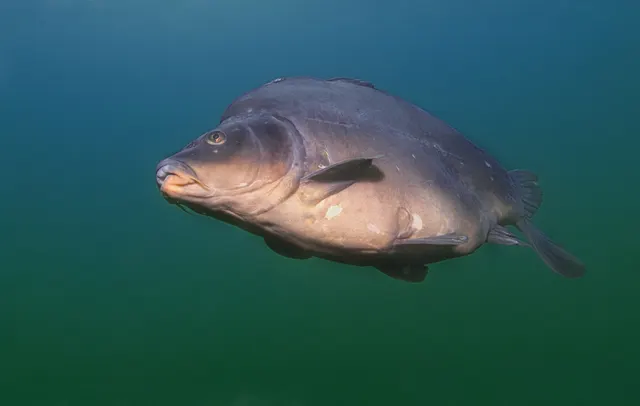 Common carpA large, long-lived, highly adaptable cyprinid whose capacity to learn has shaped more angling technique than any other freshwater fish.
Sven Riewe, CC0, via Wikimedia Commons
Places within this area
Publicly documented fishing geography. FishingHQ describes what the ground is; it does not say whether you may fish it, and every one of these sends that question to the body that holds the answer. Browse every place in this part of the world.
Who to ask before fishing any of these
FishingHQ does not know the current access position here. Freshwater rod fishing in England requires a current rod licence AND separate permission from whoever controls the fishing, which is frequently a club, riparian owner or navigation authority rather than a public body. Close seasons, byelaws and local rules apply and change. Check with the Environment Agency and with the controlling club or owner before going.
The Grand Union Canal
Canal section · Fresh water
The principal canal of the English system, running from London to Birmingham with branches: a uniform artificial channel of clay puddle and silt, typically narrow, with a defined boat channel down the middle, shallow shelves at each side and a towpath one bank.
Variable along its length and generally sheltered — cuttings, hedges and buildings — which is one of the reasons canals fish when rivers are unfishable.
Particular to this ground: cold water shock, overhead power lines, biosecurity and disease transfer.
Severe hazards of The English canal network apply here: drowning and immersion.
The Leeds and Liverpool Canal
Canal section · Fresh water
The longest single canal in Britain, crossing the Pennines through locks and long summit pounds, with a clay bed, uniform shallow depth and a boat channel down the middle.
Severe hazards of The English canal network apply here: overhead power lines, drowning and immersion.
The Trent and Mersey Canal
Canal section · Fresh water
A narrow contour canal linking the two rivers through the Potteries and Cheshire, with a clay bed, steady boat traffic and heavily coloured water in summer.
Severe hazards of The English canal network apply here: overhead power lines, drowning and immersion.
The Shropshire Union Canal
Canal section · Fresh water
A comparatively straight, deep and wide canal built late in the canal age, running through long cuttings and embankments with clearer water than most of the network.
Severe hazards of The English canal network apply here: overhead power lines, drowning and immersion.
The Oxford Canal
Canal section · Fresh water
A narrow early contour canal that winds extensively to follow the land, giving unusual bank variety, shallow uniform depth and heavy summer weed.
Severe hazards of The English canal network apply here: overhead power lines, drowning and immersion.
The Kennet and Avon Canal
Canal section · Fresh water
A broad canal braided with the River Kennet for much of its length, so that navigation and river alternate, giving both still canal pounds and flowing river sections.
Severe hazards of The English canal network apply here: overhead power lines, drowning and immersion.
The Gloucester and Sharpness Canal
Canal section · Fresh water
A ship canal rather than a narrow canal: wide, deep and straight, built to bypass the Severn's tidal reaches, with steep hard banks and considerable depth.
Severe hazards of The English canal network apply here: overhead power lines, drowning and immersion.
The Bridgewater Canal
Canal section · Fresh water
The first true canal in Britain, lock-free along its main line, with a wide clay channel, uniform level and heavily urbanised banks through much of Greater Manchester.
Severe hazards of The English canal network apply here: overhead power lines, drowning and immersion.
2 more places in this area
The Montgomery Canal
Canal section · Fresh water
A partially restored rural canal on the Welsh border, much of it isolated from the main network, with exceptionally clear water and nationally protected aquatic plant communities.
Severe hazards of The English canal network apply here: overhead power lines, drowning and immersion.
Particular to this water: This canal crosses the England–Wales border, and the rod licence and fisheries regulator differ between the two lengths — the Environment Agency in England, Natural Resources Wales in Wales. Establish which side of the border a length sits on before buying a licence for it. The canal also carries national conservation designations for its aquatic plant communities, which constrain access and bankside activity independently of any fishing rule.
The Llangollen Canal
Canal section · Fresh water
A narrow feeder canal carrying water from the Dee across the Pontcysyllte aqueduct, with a noticeable current towards the summit and clearer water than most canals.
Severe hazards of The English canal network apply here: overhead power lines, drowning and immersion.
Particular to this water: This canal crosses the England–Wales border, and the rod licence and fisheries regulator differ between the two lengths — the Environment Agency in England, Natural Resources Wales in Wales. Establish which side of the border a length sits on before buying a licence for it.
Safety
Overhead power lines is set out at the top of this page, where it cannot be missed.
Drowning and immersion — Can cause serious injury or death
Canal margins are frequently vertical stone or steel piling with no shallow shelf. A person who goes in cannot wade out and cannot climb a smooth vertical face, and cold water shock removes the ability to try within seconds for most of the year — in water they could otherwise stand up in.
What reduces it: Note the nearest exit points in both directions when setting up, do not fish alone at night on piled stretches, keep the bank clear of tackle you can trip on, and carry a means of calling for help on the person.
Moving water and currents — Can cause injury needing treatment
Lock chambers are deep with sheer sides, and the gates and paddles move a great deal of water quickly with strong turbulent flows inside a filling or emptying chamber.
What reduces it: Do not fish inside a lock chamber, keep clear of gates and paddle gear, and keep children and dogs well back from lock sides.
Slips, trips and falls — Can cause injury needing treatment
Towpaths are narrow, frequently unlit, slippery in wet or frosty weather and shared with cyclists travelling at speed. Falls while carrying tackle are the commonest actual injury on a canal.
What reduces it: Wear footwear with grip, carry tackle in a way that leaves a hand free, use a light in poor visibility, and keep the towpath behind you clear for other users.
Biosecurity and disease transfer — Can cause injury needing treatment
The canal network connects most of the major English river catchments to one another, which is why species have spread through it, and gear moved between waters carries organisms with it. The harm falls on the waters rather than on the angler.
What reduces it: Check, clean and dry nets, mats, boots and unhooking gear between waters, and do not move fish, water or plant material between waters under any circumstances.
Further safety reading
- Overhead power lines and carbon rods — Overhead electricity lines cross canals and towpaths in many places, carbon poles and rods conduct, and electricity arcs across a gap without contact. This is the single most avoidable death in British freshwater angling.
Check the rules before you fish
Fishing laws, bylaws, access rules, seasons, bait restrictions and permitted methods vary by location and can change. Check the current rules from the relevant authority and the water you intend to fish before fishing.
Check with:
- Current national or regional law for where you are fishing
- Current local bylaws
- The relevant fisheries authority
- The landowner, club or fishery whose water it is
- Any restrictions specific to the species or the method you intend to use
Where to go next
What swims here
- BleakIn the upper layers of the open channel in numbers, supporting a speed-fishing match discipline of its own with tackle and rhythm unlike anything else in angling.
- Common carpIn the more mature, weedier and less trafficked arms where age and silt have built a richer margin, at sizes that surprise anybody who thinks of a canal as a small-fish water.
- European perchThroughout the network, holding to what structure a uniform channel offers — bridge holes, lock approaches, moored boats and marginal cover — and a mainstay of both match and pleasure fishing.
- GudgeonOver the hard clean bed of the dredged central track, where the species' preference for firm bottom and moving fine food is well matched, and a match-fishing staple on many canals.
- Northern pikeThroughout the network, holding in the track and against structure, and the principal native predator of a water whose small-fish production is very high.
- RoachThe characteristic canal fish: abundant in shallow uniform productive water with limited refuge, distributed along the whole network, and the species most canal matches are won on.
- RuffeOver the harder bed of the track and shelves, tolerant of the coloured and disturbed water a working navigation produces, and a familiar if unloved canal catch.
- ZanderThrough much of the connected network after spreading from its original introduction, and now a canal fish in the English public mind. Its status as a non-native predator carries specific rules that differ by area and have changed.
How this compares
Environment and conservation
Sources and evidence
- Freshwater Fishes of the British Isles — HarperCollins (New Naturalist 75), 1992 (Reference work)Relied on for: Distribution, ecology, life history and conservation status of the freshwater fishes of the British Isles named here, including in artificial and modified waters.States this directlyCitation checked — the work exists and is described correctly
- Environment Agency fisheries management, byelaws and rod licensing information — Environment Agency (Government fisheries body)Relied on for: Freshwater fisheries management, water quality, river and still-water monitoring, and the structure of the rod licensing framework in England.States this directlyCitation checked — the work exists and is described correctly
- JNCC species and habitat conservation advice — Joint Nature Conservation Committee (Conservation authority)Relied on for: Designation, habitat description and conservation status of the freshwater and wetland habitats named, and the species characteristically associated with them.States this directlyCitation checked — the work exists and is described correctly
- The Fishes of the British Isles and North-West Europe — Macmillan, 1969 (Reference work)Relied on for: Distribution, habitat association and biology of the freshwater and migratory fishes of the British Isles named here.States this directlyCitation checked — the work exists and is described correctly
- RNLI water safety guidance: cold water shock and Float to Live — Royal National Lifeboat Institution (Water-safety or diver-training authority)Relied on for: Cold water shock and the immersion response, and water-safety guidance for anglers and small-craft users on inland water.States this directlyPassage read and verified
- RoSPA water safety information and UK accidental drowning statistics — Royal Society for the Prevention of Accidents (Water-safety or diver-training authority)Relied on for: UK accidental drowning statistics and inland water-safety guidance, including the proportion of drownings that begin with no intention of entering the water.States this directlyPassage read and verified
Why the 13 connections on this page are here, and the sources
What swims here
Backed by research — 8 connections
Supported by peer-reviewed research or fisheries science. The sources are listed and can be checked.
Bleak
A claim that a place contains the ground, water and seasonal conditions the species is associated with. It is a distributional statement about the world, it rests on the regional reference literature, and it deliberately asserts nothing about access, permission or catch.
- Freshwater Fishes of the British Isles — HarperCollins (New Naturalist 75), 1992 (Reference work)Relied on for: Distribution, ecology and conservation status of the freshwater fishes of the British Isles, including in artificial and modified waters.States this directlyCitation checked — the work exists and is described correctly
- Environment Agency fisheries management, byelaws and rod licensing information — Environment Agency (Government fisheries body)Relied on for: Fisheries monitoring, water quality and species distribution in English rivers, canals and still waters.States this directlyCitation checked — the work exists and is described correctly
Common carp
A claim that a place contains the ground, water and seasonal conditions the species is associated with. It is a distributional statement about the world, it rests on the regional reference literature, and it deliberately asserts nothing about access, permission or catch.
- Freshwater Fishes of the British Isles — HarperCollins (New Naturalist 75), 1992 (Reference work)Relied on for: Distribution, ecology and conservation status of the freshwater fishes of the British Isles, including in artificial and modified waters.States this directlyCitation checked — the work exists and is described correctly
- Environment Agency fisheries management, byelaws and rod licensing information — Environment Agency (Government fisheries body)Relied on for: Fisheries monitoring, water quality and species distribution in English rivers, canals and still waters.States this directlyCitation checked — the work exists and is described correctly
European perch
A claim that a place contains the ground, water and seasonal conditions the species is associated with. It is a distributional statement about the world, it rests on the regional reference literature, and it deliberately asserts nothing about access, permission or catch.
- Freshwater Fishes of the British Isles — HarperCollins (New Naturalist 75), 1992 (Reference work)Relied on for: Distribution, ecology and conservation status of the freshwater fishes of the British Isles, including in artificial and modified waters.States this directlyCitation checked — the work exists and is described correctly
- Environment Agency fisheries management, byelaws and rod licensing information — Environment Agency (Government fisheries body)Relied on for: Fisheries monitoring, water quality and species distribution in English rivers, canals and still waters.States this directlyCitation checked — the work exists and is described correctly
Gudgeon
A claim that a place contains the ground, water and seasonal conditions the species is associated with. It is a distributional statement about the world, it rests on the regional reference literature, and it deliberately asserts nothing about access, permission or catch.
- Freshwater Fishes of the British Isles — HarperCollins (New Naturalist 75), 1992 (Reference work)Relied on for: Distribution, ecology and conservation status of the freshwater fishes of the British Isles, including in artificial and modified waters.States this directlyCitation checked — the work exists and is described correctly
- Environment Agency fisheries management, byelaws and rod licensing information — Environment Agency (Government fisheries body)Relied on for: Fisheries monitoring, water quality and species distribution in English rivers, canals and still waters.States this directlyCitation checked — the work exists and is described correctly
Northern pike
A claim that a place contains the ground, water and seasonal conditions the species is associated with. It is a distributional statement about the world, it rests on the regional reference literature, and it deliberately asserts nothing about access, permission or catch.
- Freshwater Fishes of the British Isles — HarperCollins (New Naturalist 75), 1992 (Reference work)Relied on for: Distribution, ecology and conservation status of the freshwater fishes of the British Isles, including in artificial and modified waters.States this directlyCitation checked — the work exists and is described correctly
- Environment Agency fisheries management, byelaws and rod licensing information — Environment Agency (Government fisheries body)Relied on for: Fisheries monitoring, water quality and species distribution in English rivers, canals and still waters.States this directlyCitation checked — the work exists and is described correctly
Roach
A claim that a place contains the ground, water and seasonal conditions the species is associated with. It is a distributional statement about the world, it rests on the regional reference literature, and it deliberately asserts nothing about access, permission or catch.
- Freshwater Fishes of the British Isles — HarperCollins (New Naturalist 75), 1992 (Reference work)Relied on for: Distribution, ecology and conservation status of the freshwater fishes of the British Isles, including in artificial and modified waters.States this directlyCitation checked — the work exists and is described correctly
- Environment Agency fisheries management, byelaws and rod licensing information — Environment Agency (Government fisheries body)Relied on for: Fisheries monitoring, water quality and species distribution in English rivers, canals and still waters.States this directlyCitation checked — the work exists and is described correctly
Ruffe
A claim that a place contains the ground, water and seasonal conditions the species is associated with. It is a distributional statement about the world, it rests on the regional reference literature, and it deliberately asserts nothing about access, permission or catch.
- Freshwater Fishes of the British Isles — HarperCollins (New Naturalist 75), 1992 (Reference work)Relied on for: Distribution, ecology and conservation status of the freshwater fishes of the British Isles, including in artificial and modified waters.States this directlyCitation checked — the work exists and is described correctly
- Environment Agency fisheries management, byelaws and rod licensing information — Environment Agency (Government fisheries body)Relied on for: Fisheries monitoring, water quality and species distribution in English rivers, canals and still waters.States this directlyCitation checked — the work exists and is described correctly
Zander
A claim that a place contains the ground, water and seasonal conditions the species is associated with. It is a distributional statement about the world, it rests on the regional reference literature, and it deliberately asserts nothing about access, permission or catch.
- Freshwater Fishes of the British Isles — HarperCollins (New Naturalist 75), 1992 (Reference work)Relied on for: Distribution, ecology and conservation status of the freshwater fishes of the British Isles, including in artificial and modified waters.States this directlyCitation checked — the work exists and is described correctly
- Environment Agency fisheries management, byelaws and rod licensing information — Environment Agency (Government fisheries body)Relied on for: Fisheries monitoring, water quality and species distribution in English rivers, canals and still waters.States this directlyCitation checked — the work exists and is described correctly
How people fish here
What experienced anglers do — 2 connections
Widely and independently recommended by experienced anglers and specialist sources. This is real angling knowledge, not proof: controlled evidence for it is limited, and FishingHQ records it as convention rather than as a demonstrated effect.
Coarse fishing
A claim about angling convention rather than about the world: that this place sits within this branch of fishing, which drives the information architecture as well as the page. It rests on independent practitioner description.
- General angling website restatements of established technique — Various (Credible secondary source)Relied on for: Widely restated descriptions of which practices are conventionally used on the waters named, recorded as practitioner consensus rather than as scholarship.Background and mechanism onlyCitation checked — the work exists and is described correctly
- Coarse Fishing — A. & C. Black, 1912 (Specialist angling publication)Relied on for: Established description of English coarse and game fishing practice on rivers, canals and still waters.FishingHQ's interpretation of what it saysCitation checked — the work exists and is described correctly
Match fishing
A claim about angling convention rather than about the world: that this place sits within this branch of fishing, which drives the information architecture as well as the page. It rests on independent practitioner description.
- General angling website restatements of established technique — Various (Credible secondary source)Relied on for: Widely restated descriptions of which practices are conventionally used on the waters named, recorded as practitioner consensus rather than as scholarship.Background and mechanism onlyCitation checked — the work exists and is described correctly
- Coarse Fishing — A. & C. Black, 1912 (Specialist angling publication)Relied on for: Established description of English coarse and game fishing practice on rivers, canals and still waters.FishingHQ's interpretation of what it saysCitation checked — the work exists and is described correctly
How this compares
What experienced anglers do — 1 connection
Widely and independently recommended by experienced anglers and specialist sources. This is real angling knowledge, not proof: controlled evidence for it is limited, and FishingHQ records it as convention rather than as a demonstrated effect.
The Fens and their drains
A claim that two places are worth reading against one another, because a reader choosing between them or generalising from one to the other needs to know how the underlying process differs.
- General angling website restatements of established technique — Various (Credible secondary source)Relied on for: Widely restated descriptions of which practices are conventionally used in the waters named, recorded as practitioner consensus rather than as scholarship.Background and mechanism onlyCitation checked — the work exists and is described correctly
- Sea Angler — Bauer Media (Specialist angling publication)Relied on for: Long-running published description of British and Irish sea angling practice by region and by ground type.FishingHQ's interpretation of what it saysCitation checked — the work exists and is described correctly
Safety reading
Official guidance — 1 connection
Stated by a fisheries authority, scientific institute or recognised angling body. Authoritative, but summarising rather than demonstrating.
Overhead power lines and carbon rods
A claim that a place presents a particular hazard strongly enough that the reader should be sent to the page dealing with it in full, rather than left with the short warning on the place itself.
- RNLI water safety guidance: cold water shock and Float to Live — Royal National Lifeboat Institution (Water-safety or diver-training authority)Relied on for: Cold water shock and the immersion response, tidal cut-off, and water-safety guidance for shore anglers and small-craft users.States this directlyPassage read and verified
Environment and conservation
Backed by research — 1 connection
Supported by peer-reviewed research or fisheries science. The sources are listed and can be checked.
Invasive species and biosecurity
A claim that a place raises a particular environmental question, resting on the scientific and conservation literature for the system rather than on angling practice.
- JNCC species and habitat conservation advice — Joint Nature Conservation Committee (Conservation authority)Relied on for: Habitat classification and description for the intertidal, coastal, estuarine and freshwater habitats named, and the species characteristically associated with them.States this directlyCitation checked — the work exists and is described correctly
- Cefas science, advice and data on marine and freshwater environments — Centre for Environment, Fisheries and Aquaculture Science (Government fisheries body)Relied on for: Characterisation of UK inshore sediment, intertidal habitat, estuarine process and the shellfish beds associated with them.States this directlyCitation checked — the work exists and is described correctly
How FishingHQ labels evidence is explained in the evidence policy.