Surface fishing for coarse fish
Method · Last reviewed 2026-08-18
Fishing a floating bait on or just under the surface, where the fish can be seen taking it — the most visual freshwater fishing there is, and the one where a mistake is most obvious.
Safety: fish welfare — can cause injury needing treatment.
Surface fishing is presenting a buoyant bait at the top of the water for fish that are feeding there, and FishingHQ held a record about topwater LURES and nothing about bait on the surface, which is a substantial part of British and European coarse fishing.
WHY FISH COME UP AT ALL. Warm still weather brings carp, chub, rudd and orfe to the upper layers, both to feed on floating insects, seeds and debris and because the water there is warmer and better oxygenated by the day's photosynthesis. A hot afternoon that shuts down bottom fishing is frequently the best surface fishing of the year.
WHAT MAKES IT DIFFERENT FROM EVERYTHING ELSE. The take is visible. The angler sees the fish approach, inspect, circle and take — or refuse — which turns the fishing into a sight-fishing problem rather than a bite-detection one, and which makes every error immediately legible. That is why it teaches more about fish behaviour in an afternoon than a week of ledgering.
THE TACKLE PROBLEM IS CASTING SOMETHING WEIGHTLESS. A floating bait has almost no mass, and the standard answers are a controller float — a buoyant, part-submerged weight above the hooklength that provides casting mass without dragging the bait under — or freelining a heavier bait such as bread crust at short range. Both are attempts to solve the same problem.
THE LINE ON THE SURFACE IS THE OTHER PROBLEM AND THE ONE PEOPLE UNDERESTIMATE. Line lying on the surface is visible, catches the wind and drags the bait, and a fish that has been cautious enough to inspect a bait for a minute will refuse one being towed. Sinking the line between rod and controller is standard, and where a bait must be free the fishing is done at very short range.
FEEDING IS WHAT MAKES IT WORK. A few free offerings scattered so that fish start taking them confidently, and only then a hookbait among them, is the whole approach — and the commonest failure is casting a hookbait to fish that have not yet started taking, which teaches them that floating baits are dangerous.
AND THE WELFARE POINT IS SPECIFIC AND WORTH STATING. Fish taken off the surface are frequently hooked in the front of the mouth and are easy to unhook, which is good; and surface fishing happens in warm weather, which is when handling costs a fish most. Everything in FishingHQ's handling-temperature material applies at full force to a hot still afternoon.
FINALLY, IT IS OFTEN RESTRICTED. A great many fisheries limit floating baits, ban particular ones, or prohibit surface fishing altogether at some times of year — which is a permit condition rather than a suggestion.
What it is
Presenting a buoyant bait on or just beneath the surface for fish feeding in the upper layers — carp, chub, rudd and orfe above all. Unlike almost every other freshwater method, the take is visible: the angler watches the fish approach, inspect, circle and either commit or refuse, which turns the fishing into a sight-fishing problem rather than a bite-detection one.
What it is for
It reaches fish that bottom fishing cannot, in exactly the conditions that shut bottom fishing down. A hot, still afternoon that produces nothing on the bed frequently produces the best surface fishing of the year, because warmth and daytime oxygenation both concentrate activity in the upper layers. It is also the fastest way to learn how fish actually behave, because the whole sequence is visible.
Setting it up
- Feed first and fish second. Fish must be taking free offerings confidently before a hookbait goes among them.
- Get the line off the surface. Sink it between rod and controller, or fish close enough that there is almost none on the water.
- Use a long hooklength between controller and bait so that the two are not associated.
- Match the hookbait to the free offerings in size and appearance, because the fish are inspecting rather than reacting.
- Fish where the wind pushes the free bait, because that is where the fish will be.
What it catches
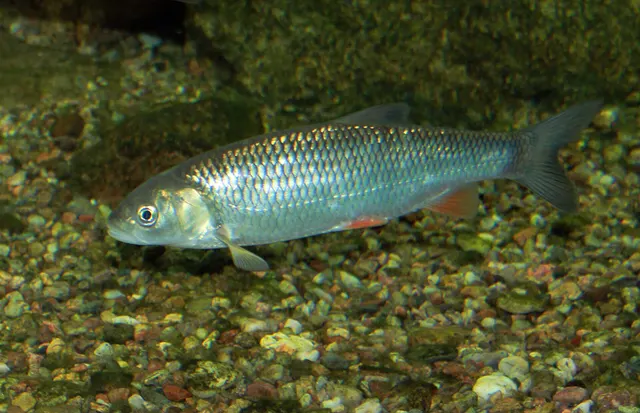 ChubA river fish that takes floating bread and terrestrial insects readily, frequently at ranges of a few metres under overhanging cover.
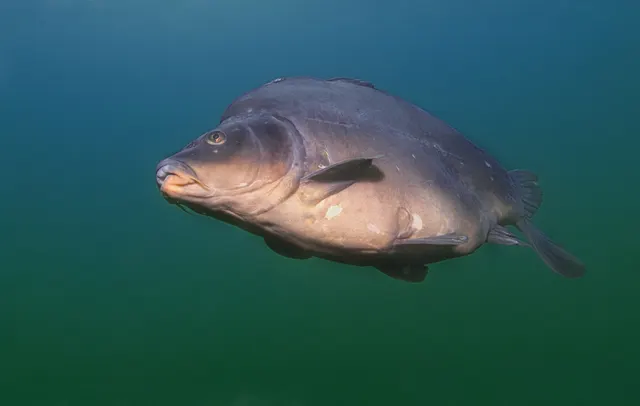 Common carpThe species the approach was developed for, and one that will feed confidently on the surface in warm settled weather while ignoring everything on the bottom.
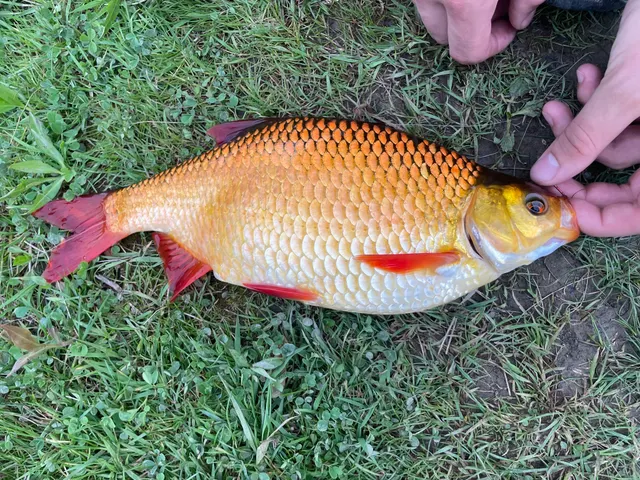 RuddAn upward-feeding fish by anatomy — the jaw is angled to take from above — which makes it the species most consistently available on the surface.
- Sooty grunterBecause it eats fruit — which is a technique on some systems rather than a curiosity.
What you fish it with
- BreadCrust, which floats hook-down, and is the original floating bait.
- PelletsFloating pellets, which is what modern surface carp fishing is fished with and fed with.
- Surface controller rigThe method and its arrangement. The controller is what makes surface fishing possible beyond a rod length, because a floating bait has no casting weight of its own.
How it works
A floating bait has almost no mass, so casting weight has to come from somewhere else. A controller float — a buoyant, part-submerged weight set well above a long hooklength — provides it without dragging the bait under; alternatively a bait heavy enough in itself, such as bread crust, is swung out at short range. Free offerings are scattered first and the hookbait introduced among them only once fish are taking confidently. Line lying on the surface is the other half of the problem: it is visible, it catches wind and it drags the bait, so it is sunk between rod and controller or the fishing is done at very short range.
Conditions
Warm, settled, preferably still conditions from late spring through summer. A light ripple helps by disguising line and angler; a strong wind makes it impossible. It works on stillwaters, on slow rivers for chub, and in the margins as readily as at range — and margins are frequently better, because the fish are there and the line problem largely disappears.
Common mistakes
- Casting a hookbait before the fish are taking free offerings confidently, which teaches them that floating baits are dangerous and can shut a water down for the day.
- Leaving line on the surface, where it is visible, catches the wind and drags the bait — which a fish that has spent a minute inspecting the bait will not accept.
- Striking at the approach rather than the take. A fish frequently circles, noses and turns away several times before committing.
- Fishing in a strong wind, where presentation cannot be controlled and the effort is wasted.
- Ignoring the temperature. Surface fishing happens on hot afternoons, which is exactly when handling a fish costs it most.
- Assuming it is permitted. Floating baits and surface fishing are restricted on a great many fisheries and the restriction is a permit condition.
Advantages
- The take is visible from beginning to end, which teaches more about fish behaviour in an afternoon than a week of ledgering.
- It works in exactly the warm settled conditions that stop bottom fishing producing.
- Fish are usually hooked in the front of the mouth and are straightforward to unhook.
- It needs very little tackle and can be done in the margins with no casting at all.
Limitations
- Wind ruins it. Anything beyond a light ripple makes presentation uncontrollable.
- It is seasonal and weather-dependent in a way few methods are.
- Fish learn quickly, and a water where hookbaits have been cast at inspecting fish becomes very difficult.
- It happens in warm water, which is when handling a hooked fish costs it most.
- It is restricted or prohibited on a great many fisheries, which is a permit condition rather than a preference.
Terms you will meet
- Controller
- A buoyant, part-submerged float fished well above a long hooklength, providing casting weight without pulling the bait under. The standard solution to casting something that weighs almost nothing.
- Floater
- A floating bait, and by extension the whole approach. In British usage a floater is most often a dog or trout pellet designed to float, or a piece of bread crust.
- Freelining
- Fishing a bait with no float and no weight at all, relying on the bait's own mass to cast. At short range with a heavy floating bait it is the simplest and most delicate presentation available.
Safety
Fish welfare — Can cause injury needing treatment
Surface fishing is at its best on hot, still afternoons, which is when warm water holds least oxygen and when a played and handled fish is under the greatest physiological load. A fish that would recover easily in April may not in August.
What reduces it: Keep the fight short and the fish in the water, use an unhooking mat and wet hands, return without lifting where possible, and be prepared to stop fishing altogether when the water is warm enough that recovery is visibly slow.
Check the rules before you fish
Fishing laws, bylaws, access rules, seasons, bait restrictions and permitted methods vary by location and can change. Check the current rules from the relevant authority and the water you intend to fish before fishing.
Check with:
- Current national or regional law for where you are fishing
- Current local bylaws
- The relevant fisheries authority
- The landowner, club or fishery whose water it is
- Any restrictions specific to the species or the method you intend to use
Where to go next
Related techniques
Skills behind it
- Getting bait where you want itThe method depends entirely on feeding: fish must be taking free offerings confidently before a hookbait goes among them, and casting one in too early shuts a water down for the day.
- Handling temperature, and when not to fish at allThe approach is at its best on hot still afternoons, which is precisely when warm water holds least oxygen and a played fish is under the greatest load.
Rules and access
Sources and evidence
- Carp Fever — Beekay Publishers, 1981 (Specialist angling publication)Relied on for: Carp angling practice including baiting strategy, surface fishing, bait presentation and the development of each within the discipline.States this directlyCitation checked — the work exists and is described correctly
- Angling Times — Bauer Media (Specialist angling publication)Relied on for: Contemporary UK carp and specimen practice as reported by practitioners, including baiting approaches and surface tactics.FishingHQ's interpretation of what it saysCitation checked — the work exists and is described correctly
- Coarse Fishing — A. & C. Black, 1912 (Specialist angling publication)Relied on for: Classical British coarse angling practice: float work in rivers and stillwaters, shotting, bait delivery and the reels and rods used for each.States this directlyCitation checked — the work exists and is described correctly
- Freshwater Fishing — Macdonald & Jane's, 1975 (Specialist angling publication)Relied on for: Comprehensive British freshwater angling practice including river float fishing, surface presentation, terminal arrangements and the equipment for each.States this directlyCitation checked — the work exists and is described correctly
- Angling Trust guidance for anglers — Angling Trust (Angling or fisheries organisation)Relied on for: Guidance to anglers on welfare, handling, baiting and the fishery rules that bear on all three.States this directlyCitation checked — the work exists and is described correctly
- Humane Harvesting of Fish: percussive stunning and percussive equipment — Humane Slaughter Association (Angling or fisheries organisation)Relied on for: Welfare of caught fish, including handling, retention and time out of water.States this directlyNot yet checked
Why the 12 connections on this page are here, and the sources
What it catches
What experienced anglers do — 4 connections
Widely and independently recommended by experienced anglers and specialist sources. This is real angling knowledge, not proof: controlled evidence for it is limited, and FishingHQ records it as convention rather than as a demonstrated effect.
Chub
That a species is conventionally fished for by this method, drawn from angling literature and from widely restated practitioner description rather than from testing.
- Coarse Fishing — A. & C. Black, 1912 (Specialist angling publication)Relied on for: Classical British coarse angling practice: river float work, shotting, bait delivery and the reels and rods used for each.States this directlyCitation checked — the work exists and is described correctly
- Freshwater Fishing — Macdonald & Jane's, 1975 (Specialist angling publication)Relied on for: Comprehensive British freshwater angling practice including river float fishing, surface presentation and the equipment for each.States this directlyCitation checked — the work exists and is described correctly
Common carp
That a species is conventionally fished for by this method, drawn from angling literature and from widely restated practitioner description rather than from testing.
- Coarse Fishing — A. & C. Black, 1912 (Specialist angling publication)Relied on for: Classical British coarse angling practice: river float work, shotting, bait delivery and the reels and rods used for each.States this directlyCitation checked — the work exists and is described correctly
- Freshwater Fishing — Macdonald & Jane's, 1975 (Specialist angling publication)Relied on for: Comprehensive British freshwater angling practice including river float fishing, surface presentation and the equipment for each.States this directlyCitation checked — the work exists and is described correctly
Rudd
That a species is conventionally fished for by this method, drawn from angling literature and from widely restated practitioner description rather than from testing.
- Coarse Fishing — A. & C. Black, 1912 (Specialist angling publication)Relied on for: Classical British coarse angling practice: river float work, shotting, bait delivery and the reels and rods used for each.States this directlyCitation checked — the work exists and is described correctly
- Freshwater Fishing — Macdonald & Jane's, 1975 (Specialist angling publication)Relied on for: Comprehensive British freshwater angling practice including river float fishing, surface presentation and the equipment for each.States this directlyCitation checked — the work exists and is described correctly
Sooty grunter
As well as fish, crustaceans and insects it takes fruit and plant material falling from overhanging vegetation, and anglers on some northern Australian systems fish surface presentations under fruiting trees deliberately for that reason.
- FAO Species Identification Guides for Fishery Purposes and the FAO Species Catalogues — Food and Agriculture Organization of the United Nations (Scientific institute)Relied on for: Identification, distribution, habitat and fishery description from the FAO species identification guides for fishery purposes.States this directlyCitation checked — the work exists and is described correctly
- General angling website restatements of established technique — Various (Credible secondary source)Relied on for: The widely restated practitioner account of how this species is fished.Background and mechanism onlyCitation checked — the work exists and is described correctly
Related techniques
What experienced anglers do — 2 connections
Widely and independently recommended by experienced anglers and specialist sources. This is real angling knowledge, not proof: controlled evidence for it is limited, and FishingHQ records it as convention rather than as a demonstrated effect.
Carp fishing
Which branch of fishing the practice or equipment sits in.
- Coarse Fishing — A. & C. Black, 1912 (Specialist angling publication)Relied on for: Classical British coarse angling practice: river float work, shotting, bait delivery and the reels and rods used for each.States this directlyCitation checked — the work exists and is described correctly
- Freshwater Fishing — Macdonald & Jane's, 1975 (Specialist angling publication)Relied on for: Comprehensive British freshwater angling practice including river float fishing, surface presentation and the equipment for each.States this directlyCitation checked — the work exists and is described correctly
Coarse fishing
Which branch of fishing the practice or equipment sits in.
- Coarse Fishing — A. & C. Black, 1912 (Specialist angling publication)Relied on for: Classical British coarse angling practice: river float work, shotting, bait delivery and the reels and rods used for each.States this directlyCitation checked — the work exists and is described correctly
- Freshwater Fishing — Macdonald & Jane's, 1975 (Specialist angling publication)Relied on for: Comprehensive British freshwater angling practice including river float fishing, surface presentation and the equipment for each.States this directlyCitation checked — the work exists and is described correctly
What you fish it with
What experienced anglers do — 3 connections
Widely and independently recommended by experienced anglers and specialist sources. This is real angling knowledge, not proof: controlled evidence for it is limited, and FishingHQ records it as convention rather than as a demonstrated effect.
Bread
The bread page describes crust hooked through the crust itself so it floats hook-down. That is a description of a surface bait and of nothing else, and predates every manufactured floater.
- Coarse Fishing — A. & C. Black, 1912 (Specialist angling publication)Relied on for: Specialist treatment of which bait or lure family this technique is fished with.States this directlyCitation checked — the work exists and is described correctly
- Angling Times — Bauer Media (Specialist angling publication)Relied on for: The independently restated practitioner pairing of this technique with this family.Background and mechanism onlyCitation checked — the work exists and is described correctly
Pellets
Surface carp fishing is conducted by feeding floating pellets until fish take confidently and then presenting one on the hook. The bait and the feed are the same object, which is what distinguishes it from crust fishing.
- Carp Fever — Beekay Publishers, 1981 (Specialist angling publication)Relied on for: Specialist treatment of which bait or lure family this technique is fished with.States this directlyCitation checked — the work exists and is described correctly
- Angling Times — Bauer Media (Specialist angling publication)Relied on for: The independently restated practitioner pairing of this technique with this family.Background and mechanism onlyCitation checked — the work exists and is described correctly
Surface controller rig
That a method conventionally uses this terminal arrangement, drawn from published description of practice rather than from any claim that it must.
- Coarse Fishing — A. & C. Black, 1912 (Specialist angling publication)Relied on for: Classical coarse angling practice: terminal arrangements, shotting, float attachment and bite registration in still and running water.States this directlyCitation checked — the work exists and is described correctly
- Angling Times — Bauer Media (Specialist angling publication)Relied on for: Contemporary UK coarse and match angling practice as reported by practitioners, including pole, float and surface rig convention.States this directlyCitation checked — the work exists and is described correctly
Skills behind it
What experienced anglers do — 2 connections
Widely and independently recommended by experienced anglers and specialist sources. This is real angling knowledge, not proof: controlled evidence for it is limited, and FishingHQ records it as convention rather than as a demonstrated effect.
Getting bait where you want it
A link from a practice or a piece of equipment to the mechanism or explanation it rests on.
- Angling Times — Bauer Media (Specialist angling publication)Relied on for: Contemporary UK coarse, match, carp and specimen practice as reported by practitioners, including bait delivery, surface tactics and river float work.FishingHQ's interpretation of what it saysCitation checked — the work exists and is described correctly
- General angling website restatements of established technique — Various (Credible secondary source)Relied on for: Widely restated descriptions of contemporary freshwater technique and equipment convention, recorded as practitioner consensus rather than as scholarship.Background and mechanism onlyCitation checked — the work exists and is described correctly
Handling temperature, and when not to fish at all
A link from a practice or a piece of equipment to the mechanism or explanation it rests on.
- Angling Trust guidance for anglers — Angling Trust (Angling or fisheries organisation)Relied on for: Guidance to anglers on welfare, handling and the fishery rules that bear on both, including bait and method restrictions.States this directlyCitation checked — the work exists and is described correctly
- Humane Harvesting of Fish: percussive stunning and percussive equipment — Humane Slaughter Association (Angling or fisheries organisation)Relied on for: Welfare of caught fish, including handling and time out of water.States this directlyNot yet checked
Rules and access
Official guidance — 1 connection
Stated by a fisheries authority, scientific institute or recognised angling body. Authoritative, but summarising rather than demonstrating.
Method and bait restrictions
This points to the kind of rule that applies rather than to a rule itself. The answer is set by the fishery or the authority and it differs between neighbouring waters.
- Environment Agency fisheries management, byelaws and rod licensing information — Environment Agency (Government fisheries body)Relied on for: Freshwater fisheries management including nutrient input, byelaws on bait and gear, and the condition of managed stillwaters and rivers.States this directlyCitation checked — the work exists and is described correctly
- Angling Trust guidance for anglers — Angling Trust (Angling or fisheries organisation)Relied on for: Guidance to anglers on bait use and on the restrictions individual fisheries set on quantity, type and delivery.States this directlyCitation checked — the work exists and is described correctly
How FishingHQ labels evidence is explained in the evidence policy.