Scotland
Fishing regions · Last reviewed 2026-08-14
No rod licence for coarse fishing, a wholly separate statutory system for salmon and sea trout, a legal right of responsible access that England and Wales do not have, and a coastline with the strongest tidal streams in these islands.
Being listed here is not permission to fish. What that meansClose
Access, fishing rights, seasons, licences, local bylaws and permitted methods vary and can change. Check current access, permission, local regulations, closures and restrictions before you travel or fish. FishingHQ describes what the ground is and names who holds the answer; it does not hold the answer itself.
Find the authority for a jurisdiction · What FishingHQ does and does not cover
Scotland's fishing law is not a variant of England's. It is a different system with different foundations, and the differences run in both directions — more open in some respects and considerably more restricted in others.
THERE IS NO ROD LICENCE FOR COARSE FISHING. The instrument that dominates the English and Welsh answer to 'what do I need' simply does not exist here for coarse and non-migratory species. That does not make the fishing free: permission from whoever controls the water is still required, and it is the whole of the requirement rather than half of it.
SALMON AND SEA TROUT ARE GOVERNED SEPARATELY AND STRICTLY. Migratory salmonids sit under their own statutory regime, with rights that are a distinct form of heritable property and with local boards administering them river by river. Fishing for them without the right is a serious matter, and the rules — including whether fish may be killed at all on a given river — are set and revised locally in response to stock assessment.
AND SUNDAY FISHING FOR SALMON IS PROHIBITED, which is a statutory quirk with no English equivalent and one that catches visitors out.
ACCESS LAW IS THE OTHER GREAT DIVERGENCE. Scotland has a statutory right of responsible access to most land and inland water, exercised under a national access code. That right is about being present, not about fishing — it does not convey a right to fish — but it changes the practical experience of getting to water more than any other single fact about Scottish angling.
THE SEA ANGLING PICTURE resembles the rest of the UK in structure and differs in substance: the same broad absence of licensing, a different administration, and a coast whose tidal streams around the northern isles and through the narrows are among the most powerful anywhere.
What fishing here is like
A large, thinly populated country with an enormous amount of water and a fishing culture split sharply between a globally famous game tradition and a much less publicised coarse and sea scene. Salmon and sea trout fishing on the great rivers is internationally known, expensive and highly organised; wild brown trout fishing on hill lochs is abundant, cheap and comparatively informal; pike and coarse fishing is well established in the lowlands and largely ignored by the literature. The sea angling is a strong shore and small-boat culture on a coastline vastly longer than the country's size suggests.
What you can target here
One entry per fish, grouped by how you would be fishing — because the answer is a different one from the rocks and from a boat. Each entry says how strongly the sources support it and how much evidence sits behind it. These are documented catches, not a forecast, and none of it is a statement that you may fish any particular ground.
From the shore · 29
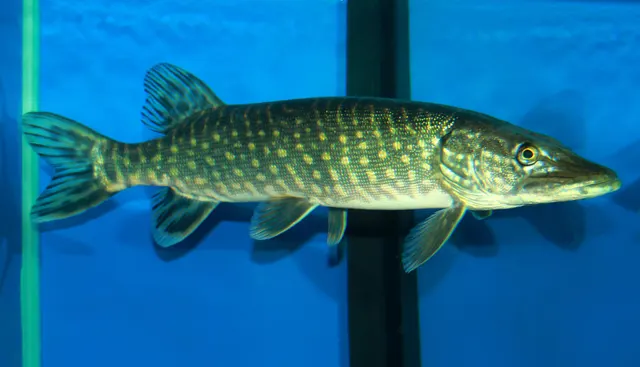 Northern pikeCharacteristic of this water6 placesLoch Awe, Loch Ken, Loch Ness, Loch Tay and 2 moreOver loch, river reachAround Jan–Feb, Nov–Dec
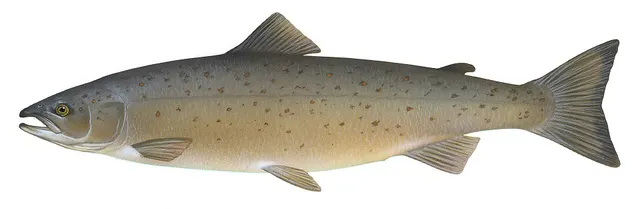 Atlantic salmonCharacteristic of this water2 placesThe Junction Pool, The Tweed at ColdstreamOver confluence, river reach
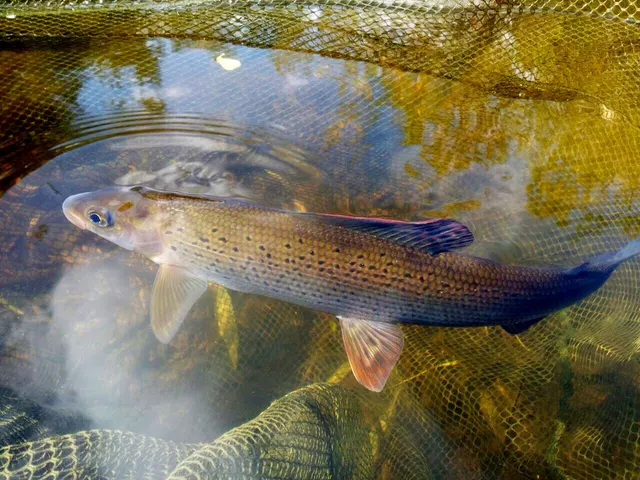 GraylingCharacteristic of this water2 placesThe Junction Pool, The Tweed at ColdstreamOver confluence, river reach
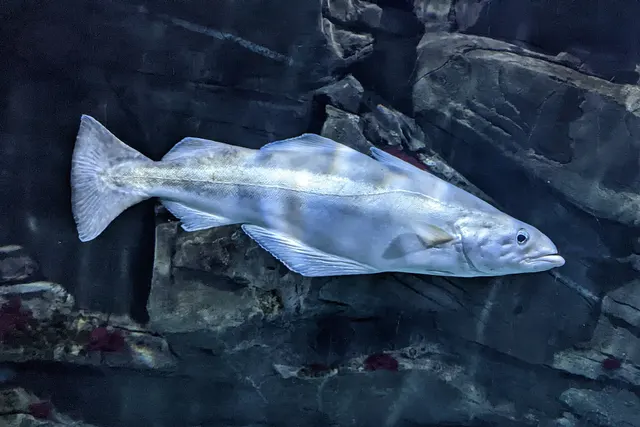 PollackRegular local target24 places · 3 fishery accounts · 1 sourceSt Abbs Head, North Berwick and the Bass Rock, Fife Ness, Loch Broom and Ullapool and 20 moreOver bay, breakwater, harbour wall, headland, island, pier, rock mark, sea loch, sound or strait, surf beachSources name Spinning with Soft plasticsAround May–OctObserved in 2026
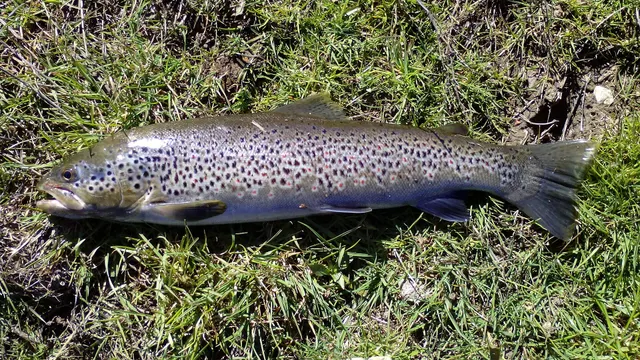 Brown troutRegular local target41 placesLoch Awe, Loch of Spiggie, Loch of Tingwall, Loch of Asta and 37 moreOver bay, beach, confluence, headland, loch, river reach, sea loch, sound or strait, tidal channelAround Feb–Oct
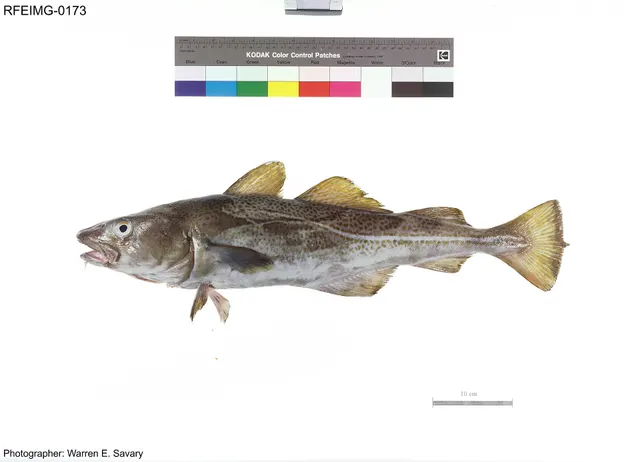 Atlantic codRegular local target26 placesNorth Berwick and the Bass Rock, Girdle Ness and Cove Bay, Gairloch, Kirkwall harbour and the bay and 22 moreOver bay, beach, breakwater, estuary, estuary mark, harbour wall, headland, island, pier, promenade, rock mark, sea lochAround Jan–Mar, Sept–Dec
Also documented from the shore: European flounder · Saithe · European sea bass · Ballan wrasse · Dab · European plaice · Conger eel · Small-spotted catshark · European perch · Thick-lipped grey mullet · Thornback ray · Common bream · Spurdog · Atlantic mackerel · Whiting · Edible crab · European lobster · Roach · Turbot · Haddock · Ling · European eel · Short-spined sea scorpion
From a boat · 19
- Brown troutCharacteristic of this water7 placesLoch Leven, The Endrick Bank, The mouth of the Endrick Water, Loch Awe and 3 moreOver confluence, loch, sandbankAround Mar–Oct
- Atlantic salmonCharacteristic of this water6 placesThe Tay at Stanley, The Endrick Bank, The mouth of the Endrick Water, The Junction Pool and 2 moreOver confluence, loch, river reach, sandbankAround Jan–May, Aug–Oct
- Northern pikeCharacteristic of this water6 placesLoch Awe, Loch Ken, Loch Ness, Loch Tay and 2 moreOver loch, sandbank
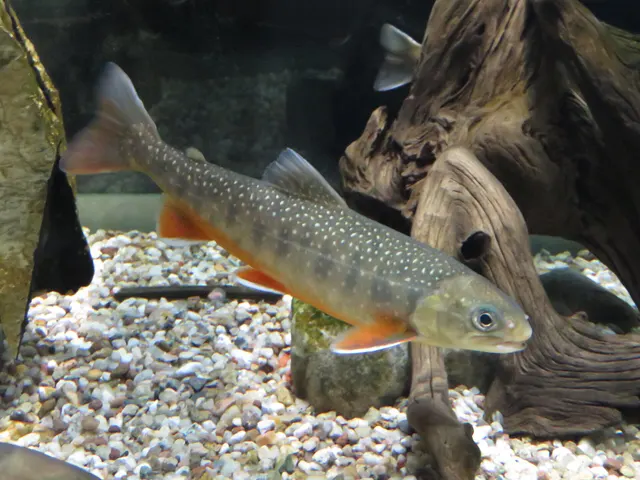 Arctic charCharacteristic of this water4 placesLoch Rannoch, Loch Awe, Loch Ness, Loch TayOver loch
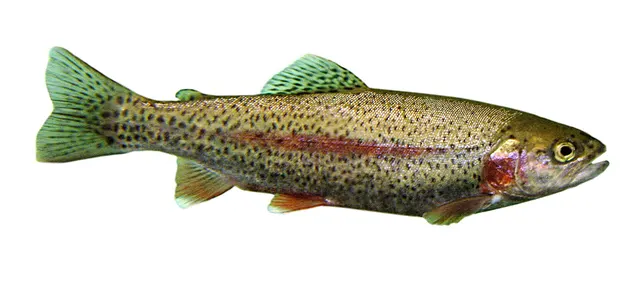 Rainbow troutCharacteristic of this water1 placeThe Lake of MenteithOver loch
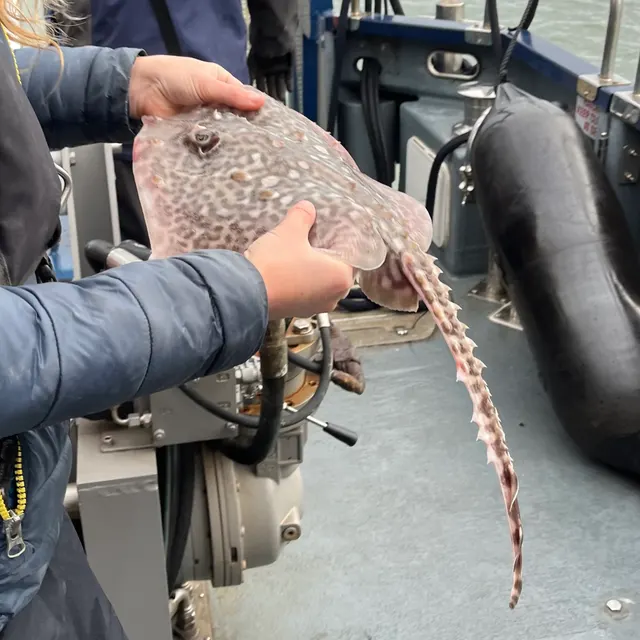 Thornback rayRegular local target2 places · 1 fishery account · 1 sourceOban Bay and the Sound of Kerrera, Loch Leven at BallachulishOver sea loch, sound or straitAround Apr
Also documented from a boat: Ling · Whiting · Atlantic cod · European perch · Haddock · Conger eel · Small-spotted catshark · Dab · European plaice · Saithe · Grey gurnard · Pouting · Cuckoo wrasse
From a kayak · 5
- PollackSeasonal2 places · 2 fishery accounts · 2 independent sourcesLoch Etive, Loch Leven at BallachulishOver sea lochSources name Drift fishing with Metal jigsAround Jan–Mar, May, DecObserved May 2023
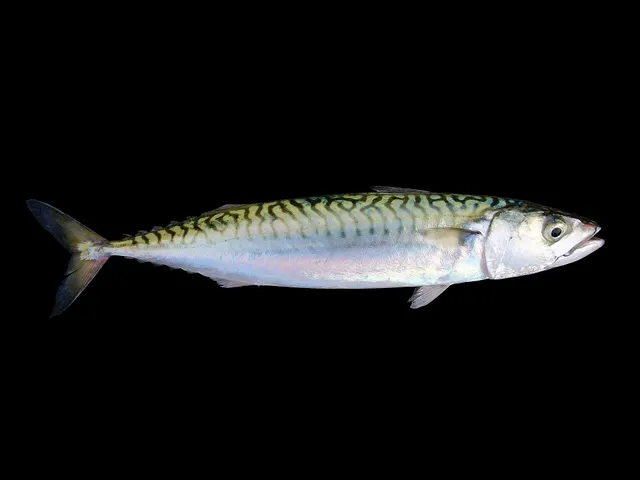 Atlantic mackerelRepeatedly reported3 places · 3 fishery accounts · 1 sourceSt Abbs Head, Loch Etive, StonehavenOver harbour wall, headland, sea lochSources name Kayak fishing with Metal jigsAround Jun, AugObserved 2023–2026
- Atlantic codRepeatedly reported2 places · 2 fishery accounts · 1 sourceSt Abbs Head, Loch Leven at BallachulishOver headland, sea lochSources name Drift fishing, Kayak fishing with Metal jigs, Soft plasticsAround May–JunObserved 2023–2025
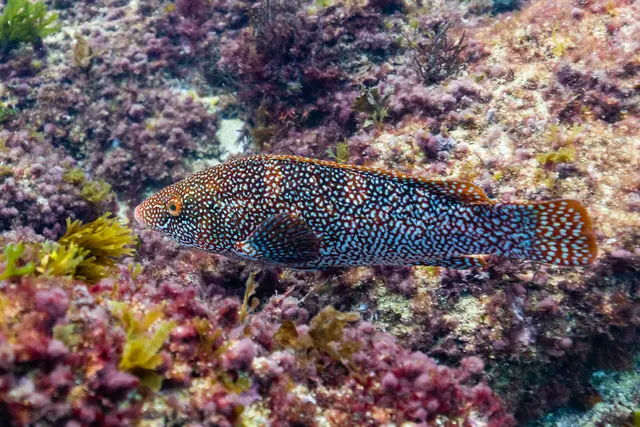 Ballan wrasseRepeatedly reported1 place · 1 fishery account · 1 sourceSt Abbs HeadOver headlandSources name Kayak fishing with Soft plasticsAround JunObserved June 2025
- SpurdogRepeatedly reported1 place · 1 fishery account · 1 sourceLoch EtiveOver sea lochSources name Kayak fishingAround AugObserved August 2023
Fly fishing · 4
- Brown troutCharacteristic of this water41 placesLoch Leven, Loch Awe, The Tay at Stanley, The Spey at Aberlour and 37 moreOver bay, beach, loch, river reach, sea loch, sound or strait, tidal channelAround Feb–Oct
- Atlantic salmonCharacteristic of this water3 placesThe Tay at Stanley, The Spey at Aberlour, Loch AweOver loch, river reachAround Jan–Oct
- Rainbow troutCharacteristic of this water1 placeThe Lake of MenteithOver loch
- GraylingSeasonal2 placesThe Tay at Stanley, The Spey at AberlourOver river reachAround Jan–Feb, Oct–Dec
What these strengths mean
- Characteristic of this water
- This water is strongly identified with this species by the sources that cover it.
- Regular local target
- Fishing sources describe this as a normal local target here, not merely as caught.
- Seasonal
- Well supported, and concentrated in part of the year rather than spread through it.
- Repeatedly reported
- Several independent public accounts. Enough to say it happens more than once; not enough to call it a fishery.
- Recorded here
- At least one credible public account of this species being caught here. That is all it means.
- How breadth is counted
- A fish documented at six marks is shown as six marks: breadth never raises the strength on its own. A fishery account describes the fishing; a recorded catch reports one specific catch. How evidence is weighed.
How people fish here
16 methods are recorded on the places documented here, counted from the records themselves rather than from what is practised in the country. Each opens a full guide to the technique.
Spinning
Recorded at 100 places here, over sea loch, loch, harbour wall, sound or strait.
Casting an artificial lure and retrieving it so that it moves like something alive — the most direct form of lure fishing.
Documented on the same ground: Atlantic salmon, Grayling, Northern pike, Atlantic cod, Ballan wrasse, Brown trout.
Float fishing
Recorded at 81 places here, over harbour wall, sea loch, rock mark, headland.
Suspending a bait at a controlled depth beneath a buoyant indicator — the most visual, most controllable and most widely applicable method in angling.
Documented on the same ground: Atlantic salmon, Grayling, Northern pike, Atlantic cod, Ballan wrasse, Brown trout.
Ledgering
Recorded at 76 places here, over harbour wall, beach, headland, rock mark.
Fishing a bait on the bottom held by a weight, with no float — the simplest way to fish at distance, in depth, or in wind.
Documented on the same ground: Atlantic cod, Ballan wrasse, Conger eel, Dab, European flounder, European plaice.
Kayak fishing
Recorded at 52 places here, over sea loch, estuary, sound or strait, bay.
A platform rather than a technique: quiet, shallow-draught access to water no other craft reaches, bought at the price of exposure, and a discipline where the decision not to launch is part of the skill.
Documented on the same ground: Atlantic cod, Ballan wrasse, Conger eel, European flounder, European plaice, Haddock.
Dry fly fishing
Recorded at 32 places here, over loch, river reach, confluence.
Presenting a floating artificial to a fish feeding at the surface, so that it drifts exactly as a natural insect would.
Documented on the same ground: Atlantic salmon, Brown trout, Grayling, Northern pike.
Jigging
Recorded at 32 places here, over sea loch, sound or strait, tidal race, bay.
Working a weighted lure with a rising-and-falling motion, usually vertically, so it behaves like a wounded or fleeing baitfish.
Documented on the same ground: Atlantic cod, Ballan wrasse, Conger eel, European flounder, Pollack, Saithe.
Stillwater fly fishing
Recorded at 29 places here, over loch, confluence, sandbank.
Fly fishing without current, where the angler supplies every movement and the problem becomes finding fish rather than presenting to them.
Documented on the same ground: Arctic char, Atlantic salmon, Brown trout, Northern pike, Rainbow trout, European perch.
Saltwater fly fishing
Recorded at 16 places here, over sea loch, beach, tidal channel, bay.
Fly fishing adapted to the sea: heavier lines, corrosion-proof tackle, fish that run rather than fight, and wind as the permanent constraint.
Documented on the same ground: Brown trout.
Surfcasting
Recorded at 9 places here, over beach, surf beach, bay, estuary mark.
Casting heavy baited tackle from a beach into surf — a method defined by distance, by tide, and by reading water that all looks the same.
Documented on the same ground: Atlantic cod, Dab, European flounder, European plaice, European sea bass, Pollack.
7 further methods are recorded at one or two places each: Feathering and multi-lure traces, Deadbaiting, Trolling, Light rock fishing, Salmon fly fishing, Crabbing with a line and a drop net, Deep-drop fishing.
These are the methods documented at the places FishingHQ holds here. A species listed beside a method is documented on the same ground, which is not the same as being taken that way — where a source establishes the method a fish was caught on, it is stated on that place’s own page. All fishing methods.
The fishing year here
The months the records under this area actually name, tightest season first. This is “observed in these months” rather than a season: a species whose months nobody recorded is not listed, because a gap in the evidence is not a year-round fishery.
- Thornback rayApril to April
- European sea bassJune to September
- European plaiceJune to September
- Northern pikeNovember to February
- Thick-lipped grey mulletJune to September
- DabJune to September
- HaddockJune to September
- SpurdogJune to September
- SaitheApril, June, July, August and September
- Atlantic mackerelMay to September
- GraylingOctober to February
- European flounderJune to November
Areas within this one
14 coasts, island groups and systems inside this area have fishing guides of their own.
Caithness and the north coast
4 documented places
The top of the mainland, where the Atlantic and the North Sea meet through the Pentland Firth — the strongest tidal stream in Britain, flagstone cliffs, and cold-water species within reach of the shore.
Documented here: European flounder, European plaice, European sea bass, Atlantic cod, Ling
Fished by: ledgering, kayak fishing, surfcasting, float fishing
East Lothian and the Firth of Forth coast
17 documented places
A short stretch of Scotland's east coast where rock platform, reef, clean sand and estuary alternate within a few miles, on cold, comparatively sheltered water with a long shore-fishing tradition.
Documented here: Atlantic cod, Ballan wrasse, Pollack, Saithe, European sea bass
Fished by: ledgering, float fishing, spinning, kayak fishing
Loch Lomond
2 documented places
The largest freshwater body in Britain by surface area, sitting across the Highland Boundary Fault — shallow and rich at one end, deep and cold at the other, with a fish community that includes a species found in only two places on earth.
Documented here: Atlantic salmon, Brown trout, European perch, Northern pike
Fished by: stillwater fly fishing, trolling, deadbaiting
Orkney
5 documented places
An archipelago sitting in one of the strongest tidal streams in the world, where the state of the tide decides not just the fishing but whether a small boat should be on the water at all.
Documented here: Atlantic cod, European flounder, Atlantic mackerel, European sea bass, Dab
Fished by: float fishing, ledgering, feathering and multi-lure traces, spinning
Outer Hebrides
8 documented places
A long Atlantic-facing chain with the machair shell-sand coast on one side and a rock-and-loch landscape on the other, and some of the clearest inshore water in Britain.
Documented here: Pollack, European flounder, European plaice, Atlantic mackerel, European sea bass
Fished by: spinning, float fishing, kayak fishing, jigging
Scottish sea lochs
22 documented places
Glacial fjords with a shallow sill across the mouth. The sill is the whole point: it makes the deep water behind it a partly separate sea with its own temperature, its own oxygen and its own fish.
Documented here: Pollack, Thornback ray, Ballan wrasse, Conger eel, European flounder
Fished by: spinning, float fishing, kayak fishing, jigging
Shetland
50 documented places
Further north and more exposed than Orkney, with deep water against the shore, a Norse fishing vocabulary and an island group that has always been a fisherman with a croft rather than a farmer with a boat.
Documented here: Brown trout, Atlantic cod, Saithe, Ling
Fished by: spinning, dry fly fishing, saltwater fly fishing, stillwater fly fishing
Skye and the Inner Hebrides
7 documented places
Deep sea lochs cutting far inland beside exposed Atlantic coast, with fresh and salt water within a few hundred metres of each other and a sea trout fishery that collapsed and is being watched.
Documented here: European sea bass, Ballan wrasse, Pollack, Saithe, Atlantic mackerel
Fished by: spinning, float fishing, jigging, kayak fishing
The Fife, Angus and Mearns coast
8 documented places
One continuous open North Sea run from the Eden and the Tay to the Don at Aberdeen — sandstone cliff, working harbours and two large estuaries, and none of it is the Moray Firth.
Documented here: Atlantic cod, European flounder, Saithe, Pollack, European sea bass
Fished by: ledgering, float fishing, kayak fishing, spinning
The Firth of Clyde
12 documented places
A drowned glacial basin, deep, sheltered and almost enclosed — and the clearest case anywhere in Britain of a sea angling fishery that was famous, then was not.
Documented here: Ballan wrasse, Pollack, Saithe, Small-spotted catshark, Conger eel
Fished by: float fishing, spinning, kayak fishing, ledgering
The Moray Firth
20 documented places
A great triangular bight in the north-east shoulder of Scotland: deep cold water, a coast of red sandstone cliff and shingle, the mouths of half the country's best salmon rivers, and a resident population of bottlenose dolphins at the northern edge of the species' range.
Documented here: Atlantic cod, Saithe, European flounder, Dab, European plaice
Fished by: ledgering, float fishing, kayak fishing, spinning
The River Spey
4 documented places
The fastest of Scotland's great salmon rivers, and the one whose name became a casting technique used on every large river in the world.
Documented here: Atlantic salmon, Brown trout, Grayling
Fished by: dry fly fishing, stillwater fly fishing
The River Tay
4 documented places
The largest river in Britain by volume, draining a seventh of Scotland through a chain of lochs to a great tidal estuary — and the river that produced the largest rod-caught salmon ever recorded in these islands.
Documented here: Atlantic salmon, Brown trout, Northern pike, Grayling, European perch
Fished by: dry fly fishing, deadbaiting, spinning, stillwater fly fishing
The River Tweed
2 documented places
A large Border river with an autumn salmon run of international standing, governed since the nineteenth century by its own statutory commission across an England-Scotland boundary.
Documented here: Atlantic salmon, Grayling, Brown trout
Fished by: float fishing, salmon fly fishing, spinning
What dominates
Game fishing dominates the reputation: fly fishing for Atlantic salmon and sea trout on the great east-coast and Highland rivers, and wild brown trout fishing on hill lochs and machair lochs. Two-handed and spey casting developed here and remains standard on the big rivers. Loch-style boat fly fishing is a distinct tradition with its own tackle and conventions. Pike and coarse fishing is genuinely established in the lowlands and the Borders and is much less written about. Sea angling is shore-based on rock, beach and pier, with small-boat and charter fishing on the west coast and around the isles. Spearfishing exists on the west coast and around the islands, constrained by cold and visibility. Shellfish and crustacean gathering on the west coast and islands is an old practice with its own rules.
The water available
Big east-flowing salmon rivers and short, steep west-flowing spate rivers; tens of thousands of freshwater lochs from vast deep basins to shallow machair waters on shell sand; upland burns; lowland rivers and canals in the central belt; and a coastline of extraordinary length and complexity — sea lochs, firths, exposed Atlantic coast, and three major island groups. Tidal streams through the Pentland Firth and around Orkney are among the strongest on earth. Water is generally cold, often peat-stained, and frequently nutrient-poor, which shapes both the species list and the growth rates within it.
How the rules are structured
There is no rod licence requirement for coarse and non-migratory freshwater fishing, which is the single largest divergence from England and Wales. Permission from the owner or occupier of the fishing rights is still required and is the whole of the requirement. Salmon and sea trout are governed by a separate statutory system in which the right to fish for them is a distinct heritable title, administered locally by district salmon fishery boards or equivalent bodies which set and revise measures river by river, including conservation regulations that may prohibit killing fish. Fishing for salmon or sea trout without right or written permission is an offence, and salmon fishing on a Sunday is prohibited by statute. Separate protection orders apply to some catchments and can extend permit requirements to other species within them. Access to land and inland water is subject to a statutory right of responsible access exercised under a national access code; that right concerns presence and passage and does not convey any right to fish. At sea, angling is not licensed in the manner of freshwater angling and is governed instead by size limits, protected species, closed and restricted areas, gear restrictions and separate rules for shellfish and crustaceans, administered by the national marine directorate, with marine protected areas and designated sites overlaying them. FishingHQ does not state what any current rule is. Licences, permits, close seasons, size limits, bag limits, permitted methods and access arrangements all change, and they vary between waters as well as between countries. Before fishing, check the current position with the authority named above and with whoever controls the water itself.
Who to ask
- The Scottish Government marine directorate, for sea fisheries, aquaculture and national freshwater fisheries policy.
- The district salmon fishery board or equivalent body for the river concerned, which administers salmon and sea trout locally and sets conservation measures river by river.
- The owner or occupier of the fishing rights, or the club, association or estate acting for them, whose permission is required for any freshwater fishing.
- The national access authority and the local authority, for the statutory right of responsible access and the code governing it.
- The national nature agency, for protected species, marine protected areas and designated sites.
- The relevant fishery trust or river board, for local catchment measures and protection orders where these apply.
Words you will meet
- Beat
- A defined stretch of a salmon river let for fishing, usually with a fixed number of rods and often a ghillie. The organising unit of Scottish salmon fishing and the thing that is actually bought.
- Ghillie
- The person who manages a beat and guides the anglers on it. On a big salmon river the ghillie decides where and how you fish, and the relationship is a defining part of the experience.
- Loch
- A lake, or a sea inlet. A sea loch and a freshwater loch are entirely different environments sharing one word, which is a genuine source of confusion for visitors reading place names.
- Machair loch
- A shallow loch on calcareous shell sand, mainly in the Outer Hebrides. Unusually fertile in a country of nutrient-poor water, and the reason those islands grow trout out of proportion to their latitude.
- Protection order
- A local statutory instrument that can extend permit requirements to freshwater species beyond salmon within a defined catchment. The reason a blanket summary about rod licences here is unsafe: a catchment order can require a permit the visitor did not expect, and the position must be checked for the specific water.
- Right of responsible access
- The statutory right to be on most land and inland water for recreation, exercised responsibly under a national code. It governs presence and passage. It does not convey any right to fish, and conflating the two is the characteristic visitor error here.
Conditions and hazards
Cold water is the dominant hazard and it is cold year-round; cold water shock is a realistic risk in every month. Spate rivers rise extremely fast and can become unwadeable or uncrossable within an hour of rain falling many miles upstream, and wading a rising spate river is the characteristic serious accident in Scottish game fishing. Tidal streams through the Pentland Firth, around Orkney and in the narrows between islands are among the strongest in the world and are a serious matter for any small craft. The west coast and islands are exposed to full Atlantic swell. Remoteness compounds everything: much of the best fishing is a long way from help, frequently without mobile coverage, and weather changes fast. Ticks are endemic and Lyme disease is a genuine consideration for anyone spending long days in vegetation.
No licence, two systems, and one right that is not what people think
Scottish fishing law diverges from English law at the foundations, and the divergences do not all run the same way.
THERE IS NO ROD LICENCE FOR COARSE AND NON-MIGRATORY FISH. The instrument that is the first half of the English answer does not exist here for those species. What this does NOT mean is that the fishing is free: the right to fish belongs to somebody, and permission from that person or body is required exactly as it is south of the border. The difference is that there is one permission to obtain rather than two.
SALMON AND SEA TROUT ARE A SEPARATE STATUTORY WORLD. The right to fish for migratory salmonids is a distinct form of heritable property, bought and sold independently of the land around it, and it is administered locally rather than nationally. District boards set measures river by river, including conservation regulations that may require all fish to be returned. Fishing for salmon or sea trout without right or written permission is an offence rather than a civil matter.
SUNDAY SALMON FISHING IS PROHIBITED BY STATUTE. There is no equivalent rule in England and Wales, and it is one of the more reliable ways for a visitor to get it wrong.
PROTECTION ORDERS COMPLICATE THE SIMPLE VERSION. Some catchments carry local instruments that extend permit requirements to other freshwater species within them, which is why the simple summary a visitor carries in their head can still leave them fishing without the permit that water required. What is or is not required on a given catchment is a matter for the relevant authority and the fishery, and it has to be checked for the specific water.
AND THE RIGHT OF RESPONSIBLE ACCESS IS ABOUT PRESENCE, NOT FISHING. Scotland has a statutory right to be on most land and inland water for recreation, exercised under a national code. It is genuinely transformative for reaching water and it conveys no right whatever to fish once you are there. Conflating the two is the characteristic visitor error, and it is worth stating plainly because the mistake is made in good faith.
AT SEA the position resembles the rest of the UK: no licence in the freshwater sense, and a substantial body of size limits, protected species, closed areas, gear rules and separate shellfish provisions administered nationally.
Official guidance — why, and the sources (3)
Stated by a fisheries authority, scientific institute or recognised angling body. Authoritative, but summarising rather than demonstrating.
- NASCO conservation and management of North Atlantic salmon — North Atlantic Salmon Conservation Organization (Government fisheries body)Relied on for: Conservation and management of North Atlantic salmon, including national regulatory measures, stock status and the international framework states operate within.States this directlyCitation checked — the work exists and is described correctly
- Angling Trust guidance for anglers — Angling Trust (Angling or fisheries organisation)Relied on for: Guidance for anglers on participation, licensing structure, access arrangements and getting started.Background and mechanism onlyCitation checked — the work exists and is described correctly
- JNCC species and habitat conservation advice — Joint Nature Conservation Committee (Conservation authority)Relied on for: Conservation designation and advice for species and habitats, including protected areas and the statutory framework behind them.Background and mechanism onlyCitation checked — the work exists and is described correctly
The famous fishing, and the fishing nobody writes about
Scotland's angling reputation rests on a narrow slice of what actually happens here, and the gap between the two is worth stating.
SALMON FLY FISHING ON THE GREAT RIVERS is the reputation. Beats, ghillies, two-handed rods, a fly swung across the current, and a body of tradition and expense that has no parallel in British coarse fishing. Spey casting was developed for these rivers and is standard on them.
SEA TROUT FISHING, largely at night on west coast rivers and sea lochs, is a specialist tradition of its own and a genuinely difficult one.
WILD BROWN TROUT FISHING IS THE OPPOSITE IN EVERY RESPECT and is arguably the country's greatest asset: tens of thousands of hill lochs holding wild fish, often for a very small permit fee or as part of a local association, in country a visitor can reach on foot under the access right. It is abundant, cheap and comparatively informal.
LOCH-STYLE BOAT FISHING is a distinct discipline — drifting broadside, short lines, teams of wet flies worked in the wave — and it is a genuinely different craft from river fly fishing.
PIKE AND COARSE FISHING IS ESTABLISHED AND UNDER-REPORTED. The lowlands, the Borders and the central belt hold serious pike, perch, roach and carp fishing, and the near-total absence of it from the literature is a fact about publishing rather than about the fishery.
SEA ANGLING is shore-based on rock, beach and pier, with small-boat and charter work on the west coast and around the isles, and it fishes ground that is exceptionally productive and exceptionally exposed.
AND THE NON-ROD PRACTICES persist strongly on the west coast and islands: shellfish gathering, creel fishing in its recreational forms where permitted, and hand-gathering that is part of the food culture rather than a novelty.
What experienced anglers do — why, and the sources (3)
Widely and independently recommended by experienced anglers and specialist sources. This is real angling knowledge, not proof: controlled evidence for it is limited, and FishingHQ records it as convention rather than as a demonstrated effect.
- Trout & Salmon — Bauer Media (Specialist angling publication)Relied on for: Contemporary game angling practice, salmon and sea trout fishing culture and the management debates around them.Background and mechanism onlyCitation checked — the work exists and is described correctly
- General angling website restatements of established technique — Various (Credible secondary source)Relied on for: Widely restated angling practice and belief, recorded as practitioner consensus rather than as tested fact.Background and mechanism onlyCitation checked — the work exists and is described correctly
- Sea Angler — Bauer Media (Specialist angling publication)Relied on for: Contemporary UK sea angling practice, including shore and boat technique, species and regional fishing culture.Background and mechanism onlyCitation checked — the work exists and is described correctly
Cold, peat-stained, and far more of it than the map suggests
Scotland's water is defined by three things: there is an enormous amount of it, it is cold, and much of it is nutrient-poor.
THE LOCHS NUMBER IN THE TENS OF THOUSANDS, from very large deep basins to hill lochans of an acre. Most are oligotrophic — low in nutrients, clear or peat-stained, and slow-growing — which produces abundant small wild trout rather than few large ones, and which is why the fishing is about access and variety rather than size.
MACHAIR LOCHS ARE THE EXCEPTION AND THEY MATTER. On the Outer Hebrides, lochs lying on calcareous shell sand are genuinely fertile, and they grow trout far beyond what the latitude and the surrounding geology would suggest. This is a rare enough combination to be a defining regional asset.
THE RIVERS DIVIDE BY ASPECT. East-flowing rivers are longer, larger and more stable, and carry the classic salmon fishing. West-flowing rivers are short, steep and flashy, rising and falling within hours of rain, and their fishing is a matter of catching the water right.
PEAT STAIN IS EVERYWHERE and it matters practically: it colours the water, reduces light penetration, and changes both what fish can see and what an angler can.
THE COASTLINE IS ABSURDLY LONG for the country's size — sea lochs cutting deep inland, firths, exposed Atlantic coast, and three major island groups. Sea lochs are deep, sheltered and hold deep water very close to shore, which puts species within reach of a shore angler that would normally need a boat.
AND THE TIDAL STREAMS ARE WORLD-CLASS IN THE LITERAL SENSE. The Pentland Firth and the sounds around Orkney carry some of the strongest tidal flows on earth. That is an enormous productivity driver and a serious hazard, and both facts follow from the same geography.
Backed by research — why, and the sources (3)
Supported by peer-reviewed research or fisheries science. The sources are listed and can be checked.
- Freshwater Fishes of the British Isles — HarperCollins (New Naturalist 75), 1992 (Reference work)Relied on for: Distribution, biology and status of the freshwater fishes of the British Isles, including the differences between catchments and countries.States this directlyCitation checked — the work exists and is described correctly
- The Fishes of the British Isles and North-West Europe — Macmillan, 1969 (Reference work)Relied on for: Distribution, habitat and biology of the fishes of the British Isles and north-west Europe.States this directlyCitation checked — the work exists and is described correctly
- Cefas science, advice and data on marine and freshwater environments — Centre for Environment, Fisheries and Aquaculture Science (Government fisheries body)Relied on for: Marine and freshwater environmental science and the evidence base underpinning fisheries management advice.States this directlyCitation checked — the work exists and is described correctly
Salmonids first, and a great deal else besides
The Scottish species list is shorter than England's in fresh water and longer in some parts of the sea, and its centre of gravity is different.
ATLANTIC SALMON is the fish the country is known for, under sustained and well-documented pressure, and the subject of conservation measures that are revised regularly and vary river by river.
SEA TROUT — brown trout that migrate to sea — have declined severely on parts of the west coast, and the causes are actively debated. This is one of the clearest cases in FishingHQ of a fishery whose current position must be checked rather than assumed from older writing.
WILD BROWN TROUT ARE THE COUNTRY'S GREAT UNDER-RATED ASSET: genuinely wild, genetically diverse between catchments, and available in enormous numbers.
ARCTIC CHAR persist in deep cold lochs as glacial relicts, isolated since the ice retreated and differing between waters.
FEROX TROUT — large, long-lived, fish-eating brown trout in deep lochs — are a distinct life-history form rather than a separate species, and a specialist pursuit.
PIKE AND PERCH are widespread in the lowlands, with pike reaching serious size in the larger lochs.
AT SEA the list is strong and cold-water: cod, coalfish, pollack, haddock, whiting, ling, mackerel, ballan wrasse, flounder, plaice and dab, with conger, spurdog, tope and skate on deeper and rougher ground. The west coast sea lochs hold common skate, a critically endangered species that is a strict catch-and-release fishery and among the most carefully handled fish in British angling.
AND SHELLFISH AND CRUSTACEANS are a real part of the picture — lobster, brown crab, velvet crab, scallops, mussels and razor clams — with a regulatory position that differs entirely from rod angling and that changes.
Backed by research — why, and the sources (3)
Supported by peer-reviewed research or fisheries science. The sources are listed and can be checked.
- Freshwater Fishes of the British Isles — HarperCollins (New Naturalist 75), 1992 (Reference work)Relied on for: Distribution, biology and status of the freshwater fishes of the British Isles, including the differences between catchments and countries.States this directlyCitation checked — the work exists and is described correctly
- The Fishes of the British Isles and North-West Europe — Macmillan, 1969 (Reference work)Relied on for: Distribution, habitat and biology of the fishes of the British Isles and north-west Europe.States this directlyCitation checked — the work exists and is described correctly
- NASCO conservation and management of North Atlantic salmon — North Atlantic Salmon Conservation Organization (Government fisheries body)Relied on for: Conservation and management of North Atlantic salmon, including national regulatory measures, stock status and the international framework states operate within.States this directlyCitation checked — the work exists and is described correctly
A short season at the top, and water that decides everything
The Scottish fishing year is shaped by latitude, by rainfall and by statute, and the three do not always agree.
SALMON SEASONS ARE SET RIVER BY RIVER and differ substantially between catchments. Some open very early to catch the first running fish of the year; others are principally later-season fisheries. There is no national date, and the seasons are revised, so this is the part of the year most likely to be out of date in any older account.
SPRING FISH ARE THE PRIZE AND THE PROBLEM. Early-running salmon have declined sharply on many rivers, and conservation measures frequently bear hardest on exactly this part of the season.
TROUT FISHING RUNS THROUGH THE WARMER MONTHS, with hill loch fishing at its best from late spring through summer, when both insect activity and daylight are at their peak.
DAYLIGHT IS A LARGER FACTOR HERE THAN ANYWHERE ELSE IN THESE ISLANDS. In the far north, midsummer nights barely darken, which extends the fishable day enormously and effectively removes the dusk window that governs fishing further south. Midwinter does the reverse, leaving a very short usable day.
SPATE IS THE OTHER CLOCK. On west-coast rivers the fishing is organised entirely around rainfall: the river rises, fish run, and the fishing happens on the falling water. Anglers there watch the forecast rather than the calendar, and a dry summer can mean no fishing at all for weeks.
SEA ANGLING follows the familiar northern pattern — cod and whiting through the colder months, mackerel and summer species when the water warms — with the qualification that the water here is cold enough that 'summer species' means something different from further south.
AND SEA TROUT AT NIGHT are a summer fishery whose timing depends on darkness, which is why it works better in the south of the country than the far north in midsummer.
Backed by research — why, and the sources (3)
Supported by peer-reviewed research or fisheries science. The sources are listed and can be checked.
- NASCO conservation and management of North Atlantic salmon — North Atlantic Salmon Conservation Organization (Government fisheries body)Relied on for: Conservation and management of North Atlantic salmon, including national regulatory measures, stock status and the international framework states operate within.States this directlyCitation checked — the work exists and is described correctly
- Freshwater Fishes of the British Isles — HarperCollins (New Naturalist 75), 1992 (Reference work)Relied on for: Distribution, biology and status of the freshwater fishes of the British Isles, including the differences between catchments and countries.States this directlyCitation checked — the work exists and is described correctly
- Trout & Salmon — Bauer Media (Specialist angling publication)Relied on for: Contemporary game angling practice, salmon and sea trout fishing culture and the management debates around them.Background and mechanism onlyCitation checked — the work exists and is described correctly
Beats, ghillies, lochs and the words that mean two things
Scottish angling vocabulary carries a lot of specific meaning, and several of its words are traps for readers who assume the English sense.
LOCH MEANS BOTH A LAKE AND A SEA INLET, and nothing in the word distinguishes them. A sea loch is salt, tidal, often very deep and fished for cod and skate; a freshwater loch is none of those things. Place names give no help at all, and this is the single most confusing item of Scottish fishing vocabulary for a visitor.
BEAT is a defined stretch of a salmon river let for fishing, usually with a set number of rods. It is the unit that is actually bought and the reason a river is not simply 'open'.
GHILLIE is the person managing a beat and guiding the anglers on it. On a big river the ghillie's judgement governs where and how you fish, and treating that as advice rather than direction goes down badly.
BURN is a small stream. STRATH is a broad valley, GLEN a narrow one — useful because they describe the character of the water in them.
MACHAIR is the fertile shell-sand grassland of the western islands, and machair lochs are the fertile waters lying on it.
FEROX means a large predatory brown trout of deep lochs, a life-history form rather than a species.
PROTECTION ORDER is a local statutory instrument extending permit requirements within a catchment — the fine print beneath 'no rod licence in Scotland'.
AND SPATE means a river in flood after rain. It is the central organising concept of west-coast fishing: fish run on a spate, the fishing happens as it falls, and no spate means no fishing.
What experienced anglers do — why, and the sources (2)
Widely and independently recommended by experienced anglers and specialist sources. This is real angling knowledge, not proof: controlled evidence for it is limited, and FishingHQ records it as convention rather than as a demonstrated effect.
- Trout & Salmon — Bauer Media (Specialist angling publication)Relied on for: Contemporary game angling practice, salmon and sea trout fishing culture and the management debates around them.Background and mechanism onlyCitation checked — the work exists and is described correctly
- General angling website restatements of established technique — Various (Credible secondary source)Relied on for: Widely restated angling practice and belief, recorded as practitioner consensus rather than as tested fact.Background and mechanism onlyCitation checked — the work exists and is described correctly
Heritable rights, cleared glens and a modern access settlement
Scotland's fishing arrangements are the residue of a distinctive legal and social history, and they make much more sense once that is visible.
SALMON FISHING RIGHTS BECAME SEPARATE PROPERTY. Rights to fish for salmon developed as a distinct heritable title, capable of being owned separately from the land beside the river. That is why a salmon beat can be bought and sold on its own, why the boards administering these fisheries are locally constituted, and why the whole system looks so unlike the English arrangement.
THE NETTING STATIONS CAME FIRST. For most of the period in which these rights had value, that value lay in commercial netting at river mouths and along the coast, not in rod fishing. The shift to angling as the principal value is comparatively recent, and the buying-out of netting stations for conservation is a story still in progress.
THE HIGHLAND CLEARANCES SHAPED WHO IS THERE. The depopulation of the Highlands and the conversion of land to sheep and then to sporting estates is why so much of the best fishing sits inside large private holdings, and why sporting tourism became an economic mainstay of regions with little else.
THE CROFTING COMMUNITIES RETAINED DIFFERENT ARRANGEMENTS, and on the western islands community and association access to trout lochs is a genuinely different model from estate letting.
THE ACCESS SETTLEMENT IS MODERN AND DELIBERATE. The statutory right of responsible access, established in the early twenty-first century, was a conscious rebalancing after a long history of contested access, and it makes Scotland genuinely unusual in Europe.
AND SEA ANGLING'S HISTORY IS SEPARATE AND SHORTER, growing out of small-boat commercial fishing communities around a coast where the sea was work long before it was recreation — which is part of why the shellfish and creel practices are treated as ordinary here rather than exotic.
Official guidance — why, and the sources (3)
Stated by a fisheries authority, scientific institute or recognised angling body. Authoritative, but summarising rather than demonstrating.
- Fishers' Craft and Lettered Art: Tracts on Fishing from the End of the Middle Ages — University of Toronto Press, 1997 (Scientific literature)Relied on for: The medieval and early-modern development of angling in Europe, including the emergence of fishing rights, private fisheries and the written tradition.States this directlyCitation checked — the work exists and is described correctly
- NASCO conservation and management of North Atlantic salmon — North Atlantic Salmon Conservation Organization (Government fisheries body)Relied on for: Conservation and management of North Atlantic salmon, including national regulatory measures, stock status and the international framework states operate within.States this directlyCitation checked — the work exists and is described correctly
- General angling website restatements of established technique — Various (Credible secondary source)Relied on for: Widely restated angling practice and belief, recorded as practitioner consensus rather than as tested fact.Background and mechanism onlyCitation checked — the work exists and is described correctly
Informal at the top of the hill, formal at the bottom of the river
Scottish angling culture is genuinely two cultures, and which one a visitor meets depends entirely on what they fish for.
HILL LOCH TROUT FISHING IS INFORMAL AND WELCOMING. Cheap permits, local associations, wild fish, and an expectation that you will walk. The access right makes this the most straightforwardly available good fishing in these islands, and the culture around it is unpretentious.
SALMON FISHING ON A LET BEAT IS FORMAL. There are conventions about rotation through pools, about deferring to the ghillie, about tackle and about dress that are not written down and are noticed. None of it is hostile; all of it is unfamiliar to somebody arriving from a day-ticket stillwater.
CONSERVATION IS NOT ABSTRACT HERE. Mandatory catch-and-release on many salmon rivers, the critically endangered common skate fishery on the west coast, and the sea trout collapse are live and emotive issues, and anglers hold strong and informed positions on them.
THE ACCESS RIGHT COMES WITH RESPONSIBILITIES that are taken seriously: gates, livestock, deer stalking seasons, ground-nesting birds and estate work all constrain where and when it is reasonable to be, and the national code sets that out.
REMOTENESS SHAPES BEHAVIOUR. Telling somebody where you are going, carrying what you need, and turning back are ordinary rather than cautious, because much of the best fishing is a long way from help.
AND THE ISLANDS HAVE THEIR OWN CULTURES AGAIN — Orkney, Shetland and the Hebrides each with distinct traditions, distinct waters and, in Shetland's case, a Norse rather than Gaelic inheritance that shows in the place names and the boats.
What experienced anglers do — why, and the sources (3)
Widely and independently recommended by experienced anglers and specialist sources. This is real angling knowledge, not proof: controlled evidence for it is limited, and FishingHQ records it as convention rather than as a demonstrated effect.
- General angling website restatements of established technique — Various (Credible secondary source)Relied on for: Widely restated angling practice and belief, recorded as practitioner consensus rather than as tested fact.Background and mechanism onlyCitation checked — the work exists and is described correctly
- Trout & Salmon — Bauer Media (Specialist angling publication)Relied on for: Contemporary game angling practice, salmon and sea trout fishing culture and the management debates around them.Background and mechanism onlyCitation checked — the work exists and is described correctly
- RNLI water safety guidance: cold water shock and Float to Live — Royal National Lifeboat Institution (Water-safety or diver-training authority)Relied on for: Water safety guidance including cold water shock, the immersion response and the circumstances in which recreational water users get into difficulty.States this directlyPassage read and verified
Some of what lives here
Fish recorded here that FishingHQ holds a reviewed photograph of. It is not a complete list of what Scotland holds, and it is not a prediction that you will catch any of them — it is a way in to the ones we can show you.
- Atlantic salmonAn anadromous salmonid that migrates from its natal river to the North Atlantic and returns to spawn — and a species in serious, well-documented decline.
Knepp, Timothy, Public domain, via Wikimedia Commons
- Brown troutA single, extraordinarily plastic species that appears as a tiny hill-stream fish, a deep-bodied loch trout and a silver sea-run migrant — all the same animal.
Robermix, CC0, via Wikimedia Commons
- Arctic charThe most northerly freshwater fish in the world, a cold-demanding char with brilliant orange-red spawning bellies and highly distinct landlocked populations.
Xepheid — CC BY-SA 4.0, via Wikimedia Commons
Places within this area
Publicly documented fishing geography. FishingHQ describes what the ground is; it does not say whether you may fish it, and every one of these sends that question to the body that holds the answer. Browse every place in this part of the world.
Who to ask before fishing any of these
FishingHQ does not know the current access position here. Scotland has no general rod licence, and the fishing rights on almost every river and loch belong to somebody: a proprietor, an estate, an angling association or a district salmon fishery board. Permission is a separate question from access, and both change. Check with the relevant fishery board or association before going.
Loch Awe
Loch · Fresh water
The longest freshwater loch in Scotland: a forty-kilometre glacial trough in Argyll, steep-sided and forested, with rocky shores, deep water close in, drowned timber and a hydroelectric scheme at its northern end.
The loch runs along its own valley, which funnels wind down its length and produces a substantial fetch and a short steep wave.
Particular to this ground: cold water shock, boat safety, fishing alone.
Loch Leven
Loch · Fresh water
A large, shallow, lowland loch in a nutrient-rich agricultural catchment, with a soft bed, islands, extensive shallow margins and no great depth anywhere. Physically the opposite of a Highland loch in every respect.
Very exposed lowland water with a long fetch in the prevailing wind and no shelter from the surrounding low ground.
Particular to this ground: cold water shock, boat safety.
Particular to this water: This ground carries conservation designations that constrain access, vehicles, bait collection and disturbance independently of any fishing rule.
Loch Ness
Loch · Fresh water
The largest lake in Britain by volume: a fault-guided trench thirty-six kilometres long and over two hundred metres deep, with steep sides, peat-stained water and very little shallow margin.
Severe hazards of Scotland apply here: cold water shock.
Loch Earn
Loch · Fresh water
A straight, deep, steep-sided loch running east to west so that the prevailing wind blows its full length, with a stocked and wild trout fishery and considerable depth close in.
Severe hazards of Scotland apply here: cold water shock.
Loch Maree
Loch · Fresh water
A large, deep, island-studded loch in Wester Ross beneath Slioch, historically one of the great sea trout fisheries of Scotland and still a wild brown trout water of standing.
Severe hazards of Scotland apply here: cold water shock.
Loch Shin
Loch · Fresh water
A long, comparatively shallow Sutherland loch, dammed at its southern end for hydroelectricity, with peaty acidic water and a level that moves with the scheme.
Severe hazards of Scotland apply here: cold water shock.
Loch Assynt
Loch · Fresh water
A deep loch set in Lewisian gneiss and Cambrian quartzite beneath Quinag, with clear cold water, rocky shallows and abrupt drop-offs close to the bank.
Severe hazards of Scotland apply here: cold water shock.
Loch Rannoch
Loch · Fresh water
A deep, straight glacial loch on the edge of Rannoch Moor, with acidic peat-influenced water, a long fetch and one of Scotland's better-known ferox trout populations.
Severe hazards of Scotland apply here: cold water shock.
12 more places in this area
Loch Ken
Loch · Fresh water
A long shallow lowland loch on the Dee in Galloway, dammed for hydroelectricity, with reedy margins, silt bed and one of the very few substantial pike and coarse fisheries in Scotland.
Severe hazards of Scotland apply here: cold water shock.
The Lake of Menteith
Loch · Fresh water
The only body of water in Scotland conventionally called a lake: a shallow, fertile, wind-exposed lowland water with islands, extensive weed and a long-established boat trout fishery.
Severe hazards of Scotland apply here: cold water shock.
The River Dee at Banchory
River reach · Fresh water
A fast, clean, gravel-and-boulder river running off the Cairngorms, snow-fed in spring, and the classic Scottish spring salmon river with an exceptionally stable clear flow.
Severe hazards of Scotland apply here: cold water shock.
The River Don at Kemnay
River reach · Fresh water
A slower, richer, more alkaline river than the neighbouring Dee, running over gravel and weed through Aberdeenshire farmland with an exceptional wild brown trout population.
Severe hazards of Scotland apply here: cold water shock.
The Teith at Callander
River reach · Fresh water
A fast gravel river draining the Trossachs lochs, running clear and cold with long glides and deep pools, and carrying one of the earliest spring runs in Scotland.
Severe hazards of Scotland apply here: cold water shock.
The Clyde at Lanark
River reach · Fresh water
The upper Clyde above the falls, running over gravel and bedrock through a wooded gorge, with a wild brown trout and grayling fishery recovered from severe industrial pollution.
Severe hazards of Scotland apply here: cold water shock.
The Annan
River reach · Fresh water
A red sandstone river running south to the Solway over gravel and sand, with deep bends, a large sea trout run and a substantial grayling population.
Severe hazards of Scotland apply here: cold water shock.
The Nith at Dumfries
River reach · Fresh water
A wide gravel river running through the town to a long tidal estuary on the Solway, with a caul weir at Dumfries and a substantial autumn salmon run.
Severe hazards of Scotland apply here: cold water shock.
The Thurso
River reach · Fresh water
A slow, dark, peat-fed Caithness river running off the flow country over flagstone and sand, with almost no gradient and a flow controlled by a loch at its head.
Severe hazards of Scotland apply here: cold water shock.
The Helmsdale
River reach · Fresh water
A short, fast Sutherland river running through a narrow strath over gravel and bedrock, with loch-controlled headwaters that hold its flow up through dry spells.
Severe hazards of Scotland apply here: cold water shock.
The Oykel and the Kyle of Sutherland
Confluence · Fresh water
Where four salmon rivers — Oykel, Cassley, Shin and Carron — meet at the head of a tidal kyle, giving a concentration of migratory fish unmatched in the north.
Severe hazards of Scotland apply here: cold water shock.
The Beauly and the Ness
River reach · Fresh water
Two short, powerful, dam-influenced rivers draining the Great Glen and Strathfarrar into the inner Moray Firth over gravel and bedrock.
Severe hazards of Scotland apply here: cold water shock.
Check the rules before you fish
Fishing laws, bylaws, access rules, seasons, bait restrictions and permitted methods vary by location and can change. Check the current rules from the relevant authority and the water you intend to fish before fishing.
Check with:
- Current national or regional law for where you are fishing
- Current local bylaws
- The relevant fisheries authority
- The landowner, club or fishery whose water it is
- Any restrictions specific to the species or the method you intend to use
Where to go next
What swims here
- Arctic charPersists in deep cold lochs as a glacial relict, isolated since the ice retreated and differing between waters.
- Atlantic salmonThe fish the country's angling reputation rests on, under sustained pressure and managed river by river through local boards.
- Brown troutGenuinely wild, genetically differentiated between catchments, and abundant in tens of thousands of hill lochs — the country's most under-rated fishing asset.
Local knowledge
- Coarse fish: a category that does not travelWhere the division has a legal edge as well as a social one: migratory salmonids sit under a separate statutory system, so 'game' here names a genuinely different regulatory category.
- Day length, and what it does to fishFar enough north that midsummer nights barely darken and the midwinter day is very short, which removes the dusk window that governs fishing further south.
How this compares
- Britain and IrelandThe jurisdiction that most clearly demonstrates why the parent page cannot answer a regulatory question on its own.
- East Lothian and the Firth of Forth coastThe coast is administered under Scotland's own fisheries arrangements, which differ from the English and Welsh ones in ways that regularly catch out visitors travelling north.
- England and WalesThe sharpest regulatory contrast in these islands. England and Wales require a rod licence and hold fishing rights privately; Scotland requires no coarse rod licence, governs salmon under a separate heritable-rights system, and has a statutory right of responsible access that England and Wales do not.
- Loch LomondScotland has no national rod licence for freshwater fishing in the English sense, and permission comes from the rights holder instead — which is the single thing visitors from England most often get wrong here.
- Northern IrelandTwo jurisdictions that both diverge from the English model in opposite directions — Scotland by removing the licence requirement, Northern Ireland by adding a second authority that divides its own territory.
- OrkneyOrkney sits inside this jurisdiction and its tidal streams and trout lochs are among the most distinctive water in it.
- Outer HebridesThe machair lochs of the Outer Hebrides are the fertile exception to Scotland's generally nutrient-poor freshwater, and they grow trout accordingly.
- The Republic of IrelandBoth dispense with a general coarse licence and both manage migratory salmonids separately and seriously, arriving at similar answers through completely different legal histories.
1 more
- The River Tweed Fishing regions
Rules and access
Sources and evidence
- NASCO conservation and management of North Atlantic salmon — North Atlantic Salmon Conservation Organization (Government fisheries body)Relied on for: Conservation and management of North Atlantic salmon, including national regulatory measures, stock status and the international framework states operate within.States this directlyCitation checked — the work exists and is described correctly
- Angling Trust guidance for anglers — Angling Trust (Angling or fisheries organisation)Relied on for: Guidance for anglers on participation, licensing structure, access arrangements and getting started.Background and mechanism onlyCitation checked — the work exists and is described correctly
- JNCC species and habitat conservation advice — Joint Nature Conservation Committee (Conservation authority)Relied on for: Conservation designation and advice for species and habitats, including protected areas and the statutory framework behind them.Background and mechanism onlyCitation checked — the work exists and is described correctly
Why the 15 connections on this page are here, and the sources
What swims here
Backed by research — 3 connections
Supported by peer-reviewed research or fisheries science. The sources are listed and can be checked.
Arctic char
A distribution claim about the world, so it rests on the reference works rather than on angling report. FishingHQ's evidence policy requires it.
- FishBase: a global information system on fishes — Froese, R. and D. Pauly, eds. — FishBase Consortium (Scientific institute)Relied on for: Distribution, habitat association, water-type tolerance and occurrence records for the species, including its presence in the countries concerned.States this directlyPassage read and verified
- The IUCN Red List of Threatened Species — International Union for Conservation of Nature (Conservation authority)Relied on for: Assessment and range account for the species, including the countries and systems it occupies and its population trend within them.States this directlyCitation checked — the work exists and is described correctly
Atlantic salmon
A distribution claim about the world, so it rests on the reference works rather than on angling report. FishingHQ's evidence policy requires it.
- FishBase: a global information system on fishes — Froese, R. and D. Pauly, eds. — FishBase Consortium (Scientific institute)Relied on for: Distribution, habitat association, water-type tolerance and occurrence records for the species, including its presence in the countries concerned.States this directlyPassage read and verified
- The IUCN Red List of Threatened Species — International Union for Conservation of Nature (Conservation authority)Relied on for: Assessment and range account for the species, including the countries and systems it occupies and its population trend within them.States this directlyCitation checked — the work exists and is described correctly
Brown trout
A distribution claim about the world, so it rests on the reference works rather than on angling report. FishingHQ's evidence policy requires it.
- FishBase: a global information system on fishes — Froese, R. and D. Pauly, eds. — FishBase Consortium (Scientific institute)Relied on for: Distribution, habitat association, water-type tolerance and occurrence records for the species, including its presence in the countries concerned.States this directlyPassage read and verified
- The IUCN Red List of Threatened Species — International Union for Conservation of Nature (Conservation authority)Relied on for: Assessment and range account for the species, including the countries and systems it occupies and its population trend within them.States this directlyCitation checked — the work exists and is described correctly
Local knowledge
What experienced anglers do — 2 connections
Widely and independently recommended by experienced anglers and specialist sources. This is real angling knowledge, not proof: controlled evidence for it is limited, and FishingHQ records it as convention rather than as a demonstrated effect.
Coarse fish: a category that does not travel
What is distinctive about fishing somewhere is usually a process working differently there, so the process is explained once here rather than restated for every place.
- General angling website restatements of established technique — Various (Credible secondary source)Relied on for: Widely restated angling practice and belief, recorded as practitioner consensus rather than as tested fact.Background and mechanism onlyCitation checked — the work exists and is described correctly
- Angling Trust guidance for anglers — Angling Trust (Angling or fisheries organisation)Relied on for: Guidance for anglers on participation, licensing structure, access arrangements and getting started.Background and mechanism onlyCitation checked — the work exists and is described correctly
Day length, and what it does to fish
What is distinctive about fishing somewhere is usually a process working differently there, so the process is explained once here rather than restated for every place.
- NASCO conservation and management of North Atlantic salmon — North Atlantic Salmon Conservation Organization (Government fisheries body)Relied on for: Conservation and management of North Atlantic salmon, including stock status, national measures and the international framework.States this directlyCitation checked — the work exists and is described correctly
- JNCC species and habitat conservation advice — Joint Nature Conservation Committee (Conservation authority)Relied on for: Conservation designation and advice for species and habitats, including protected areas and the statutory framework behind them.Background and mechanism onlyCitation checked — the work exists and is described correctly
How this compares
What experienced anglers do — 9 connections
Widely and independently recommended by experienced anglers and specialist sources. This is real angling knowledge, not proof: controlled evidence for it is limited, and FishingHQ records it as convention rather than as a demonstrated effect.
Britain and Ireland
Two places a reader would reasonably weigh against one another, joined where the comparison teaches something about both. It is also how the larger geography is linked to what sits inside it.
- General angling website restatements of established technique — Various (Credible secondary source)Relied on for: Widely restated angling practice and belief, recorded as practitioner consensus rather than as tested fact.Background and mechanism onlyCitation checked — the work exists and is described correctly
- Angling Trust guidance for anglers — Angling Trust (Angling or fisheries organisation)Relied on for: Guidance for anglers on participation, licensing structure, access arrangements and getting started.Background and mechanism onlyCitation checked — the work exists and is described correctly
East Lothian and the Firth of Forth coast
Two records a reader will hold in mind together, joined where reading both is what makes either usable.
- Sea Angler — Bauer Media (Specialist angling publication)Relied on for: Contemporary UK sea angling practice as reported by practitioners, including shore technique, terminal tackle, regional ground and species behaviour.States this directlyCitation checked — the work exists and is described correctly
- Freshwater Fishing — Macdonald & Jane's, 1975 (Specialist angling publication)Relied on for: Comprehensive angling practice including terminal tackle, casting, leaders and the reasoning behind the choices.States this directlyCitation checked — the work exists and is described correctly
England and Wales
Two places a reader would reasonably weigh against one another, joined where the comparison teaches something about both. It is also how the larger geography is linked to what sits inside it.
- General angling website restatements of established technique — Various (Credible secondary source)Relied on for: Widely restated angling practice and belief, recorded as practitioner consensus rather than as tested fact.Background and mechanism onlyCitation checked — the work exists and is described correctly
- Angling Trust guidance for anglers — Angling Trust (Angling or fisheries organisation)Relied on for: Guidance for anglers on participation, licensing structure, access arrangements and getting started.Background and mechanism onlyCitation checked — the work exists and is described correctly
Loch Lomond
Two places or records a reader will hold together, joined where the comparison teaches something neither states alone.
- Trout & Salmon — Bauer Media (Specialist angling publication)Relied on for: Contemporary British game angling practice as reported by practitioners, including river condition and technique.States this directlyCitation checked — the work exists and is described correctly
- Freshwater Fishing — Macdonald & Jane's, 1975 (Specialist angling publication)Relied on for: Comprehensive British freshwater angling practice including river craft and the reasoning behind method choices.States this directlyCitation checked — the work exists and is described correctly
Northern Ireland
Two places a reader would reasonably weigh against one another, joined where the comparison teaches something about both. It is also how the larger geography is linked to what sits inside it.
- General angling website restatements of established technique — Various (Credible secondary source)Relied on for: Widely restated angling practice and belief, recorded as practitioner consensus rather than as tested fact.Background and mechanism onlyCitation checked — the work exists and is described correctly
- Angling Trust guidance for anglers — Angling Trust (Angling or fisheries organisation)Relied on for: Guidance for anglers on participation, licensing structure, access arrangements and getting started.Background and mechanism onlyCitation checked — the work exists and is described correctly
Orkney
Two places a reader would reasonably weigh against one another, joined where the comparison teaches something about both. It is also how the larger geography is linked to what sits inside it.
- General angling website restatements of established technique — Various (Credible secondary source)Relied on for: Widely restated angling practice and belief, recorded as practitioner consensus rather than as tested fact.Background and mechanism onlyCitation checked — the work exists and is described correctly
- Angling Trust guidance for anglers — Angling Trust (Angling or fisheries organisation)Relied on for: Guidance for anglers on participation, licensing structure, access arrangements and getting started.Background and mechanism onlyCitation checked — the work exists and is described correctly
Outer Hebrides
Two places a reader would reasonably weigh against one another, joined where the comparison teaches something about both. It is also how the larger geography is linked to what sits inside it.
- General angling website restatements of established technique — Various (Credible secondary source)Relied on for: Widely restated angling practice and belief, recorded as practitioner consensus rather than as tested fact.Background and mechanism onlyCitation checked — the work exists and is described correctly
- Angling Trust guidance for anglers — Angling Trust (Angling or fisheries organisation)Relied on for: Guidance for anglers on participation, licensing structure, access arrangements and getting started.Background and mechanism onlyCitation checked — the work exists and is described correctly
The Republic of Ireland
Two places a reader would reasonably weigh against one another, joined where the comparison teaches something about both. It is also how the larger geography is linked to what sits inside it.
- General angling website restatements of established technique — Various (Credible secondary source)Relied on for: Widely restated angling practice and belief, recorded as practitioner consensus rather than as tested fact.Background and mechanism onlyCitation checked — the work exists and is described correctly
- Angling Trust guidance for anglers — Angling Trust (Angling or fisheries organisation)Relied on for: Guidance for anglers on participation, licensing structure, access arrangements and getting started.Background and mechanism onlyCitation checked — the work exists and is described correctly
The River Tweed
Two places a reader would reasonably weigh against one another, joined where the comparison teaches something about both. It is also how the larger geography is linked to what sits inside it.
- General angling website restatements of established technique — Various (Credible secondary source)Relied on for: Widely restated angling practice and belief, recorded as practitioner consensus rather than as tested fact.Background and mechanism onlyCitation checked — the work exists and is described correctly
- Angling Trust guidance for anglers — Angling Trust (Angling or fisheries organisation)Relied on for: Guidance for anglers on participation, licensing structure, access arrangements and getting started.Background and mechanism onlyCitation checked — the work exists and is described correctly
Rules and access
Official guidance — 1 connection
Stated by a fisheries authority, scientific institute or recognised angling body. Authoritative, but summarising rather than demonstrating.
Licences and permission
A place joined to the regulatory concept whose structure it illustrates. The edge asserts that the concept applies here, never what any current rule says.
- Environment Agency fisheries management, byelaws and rod licensing information — Environment Agency (Government fisheries body)Relied on for: Fisheries management structure, licensing, byelaws and close seasons in England, and the shape of freshwater fisheries regulation.States this directlyCitation checked — the work exists and is described correctly
- NASCO conservation and management of North Atlantic salmon — North Atlantic Salmon Conservation Organization (Government fisheries body)Relied on for: Conservation and management of North Atlantic salmon, including the national regulatory measures and management structures states operate.States this directlyCitation checked — the work exists and is described correctly
How FishingHQ labels evidence is explained in the evidence policy.