Loch Etive
Sea loch · Brackish water · in Scottish sea lochs
A thirty-kilometre fjordic sea loch behind a shallow rock sill at Connel, where the Falls of Lora form. Deep anoxic basins inside, a rapid at the mouth, and steep mountain sides throughout.
Safety: moving water and currents — can cause serious injury or death. 3 more points apply here.
FishingHQ describes what this place is, not whether you may fish it. Access, permits and who to ask.
What you can catch here
Documented at this place, grouped by how you would be fishing, with how strongly the sources support each one. This is what has been written down, not a forecast, and being listed is never permission to fish.
From the shore · 3
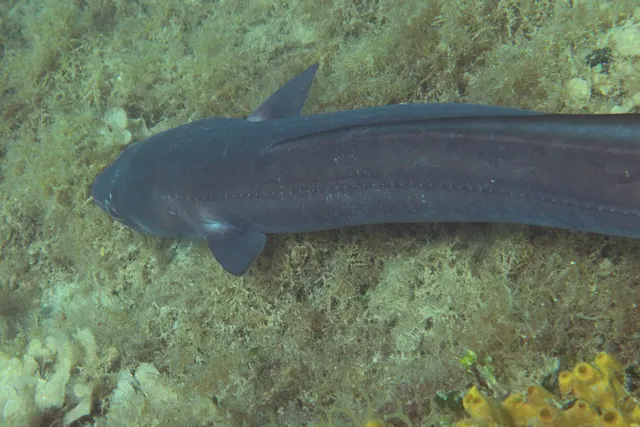
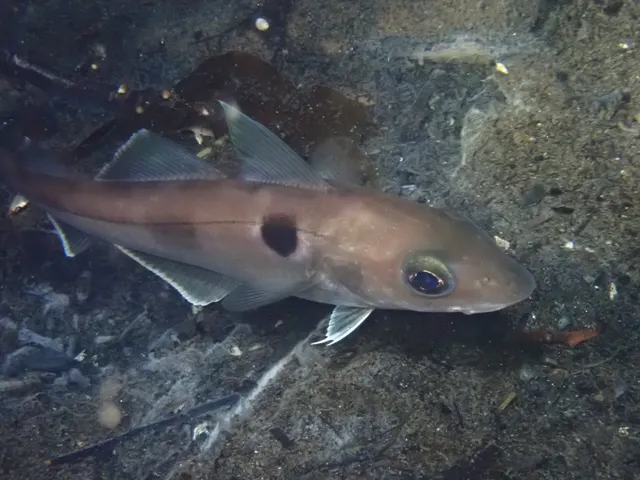
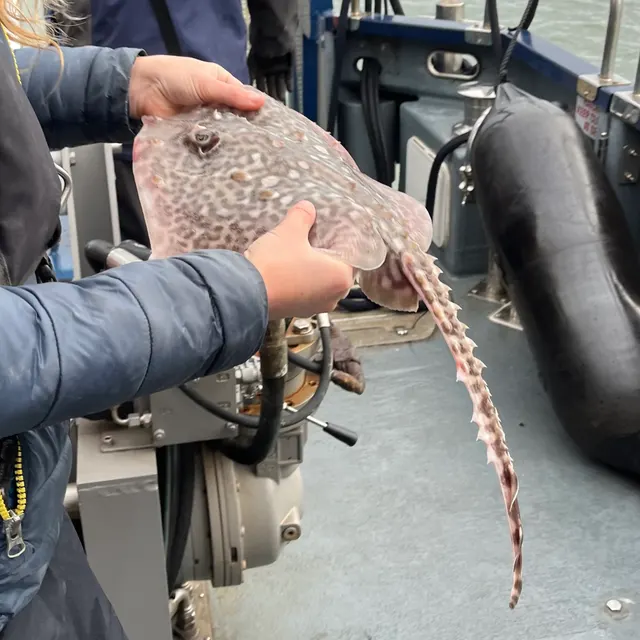
From a boat · 3
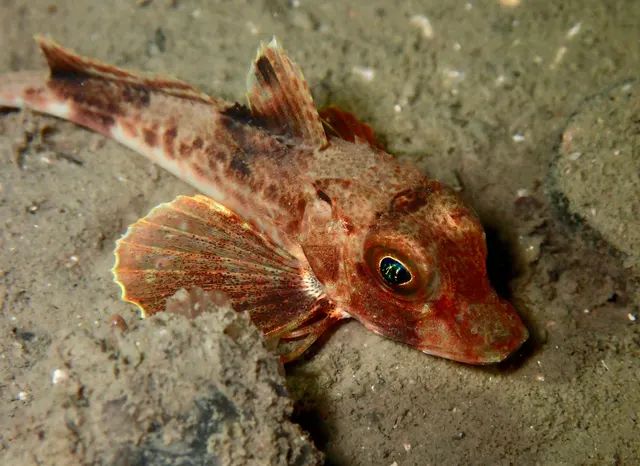
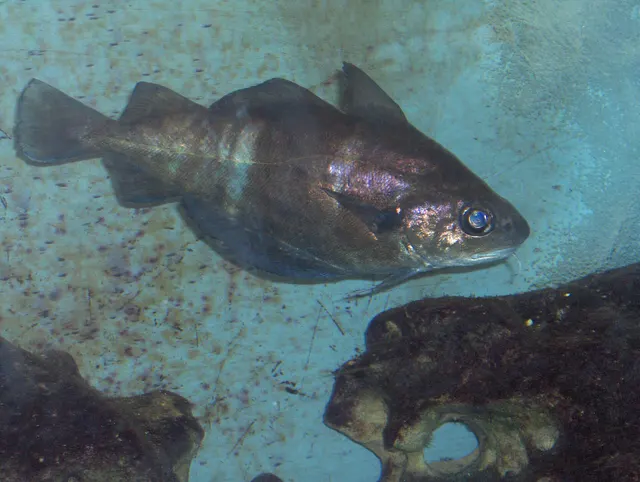
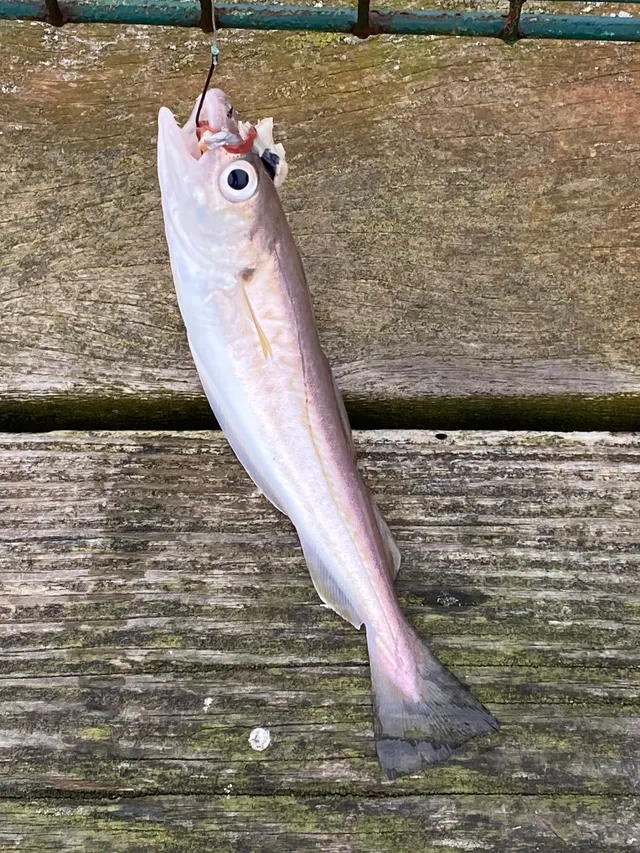
From a kayak · 3
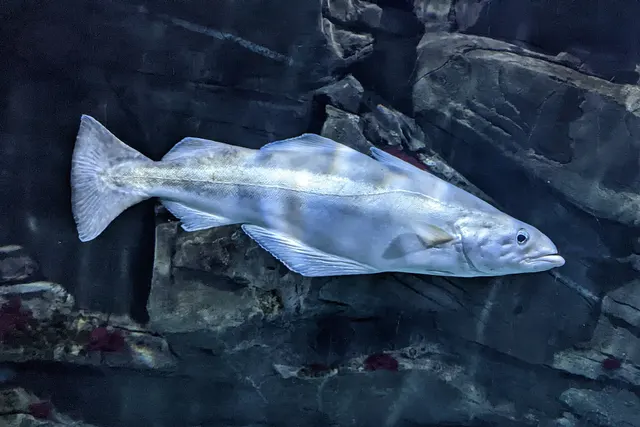 PollackSeasonal1 place · 1 fishery account · 1 sourceLoch EtiveOver sea lochAround Jan–Mar, Dec
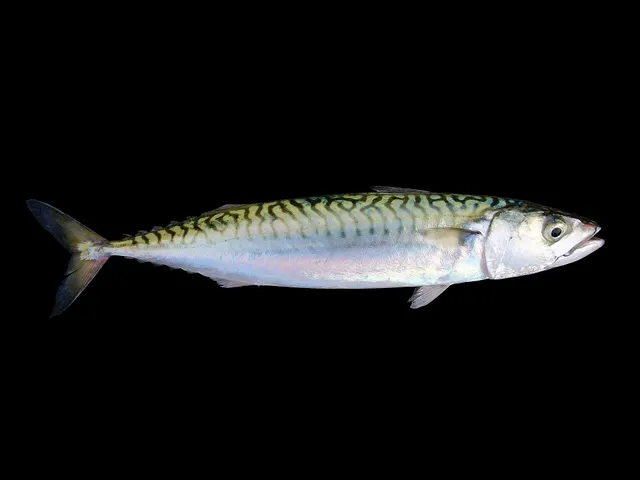 Atlantic mackerelRepeatedly reported1 place · 1 fishery account · 1 sourceLoch EtiveOver sea lochSources name Kayak fishingAround AugObserved August 2023
- SpurdogRepeatedly reported1 place · 1 fishery account · 1 sourceLoch EtiveOver sea lochSources name Kayak fishingAround AugObserved August 2023
What these strengths mean
- Regular local target
- Fishing sources describe this as a normal local target here, not merely as caught.
- Seasonal
- Well supported, and concentrated in part of the year rather than spread through it.
- Repeatedly reported
- Several independent public accounts. Enough to say it happens more than once; not enough to call it a fishery.
- Recorded here
- At least one credible public account of this species being caught here. That is all it means.
- How breadth is counted
- A fish documented at six marks is shown as six marks: breadth never raises the strength on its own. A fishery account describes the fishing; a recorded catch reports one specific catch. How evidence is weighed.
Also associated with this ground
Recorded as present here without a documented method or strength behind them.
Fish documented nearby, not here
Nothing below has been documented at Loch Etive itself. Each one has been documented at a named place on the same ground, and the places are listed with it. Treat this as what the water around here holds rather than as a catch list for this mark.
Also documented at neighbouring places
One or two accounts each, on the ground around here. Enough to know the fish is caught in these waters; not enough to say anything about this place.
From the shore
- Small-spotted catshark — documented at Loch Linnhe
- Ballan wrasse — documented at Oban Bay and the Sound of Kerrera
- European sea bass — documented at Loch Linnhe
From a boat
- Small-spotted catshark — documented at Oban Bay and the Sound of Kerrera
From a kayak
- Atlantic cod — documented at Loch Leven at Ballachulish
How people fish it
Practised here: Sea fishing.
Methods the sources name for this ground. Each one is explained in full on its own page.
- Ledgering
Fishing a bait on the bottom held by a weight, with no float — the simplest way to fish at distance, in depth, or in wind.
- Jigging
Working a weighted lure with a rising-and-falling motion, usually vertically, so it behaves like a wounded or fleeing baitfish.
- Spinning
Casting an artificial lure and retrieving it so that it moves like something alive — the most direct form of lure fishing.
- Kayak fishing
A platform rather than a technique: quiet, shallow-draught access to water no other craft reaches, bought at the price of exposure, and a discipline where the decision not to launch is part of the skill.
The ground and the water
- The ground
- A thirty-kilometre fjordic sea loch behind a shallow rock sill at Connel, where the Falls of Lora form. Deep anoxic basins inside, a rapid at the mouth, and steep mountain sides throughout.
- Exposure
- Almost completely sheltered from swell. Wind funnelling down the glen is the operative weather.
- Depth
- Very deep basins behind a shallow sill. The restricted exchange leaves the deep water poorly oxygenated, which is a real ecological constraint and an unusual one to be able to state about a British sea loch.
- Tide and flow
- The sill at Connel restricts exchange so severely that the loch's tidal range is markedly less than the sea outside, and the difference in level drives the Falls of Lora — a genuine tidal rapid that reverses direction with the tide.
Through the year
Coalfish and pollack through the year with a warm-season peak, and a deep-water fishery inside the sill that behaves quite differently from the open coast outside it.
The months the sources attach to each species here. Where a species carries no season it is listed underneath rather than assumed to run through the year.
| Species | J | F | M | A | M | J | J | A | S | O | N | D |
|---|---|---|---|---|---|---|---|---|---|---|---|---|
| Pollack — seasonal, recorded in December, January, February, March. | ||||||||||||
| Atlantic mackerel — repeatedly reported, recorded in August. | ||||||||||||
| Spurdog — repeatedly reported, recorded in August. |
Recorded here with no season stated: Conger eel, Spurdog, Grey gurnard, Haddock, Pouting, Thornback ray, Whiting.
Safety
Moving water and currents — Can cause serious injury or death
The Falls of Lora is a tidal rapid over a rock sill that runs hard in both directions and reverses on the tide, with standing waves and broken water. It is immediately beneath a road bridge and looks approachable from the shore.
What reduces it: Do not attempt the falls in any small craft other than as a planned whitewater exercise with appropriate equipment, and stay well back from the water at the narrows.
Cold water shock — Can cause serious injury or death
UK coastal and inland water is cold enough for most of the year to trigger the involuntary gasp and the loss of swimming ability that decides most immersion deaths, and it does so within the first minute, long before hypothermia is relevant.
What reduces it: Wear a buoyancy aid rather than carry one, carry a means of calling for help on the person rather than in a bag, and plan on the assumption that an unplanned entry into the water is survivable only if somebody knows immediately.
Boat safety — Can cause serious injury or death
Shelter from Atlantic swell is not shelter from wind. A loch aligned with the wind gives it a clean fetch and builds a short steep sea quickly, and katabatic gusts falling off steep sides arrive suddenly and much stronger than the general forecast suggests.
What reduces it: Check the wind direction against the loch's alignment rather than reading the regional forecast alone. Plan a route home that does not require a long upwind leg, set a turn-back point before launching, and wear a buoyancy aid. Deciding not to launch is a legitimate answer.
Fish welfare — Can cause serious injury or death
Common skate is critically endangered and survives in numbers in some of these lochs. A large skate lifted vertically or hung by the wings suffers internal damage from unsupported body mass, and a fish handled badly is a meaningful loss to a population that has already lost most of its range.
What reduces it: Unhook in the water where possible, or bring the fish aboard flat and supported. Keep it wet, handle it minimally, never hang it by the wings or lift it vertically, and return it promptly. Follow the skipper's protocol rather than improvising, and follow the responsible authority's current requirements for a prohibited species.
Rules and access
FishingHQ does not know the current access position here. Sea angling in Scotland is not rod-licensed, but access rights under the Scottish Outdoor Access Code carry responsibilities, and harbour, local authority, marine conservation and fisheries measures all apply and all change. Check the current position with the Marine Directorate, the harbour or local authority and the land manager before going. This water is tidal and transitional, so the freshwater regime may also apply above the tidal limit: FishingHQ does not know the current access position here. Scotland has no general rod licence, and the fishing rights on almost every river and loch belong to somebody: a proprietor, an estate, an angling association or a district salmon fishery board. Permission is a separate question from access, and both change. Check with the relevant fishery board or association before going.
Who holds the answer:
- The Scottish Government Marine Directorate, for sea fisheries measures in Scottish waters.
- The harbour authority or land manager, for access to the structure or the ground.
- The local authority, for shellfish harvesting classification.
- The district salmon fishery board for the catchment, where the water holds migratory fish.
- The proprietor, estate or angling association that holds the fishing rights.
- The Scottish Government, for freshwater fisheries policy and protection orders.
- Marine Directorate of the Scottish Government, for sea fisheries measures and for marine protected area management.
- NatureScot, for designated site management where a designation affects activity in a loch.
- The relevant District Salmon Fishery Board or Fishery Trust, for salmon and sea trout in the rivers entering the loch.
- Food Standards Scotland and the relevant classification and monitoring programme, for shellfish harvest area classification and biotoxin status.
- The harbour authority or local moorings body where launching and berthing are involved.
- The Maritime and Coastguard Agency and the RNLI, for safety guidance on these waters.
Nearby fishing
Other publicly documented places within about 40 km, by distance. Positions are approximate public geography and are never exact marks.
- Loch Awe — 10–25 km · Loch
- Loch Linnhe — 10–25 km · Sea loch
- Oban Bay and the Sound of Kerrera — 10–25 km · Sound or strait
- Loch Leven at Ballachulish — 25–40 km · Sea loch
Sources for this place
- JNCC species and habitat conservation advice — Joint Nature Conservation Committee (Conservation authority)Relied on for: Description, designation and habitat characterisation of the named coastal and marine features of the United Kingdom, and the species characteristically associated with them.States this directlyCitation checked — the work exists and is described correctly
- Cefas science, advice and data on marine and freshwater environments — Centre for Environment, Fisheries and Aquaculture Science (Government fisheries body)Relied on for: Marine environmental science for UK shelf seas: sediment characterisation, estuarine process, shellfish bed distribution, tidal range and the monitoring that describes them.States this directlyCitation checked — the work exists and is described correctly
- Sea Angler — Bauer Media (Specialist angling publication)Relied on for: Long-running published description of British sea angling practice by region, ground type and named mark.FishingHQ's interpretation of what it saysCitation checked — the work exists and is described correctly
- General angling website restatements of established technique — Various (Credible secondary source)Relied on for: Widely restated public descriptions of which places are conventionally fished and how, recorded as practitioner consensus rather than as scholarship, and not relied on for access, permission or any current rule.Background and mechanism onlyCitation checked — the work exists and is described correctly
- RNLI water safety guidance: cold water shock and Float to Live — Royal National Lifeboat Institution (Water-safety or diver-training authority)Relied on for: Cold water shock and the immersion response, tidal cut-off, and water-safety guidance for shore anglers and small-craft users.States this directlyPassage read and verified
- FISHMAG Scotland east and west coast sea fishing guides — FISHMAG (Credible secondary source)Relied on for: The mark-by-mark Scottish shore guides, east and west: which species are fished for at each named mark, with the bait, the state of tide, the season and the ground.States this directlyPassage read and verified
- Corkwing — an angler's diary of Scottish saltwater venues — loftyd, corkwing.co.uk (Practitioner report)Relied on for: A practising Scottish sea angler's own venue accounts: which species each loch produces, from which mode, over what ground, on what bait or lure, and in which month.States this directlyPassage read and verified
- Public fishing video with an explicitly stated location — Various public video platforms (Practitioner report)Relied on for: A dated public video whose uploader states the launch, the ground, the species and the lure in their own written description.States this directlyCitation checked — the work exists and is described correctly
How FishingHQ labels evidence is explained in the evidence policy. Last reviewed 2026-08-16.