Loch Leven at Ballachulish
Sea loch · Salt water · in Scottish sea lochs
A short sea loch entered through narrows at Ballachulish, with deep reefy ground in the upper basin above the narrows and a working fish farm in the lower one. Smaller and shallower than the fjordic lochs either side of it.
Safety: moving water and currents — can cause serious injury or death. 3 more points apply here.
FishingHQ describes what this place is, not whether you may fish it. Access, permits and who to ask.
What you can catch here
Documented at this place, grouped by how you would be fishing, with how strongly the sources support each one. This is what has been written down, not a forecast, and being listed is never permission to fish.
From a boat · 2
From a kayak · 2
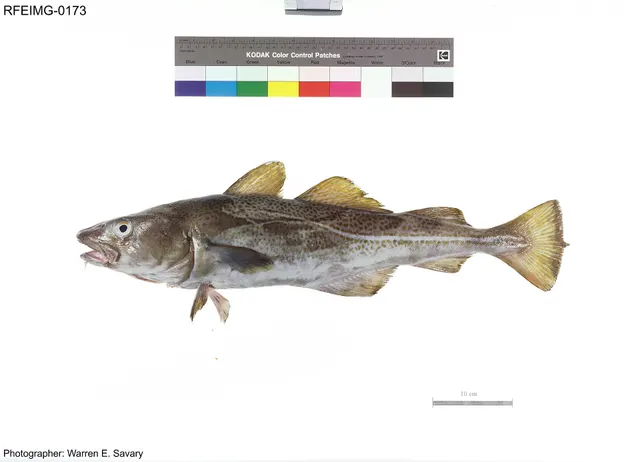 Atlantic codRepeatedly reported1 place · 1 fishery account · 1 sourceLoch Leven at BallachulishOver sea lochSources name Drift fishing with Metal jigsAround MayObserved May 2023
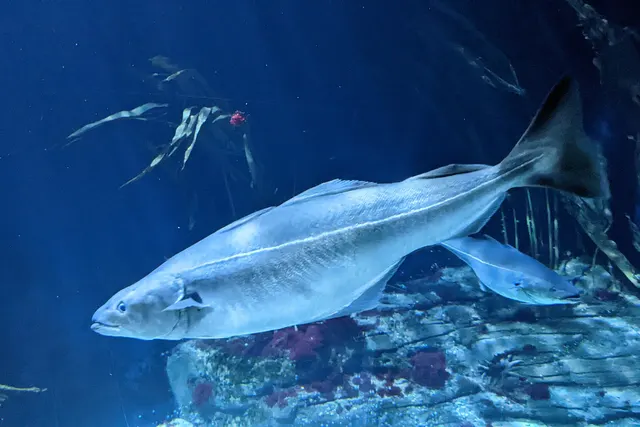
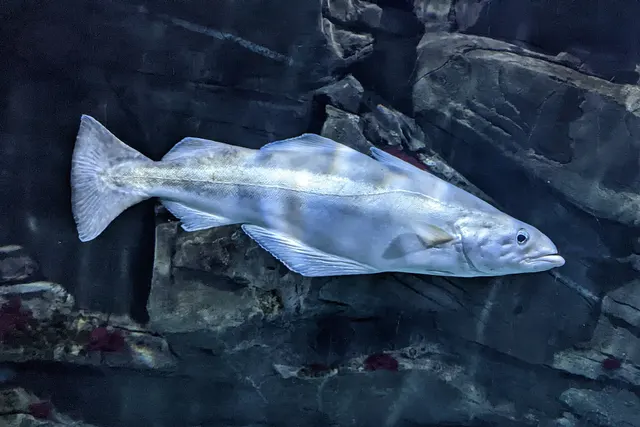 PollackRepeatedly reported1 place · 1 fishery account · 1 sourceLoch Leven at BallachulishOver sea lochSources name Drift fishing with Metal jigsAround MayObserved May 2023
What these strengths mean
- Repeatedly reported
- Several independent public accounts. Enough to say it happens more than once; not enough to call it a fishery.
- Recorded here
- At least one credible public account of this species being caught here. That is all it means.
- How breadth is counted
- A fish documented at six marks is shown as six marks: breadth never raises the strength on its own. A fishery account describes the fishing; a recorded catch reports one specific catch. How evidence is weighed.
Fish documented nearby, not here
Nothing below has been documented at Loch Leven at Ballachulish itself. Each one has been documented at a named place on the same ground, and the places are listed with it. Treat this as what the water around here holds rather than as a catch list for this mark.
Also documented at neighbouring places
One or two accounts each, on the ground around here. Enough to know the fish is caught in these waters; not enough to say anything about this place.
From a boat
- Conger eel — documented at Loch Sunart
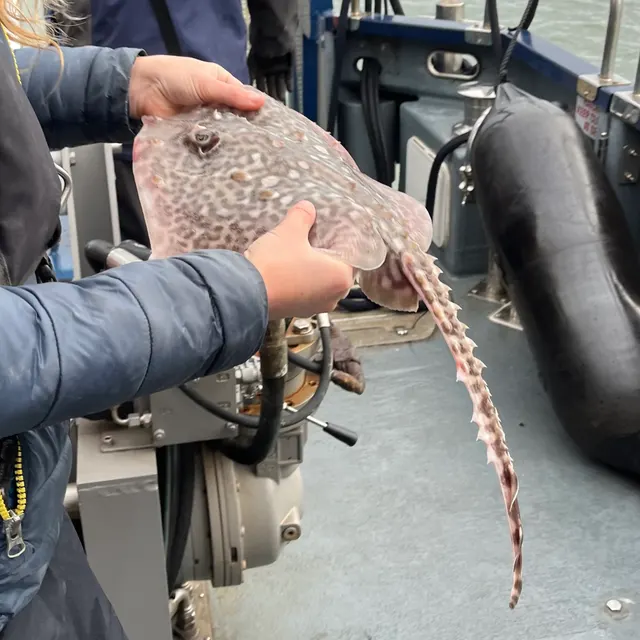
- Small-spotted catshark — documented at Oban Bay and the Sound of Kerrera
- Grey gurnard — documented at Loch Etive
- Pouting — documented at Loch Etive
From a kayak
- Atlantic mackerel — documented at Loch Etive
- Spurdog — documented at Loch Etive
How people fish it
Practised here: Sea fishing.
Methods the sources name for this ground. Each one is explained in full on its own page.
- Ledgering
Fishing a bait on the bottom held by a weight, with no float — the simplest way to fish at distance, in depth, or in wind.
- Spinning
Casting an artificial lure and retrieving it so that it moves like something alive — the most direct form of lure fishing.
- Kayak fishing
A platform rather than a technique: quiet, shallow-draught access to water no other craft reaches, bought at the price of exposure, and a discipline where the decision not to launch is part of the skill.
The ground and the water
- The ground
- A short sea loch entered through narrows at Ballachulish, with deep reefy ground in the upper basin above the narrows and a working fish farm in the lower one. Smaller and shallower than the fjordic lochs either side of it.
Not to be confused with Loch Leven, which is a separate record for different ground.
Through the year
The months the sources attach to each species here. Where a species carries no season it is listed underneath rather than assumed to run through the year.
| Species | J | F | M | A | M | J | J | A | S | O | N | D |
|---|---|---|---|---|---|---|---|---|---|---|---|---|
| Atlantic cod — repeatedly reported, recorded in May. | ||||||||||||
| Pollack — repeatedly reported, recorded in May. |
Safety
Moving water and currents — Can cause serious injury or death
The whole tidal exchange of a loch is forced through its narrows, producing fast streams, overfalls and standing waves on spring tides. A kayak or small boat can be unable to make headway against them and unable to turn back safely, and the change from workable to unmanageable happens within a tide rather than gradually.
What reduces it: Plan passage through narrows around slack water and know the times before launching. Treat arriving late at a narrows as a reason to wait for the next slack rather than to attempt it. Carry the means to get off the water without an engine.
Worse when:
- Spring tides, when the streams are strongest.
- Wind opposing the stream, which stands the water up in the narrows.
Boat safety — Can cause serious injury or death
Shelter from Atlantic swell is not shelter from wind. A loch aligned with the wind gives it a clean fetch and builds a short steep sea quickly, and katabatic gusts falling off steep sides arrive suddenly and much stronger than the general forecast suggests.
What reduces it: Check the wind direction against the loch's alignment rather than reading the regional forecast alone. Plan a route home that does not require a long upwind leg, set a turn-back point before launching, and wear a buoyancy aid. Deciding not to launch is a legitimate answer.
Cold water shock — Can cause serious injury or death
Water is cold year-round and the sides of a loch are steep, so somebody in the water may be a long way from any landing place, over deep water, close to the shore but unable to get out of it.
What reduces it: A buoyancy aid worn, not carried. Know where the landable shore is along the route rather than assuming the nearest bank will do, and treat proximity to land as unrelated to ability to get out.
Fish welfare — Can cause serious injury or death
Common skate is critically endangered and survives in numbers in some of these lochs. A large skate lifted vertically or hung by the wings suffers internal damage from unsupported body mass, and a fish handled badly is a meaningful loss to a population that has already lost most of its range.
What reduces it: Unhook in the water where possible, or bring the fish aboard flat and supported. Keep it wet, handle it minimally, never hang it by the wings or lift it vertically, and return it promptly. Follow the skipper's protocol rather than improvising, and follow the responsible authority's current requirements for a prohibited species.
Rules and access
FishingHQ does not know the current access position here. Sea angling in Scotland is not rod-licensed, but access rights under the Scottish Outdoor Access Code carry responsibilities, and harbour, local authority, marine conservation and fisheries measures all apply and all change. Check the current position with the Marine Directorate, the harbour or local authority and the land manager before going.
Particular to this water: The diary this record rests on launches a small boat from the slate slip at Ballachulish. A slipway existing is not a slipway anybody may use, and whether launching, parking or fishing is permitted here is a question for the harbour authority, the landowner and the local authority rather than for this page.
Who holds the answer:
- The Scottish Government Marine Directorate, for sea fisheries measures in Scottish waters.
- The harbour authority or land manager, for access to the structure or the ground.
- The local authority, for shellfish harvesting classification.
- Marine Directorate of the Scottish Government, for sea fisheries measures and for marine protected area management.
- NatureScot, for designated site management where a designation affects activity in a loch.
- The relevant District Salmon Fishery Board or Fishery Trust, for salmon and sea trout in the rivers entering the loch.
- Food Standards Scotland and the relevant classification and monitoring programme, for shellfish harvest area classification and biotoxin status.
- The harbour authority or local moorings body where launching and berthing are involved.
- The Maritime and Coastguard Agency and the RNLI, for safety guidance on these waters.
Nearby fishing
Other publicly documented places within about 40 km, by distance. Positions are approximate public geography and are never exact marks.
- Loch Linnhe — 10–25 km · Sea loch
- Loch Etive — 25–40 km · Sea loch
- Oban Bay and the Sound of Kerrera — 25–40 km · Sound or strait
Sources for this place
- Sea Angler — Bauer Media (Specialist angling publication)Relied on for: Long-running published description of British sea angling practice by region, ground type and named mark.FishingHQ's interpretation of what it saysCitation checked — the work exists and is described correctly
- General angling website restatements of established technique — Various (Credible secondary source)Relied on for: Widely restated public descriptions of which places are conventionally fished and how, recorded as practitioner consensus rather than as scholarship, and not relied on for access, permission or any current rule.Background and mechanism onlyCitation checked — the work exists and is described correctly
- Public fishing video with an explicitly stated location — Various public video platforms (Practitioner report)Relied on for: A dated public video whose uploader states the launch, the ground, the species and the lure in their own written description.States this directlyCitation checked — the work exists and is described correctly
How FishingHQ labels evidence is explained in the evidence policy. Last reviewed 2026-08-16.