The Lake of Menteith
Loch · Fresh water · in Scotland
The only body of water in Scotland conventionally called a lake: a shallow, fertile, wind-exposed lowland water with islands, extensive weed and a long-established boat trout fishery.
Safety: cold water shock — can cause serious injury or death.
FishingHQ describes what this place is, not whether you may fish it. Access, permits and who to ask.
What you can catch here
Documented at this place, grouped by how you would be fishing, with how strongly the sources support each one. This is what has been written down, not a forecast, and being listed is never permission to fish.
From a boat · 4
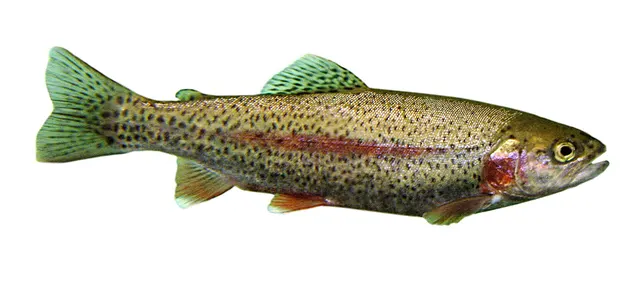
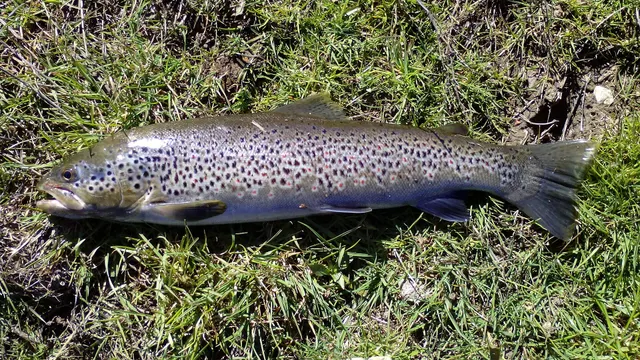
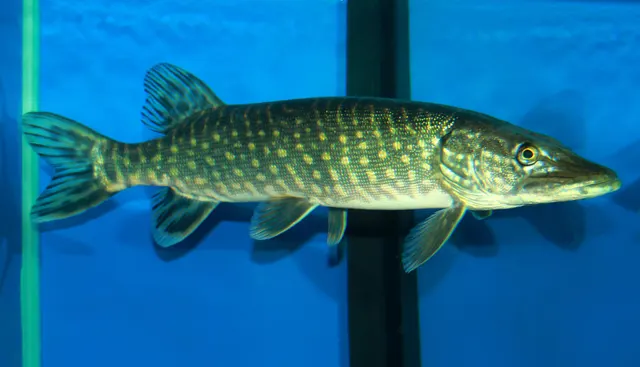
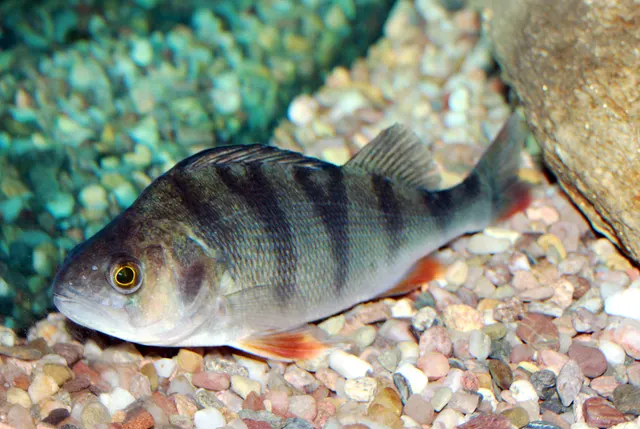
Fly fishing · 2
What these strengths mean
- Characteristic of this water
- This water is strongly identified with this species by the sources that cover it.
- Regular local target
- Fishing sources describe this as a normal local target here, not merely as caught.
- Recorded here
- At least one credible public account of this species being caught here. That is all it means.
- How breadth is counted
- A fish documented at six marks is shown as six marks: breadth never raises the strength on its own. A fishery account describes the fishing; a recorded catch reports one specific catch. How evidence is weighed.
Fish documented nearby, not here
Nothing below has been documented at The Lake of Menteith itself. Each one has been documented at a named place on the same ground, and the places are listed with it. Treat this as what the water around here holds rather than as a catch list for this mark.
Widely documented on this ground
Documented at three or more neighbouring places, fished a way this place is also fished. That is a pattern about the ground rather than about any one mark, and it is the closest this site comes to saying you will probably meet a fish somewhere nothing has been written about.
From a boat
- Atlantic salmon — documented at The Endrick Bank; The mouth of the Endrick Water; Loch Tay
Also documented at neighbouring places
One or two accounts each, on the ground around here. Enough to know the fish is caught in these waters; not enough to say anything about this place.
From a boat
- Arctic char — documented at Loch Rannoch; Loch Tay
How people fish it
Practised here: Fly fishing.
Methods the sources name for this ground. Each one is explained in full on its own page.
- Stillwater fly fishing
Fly fishing without current, where the angler supplies every movement and the problem becomes finding fish rather than presenting to them.
The ground and the water
- The ground
- The only body of water in Scotland conventionally called a lake: a shallow, fertile, wind-exposed lowland water with islands, extensive weed and a long-established boat trout fishery.
Safety
Cold water shock — Can cause serious injury or death
Water around these islands stays cold enough all year to trigger cold water shock — involuntary gasping and hyperventilation on sudden immersion, which can cause somebody to inhale water in the first seconds regardless of swimming ability.
What reduces it: Wear a buoyancy aid where immersion is credible. If immersed, float on your back until the initial response passes rather than trying to swim immediately.
Rules and access
Licence
Scotland has no general rod licence for freshwater fishing. That is the opposite of the position in England and Wales, and it is not a relaxation.
Permission to fish
The whole question. Fishing rights on almost every river and loch belong to a proprietor, estate, angling association or district salmon fishery board, and permission must come from them.
FishingHQ does not know the current access position here. Scotland has no general rod licence, and the fishing rights on almost every river and loch belong to somebody: a proprietor, an estate, an angling association or a district salmon fishery board. Permission is a separate question from access, and both change. Check with the relevant fishery board or association before going.
Who holds the answer:
- The district salmon fishery board for the catchment, where the water holds migratory fish.
- The proprietor, estate or angling association that holds the fishing rights.
- The Scottish Government, for freshwater fisheries policy and protection orders.
- The Scottish Government marine directorate, for sea fisheries, aquaculture and national freshwater fisheries policy.
- The district salmon fishery board or equivalent body for the river concerned, which administers salmon and sea trout locally and sets conservation measures river by river.
- The owner or occupier of the fishing rights, or the club, association or estate acting for them, whose permission is required for any freshwater fishing.
- The national access authority and the local authority, for the statutory right of responsible access and the code governing it.
- The national nature agency, for protected species, marine protected areas and designated sites.
- The relevant fishery trust or river board, for local catchment measures and protection orders where these apply.
The fishery on this water
This water is public geography and is also somebody’s business. What follows is the operator’s own account of the fishery that runs on it: what they stock, how you get a day, and the conditions they set.
These are the operator’s rules, not the law. A fishery can require barbless hooks, refuse a method, close a water or ask you to leave, and none of that is a legal requirement. The licence and the close season are set by the fisheries authority and are the section above. Being listed here is not a recommendation and it is not permission — telephone before travelling.
Lake of Menteith Fisheries
Stocked trout stillwater · Port of Menteith, Stirlingshire
A stillwater stocked with trout, fished on a ticket
Seven hundred acres of natural lake below the Trossachs, fished entirely from boats with the fly, stocked with trout reared on the fishery's own farm.
Named by the fishery as fishable: Brown trout, Northern pike, Rainbow trout.
How you get a day: Book in advance.
The fishery’s own conditions: Fly only, Barbless hooks only, No night fishing, Limited take, on the fishery's own terms.
Season: Open through the fishing season seven days a week, with boats booked in advance for a session.
The rules this fishery sets, in its own terms
- Fly fishing only. No trolling, hand lining or bait.
- Barbless or debarbed hooks must be used when fishing catch and release.
- All fish under eleven inches to be returned.
- Above twenty degrees water temperature, the fishery asks anglers to limit catch and release to protect trout welfare.
- Pike fishing requires debarbed single hooks to a maximum size 6, and all pike are returned unharmed.
- Boat fishing only — a maximum of three people per boat, fifty metres between boats, no anchoring or mooring, and lifejackets or buoyancy aids worn.
Checked against the operator's own information. Last checked 2026-08-29.
Nearby fishing
Other publicly documented places within about 40 km, by distance. Positions are approximate public geography and are never exact marks.
- The Teith at Callander — 5–10 km · River reach
- The mouth of the Endrick Water — 10–25 km · Confluence
- The Endrick Bank — 10–25 km · Sandbank
- Loch Earn — 10–25 km · Loch
- Loch Long — 25–40 km · Sea loch
- Loch Tay — 25–40 km · Loch
Sources for this place
- Freshwater Fishes of the British Isles — HarperCollins (New Naturalist 75), 1992 (Reference work)Relied on for: Distribution, habitat requirements and biology of the freshwater fishes of Britain and Ireland named here.States this directlyCitation checked — the work exists and is described correctly
- Trout & Salmon — Bauer Media (Specialist angling publication)Relied on for: Long-running published description of British and Irish game angling practice by river, beat and season.FishingHQ's interpretation of what it saysCitation checked — the work exists and is described correctly
- General angling website restatements of established technique — Various (Credible secondary source)Relied on for: Widely restated public descriptions of which waters are conventionally fished and how, recorded as practitioner consensus rather than as scholarship, and not relied on for access, permission or any current rule.Background and mechanism onlyCitation checked — the work exists and is described correctly
How FishingHQ labels evidence is explained in the evidence policy. Last reviewed 2026-08-16.