The Endrick Bank
Sandbank · Fresh water · in Loch Lomond
The shallow shelf in the loch's south-eastern corner, running south from Balmaha off the mouth of the Endrick Water and throwing a sandy point towards Clairinsh before it shelves into deep water. This is where the southern basin's migratory fishing happens: salmon and sea trout running for the Endrick stage here rather than pass through, and hold along the line where the bank drops off. The water fished is extraordinarily thin for salmon — a published account works a boat in six or seven feet and casts into four or five.
Safety: drowning and immersion — can cause serious injury or death. One more point applies here.
FishingHQ describes what this place is, not whether you may fish it. Access, permits and who to ask.
What you can catch here
Documented at this place, grouped by how you would be fishing, with how strongly the sources support each one. This is what has been written down, not a forecast, and being listed is never permission to fish.
From a boat · 4
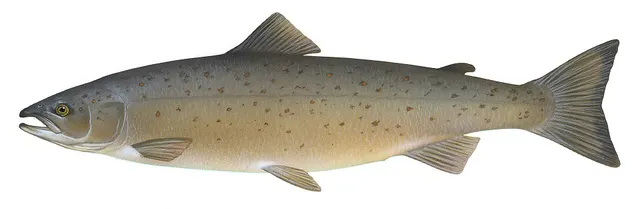
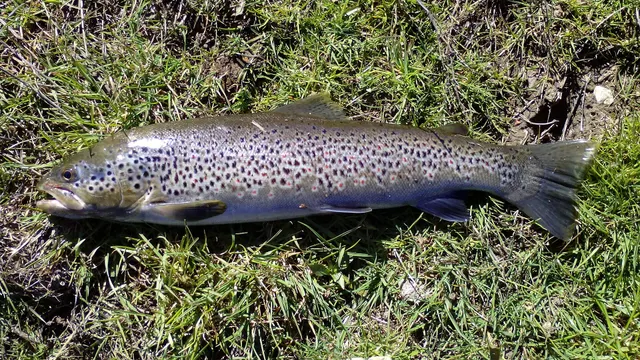
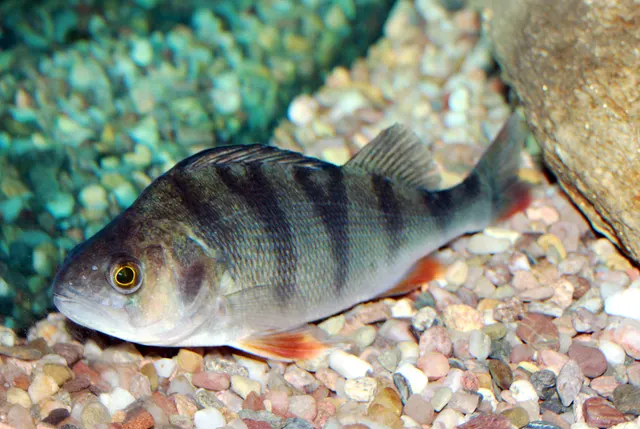
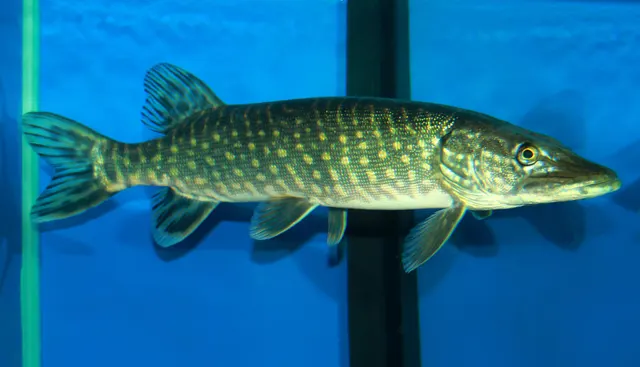
What these strengths mean
- Characteristic of this water
- This water is strongly identified with this species by the sources that cover it.
- Regular local target
- Fishing sources describe this as a normal local target here, not merely as caught.
- How breadth is counted
- A fish documented at six marks is shown as six marks: breadth never raises the strength on its own. A fishery account describes the fishing; a recorded catch reports one specific catch. How evidence is weighed.
How people fish it
Practised here: Fly fishing, Coarse fishing.
Methods the sources name for this ground. Each one is explained in full on its own page.
- Trolling
Towing lures or baits behind a moving boat to cover large volumes of water and locate scattered fish.
- Stillwater fly fishing
Fly fishing without current, where the angler supplies every movement and the problem becomes finding fish rather than presenting to them.
- Deadbaiting
Presenting a dead fish as bait for predators — a method that works because scavenging is normal predator behaviour, not an exception.
The ground and the water
- The ground
- The shallow shelf in the loch's south-eastern corner, running south from Balmaha off the mouth of the Endrick Water and throwing a sandy point towards Clairinsh before it shelves into deep water. This is where the southern basin's migratory fishing happens: salmon and sea trout running for the Endrick stage here rather than pass through, and hold along the line where the bank drops off. The water fished is extraordinarily thin for salmon — a published account works a boat in six or seven feet and casts into four or five.
- Exposure
- Open water on a loch big enough to make its own weather. The region page is blunt about it: wind funnels down the trench to the north and raises a steep sea quickly, squalls come off the hills without much warning, and the loch has a serious drowning record. This is shallow ground fished from small boats, which is a combination that punishes a calm morning taken as a forecast.
- Depth
- The defining property. Published description of the loch has it very shallow for some distance off the Endrick mouth, and the practitioner sources fish it in single-figure feet — a boat held in six or seven, casting into four or five. The fishing is the edge where that shelf falls away, not the flat itself.
Not to be confused with The mouth of the Endrick Water, which is a separate record for different ground.
Through the year
A staging fishery rather than a resident one, and the sources describe it moving. Good numbers of salmon are reported on the bank by early June, with the fishing concentrated around the Endrick mouth and Stewart's Hole; as the season runs on the sources describe the main run having moved off the bank, with fish then taken at Sallochy, Caraig Rock and around the islands. Those are reported seasons from published catch returns, not a schedule, and are recorded as such.
Safety
Drowning and immersion — Can cause serious injury or death
Loch Lomond is large enough to generate steep dangerous water quickly, and wind funnelling down the northern trench raises a sea in a short time. The northern basin is deep and cold year-round, immersion is rapidly disabling, and the loch has a serious drowning record including among people who did not expect an inland water to behave like this.
What reduces it: Treat it as an inland sea rather than a lake: wear a buoyancy aid afloat, watch the forecast for wind rather than rain, get off the water at the first sign of building conditions, and tell somebody your plan and return time.
Worse when:
- Wind funnelling down the northern trench
- Squalls off the surrounding hills, which arrive with little warning
- The deep cold northern basin, where immersion is disabling within minutes
Biosecurity and disease transfer — Can cause serious injury or death
Introductions to this loch — ruffe most notably, probably from discarded live bait — established explosively and altered the native community, in a water holding a species found naturally in only two places on earth. Introductions to an enclosed system cannot be undone.
What reduces it: Never move live bait, fish or water to or from this system; check, clean and dry all equipment, boats and trailers between waters; and treat the local biosecurity requirements as the response to a documented event rather than as a formality.
Rules and access
Licence
Scotland has no general rod licence for freshwater fishing. That is the opposite of the position in England and Wales, and it is not a relaxation.
Permission to fish
The whole question. Fishing rights on almost every river and loch belong to a proprietor, estate, angling association or district salmon fishery board, and permission must come from them.
FishingHQ does not know the current access position here. Scotland has no general rod licence, and the fishing rights on almost every river and loch belong to somebody: a proprietor, an estate, an angling association or a district salmon fishery board. Permission is a separate question from access, and both change. Check with the relevant fishery board or association before going.
Particular to this water: There is no freshwater rod licence in Scotland, and that is the end of what is simple. The fishing is owned: permission comes from the association holding the rights, so fishing without its permit is not fishing unlicensed but fishing without permission. Salmon and sea trout carry a separate migratory regime on top, with its own close times and conservation measures, and both are revised. This corner of the loch is a national nature reserve inside a national park. No grading, close time or bag figure is published here. Ask the association and the fishery board.
Who holds the answer:
- The district salmon fishery board for the catchment, where the water holds migratory fish.
- The proprietor, estate or angling association that holds the fishing rights.
- The Scottish Government, for freshwater fisheries policy and protection orders.
- The angling association or rights holder administering the fishing on the loch and its feeder waters, which issues the permit that is the operative permission
- The district salmon fishery board, for anything concerning salmon and sea trout
- The national park authority, for boating registration, speed limits, camping and access byelaws
- The Scottish environment and nature authorities, for protected species including powan and for water quality
- The local police or park rangers, for enforcement of park byelaws and for current access advice
- The angling association holding the fishing rights over the loch, the River Leven and much of the Endrick and Fruin, which issues the permit that is the operative permission for a visitor
- The district salmon fishery board, for anything concerning salmon and sea trout, which are governed separately from the coarse and brown trout fishing
- The Scottish Government, which grades salmon rivers annually by statutory instrument and is the only current source for any grading or mandatory catch-and-release position
- NatureScot and the RSPB, which manage the national nature reserve either side of the Endrick mouth
- The national park authority, for boat registration, speed limits, camping and access byelaws
Nearby fishing
Other publicly documented places within about 40 km, by distance. Positions are approximate public geography and are never exact marks.
- The mouth of the Endrick Water — under 2 km · Confluence
- Loch Long — 10–25 km · Sea loch
- The Lake of Menteith — 10–25 km · Loch
- Dunoon and the Holy Loch — 25–40 km · Sea loch
- The Teith at Callander — 25–40 km · River reach
- Largs and the Cumbrae channel — 25–40 km · Sound or strait
Sources for this place
- Freshwater Fishes of the British Isles — HarperCollins (New Naturalist 75), 1992 (Reference work)Relied on for: Distribution, habitat requirements and biology of the freshwater fishes of Britain and Ireland named here.States this directlyCitation checked — the work exists and is described correctly
- Trout & Salmon — Bauer Media (Specialist angling publication)Relied on for: Long-running published description of British and Irish game angling practice by river, beat and season.FishingHQ's interpretation of what it saysCitation checked — the work exists and is described correctly
- General angling website restatements of established technique — Various (Credible secondary source)Relied on for: Widely restated public descriptions of which waters are conventionally fished and how, recorded as practitioner consensus rather than as scholarship, and not relied on for access, permission or any current rule.Background and mechanism onlyCitation checked — the work exists and is described correctly
How FishingHQ labels evidence is explained in the evidence policy. Last reviewed 2026-08-16.