Loch Lomond
Fishing regions · Last reviewed 2026-08-14
The largest freshwater body in Britain by surface area, sitting across the Highland Boundary Fault — shallow and rich at one end, deep and cold at the other, with a fish community that includes a species found in only two places on earth.
Safety: drowning and immersion — can cause serious injury or death. One more point applies here.
Being listed here is not permission to fish. What that meansClose
Access, fishing rights, seasons, licences, local bylaws and permitted methods vary and can change. Check current access, permission, local regulations, closures and restrictions before you travel or fish. FishingHQ describes what the ground is and names who holds the answer; it does not hold the answer itself.
Find the authority for a jurisdiction · What FishingHQ does and does not cover
Loch Lomond is the largest inland water in Britain by surface area, and its most interesting property is that it is really two lochs.
THE HIGHLAND BOUNDARY FAULT RUNS ACROSS IT. South of the fault the loch is broad, shallow, island-scattered and comparatively rich, lying over lowland geology. North of it the loch narrows into a deep, steep-sided, cold trench in the Highlands, reaching depths of well over a hundred metres. Two completely different environments in one body of water, and the fishing differs accordingly.
THE FISH COMMUNITY IS UNUSUAL AND SIGNIFICANT. Loch Lomond holds pike, perch, roach and the coarse fish a lowland angler would expect, alongside Atlantic salmon and sea trout running through to the Endrick and other feeder rivers, brown trout, and — most notably — POWAN, a whitefish that in Britain occurs naturally only here and in one neighbouring loch. It is a glacial relict, it is protected, and it is a genuine piece of natural history rather than a curiosity.
THE CATCHMENT IS A MIGRATION ROUTE. The Endrick Water in particular is an important salmon and sea trout river, and the loch is the corridor. That makes the whole system rather than any one part of it the unit that matters.
AND IT IS UNDER PRESSURE FROM INTRODUCTIONS. Ruffe were introduced, probably as discarded live bait, and established explosively; other introductions have followed. The loch is one of the clearest British demonstrations of what bait-bucket introductions do to a closed system, and it is why the biosecurity rules here are taken seriously.
What fishing here is like
Two waters in one: a broad, shallow, island-scattered southern basin over lowland geology, and a narrow, deep, cold Highland trench to the north. Britain's largest freshwater surface area, sitting inside a national park and carrying heavy recreational use of every kind.
The angling culture is a mixed one — an angling association with long-standing rights, boat fishing for pike and trout, and a migratory salmonid interest concentrated on the feeder rivers.
What you can target here
One entry per fish, grouped by how you would be fishing — because the answer is a different one from the rocks and from a boat. Each entry says how strongly the sources support it and how much evidence sits behind it. These are documented catches, not a forecast, and none of it is a statement that you may fish any particular ground.
From a boat · 4
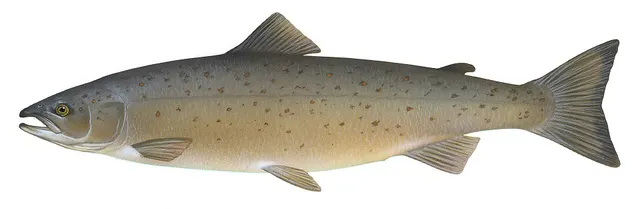 Atlantic salmonCharacteristic of this water2 placesThe Endrick Bank, The mouth of the Endrick WaterOver confluence, sandbank
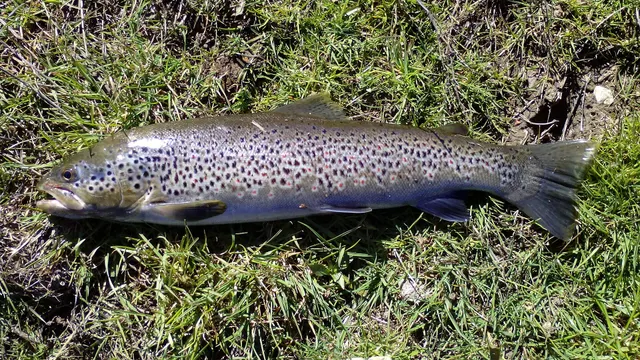 Brown troutCharacteristic of this water2 placesThe Endrick Bank, The mouth of the Endrick WaterOver confluence, sandbank
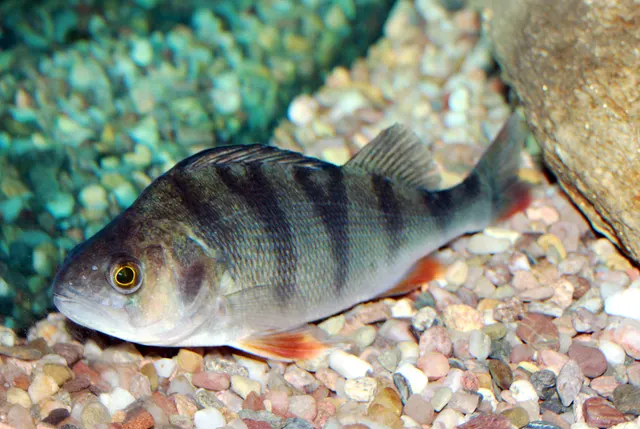 European perchRegular local target1 placeThe Endrick BankOver sandbank
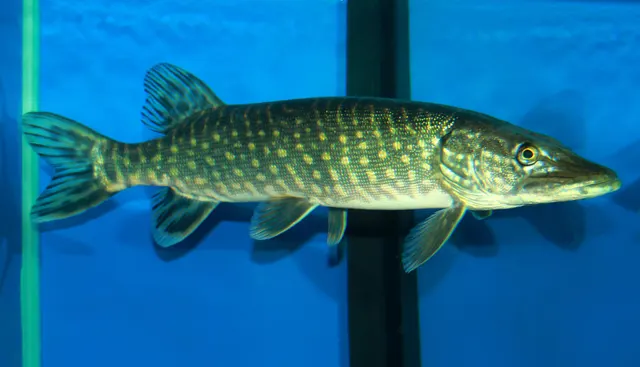 Northern pikeRegular local target1 placeThe Endrick BankOver sandbank
What these strengths mean
- Characteristic of this water
- This water is strongly identified with this species by the sources that cover it.
- Regular local target
- Fishing sources describe this as a normal local target here, not merely as caught.
- How breadth is counted
- A fish documented at six marks is shown as six marks: breadth never raises the strength on its own. A fishery account describes the fishing; a recorded catch reports one specific catch. How evidence is weighed.
How people fish here
3 methods are recorded on the places documented here, counted from the records themselves rather than from what is practised in the country. Each opens a full guide to the technique.
Stillwater fly fishing
Recorded at 2 places here, over confluence, sandbank.
Fly fishing without current, where the angler supplies every movement and the problem becomes finding fish rather than presenting to them.
Documented on the same ground: Atlantic salmon, Brown trout, European perch, Northern pike.
Trolling
Recorded at 2 places here, over confluence, sandbank.
Towing lures or baits behind a moving boat to cover large volumes of water and locate scattered fish.
Documented on the same ground: Atlantic salmon, Brown trout, European perch, Northern pike.
Deadbaiting
Recorded at 1 place here, over sandbank.
Presenting a dead fish as bait for predators — a method that works because scavenging is normal predator behaviour, not an exception.
Documented on the same ground: Atlantic salmon, Brown trout, European perch, Northern pike.
These are the methods documented at the places FishingHQ holds here. A species listed beside a method is documented on the same ground, which is not the same as being taken that way — where a source establishes the method a fish was caught on, it is stated on that place’s own page. All fishing methods.
What dominates
Pike fishing, for which the loch has a long reputation, principally from boats on the shallower southern basin and around the islands. Trolling for salmon, sea trout and ferox trout, a traditional Scottish loch method well suited to the deep northern basin. Fly fishing for brown trout and for sea trout. Salmon and sea trout fishing on the feeder rivers, particularly the Endrick. Coarse fishing for roach and perch. Bank fishing where access allows, though the loch is substantially a boat fishery.
The water available
A shallow southern basin with numerous wooded islands, shoals and weedy margins over lowland geology. A deep northern trench, steep-sided and cold, reaching well over a hundred metres. Extensive feeder rivers including the Endrick, which is itself a designated and important system. The River Leven as the outflow to the Clyde. Marshy and wooded margins in the south, and steep rocky shores in the north. The whole within a national park with the recreational pressure that implies.
How the rules are structured
Scotland's freshwater arrangements differ from England's and this surprises visitors: there is no national rod licence for freshwater fishing in Scotland in the way there is in England, and permission instead comes from the owner of the fishing rights or the body administering them. On Loch Lomond an angling association has long-standing rights over much of the loch and its feeder waters and issues permits, which is the normal route for a visitor. Salmon and sea trout are governed under Scotland's separate migratory fisheries system with district salmon fishery boards, its own close seasons and its own restrictions, and these have been tightened in response to stock decline. Powan is a protected species and must not be taken. The loch lies within a national park with its own byelaws, including on boating and camping, and boat use is subject to registration and speed rules. Biosecurity requirements are taken seriously here for good reason. FishingHQ does not state what any current rule is: obtain a permit from the association or rights holder, and check the migratory fisheries position separately.
Who to ask
- The angling association or rights holder administering the fishing on the loch and its feeder waters, which issues the permit that is the operative permission
- The district salmon fishery board, for anything concerning salmon and sea trout
- The national park authority, for boating registration, speed limits, camping and access byelaws
- The Scottish environment and nature authorities, for protected species including powan and for water quality
- The local police or park rangers, for enforcement of park byelaws and for current access advice
Words you will meet
- Powan
- A whitefish occurring naturally in Britain only in Loch Lomond and one neighbouring loch. A glacial relict, protected, and not to be taken. Locally also called the freshwater herring.
- Ferox trout
- Large, long-lived, fish-eating brown trout of deep Scottish lochs. A life-history form rather than a separate species, traditionally fished by trolling, and a genuine speciality of waters like the northern basin.
- The Highland Boundary Fault
- The geological line running across the loch that divides shallow lowland water from the deep Highland trench. It explains the loch's two characters more completely than any other single fact.
- Endrick
- The principal feeder river for migratory fish, and a designated system in its own right. Much of the loch's salmon and sea trout interest is really Endrick interest.
Conditions and hazards
Loch Lomond is large enough to generate genuinely dangerous water, and it does so quickly. Wind funnelling down the northern trench raises a steep sea in a short time, and the loch has a serious drowning record — including among people who did not expect an inland water to behave that way.
The northern basin is deep and cold year-round, and immersion is rapidly disabling.
Squalls come off the surrounding hills without much warning, and a calm morning is not a forecast.
Boat traffic is heavy in season and includes fast recreational craft.
The southern basin has shoals, submerged islands and shallow ground that catch out unfamiliar boat users.
And the loch sits in a national park with heavy recreational use, so bank access is shared with a great many other people.
Two lochs divided by a fault line
The Highland Boundary Fault crosses Loch Lomond, and it explains almost everything about the water.
SOUTH OF THE FAULT the loch is broad, shallow, scattered with wooded islands, weedy at the margins and comparatively rich, lying over lowland geology. This is where the coarse fishing and much of the pike fishing happens.
NORTH OF IT the loch narrows into a steep-sided Highland trench of great depth — well over a hundred metres — cold, comparatively poor, and a different fishery entirely. This is ferox and trolling water.
THE FEEDER SYSTEM matters as much as the loch. The Endrick Water is the principal migratory river and a designated system in its own right, and the River Leven carries the outflow to the Clyde, which is the route migratory fish use.
AND THE WHOLE SITS IN A NATIONAL PARK, with the recreational pressure, the byelaws and the shared access that implies.
Backed by research — why, and the sources (2)
Supported by peer-reviewed research or fisheries science. The sources are listed and can be checked.
- Freshwater Fishes of the British Isles — HarperCollins (New Naturalist 75), 1992 (Reference work)Relied on for: Biology, distribution, life history and conservation status of British and Irish freshwater and diadromous fishes.States this directlyCitation checked — the work exists and is described correctly
- JNCC species and habitat conservation advice — Joint Nature Conservation Committee (Conservation authority)Relied on for: Conservation status, designation and monitoring of species and habitats in the United Kingdom, including protected river and lake systems.States this directlyCitation checked — the work exists and is described correctly
A fish community with a glacial relict in it
PIKE are the loch's best-known catch and have a long reputation, fished principally from boats around the islands and shallows.
BROWN TROUT throughout, including FEROX — large, long-lived, fish-eating trout of the deep northern basin, traditionally taken by trolling.
ATLANTIC SALMON AND SEA TROUT run through the loch to the Endrick and other feeders, which is the migratory interest and is governed separately.
ROACH AND PERCH support a coarse fishery in the south.
AND POWAN, which is the loch's genuine natural-history distinction: a whitefish occurring naturally in Britain only here and in one neighbouring loch, a relict of glacial conditions, protected, and not to be taken. Its presence is the reason parts of this system carry the designations they do.
THE SEASON follows the Scottish pattern: migratory fish under their own dates and restrictions, trout on theirs, and pike fishing at its best from autumn through winter when the fish are concentrated and the recreational traffic has gone.
Backed by research — why, and the sources (2)
Supported by peer-reviewed research or fisheries science. The sources are listed and can be checked.
- Freshwater Fishes of the British Isles — HarperCollins (New Naturalist 75), 1992 (Reference work)Relied on for: Biology, distribution, life history and conservation status of British and Irish freshwater and diadromous fishes.States this directlyCitation checked — the work exists and is described correctly
- The Fishes of the British Isles and North-West Europe — Macmillan, 1969 (Reference work)Relied on for: Distribution, habitat and biology of the fishes of the British Isles and north-west Europe.States this directlyCitation checked — the work exists and is described correctly
How it is fished
This is substantially a boat fishery, and the loch's size makes it so.
PIKE FISHING from boats on the southern basin and around the islands, on deadbait and lure, with the winter months the traditional season.
TROLLING for salmon, sea trout and ferox — a long-established Scottish loch method that suits the deep northern basin, covering water at depth over long distances.
FLY FISHING for brown trout and sea trout, from boat and bank.
RIVER FISHING on the Endrick and other feeders for salmon and sea trout, which is where most of the migratory effort actually goes.
COARSE FISHING for roach and perch in the south.
BANK FISHING where access allows, which is more limited than the loch's size suggests and is shared with very heavy general recreational use in season.
What experienced anglers do — why, and the sources (2)
Widely and independently recommended by experienced anglers and specialist sources. This is real angling knowledge, not proof: controlled evidence for it is limited, and FishingHQ records it as convention rather than as a demonstrated effect.
- Freshwater Fishing — Macdonald & Jane's, 1975 (Specialist angling publication)Relied on for: Comprehensive British freshwater angling practice including river craft, tackle and the reasoning behind method choices.States this directlyCitation checked — the work exists and is described correctly
- Angling Times — Bauer Media (Specialist angling publication)Relied on for: Contemporary UK coarse and match angling practice as reported by practitioners, including venue character and method convention.States this directlyCitation checked — the work exists and is described correctly
The bait bucket, and what it did to a closed system
Loch Lomond is one of Britain's clearest demonstrations of what introductions do to an enclosed water, and it is the reason biosecurity is taken seriously here.
RUFFE were introduced to the loch, most probably as discarded live bait, and established explosively. Other introductions have followed. The consequences for the native community — and for powan in particular, whose eggs are vulnerable — have been the subject of substantial concern and research.
THE POINT FOR AN ANGLER is direct rather than abstract. A single bucket of unused live bait tipped into this loch changed it permanently. Nobody involved intended harm. The rules on moving live bait and on cleaning equipment exist because of events exactly like this one, and on a water holding a species found in only two places on earth the stakes are unusually clear.
THE CULTURAL PICTURE is otherwise a long and settled one: an angling association with long-standing rights, a boat-fishing tradition, a pike fishery with a substantial reputation, and a migratory fishery concentrated on the feeder rivers. The loch's place in Scottish national life is larger than its place in angling, which is worth knowing before arriving on a summer weekend.
Official guidance — why, and the sources (2)
Stated by a fisheries authority, scientific institute or recognised angling body. Authoritative, but summarising rather than demonstrating.
- JNCC species and habitat conservation advice — Joint Nature Conservation Committee (Conservation authority)Relied on for: Conservation status, designation and monitoring of species and habitats in the United Kingdom, including protected river and lake systems.States this directlyCitation checked — the work exists and is described correctly
- Freshwater Fishes of the British Isles — HarperCollins (New Naturalist 75), 1992 (Reference work)Relied on for: Biology, distribution, life history and conservation status of British and Irish freshwater and diadromous fishes.States this directlyCitation checked — the work exists and is described correctly
The words used here
POWAN names the whitefish found naturally in Britain only in this loch and one neighbour — a protected glacial relict, sometimes called the freshwater herring locally.
FEROX names the large, long-lived, fish-eating form of brown trout in deep Scottish lochs. It is a life-history form rather than a separate species, and trolling for ferox is a recognised speciality.
THE HIGHLAND BOUNDARY FAULT is the geological line dividing the loch's two characters, and local descriptions of the water assume you know which side of it a place is on.
ENDRICK names the principal migratory feeder, and much of what is described as Loch Lomond salmon interest is really Endrick interest.
AND LOCH rather than lake is not merely dialect: it is the Scottish term and it carries the whole Scottish freshwater legal and cultural context with it, which differs from the English one in ways this page's framework section sets out.
What experienced anglers do — why, and the sources (2)
Widely and independently recommended by experienced anglers and specialist sources. This is real angling knowledge, not proof: controlled evidence for it is limited, and FishingHQ records it as convention rather than as a demonstrated effect.
- Freshwater Fishes of the British Isles — HarperCollins (New Naturalist 75), 1992 (Reference work)Relied on for: Biology, distribution, life history and conservation status of British and Irish freshwater and diadromous fishes.States this directlyCitation checked — the work exists and is described correctly
- Angling Times — Bauer Media (Specialist angling publication)Relied on for: Contemporary UK coarse and match angling practice as reported by practitioners, including venue character and method convention.States this directlyCitation checked — the work exists and is described correctly
Scottish arrangements, and why there is no rod licence to buy
The structural surprise for visitors from England is that SCOTLAND HAS NO NATIONAL ROD LICENCE for freshwater fishing in the way England does. Permission comes instead from whoever owns or administers the fishing rights.
ON LOCH LOMOND an angling association holds long-standing rights over much of the loch and its feeder waters and issues permits. Buying that permit is the operative permission and is the normal route for a visitor.
SALMON AND SEA TROUT are governed under Scotland's separate migratory fisheries system, with district salmon fishery boards, their own close seasons and their own restrictions — which have been tightened in response to stock decline and are current-only information.
POWAN IS PROTECTED and must not be taken.
THE NATIONAL PARK adds byelaws covering boating registration, speed, camping and access, and they are enforced.
BIOSECURITY REQUIREMENTS apply and matter here more than almost anywhere, for the reasons the history section sets out.
FishingHQ states no current rule. Obtain the permit from the association or rights holder, and check the migratory position separately.
Official guidance — why, and the sources (2)
Stated by a fisheries authority, scientific institute or recognised angling body. Authoritative, but summarising rather than demonstrating.
- JNCC species and habitat conservation advice — Joint Nature Conservation Committee (Conservation authority)Relied on for: Conservation status, designation and monitoring of species and habitats in the United Kingdom, including protected river and lake systems.States this directlyCitation checked — the work exists and is described correctly
- Angling Trust guidance for anglers — Angling Trust (Angling or fisheries organisation)Relied on for: The structure of angling representation and fisheries governance in England and the bodies responsible for freshwater angling matters.Background and mechanism onlyCitation checked — the work exists and is described correctly
Some of what lives here
Fish recorded here that FishingHQ holds a reviewed photograph of. It is not a complete list of what Loch Lomond holds, and it is not a prediction that you will catch any of them — it is a way in to the ones we can show you.
- Northern pikeThe dominant freshwater ambush predator of the northern hemisphere: long, cryptic, and built for one violent acceleration rather than pursuit.
Karelj, Public domain, via Wikimedia Commons
- Atlantic salmonAn anadromous salmonid that migrates from its natal river to the North Atlantic and returns to spawn — and a species in serious, well-documented decline.
Knepp, Timothy, Public domain, via Wikimedia Commons
Places within this area
Publicly documented fishing geography. FishingHQ describes what the ground is; it does not say whether you may fish it, and every one of these sends that question to the body that holds the answer. Browse every place in this part of the world.
Who to ask before fishing any of these
FishingHQ does not know the current access position here. Scotland has no general rod licence, and the fishing rights on almost every river and loch belong to somebody: a proprietor, an estate, an angling association or a district salmon fishery board. Permission is a separate question from access, and both change. Check with the relevant fishery board or association before going.
The Endrick Bank
Sandbank · Fresh water
The shallow shelf in the loch's south-eastern corner, running south from Balmaha off the mouth of the Endrick Water and throwing a sandy point towards Clairinsh before it shelves into deep water. This is where the southern basin's migratory fishing happens: salmon and sea trout running for the Endrick stage here rather than pass through, and hold along the line where the bank drops off. The water fished is extraordinarily thin for salmon — a published account works a boat in six or seven feet and casts into four or five.
Open water on a loch big enough to make its own weather. The region page is blunt about it: wind funnels down the trench to the north and raises a steep sea quickly, squalls come off the hills without much warning, and the loch has a serious drowning record. This is shallow ground fished from small boats, which is a combination that punishes a calm morning taken as a forecast.
Severe hazards of Loch Lomond apply here: drowning and immersion, biosecurity and disease transfer.
Particular to this water: There is no freshwater rod licence in Scotland, and that is the end of what is simple. The fishing is owned: permission comes from the association holding the rights, so fishing without its permit is not fishing unlicensed but fishing without permission. Salmon and sea trout carry a separate migratory regime on top, with its own close times and conservation measures, and both are revised. This corner of the loch is a national nature reserve inside a national park. No grading, close time or bag figure is published here. Ask the association and the fishery board.
The mouth of the Endrick Water
Confluence · Fresh water
Where the Endrick Water enters the south-eastern corner of the loch across a flat, silted, very shallow delta, with Ring Point on its north side. It is why the Endrick Bank exists and why the fish are there: the migratory interest of the southern basin is fish routing to and from this one river mouth. It is also the most heavily governed water on the loch — the ground either side is a national nature reserve, run by NatureScot to the north and the RSPB to the south, and the river above it is a designated system. Nothing here describes a right to fish it.
Severe hazards of Loch Lomond apply here: drowning and immersion, biosecurity and disease transfer.
Particular to this water: There is no freshwater rod licence in Scotland, and that is the end of what is simple. The fishing is owned: permission comes from the association holding the rights, so fishing without its permit is not fishing unlicensed but fishing without permission. Salmon and sea trout carry a separate migratory regime on top, with its own close times and conservation measures, and both are revised. This corner of the loch is a national nature reserve inside a national park. No grading, close time or bag figure is published here. Ask the association and the fishery board.
Safety
Drowning and immersion — Can cause serious injury or death
Loch Lomond is large enough to generate steep dangerous water quickly, and wind funnelling down the northern trench raises a sea in a short time. The northern basin is deep and cold year-round, immersion is rapidly disabling, and the loch has a serious drowning record including among people who did not expect an inland water to behave like this.
What reduces it: Treat it as an inland sea rather than a lake: wear a buoyancy aid afloat, watch the forecast for wind rather than rain, get off the water at the first sign of building conditions, and tell somebody your plan and return time.
Worse when:
- Wind funnelling down the northern trench
- Squalls off the surrounding hills, which arrive with little warning
- The deep cold northern basin, where immersion is disabling within minutes
Biosecurity and disease transfer — Can cause serious injury or death
Introductions to this loch — ruffe most notably, probably from discarded live bait — established explosively and altered the native community, in a water holding a species found naturally in only two places on earth. Introductions to an enclosed system cannot be undone.
What reduces it: Never move live bait, fish or water to or from this system; check, clean and dry all equipment, boats and trailers between waters; and treat the local biosecurity requirements as the response to a documented event rather than as a formality.
Check the rules before you fish
Fishing laws, bylaws, access rules, seasons, bait restrictions and permitted methods vary by location and can change. Check the current rules from the relevant authority and the water you intend to fish before fishing.
Check with:
- Current national or regional law for where you are fishing
- Current local bylaws
- The relevant fisheries authority
- The landowner, club or fishery whose water it is
- Any restrictions specific to the species or the method you intend to use
Where to go next
What swims here
Local knowledge
How this compares
- Lake VänernTwo large northern lakes where visitors carry the wrong permission model with them: Scotland has no national rod licence in the English sense, and Sweden's right to roam does not extend to fishing. Different errors, same shape.
- ScotlandScotland has no national rod licence for freshwater fishing in the English sense, and permission comes from the rights holder instead — which is the single thing visitors from England most often get wrong here.
- The Lake District lakesTwo British glacial lake systems holding relict fishes. Loch Lomond has powan; the Lake District has charr, schelly and vendace. The isolation mechanism is the same and the pressures on it are the same.
Environment and conservation
Sources and evidence
- Freshwater Fishes of the British Isles — HarperCollins (New Naturalist 75), 1992 (Reference work)Relied on for: Biology, distribution, life history and conservation status of British and Irish freshwater and diadromous fishes.States this directlyCitation checked — the work exists and is described correctly
- JNCC species and habitat conservation advice — Joint Nature Conservation Committee (Conservation authority)Relied on for: Conservation status, designation and monitoring of species and habitats in the United Kingdom, including protected river and lake systems.States this directlyCitation checked — the work exists and is described correctly
- The Fishes of the British Isles and North-West Europe — Macmillan, 1969 (Reference work)Relied on for: Distribution, habitat and biology of the fishes of the British Isles and north-west Europe.States this directlyCitation checked — the work exists and is described correctly
Why the 8 connections on this page are here, and the sources
What swims here
Backed by research — 2 connections
Supported by peer-reviewed research or fisheries science. The sources are listed and can be checked.
Atlantic salmon
A distributional claim taken from reference works on the fishes of the region rather than from angling report. It states presence and asserts nothing about a fishery.
- FishBase: a global information system on fishes — Froese, R. and D. Pauly, eds. — FishBase Consortium (Scientific institute)Relied on for: Distribution, habitat association, life history and depth range recorded for the species concerned.States this directlyPassage read and verified
- Freshwater Fishes of the British Isles — HarperCollins (New Naturalist 75), 1992 (Reference work)Relied on for: Biology, distribution and conservation status of British and Irish freshwater and diadromous fishes.States this directlyCitation checked — the work exists and is described correctly
- The Fishes of the British Isles and North-West Europe — Macmillan, 1969 (Reference work)Relied on for: Distribution, habitat and biology of the fishes of the British Isles and north-west Europe.States this directlyCitation checked — the work exists and is described correctly
Northern pike
A distributional claim taken from reference works on the fishes of the region rather than from angling report. It states presence and asserts nothing about a fishery.
- FishBase: a global information system on fishes — Froese, R. and D. Pauly, eds. — FishBase Consortium (Scientific institute)Relied on for: Distribution, habitat association, life history and depth range recorded for the species concerned.States this directlyPassage read and verified
- Freshwater Fishes of the British Isles — HarperCollins (New Naturalist 75), 1992 (Reference work)Relied on for: Biology, distribution and conservation status of British and Irish freshwater and diadromous fishes.States this directlyCitation checked — the work exists and is described correctly
- The Fishes of the British Isles and North-West Europe — Macmillan, 1969 (Reference work)Relied on for: Distribution, habitat and biology of the fishes of the British Isles and north-west Europe.States this directlyCitation checked — the work exists and is described correctly
How people fish here
What experienced anglers do — 1 connection
Widely and independently recommended by experienced anglers and specialist sources. This is real angling knowledge, not proof: controlled evidence for it is limited, and FishingHQ records it as convention rather than as a demonstrated effect.
Predator fishing
Which branch of fishing dominates a water is a statement about practice rather than about the place, and is recorded as convention.
- Coarse Fishing — A. & C. Black, 1912 (Specialist angling publication)Relied on for: Classical British coarse angling practice: river and stillwater reading, baits and seasonal observation.States this directlyCitation checked — the work exists and is described correctly
- Angling Times — Bauer Media (Specialist angling publication)Relied on for: Contemporary UK coarse angling practice as reported by practitioners, including venue character and method convention.States this directlyCitation checked — the work exists and is described correctly
Local knowledge
What experienced anglers do — 1 connection
Widely and independently recommended by experienced anglers and specialist sources. This is real angling knowledge, not proof: controlled evidence for it is limited, and FishingHQ records it as convention rather than as a demonstrated effect.
Thermoclines and stratification
A place joined to the mechanism that explains what is distinctive about fishing there, which is what makes a location page transferable rather than local colour.
- Trout & Salmon — Bauer Media (Specialist angling publication)Relied on for: Contemporary British game angling practice as reported by practitioners, including river condition and technique.States this directlyCitation checked — the work exists and is described correctly
- Freshwater Fishing — Macdonald & Jane's, 1975 (Specialist angling publication)Relied on for: Comprehensive British freshwater angling practice including river craft and the reasoning behind method choices.States this directlyCitation checked — the work exists and is described correctly
How this compares
What experienced anglers do — 3 connections
Widely and independently recommended by experienced anglers and specialist sources. This is real angling knowledge, not proof: controlled evidence for it is limited, and FishingHQ records it as convention rather than as a demonstrated effect.
Lake Vänern
Two records a reader will hold together, joined where the comparison teaches something neither states alone.
- General angling website restatements of established technique — Various (Credible secondary source)Relied on for: Widely restated descriptions of European venue character and method convention, recorded as consensus rather than as scholarship.Background and mechanism onlyCitation checked — the work exists and is described correctly
- Angling Times — Bauer Media (Specialist angling publication)Relied on for: Contemporary angling practice as reported by practitioners, including continental destination fishing undertaken from the UK.States this directlyCitation checked — the work exists and is described correctly
Scotland
Two places or records a reader will hold together, joined where the comparison teaches something neither states alone.
- Trout & Salmon — Bauer Media (Specialist angling publication)Relied on for: Contemporary British game angling practice as reported by practitioners, including river condition and technique.States this directlyCitation checked — the work exists and is described correctly
- Freshwater Fishing — Macdonald & Jane's, 1975 (Specialist angling publication)Relied on for: Comprehensive British freshwater angling practice including river craft and the reasoning behind method choices.States this directlyCitation checked — the work exists and is described correctly
The Lake District lakes
A claim that two places are worth reading against one another, because a reader choosing between them or generalising from one to the other needs to know how the underlying process differs.
- General angling website restatements of established technique — Various (Credible secondary source)Relied on for: Widely restated descriptions of which practices are conventionally used in the waters named, recorded as practitioner consensus rather than as scholarship.Background and mechanism onlyCitation checked — the work exists and is described correctly
- Sea Angler — Bauer Media (Specialist angling publication)Relied on for: Long-running published description of British sea angling practice by region and by ground type.FishingHQ's interpretation of what it saysCitation checked — the work exists and is described correctly
Environment and conservation
Official guidance — 1 connection
Stated by a fisheries authority, scientific institute or recognised angling body. Authoritative, but summarising rather than demonstrating.
Invasive species and biosecurity
An environmental claim about a named water, limited to what the cited monitoring and conservation bodies set out.
- JNCC species and habitat conservation advice — Joint Nature Conservation Committee (Conservation authority)Relied on for: Conservation status, designation and monitoring of species and habitats in the United Kingdom.States this directlyCitation checked — the work exists and is described correctly
- Environment Agency fisheries management, byelaws and rod licensing information — Environment Agency (Government fisheries body)Relied on for: The structure of freshwater fisheries management in England, including water quality monitoring and fishery regulation.States this directlyCitation checked — the work exists and is described correctly
How FishingHQ labels evidence is explained in the evidence policy.