The Lake District lakes
Fishing regions · Last reviewed 2026-08-16
Deep, cold, ice-cut ribbon lakes holding fish that have been isolated there since the glaciers left. The rarest freshwater fishes in England live in them, and they are in trouble for reasons that have nothing to do with angling.
Safety: cold water shock — can cause serious injury or death. 2 more points apply here.
Being listed here is not permission to fish. What that meansClose
Access, fishing rights, seasons, licences, local bylaws and permitted methods vary and can change. Check current access, permission, local regulations, closures and restrictions before you travel or fish. FishingHQ describes what the ground is and names who holds the answer; it does not hold the answer itself.
Find the authority for a jurisdiction · What FishingHQ does and does not cover
The Lake District lakes are a system-tier record because what makes them exceptional is a shared physical and biological history rather than any individual water: they are the deep cold refuges in which a set of Ice Age fishes survived, and they are now the front line of what warming does to a cold-water fish.
THE SHAPE IS GLACIAL AND SO IS THE FISH FAUNA. Ice cut a radial pattern of deep, narrow, steep-sided troughs out of the Cumbrian dome, and the sea never reached them. When the ice retreated, cold-adapted fishes that had colonised the meltwater were left in the deep water and could not leave. Those populations have been isolated ever since.
THREE OF THOSE FISHES ARE NATIONALLY EXCEPTIONAL. Arctic charr, a deep-water salmonid that spawns in the cold, holds in a handful of these lakes and is one of very few English populations. Schelly, a whitefish found in England only in a small number of Cumbrian lakes. And vendace, England's rarest freshwater fish, historically in only a few waters and now clinging on in fewer.
WHAT THEY ALL NEED IS COLD, OXYGENATED DEEP WATER, and that is precisely what is being taken away. In summer a deep lake stratifies: a warm surface layer sits on cold deep water with a sharp boundary between them. A cold-water fish retreats below the boundary. If the deep water loses oxygen — which happens when nutrients from the catchment drive algal growth that decays at depth — the fish is squeezed between water that is too warm above and water with too little oxygen below. That squeeze, rather than fishing, is the mechanism putting these populations under pressure, and warming makes it worse each decade.
THE ORDINARY FISHING IS ALSO REAL AND IS MOSTLY SOMETHING ELSE. Brown trout throughout, sea trout and salmon in the connected river systems, pike of serious size in the larger lakes, perch in numbers, and coarse fish in the lower and more enriched waters. Most people fishing here are fishing for those rather than for the relicts.
AND THE PLACE IS A NATIONAL PARK AND A WORLD HERITAGE SITE, which means that access, permission, biosecurity and boat use are governed by a set of bodies that a visitor has to deal with before any fishing happens.
What fishing here is like
A radial system of deep, narrow, steep-sided glacial ribbon lakes cut into an upland dome, ranging from large and deep to small and shallow. The larger lakes stratify strongly in summer, with a warm surface layer over cold deep water and a sharp thermocline between. Bed material runs from clean stone and gravel in the exposed upland waters to soft organic silt in the deep basins. Inflowing becks are steep, stony and spate-driven; outflows connect to river systems that reach the Irish Sea. Water is generally clear and soft, and nutrient status differs sharply between lakes, from very nutrient-poor upland waters to enriched lowland ones.
What you can target here
One entry per fish, grouped by how you would be fishing — because the answer is a different one from the rocks and from a boat. Each entry says how strongly the sources support it and how much evidence sits behind it. These are documented catches, not a forecast, and none of it is a statement that you may fish any particular ground.
From the shore · 5
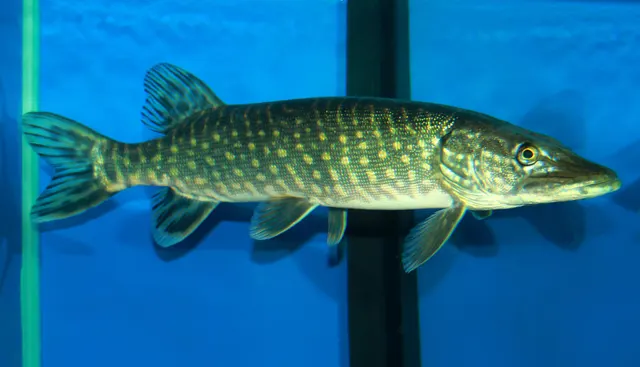 Northern pikeCharacteristic of this water6 placesWindermere, Esthwaite Water, Ullswater, Coniston Water and 2 moreOver lakeAround Jan–Mar, Oct–Dec
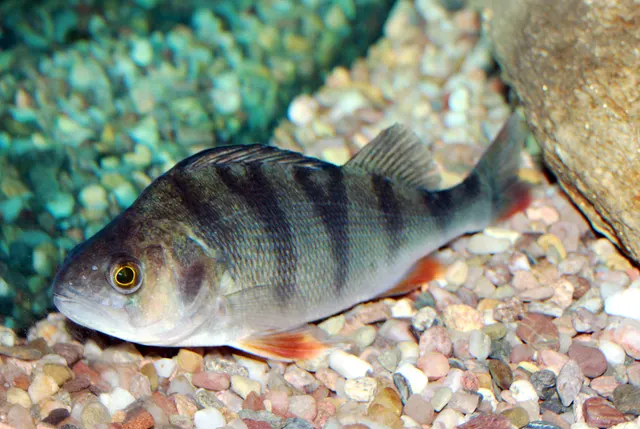 European perchRegular local target6 placesWindermere, Ullswater, Coniston Water, Bassenthwaite Lake and 2 moreOver lake
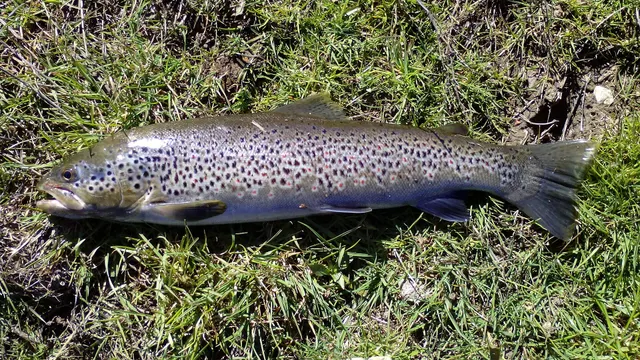 Brown troutRegular local target3 placesWindermere, Ullswater, Coniston WaterOver lake
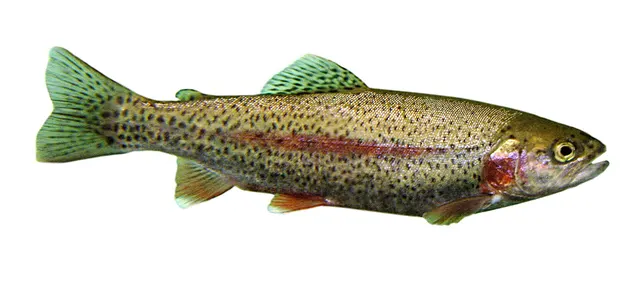 Rainbow troutRegular local target1 placeEsthwaite WaterOver lake
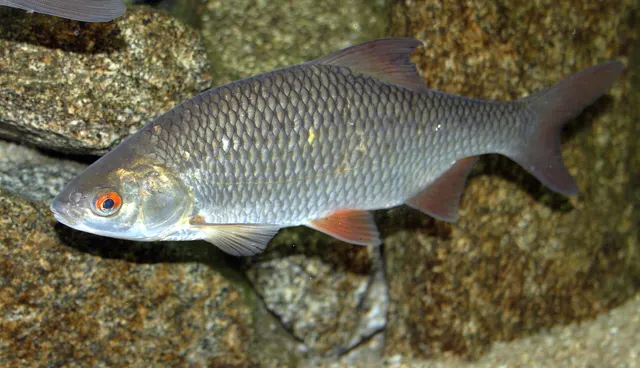 RoachRepeatedly reported2 placesBassenthwaite Lake, Esthwaite WaterOver lake
From a boat · 6
- Northern pikeCharacteristic of this water6 placesWindermere, Esthwaite Water, Ullswater, Coniston Water and 2 moreOver lakeAround Jan–Mar, Oct–Dec
- European perchRegular local target4 placesWindermere, Ullswater, Coniston Water, Derwent WaterOver lake
- Brown troutRegular local target2 placesWindermere, UllswaterOver lake
- Rainbow troutRegular local target1 placeEsthwaite WaterOver lake
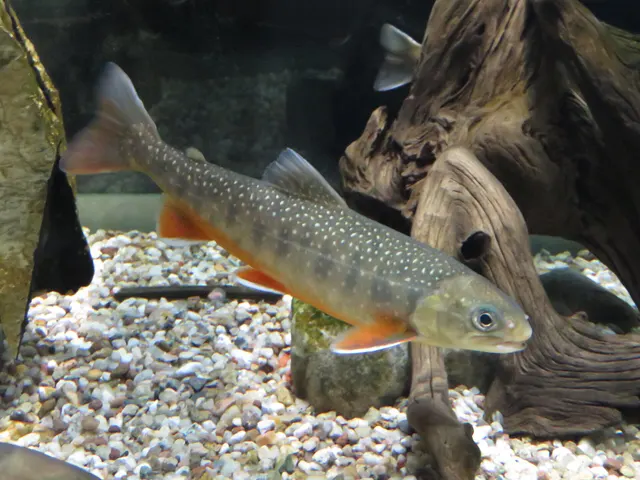 Arctic charSeasonal3 placesWindermere, Ullswater, Coniston WaterOver lakeAround Apr–Jun
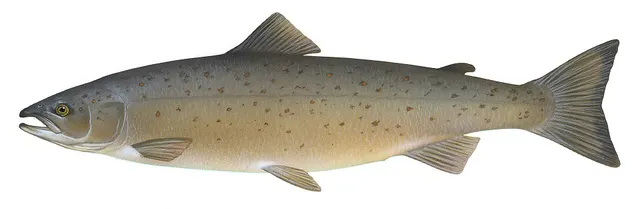 Atlantic salmonRecorded here1 placeWindermereOver lake
Fly fishing · 2
What these strengths mean
- Characteristic of this water
- This water is strongly identified with this species by the sources that cover it.
- Regular local target
- Fishing sources describe this as a normal local target here, not merely as caught.
- Seasonal
- Well supported, and concentrated in part of the year rather than spread through it.
- Repeatedly reported
- Several independent public accounts. Enough to say it happens more than once; not enough to call it a fishery.
- Recorded here
- At least one credible public account of this species being caught here. That is all it means.
- How breadth is counted
- A fish documented at six marks is shown as six marks: breadth never raises the strength on its own. A fishery account describes the fishing; a recorded catch reports one specific catch. How evidence is weighed.
How people fish here
5 methods are recorded on the places documented here, counted from the records themselves rather than from what is practised in the country. Each opens a full guide to the technique.
Deadbaiting
Recorded at 6 places here, over lake.
Presenting a dead fish as bait for predators — a method that works because scavenging is normal predator behaviour, not an exception.
Documented on the same ground: Northern pike, Brown trout, European perch, Rainbow trout, Arctic char, Roach.
Float fishing
Recorded at 4 places here, over lake.
Suspending a bait at a controlled depth beneath a buoyant indicator — the most visual, most controllable and most widely applicable method in angling.
Documented on the same ground: Northern pike, Brown trout, European perch, Rainbow trout, Arctic char, Roach.
Spinning
Recorded at 3 places here, over lake.
Casting an artificial lure and retrieving it so that it moves like something alive — the most direct form of lure fishing.
Documented on the same ground: Northern pike, European perch, Rainbow trout, Roach, Brown trout.
Stillwater fly fishing
Recorded at 3 places here, over lake.
Fly fishing without current, where the angler supplies every movement and the problem becomes finding fish rather than presenting to them.
Documented on the same ground: Northern pike, Brown trout, European perch, Arctic char, Atlantic salmon.
Trolling
Recorded at 3 places here, over lake.
Towing lures or baits behind a moving boat to cover large volumes of water and locate scattered fish.
Documented on the same ground: Northern pike, Brown trout, European perch, Arctic char, Atlantic salmon.
These are the methods documented at the places FishingHQ holds here. A species listed beside a method is documented on the same ground, which is not the same as being taken that way — where a source establishes the method a fish was caught on, it is stated on that place’s own page. All fishing methods.
What dominates
Fly fishing for wild brown trout, from bank and boat, which is the traditional discipline of these waters. Boat fishing, including traditional deep trolling and drift methods for charr, which are a specialism of a few of these lakes and are heavily constrained. Predator fishing for pike, which the larger lakes hold at real size, by lure, deadbait and fly. Perch fishing, which is a genuine and underrated fishery here. Coarse fishing on the more enriched lower waters. River fishing for trout, sea trout and salmon in the connected systems. Float tube and small-craft fishing where permitted, which is not everywhere.
The water available
Deep cold glacial lakes with strong summer stratification; shallow enriched lowland lakes; steep stony spate becks; connected lowland rivers running to the Irish Sea; upland tarns; and the soft deep basins in which the relict fish populations live.
How the rules are structured
Freshwater angling in England requires a current Environment Agency rod licence, and that is separate from permission, which comes from whoever holds the fishing rights — and in the Lake District that is a mix of private owners, the National Trust, angling associations and local arrangements that differ lake by lake. Statutory close seasons apply and differ between coarse fish, trout and migratory salmonids. Specific protections apply to the rare species: vendace, schelly and Arctic charr populations are subject to conservation measures and, in some waters, to restrictions on methods, seasons or targeting altogether. National park and world heritage designations, and the conservation designations on individual lakes, constrain access, launching, vehicles and disturbance independently of fisheries rules. Biosecurity obligations are unusually important here, because introduced fish species are among the direct causes of the relict fishes' decline. FishingHQ does not state what any current rule is.
Who to ask
- The Environment Agency, for rod licences, byelaws, close seasons and fisheries enforcement in England.
- The owner of the fishing rights on a given water — private, National Trust, angling association or other — which is a separate permission from the licence and differs lake by lake.
- Natural England and the site management body, where a conservation designation constrains access, launching or activity.
- The Lake District National Park Authority, for access, launching and vehicle constraints across the park.
- The GB Non-Native Species Secretariat, for biosecurity practice on waters where introduced species are a direct conservation threat.
Words you will meet
- Charr
- Arctic charr, a deep-water salmonid isolated in a few of these lakes since the ice retreated. Local charr fisheries developed traditional deep trolling methods with distinctive tackle, and the fish has been a Lakeland delicacy for centuries. It is now a fish of conservation concern and what may be done about it is a question for the current rules.
- Schelly
- The local name for the whitefish found in a small number of Cumbrian lakes and effectively nowhere else in England. It is a shoaling, plankton-feeding, cold-water fish of the open lake, and its rarity makes it a conservation subject rather than a fish people target.
- Thermocline
- The sharp boundary in a stratified lake between the warm surface layer and the cold deep water beneath. In summer it determines where a cold-water fish can physically be, and finding it is the whole of the problem in fishing a deep lake in July.
- Tarn
- A small upland lake, generally in a glacial hollow high in the fells. Tarns are cold, nutrient-poor, frequently hold small wild trout, and are a quite different fishery from the big ribbon lakes below them.
Conditions and hazards
These lakes are cold, deep and steep-sided, and the two things that go wrong are immersion and weather. Deep water is cold all year regardless of the surface temperature, so cold water shock is the operative risk on immersion in August as much as in February — and a lake that is pleasant to swim in at the edge has cold water a few metres out and a few metres down. The shores shelve steeply in many places, so there is little shallow margin. Wind funnels down the valleys and accelerates along the length of the lakes, which are aligned with the valleys: a lake that is flat at launch can become unworkable within the hour, and the fetch along a long lake builds a short steep sea quickly. Small craft, float tubes and boats are exposed to that, and the shore under the lee may be a steep fellside with nowhere to land. Upland weather changes faster than visitors expect and mobile coverage is poor in many valleys. Becks and rivers rise very fast in spate — this is one of the wettest parts of England — and a stream that was ankle deep on the walk in can be impassable on the walk out. A buoyancy aid worn afloat, a genuine wind plan with a landing shore, telling somebody the plan, and treating a rising beck as a reason to change the route are the measures that address it.
Ice Age fish in a warming lake: what is actually squeezing them
The relict fishes of these lakes are the most interesting thing about them and the mechanism threatening them is worth understanding properly, because it is not the one people assume.
HOW THEY GOT HERE. As the ice retreated, cold-adapted fishes colonised the meltwater lakes. The lakes then warmed at the surface and became isolated from each other and from the sea. The fish that needed cold water retreated into the deep basins and stayed there, and have been separated from every other population ever since — long enough that different lakes hold genetically distinct stocks of the same species.
WHAT A STRATIFIED LAKE DOES IN SUMMER. Sun warms the surface. Warm water is less dense than cold water and floats on it. By midsummer a deep lake is layered: a warm, well-lit, well-oxygenated surface layer; a sharp boundary, the thermocline; and beneath it a cold, dark, unmixed deep layer. Nothing crosses that boundary easily, including oxygen from the air.
WHERE THE FISH HAS TO BE. A charr, a schelly or a vendace cannot tolerate the summer surface temperature. It must be below the thermocline. It has no choice.
AND HERE IS THE SQUEEZE. Nutrients washing into the lake from the catchment — from agriculture, from sewage, from the sheer number of people in a national park — drive algal growth in the surface layer. That algae dies and sinks through the thermocline, and decomposing it consumes the oxygen in the deep layer, which cannot be replenished until the lake mixes again in autumn. So the deep water loses oxygen exactly during the months the fish is confined to it. The fish is caught between water that is too warm above and water it cannot breathe below.
WARMING TIGHTENS IT EVERY DECADE. A warmer climate means the surface layer is warmer, the stratification is stronger, and it lasts longer into the year. The habitable band gets narrower and the period of confinement gets longer.
INTRODUCED FISH MADE IT WORSE. Roach and ruffe introduced into some of these lakes, largely as live bait, eat the eggs of the relict fishes and compete with their young. That is a direct human cause and it is why biosecurity here is not a formality.
WHAT THIS MEANS FOR AN ANGLER. Not that fishing caused it — it did not, on any serious reading. But that these fish are genuinely fragile, that some of them are protected, that never moving live fish or water between waters is a real conservation act rather than a box to tick, and that the honest description of a charr fishery today is a heavily constrained one.
Backed by research — why, and the sources (4)
Supported by peer-reviewed research or fisheries science. The sources are listed and can be checked.
- Freshwater Fishes of the British Isles — HarperCollins (New Naturalist 75), 1992 (Reference work)Relied on for: Distribution, ecology and conservation status of British freshwater fishes, including the glacial-relict populations named.States this directlyCitation checked — the work exists and is described correctly
- Environment Agency fisheries management, byelaws and rod licensing information — Environment Agency (Government fisheries body)Relied on for: Freshwater fisheries management, water quality recovery, licensing structure and the monitoring of English rivers and still waters.States this directlyCitation checked — the work exists and is described correctly
- JNCC species and habitat conservation advice — Joint Nature Conservation Committee (Conservation authority)Relied on for: Designation, habitat description and conservation status of the marine, coastal and freshwater habitats named.States this directlyCitation checked — the work exists and is described correctly
- The Fishes of the British Isles and North-West Europe — Macmillan, 1969 (Reference work)Relied on for: Distribution, habitat association and biology of the fishes of the British Isles named here.States this directlyCitation checked — the work exists and is described correctly
Fishing a deep cold lake: finding the layer
The practical problem on these waters through the summer is vertical rather than horizontal, and it is a problem most English still-water anglers never have to solve.
THE FISH ARE AT A DEPTH, NOT AT A PLACE. In a stratified lake, temperature and oxygen decide where a species can be, and that is a horizontal band rather than a spot. A trout, a charr or a pike is at the depth that suits it, and covering the wrong depth over the right ground catches nothing.
WHICH DEPTH DEPENDS ON THE SPECIES AND THE MONTH. Early in the season, before stratification sets in, the lake is mixed and fish are distributed by food and structure as they would be anywhere. Through high summer the thermocline forms and the cold-water species drop below it while the warmer-tolerant species stay above. In autumn the lake cools, the layers break down and mix, and the whole population redistributes.
THAT IS WHY TRADITIONAL LAKE FISHING HERE WAS TROLLING. The old charr fisheries of these lakes used deep trolling with heavy lines and distinctive local tackle for exactly this reason: it is a way of searching a depth over distance. The methods were local, they were specific, and they were built around the physics of a stratified lake long before anybody used that phrase.
STRUCTURE STILL MATTERS, AT THE RIGHT DEPTH. Drop-offs, the mouths of inflowing becks, weed edges, points and shallow bays are where food concentrates. The productive water is the intersection: the right structure at the depth the species can occupy.
THE BECK MOUTHS ARE THE EXCEPTION THAT PROVES IT. An inflowing stream brings cold, oxygenated water and food into the lake, which is why beck mouths fish disproportionately well in high summer — they are a local repair of the exact problem stratification creates.
AND THE UPLAND TARNS INVERT THE PROBLEM. Small, shallow, cold, nutrient-poor and unstratified, they hold small wild trout that are distributed by wind, food and light rather than by temperature. They are a different kind of fishing entirely and they are on the same mountain.
What experienced anglers do — why, and the sources (4)
Widely and independently recommended by experienced anglers and specialist sources. This is real angling knowledge, not proof: controlled evidence for it is limited, and FishingHQ records it as convention rather than as a demonstrated effect.
- Fishers' Craft and Lettered Art: Tracts on Fishing from the End of the Middle Ages — University of Toronto Press, 1997 (Scientific literature)Relied on for: That fishing traditions develop around the water and fish available to them, and the historical method of reading such traditions.States this directlyCitation checked — the work exists and is described correctly
- General angling website restatements of established technique — Various (Credible secondary source)Relied on for: Widely restated descriptions of regional angling practice, recorded as practitioner consensus rather than as scholarship.Background and mechanism onlyCitation checked — the work exists and is described correctly
- Freshwater Fishes of the British Isles — HarperCollins (New Naturalist 75), 1992 (Reference work)Relied on for: Distribution, ecology and conservation status of British freshwater fishes, including the glacial-relict populations named.States this directlyCitation checked — the work exists and is described correctly
- Environment Agency fisheries management, byelaws and rod licensing information — Environment Agency (Government fisheries body)Relied on for: Freshwater fisheries management, water quality recovery, licensing structure and the monitoring of English rivers and still waters.States this directlyCitation checked — the work exists and is described correctly
Cold water under a warm surface, and wind down a valley
The Lake District's safety problems are the ones that come with deep water in mountains, and both are underestimated because the setting is a holiday one.
THE SURFACE TEMPERATURE IS A LIE ABOUT THE LAKE. On a warm August day the top metre of a big Lakeland lake is pleasant. A few metres down it is cold, and a few metres out from a steep shore it is deep. Somebody who goes in — from a boat, off a rock, off a steep bank — is in cold water immediately, and cold water shock takes breathing control in the first seconds. That is what determines the outcome, not how well the person swims. These lakes have a long record of drownings in summer.
THE SHORES SHELVE STEEPLY IN MANY PLACES, so there is often no shallow margin to stand up in and no easy exit onto a bank that may be rock or steep fellside.
THE WIND RUNS DOWN THE VALLEY AND ALONG THE LAKE. These lakes sit in glacial troughs and are aligned with them, so wind is channelled along their length and accelerates. That gives a long fetch in the direction the wind is already strongest, and a short steep sea builds quickly on water that was flat an hour earlier. For a boat, a float tube or a kayak, the escape shore may be a steep fellside with nowhere to land.
THE WEATHER CHANGES FASTER THAN VISITORS EXPECT and mobile coverage is poor in many of the valleys. A plan that depends on being able to call for help may not work where you are.
AND THE BECKS RISE VERY FAST. This is among the wettest parts of England. A stony beck that was ankle-deep on the walk in can be genuinely impassable a few hours later, and people are caught out by that on the way back rather than on the way out.
WHAT ADDRESSES IT is ordinary and specific: a buoyancy aid worn on any craft including a float tube, a wind plan with a named landing shore and a turnaround time, telling somebody the water and the return time, and treating a rising beck as a reason to change the route rather than a thing to wade.
What experienced anglers do — why, and the sources (4)
Widely and independently recommended by experienced anglers and specialist sources. This is real angling knowledge, not proof: controlled evidence for it is limited, and FishingHQ records it as convention rather than as a demonstrated effect.
- RNLI water safety guidance: cold water shock and Float to Live — Royal National Lifeboat Institution (Water-safety or diver-training authority)Relied on for: Cold water shock and the immersion response, tidal cut-off, and water-safety guidance for shore anglers and small-craft users.States this directlyPassage read and verified
- Met Office shipping forecast, inshore waters forecast and marine warnings — Met Office, United Kingdom (Government fisheries body)Relied on for: That inshore waters forecasts, sea state and swell are the operative inputs for shore and small-craft decisions in these waters.States this directlyCitation checked — the work exists and is described correctly
- Fishers' Craft and Lettered Art: Tracts on Fishing from the End of the Middle Ages — University of Toronto Press, 1997 (Scientific literature)Relied on for: That fishing traditions develop around the water and fish available to them, and the historical method of reading such traditions.States this directlyCitation checked — the work exists and is described correctly
- General angling website restatements of established technique — Various (Credible secondary source)Relied on for: Widely restated descriptions of regional angling practice, recorded as practitioner consensus rather than as scholarship.Background and mechanism onlyCitation checked — the work exists and is described correctly
A warm skin on cold water, and wind with a valley to run down
These lakes present two hazards that are both consequences of the same fact — they are deep, narrow trenches cut into an upland dome — and both are actively disguised by how pleasant the surface is.
THE FIRST IS THAT THE WARM WATER IS A SKIN. Through summer a deep lake stratifies: the sun warms a surface layer, that layer floats on the cold water beneath because warm water is less dense, and between them sits a thermocline that can be sharp enough to feel with a hand. The surface can be genuinely pleasant. A metre or two down it is not, and a few metres out from a steep shore the shallow margin has already gone.
SO SUMMER IMMERSION HERE IS COLD-WATER IMMERSION. The involuntary gasp, the loss of breathing control, the inability to hold breath or to swim in the first thirty seconds — all of it happens in August in these lakes, and it happens to people who a moment earlier were in comfortable water. This is the specific mechanism behind a large share of inland drownings in Britain, and it is why "the water was lovely" appears in so many accounts of them. Treat these lakes as cold water in every month, because below the skin they are.
THE SECOND IS THAT THE VALLEY IS A WIND TUNNEL. A ribbon lake lies along a valley, and a valley channels air along its length and accelerates it. The regional forecast describes a large area; it does not describe what a specific valley will do to the wind inside it. A lake that was flat at launch develops a short steep sea within the hour, built along a fetch that runs the whole length of the water, and the shore under the lee may be a steep fellside with nowhere to land a boat, a kayak or a float tube.
THOSE TWO COMBINE INTO ONE SEQUENCE, and it is the sequence rather than either half that matters: a craft that cannot make ground against a valley wind, on a lake with no landing shore under the lee, over cold deep water, with a person who will lose breathing control in the first seconds if they go in. Each element alone is manageable. Together they are the accident.
WHAT ACTUALLY HELPS AFLOAT. A buoyancy aid worn on any craft including a float tube. A turnaround time and a NAMED landing shore fixed before launching rather than chosen afterwards. Going in early when the wind starts, rather than after it has built, because it builds faster than a paddled or rowed craft can respond to. And not fishing alone from a boat.
AND THE THIRD HAZARD IS ON THE WALK. Upland waters here are reached on foot, mobile coverage is poor in many valleys, weather changes faster than visitors expect, and this is one of the wettest parts of England — stony becks rise very fast. A crossing that was trivial on the way in can be impassable on the way out, and a rising beck is a reason to change the route rather than a thing to wade. Tell somebody the water and the return time, carry a light and warm layers, and check the current forecast for the valley rather than the region.
Official guidance — why, and the sources (3)
Stated by a fisheries authority, scientific institute or recognised angling body. Authoritative, but summarising rather than demonstrating.
- RNLI water safety guidance: cold water shock and Float to Live — Royal National Lifeboat Institution (Water-safety or diver-training authority)Relied on for: Cold water shock and the immersion response, tidal cut-off, and water-safety guidance for shore anglers and small-craft users.States this directlyPassage read and verified
- Met Office shipping forecast, inshore waters forecast and marine warnings — Met Office, United Kingdom (Government fisheries body)Relied on for: That inshore waters forecasts, sea state, swell and wind are the operative inputs for shore and small-craft decisions, and the spatial resolution at which those forecasts are issued.States this directlyCitation checked — the work exists and is described correctly
- RoSPA water safety information and UK accidental drowning statistics — Royal Society for the Prevention of Accidents (Water-safety or diver-training authority)Relied on for: UK accidental drowning statistics and water-safety guidance, including the proportion of drownings that begin with no intention of entering the water.States this directlyPassage read and verified
Some of what lives here
Fish recorded here that FishingHQ holds a reviewed photograph of. It is not a complete list of what The Lake District lakes holds, and it is not a prediction that you will catch any of them — it is a way in to the ones we can show you.
- Arctic charThe most northerly freshwater fish in the world, a cold-demanding char with brilliant orange-red spawning bellies and highly distinct landlocked populations.
Xepheid — CC BY-SA 4.0, via Wikimedia Commons
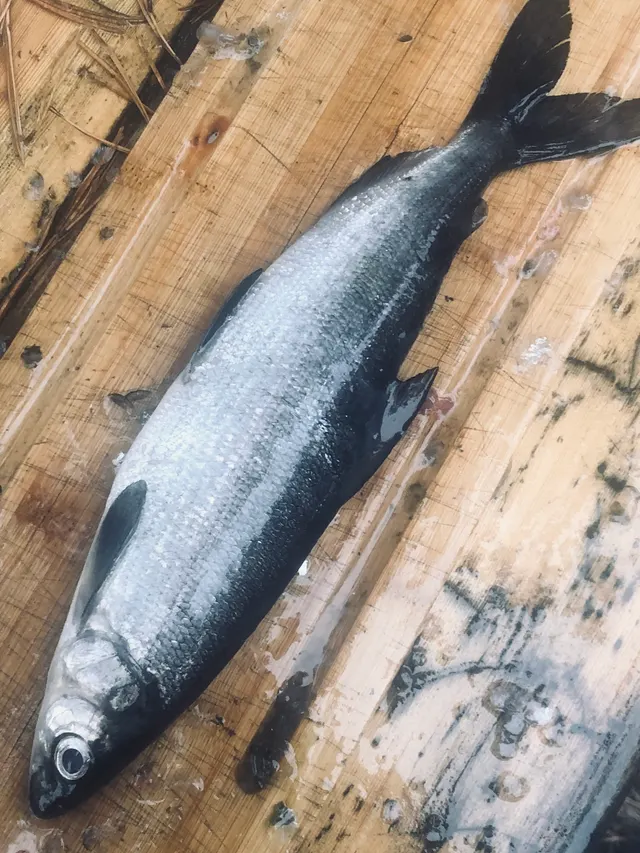 Common whitefishThe Alpine and northern lake fish that carries a different name in every country it lives in — powan, schelly, gwyniad, felchen, renke — and one of the few European species fished with a purpose-built rig of its own.
Vladislav Isaev — CC BY, via iNaturalist
- Brown troutA single, extraordinarily plastic species that appears as a tiny hill-stream fish, a deep-bodied loch trout and a silver sea-run migrant — all the same animal.
Robermix, CC0, via Wikimedia Commons
- Northern pikeThe dominant freshwater ambush predator of the northern hemisphere: long, cryptic, and built for one violent acceleration rather than pursuit.
Karelj, Public domain, via Wikimedia Commons
- European perchA small, shoaling, spiny-finned predator that is both the most accessible predator to catch and the one most anglers first learn on.
Karelj, Public domain, via Wikimedia Commons
- Atlantic salmonAn anadromous salmonid that migrates from its natal river to the North Atlantic and returns to spawn — and a species in serious, well-documented decline.
Knepp, Timothy, Public domain, via Wikimedia Commons
Places within this area
Publicly documented fishing geography. FishingHQ describes what the ground is; it does not say whether you may fish it, and every one of these sends that question to the body that holds the answer. Browse every place in this part of the world.
Who to ask before fishing any of these
FishingHQ does not know the current access position here. Freshwater rod fishing in England requires a current rod licence AND separate permission from whoever controls the fishing, which is frequently a club, riparian owner or navigation authority rather than a public body. Close seasons, byelaws and local rules apply and change. Check with the Environment Agency and with the controlling club or owner before going.
Windermere
Lake · Fresh water
England's largest natural lake: a ribbon lake gouged by ice into a north–south glacial trough, seventeen kilometres long, with two basins separated by a shallow sill and islands, rocky shores and deep cold water.
The valley funnels wind along the lake's axis, so the fetch is the full length and squalls run down it. Sheltered from cross-winds by the fells either side.
Particular to this ground: cold water shock, boat safety, biosecurity and disease transfer.
Particular to this water: This ground carries conservation designations that constrain access, vehicles, bait collection and disturbance independently of any fishing rule.
Ullswater
Lake · Fresh water
A long, deep, zig-zag glacial ribbon lake with steep sides and three distinct basins, cold at depth year-round and holding a schelly population found in only a handful of lakes.
Severe hazards of The Lake District lakes apply here: cold water shock, boat safety.
Coniston Water
Lake · Fresh water
A straight, deep, north-south ribbon lake beneath the Old Man of Coniston, with steep sides, a deep central trough and a long fetch along its axis.
Severe hazards of The Lake District lakes apply here: cold water shock, boat safety.
Bassenthwaite Lake
Lake · Fresh water
A shallow, silt-floored lake at the northern end of the Derwent system, the only water in the district actually called a lake, with a vendace population of national importance.
Severe hazards of The Lake District lakes apply here: cold water shock, boat safety.
Derwent Water
Lake · Fresh water
A broad, shallow, island-studded lake in a wide glacial trough, with soft margins, extensive shallow bays and a much gentler profile than the district's ribbon lakes.
Severe hazards of The Lake District lakes apply here: cold water shock, boat safety.
Esthwaite Water
Lake · Fresh water
A small, shallow, unusually fertile lowland lake between Windermere and Coniston, one of the most studied lakes in Britain and rich in weed and coarse fish.
Severe hazards of The Lake District lakes apply here: cold water shock, boat safety.
Safety
Cold water shock — Can cause serious injury or death
A warm surface layer sits on cold deep water. Immersion in summer is immersion in cold water, and the involuntary gasp and loss of breathing control in the first seconds decide the outcome. Steep shores mean there is frequently no shallow margin to stand up in.
What reduces it: Wear a buoyancy aid on any craft including a float tube, do not fish alone from a boat, and treat these lakes as cold water in every month because below the surface they are.
Worse when:
- In summer, when the warm surface makes the lake feel safe.
- Off steep-shelving shores, where deep cold water begins within a metre or two of the bank.
Boat safety — Can cause serious injury or death
Wind is channelled along the valleys and therefore along the lakes, accelerating and building a short steep sea over a long fetch in the space of an hour. The shore under the lee may be steep fellside with nowhere to land a craft.
What reduces it: Plan for the valley's wind rather than the regional forecast, fix a turnaround time and a named landing shore before launching, and go in early when the wind starts rather than after it has built.
Worse when:
- On the long lakes, where the fetch along the length is greatest.
- In a float tube or kayak, which have the least ability to make ground against wind.
Fishing alone — Can cause injury needing treatment
Upland waters are reached on foot across ground with poor mobile coverage, weather changes quickly, and stony becks rise very fast in this catchment — a crossing that was trivial on the walk in can be impassable on the walk out.
What reduces it: Tell somebody the water and the return time, carry a light and warm layers, and treat a rising beck as a reason to change the route rather than a thing to wade.
Check the rules before you fish
Fishing laws, bylaws, access rules, seasons, bait restrictions and permitted methods vary by location and can change. Check the current rules from the relevant authority and the water you intend to fish before fishing.
Check with:
- Current national or regional law for where you are fishing
- Current local bylaws
- The relevant fisheries authority
- The landowner, club or fishery whose water it is
- Any restrictions specific to the species or the method you intend to use
Where to go next
What swims here
- Arctic charIsolated in the deep cold basins of a handful of these lakes since the ice retreated, and among very few English populations. Confined below the summer thermocline and squeezed between warming surface water and deoxygenated deep water; a fish of conservation concern rather than a fish people generally target.
- Atlantic salmonIn the river systems connecting these lakes to the Irish Sea, passing through some of them on migration. The lakes themselves are a corridor rather than the fishery.
- Brown troutWild throughout the system, from the big ribbon lakes down to the high tarns and up the spate becks, and the fish most people here are actually fishing for.
- Common whitefishThe schelly of the Cumbrian lakes: a shoaling, plankton-feeding, cold-water whitefish found in England in only a small number of these waters and effectively nowhere else. Its rarity makes it a conservation subject rather than a fish people target.
- European perchIn numbers through the larger lakes, around drop-offs, weed edges and structure, and a genuinely underrated fishery in these waters.
- Northern pikeIn the larger and more productive lakes, where the depth, the prey shoals and the long growing history produce fish of real size.
- VendaceEngland's rarest freshwater fish, historically in only a few of these lakes and now in fewer. It is the clearest single illustration of the squeeze this page describes, and introduced fish eating its eggs are a direct human cause of its decline.
How this compares
- Loch LomondTwo British glacial lake systems holding relict fishes. Loch Lomond has powan; the Lake District has charr, schelly and vendace. The isolation mechanism is the same and the pressures on it are the same.
- The English trout reservoirsDeep stratified lakes fished the same way for different fish under opposite management: one artificial, nutrient-rich and stocked, the other glacial, nutrient-poor and holding relict populations of real conservation importance. The physics of the thermocline is identical in both.
Environment and conservation
- Climate change and shifting fish distributionsWarming strengthens and lengthens summer stratification, which narrows the habitable band for a cold-water fish confined below the thermocline. These lakes are where that mechanism is visible in England.
- Invasive species and biosecurityRoach and ruffe introduced into some of these lakes, largely as live bait, eat the eggs of the relict fishes and compete with their young. That is a direct human cause of the decline of England's rarest freshwater fish.
Sources and evidence
- Freshwater Fishes of the British Isles — HarperCollins (New Naturalist 75), 1992 (Reference work)Relied on for: Distribution, ecology and conservation status of British freshwater fishes, including the glacial-relict populations named.States this directlyCitation checked — the work exists and is described correctly
- Environment Agency fisheries management, byelaws and rod licensing information — Environment Agency (Government fisheries body)Relied on for: Freshwater fisheries management, water quality recovery, licensing structure and the monitoring of English rivers and still waters.States this directlyCitation checked — the work exists and is described correctly
- JNCC species and habitat conservation advice — Joint Nature Conservation Committee (Conservation authority)Relied on for: Designation, habitat description and conservation status of the marine, coastal and freshwater habitats named.States this directlyCitation checked — the work exists and is described correctly
- The Fishes of the British Isles and North-West Europe — Macmillan, 1969 (Reference work)Relied on for: Distribution, habitat association and biology of the fishes of the British Isles named here.States this directlyCitation checked — the work exists and is described correctly
- RNLI water safety guidance: cold water shock and Float to Live — Royal National Lifeboat Institution (Water-safety or diver-training authority)Relied on for: Cold water shock and the immersion response, tidal cut-off, and water-safety guidance for shore anglers and small-craft users.States this directlyPassage read and verified
- Met Office shipping forecast, inshore waters forecast and marine warnings — Met Office, United Kingdom (Government fisheries body)Relied on for: That inshore waters forecasts, sea state and swell are the operative inputs for shore and small-craft decisions in these waters.States this directlyCitation checked — the work exists and is described correctly
Why the 13 connections on this page are here, and the sources
What swims here
Backed by research — 7 connections
Supported by peer-reviewed research or fisheries science. The sources are listed and can be checked.
Arctic char
A claim that a place contains the ground, water and seasonal conditions the species is associated with. It is a distributional statement about the world, it rests on the regional reference literature, and it deliberately asserts nothing about access, permission or catch.
- Freshwater Fishes of the British Isles — HarperCollins (New Naturalist 75), 1992 (Reference work)Relied on for: Distribution, habitat and conservation status of British freshwater fishes, including the isolated glacial-relict populations of northern England.States this directlyCitation checked — the work exists and is described correctly
- Environment Agency fisheries management, byelaws and rod licensing information — Environment Agency (Government fisheries body)Relied on for: Fisheries monitoring, water quality and species distribution in English rivers and still waters.States this directlyCitation checked — the work exists and is described correctly
Atlantic salmon
A claim that a place contains the ground, water and seasonal conditions the species is associated with. It is a distributional statement about the world, it rests on the regional reference literature, and it deliberately asserts nothing about access, permission or catch.
- Freshwater Fishes of the British Isles — HarperCollins (New Naturalist 75), 1992 (Reference work)Relied on for: Distribution, habitat and conservation status of British freshwater fishes, including the isolated glacial-relict populations of northern England.States this directlyCitation checked — the work exists and is described correctly
- Environment Agency fisheries management, byelaws and rod licensing information — Environment Agency (Government fisheries body)Relied on for: Fisheries monitoring, water quality and species distribution in English rivers and still waters.States this directlyCitation checked — the work exists and is described correctly
Brown trout
A claim that a place contains the ground, water and seasonal conditions the species is associated with. It is a distributional statement about the world, it rests on the regional reference literature, and it deliberately asserts nothing about access, permission or catch.
- Freshwater Fishes of the British Isles — HarperCollins (New Naturalist 75), 1992 (Reference work)Relied on for: Distribution, habitat and conservation status of British freshwater fishes, including the isolated glacial-relict populations of northern England.States this directlyCitation checked — the work exists and is described correctly
- Environment Agency fisheries management, byelaws and rod licensing information — Environment Agency (Government fisheries body)Relied on for: Fisheries monitoring, water quality and species distribution in English rivers and still waters.States this directlyCitation checked — the work exists and is described correctly
Common whitefish
A claim that a place contains the ground, water and seasonal conditions the species is associated with. It is a distributional statement about the world, it rests on the regional reference literature, and it deliberately asserts nothing about access, permission or catch.
- Freshwater Fishes of the British Isles — HarperCollins (New Naturalist 75), 1992 (Reference work)Relied on for: Distribution, habitat and conservation status of British freshwater fishes, including the isolated glacial-relict populations of northern England.States this directlyCitation checked — the work exists and is described correctly
- Environment Agency fisheries management, byelaws and rod licensing information — Environment Agency (Government fisheries body)Relied on for: Fisheries monitoring, water quality and species distribution in English rivers and still waters.States this directlyCitation checked — the work exists and is described correctly
European perch
A claim that a place contains the ground, water and seasonal conditions the species is associated with. It is a distributional statement about the world, it rests on the regional reference literature, and it deliberately asserts nothing about access, permission or catch.
- Freshwater Fishes of the British Isles — HarperCollins (New Naturalist 75), 1992 (Reference work)Relied on for: Distribution, habitat and conservation status of British freshwater fishes, including the isolated glacial-relict populations of northern England.States this directlyCitation checked — the work exists and is described correctly
- Environment Agency fisheries management, byelaws and rod licensing information — Environment Agency (Government fisheries body)Relied on for: Fisheries monitoring, water quality and species distribution in English rivers and still waters.States this directlyCitation checked — the work exists and is described correctly
Northern pike
A claim that a place contains the ground, water and seasonal conditions the species is associated with. It is a distributional statement about the world, it rests on the regional reference literature, and it deliberately asserts nothing about access, permission or catch.
- Freshwater Fishes of the British Isles — HarperCollins (New Naturalist 75), 1992 (Reference work)Relied on for: Distribution, habitat and conservation status of British freshwater fishes, including the isolated glacial-relict populations of northern England.States this directlyCitation checked — the work exists and is described correctly
- Environment Agency fisheries management, byelaws and rod licensing information — Environment Agency (Government fisheries body)Relied on for: Fisheries monitoring, water quality and species distribution in English rivers and still waters.States this directlyCitation checked — the work exists and is described correctly
Vendace
A claim that a place contains the ground, water and seasonal conditions the species is associated with. It is a distributional statement about the world, it rests on the regional reference literature, and it deliberately asserts nothing about access, permission or catch.
- Freshwater Fishes of the British Isles — HarperCollins (New Naturalist 75), 1992 (Reference work)Relied on for: Distribution, habitat and conservation status of British freshwater fishes, including the isolated glacial-relict populations of northern England.States this directlyCitation checked — the work exists and is described correctly
- Environment Agency fisheries management, byelaws and rod licensing information — Environment Agency (Government fisheries body)Relied on for: Fisheries monitoring, water quality and species distribution in English rivers and still waters.States this directlyCitation checked — the work exists and is described correctly
How people fish here
What experienced anglers do — 2 connections
Widely and independently recommended by experienced anglers and specialist sources. This is real angling knowledge, not proof: controlled evidence for it is limited, and FishingHQ records it as convention rather than as a demonstrated effect.
Fly fishing
A claim about angling convention rather than about the world: that this place sits within this branch of fishing, which drives the information architecture as well as the page. It rests on independent practitioner description.
- General angling website restatements of established technique — Various (Credible secondary source)Relied on for: Widely restated descriptions of which practices are conventionally used on the waters named, recorded as practitioner consensus rather than as scholarship.Background and mechanism onlyCitation checked — the work exists and is described correctly
- Coarse Fishing — A. & C. Black, 1912 (Specialist angling publication)Relied on for: Established description of English coarse fishing practice on large lowland rivers and still waters.FishingHQ's interpretation of what it saysCitation checked — the work exists and is described correctly
Predator fishing
A claim about angling convention rather than about the world: that this place sits within this branch of fishing, which drives the information architecture as well as the page. It rests on independent practitioner description.
- General angling website restatements of established technique — Various (Credible secondary source)Relied on for: Widely restated descriptions of which practices are conventionally used on the waters named, recorded as practitioner consensus rather than as scholarship.Background and mechanism onlyCitation checked — the work exists and is described correctly
- Coarse Fishing — A. & C. Black, 1912 (Specialist angling publication)Relied on for: Established description of English coarse fishing practice on large lowland rivers and still waters.FishingHQ's interpretation of what it saysCitation checked — the work exists and is described correctly
How this compares
What experienced anglers do — 2 connections
Widely and independently recommended by experienced anglers and specialist sources. This is real angling knowledge, not proof: controlled evidence for it is limited, and FishingHQ records it as convention rather than as a demonstrated effect.
Loch Lomond
A claim that two places are worth reading against one another, because a reader choosing between them or generalising from one to the other needs to know how the underlying process differs.
- General angling website restatements of established technique — Various (Credible secondary source)Relied on for: Widely restated descriptions of which practices are conventionally used in the waters named, recorded as practitioner consensus rather than as scholarship.Background and mechanism onlyCitation checked — the work exists and is described correctly
- Sea Angler — Bauer Media (Specialist angling publication)Relied on for: Long-running published description of British sea angling practice by region and by ground type.FishingHQ's interpretation of what it saysCitation checked — the work exists and is described correctly
The English trout reservoirs
A claim that two places are worth reading against one another, because a reader choosing between them or generalising from one to the other needs to know how the underlying process differs.
- General angling website restatements of established technique — Various (Credible secondary source)Relied on for: Widely restated descriptions of which practices are conventionally used in the waters named, recorded as practitioner consensus rather than as scholarship.Background and mechanism onlyCitation checked — the work exists and is described correctly
- Sea Angler — Bauer Media (Specialist angling publication)Relied on for: Long-running published description of British and Irish sea angling practice by region and by ground type.FishingHQ's interpretation of what it saysCitation checked — the work exists and is described correctly
Environment and conservation
Backed by research — 2 connections
Supported by peer-reviewed research or fisheries science. The sources are listed and can be checked.
Climate change and shifting fish distributions
A claim that a place raises a particular environmental question, resting on the scientific and conservation literature for the system rather than on angling practice.
- JNCC species and habitat conservation advice — Joint Nature Conservation Committee (Conservation authority)Relied on for: Habitat classification and description for the intertidal, coastal and freshwater habitats named, and the species characteristically associated with them.States this directlyCitation checked — the work exists and is described correctly
- Cefas science, advice and data on marine and freshwater environments — Centre for Environment, Fisheries and Aquaculture Science (Government fisheries body)Relied on for: Characterisation of UK inshore sediment, intertidal habitat and the shellfish beds associated with them.States this directlyCitation checked — the work exists and is described correctly
Invasive species and biosecurity
A claim that a place raises a particular environmental question, resting on the scientific and conservation literature for the system rather than on angling practice.
- JNCC species and habitat conservation advice — Joint Nature Conservation Committee (Conservation authority)Relied on for: Habitat classification and description for the intertidal, coastal and freshwater habitats named, and the species characteristically associated with them.States this directlyCitation checked — the work exists and is described correctly
- Cefas science, advice and data on marine and freshwater environments — Centre for Environment, Fisheries and Aquaculture Science (Government fisheries body)Relied on for: Characterisation of UK inshore sediment, intertidal habitat and the shellfish beds associated with them.States this directlyCitation checked — the work exists and is described correctly
How FishingHQ labels evidence is explained in the evidence policy.