Derwent Water
Lake · Fresh water · in The Lake District lakes
A broad, shallow, island-studded lake in a wide glacial trough, with soft margins, extensive shallow bays and a much gentler profile than the district's ribbon lakes.
Safety: cold water shock — can cause serious injury or death. One more point applies here.
FishingHQ describes what this place is, not whether you may fish it. Access, permits and who to ask.
What you can catch here
Documented at this place, grouped by how you would be fishing, with how strongly the sources support each one. This is what has been written down, not a forecast, and being listed is never permission to fish.
From the shore · 2
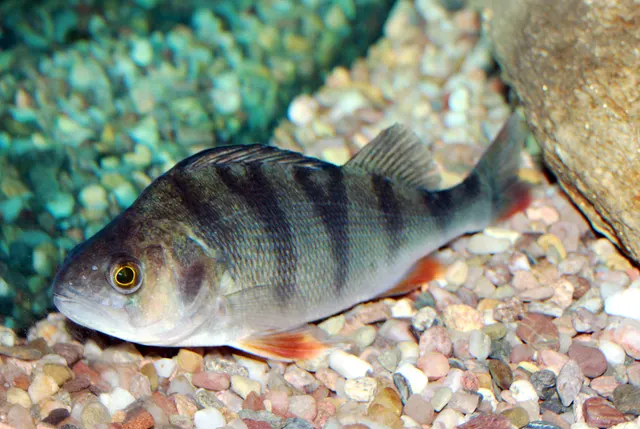
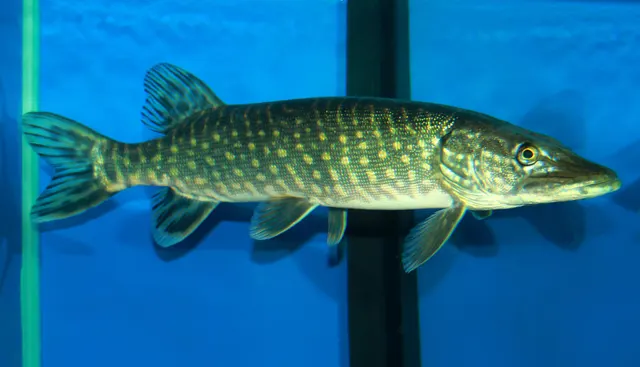
From a boat · 2
Fly fishing · 1
What these strengths mean
- Regular local target
- Fishing sources describe this as a normal local target here, not merely as caught.
- Recorded here
- At least one credible public account of this species being caught here. That is all it means.
- How breadth is counted
- A fish documented at six marks is shown as six marks: breadth never raises the strength on its own. A fishery account describes the fishing; a recorded catch reports one specific catch. How evidence is weighed.
Also associated with this ground
Recorded as present here without a documented method or strength behind them.
Recorded here, but not a species to target
These are recorded here, but they are not fish to take. Each is either assessed as Critically Endangered or protected by statute in this jurisdiction, and taking one may be prohibited outright — elsewhere every rod-caught fish must be returned. Read the species page and check the current rules with the authority before fishing.
Fish documented nearby, not here
Nothing below has been documented at Derwent Water itself. Each one has been documented at a named place on the same ground, and the places are listed with it. Treat this as what the water around here holds rather than as a catch list for this mark.
Widely documented on this ground
Documented at three or more neighbouring places, fished a way this place is also fished. That is a pattern about the ground rather than about any one mark, and it is the closest this site comes to saying you will probably meet a fish somewhere nothing has been written about.
From a boat
- Arctic char — documented at Windermere; Ullswater; Coniston Water
Also documented at neighbouring places
One or two accounts each, on the ground around here. Enough to know the fish is caught in these waters; not enough to say anything about this place.
From the shore
- Rainbow trout — documented at Esthwaite Water
- Roach — documented at Bassenthwaite Lake; Esthwaite Water
From a boat
- Rainbow trout — documented at Esthwaite Water
- Atlantic salmon — documented at Windermere
Fly fishing
- Rainbow trout — documented at Esthwaite Water
How people fish it
Practised here: Coarse fishing.
Methods the sources name for this ground. Each one is explained in full on its own page.
- Deadbaiting
Presenting a dead fish as bait for predators — a method that works because scavenging is normal predator behaviour, not an exception.
- Spinning
Casting an artificial lure and retrieving it so that it moves like something alive — the most direct form of lure fishing.
- Float fishing
Suspending a bait at a controlled depth beneath a buoyant indicator — the most visual, most controllable and most widely applicable method in angling.
The ground and the water
- The ground
- A broad, shallow, island-studded lake in a wide glacial trough, with soft margins, extensive shallow bays and a much gentler profile than the district's ribbon lakes.
Safety
Cold water shock — Can cause serious injury or death
A warm surface layer sits on cold deep water. Immersion in summer is immersion in cold water, and the involuntary gasp and loss of breathing control in the first seconds decide the outcome. Steep shores mean there is frequently no shallow margin to stand up in.
What reduces it: Wear a buoyancy aid on any craft including a float tube, do not fish alone from a boat, and treat these lakes as cold water in every month because below the surface they are.
Worse when:
- In summer, when the warm surface makes the lake feel safe.
- Off steep-shelving shores, where deep cold water begins within a metre or two of the bank.
Boat safety — Can cause serious injury or death
Wind is channelled along the valleys and therefore along the lakes, accelerating and building a short steep sea over a long fetch in the space of an hour. The shore under the lee may be steep fellside with nowhere to land a craft.
What reduces it: Plan for the valley's wind rather than the regional forecast, fix a turnaround time and a named landing shore before launching, and go in early when the wind starts rather than after it has built.
Worse when:
- On the long lakes, where the fetch along the length is greatest.
- In a float tube or kayak, which have the least ability to make ground against wind.
Rules and access
Licence
A rod licence is required for freshwater rod fishing in England, issued by the Environment Agency.
Permission to fish
Separate. Almost all fishing rights are held by a club, association, riparian owner or navigation authority, and the licence does not grant access to any of them.
FishingHQ does not know the current access position here. Freshwater rod fishing in England requires a current rod licence AND separate permission from whoever controls the fishing, which is frequently a club, riparian owner or navigation authority rather than a public body. Close seasons, byelaws and local rules apply and change. Check with the Environment Agency and with the controlling club or owner before going.
Who holds the answer:
- The Environment Agency, for rod licensing, close seasons and fisheries byelaws in England.
- The club, association, riparian owner or navigation authority that controls the fishing.
- The Environment Agency, for rod licences, byelaws, close seasons and fisheries enforcement in England.
- The owner of the fishing rights on a given water — private, National Trust, angling association or other — which is a separate permission from the licence and differs lake by lake.
- Natural England and the site management body, where a conservation designation constrains access, launching or activity.
- The Lake District National Park Authority, for access, launching and vehicle constraints across the park.
- The GB Non-Native Species Secretariat, for biosecurity practice on waters where introduced species are a direct conservation threat.
Nearby fishing
Other publicly documented places within about 40 km, by distance. Positions are approximate public geography and are never exact marks.
- Bassenthwaite Lake — 5–10 km · Lake
- Ullswater — 10–25 km · Lake
- Coniston Water — 25–40 km · Lake
- Esthwaite Water — 25–40 km · Lake
- Maryport harbour and promenade — 25–40 km · Harbour wall
- Windermere — 25–40 km · Lake
- Workington Rocks — 25–40 km · Rock mark
- Whitehaven north and west piers — 25–40 km · Pier
Sources for this place
- Environment Agency fisheries management, byelaws and rod licensing information — Environment Agency (Government fisheries body)Relied on for: Freshwater and transitional-water fisheries management in England, the structure of rod licensing, close seasons and byelaws, and the monitoring of rivers and stillwaters.States this directlyCitation checked — the work exists and is described correctly
- Angling Times — Bauer Media (Specialist angling publication)Relied on for: Long-running published description of British coarse and match angling practice by water and by named reach.FishingHQ's interpretation of what it saysCitation checked — the work exists and is described correctly
- General angling website restatements of established technique — Various (Credible secondary source)Relied on for: Widely restated public descriptions of which waters are conventionally fished and how, recorded as practitioner consensus rather than as scholarship, and not relied on for access, permission or any current rule.Background and mechanism onlyCitation checked — the work exists and is described correctly
How FishingHQ labels evidence is explained in the evidence policy. Last reviewed 2026-08-16.