Skye and the Inner Hebrides
Fishing regions · Last reviewed 2026-08-14
Deep sea lochs cutting far inland beside exposed Atlantic coast, with fresh and salt water within a few hundred metres of each other and a sea trout fishery that collapsed and is being watched.
Being listed here is not permission to fish. What that meansClose
Access, fishing rights, seasons, licences, local bylaws and permitted methods vary and can change. Check current access, permission, local regulations, closures and restrictions before you travel or fish. FishingHQ describes what the ground is and names who holds the answer; it does not hold the answer itself.
Find the authority for a jurisdiction · What FishingHQ does and does not cover
The Inner Hebrides are an archipelago-tier record because a shared physical arrangement explains the fishing across all of them, and because Skye — the largest and most visited — is not sufficiently different from its neighbours to justify separating it.
THE DEFINING FEATURE IS THE SEA LOCH. Glacially carved fjords cut deep into the islands and the adjacent mainland, producing sheltered, deep, salt water a long way inland, frequently with a shallow sill at the mouth and fresh water entering at the head. That arrangement gives an extraordinary combination: genuinely deep water reachable from a small boat or even from the shore, sheltered from Atlantic swell, with a strong salinity gradient along its length.
SO FRESH AND SALT WATER SIT VERY CLOSE TOGETHER. A short river running from a hill loch into a sea loch means brown trout, sea trout and salmon in fresh water within a few hundred metres of pollack, mackerel and wrasse in salt. Very few places compress the two that tightly, and it is why the islands support both traditions in the same day.
THE ATLANTIC SIDE IS A COMPLETELY DIFFERENT PROPOSITION. West-facing coast takes the full North Atlantic swell against rock and cliff, and the fishing there is exposed rock and shore work in conditions that are frequently impossible.
THE HILL LOCHS ARE THE OTHER GREAT RESOURCE. Hundreds of small, peaty, acidic, nutrient-poor upland lochs holding wild brown trout — usually small, sometimes numerous, occasionally producing much better fish where the water is more alkaline. Fishing them is a walking activity as much as an angling one.
AND THE SEA TROUT COLLAPSE IS THE REGION'S DEFINING RECENT HISTORY. West Highland and Hebridean sea trout declined sharply from the late twentieth century, and the relationship between that decline and salmon aquaculture in the same sea lochs — specifically sea lice burdens on wild smolts — has been the subject of sustained scientific work and sustained dispute. FishingHQ records it as a genuine and unresolved controversy rather than settling it.
What fishing here is like
An archipelago of deeply indented islands where glacially carved sea lochs bring sheltered deep salt water far inland, and short rivers connect hill lochs to the sea within a very short distance. The fishing divides into sheltered sea loch and sound water on the east and inside, exposed Atlantic rock and cliff on the west, hundreds of small acidic hill lochs holding wild brown trout, and short spate rivers carrying salmon and sea trout. Small-boat and kayak fishing benefit from exceptional shelter inside the lochs; the outer coast offers none. Weather rather than season is the practical constraint.
What you can target here
One entry per fish, grouped by how you would be fishing — because the answer is a different one from the rocks and from a boat. Each entry says how strongly the sources support it and how much evidence sits behind it. These are documented catches, not a forecast, and none of it is a statement that you may fish any particular ground.
From the shore · 6
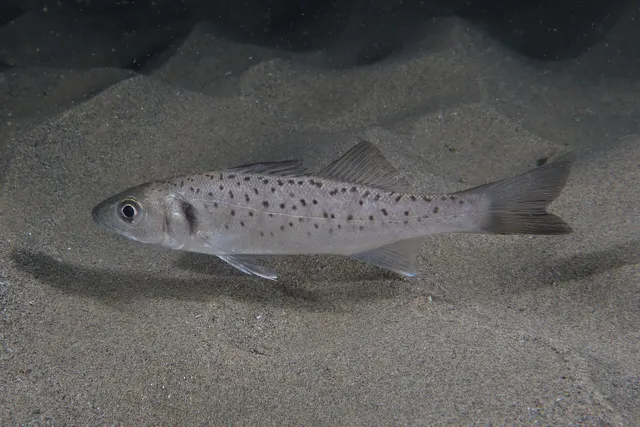 European sea bassRegular local target2 placesNeist Point, Staffin BayOver bay, headland
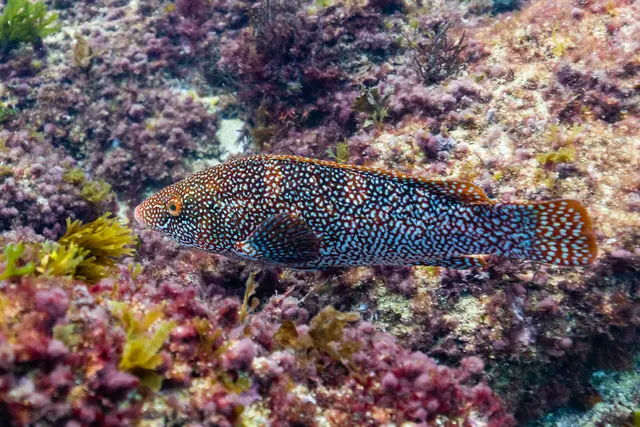 Ballan wrasseRegular local target1 placeStaffin BayOver bay
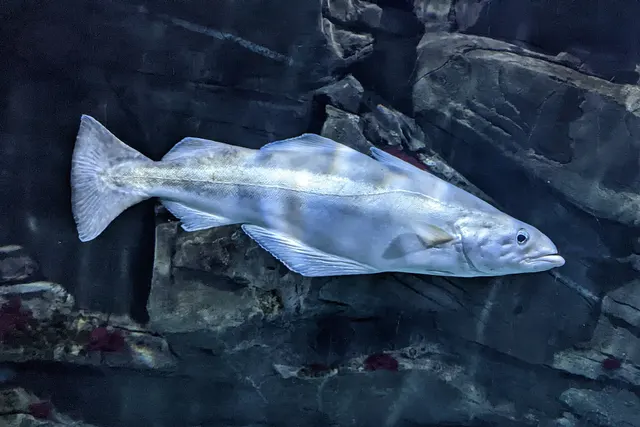 PollackSeasonal2 placesStaffin Bay, Neist PointOver bay, headlandAround Jun–Sept
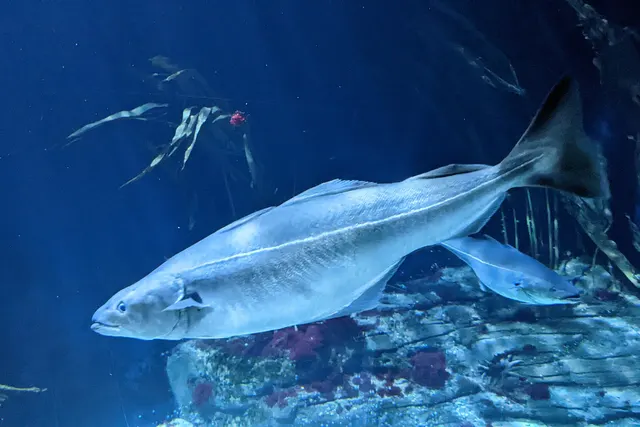 SaitheSeasonal2 placesStaffin Bay, Neist PointOver bay, headlandAround Jun–Sept
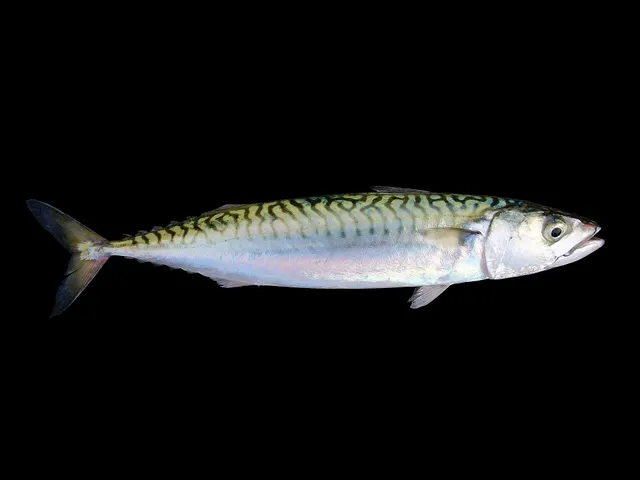 Atlantic mackerelSeasonal1 placeNeist PointOver headlandAround Jun–Sept
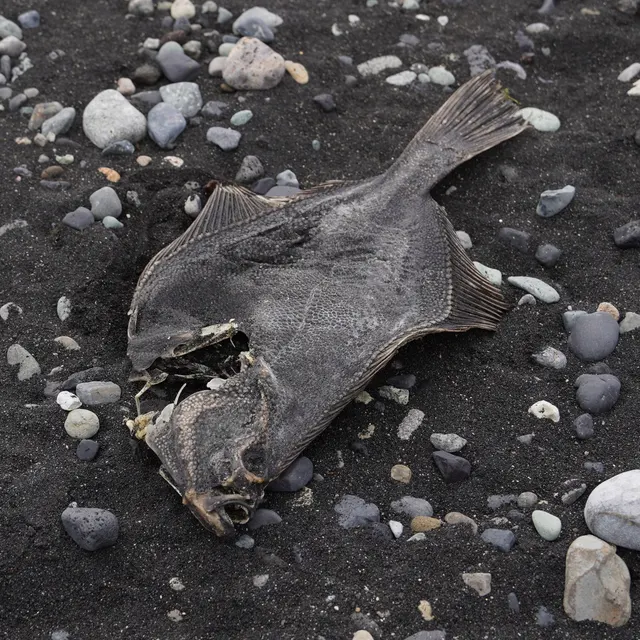 European flounderRecorded here1 placeNeist PointOver headland
What these strengths mean
- Regular local target
- Fishing sources describe this as a normal local target here, not merely as caught.
- Seasonal
- Well supported, and concentrated in part of the year rather than spread through it.
- Recorded here
- At least one credible public account of this species being caught here. That is all it means.
- How breadth is counted
- A fish documented at six marks is shown as six marks: breadth never raises the strength on its own. A fishery account describes the fishing; a recorded catch reports one specific catch. How evidence is weighed.
How people fish here
7 methods are recorded on the places documented here, counted from the records themselves rather than from what is practised in the country. Each opens a full guide to the technique.
Spinning
Recorded at 7 places here, over sound or strait, tidal race, bay, headland.
Casting an artificial lure and retrieving it so that it moves like something alive — the most direct form of lure fishing.
Documented on the same ground: Ballan wrasse, European sea bass, Atlantic mackerel, Pollack, Saithe, European flounder.
Float fishing
Recorded at 6 places here, over sound or strait, bay, headland, sea loch.
Suspending a bait at a controlled depth beneath a buoyant indicator — the most visual, most controllable and most widely applicable method in angling.
Documented on the same ground: Ballan wrasse, European sea bass, Atlantic mackerel, Pollack, Saithe, European flounder.
Jigging
Recorded at 5 places here, over sound or strait, tidal race, sea loch.
Working a weighted lure with a rising-and-falling motion, usually vertically, so it behaves like a wounded or fleeing baitfish.
Kayak fishing
Recorded at 4 places here, over sound or strait, sea loch, tidal race.
A platform rather than a technique: quiet, shallow-draught access to water no other craft reaches, bought at the price of exposure, and a discipline where the decision not to launch is part of the skill.
Feathering and multi-lure traces
Recorded at 1 place here, over headland.
A string of small lures on droppers, worked in the water column — how most people in Britain and Ireland catch their first sea fish, and the method most likely to catch far more than anybody intended.
Documented on the same ground: European sea bass, Atlantic mackerel, Pollack, Saithe, European flounder.
Ledgering
Recorded at 1 place here, over headland.
Fishing a bait on the bottom held by a weight, with no float — the simplest way to fish at distance, in depth, or in wind.
Documented on the same ground: European sea bass, Atlantic mackerel, Pollack, Saithe, European flounder.
Light rock fishing
Recorded at 1 place here, over bay.
Ultralight lure fishing from the shore with tackle rated in single grams — a discipline that catches the fish everybody else steps over, and one FishingHQ held every component of and had never named.
Documented on the same ground: Ballan wrasse, Pollack, Saithe, European sea bass.
These are the methods documented at the places FishingHQ holds here. A species listed beside a method is documented on the same ground, which is not the same as being taken that way — where a source establishes the method a fish was caught on, it is stated on that place’s own page. All fishing methods.
The fishing year here
The months the records under this area actually name, tightest season first. This is “observed in these months” rather than a season: a species whose months nobody recorded is not listed, because a gap in the evidence is not a year-round fishery.
- PollackJune to September
- SaitheJune to September
- Atlantic mackerelJune to September
What dominates
Small-boat and kayak fishing in sheltered sea lochs and sounds for pollack, coalfish, mackerel and occasional larger species. Shore fishing from rock and pier for pollack, wrasse, mackerel and coalfish. Wild brown trout fly fishing on hill lochs, frequently reached on foot. Salmon and sea trout fishing on short spate rivers and in the sea loch estuaries, subject to substantial restriction. Creel and pot fishing for lobster and crab commercially, with recreational potting subject to specific arrangements. Some spearfishing on the sheltered rocky coast.
The water available
Deep glacially carved sea lochs with sill mouths and freshwater input at the head; sheltered sounds and narrows with strong tidal streams; exposed west-facing Atlantic rock, cliff and skerry; kelp forest on rocky ground throughout; hundreds of small acidic peat-stained hill lochs; short, steep, spate-driven rivers; and machair-fringed shallow bays on some islands.
How the rules are structured
Scotland's framework differs materially from England's and the differences catch visitors out. There is no general rod licence for freshwater fishing in Scotland; instead, the right to fish is a property right and permission comes from the owner or the club or estate that holds it, usually as a permit. Salmon and sea trout are separately and more strictly governed, with statutory annual close times, a district salmon fishery board structure in many areas, and conservation measures that may require mandatory catch and release on particular rivers. Sea fishing from the shore does not require a licence, but marine protected areas, shellfish restrictions and specific measures apply in places. Recreational taking of lobster, crab and scallops is subject to specific rules including licensing requirements in some circumstances. FishingHQ does not state what any current rule is.
Who to ask
- The estate, angling club or landowner holding the fishing rights on the water concerned, who issues the permit — there is no general freshwater rod licence in Scotland.
- The district salmon fishery board or relevant fishery management body, for salmon and sea trout on rivers where one exists.
- Marine Scotland and the Scottish Government's marine directorate, for sea fisheries, marine protected areas and recreational shellfish rules.
- NatureScot, for designated sites and protected species where fishing may be affected.
- The local authority and harbour authority, for shore, pier and harbour access arrangements.
Words you will meet
- Sea loch
- A glacially carved fjord: sheltered, deep salt water cutting far inland, frequently with a shallow sill at the mouth restricting exchange with the open sea and fresh water entering at the head.
- Hill loch
- A small upland freshwater loch, generally peat-stained, acidic and nutrient-poor, holding wild brown trout. Numerous, usually unstocked, and reached on foot.
- Machair
- Low-lying shell-sand grassland behind dunes on some Hebridean coasts, associated with more alkaline lochs that produce noticeably better trout than the acidic hill waters.
- Spate river
- A short, steep river that rises and falls rapidly with rainfall. Salmon and sea trout run them on the rise, so the fishing depends on rain rather than on the calendar.
- Creel
- A baited pot used for lobster, crab and prawns. Creel fishing is the principal inshore commercial fishery of the region and the gear is present throughout the sheltered water.
Conditions and hazards
The contrast between inside and outside is the defining hazard. Water inside a sea loch can be flat while the open Atlantic coast a short distance away is unmanageable, and a small boat leaving shelter meets the change abruptly. Tidal streams through the narrows and sounds run hard — in places among the strongest in Britain — and produce overfalls and standing waves over sills and shallows. Water temperature is low year-round and immersion is immediately serious. Weather changes fast and forecasts for a sea loch are frequently wrong in detail because the surrounding hills accelerate and redirect wind unpredictably. On the exposed west coast, long-period Atlantic swell arrives independently of local wind and sweeps low rock platforms on days that appear calm. Hill loch fishing involves remote walking in country where visibility can close in quickly, and phone coverage is poor to absent across much of the area. Ticks and Lyme disease are a genuine consideration in bracken and long grass.
The sea loch: deep sheltered salt water where it should not be
The sea loch is the single feature that makes fishing in the Inner Hebrides different from anywhere else in Britain, and its properties are worth setting out because they are counter-intuitive.
IT IS A DROWNED GLACIAL VALLEY. Ice carved deep U-shaped troughs, sea level rose, and the result is genuinely deep salt water reaching many kilometres inland, sheltered from the Atlantic by the land on either side. Depths that would require a substantial offshore trip elsewhere are available a few hundred metres from a road.
THE SILL AT THE MOUTH IS THE CRITICAL DETAIL. Many sea lochs are shallower at the entrance than inside, because the glacier deposited material there or because the trough was cut deeper inland. That sill restricts exchange with the open sea, so the deep water inside is renewed only intermittently. In some lochs that produces a stratified, poorly flushed deep layer with low oxygen — the same mechanism the Baltic page describes, at a much smaller scale.
FRESH WATER ENTERS AT THE HEAD AND SETS UP A GRADIENT. Rivers and burns discharge into the inner loch, producing a brackish surface layer that thins toward the mouth. That gradient concentrates sea trout in the upper loch, brings salmon through on their way to the rivers, and gives the whole system an estuarine character along its inner length while remaining fully marine at the mouth.
WHICH MAKES THE LOCH A NURSERY AND A CORRIDOR AS WELL AS A FISHERY. Migratory salmonids pass through it twice, smolts on the way out and adults on the way back, and both are concentrated in a narrow body of water while doing so.
THE PRACTICAL CONSEQUENCE IS SHELTER, and it is why small-boat and kayak fishing are viable here in a way they are not on the exposed coast. The record's kayak material applies directly: the shelter is genuine, and it ends at the mouth.
AND THE SAME SHELTERED DEEP WATER IS WHY THE SALMON FARMS ARE THERE, which is the beginning of the region's most contested subject and the reason it is treated separately.
Backed by research — why, and the sources (2)
Supported by peer-reviewed research or fisheries science. The sources are listed and can be checked.
- The Fishes of the British Isles and North-West Europe — Macmillan, 1969 (Reference work)Relied on for: Distribution, habitat association, depth and ground type of fishes in British and north-west European waters.States this directlyCitation checked — the work exists and is described correctly
- FishBase: a global information system on fishes — Froese, R. and D. Pauly, eds. — FishBase Consortium (Scientific institute)Relied on for: Distribution, habitat association and depth range recorded for the species.Background and mechanism onlyPassage read and verified
The sea trout decline, and an argument that is not settled
The most significant thing to have happened to fishing in this region within living memory is the collapse of the sea trout fishery, and it is treated here as a genuine controversy because that is what it is.
THE DECLINE IS NOT IN DISPUTE. West Highland and Hebridean sea trout catches fell sharply from the late twentieth century, and in a number of systems the fishery effectively ceased. Rivers and sea lochs that supported substantial sea trout fishing produce a fraction of what they did, and the change was rapid rather than gradual.
THE PROPOSED MECHANISM IS SEA LICE FROM SALMON AQUACULTURE. Salmon farms are sited in sheltered sea lochs — the same sheltered deep water the previous section describes — and farmed salmon carry sea lice, a naturally occurring parasite whose abundance can be greatly elevated around concentrations of host fish. Wild sea trout smolts pass through those same lochs on their way to sea, and sea trout, unlike salmon, remain in coastal waters rather than migrating offshore, so their exposure is prolonged. Heavy lice burdens on small smolts cause damage and mortality, and premature return of lice-infested sea trout to fresh water has been repeatedly documented.
THE EVIDENCE IS SUBSTANTIAL AND THE CAUSAL ATTRIBUTION IS CONTESTED. There is a considerable scientific literature associating farm proximity with lice burdens on wild salmonids and with reduced marine survival, and there is also genuine argument about the magnitude of the effect relative to other pressures — marine climate change, prey availability, predation and freshwater habitat condition among them. Industry and conservation positions differ, and the question has been examined by parliamentary and government inquiries more than once.
FISHINGHQ RECORDS IT AS UNRESOLVED RATHER THAN SETTLING IT. The association is well evidenced; the share of the decline attributable to it is not agreed. Saying either that aquaculture caused the collapse or that it did not would be a stronger claim than the evidence supports.
WHAT IS NOT CONTESTED is that sea trout in this region are in a poor state, that many fisheries operate mandatory catch and release, and that the species' coastal life history makes it unusually exposed to whatever happens in a sea loch. What restrictions apply on any water is a matter for the competent authority.
An open question — why, and the sources (2)
FishingHQ looked into this and could not settle it. The open question is recorded here rather than being papered over.
- The Fishes of the British Isles and North-West Europe — Macmillan, 1969 (Reference work)Relied on for: Distribution, habitat association, depth and ground type of fishes in British and north-west European waters.States this directlyCitation checked — the work exists and is described correctly
- FishBase: a global information system on fishes — Froese, R. and D. Pauly, eds. — FishBase Consortium (Scientific institute)Relied on for: Distribution, habitat association and depth range recorded for the species.Background and mechanism onlyPassage read and verified
Sea lochs, tourism and a fishery that changed inside fifty years
The Inner Hebrides' fishing culture has been reshaped more recently and more thoroughly than that of the outer islands.
THE SEA LOCHS WERE THE FISHERY AND THEN THEY WERE THE FARM. Sheltered deep inlets that once supported a herring and white fish fishery now hold a substantial salmon aquaculture industry, and that industry is a major local employer and a major local controversy in roughly equal measure. Any honest account of fishing culture here has to say so.
TOURISM IS THE OTHER TRANSFORMATION. Skye in particular receives very large visitor numbers, and the pressure that puts on access, parking and small communities is a live local issue that a visiting angler is part of whether they intend to be or not.
SEA ANGLING IS INFORMAL AND UNDERUSED. Small-boat and shore fishing in the sheltered sounds and sea lochs is genuinely good and comparatively lightly practised, and the local relationship to it is casual rather than organised.
THE TROUT AND SEA TROUT FISHING has an old estate structure behind it, and the west coast sea trout decline of recent decades has been the subject of sustained and sometimes bitter argument about its causes.
CREELING IS THE WORKING FISHERY. Prawns, lobster and crab from small boats out of many small harbours is what the local commercial fleet does, and langoustine in particular is the west coast's most valuable inshore species.
AND THE GAELIC CULTURAL LAYER IS PRESENT BUT THINNER than in the Outer Hebrides, with the language less widely spoken and the place names carrying more of it than the conversation does.
What experienced anglers do — why, and the sources (2)
Widely and independently recommended by experienced anglers and specialist sources. This is real angling knowledge, not proof: controlled evidence for it is limited, and FishingHQ records it as convention rather than as a demonstrated effect.
- General angling website restatements of established technique — Various (Credible secondary source)Relied on for: Widely restated practice associating this discipline or technique with this place, recorded as practitioner consensus rather than as tested fact.Background and mechanism onlyCitation checked — the work exists and is described correctly
- Fishers' Craft and Lettered Art: Tracts on Fishing from the End of the Middle Ages — University of Toronto Press, 1997 (Scientific literature)Relied on for: That fishing traditions develop around the water and fish available to them, and the historical method of reading such traditions from their documentary record.States this directlyCitation checked — the work exists and is described correctly
Sheltered water, and the disciplines it makes possible
The Inner Hebrides' defining physical property is shelter, and the disciplines follow directly.
SMALL-BOAT FISHING IN SEA LOCHS AND SOUNDS is the characteristic practice. Deep water inside sheltered inlets, reachable in conditions that would stop an exposed coast, supports fishing for pollack, cod, ling, coalfish and ray from small craft — and the sheltered water is exactly what the Outer Hebrides' Atlantic coast does not offer.
KAYAK AND SMALL-CRAFT FISHING IS UNUSUALLY VIABLE for the same reason, with sheltered water, short crossings and interesting ground within reach of a paddle.
SHORE FISHING WORKS ROCK, PIER AND SEA LOCH MARGIN, with deep water frequently close in and kelp holding pollack and wrasse.
FLY FISHING FOR TROUT works hill lochs and the more fertile lowland waters, largely from bank and small boat, in a fishery with an estate and association structure.
SEA TROUT FISHING IN THE SEA LOCHS is a specialised local discipline, working the shallow margins and river mouths for fish feeding in salt water — and it is the discipline most affected by the west coast sea trout decline.
DIVING AND SPEARFISHING are practicable in the sheltered clear water of the sounds, and the west coast's scallop and shellfish grounds have a diving fishery attached.
AND CREELING IS THE COMMERCIAL DISCIPLINE, for langoustine, lobster and crab, worked at small scale from a large number of harbours.
What experienced anglers do — why, and the sources (2)
Widely and independently recommended by experienced anglers and specialist sources. This is real angling knowledge, not proof: controlled evidence for it is limited, and FishingHQ records it as convention rather than as a demonstrated effect.
- General angling website restatements of established technique — Various (Credible secondary source)Relied on for: Widely restated practice associating this discipline or technique with this place, recorded as practitioner consensus rather than as tested fact.Background and mechanism onlyCitation checked — the work exists and is described correctly
- Fishers' Craft and Lettered Art: Tracts on Fishing from the End of the Middle Ages — University of Toronto Press, 1997 (Scientific literature)Relied on for: That fishing traditions develop around the water and fish available to them, and the historical method of reading such traditions from their documentary record.States this directlyCitation checked — the work exists and is described correctly
Pollack over kelp, prawns in the mud, and a sea trout question
The species picture here is the west coast Scottish one, with the sea lochs adding a distinct component.
POLLACK ARE THE CHARACTERISTIC INSHORE PREDATOR, holding over kelp and rock in the sounds and sea lochs, taken on lures and baits from boat and shore, and abundant enough to be the default fish of a day out.
COD, LING AND COALFISH occupy the harder and deeper ground, with ling in particular associated with the deep rocky bottoms of the sea lochs.
MACKEREL ARRIVE INSHORE IN THE WARMER MONTHS and are the forage base and the bait supply for everything else.
THORNBACK RAY, SPURDOG AND DOGFISH work the cleaner and muddier ground within the lochs, which have soft bottoms at depth quite unlike the open coast.
SEA TROUT AND SALMON USE THE SYSTEMS, and the decline of west coast sea trout within recent decades is the region's central fisheries question. The causes have been argued over at length, with sea lice from aquaculture, marine survival and freshwater habitat all advanced; the argument is genuine and unresolved and this page does not settle it.
WILD BROWN TROUT OCCUPY THE HILL AND LOWLAND LOCHS, generally on acid peat water with the smaller fish that implies, and better where the geology is more fertile.
AND THE INVERTEBRATE FISHERY IS THE ECONOMIC ONE. Langoustine burrowing in the soft mud of the sea loch floors is the most valuable inshore species on this coast, and scallops, lobster and brown crab complete the picture. A description of Inner Hebridean fishing that stopped at finfish would miss the part that pays.
Backed by research — why, and the sources (2)
Supported by peer-reviewed research or fisheries science. The sources are listed and can be checked.
- The Fishes of the British Isles and North-West Europe — Macmillan, 1969 (Reference work)Relied on for: Distribution, habitat association, depth and ground preference of fishes in British and north-west European waters.States this directlyCitation checked — the work exists and is described correctly
- FishBase: a global information system on fishes — Froese, R. and D. Pauly, eds. — FishBase Consortium (Scientific institute)Relied on for: Distribution, habitat association and depth range recorded for the species.Background and mechanism onlyPassage read and verified
Kyle, sound and the words for a sheltered sea
The vocabulary here describes a coastline of narrows and inlets, and the terms are precise about a distinction English blurs.
SEA LOCH NAMES A MARINE INLET, frequently glacially cut, deep, with a shallow sill at its mouth. That sill matters: it restricts exchange with the open sea, so the deep water inside can be still, cold and poorly mixed, which produces a benthic community — and a langoustine fishery — quite unlike the open coast.
KYLE, FROM THE GAELIC CAOL, NAMES A NARROW STRAIT between islands or between island and mainland. Tidal flow concentrates through a kyle, which makes it both a fishing feature and a passage to be timed.
SOUND NAMES A LARGER CHANNEL between land masses, and the sounds of this archipelago are the sheltered highways the fishery works.
SKERRY, FROM THE NORSE, NAMES AN ISOLATED ROCK that may cover with the tide. As in Orkney, skerries are marks and hazards at once.
CUDDY AND SAITHE AGAIN NAME COALFISH by life stage, and the persistence of the distinction across the whole of the Scottish islands says something about how universally that fish was eaten.
PRAWN IN SCOTTISH COMMERCIAL USAGE MEANS LANGOUSTINE — the Norway lobster — rather than a shrimp, and a visitor reading a harbour landing board will misunderstand it otherwise. This is one of the clearer cases in FishingHQ of a common word meaning something different regionally.
AND THE SILL IS THE PIECE OF PHYSICAL VOCABULARY WORTH CARRYING, because once a reader knows that a sea loch has one, the loch's chemistry, its species and its fishery all become predictable.
What experienced anglers do — why, and the sources (2)
Widely and independently recommended by experienced anglers and specialist sources. This is real angling knowledge, not proof: controlled evidence for it is limited, and FishingHQ records it as convention rather than as a demonstrated effect.
- General angling website restatements of established technique — Various (Credible secondary source)Relied on for: Widely restated practice associating this discipline or technique with this place, recorded as practitioner consensus rather than as tested fact.Background and mechanism onlyCitation checked — the work exists and is described correctly
- Fishers' Craft and Lettered Art: Tracts on Fishing from the End of the Middle Ages — University of Toronto Press, 1997 (Scientific literature)Relied on for: That fishing traditions develop around the water and fish available to them, and the historical method of reading such traditions from their documentary record.States this directlyCitation checked — the work exists and is described correctly
Scottish rules on a coast with aquaculture in it
The framework here is the Scottish one, with the sea loch aquaculture industry adding a layer that other parts of Britain do not have.
NO ROD LICENCE APPLIES to sea angling or to brown trout fishing in Scotland; the right to fish fresh water attaches to the fishery, so permission comes from the owner, estate or angling association.
SALMON AND SEA TROUT ARE SEPARATELY REGULATED, with statutory seasons and a national conservation framework that assesses salmon stocks river by river and can restrict killing. On a coast where sea trout have declined, that framework is under continuous scrutiny.
SEA FISHING IS SUBJECT TO NATIONAL AND EUROPEAN MEASURES on sizes, prohibited species and gear, and to inshore fisheries arrangements with a regional dimension.
AQUACULTURE IS REGULATED SEPARATELY AGAIN, through planning, environmental and fish health regimes rather than through fisheries law, and the interaction between fish farms and wild salmonids is governed through that route rather than through angling rules. This is the single most consequential regulatory question on this coast and it is not a fisheries one.
SHELLFISH CARRY SIZE LIMITS, GEAR RULES AND LICENSING for commercial take, and filter feeders carry a separate public health regime of ground classification and biotoxin monitoring.
MARINE PROTECTED AREAS COVER SIGNIFICANT SEA LOCH AND SOUND HABITAT, several of them designated for seabed features such as flame shell and maerl beds that are damaged by mobile gear, and their management has been contested between static and mobile fishing interests.
AND FISHINGHQ DOES NOT STATE WHAT ANY OF THIS CURRENTLY PERMITS.
Official guidance — why, and the sources (2)
Stated by a fisheries authority, scientific institute or recognised angling body. Authoritative, but summarising rather than demonstrating.
- Code of Conduct for Responsible Fisheries — Food and Agriculture Organization of the United Nations, Rome, 1995 (Standards body)Relied on for: Principles for the management of fisheries, including licensing, closed seasons, size limits and the treatment of small-scale and shared stocks.States this directlyCitation checked — the work exists and is described correctly
- Good Fish Guide — Marine Conservation Society (Conservation authority)Relied on for: Assessment of fisheries and the management measures applied to them, including the instruments used and their purpose.Background and mechanism onlyCitation checked — the work exists and is described correctly
A sheltered coast where the season is about wind direction
The seasonal pattern here is west coast Scottish, with shelter changing what a bad forecast means.
THE SEA WARMS LATE AND COOLS LATE. Deep Atlantic water surrounding the islands lags the air by months, so the best inshore sea fishing comes in late summer and autumn rather than early summer, and winter fishing remains possible in sheltered water when the open coast is unusable.
SPRING IS THE TROUT SEASON'S OPENING and the lochs fish well early because they warm quickly relative to the sea.
SUMMER BRINGS MACKEREL INSHORE and with them the predators that follow, and the long northern days extend the fishing day considerably.
AUTUMN IS THE BEST GENERAL PERIOD for sea fishing, with warm water, feeding fish and enough weather to move things without shutting the coast down.
WINTER IS WORKABLE IN THE LOCHS AND SOUNDS in a way it is not on the exposed Atlantic side, which is the practical benefit of shelter and the reason this archipelago's fishing year is longer than the Outer Hebrides'.
WIND DIRECTION IS THE DAILY VARIABLE AND IT IS MORE USEFUL THAN WIND STRENGTH. With islands, sounds and lochs oriented in every direction, there is nearly always somewhere fishable, and local knowledge is largely knowledge of which water works in which wind.
AND THE SEA TROUT SEASON IN THE LOCHS runs through the summer, with fish feeding in salt water in the shallow margins, on a pattern that has become less reliable than it was and is watched closely for that reason.
Backed by research — why, and the sources (2)
Supported by peer-reviewed research or fisheries science. The sources are listed and can be checked.
- ICES Advice on fishing opportunities, catch and effort — International Council for the Exploration of the Sea (Scientific institute)Relied on for: Stock assessment, the environmental drivers of stock distribution and abundance, and the scientific basis for advice in the sea areas concerned.States this directlyCitation checked — the work exists and is described correctly
- FishBase: a global information system on fishes — Froese, R. and D. Pauly, eds. — FishBase Consortium (Scientific institute)Relied on for: Distribution, temperature tolerance, migratory behaviour and habitat association of the species concerned.Background and mechanism onlyPassage read and verified
Some of what lives here
Fish recorded here that FishingHQ holds a reviewed photograph of. It is not a complete list of what Skye and the Inner Hebrides holds, and it is not a prediction that you will catch any of them — it is a way in to the ones we can show you.
- PollackA fast gadoid that hunts up off reefs and wrecks and takes a lure on the drop — and the sea fish most likely to convert a bait angler to lure fishing.
Wilhelm Thomas Fiege — CC BY-SA 4.0, via Wikimedia Commons
- SaitheA fast, hard-fighting shoaling gadoid of northern rock and wreck — routinely confused with pollack, and a completely different fish once you know the lateral line.
Wilhelm Thomas Fiege — CC BY-SA 4.0, via Wikimedia Commons
- Ballan wrasseA long-lived rocky-ground resident that begins life female and may change sex — and the species that turned rock marks into a lure fishery.
Diego Delso — CC BY-SA 4.0, via Wikimedia Commons
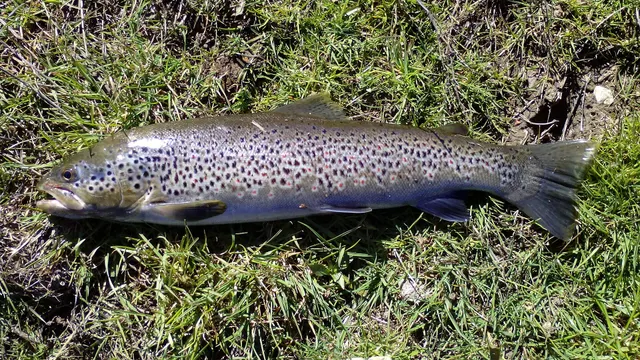 Brown troutA single, extraordinarily plastic species that appears as a tiny hill-stream fish, a deep-bodied loch trout and a silver sea-run migrant — all the same animal.
Robermix, CC0, via Wikimedia Commons
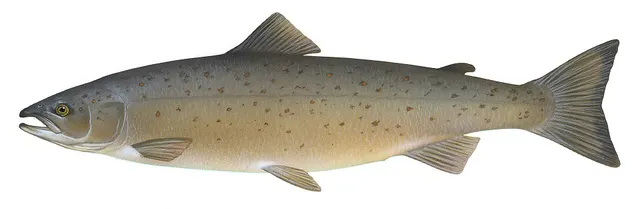 Atlantic salmonAn anadromous salmonid that migrates from its natal river to the North Atlantic and returns to spawn — and a species in serious, well-documented decline.
Knepp, Timothy, Public domain, via Wikimedia Commons
- Atlantic mackerelA fast, schooling, obligate-swimming pelagic fish that arrives inshore in summer in enormous numbers, and the species most sea anglers catch first.
Hans Hillewaert — CC BY-SA 4.0, via Wikimedia Commons
Places within this area
Publicly documented fishing geography. FishingHQ describes what the ground is; it does not say whether you may fish it, and every one of these sends that question to the body that holds the answer. Browse every place in this part of the world.
Who to ask before fishing any of these
FishingHQ does not know the current access position here. Sea angling in Scotland is not rod-licensed, but access rights under the Scottish Outdoor Access Code carry responsibilities, and harbour, local authority, marine conservation and fisheries measures all apply and all change. Check the current position with the Marine Directorate, the harbour or local authority and the land manager before going.
Kyle Rhea
Tidal race · Salt water
A narrow strait between Skye and the mainland at Glenelg, a few hundred metres wide, with steep rock sides and a deep, scoured bed.
Sheltered from swell by its own geography; the hazard here is entirely tidal rather than meteorological.
Particular to this ground: moving water and currents, cold water shock.
Severe hazards of Skye and the Inner Hebrides apply here: tides and being cut off.
The Gulf of Corryvreckan
Tidal race · Salt water
The strait between Jura and Scarba, about a kilometre wide, with an irregular rock bed containing a submerged pinnacle that rises abruptly from deep water — the feature that generates the whirlpool.
Open west to the Atlantic, so a swell running in from the ocean meets the flood stream head-on.
Particular to this ground: moving water and currents, cold water shock.
Severe hazards of Skye and the Inner Hebrides apply here: tides and being cut off.
Arisaig and the Sound of Sleat
Sound or strait · Salt water
White shell-sand bays and a maze of gneiss skerries on the mainland shore of the Sound of Sleat, with clear shallow water inshore and deep channel water beyond the islands.
Severe hazards of Skye and the Inner Hebrides apply here: cold water shock, tides and being cut off.
Tobermory and the Sound of Mull
Sound or strait · Salt water
A deep straight channel between Mull and the mainland with a sheltered bay at Tobermory, steep rock sides, strong streams down the sound and deep water throughout.
Severe hazards of Skye and the Inner Hebrides apply here: cold water shock, tides and being cut off.
Elgol and Loch Scavaig
Sea loch · Salt water
A short, spectacularly steep sea loch running into the Cuillin, with very deep water immediately off a basalt and gabbro shore and almost no shallow margin.
Severe hazards of Skye and the Inner Hebrides apply here: cold water shock, tides and being cut off.
Staffin Bay
Bay · Salt water
A north-east facing bay under the Trotternish escarpment, with basalt reef and boulder along both sides and a sand and shingle beach at its head. Sheltered from the Atlantic by the whole width of Skye.
Open north-east; sheltered from the prevailing Atlantic weather by the island.
Particular to this ground: cliffs and rock platforms.
Severe hazards of Skye and the Inner Hebrides apply here: cold water shock, tides and being cut off.
Neist Point
Headland · Salt water
The westernmost point of Skye: a basalt promontory with a lighthouse on the end, cliffs on both flanks and very deep water immediately off it. A steep concrete path down and a long climb back with tackle.
Fully open to the Atlantic west and north; nothing between it and the Outer Hebrides.
Particular to this ground: cliffs and rock platforms, cold water shock, cliffs and rock platforms.
Severe hazards of Skye and the Inner Hebrides apply here: tides and being cut off.
Safety
Further safety reading
- Cold water shock and immersion — Water temperature is low year-round and the shelter inside a sea loch ends abruptly at its mouth, which is where small craft are caught out.
- Rock platform and cliff safety — The exposed west-facing coast receives long-period Atlantic swell independently of local wind, so low rock platforms are swept on days that appear calm.
Check the rules before you fish
Fishing laws, bylaws, access rules, seasons, bait restrictions and permitted methods vary by location and can change. Check the current rules from the relevant authority and the water you intend to fish before fishing.
Check with:
- Current national or regional law for where you are fishing
- Current local bylaws
- The relevant fisheries authority
- The landowner, club or fishery whose water it is
- Any restrictions specific to the species or the method you intend to use
Where to go next
What swims here
- Atlantic mackerelArrives inshore through the summer months and is the most accessible sea fish in the islands, taken from shore, pier and small boat.
- Atlantic salmonRuns the short spate rivers of the islands and the adjacent mainland, entering on the rise after rainfall.
- Ballan wrasseOccupies kelp and broken rock ground around the islands, with very small home ranges and populations accumulated over decades.
- Brown troutOccupies hundreds of small acidic hill lochs as wild resident populations, and the short spate rivers as both resident and sea-run fish.
- European lobsterOccupies the broken rocky ground of the sea lochs and sounds, supporting the region's principal inshore commercial creel fishery.
- PollackHolds on kelp-covered rock and reef throughout the sea lochs and sounds, and is the mainstay of small-boat and shore fishing in the islands.
- SaitheAbundant as small inshore fish over kelp and rock throughout the islands, with the larger adults offshore on deeper ground.
How this compares
Environment and conservation
Sources and evidence
- The Fishes of the British Isles and North-West Europe — Macmillan, 1969 (Reference work)Relied on for: Distribution, habitat association, depth and ground type of fishes in British and north-west European waters.States this directlyCitation checked — the work exists and is described correctly
- FishBase: a global information system on fishes — Froese, R. and D. Pauly, eds. — FishBase Consortium (Scientific institute)Relied on for: Distribution, habitat association and depth range recorded for the species.Background and mechanism onlyPassage read and verified
Why the 13 connections on this page are here, and the sources
What swims here
Backed by research — 7 connections
Supported by peer-reviewed research or fisheries science. The sources are listed and can be checked.
Atlantic mackerel
A distribution association between an animal and a kind of water, rather than a claim about any named mark.
- The Fishes of the British Isles and North-West Europe — Macmillan, 1969 (Reference work)Relied on for: Distribution, habitat association and ground type of fishes in British and north-west European waters.States this directlyCitation checked — the work exists and is described correctly
- FishBase: a global information system on fishes — Froese, R. and D. Pauly, eds. — FishBase Consortium (Scientific institute)Relied on for: Distribution, habitat association and depth range recorded for the species.Background and mechanism onlyPassage read and verified
Atlantic salmon
A distribution association between an animal and a kind of water, rather than a claim about any named mark.
- The Fishes of the British Isles and North-West Europe — Macmillan, 1969 (Reference work)Relied on for: Distribution, habitat association and ground type of fishes in British and north-west European waters.States this directlyCitation checked — the work exists and is described correctly
- FishBase: a global information system on fishes — Froese, R. and D. Pauly, eds. — FishBase Consortium (Scientific institute)Relied on for: Distribution, habitat association and depth range recorded for the species.Background and mechanism onlyPassage read and verified
Ballan wrasse
A distribution association between an animal and a kind of water, rather than a claim about any named mark.
- The Fishes of the British Isles and North-West Europe — Macmillan, 1969 (Reference work)Relied on for: Distribution, habitat association and ground type of fishes in British and north-west European waters.States this directlyCitation checked — the work exists and is described correctly
- FishBase: a global information system on fishes — Froese, R. and D. Pauly, eds. — FishBase Consortium (Scientific institute)Relied on for: Distribution, habitat association and depth range recorded for the species.Background and mechanism onlyPassage read and verified
Brown trout
A distribution association between an animal and a kind of water, rather than a claim about any named mark.
- The Fishes of the British Isles and North-West Europe — Macmillan, 1969 (Reference work)Relied on for: Distribution, habitat association and ground type of fishes in British and north-west European waters.States this directlyCitation checked — the work exists and is described correctly
- FishBase: a global information system on fishes — Froese, R. and D. Pauly, eds. — FishBase Consortium (Scientific institute)Relied on for: Distribution, habitat association and depth range recorded for the species.Background and mechanism onlyPassage read and verified
European lobster
A distribution association between an animal and a kind of water, rather than a claim about any named mark.
- The Fishes of the British Isles and North-West Europe — Macmillan, 1969 (Reference work)Relied on for: Distribution, habitat association and ground type of fishes in British and north-west European waters.States this directlyCitation checked — the work exists and is described correctly
- FishBase: a global information system on fishes — Froese, R. and D. Pauly, eds. — FishBase Consortium (Scientific institute)Relied on for: Distribution, habitat association and depth range recorded for the species.Background and mechanism onlyPassage read and verified
Pollack
A distribution association between an animal and a kind of water, rather than a claim about any named mark.
- The Fishes of the British Isles and North-West Europe — Macmillan, 1969 (Reference work)Relied on for: Distribution, habitat association and ground type of fishes in British and north-west European waters.States this directlyCitation checked — the work exists and is described correctly
- FishBase: a global information system on fishes — Froese, R. and D. Pauly, eds. — FishBase Consortium (Scientific institute)Relied on for: Distribution, habitat association and depth range recorded for the species.Background and mechanism onlyPassage read and verified
Saithe
A distribution association between an animal and a kind of water, rather than a claim about any named mark.
- The Fishes of the British Isles and North-West Europe — Macmillan, 1969 (Reference work)Relied on for: Distribution, habitat association and ground type of fishes in British and north-west European waters.States this directlyCitation checked — the work exists and is described correctly
- FishBase: a global information system on fishes — Froese, R. and D. Pauly, eds. — FishBase Consortium (Scientific institute)Relied on for: Distribution, habitat association and depth range recorded for the species.Background and mechanism onlyPassage read and verified
How people fish here
What experienced anglers do — 2 connections
Widely and independently recommended by experienced anglers and specialist sources. This is real angling knowledge, not proof: controlled evidence for it is limited, and FishingHQ records it as convention rather than as a demonstrated effect.
Fly fishing
A discipline that is characteristic of the place rather than merely possible there, joined so a reader can move between the place and the practice.
- General angling website restatements of established technique — Various (Credible secondary source)Relied on for: Widely restated practice associating this discipline with this place, recorded as practitioner consensus rather than as tested fact.Background and mechanism onlyCitation checked — the work exists and is described correctly
- Fishers' Craft and Lettered Art: Tracts on Fishing from the End of the Middle Ages — University of Toronto Press, 1997 (Scientific literature)Relied on for: That fishing traditions develop around the water and fish available to them, and the historical method of reading such traditions.States this directlyCitation checked — the work exists and is described correctly
Traps and pots
A discipline that is characteristic of the place rather than merely possible there, joined so a reader can move between the place and the practice.
- General angling website restatements of established technique — Various (Credible secondary source)Relied on for: Widely restated practice associating this discipline with this place, recorded as practitioner consensus rather than as tested fact.Background and mechanism onlyCitation checked — the work exists and is described correctly
- Fishers' Craft and Lettered Art: Tracts on Fishing from the End of the Middle Ages — University of Toronto Press, 1997 (Scientific literature)Relied on for: That fishing traditions develop around the water and fish available to them, and the historical method of reading such traditions.States this directlyCitation checked — the work exists and is described correctly
How this compares
What experienced anglers do — 1 connection
Widely and independently recommended by experienced anglers and specialist sources. This is real angling knowledge, not proof: controlled evidence for it is limited, and FishingHQ records it as convention rather than as a demonstrated effect.
Outer Hebrides
Two places a reader would reasonably weigh against one another, joined where the comparison teaches something about both.
- General angling website restatements of established technique — Various (Credible secondary source)Relied on for: Widely restated practice associating this discipline with this place, recorded as practitioner consensus rather than as tested fact.Background and mechanism onlyCitation checked — the work exists and is described correctly
- Fishers' Craft and Lettered Art: Tracts on Fishing from the End of the Middle Ages — University of Toronto Press, 1997 (Scientific literature)Relied on for: That fishing traditions develop around the water and fish available to them, and the historical method of reading such traditions.States this directlyCitation checked — the work exists and is described correctly
Safety reading
Official guidance — 2 connections
Stated by a fisheries authority, scientific institute or recognised angling body. Authoritative, but summarising rather than demonstrating.
Cold water shock and immersion
A place is joined to the safety topic that explains a hazard genuinely characteristic of it, so the mechanism is reachable rather than restated as a weak warning.
- RNLI water safety guidance: cold water shock and Float to Live — Royal National Lifeboat Institution (Water-safety or diver-training authority)Relied on for: Cold water shock and the immersion response, shore angling hazards, small-craft guidance and the circumstances in which water users are most often killed.States this directlyPassage read and verified
- RoSPA water safety information and UK accidental drowning statistics — Royal Society for the Prevention of Accidents (Water-safety or diver-training authority)Relied on for: Accidental drowning statistics and the circumstances in which recreational water users are most often killed.Background and mechanism onlyPassage read and verified
Rock platform and cliff safety
A place is joined to the safety topic that explains a hazard genuinely characteristic of it, so the mechanism is reachable rather than restated as a weak warning.
- United States Lifesaving Association public education on rip currents and the surf zone — United States Lifesaving Association (Water-safety or diver-training authority)Relied on for: Surf zone hazards, wave behaviour, shore-break and the mechanisms by which people are swept from exposed shores.States this directlyCitation checked — the work exists and is described correctly
- RNLI water safety guidance: cold water shock and Float to Live — Royal National Lifeboat Institution (Water-safety or diver-training authority)Relied on for: Shore angling hazards including being swept in, shore-break and cold water shock.States this directlyPassage read and verified
Environment and conservation
Backed by research — 1 connection
Supported by peer-reviewed research or fisheries science. The sources are listed and can be checked.
Fish stocks and sustainability
An environmental pressure that is specific to this place rather than general to fishing, joined so the issue is anchored to a real example.
- ICES Advice on fishing opportunities, catch and effort — International Council for the Exploration of the Sea (Scientific institute)Relied on for: Stock status, environmental pressures and the scientific basis for advice in the waters concerned.Background and mechanism onlyCitation checked — the work exists and is described correctly
- The IUCN Red List of Threatened Species — International Union for Conservation of Nature (Conservation authority)Relied on for: Assessment of the species and habitats affected, and the pressures acting on them.States this directlyCitation checked — the work exists and is described correctly
How FishingHQ labels evidence is explained in the evidence policy.