How floats work
Explainer · Last reviewed 2026-08-14
A float is a bite indicator, a depth setter and a delivery system at once. Buoyancy, shotting and bite registration are one mechanical system, and the float is only the visible part of it.
A FLOAT IS NOT A MARKER. It is a balance: a buoyant body carrying a known amount of lead, set so that only a small, precisely chosen part of it shows above the surface.
WHY THE BALANCE IS THE WHOLE THING. An under-shotted float sits high, and a fish taking the bait has to pull the entire remaining buoyancy under before you see anything. That resistance is what a cautious fish feels and lets go of. A correctly shotted float shows a tip of a few millimetres, so a fish moving the bait a centimetre registers immediately and feels almost nothing. Every float sold has a stated shot capacity for this reason, and using it is what separates float fishing from watching a plastic ball.
WHERE THE SHOT GOES DECIDES HOW THE BAIT BEHAVES. Shot bunched near the float lets the hook bait sink slowly and naturally, which suits fish taking on the drop. Shot spread down the line slows the fall progressively. A single shot close to the hook pins the bait down fast, which is what you want when small fish are intercepting it or when the current is taking everything away. This is the actual craft of float fishing, and it is invisible from the bank.
THE SHAPE OF THE FLOAT IS CHOSEN FOR THE WATER. A slim, straight float — a waggler or a quill — offers little resistance and shows tiny movements, and it suits still or slow water. A body-topped float carries more shot and rides broken water. A float with the body at the top is for flowing water where the current would otherwise drag a slim float under. Attaching the float bottom-end only lets it be fished in wind with the line sunk beneath the surface, which is why the waggler exists.
WHAT THE FLOAT IS TELLING YOU. Going under is the obvious signal and not the only one. A float that lifts is telling you a fish has picked up the bait and the shot with it. A float that slides sideways is telling you something moved off with it. A float that dips repeatedly and never goes under is usually telling you the bait is too big for what is eating it.
AND THE DEPTH SETTING IS THE FIRST DECISION, NOT THE LAST. A float set at the wrong depth presents the bait in water where nothing is feeding, and no amount of shotting skill will fix that. Finding the depth — with a plummet, or by adjustment — comes before everything else.
Reading a float that is telling you something is wrong
A float is an instrument, and most of what it reports is about the setup rather than about fish. Learning to read the wrong answers is faster than learning to read the right ones.
IT LIES FLAT. There is not enough weight on the line to cock it, or the shot has slipped, or the bait is on the bottom with the line slack. A float lying flat is showing nothing at all and can do so for an hour without anybody noticing.
IT SITS TOO HIGH. Under-shotted, so it takes a substantial pull to move it. Fish feel the resistance and drop the bait, and the bite that registers is the fish leaving rather than the fish taking. Shotting a float down until only a small tip shows is the whole point of shotting it.
IT SINKS SLOWLY WITHOUT A BITE. Over-shotted, or the bait has soaked and gained weight, or weed has collected on the line. In flowing water it can also mean the float is being dragged under by a current pulling on the line above it, which is a line-control problem rather than a shotting one.
IT DRAGS UNDER AND COMES BACK UP repeatedly. The bait is fouling the bottom or catching in weed, so the depth is set too deep for the swim.
IT MOVES SIDEWAYS OR LIFTS. Both are bites, and both are missed by beginners waiting for the float to go under. A lift bite is a fish taking a bait off the bottom and raising the shot, so the float rises. Anything that is not the float sitting still is worth a strike.
AND THE WIND MOVES IT WITHOUT ANY FISH INVOLVED. Surface drift pushes a float across a swim and drags the bait with it, which looks like nothing happening and is in fact the presentation being destroyed. Sinking the line between rod tip and float is the standard answer, and it is the difference between float fishing and watching a float.
What experienced anglers do — why, and the sources (4)
Widely and independently recommended by experienced anglers and specialist sources. This is real angling knowledge, not proof: controlled evidence for it is limited, and FishingHQ records it as convention rather than as a demonstrated effect.
- Freshwater Fishing — Macdonald & Jane's, 1975 (Specialist angling publication)Relied on for: Comprehensive angling practice including tackle setup, balance between components, and the consequences of getting the balance wrong.States this directlyCitation checked — the work exists and is described correctly
- Coarse Fishing — A. & C. Black, 1912 (Specialist angling publication)Relied on for: Classical coarse angling practice including float shotting, hooklength construction and bite registration.States this directlyCitation checked — the work exists and is described correctly
- Angling Times — Bauer Media (Specialist angling publication)Relied on for: Contemporary UK angling practice as reported by practitioners, including the setup errors beginners commonly make and the symptoms they produce.FishingHQ's interpretation of what it saysCitation checked — the work exists and is described correctly
- General angling website restatements of established technique — Various (Credible secondary source)Relied on for: Widely restated descriptions of common tackle faults and their symptoms, recorded as practitioner consensus rather than as scholarship.Background and mechanism onlyCitation checked — the work exists and is described correctly
Where to go next
Fish this applies to
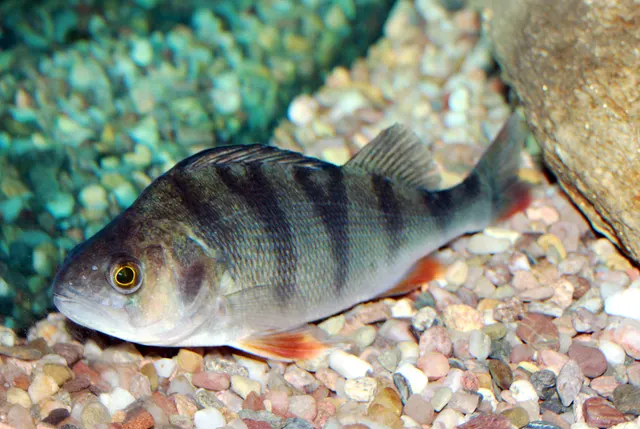 European perchOne of two species edges written into this pillar, and it is written because the fish's behaviour is genuinely the subject. A perch takes a bait and moves off with it, which produces the classic float bite — a dip, a hold, then the float sliding away — and it is the clearest natural demonstration of what a float is for.
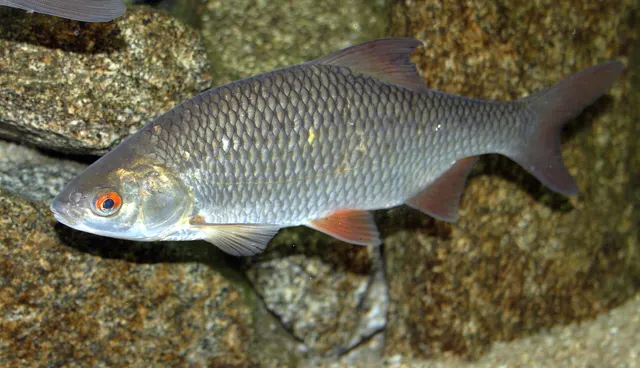 RoachThe other, and the opposite lesson. A roach's bite is a fast delicate dip that a coarsely shotted float will not show at all, which is why shotting is presented as part of the same mechanical system rather than as a refinement. The two species between them define the range a float has to register.
Where it matters
- Float fishingThe method consists of doing what this page explains, and a reader who does not know how a float is shotted or how a lift bite registers cannot fish it.
- Pole fishingPole fishing is float fishing with the line controlled directly rather than cast, so everything about shotting and bite registration applies and applies more precisely.
Gear this affects
Related reading
- Float, bobber and quillThree words for the same object in three traditions, with the vocabulary difference concealing a genuine difference in how each is fished.
- Missed bites, and what they usually meanA float that dips and never buries is telling you something specific, and the troubleshooting record is where the signals are matched to causes.
- Weights and sinkers: converting ounces, grams and swan shotFloats are rated in shot rather than in grams, so the rating is a statement about that float with that manufacturer's shot — and matching by weight across brands introduces error the system was never built to carry.
History and culture
Sources and evidence
- Coarse Fishing — A. & C. Black, 1912 (Specialist angling publication)Relied on for: Classical coarse angling practice: float and ledger tackle, shotting, bite registration and the reasoning behind them.States this directlyCitation checked — the work exists and is described correctly
- Freshwater Fishing — Macdonald & Jane's, 1975 (Specialist angling publication)Relied on for: Comprehensive angling practice including rods, reels, lines, terminal tackle and the reasoning behind the choices.States this directlyCitation checked — the work exists and is described correctly
- Angling Times — Bauer Media (Specialist angling publication)Relied on for: Contemporary UK coarse and match angling practice as reported by practitioners, including tackle and rig convention.Background and mechanism onlyCitation checked — the work exists and is described correctly
Why the 9 connections on this page are here, and the sources
Fish this applies to
What experienced anglers do — 2 connections
Widely and independently recommended by experienced anglers and specialist sources. This is real angling knowledge, not proof: controlled evidence for it is limited, and FishingHQ records it as convention rather than as a demonstrated effect.
European perch
A record joined to the beginner explainer that answers a question it raises. Written to open the beginner spine outward, which carried eleven internal edges and almost nothing else — a reader could circle it indefinitely without reaching a method, a habitat or a fault they were actually experiencing.
- Freshwater Fishing — Macdonald & Jane's, 1975 (Specialist angling publication)Relied on for: Comprehensive angling practice across disciplines, including tackle, water reading and the conduct of a session.States this directlyCitation checked — the work exists and is described correctly
- Coarse Fishing — A. & C. Black, 1912 (Specialist angling publication)Relied on for: Classical coarse angling practice including approach to the water, presentation and the ordinary faults of a day's fishing.States this directlyCitation checked — the work exists and is described correctly
- Angling Times — Bauer Media (Specialist angling publication)Relied on for: Contemporary UK angling practice as reported by practitioners, including the faults beginners actually meet and what is done about them.FishingHQ's interpretation of what it saysCitation checked — the work exists and is described correctly
- Sea Angler — Bauer Media (Specialist angling publication)Relied on for: British sea angling practice including shore access, pier and harbour fishing and session conduct.FishingHQ's interpretation of what it saysCitation checked — the work exists and is described correctly
Roach
A record joined to the beginner explainer that answers a question it raises. Written to open the beginner spine outward, which carried eleven internal edges and almost nothing else — a reader could circle it indefinitely without reaching a method, a habitat or a fault they were actually experiencing.
- Freshwater Fishing — Macdonald & Jane's, 1975 (Specialist angling publication)Relied on for: Comprehensive angling practice across disciplines, including tackle, water reading and the conduct of a session.States this directlyCitation checked — the work exists and is described correctly
- Coarse Fishing — A. & C. Black, 1912 (Specialist angling publication)Relied on for: Classical coarse angling practice including approach to the water, presentation and the ordinary faults of a day's fishing.States this directlyCitation checked — the work exists and is described correctly
- Angling Times — Bauer Media (Specialist angling publication)Relied on for: Contemporary UK angling practice as reported by practitioners, including the faults beginners actually meet and what is done about them.FishingHQ's interpretation of what it saysCitation checked — the work exists and is described correctly
- Sea Angler — Bauer Media (Specialist angling publication)Relied on for: British sea angling practice including shore access, pier and harbour fishing and session conduct.FishingHQ's interpretation of what it saysCitation checked — the work exists and is described correctly
Where it matters
What experienced anglers do — 2 connections
Widely and independently recommended by experienced anglers and specialist sources. This is real angling knowledge, not proof: controlled evidence for it is limited, and FishingHQ records it as convention rather than as a demonstrated effect.
Float fishing
A link from a practice or a piece of equipment to the explanation of what it is for. The two records are halves of one answer and the edge is what lets a reader arriving at either find the other.
- Freshwater Fishing — Macdonald & Jane's, 1975 (Specialist angling publication)Relied on for: Comprehensive angling practice including tackle setup, the function of each component and the balance between them.States this directlyCitation checked — the work exists and is described correctly
- Coarse Fishing — A. & C. Black, 1912 (Specialist angling publication)Relied on for: Classical coarse angling practice including float shotting, bite registration and terminal arrangement.States this directlyCitation checked — the work exists and is described correctly
Pole fishing
A link from a practice or a piece of equipment to the explanation of what it is for. The two records are halves of one answer and the edge is what lets a reader arriving at either find the other.
- Freshwater Fishing — Macdonald & Jane's, 1975 (Specialist angling publication)Relied on for: Comprehensive angling practice including tackle setup, the function of each component and the balance between them.States this directlyCitation checked — the work exists and is described correctly
- Coarse Fishing — A. & C. Black, 1912 (Specialist angling publication)Relied on for: Classical coarse angling practice including float shotting, bite registration and terminal arrangement.States this directlyCitation checked — the work exists and is described correctly
Gear this affects
What experienced anglers do — 1 connection
Widely and independently recommended by experienced anglers and specialist sources. This is real angling knowledge, not proof: controlled evidence for it is limited, and FishingHQ records it as convention rather than as a demonstrated effect.
Floats
Why it works, and what that rests on. How tackle behaves is established practitioner knowledge reported consistently across independent traditions, and it is described that way rather than as a test that was never run.
- Sea Angler — Bauer Media (Specialist angling publication)Relied on for: Contemporary UK sea angling practice as reported by practitioners, including tackle convention and terminal arrangements.States this directlyCitation checked — the work exists and is described correctly
- Coarse Fishing — A. & C. Black, 1912 (Specialist angling publication)Relied on for: Classical coarse angling practice: float and ledger tackle, shotting, bite registration and the reasoning behind them.States this directlyCitation checked — the work exists and is described correctly
Related reading
What experienced anglers do — 3 connections
Widely and independently recommended by experienced anglers and specialist sources. This is real angling knowledge, not proof: controlled evidence for it is limited, and FishingHQ records it as convention rather than as a demonstrated effect.
Float, bobber and quill
Why it works, and what that rests on. How tackle behaves is established practitioner knowledge reported consistently across independent traditions, and it is described that way rather than as a test that was never run.
- Sea Angler — Bauer Media (Specialist angling publication)Relied on for: Contemporary UK sea angling practice as reported by practitioners, including tackle convention and terminal arrangements.States this directlyCitation checked — the work exists and is described correctly
- Coarse Fishing — A. & C. Black, 1912 (Specialist angling publication)Relied on for: Classical coarse angling practice: float and ledger tackle, shotting, bite registration and the reasoning behind them.States this directlyCitation checked — the work exists and is described correctly
Missed bites, and what they usually mean
Why it works, and what that rests on. How tackle behaves is established practitioner knowledge reported consistently across independent traditions, and it is described that way rather than as a test that was never run.
- Sea Angler — Bauer Media (Specialist angling publication)Relied on for: Contemporary UK sea angling practice as reported by practitioners, including tackle convention and terminal arrangements.States this directlyCitation checked — the work exists and is described correctly
- Coarse Fishing — A. & C. Black, 1912 (Specialist angling publication)Relied on for: Classical coarse angling practice: float and ledger tackle, shotting, bite registration and the reasoning behind them.States this directlyCitation checked — the work exists and is described correctly
Weights and sinkers: converting ounces, grams and swan shot
Why it works, resting on practice reported consistently across independent sources rather than on experiment.
- Angling Times — Bauer Media (Specialist angling publication)Relied on for: Contemporary UK coarse, match and lure angling practice as reported by practitioners, including tackle convention.States this directlyCitation checked — the work exists and is described correctly
- Sea Angler — Bauer Media (Specialist angling publication)Relied on for: Contemporary UK sea angling practice as reported by practitioners, including tackle, bait and lure convention.States this directlyCitation checked — the work exists and is described correctly
History and culture
What experienced anglers do — 1 connection
Widely and independently recommended by experienced anglers and specialist sources. This is real angling knowledge, not proof: controlled evidence for it is limited, and FishingHQ records it as convention rather than as a demonstrated effect.
The history of match fishing
A beginner explainer joined to the tradition that answers the question it leaves hanging. Written only where the page's own subject carries a specific historical fact it omits — in several cases the fact that explains why the thing is arranged so oddly — and refused for the general orientation pages where the only claim would be that fishing is old.
- The Compleat Angler, or the Contemplative Man's Recreation — Richard Marriot, 1653 (Reference work)Relied on for: Seventeenth-century English angling practice including tackle, hooks, lines and the fishing they were used for.States this directlyPassage read and verified
- Fishers' Craft and Lettered Art: Tracts on Fishing from the End of the Middle Ages — University of Toronto Press, 1997 (Scientific literature)Relied on for: Medieval and early modern angling tracts and the development of tackle, technique and the literature describing them.Background and mechanism onlyCitation checked — the work exists and is described correctly
- Freshwater Fishing — Macdonald & Jane's, 1975 (Specialist angling publication)Relied on for: Comprehensive angling practice across disciplines, including tackle, water reading and the conduct of a session.States this directlyCitation checked — the work exists and is described correctly
- Coarse Fishing — A. & C. Black, 1912 (Specialist angling publication)Relied on for: Classical coarse angling practice including approach to the water, presentation and the ordinary faults of a day's fishing.States this directlyCitation checked — the work exists and is described correctly
How FishingHQ labels evidence is explained in the evidence policy.