Waggler float rig
Rig · Last reviewed 2026-08-10
A float attached by its bottom end only, so the line between rod and float can be sunk beneath surface drift.
A waggler rig, from float to hook
Float setup · Draft — not yet checked against an external reference
This drawing has not been checked against any reference outside FishingHQ. It is a schematic of what the surrounding text describes, and the text is what carries the detail.
Describe this diagram in words
A vertical rig seen side on, from the surface at the top to the bottom at the foot. The main line runs down from the rod. A float is attached to it by its bottom end only, held in place between two locking shot, one immediately above the eye and one immediately below — this bottom-end-only attachment is what distinguishes a waggler from a top-and-bottom float. Below the float the line carries a single heavy bulk shot about a third of the way down, then two smaller dropper shot spread through the lower half, then the hook. An arrow beside the rig shows the bait falling slowly through the water, which is what spreading the droppers achieves.
How this drawing was produced
Redrawn during an earlier pass. The previous figure printed the word FLOAT struck through by the dashed water line, and labelled a LOCKING SHOT that was not drawn at all — the first shot in the figure was the bulk. Both locking shot are now drawn either side of the float, which is the arrangement that makes a waggler a waggler, and every label sits clear of the line it describes.
What it is for
To present a bait at a chosen depth on stillwater or slow water, with the line between rod and float sunk beneath the surface layer so that wind and drift cannot drag the bait out of position. The bottom-only attachment is the whole point: it allows the line to be sunk without pulling the float over.
Components, from rod to hook
- Main line, direct from the reel.
- Locking shot either side of the float's bottom eye — usually the bulk of the weight, which holds the float at the set depth.
- The waggler float itself, attached through the bottom eye only.
- Bulk shot below the float, carrying the bait down through the upper layers.
- One or two dropper shot spaced further down, slowing the last part of the fall.
- A hooklength of finer line than the main line, and a hook sized to the bait.
What it does in the water
Cast out, the float lands and lies flat until the shot beneath it pulls it upright — a moment worth watching, because a float that never cocks means the tackle is tangled. As the bait falls, the float sits progressively higher until the terminal tackle is fully extended, at which point it settles to its shotted depth with only the tip showing. Dipping the rod tip under the surface and winding a turn sinks the line between rod and float, after which surface drift acts on almost nothing. A fish taking the bait on the drop shows as the float failing to settle; a fish taking it on the bottom shows as the tip lifting or sliding away.
When to use it
Stillwaters and slow rivers, at ranges within comfortable casting distance, whenever wind or surface drift would spoil a top-and-bottom float. It is at its best in moderate depths and moderate wind; in flat calm a lighter, more sensitive arrangement may be better, and in very strong wind or flow a feeder is the more practical answer.
Common mistakes
- Not sinking the line between rod and float, which discards the rig's entire advantage.
- Putting all the shot in the locking position and none down the line, so the bait falls like a stone.
- Setting the depth by guesswork instead of plumbing, and fishing well off the bottom without realising.
- Using a float far heavier than the conditions need, so a fish feels resistance before the tip moves.
- Striking at the float lying flat on landing, which is the tackle settling rather than a bite.
How this rig behaves, and where it goes wrong
The waggler solves a specific problem: wind. A float attached top and bottom holds the line at the surface, where wind and surface drift drag it and pull the bait unnaturally. A waggler is attached at its bottom end only, so the line from the rod tip can be sunk below the surface layer where the wind cannot reach it.
Everything else about the rig follows. The shot that locks the float in place sits either side of the attachment eye; the remaining shot goes down the line to control the fall of the bait; and the depth is set by sliding the whole float assembly.
It is the standard stillwater float rig in Britain, and the one most anglers should learn first.
When a waggler rather than a pole, a feeder or a stick float
The waggler is attached bottom-end only, which is the whole of its character and the reason to choose it or not.
Because the line runs to the bottom of the float and then straight down, the line between rod and float can be sunk beneath the surface. That is what makes the waggler the float for WIND AND OPEN WATER: a surface drift that would drag a top-and-bottom float across the swim in seconds has nothing to grip on.
Against a pole, the waggler wins on distance and loses on precision. A pole puts a bait on a spot repeatedly and controls it directly; a waggler reaches water a pole cannot and accepts a metre of scatter. Where both reach, the pole is usually the better tool and the waggler is the one that keeps working when the wind gets up.
Against a feeder, the waggler wins wherever fish are feeding off the bottom or coming up in the water, and loses on windy days at range where a static bait on the deck is the only presentation that will hold.
Against a stick float, the division is flow. A stick float is held back and controlled through a swim by a line above the surface, which is exactly what a river wants and exactly what wind ruins. On running water the stick is usually right; on a windy stillwater the waggler is.
The honest summary is that the waggler is chosen for CONDITIONS more often than for fish. The question it answers is not what is feeding but whether the surface will let anything else work.
What experienced anglers do — why, and the sources (2)
Widely and independently recommended by experienced anglers and specialist sources. This is real angling knowledge, not proof: controlled evidence for it is limited, and FishingHQ records it as convention rather than as a demonstrated effect.
- Coarse Fishing — A. & C. Black, 1912 (Specialist angling publication)Relied on for: Classical coarse angling practice: terminal arrangements, shotting, bite registration and the reasoning behind each.States this directlyCitation checked — the work exists and is described correctly
- Freshwater Fishing — Macdonald & Jane's, 1975 (Specialist angling publication)Relied on for: Comprehensive freshwater angling practice including terminal tackle, leaders and the mechanics of hooking and playing fish.States this directlyCitation checked — the work exists and is described correctly
What the shot is doing, and the two ways the shotting is got wrong
The shot on a waggler rig does two separate jobs and they pull in opposite directions.
Most of the weight — the bulk — sits at the float, locking it to the line. It has nothing to do with presentation. It exists so that the float casts as a single object rather than as a float with a tail of tackle whipping behind it, and it is why a badly shotted waggler tangles on every third cast.
The rest of the weight is spread down the line towards the hook, and this is the part that decides how the bait behaves. Spread thinly and low, the bait falls slowly through the water and looks like the loose feed falling around it, which is what a fish taking on the drop is responding to. Concentrated near the hook, the bait goes down fast and straight, which is what is wanted when small fish are intercepting everything in the upper layers.
The first common error is treating that second group as ballast and putting it all in one place near the hook by default. The bait then arrives on the bottom immediately every cast, and a swim full of fish feeding two feet down produces nothing.
The second error is the reverse and it is subtler: shotting so light and so spread that the rig will not register anything. A bite is visible because the float is held at a known depth in the water by a known weight below it. Take enough of that weight away and the float sits at a depth decided by surface tension and drift, and small takes stop showing at all.
What experienced anglers do — why, and the sources (2)
Widely and independently recommended by experienced anglers and specialist sources. This is real angling knowledge, not proof: controlled evidence for it is limited, and FishingHQ records it as convention rather than as a demonstrated effect.
- Angling Times — Bauer Media (Specialist angling publication)Relied on for: Contemporary UK coarse and match angling practice as reported by practitioners, including rig convention and fishery rules.States this directlyCitation checked — the work exists and is described correctly
- Still-Water Angling — MacGibbon & Kee, 1953 (Specialist angling publication)Relied on for: Stillwater angling practice including terminal arrangements, hook holds and the mechanics of playing fish.States this directlyCitation checked — the work exists and is described correctly
Where to go next
Fish it is built for
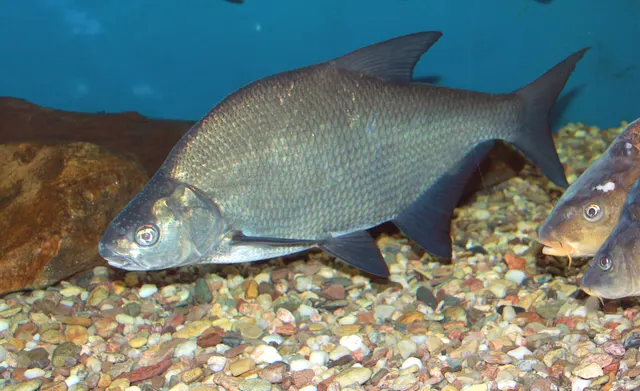 Common breamFished deeper and with the bait on or near the bottom, the same float arrangement is directed at bream on stillwaters.
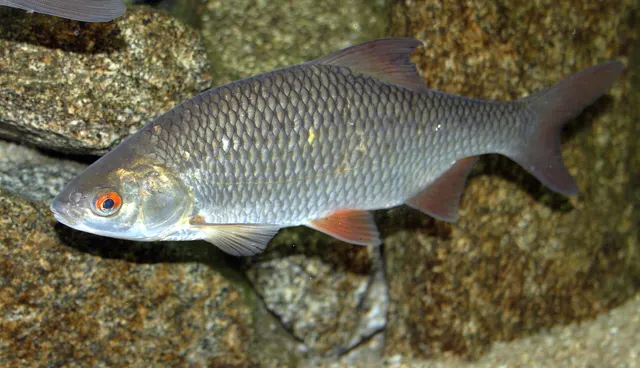 RoachThe float arrangement most directed at roach: it presents a small bait at a controlled depth in the upper water and registers the light, quick bite this species gives.
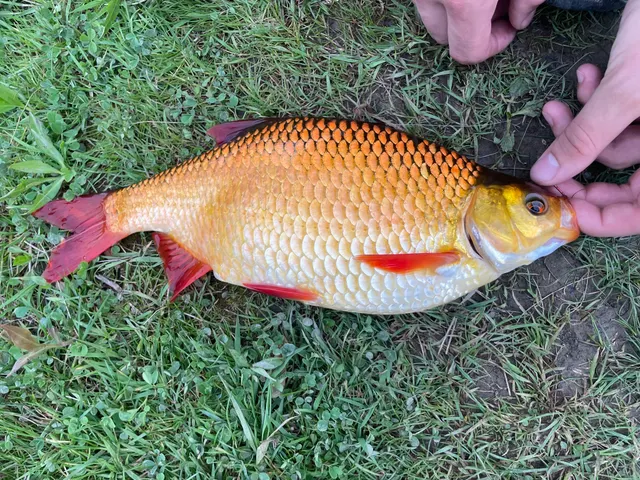 RuddRudd feed higher in the water than roach and the waggler is the arrangement that can fish the top few feet without dragging the bait down.
How it is fished
What it is made of
Worth understanding first
Instead of this
Environment and conservation
History and culture
Sources and evidence
Why the 10 connections on this page are here, and the sources
Fish it is built for
What experienced anglers do — 3 connections
Widely and independently recommended by experienced anglers and specialist sources. This is real angling knowledge, not proof: controlled evidence for it is limited, and FishingHQ records it as convention rather than as a demonstrated effect.
Common bream
Which species a terminal arrangement is directed at is established practitioner knowledge, converging across independent angling traditions and literatures, and is labelled as consensus rather than as tested result.
- Coarse Fishing — A. & C. Black, 1912 (Specialist angling publication)Relied on for: Classical coarse angling practice: terminal arrangements, shotting, bite registration and the species each is directed at.States this directlyCitation checked — the work exists and is described correctly
- Angling Times — Bauer Media (Specialist angling publication)Relied on for: Contemporary UK coarse and match angling practice as reported by practitioners, including which rigs are directed at which species.States this directlyCitation checked — the work exists and is described correctly
Roach
Which species a terminal arrangement is directed at is established practitioner knowledge, converging across independent angling traditions and literatures, and is labelled as consensus rather than as tested result.
- Coarse Fishing — A. & C. Black, 1912 (Specialist angling publication)Relied on for: Classical coarse angling practice: terminal arrangements, shotting, bite registration and the species each is directed at.States this directlyCitation checked — the work exists and is described correctly
- Angling Times — Bauer Media (Specialist angling publication)Relied on for: Contemporary UK coarse and match angling practice as reported by practitioners, including which rigs are directed at which species.States this directlyCitation checked — the work exists and is described correctly
Rudd
Which species a terminal arrangement is directed at is established practitioner knowledge, converging across independent angling traditions and literatures, and is labelled as consensus rather than as tested result.
- Coarse Fishing — A. & C. Black, 1912 (Specialist angling publication)Relied on for: Classical coarse angling practice: terminal arrangements, shotting, bite registration and the species each is directed at.States this directlyCitation checked — the work exists and is described correctly
- Angling Times — Bauer Media (Specialist angling publication)Relied on for: Contemporary UK coarse and match angling practice as reported by practitioners, including which rigs are directed at which species.States this directlyCitation checked — the work exists and is described correctly
How it is fished
What experienced anglers do — 1 connection
Widely and independently recommended by experienced anglers and specialist sources. This is real angling knowledge, not proof: controlled evidence for it is limited, and FishingHQ records it as convention rather than as a demonstrated effect.
Float fishing
That a method is conventionally fished on a particular terminal arrangement, drawn from angling literature and from widely restated practitioner description rather than from testing.
- Freshwater Fishing — Macdonald & Jane's, 1975 (Specialist angling publication)Relied on for: Comprehensive British freshwater angling practice: terminal arrangements, leaders, droppers and the knots each is made with.States this directlyCitation checked — the work exists and is described correctly
- Coarse Fishing — A. & C. Black, 1912 (Specialist angling publication)Relied on for: Classical coarse angling practice, including hooklength attachment, loops and the shotting arrangements they carry.States this directlyCitation checked — the work exists and is described correctly
What it is made of
What experienced anglers do — 2 connections
Widely and independently recommended by experienced anglers and specialist sources. This is real angling knowledge, not proof: controlled evidence for it is limited, and FishingHQ records it as convention rather than as a demonstrated effect.
Double overhand loop
Standard hooklength attachment, independently described.
- Freshwater Fishing — Macdonald & Jane's, 1975 (Specialist angling publication)Relied on for: Loop knots and hooklength attachment.Citation checked — the work exists and is described correctly
- Angling Times — Bauer Media (Specialist angling publication)Relied on for: Contemporary hooklength practice.Citation checked — the work exists and is described correctly
The rig and the connection that makes it modular.
- Freshwater Fishing — Macdonald & Jane's, 1975 (Specialist angling publication)Relied on for: Knot selection for joining line to terminal tackle and line to line.States this directlyCitation checked — the work exists and is described correctly
- IGFA International Angling Rules and World Record Requirements — International Game Fish Association (Angling or fisheries organisation)Relied on for: The role of knots and connections in terminal tackle, and the line-class conventions that depend on them.States this directlyPassage read and verified
Floats
The rig is defined by the component.
- Angling Times — Bauer Media (Specialist angling publication)Relied on for: Waggler rig construction.Citation checked — the work exists and is described correctly
- Freshwater Fishing — Macdonald & Jane's, 1975 (Specialist angling publication)Relied on for: Float rig construction in British coarse practice.Citation checked — the work exists and is described correctly
Worth understanding first
What experienced anglers do — 1 connection
Widely and independently recommended by experienced anglers and specialist sources. This is real angling knowledge, not proof: controlled evidence for it is limited, and FishingHQ records it as convention rather than as a demonstrated effect.
Choosing a rig for the conditions
An arrangement joined to the guidance that selects it. That guidance names eleven rigs against four questions and pointed at none of them, so a reader following the procedure to its conclusion could not reach the answer.
- Sea Angler — Bauer Media (Specialist angling publication)Relied on for: British sea angling practice: how tide, wind, swell and water clarity change where and how a mark is fished.FishingHQ's interpretation of what it saysCitation checked — the work exists and is described correctly
- Freshwater Fishing — Macdonald & Jane's, 1975 (Specialist angling publication)Relied on for: Comprehensive angling practice across disciplines, including water reading, seasonal condition and the tackle each demands.States this directlyCitation checked — the work exists and is described correctly
Instead of this
What experienced anglers do — 1 connection
Widely and independently recommended by experienced anglers and specialist sources. This is real angling knowledge, not proof: controlled evidence for it is limited, and FishingHQ records it as convention rather than as a demonstrated effect.
Stick float rig
That one arrangement is recognisably a development of another, offered so a reader who knows the parent can reason about the variant instead of learning it from nothing.
- Coarse Fishing — A. & C. Black, 1912 (Specialist angling publication)Relied on for: Classical coarse angling practice: terminal arrangements, shotting, float attachment and bite registration in still and running water.States this directlyCitation checked — the work exists and is described correctly
- Angling Times — Bauer Media (Specialist angling publication)Relied on for: Contemporary UK coarse and match angling practice as reported by practitioners, including pole, float and surface rig convention.States this directlyCitation checked — the work exists and is described correctly
Environment and conservation
Official guidance — 1 connection
Stated by a fisheries authority, scientific institute or recognised angling body. Authoritative, but summarising rather than demonstrating.
Lead in angling
An environmental claim attached to the arrangement that causes it, held to the authoritative standard this kind of claim requires because tackle loss and lead use are matters of regulation and of published conservation evidence rather than of preference.
- The Control of Pollution (Anglers' Lead Weights) Regulations 1986 — The Stationery Office (UK statutory instrument), 1986 (Standards body)Relied on for: That lead fishing weights within specified size ranges have been made subject to regulatory restriction, so a shotting arrangement is a regulated choice rather than only a technical one.States this directlyPassage read and verified
- Regulation of lead fishing weights results in mute swan population recovery — Biological Conservation, 2019 (Scientific literature)Relied on for: The waterfowl poisoning evidence that produced the restriction, and the population recovery that followed it.States this directlyCitation checked — the work exists and is described correctly
History and culture
What experienced anglers do — 1 connection
Widely and independently recommended by experienced anglers and specialist sources. This is real angling knowledge, not proof: controlled evidence for it is limited, and FishingHQ records it as convention rather than as a demonstrated effect.
The history of match fishing
Where a terminal arrangement came from and what it displaced, drawn from the angling literature and from widely restated practitioner accounts rather than from scholarship.
- Freshwater Fishing — Macdonald & Jane's, 1975 (Specialist angling publication)Relied on for: Comprehensive angling practice including terminal arrangements, leaders and knots, and the development of each within the sport.States this directlyCitation checked — the work exists and is described correctly
- Still-Water Angling — MacGibbon & Kee, 1953 (Specialist angling publication)Relied on for: Mid-twentieth-century angling practice written across the change to synthetic line, covering terminal arrangements and the materials they depend on.States this directlyCitation checked — the work exists and is described correctly
How FishingHQ labels evidence is explained in the evidence policy.