The River Thames
Fishing regions · Last reviewed 2026-08-14
A river declared biologically dead in the 1950s that now holds well over a hundred fish species along its length — one of the better environmental recovery stories in Europe, and an unfinished one.
Safety: moving water and currents — can cause serious injury or death. One more point applies here.
Being listed here is not permission to fish. What that meansClose
Access, fishing rights, seasons, licences, local bylaws and permitted methods vary and can change. Check current access, permission, local regulations, closures and restrictions before you travel or fish. FishingHQ describes what the ground is and names who holds the answer; it does not hold the answer itself.
Find the authority for a jurisdiction · What FishingHQ does and does not cover
The Thames runs from the Cotswolds through southern England to the North Sea, and it is the best-documented example in Britain of a river being destroyed and substantially brought back.
THE NON-TIDAL RIVER above Teddington is a broad, slow, managed lowland river, locked and weired for navigation over centuries. It holds barbel, chub, roach, bream, perch, pike and — increasingly — zander, and it is a substantial coarse fishery with a long angling tradition and a great deal of accessible bank.
THE TIDAL RIVER below Teddington runs through London to the estuary, with a large tidal range, strong flow and a salinity gradient. It holds a genuinely surprising community: flounder, bass, smelt, eels, and the marine and estuarine species that come and go with the tide.
THE RECOVERY IS THE STORY. By the 1950s the tidal Thames through London was effectively without oxygen for long stretches and was declared biologically dead — the culmination of a century of sewage and industrial discharge that had produced, among other things, the Great Stink of 1858 and the parliamentary decision to build London's sewers. Sustained investment in treatment through the second half of the twentieth century restored dissolved oxygen, and fish returned. The river now supports a substantial fish community along its length and is used by seals, and salmon have been recorded, though a self-sustaining run has not been re-established.
AND IT IS UNFINISHED. Combined sewer overflows discharging during heavy rain remained a serious and well-publicised problem, prompting major infrastructure work; nutrient and pollution pressures persist; and the recovery is a trajectory rather than a conclusion.
What fishing here is like
Two rivers under one name: a broad, slow, locked and weired non-tidal coarse fishery above Teddington, and a large tidal urban river below it with an estuarine community. Both are heavily used, both are accessible in a way most famous British rivers are not, and both sit inside one of the more significant environmental recovery stories in Europe.
The angling culture is old, urban and democratic in character — a great deal of free and cheap fishing, strong club and association presence, and a long literary association.
What you can target here
One entry per fish, grouped by how you would be fishing — because the answer is a different one from the rocks and from a boat. Each entry says how strongly the sources support it and how much evidence sits behind it. These are documented catches, not a forecast, and none of it is a statement that you may fish any particular ground.
From the shore · 6
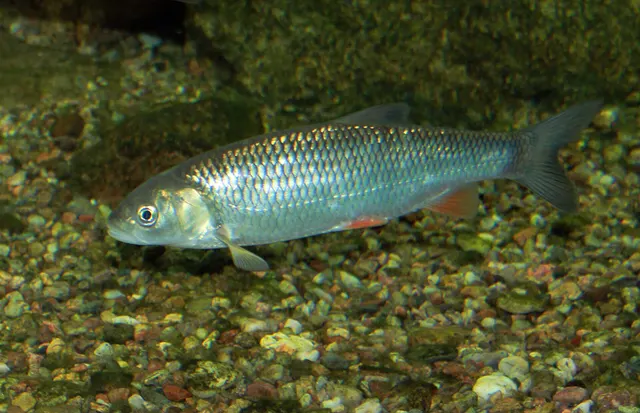 ChubRegular local target2 placesThe Thames at Caversham, The Thames at WindsorOver river reach
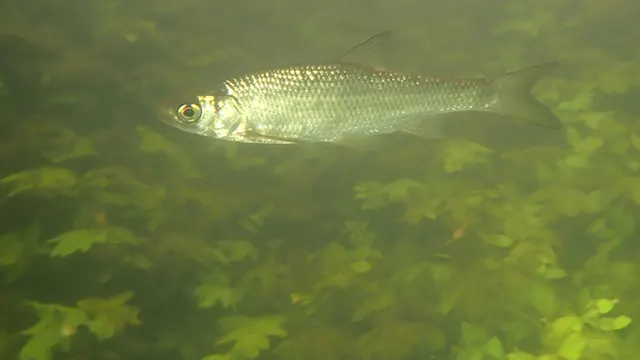 DaceRegular local target2 placesThe Thames at Caversham, The Thames at WindsorOver river reach
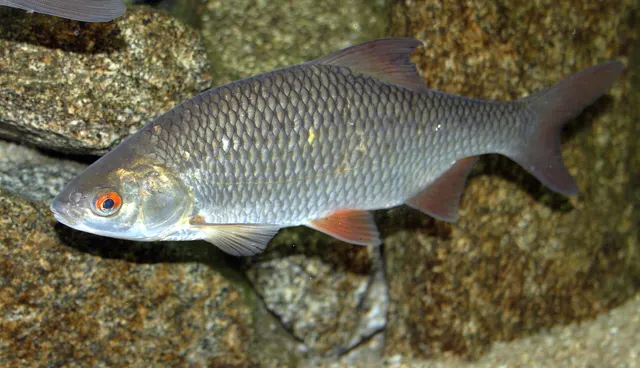 RoachRegular local target2 placesThe Thames at Caversham, The Thames at WindsorOver river reach
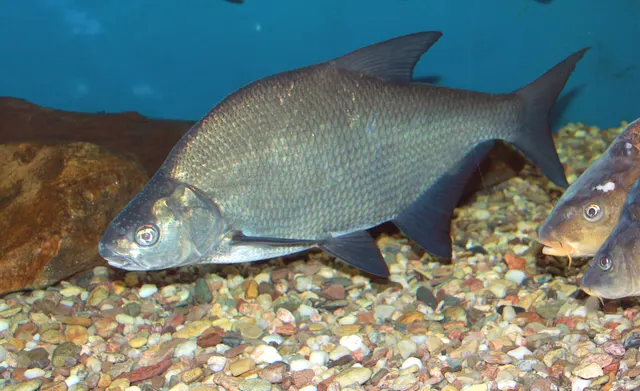 Common breamSeasonal2 placesThe Thames at Caversham, The Thames at WindsorOver river reachAround Jan–Feb, May–Sept, Nov–Dec
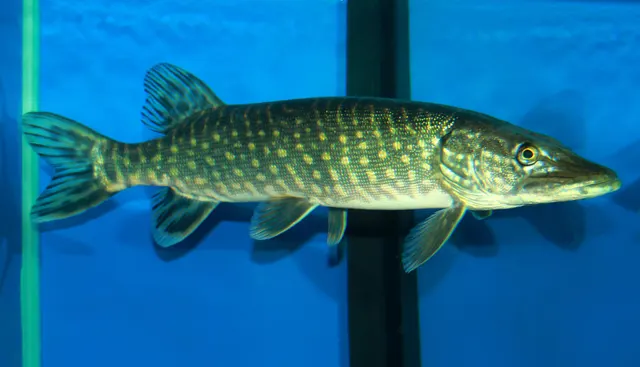 Northern pikeSeasonal2 placesThe Thames at Caversham, The Thames at WindsorOver river reachAround Jan–Feb, Dec
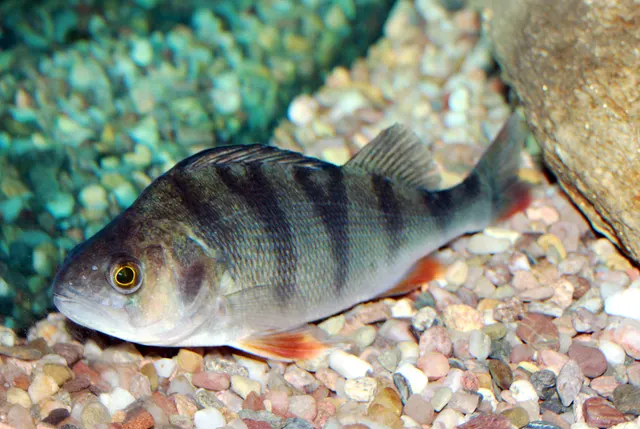 European perchRecorded here2 placesThe Thames at Caversham, The Thames at WindsorOver river reach
What these strengths mean
- Regular local target
- Fishing sources describe this as a normal local target here, not merely as caught.
- Seasonal
- Well supported, and concentrated in part of the year rather than spread through it.
- Recorded here
- At least one credible public account of this species being caught here. That is all it means.
- How breadth is counted
- A fish documented at six marks is shown as six marks: breadth never raises the strength on its own. A fishery account describes the fishing; a recorded catch reports one specific catch. How evidence is weighed.
How people fish here
4 methods are recorded on the places documented here, counted from the records themselves rather than from what is practised in the country. Each opens a full guide to the technique.
Feeder fishing
Recorded at 4 places here, over river reach, weir pool.
Legering with a weight that also carries bait, so that free offerings arrive in exactly the same place as the hookbait, cast after cast.
Documented on the same ground: Chub, Dace, Roach, Common bream, Northern pike, European perch.
Float fishing
Recorded at 4 places here, over river reach, weir pool.
Suspending a bait at a controlled depth beneath a buoyant indicator — the most visual, most controllable and most widely applicable method in angling.
Documented on the same ground: Chub, Dace, Roach, Common bream, Northern pike, European perch.
Ledgering
Recorded at 3 places here, over weir pool, river reach.
Fishing a bait on the bottom held by a weight, with no float — the simplest way to fish at distance, in depth, or in wind.
Documented on the same ground: Chub, Dace, Roach, Common bream, Northern pike, European perch.
Pole fishing
Recorded at 1 place here, over river reach.
Fishing with a long jointed pole and a short fixed line, giving bait placement precision no rod and reel can match.
Documented on the same ground: Chub, Dace, Roach, Common bream, Northern pike, European perch.
These are the methods documented at the places FishingHQ holds here. A species listed beside a method is documented on the same ground, which is not the same as being taken that way — where a source establishes the method a fish was caught on, it is stated on that place’s own page. All fishing methods.
What dominates
Barbel and chub fishing on the non-tidal river, principally on the weir pools and streamy reaches. Roach, bream and general coarse fishing throughout the non-tidal river, with a long match tradition. Pike and zander fishing, with zander now well established and a genuine feature. Lure fishing for perch, pike and zander, which has grown very substantially and suits the urban reaches. Flounder and bass fishing on the tidal river, which is a small but genuine sea-fishing interest inside a city. Eel interest, now much reduced with the European stock.
The water available
A small clear upper river in the Cotswolds. A broad, slow, locked and weired middle and lower non-tidal river with weir pools, backwaters and marinas. Extensive urban reaches through London. A large tidal river below Teddington with a substantial range, strong flow, foreshore exposed at low water, and a salinity gradient. The estuary beyond, with extensive intertidal mud and sand. Numerous tributaries, several of them substantial fisheries in their own right.
How the rules are structured
A national rod licence for England is required for freshwater fishing and comes from the national fisheries authority. Permission for the specific water varies: substantial lengths of the non-tidal Thames bank are reachable through clubs, associations and long-standing open arrangements, and access is unusually good by the standards of famous British rivers, but it is not universal and some banks are private. The navigation authority administers the non-tidal river's locks, weirs, boating and moorings. On the tidal river the port authority administers navigation, and fishing from certain structures and stretches is controlled or prohibited. A statutory close season applies on the non-tidal river. Byelaws specific to the Thames exist, and additional rules apply around weirs, locks and structures for safety reasons. Fish consumption advice may apply on some reaches and is a public health matter. FishingHQ does not state what any current rule is: obtain the national licence, establish permission for the specific bank, and check the navigation or port authority position if fishing from or near a structure.
Who to ask
- The national fisheries authority for England, for the rod licence, close seasons and statutory rules
- The navigation authority for the non-tidal river, for locks, weirs, moorings and boating
- The port authority for the tidal river, which administers navigation and controls access to certain structures
- The angling club, association or landowner controlling the specific bank
- The local authority or public health body, for any fish consumption advice on urban and tidal reaches
Words you will meet
- Weir pool
- The deep, oxygenated, turbulent water below a weir. The Thames is weired throughout its navigable non-tidal length and the weir pools are the river's most productive and most dangerous features.
- Teddington
- The tidal limit. Everything below is tidal river under the port authority; everything above is non-tidal river under the navigation authority. The single most useful geographic reference on the river.
- The foreshore
- The tidal river's exposed bed at low water, accessible in places in London and used for fishing and for mudlarking. Access and permission are controlled, and the tide returns fast.
- Zander
- A non-native predator now well established in parts of the system. Its status is contested — a valued sport fish to some anglers and an unwanted introduction to fishery managers — and the rules on returning or retaining it have varied.
Conditions and hazards
Weirs are the non-tidal river's defining hazard and they kill people. The water below a weir recirculates, and a person or a boat drawn into that recirculation is very difficult to recover. Weir pools are also the best fishing on the river, which is precisely the problem.
Locks, sluices and their approaches carry the same risks in smaller form.
The tidal river below Teddington is a serious piece of water: a large range, a strong flow, cold water, steep and slippery river walls and stairs, and very little opportunity to climb out. People drown in the tidal Thames regularly.
The foreshore floods fast and the return is faster than most people expect; the tide comes in behind you as well as towards you.
Boat traffic is heavy on both sections, and commercial traffic on the tidal river is substantial.
Weil's disease is present, and on urban reaches contact with the water after heavy rainfall carries additional risk from combined sewer overflow discharge.
Two rivers, divided at Teddington
The Thames is really two fisheries and the boundary is exact.
ABOVE TEDDINGTON the river is non-tidal: broad, slow, locked and weired for navigation over centuries, running through the Cotswolds, the Oxford clay and the Home Counties. Weir pools, backwaters, marinas, streamy reaches between locks. This is the coarse fishery.
BELOW TEDDINGTON the river is tidal, with a substantial range, a strong flow and a salinity gradient increasing seaward. Extensive foreshore is exposed at low water in London. This is an estuarine fishery inside a city.
THE UPPER RIVER above the navigation is small, clear and quite different again — a modest stream in the Cotswolds that few people associate with the name.
AND THE TRIBUTARIES matter: several are substantial fisheries in their own right, and the chalk-fed ones in particular behave quite unlike the main river.
Backed by research — why, and the sources (2)
Supported by peer-reviewed research or fisheries science. The sources are listed and can be checked.
- Freshwater Fishes of the British Isles — HarperCollins (New Naturalist 75), 1992 (Reference work)Relied on for: Biology, distribution, life history and conservation status of British and Irish freshwater and diadromous fishes.States this directlyCitation checked — the work exists and is described correctly
- Environment Agency fisheries management, byelaws and rod licensing information — Environment Agency (Government fisheries body)Relied on for: The structure of freshwater fisheries management in England, including licensing, close seasons, water quality monitoring and fishery regulation.States this directlyCitation checked — the work exists and is described correctly
What it holds now, which is the point of the story
NON-TIDAL: barbel, chub, roach, bream, perch, pike, dace, carp in places, and zander which is now well established.
BARBEL AND CHUB are the headline non-tidal catch, concentrated in the weir pools and streamy reaches.
ZANDER are a genuine feature and a contested one — a non-native predator, valued by some anglers and unwanted by fishery managers, whose retention rules have varied.
TIDAL: flounder, bass, smelt, eels, mullet, and the estuarine and marine species that move with the tide. Smelt in particular are a good indicator — they need clean, oxygenated water and their return was a marker of recovery.
SEALS use the tidal river and estuary, which surprises visitors and is another recovery marker.
SALMON have been recorded following the recovery but a self-sustaining run has not been re-established, and it would be wrong to describe the Thames as a salmon river now.
THE SEASON follows the English statutory pattern on the non-tidal river, with barbel best from summer into autumn and pike and zander through the winter. The tidal river fishes year-round with a seasonal species mix.
Backed by research — why, and the sources (2)
Supported by peer-reviewed research or fisheries science. The sources are listed and can be checked.
- Freshwater Fishes of the British Isles — HarperCollins (New Naturalist 75), 1992 (Reference work)Relied on for: Biology, distribution, life history and conservation status of British and Irish freshwater and diadromous fishes.States this directlyCitation checked — the work exists and is described correctly
- Environment Agency fisheries management, byelaws and rod licensing information — Environment Agency (Government fisheries body)Relied on for: The structure of freshwater fisheries management in England, including licensing, close seasons, water quality monitoring and fishery regulation.States this directlyCitation checked — the work exists and is described correctly
How it is fished, and how accessible it is
BARBEL AND CHUB FISHING on the weir pools and streamy reaches, on feeder and ledger tackle.
GENERAL COARSE FISHING for roach, bream and perch throughout the non-tidal river, with a long and strong match tradition.
PIKE AND ZANDER FISHING, on deadbait and lure, through the winter.
LURE FISHING for perch, pike and zander, which has grown enormously and suits the urban and structured reaches particularly well — this is one of Britain's better urban lure fisheries.
TIDAL FISHING for flounder and bass from foreshore, walls and stairs where access permits, which is a genuine sea-fishing interest inside a capital city.
AND THE ACCESS IS THE UNUSUAL PART. Substantial lengths of non-tidal Thames bank are reachable through clubs, associations and long-standing open arrangements. By the standards of famous British rivers this is remarkably democratic, and it is a large part of why the river matters to so many ordinary anglers.
What experienced anglers do — why, and the sources (2)
Widely and independently recommended by experienced anglers and specialist sources. This is real angling knowledge, not proof: controlled evidence for it is limited, and FishingHQ records it as convention rather than as a demonstrated effect.
- Angling Times — Bauer Media (Specialist angling publication)Relied on for: Contemporary UK coarse and match angling practice as reported by practitioners, including venue character and method convention.States this directlyCitation checked — the work exists and is described correctly
- Coarse Fishing — A. & C. Black, 1912 (Specialist angling publication)Relied on for: Classical British coarse angling practice: river and stillwater reading, baits, terminal arrangements and seasonal observation.States this directlyCitation checked — the work exists and is described correctly
Declared dead, and substantially brought back
The Thames is the best-documented British example of a river being destroyed and recovered, and the sequence is worth knowing in full.
THE DESTRUCTION took a century. Nineteenth-century London discharged its sewage and its industry directly into the tidal river, producing conditions culminating in the Great Stink of 1858 — a summer in which the smell drove Parliament to act and to fund London's sewer system. That helped, and industrial growth continued to outpace it.
THE LOW POINT came around the 1950s, when long stretches of the tidal Thames through London were effectively without dissolved oxygen and the river was described as biologically dead. It was not a metaphor: surveys found essentially no fish over substantial reaches.
THE RECOVERY came from sustained sewage treatment investment through the second half of the twentieth century. Oxygen returned; fish followed. The river now supports a substantial community along its length, smelt and other sensitive species returned, seals use the estuary, and salmon have been recorded.
AND IT IS UNFINISHED. Combined sewer overflows discharging untreated during heavy rain remained a serious problem serious enough to justify major new infrastructure, and nutrient and pollution pressures persist. The honest description is a trajectory rather than a conclusion — and, for an angler, a reason to check conditions after heavy rain before contact with the water.
Official guidance — why, and the sources (2)
Stated by a fisheries authority, scientific institute or recognised angling body. Authoritative, but summarising rather than demonstrating.
- Environment Agency fisheries management, byelaws and rod licensing information — Environment Agency (Government fisheries body)Relied on for: The structure of freshwater fisheries management in England, including licensing, close seasons, water quality monitoring and fishery regulation.States this directlyCitation checked — the work exists and is described correctly
- JNCC species and habitat conservation advice — Joint Nature Conservation Committee (Conservation authority)Relied on for: Conservation status, designation and monitoring of species and habitats in the United Kingdom, including protected river and lake systems.States this directlyCitation checked — the work exists and is described correctly
The words that locate you on the river
TEDDINGTON is the single most useful reference: the tidal limit, dividing the port authority's river below from the navigation authority's river above, and dividing two entirely different fisheries.
WEIR POOL names the deep turbulent oxygenated water below a weir — the river's most productive feature and its most dangerous.
THE FORESHORE names the tidal river's bed exposed at low water, accessible in places in London, used for fishing and mudlarking, and subject to permission and to a tide that returns fast.
ZANDER carries a whole argument with it: a non-native predator, valued by anglers and unwanted by managers, with rules that have varied.
AND REACH is used constantly to name the stretch between two locks — a Thames-specific unit of geography that appears in every local description and in most of the angling reports.
What experienced anglers do — why, and the sources (2)
Widely and independently recommended by experienced anglers and specialist sources. This is real angling knowledge, not proof: controlled evidence for it is limited, and FishingHQ records it as convention rather than as a demonstrated effect.
- Angling Times — Bauer Media (Specialist angling publication)Relied on for: Contemporary UK coarse and match angling practice as reported by practitioners, including venue character and method convention.States this directlyCitation checked — the work exists and is described correctly
- Environment Agency fisheries management, byelaws and rod licensing information — Environment Agency (Government fisheries body)Relied on for: The structure of freshwater fisheries management in England, including licensing, close seasons, water quality monitoring and fishery regulation.States this directlyCitation checked — the work exists and is described correctly
Some of what lives here
Fish recorded here that FishingHQ holds a reviewed photograph of. It is not a complete list of what The River Thames holds, and it is not a prediction that you will catch any of them — it is a way in to the ones we can show you.
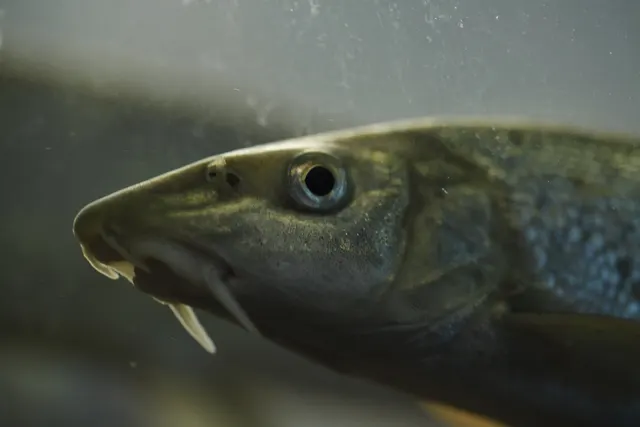 BarbelA powerful, streamlined river cyprinid built for holding station in fast water — and the hardest-fighting freshwater fish most British anglers will meet.
Pmau, CC BY-SA 4.0, via Wikimedia Commons
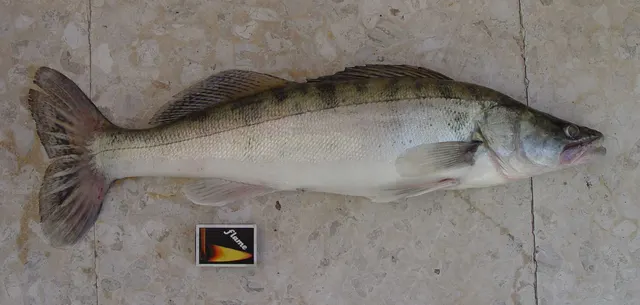 ZanderA shoaling freshwater predator built for hunting in low light and coloured water, and the fish that made a virtue of the conditions pike find difficult.
eLNuko — Public domain, via Wikimedia Commons
Places within this area
Publicly documented fishing geography. FishingHQ describes what the ground is; it does not say whether you may fish it, and every one of these sends that question to the body that holds the answer. Browse every place in this part of the world.
Who to ask before fishing any of these
FishingHQ does not know the current access position here. Shore angling in England is not rod-licensed, but access rights, landowner permission, local authority and harbour byelaws, national and inshore fisheries measures, and site designations all apply and all change. Check the current position with the relevant inshore fisheries and conservation authority, the harbour or local authority, and the landowner before going. This water is tidal and transitional, so the freshwater regime may also apply above the tidal limit: FishingHQ does not know the current access position here. Freshwater rod fishing in England requires a current rod licence AND separate permission from whoever controls the fishing, which is frequently a club, riparian owner or navigation authority rather than a public body. Close seasons, byelaws and local rules apply and change. Check with the Environment Agency and with the controlling club or owner before going.
FishingHQ does not know the current access position here. Freshwater rod fishing in England requires a current rod licence AND separate permission from whoever controls the fishing, which is frequently a club, riparian owner or navigation authority rather than a public body. Close seasons, byelaws and local rules apply and change. Check with the Environment Agency and with the controlling club or owner before going.
The Thames at Teddington
Weir pool · Brackish water
The normal tidal limit of the River Thames: a large weir and lock complex where the freshwater river meets the tideway, with a deep scoured weir pool, a fish pass and an abrupt change in the whole character of the water below it.
Urban and sheltered, with buildings and trees on both banks.
Particular to this ground: moving water and currents, drowning and immersion, cold water shock.
Severe hazards of The River Thames apply here: tides and being cut off.
The Thames at Caversham
River reach · Fresh water
A wide weir-controlled navigation reach at the Kennet confluence, with a deep main channel, marina moorings and slacks behind the islands.
Severe hazards of The River Thames apply here: moving water and currents.
Marlow weir pool, River Thames
Weir pool · Fresh water
A large navigation weir and lock on the middle Thames with a deeply scoured pool, a fast broken tongue and a long slower tail below it.
Particular to this ground: moving water and currents.
The Thames at Windsor
River reach · Fresh water
A broad, deep, slow navigation reach past the castle with heavy boat traffic, hard embanked banks in places and long stretches of overhanging bankside trees.
Severe hazards of The River Thames apply here: moving water and currents.
Safety
Moving water and currents — Can cause serious injury or death
Weirs kill people. The water below a weir recirculates, holding anything drawn into it against the flow, and neither swimming nor a small boat's engine reliably escapes it. Weir pools are simultaneously the most productive fishing on the non-tidal river and its most dangerous water.
What reduces it: Fish weir pools from designated positions and firm ground only, never enter the water near a weir, never approach the face from downstream in a boat, and treat barriers and warning signage around weirs and sluices as literal.
Worse when:
- High flows after rain, when recirculation strengthens
- Wet, algae-covered concrete and steel structures
- Darkness and lone fishing
Tides and being cut off — Can cause serious injury or death
The tidal Thames has a large range and a strong flow, with steep slippery walls and stairs and very few places to climb out. The foreshore floods fast and the water arrives behind as well as in front. The tidal river drowns people regularly, and cold water shock is immediate for most of the year.
What reduces it: Know the tide times for the specific reach before going down to the foreshore, set a time to leave and keep it, never go down alone, wear a buoyancy aid, and identify your exit before you descend rather than when you need it.
Further safety reading
- Tides and being cut off — The tidal river has a large range, a strong flow, steep slippery walls and very few places to climb out. The foreshore floods fast and the water arrives behind as well as in front.
Check the rules before you fish
Fishing laws, bylaws, access rules, seasons, bait restrictions and permitted methods vary by location and can change. Check the current rules from the relevant authority and the water you intend to fish before fishing.
Check with:
- Current national or regional law for where you are fishing
- Current local bylaws
- The relevant fisheries authority
- The landowner, club or fishery whose water it is
- Any restrictions specific to the species or the method you intend to use
Where to go next
What swims here
- BarbelBarbel concentrate in the weir pools and streamy reaches of the non-tidal river, which are the most productive and the most dangerous features on it.
- ZanderA non-native predator now well established in parts of the system, valued by some anglers and unwanted by fishery managers, with retention rules that have varied.
Local knowledge
- Dissolved oxygen and fishThe Thames is the clearest British demonstration of oxygen as the limiting variable: long tidal stretches were effectively anoxic in the 1950s and were described as biologically dead, and the recovery followed sewage treatment restoring it.
- Estuary fishing: tide, salinity and the moving frontBelow Teddington the Thames is a tidal river with a salinity gradient, and the species that come and go with the tide make it an estuarine fishery inside a capital city.
How this compares
Environment and conservation
Sources and evidence
- Freshwater Fishes of the British Isles — HarperCollins (New Naturalist 75), 1992 (Reference work)Relied on for: Biology, distribution, life history and conservation status of British and Irish freshwater and diadromous fishes.States this directlyCitation checked — the work exists and is described correctly
- Environment Agency fisheries management, byelaws and rod licensing information — Environment Agency (Government fisheries body)Relied on for: The structure of freshwater fisheries management in England, including licensing, close seasons, water quality monitoring and fishery regulation.States this directlyCitation checked — the work exists and is described correctly
- Angling Times — Bauer Media (Specialist angling publication)Relied on for: Contemporary UK coarse and match angling practice as reported by practitioners, including venue character and method convention.States this directlyCitation checked — the work exists and is described correctly
Why the 8 connections on this page are here, and the sources
What swims here
Backed by research — 2 connections
Supported by peer-reviewed research or fisheries science. The sources are listed and can be checked.
Barbel
A distributional claim taken from reference works on the fishes of the region rather than from angling report. It states presence and asserts nothing about a fishery.
- FishBase: a global information system on fishes — Froese, R. and D. Pauly, eds. — FishBase Consortium (Scientific institute)Relied on for: Distribution, habitat association, life history and depth range recorded for the species concerned.States this directlyPassage read and verified
- Freshwater Fishes of the British Isles — HarperCollins (New Naturalist 75), 1992 (Reference work)Relied on for: Biology, distribution and conservation status of British and Irish freshwater and diadromous fishes.States this directlyCitation checked — the work exists and is described correctly
- The Fishes of the British Isles and North-West Europe — Macmillan, 1969 (Reference work)Relied on for: Distribution, habitat and biology of the fishes of the British Isles and north-west Europe.States this directlyCitation checked — the work exists and is described correctly
Zander
A distributional claim taken from reference works on the fishes of the region rather than from angling report. It states presence and asserts nothing about a fishery.
- FishBase: a global information system on fishes — Froese, R. and D. Pauly, eds. — FishBase Consortium (Scientific institute)Relied on for: Distribution, habitat association, life history and depth range recorded for the species concerned.States this directlyPassage read and verified
- Freshwater Fishes of the British Isles — HarperCollins (New Naturalist 75), 1992 (Reference work)Relied on for: Biology, distribution and conservation status of British and Irish freshwater and diadromous fishes.States this directlyCitation checked — the work exists and is described correctly
- The Fishes of the British Isles and North-West Europe — Macmillan, 1969 (Reference work)Relied on for: Distribution, habitat and biology of the fishes of the British Isles and north-west Europe.States this directlyCitation checked — the work exists and is described correctly
How people fish here
What experienced anglers do — 1 connection
Widely and independently recommended by experienced anglers and specialist sources. This is real angling knowledge, not proof: controlled evidence for it is limited, and FishingHQ records it as convention rather than as a demonstrated effect.
Coarse fishing
Which branch of fishing dominates a water is a statement about practice rather than about the place, and is recorded as convention.
- Coarse Fishing — A. & C. Black, 1912 (Specialist angling publication)Relied on for: Classical British coarse angling practice: river and stillwater reading, baits and seasonal observation.States this directlyCitation checked — the work exists and is described correctly
- Angling Times — Bauer Media (Specialist angling publication)Relied on for: Contemporary UK coarse angling practice as reported by practitioners, including venue character and method convention.States this directlyCitation checked — the work exists and is described correctly
Local knowledge
What experienced anglers do — 2 connections
Widely and independently recommended by experienced anglers and specialist sources. This is real angling knowledge, not proof: controlled evidence for it is limited, and FishingHQ records it as convention rather than as a demonstrated effect.
Dissolved oxygen and fish
A place joined to the mechanism that explains what is distinctive about fishing there, which is what makes a location page transferable rather than local colour.
- JNCC species and habitat conservation advice — Joint Nature Conservation Committee (Conservation authority)Relied on for: Conservation status, designation and monitoring of species and habitats in the United Kingdom.States this directlyCitation checked — the work exists and is described correctly
- Environment Agency fisheries management, byelaws and rod licensing information — Environment Agency (Government fisheries body)Relied on for: The structure of freshwater fisheries management in England, including water quality monitoring and fishery regulation.States this directlyCitation checked — the work exists and is described correctly
Estuary fishing: tide, salinity and the moving front
A place joined to the mechanism that explains what is distinctive about fishing there, which is what makes a location page transferable rather than local colour.
- Sea Angler — Bauer Media (Specialist angling publication)Relied on for: Contemporary UK and European sea angling practice as reported by practitioners, including regional ground and species behaviour.States this directlyCitation checked — the work exists and is described correctly
- General angling website restatements of established technique — Various (Credible secondary source)Relied on for: Widely restated descriptions of regional angling practice, recorded as consensus rather than as scholarship.Background and mechanism onlyCitation checked — the work exists and is described correctly
How this compares
What experienced anglers do — 1 connection
Widely and independently recommended by experienced anglers and specialist sources. This is real angling knowledge, not proof: controlled evidence for it is limited, and FishingHQ records it as convention rather than as a demonstrated effect.
The River Trent
A claim that two places are worth reading against one another, because a reader choosing between them or generalising from one to the other needs to know how the underlying process differs.
- General angling website restatements of established technique — Various (Credible secondary source)Relied on for: Widely restated descriptions of which practices are conventionally used in the waters named, recorded as practitioner consensus rather than as scholarship.Background and mechanism onlyCitation checked — the work exists and is described correctly
- Sea Angler — Bauer Media (Specialist angling publication)Relied on for: Long-running published description of British sea angling practice by region and by ground type.FishingHQ's interpretation of what it saysCitation checked — the work exists and is described correctly
Safety reading
Official guidance — 1 connection
Stated by a fisheries authority, scientific institute or recognised angling body. Authoritative, but summarising rather than demonstrating.
Tides and being cut off
A hazard characteristic of the water, joined to the topic that treats it in full, on guidance published by water safety bodies.
- RNLI water safety guidance: cold water shock and Float to Live — Royal National Lifeboat Institution (Water-safety or diver-training authority)Relied on for: Water safety guidance including immersion, cold water shock, tidal cut-off and the circumstances in which water users get into difficulty.States this directlyPassage read and verified
- RoSPA water safety information and UK accidental drowning statistics — Royal Society for the Prevention of Accidents (Water-safety or diver-training authority)Relied on for: Accident-prevention guidance on inland water, including wading, banks, weirs and lone working.States this directlyPassage read and verified
Environment and conservation
Official guidance — 1 connection
Stated by a fisheries authority, scientific institute or recognised angling body. Authoritative, but summarising rather than demonstrating.
Fish stocks and sustainability
An environmental claim about a named water, limited to what the cited monitoring and conservation bodies set out.
- JNCC species and habitat conservation advice — Joint Nature Conservation Committee (Conservation authority)Relied on for: Conservation status, designation and monitoring of species and habitats in the United Kingdom.States this directlyCitation checked — the work exists and is described correctly
- Environment Agency fisheries management, byelaws and rod licensing information — Environment Agency (Government fisheries body)Relied on for: The structure of freshwater fisheries management in England, including water quality monitoring and fishery regulation.States this directlyCitation checked — the work exists and is described correctly
How FishingHQ labels evidence is explained in the evidence policy.