Clattercote Reservoir
Reservoir · Fresh water · in England and Wales
A twenty-one acre reservoir about five miles north of Banbury in Oxfordshire, surrounded by trees and shrubs. The owner describes a wooden walkway leading to a hundred and twenty-two pegs built as jetties, with ten more along the dam wall.
Safety: cold water shock — can cause serious injury or death (general advice, not specific to this place).
FishingHQ describes what this place is, not whether you may fish it. Access, permits and who to ask.
What you can catch here
Documented at this place, grouped by how you would be fishing, with how strongly the sources support each one. This is what has been written down, not a forecast, and being listed is never permission to fish.
From the shore · 5
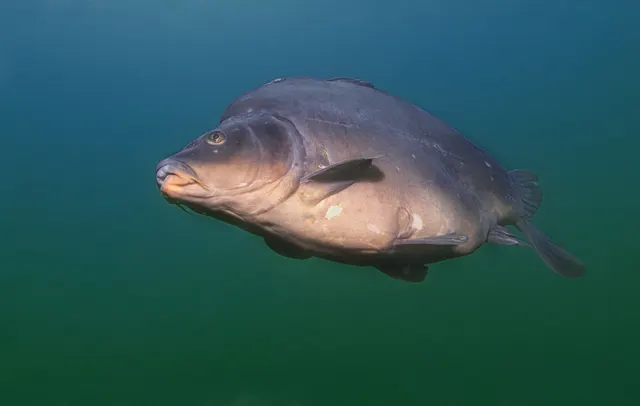 Common carpRegular local target1 placeClattercote ReservoirOver reservoir
Photo: Sven Riewe, via Wikimedia Commons, CC0; resized and trimmed to fit
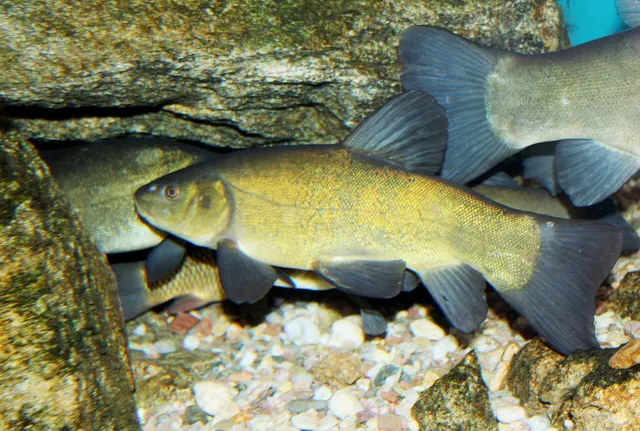 TenchSeasonal1 placeClattercote ReservoirOver reservoirAround Apr–Oct
Photo: Karelj, via Wikimedia Commons, public domain; resized and trimmed to fit
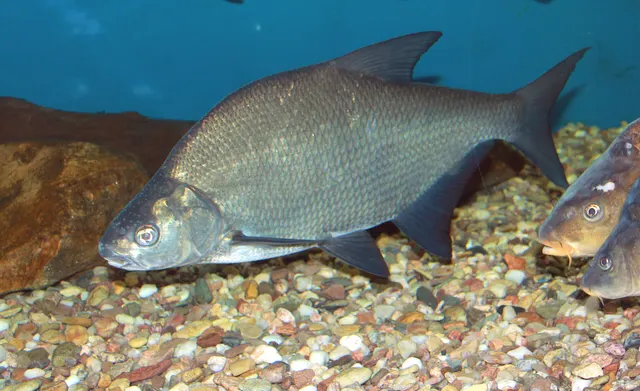 Common breamRecorded here1 placeClattercote ReservoirOver reservoir
Photo: Karelj, via Wikimedia Commons, public domain; resized and trimmed to fit
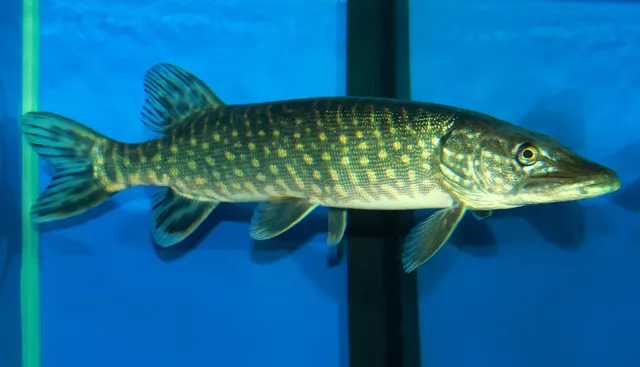 Northern pikeRecorded here1 placeClattercote ReservoirOver reservoir
Photo: Karelj, via Wikimedia Commons, public domain; resized and trimmed to fit
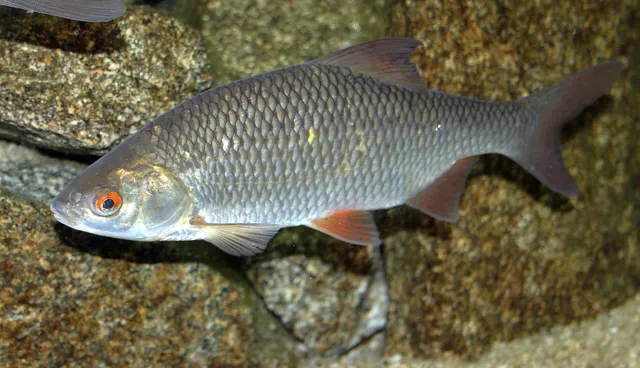 RoachRecorded here1 placeClattercote ReservoirOver reservoir
Photo: Karelj, via Wikimedia Commons, public domain; resized and trimmed to fit


What these strengths mean
- Regular local target
- Fishing sources describe this as a normal local target here, not merely as caught.
- Seasonal
- Well supported, and concentrated in part of the year rather than spread through it.
- Recorded here
- At least one credible public account of this species being caught here. That is all it means.
- How breadth is counted
- A fish documented at six marks is shown as six marks: breadth never raises the strength on its own. A fishery account describes the fishing; a recorded catch reports one specific catch. How evidence is weighed.
Fish documented nearby, not here
Nothing below has been documented at Clattercote Reservoir itself. Each one has been documented at a named place on the same ground, and the places are listed with it. Treat this as what the water around here holds rather than as a catch list for this mark.
Widely documented on this ground
Documented at three or more neighbouring places, fished a way this place is also fished. That is a pattern about the ground rather than about any one mark, and it is the closest this site comes to saying you will probably meet a fish somewhere nothing has been written about.
From the shore
- European perch — documented at The Grand Union Canal; The Oxford Canal; The Great Ouse at Bedford (+4 more)
Also documented at neighbouring places
One or two accounts each, on the ground around here. Enough to know the fish is caught in these waters; not enough to say anything about this place.
From the shore
- Rainbow trout — documented at Pitsford Water; Draycote Water
- Brown trout — documented at Draycote Water; Pitsford Water
- Chub — documented at The Great Ouse at Bedford; Blythe Waters
- Zander — documented at The Grand Union Canal
- Barbel — documented at The Great Ouse at Bedford
- Gudgeon — documented at The Oxford Canal
How people fish it
Practised here: Coarse fishing, Carp fishing.
Methods the sources name for this ground. Each one is explained in full on its own page.
- Ledgering
Fishing a bait on the bottom held by a weight, with no float — the simplest way to fish at distance, in depth, or in wind.
- Float fishing
Suspending a bait at a controlled depth beneath a buoyant indicator — the most visual, most controllable and most widely applicable method in angling.
- Pole fishing
Fishing with a long jointed pole and a short fixed line, giving bait placement precision no rod and reel can match.
- Deadbaiting
Presenting a dead fish as bait for predators — a method that works because scavenging is normal predator behaviour, not an exception.
Baits and lures for these fish
The baits and lures each of the fish above is commonly taken on, from that fish’s own page. This is what works for the fish, not a report of what people use on this particular water — local knowledge and the conditions on the day still decide.
Baits
- Maggots — for Tench, Common bream, Roach
- Sweetcorn — for Common carp, Tench, Common bream
- Casters — for Tench, Roach
- Pellets — for Common carp, Common bream
- Boilies — for Common carp
- Bread — for Roach
- Particle baits — for Common carp
- Sea deadbaits — for Northern pike
Lures
- Crankbaits — for Northern pike
- Jerkbaits — for Northern pike
- Soft plastics — for Northern pike
- Spinnerbaits and bladed jigs — for Northern pike
- Spoons — for Northern pike
How to catch them: Carp fishing · Pike fishing
Rods, reels and rigs for them: Northern pike
The ground and the water
- The ground
- A twenty-one acre reservoir about five miles north of Banbury in Oxfordshire, surrounded by trees and shrubs. The owner describes a wooden walkway leading to a hundred and twenty-two pegs built as jetties, with ten more along the dam wall.
- Exposure
- Sheltered by trees on most banks. The owner says it is usually busy at weekends and quieter in the week.
Getting there
What public sources describe, last checked 2026-10-11. Car parks fill, services change and a path existing is not a path anybody may use — none of this is a guarantee of availability and none of it is permission to be anywhere.
- Getting to it
- On the Mollington Road near Claydon, reached from the A423 north of Banbury by the turning signed for Claydon. The owner says the entrance is about a mile along on the right.
- Mobility
- The owner describes a wooden walkway to jetty pegs round the water. It does not say which pegs suit a wheelchair.
Parking
Fishery parking
Harbour or operator parking · Charging not established
The owner says parking must follow the bailiff's directions. It does not say whether it is charged.
Where this access information comes from
- Canal & River Trust: our commercial fisheries — Canal & River Trust, which owns and runs the fisheries, 2026 (Local authority, harbour or protected-area body)Relied on for: The owner's page for Clattercote Reservoir: its size, what it is stocked with, how it is fished, and how a ticket is bought.States this directlyPassage read and verified
What is there
Public toilets
The owner's page says a portable toilet is on site.
Through the year
The owner says the tench feed best from April to October, the bream are caught on the bottom particularly in cloudy weather, and pike anglers favour the water in winter.
Safety
Cold water shock — Can cause serious injury or death
General safety for this kind of ground, not a finding about this place.
Water around these islands stays cold enough all year to trigger cold water shock — involuntary gasping and hyperventilation on sudden immersion, which can cause somebody to inhale water in the first seconds regardless of swimming ability.
What reduces it: Wear a buoyancy aid where immersion is credible. If immersed, float on your back until the initial response passes rather than trying to swim immediately.
Rules and access
Licence
A rod licence is required for freshwater rod fishing in England, issued by the Environment Agency — except on the River Tweed, which the licence does not cover even in England. Children under 13 do not need one.
Permission to fish
Separate. Almost all fishing rights are held by a club, association, riparian owner or navigation authority, and the licence does not grant access to any of them.
Particular to this water: The owner's page says a rod licence is required and tells anglers to check the current rules with the bailiff. Prices, opening hours and rules for Clattercote are the Trust's to set and change; none is restated here. The fuller rule sheet the page links to was not read. The owner says day permits are bought on the bank, that nets must be dry on arrival, and that the noticeboard should be read on arriving.
Beyond what is stated above, FishingHQ does not know the current access position here. Freshwater rod fishing in England requires a current rod licence AND separate permission from whoever controls the fishing, which is frequently a club, riparian owner or navigation authority rather than a public body. Close seasons, byelaws and local rules apply and change. Check with the Environment Agency and with the controlling club or owner before going.
Who holds the answer:
- The Environment Agency, for rod licensing, close seasons and fisheries byelaws in England.
- The club, association, riparian owner or navigation authority that controls the fishing.
- The environmental regulator for England, which issues the rod licence, makes fisheries byelaws and enforces them.
- The equivalent Welsh environmental body, which administers fisheries in Wales and has set salmon and sea trout measures differently from England.
- The owner, club, syndicate or commercial fishery controlling the water, whose permission is separate from and additional to any licence.
- The body managing any marine protected area, national park or designated site where the fishing takes place.
- The national conservation body, for protected species and habitat designations that override general rules.
- The Environment Agency: rod licences, close seasons and fisheries byelaws in England.
- The Canal & River Trust, which owns the fishery, and its bailiff on the bank: tickets, opening hours and the fishery's own rules.
Nearby fishing
Other publicly documented places within about 40 km, by distance. Positions are approximate public geography and are never exact marks.
- Boddington Reservoir — 5–10 km · Reservoir
- The Oxford Canal — 5–10 km · Canal section
- Drayton Reservoir — 10–25 km · Reservoir
- Draycote Water — 10–25 km · Reservoir
- The Grand Union Canal — 25–40 km · Canal section
- Naseby Reservoir — 25–40 km · Reservoir
- Pitsford Water — 25–40 km · Reservoir
Sources for this place
- Canal & River Trust: our commercial fisheries — Canal & River Trust, which owns and runs the fisheries, 2026 (Local authority, harbour or protected-area body)Relied on for: The owner's page for Clattercote Reservoir: its size, what it is stocked with, how it is fished, and how a ticket is bought.States this directlyPassage read and verified
How FishingHQ labels evidence is explained in the evidence policy. Last reviewed 2026-10-11.
Something wrong or out of date?
If something on this page has changed, email us from your own account using the link that fits, with a link to where you saw the change if you can. Every report is checked by a person before anything is changed, and a report never appears on the site by itself. Please don’t send exact private marks.
Before you go
- Fish documented here
- 5 at this place itself. See them.
- Getting there
- Described from public sources, last checked 2026-10-11. Getting there.
- Rules particular to this water
- The owner's page says a rod licence is required and tells anglers to check the current rules with the bailiff. Source not tied: no recorded source has been matched to this statement.
- Prices, opening hours and rules for Clattercote are the Trust's to set and change; none is restated here. Source not tied: no recorded source has been matched to this statement.
- The fuller rule sheet the page links to was not read. Source not tied: no recorded source has been matched to this statement.
- The owner says day permits are bought on the bank, that nets must be dry on arrival, and that the noticeboard should be read on arriving. Source not tied: no recorded source has been matched to this statement.
Nothing here is watched for change. Sources and who to ask.
- Hazards particular to this place
- None recorded for this place; the hazards of the wider coast or water still apply.
Check before you travel
- Whether you may fish here, and whether a licence or permit is needed — start with the Environment Agency.
- Who holds the fishing right on the water you mean to fish.
- Anything recorded here was true when it was read; it is not watched for change.