The Isle of Man
Fishing regions · Last reviewed 2026-08-15
A self-governing Crown Dependency in the middle of the Irish Sea with its own parliament, its own fisheries law and its own territorial sea — which makes it the clearest illustration in these islands that a coast is a jurisdiction before it is a place.
Safety: cliffs and rock platforms — can cause serious injury or death. 5 more points apply here.
Being listed here is not permission to fish. What that meansClose
Access, fishing rights, seasons, licences, local bylaws and permitted methods vary and can change. Check current access, permission, local regulations, closures and restrictions before you travel or fish. FishingHQ describes what the ground is and names who holds the answer; it does not hold the answer itself.
Find the authority for a jurisdiction · What FishingHQ does and does not cover
The Isle of Man is a fishing destination whose most distinctive feature is not physical.
IT MAKES ITS OWN FISHERIES LAW. The island is a Crown Dependency, not part of the United Kingdom, with its own parliament — Tynwald, among the oldest continuous parliamentary bodies anywhere — and its own government department responsible for fisheries. It has its own territorial sea, and within it the rules on licensing, minimum sizes, closed areas, gear and shellfish are set on the island rather than in London, Cardiff, Edinburgh or Belfast.
THAT MATTERS PRACTICALLY AND IT IS ROUTINELY MISSED. An angler arriving from England with a working knowledge of English sea fisheries rules is arriving in a different legal system. What is permitted, what is licensed and what is closed are Manx questions with Manx answers, and the answers do not have to match anybody else's.
THE PHYSICAL SETTING IS A DEEP-WATER ISLAND IN THE MIDDLE OF A SEA. Roughly thirty miles long, sitting almost equidistant from England, Scotland, Wales and Ireland, with deep water close in on much of the coast, strong tidal streams around the headlands, and a mixture of cliff, rock, shingle and sand.
WHICH GIVES SHORE ANGLERS ACCESS TO DEEP WATER most British marks cannot offer. Pollack, coalfish, wrasse and conger over the rock; bass, flatfish and rays over the sand and shingle; tope and spurdog offshore; and a summer mackerel fishery.
AND THE QUEEN SCALLOP FISHERY IS THE ISLAND'S OWN. The waters around Mann support a substantial queenie fishery which is managed under Manx law, is a genuine part of the island's economy and identity, and is subject to closures and management measures set locally.
What fishing here is like
A self-governing island in the centre of the Irish Sea, roughly thirty miles long, with its own parliament, government and fisheries legislation, and its own territorial sea within which it sets its own rules. Physically it offers deep water close inshore on much of the coast, strong tidal streams around the headlands, cliff and rock on the west and north, and shingle and sand in the bays. The combination of accessible deep water and a distinct legal framework is what makes it a destination rather than another stretch of Irish Sea coast.
What you can target here
One entry per fish, grouped by how you would be fishing — because the answer is a different one from the rocks and from a boat. Each entry says how strongly the sources support it and how much evidence sits behind it. These are documented catches, not a forecast, and none of it is a statement that you may fish any particular ground.
From the shore · 8
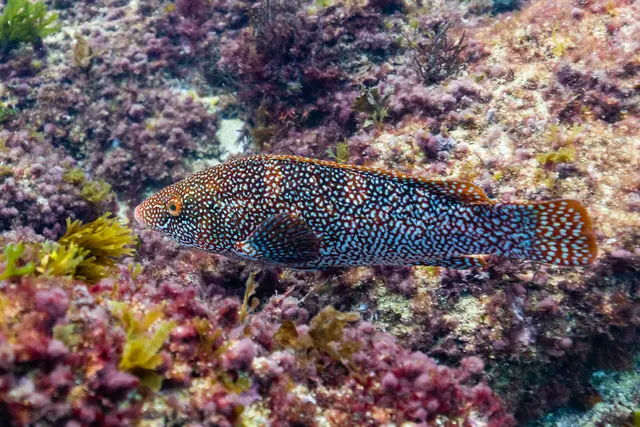 Ballan wrasseRegular local target2 placesPort Erin and Raglan Pier, Laxey breakwaterOver breakwater, pier
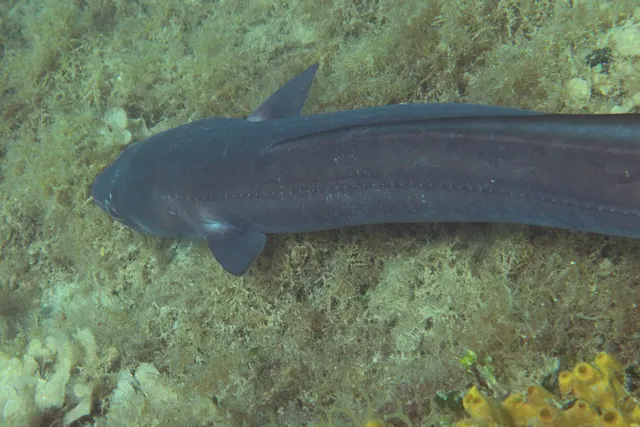 Conger eelRegular local target2 placesPort Erin and Raglan Pier, Laxey breakwaterOver breakwater, pier
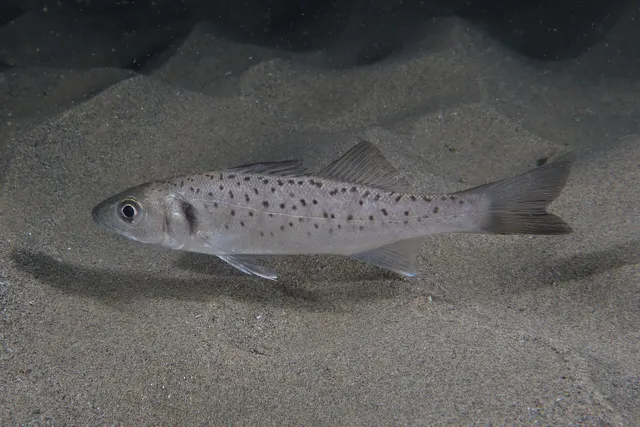 European sea bassRegular local target2 placesPort Erin and Raglan Pier, Laxey breakwaterOver breakwater, pier
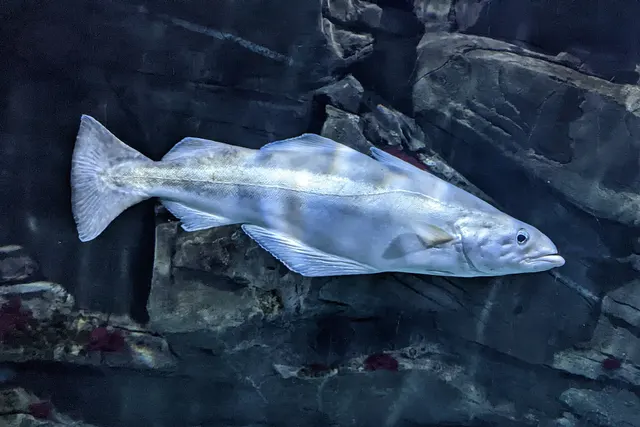 PollackRegular local target2 placesPort Erin and Raglan Pier, Laxey breakwaterOver breakwater, pier
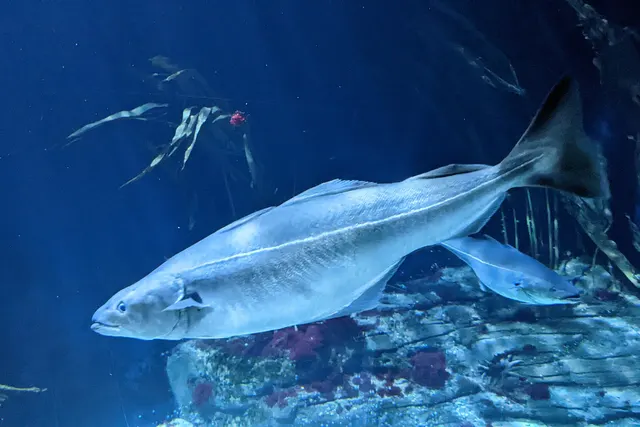 SaitheRegular local target2 placesPort Erin and Raglan Pier, Laxey breakwaterOver breakwater, pier
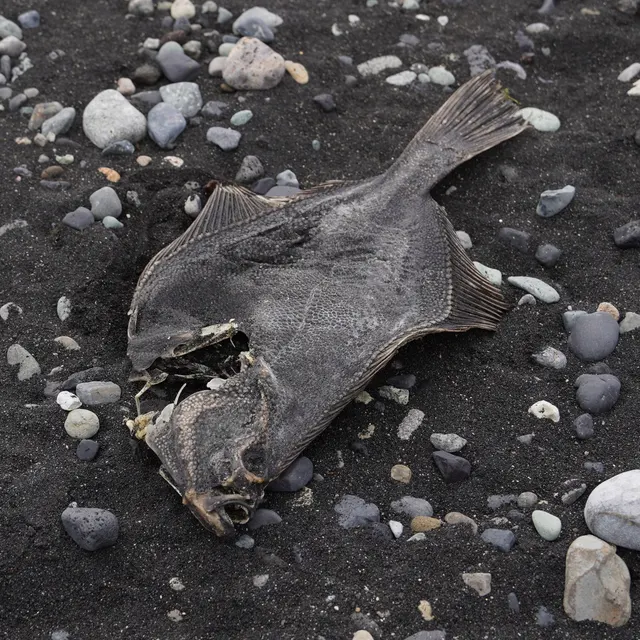 European flounderRegular local target1 placePort Erin and Raglan PierOver pier
Also documented from the shore: Small-spotted catshark · Atlantic mackerel
What these strengths mean
- Regular local target
- Fishing sources describe this as a normal local target here, not merely as caught.
- Seasonal
- Well supported, and concentrated in part of the year rather than spread through it.
- How breadth is counted
- A fish documented at six marks is shown as six marks: breadth never raises the strength on its own. A fishery account describes the fishing; a recorded catch reports one specific catch. How evidence is weighed.
How people fish here
6 methods are recorded on the places documented here, counted from the records themselves rather than from what is practised in the country. Each opens a full guide to the technique.
Float fishing
Recorded at 7 places here, over breakwater, headland, pier, tidal race.
Suspending a bait at a controlled depth beneath a buoyant indicator — the most visual, most controllable and most widely applicable method in angling.
Documented on the same ground: Ballan wrasse, Conger eel, European flounder, European sea bass, Pollack, Saithe.
Ledgering
Recorded at 6 places here, over breakwater, headland, pier.
Fishing a bait on the bottom held by a weight, with no float — the simplest way to fish at distance, in depth, or in wind.
Documented on the same ground: Ballan wrasse, Conger eel, European flounder, European sea bass, Pollack, Saithe.
Feathering and multi-lure traces
Recorded at 4 places here, over breakwater, headland, pier.
A string of small lures on droppers, worked in the water column — how most people in Britain and Ireland catch their first sea fish, and the method most likely to catch far more than anybody intended.
Documented on the same ground: Ballan wrasse, Conger eel, European flounder, European sea bass, Pollack, Saithe.
Spinning
Recorded at 4 places here, over breakwater, headland, pier, tidal race.
Casting an artificial lure and retrieving it so that it moves like something alive — the most direct form of lure fishing.
Documented on the same ground: Ballan wrasse, Conger eel, European flounder, European sea bass, Pollack, Saithe.
Kayak fishing
Recorded at 1 place here, over tidal race.
A platform rather than a technique: quiet, shallow-draught access to water no other craft reaches, bought at the price of exposure, and a discipline where the decision not to launch is part of the skill.
Shore diving
Recorded at 1 place here, over pier.
Entering and leaving the water from land under your own power — the most accessible spearfishing and the one where the entry and exit are the dangerous part.
These are the methods documented at the places FishingHQ holds here. A species listed beside a method is documented on the same ground, which is not the same as being taken that way — where a source establishes the method a fish was caught on, it is stated on that place’s own page. All fishing methods.
What dominates
Shore fishing from rock marks and cliff platforms into deep water for pollack, coalfish, wrasse and conger, which is the island's characteristic fishing. Beach and shingle ledgering for bass, flatfish and rays. Lure and light rock fishing, which suits the deep clean water well. Charter and small-boat fishing for tope, spurdog, rays and summer species over the offshore ground. Kayak fishing where conditions and tidal streams permit. Freshwater fly fishing for brown trout on the island's small rivers and reservoirs, which is a modest but genuine fishery.
The water available
Cliff and rock platform with deep water close in, principally on the west and north; shingle and sand bays on the east and south; small harbours; strong tidal streams and races around the headlands, particularly at the northern and southern extremities; offshore banks and scallop ground; and, inland, a set of short upland rivers and small reservoirs.
How the rules are structured
The Isle of Man is a Crown Dependency and is not part of the United Kingdom. It legislates for its own fisheries through Tynwald, and the responsible Manx government department administers sea fisheries within Manx territorial waters — including licensing, minimum sizes, closed seasons and areas, gear restrictions and the management of the queen scallop and other shellfish fisheries. UK sea fisheries rules do not apply. Freshwater fishing requires a Manx licence and, where the water is controlled, the owner's or club's permission. Marine protected areas and closed areas exist within Manx waters and carry their own restrictions. Shellfish gathering is governed by Manx food safety and fisheries arrangements. Every one of these is set locally and revised locally, and FishingHQ does not state what any current rule is.
Who to ask
- The Manx government department responsible for fisheries, which sets and enforces sea fisheries measures within Manx territorial waters.
- Tynwald, the island's parliament, which makes the fisheries legislation those measures rest on.
- The Manx authority responsible for freshwater fishing licences and inland waters.
- The harbour authority, for launching, mooring and access at the island's harbours.
- The Manx food safety and public health authorities, for shellfish classification and closures.
- The landowner or angling club, for permission to fish inland waters.
Words you will meet
- Queenie
- The queen scallop, Aequipecten opercularis, which supports a substantial fishery in Manx waters managed under Manx law. The word is in general use on the island for the animal, the fishery and the food.
- Tynwald
- The island's parliament, and the body that makes its fisheries law. Relevant to an angler because it is the reason Manx rules are Manx rather than British.
- Territorial sea
- The band of sea around the island within which Manx jurisdiction and Manx fisheries rules apply. Its extent is a legal matter and is stated by the Manx government rather than here; the practical point is that it exists and that crossing into it changes which rules you are under.
- Ellan Vannin
- The island's name in Manx Gaelic. Manx place names are widespread and the language has been the subject of a substantial revival.
Conditions and hazards
Deep water close inshore is the island's fishing advantage and its principal hazard: many rock marks drop into serious depth immediately, and a person entering the water from one has no shallow ground to reach. Cliff platforms take swell from the whole Irish Sea and are subject to unexpected sets. Tidal streams around the headlands, particularly at the north and south ends of the island, are strong and produce races that a small craft cannot work against. Cold water is a year-round risk in a sea that never warms much. The island's remoteness within the Irish Sea means weather can change with a longer fetch than a mainland coast experiences, and offshore fishing is a genuine passage rather than a trip along a shore.
Deep water close in, and headland races at both ends
The island's fishing environments are unusually favourable to shore anglers for one physical reason.
THE WATER IS DEEP CLOSE IN over much of the coast. The Isle of Man sits on ground that falls away quickly, particularly on the west and north, so a rock mark can put a bait or a lure into depth that most British shore marks cannot reach at all. That single fact accounts for the island's reputation: species normally regarded as boat fish are available from the shore.
CLIFF AND ROCK PLATFORM dominate the west and north. Kelp, boulder ground and gullies, with the depth immediately beyond.
SHINGLE AND SAND BAYS on the east and south give conventional beach fishing for bass, flatfish and rays, and are the fallback when the exposed coast is unfishable.
HEADLAND RACES AT BOTH ENDS of the island produce accelerated flow, concentrated feeding and genuine hazard. The northern and southern extremities are the strongest, and they behave like the tidal races anywhere: food is pushed through, predators wait in the eddies, and a small craft that misjudges the turn has a serious problem.
OFFSHORE, the ground includes the banks and gravel bottom that support the queen scallop fishery, plus rough ground for the tope and spurdog fishing.
AND INLAND there are short upland rivers and a handful of small reservoirs, holding brown trout. It is a modest freshwater resource on a small island and it is a real one.
What experienced anglers do — why, and the sources (3)
Widely and independently recommended by experienced anglers and specialist sources. This is real angling knowledge, not proof: controlled evidence for it is limited, and FishingHQ records it as convention rather than as a demonstrated effect.
- Sea Angler — Bauer Media (Specialist angling publication)Relied on for: Contemporary UK and European sea angling practice as reported by practitioners, including ground, seasonal timing and method convention.States this directlyCitation checked — the work exists and is described correctly
- General angling website restatements of established technique — Various (Credible secondary source)Relied on for: Widely restated descriptions of regional angling practice, recorded as consensus rather than as scholarship.Background and mechanism onlyCitation checked — the work exists and is described correctly
- Met Office shipping forecast, inshore waters forecast and marine warnings — Met Office, United Kingdom (Government fisheries body)Relied on for: Marine forecasting for UK waters: wind, sea state, and the inshore waters forecast areas anglers plan against.States this directlyCitation checked — the work exists and is described correctly
Pollack and conger from the rocks, tope offshore, queenies on the bottom
The species available reflect deep clean water and a central Irish Sea position.
POLLACK AND COALFISH are the characteristic rock-mark fish, taken on lures, jigs and bait from the cliff platforms into the deep water beyond. Good pollack from the shore is a genuine feature here rather than an occasional accident.
WRASSE, particularly ballan, are abundant over the kelp and boulder ground and are increasingly a deliberate target on light tackle.
CONGER live in the rock and are taken from deep shore marks as well as from boats — another species most British shore anglers do not encounter from land.
BASS, FLATFISH AND RAYS come from the sand and shingle bays, on conventional beach tackle.
TOPE AND SPURDOG are the principal offshore catch, over the cleaner ground, and the island's charter fishing is largely organised around them and around the summer species.
MACKEREL arrive through summer and are abundant.
AND THE QUEEN SCALLOP is the island's own catch, though a commercial rather than a recreational one for most people. It is worth knowing about because it is central to how Manx waters are managed, and because scallop and shellfish gathering by hand is governed by Manx rules that differ from the neighbouring jurisdictions'.
FRESHWATER holds brown trout in the rivers and stocked reservoirs, with sea trout running the larger streams.
Backed by research — why, and the sources (4)
Supported by peer-reviewed research or fisheries science. The sources are listed and can be checked.
- The Fishes of the British Isles and North-West Europe — Macmillan, 1969 (Reference work)Relied on for: Distribution, habitat and biology of the fishes of the British Isles and north-west Europe.States this directlyCitation checked — the work exists and is described correctly
- FishBase: a global information system on fishes — Froese, R. and D. Pauly, eds. — FishBase Consortium (Scientific institute)Relied on for: Distribution, habitat association and life history recorded for the species concerned.States this directlyPassage read and verified
- Cefas science, advice and data on marine and freshwater environments — Centre for Environment, Fisheries and Aquaculture Science (Government fisheries body)Relied on for: UK marine fisheries science: survey data, distribution and the biological basis of management advice.States this directlyCitation checked — the work exists and is described correctly
- Sea Angler — Bauer Media (Specialist angling publication)Relied on for: Contemporary UK and European sea angling practice as reported by practitioners, including ground, seasonal timing and method convention.States this directlyCitation checked — the work exists and is described correctly
Rock fishing into depth, and why the boat trips are proper passages
The disciplines here follow directly from the depth and from the island's position.
DEEP-WATER ROCK FISHING is the island's signature. Long rods, heavy leads or heavy lures, and marks that drop into serious depth within a cast. It is closer in character to Atlantic-coast rock fishing in Ireland or Portugal than to the shallow-water beach fishing that dominates much of England.
LURE AND LIGHT ROCK FISHING suit the clear deep water well, and the island has become a destination for it alongside Anglesey and the Irish Atlantic coast.
BEACH LEDGERING on the shingle and sand bays is conventional and is the discipline that works when the exposed coast does not.
CHARTER AND SMALL-BOAT FISHING is a genuine offshore proposition rather than a coastal one. The island sits in the middle of a sea rather than on the edge of one, so a boat trip is a passage with real weather exposure and a longer run home than the equivalent trip from a mainland port.
KAYAK FISHING is possible and is limited by the same two things as everywhere: the headland races, and the fact that the Irish Sea can change faster than a paddler can cross open water.
AND FRESHWATER FLY FISHING for brown trout on the small rivers and reservoirs is a modest, pleasant fishery that most visiting sea anglers never discover.
What experienced anglers do — why, and the sources (3)
Widely and independently recommended by experienced anglers and specialist sources. This is real angling knowledge, not proof: controlled evidence for it is limited, and FishingHQ records it as convention rather than as a demonstrated effect.
- Sea Angler — Bauer Media (Specialist angling publication)Relied on for: Contemporary UK and European sea angling practice as reported by practitioners, including ground, seasonal timing and method convention.States this directlyCitation checked — the work exists and is described correctly
- General angling website restatements of established technique — Various (Credible secondary source)Relied on for: Widely restated descriptions of regional angling practice, recorded as consensus rather than as scholarship.Background and mechanism onlyCitation checked — the work exists and is described correctly
- Met Office shipping forecast, inshore waters forecast and marine warnings — Met Office, United Kingdom (Government fisheries body)Relied on for: Marine forecasting for UK waters: wind, sea state, and the inshore waters forecast areas anglers plan against.States this directlyCitation checked — the work exists and is described correctly
A short, sharp season in a sea that never warms much
The Isle of Man's fishing year is that of the central Irish Sea, compressed by exposure.
SPRING is late and weather-limited. The sea around Mann warms slowly and the island takes weather from every direction, so early-season fishing on the exposed coasts is a matter of finding windows rather than planning ahead.
SUMMER IS THE SEASON, and it is when the species list is longest. Mackerel arrive in numbers. Tope and spurdog fishing peaks. Pollack and wrasse are reliable on the rock. Bass are in the bays. The offshore charter fishing is at its most practical because the weather permits it most often.
AUTUMN often produces the best individual fish and the worst conditions, in the same weeks. Pollack and conger feed hard, the bays fish well after a blow, and the weather increasingly decides whether anything happens at all.
WINTER is sheltered-water fishing: harbours, the more protected bays, and the species that stay — flatfish, whiting, and the occasional codling. The exposed west and north coasts are largely out of the question.
THE OTHER SEASONAL VARIABLE IS THE MANAGEMENT CALENDAR. The queen scallop fishery and other Manx shellfish fisheries operate under seasons and closures set locally, and those dates are a Manx government matter that changes. An angler is unlikely to be affected directly and should know the framework exists.
What experienced anglers do — why, and the sources (4)
Widely and independently recommended by experienced anglers and specialist sources. This is real angling knowledge, not proof: controlled evidence for it is limited, and FishingHQ records it as convention rather than as a demonstrated effect.
- Sea Angler — Bauer Media (Specialist angling publication)Relied on for: Contemporary UK and European sea angling practice as reported by practitioners, including ground, seasonal timing and method convention.States this directlyCitation checked — the work exists and is described correctly
- General angling website restatements of established technique — Various (Credible secondary source)Relied on for: Widely restated descriptions of regional angling practice, recorded as consensus rather than as scholarship.Background and mechanism onlyCitation checked — the work exists and is described correctly
- Met Office shipping forecast, inshore waters forecast and marine warnings — Met Office, United Kingdom (Government fisheries body)Relied on for: Marine forecasting for UK waters: wind, sea state, and the inshore waters forecast areas anglers plan against.States this directlyCitation checked — the work exists and is described correctly
- Good Fish Guide — Marine Conservation Society (Conservation authority)Relied on for: Sustainability ratings and the stock and gear considerations behind them.Background and mechanism onlyCitation checked — the work exists and is described correctly
Not the United Kingdom: a separate legal system for the same sea
This is the most important section on this page, because it is the thing visitors most often get wrong.
THE ISLE OF MAN IS NOT PART OF THE UNITED KINGDOM. It is a self-governing Crown Dependency with its own parliament, Tynwald, its own government, and its own body of law. UK sea fisheries legislation does not apply in Manx waters, and neither does the legislation of England, Scotland, Wales or Northern Ireland.
MANX FISHERIES ARE ADMINISTERED BY THE MANX GOVERNMENT. The responsible department sets licensing requirements, minimum sizes, closed seasons and areas, gear restrictions, and the management of the shellfish fisheries. Enforcement is Manx enforcement.
THE PRACTICAL CONSEQUENCE IS SIMPLE AND EASY TO FORGET. An angler who knows the English or Welsh position on bass, or on shellfish gathering, or on which species may be retained, knows nothing about the Manx position. The two may coincide and they do not have to.
THE ISLAND HAS ITS OWN TERRITORIAL SEA, within which this all applies. A boat fishing out of a Manx port may cross out of it.
FRESHWATER REQUIRES A MANX LICENCE — a UK rod licence is not valid — plus permission from whoever controls the water.
MARINE PROTECTED AREAS AND CLOSED AREAS exist within Manx waters and are set locally.
FISHINGHQ STATES NO MANX RULE AND NO CURRENT VALUE OF ONE. What it states is that the framework is separate, which is the fact that decides where to go and ask.
Official guidance — why, and the sources (2)
Stated by a fisheries authority, scientific institute or recognised angling body. Authoritative, but summarising rather than demonstrating.
- Cefas science, advice and data on marine and freshwater environments — Centre for Environment, Fisheries and Aquaculture Science (Government fisheries body)Relied on for: UK marine fisheries science: survey data, distribution and the biological basis of management advice.States this directlyCitation checked — the work exists and is described correctly
- Good Fish Guide — Marine Conservation Society (Conservation authority)Relied on for: Sustainability ratings and the stock and gear considerations behind them.Background and mechanism onlyCitation checked — the work exists and is described correctly
Queenies, Tynwald and Ellan Vannin
Manx fishing vocabulary carries the island's separateness in it.
QUEENIE is the queen scallop, Aequipecten opercularis, and on the island the word covers the animal, the fishery and the food equally. The queenie fishery is substantial, is managed under Manx law, and is part of the island's identity in a way an outsider underestimates.
TYNWALD is the island's parliament and one of the oldest continuous parliamentary institutions anywhere. It is in an angler's vocabulary because it is the body that makes the fisheries law, which is the reason Manx rules are Manx.
ELLAN VANNIN is the island's name in Manx Gaelic. The language declined to near-extinction and has been substantially revived; place names across the island are Manx and are in everyday use.
TERRITORIAL SEA is a legal term that becomes a practical one here. It is the water within which Manx rules apply, and its extent is a matter for the Manx government to state. The concept matters because crossing its boundary changes which law you are fishing under.
MANX KIPPER refers to the island's smoked herring, a product with a long history and a continuing one. It is a food rather than a fishing term and it is the clearest surviving trace of what the island's fisheries used to be.
AND THE ORDINARY BRITISH SEA-ANGLING VOCABULARY — mark, ground, race, slack — is used here as it is everywhere else on these coasts.
What experienced anglers do — why, and the sources (2)
Widely and independently recommended by experienced anglers and specialist sources. This is real angling knowledge, not proof: controlled evidence for it is limited, and FishingHQ records it as convention rather than as a demonstrated effect.
- General angling website restatements of established technique — Various (Credible secondary source)Relied on for: Widely restated descriptions of regional angling practice, recorded as consensus rather than as scholarship.Background and mechanism onlyCitation checked — the work exists and is described correctly
- Sea Angler — Bauer Media (Specialist angling publication)Relied on for: Contemporary UK and European sea angling practice as reported by practitioners, including ground, seasonal timing and method convention.States this directlyCitation checked — the work exists and is described correctly
Herring, kippers and a scallop fishery that outlasted both
The island's fishing history is unusually central to its own story.
HERRING WAS THE ISLAND'S FISHERY for centuries. The Manx herring fleet was substantial, the fishery supported communities around the whole coast, and the associated curing industry produced the Manx kipper that is still made. The herring's decline followed the pattern seen across the Irish Sea and the North Sea: a short-lived, volatile pelagic stock, fished at industrial scale with increasingly effective gear, collapsing faster than management adapted.
THE QUEEN SCALLOP FISHERY DEVELOPED LATER and became the island's principal fishery. It is worth noting as a case where a fishery that replaced a collapsed one has itself required active management — closures, effort limits and area measures — rather than simply continuing.
THE ISLAND'S LEGAL SEPARATENESS IS ITSELF HISTORICAL. Tynwald's continuity and the island's status as a dependency rather than a part of the UK are the products of a long and specific constitutional history, and they are the reason its fisheries are governed the way they are today rather than an administrative curiosity.
RECREATIONAL SEA ANGLING as a visitor activity is comparatively recent and grew with the same forces that built it elsewhere: better access, better tackle, and the discovery that deep water close to shore is a rare resource.
AND THE PATTERN THE HISTORY SHOWS is the one FishingHQ keeps recording: a coastal community's fishery is not a fixed feature of the place. Herring built it, herring left, scallops replaced it, and the management of what remains is a live question rather than a settled one.
What experienced anglers do — why, and the sources (2)
Widely and independently recommended by experienced anglers and specialist sources. This is real angling knowledge, not proof: controlled evidence for it is limited, and FishingHQ records it as convention rather than as a demonstrated effect.
- General angling website restatements of established technique — Various (Credible secondary source)Relied on for: Widely restated descriptions of regional angling practice, recorded as consensus rather than as scholarship.Background and mechanism onlyCitation checked — the work exists and is described correctly
- Good Fish Guide — Marine Conservation Society (Conservation authority)Relied on for: Sustainability ratings and the stock and gear considerations behind them.Background and mechanism onlyCitation checked — the work exists and is described correctly
A small island where the rules and the knowledge are both local
Fishing culture on the Isle of Man is shaped by scale and by separateness.
THE ISLAND IS SMALL AND THE COMMUNITY IS SMALL, which means local angling knowledge is genuinely local and genuinely held. Clubs, charter skippers and tackle shops are the routes into it, and the ordinary courtesies of arriving somewhere as a visitor apply more strongly than on a mainland coast where nobody notices.
THE COMMERCIAL FISHERY IS PART OF THE ISLAND'S IDENTITY rather than an industry that happens offshore. Queenies and kippers are foods people here associate with the place. An angler who understands that the scallop grounds are somebody's livelihood, managed under law made a few miles away, is starting from the right position.
THE SEPARATE LEGAL SYSTEM SHAPES BEHAVIOUR TOO. Visiting anglers are expected to have found out what the Manx rules are rather than assuming the UK's, and 'I thought it was the same as home' is not a position anybody local finds sympathetic.
MANX GAELIC AND MANX PLACE NAMES are in everyday use and the language revival is a live cultural project. Using the local names is straightforwardly courteous.
THE ISLAND HAS A STRONG COMPETITIVE AND CLUB ANGLING TRADITION, with shore and boat competitions and a settled calendar.
AND THE RECREATIONAL CULTURE HAS MOVED, as it has everywhere, towards release for the larger and slower-growing species — tope, conger and large pollack in particular — with the retention of a few fish for the table treated as normal rather than as a failing.
What experienced anglers do — why, and the sources (2)
Widely and independently recommended by experienced anglers and specialist sources. This is real angling knowledge, not proof: controlled evidence for it is limited, and FishingHQ records it as convention rather than as a demonstrated effect.
- General angling website restatements of established technique — Various (Credible secondary source)Relied on for: Widely restated descriptions of regional angling practice, recorded as consensus rather than as scholarship.Background and mechanism onlyCitation checked — the work exists and is described correctly
- Sea Angler — Bauer Media (Specialist angling publication)Relied on for: Contemporary UK and European sea angling practice as reported by practitioners, including ground, seasonal timing and method convention.States this directlyCitation checked — the work exists and is described correctly
Some of what lives here
Fish recorded here that FishingHQ holds a reviewed photograph of. It is not a complete list of what The Isle of Man holds, and it is not a prediction that you will catch any of them — it is a way in to the ones we can show you.
- PollackA fast gadoid that hunts up off reefs and wrecks and takes a lure on the drop — and the sea fish most likely to convert a bait angler to lure fishing.
Wilhelm Thomas Fiege — CC BY-SA 4.0, via Wikimedia Commons
- Conger eelA very large scaleless eel of wrecks, rock and harbour walls, reaching three metres, and among the most powerful and most genuinely dangerous fish to handle in European seas.
Holger Krisp — CC BY 3.0, via Wikimedia Commons
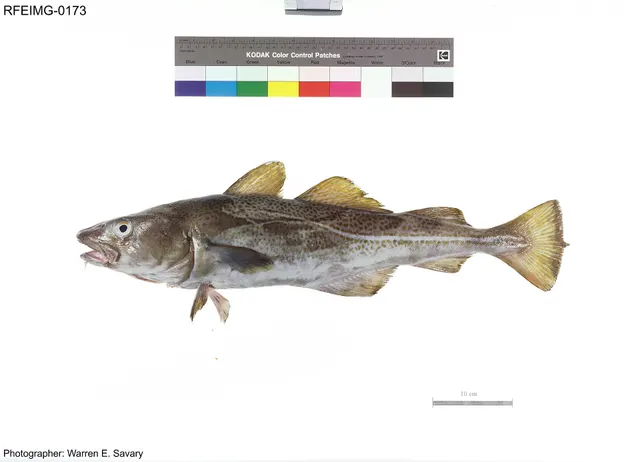 Atlantic codA large, heavily-built demersal predator of the North Atlantic, and the species whose commercial history is the standard example of stock collapse.
The U.S. Food and Drug Administration, Public domain, via Wikimedia Commons
- Ballan wrasseA long-lived rocky-ground resident that begins life female and may change sex — and the species that turned rock marks into a lure fishery.
Diego Delso — CC BY-SA 4.0, via Wikimedia Commons
Places within this area
Publicly documented fishing geography. FishingHQ describes what the ground is; it does not say whether you may fish it, and every one of these sends that question to the body that holds the answer. Browse every place in this part of the world.
Who to ask before fishing any of these
FishingHQ does not know the current access position here. The Isle of Man is a Crown dependency with its own fisheries legislation and its own licensing, separate from the United Kingdom's. Access, permits, seasons and measures apply and change. Check the current position with the Manx government's fisheries directorate and with the landowner or harbour authority before going.
Peel breakwater
Breakwater · Salt water
A stone breakwater enclosing the harbour on the island's west coast, with deep water on the seaward face, sand inside the harbour and a red sandstone headland and castle island beyond it.
Takes weather from the west and north-west across the Irish Sea.
Severe hazards of The Isle of Man apply here: cliffs and rock platforms.
Particular to this water: This is an owned and operated structure. Whether angling is allowed on it, when, from where and on what terms is the operator's decision, is frequently seasonal, and changes without notice.
Port St Mary and Alfred Pier
Pier · Salt water
A sheltered harbour in the island's south-west with a substantial stone pier, deep water alongside its outer end, and rock, kelp and boulder ground on the coast towards the Calf.
Severe hazards of The Isle of Man apply here: cliffs and rock platforms.
Particular to this water: This is an owned and operated structure. Whether angling is allowed on it, when, from where and on what terms is the operator's decision, is frequently seasonal, and changes without notice.
Calf Sound
Tidal race · Salt water
The narrow channel between the southern tip of the Isle of Man and the Calf of Man, with the islet of Kitterland in the middle of it, rock and boulder ground on both shores and deep scoured water in the channel.
Open to the south-west, and a place where wind against tide produces a very short steep sea in a small space.
Particular to this ground: moving water and currents, cliffs and rock platforms.
Particular to this water: This ground lies in or beside a marine protected area whose zoning constrains fishing, diving, anchoring and collection independently of any licence, with rules that differ between zones and boundaries that are not visible from the water.
Langness Point
Headland · Salt water
A low limestone and slate peninsula running south from the island's southern shore, ending in a wave-cut platform with reef and boulder ground offshore and deep water within a short cast of the point.
Exposed on both sides, with tide setting past the point on ebb and flood.
Particular to this ground: cliffs and rock platforms, tides and being cut off.
Douglas Head
Headland · Salt water
The rocky headland immediately south of Douglas harbour, with slate cliffs, deep water below and the harbour breakwaters and the Battery Pier on its northern side.
Particular to this ground: cliffs and rock platforms.
Particular to this water: This is an owned and operated structure. Whether angling is allowed on it, when, from where and on what terms is the operator's decision, is frequently seasonal, and changes without notice.
Port Erin and Raglan Pier
Pier · Salt water
A stone pier inside a deep west-facing bay, with the breakwater stump beyond it, clean sand in the bay's middle and broken rock round both headlands. Depth off the pier end and rough ground within a short walk of it.
Open west; the bay's headlands give it more shelter than the coast either side.
Severe hazards of The Isle of Man apply here: cliffs and rock platforms.
Particular to this water: This is an owned and operated structure. Whether angling is allowed on it, when, from where and on what terms is the operator's decision, is frequently seasonal, and changes without notice.
Laxey breakwater
Breakwater · Salt water
A short stone breakwater at the Laxey river mouth on the island's east coast, with the harbour behind it and rock and shingle either side. There is little water on it at the bottom of the tide, which is why the guide fishes it at the top.
Open east; sheltered from the prevailing westerly by the island.
Severe hazards of The Isle of Man apply here: cliffs and rock platforms.
Particular to this water: This is an owned and operated structure. Whether angling is allowed on it, when, from where and on what terms is the operator's decision, is frequently seasonal, and changes without notice.
Safety
Cliffs and rock platforms — Can cause serious injury or death
Much of the island's characteristic fishing is from cliff and rock platforms with deep water immediately below. A person entering the water from such a mark has no shallow ground to reach and frequently no route back up. Swell arriving from the open Irish Sea can produce a set considerably larger than the prevailing sea.
What reduces it: Wear a buoyancy aid on any rock platform. Watch a mark through a full set before committing. Identify the exit before starting. Do not fish deep-water rock marks alone, and treat swell in the forecast as a separate consideration from wind.
Worse when:
- Swell from a distant system in otherwise calm local conditions
- Night fishing on unfamiliar ground
- Wet or weed-covered rock
Tides and being cut off — Can cause injury needing treatment
Tidal races off the northern and southern headlands run at speeds a kayak or small boat cannot work against, and the sea state in them changes sharply with wind against tide.
What reduces it: Plan against tidal stream information. Avoid the headland races in small craft outside slack water. Recognise that the island sits in open sea and that a return passage may be into worsening conditions.
Worse when:
- Spring tides
- Wind against tide
- Offshore trips where the weather can change over a long fetch
Precautions that always apply here
- Wear a buoyancy aid or lifejacket. Cold water incapacitates strong swimmers within a minute, long before swimming ability matters.
- Check the tide before you go and know your exit route. Being cut off is the commonest way a shore session becomes a rescue.
- Tell somebody where you are going and when you expect to be back.
- Carry a charged phone in a waterproof case, or another means of calling for help.
Further safety reading
- Rock platform and cliff safety — Cliff marks with deep water immediately below, taking swell from the whole Irish Sea, and no shallow ground to reach.
Check the rules before you fish
Fishing laws, bylaws, access rules, seasons, bait restrictions and permitted methods vary by location and can change. Check the current rules from the relevant authority and the water you intend to fish before fishing.
Check with:
- Current national or regional law for where you are fishing
- Current local bylaws
- The relevant fisheries authority
- The landowner, club or fishery whose water it is
- Any restrictions specific to the species or the method you intend to use
Where to go next
What swims here
- Atlantic codPresent over the rougher ground and a winter shore and boat target, in a sea where cod are far less abundant than they were.
- Ballan wrasseAbundant over the kelp and boulder ground of the west and north coasts.
- Conger eelDeep water close in means conger are a genuine shore proposition on this island, which is unusual in Britain.
- PollackThe characteristic shore fish here, taken from cliff platforms into deep water — a species most British shore anglers meet only from a boat.
How this compares
Rules and access
Sources and evidence
- The Fishes of the British Isles and North-West Europe — Macmillan, 1969 (Reference work)Relied on for: Distribution, habitat and biology of the fishes of the British Isles and north-west Europe.States this directlyCitation checked — the work exists and is described correctly
- FishBase: a global information system on fishes — Froese, R. and D. Pauly, eds. — FishBase Consortium (Scientific institute)Relied on for: Distribution, habitat association and life history recorded for the species concerned.States this directlyPassage read and verified
- Cefas science, advice and data on marine and freshwater environments — Centre for Environment, Fisheries and Aquaculture Science (Government fisheries body)Relied on for: UK marine fisheries science: survey data, distribution and the biological basis of management advice.States this directlyCitation checked — the work exists and is described correctly
- Sea Angler — Bauer Media (Specialist angling publication)Relied on for: Contemporary UK and European sea angling practice as reported by practitioners, including ground, seasonal timing and method convention.States this directlyCitation checked — the work exists and is described correctly
- Met Office shipping forecast, inshore waters forecast and marine warnings — Met Office, United Kingdom (Government fisheries body)Relied on for: Marine forecasting for UK waters: wind, sea state, and the inshore waters forecast areas anglers plan against.States this directlyCitation checked — the work exists and is described correctly
- RNLI water safety guidance: cold water shock and Float to Live — Royal National Lifeboat Institution (Water-safety or diver-training authority)Relied on for: Water safety guidance including cold water shock and coastal risk.States this directlyPassage read and verified
- Good Fish Guide — Marine Conservation Society (Conservation authority)Relied on for: Sustainability ratings and the stock and gear considerations behind them.Background and mechanism onlyCitation checked — the work exists and is described correctly
Why the 8 connections on this page are here, and the sources
What swims here
Backed by research — 4 connections
Supported by peer-reviewed research or fisheries science. The sources are listed and can be checked.
Atlantic cod
A distributional claim about where a species occurs, which is a claim about the world and rests on the reference literature rather than on angling report.
- The Fishes of the British Isles and North-West Europe — Macmillan, 1969 (Reference work)Relied on for: Distribution, habitat association and biology of the fishes of the British Isles and north-west Europe.States this directlyCitation checked — the work exists and is described correctly
- Cefas science, advice and data on marine and freshwater environments — Centre for Environment, Fisheries and Aquaculture Science (Government fisheries body)Relied on for: UK marine fisheries science: distribution, survey data and the biological basis of management advice.States this directlyCitation checked — the work exists and is described correctly
Ballan wrasse
A distributional claim about where a species occurs, which is a claim about the world and rests on the reference literature rather than on angling report.
- The Fishes of the British Isles and North-West Europe — Macmillan, 1969 (Reference work)Relied on for: Distribution, habitat association and biology of the fishes of the British Isles and north-west Europe.States this directlyCitation checked — the work exists and is described correctly
- Cefas science, advice and data on marine and freshwater environments — Centre for Environment, Fisheries and Aquaculture Science (Government fisheries body)Relied on for: UK marine fisheries science: distribution, survey data and the biological basis of management advice.States this directlyCitation checked — the work exists and is described correctly
Conger eel
A distributional claim about where a species occurs, which is a claim about the world and rests on the reference literature rather than on angling report.
- The Fishes of the British Isles and North-West Europe — Macmillan, 1969 (Reference work)Relied on for: Distribution, habitat association and biology of the fishes of the British Isles and north-west Europe.States this directlyCitation checked — the work exists and is described correctly
- Cefas science, advice and data on marine and freshwater environments — Centre for Environment, Fisheries and Aquaculture Science (Government fisheries body)Relied on for: UK marine fisheries science: distribution, survey data and the biological basis of management advice.States this directlyCitation checked — the work exists and is described correctly
Pollack
A distributional claim about where a species occurs, which is a claim about the world and rests on the reference literature rather than on angling report.
- The Fishes of the British Isles and North-West Europe — Macmillan, 1969 (Reference work)Relied on for: Distribution, habitat association and biology of the fishes of the British Isles and north-west Europe.States this directlyCitation checked — the work exists and is described correctly
- Cefas science, advice and data on marine and freshwater environments — Centre for Environment, Fisheries and Aquaculture Science (Government fisheries body)Relied on for: UK marine fisheries science: distribution, survey data and the biological basis of management advice.States this directlyCitation checked — the work exists and is described correctly
How people fish here
What experienced anglers do — 1 connection
Widely and independently recommended by experienced anglers and specialist sources. This is real angling knowledge, not proof: controlled evidence for it is limited, and FishingHQ records it as convention rather than as a demonstrated effect.
Sea fishing
A statement about which disciplines are actually practised in a place, which is angling convention rather than a fact about the world.
- Sea Angler — Bauer Media (Specialist angling publication)Relied on for: Contemporary UK and European sea angling practice as reported by practitioners, including ground, timing and method convention.States this directlyCitation checked — the work exists and is described correctly
- General angling website restatements of established technique — Various (Credible secondary source)Relied on for: Widely restated regional angling practice, recorded as consensus.Background and mechanism onlyCitation checked — the work exists and is described correctly
How this compares
What experienced anglers do — 1 connection
Widely and independently recommended by experienced anglers and specialist sources. This is real angling knowledge, not proof: controlled evidence for it is limited, and FishingHQ records it as convention rather than as a demonstrated effect.
England and Wales
A navigational claim that two places pose the same problem differently and that a reader on one is likely to want the other.
- Angling Times — Bauer Media (Specialist angling publication)Relied on for: Contemporary British angling practice as reported week by week, across coarse, game and sea fishing, including which waters are fished for what.States this directlyCitation checked — the work exists and is described correctly
- General angling website restatements of established technique — Various (Credible secondary source)Relied on for: Widely restated descriptions of regional angling practice, recorded as consensus rather than as scholarship.Background and mechanism onlyCitation checked — the work exists and is described correctly
Safety reading
Official guidance — 1 connection
Stated by a fisheries authority, scientific institute or recognised angling body. Authoritative, but summarising rather than demonstrating.
Rock platform and cliff safety
A link from a place to the safety record covering the hazard its character creates.
- RNLI water safety guidance: cold water shock and Float to Live — Royal National Lifeboat Institution (Water-safety or diver-training authority)Relied on for: Water safety guidance including cold water shock and coastal risk.States this directlyPassage read and verified
Rules and access
Official guidance — 1 connection
Stated by a fisheries authority, scientific institute or recognised angling body. Authoritative, but summarising rather than demonstrating.
Who regulates fishing, and how to find your rules
A link from a place to the record explaining how regulatory authority is structured, which is what an angler arriving in a separate jurisdiction most needs to know.
- The Fishes of the British Isles and North-West Europe — Macmillan, 1969 (Reference work)Relied on for: Distribution, habitat association and biology of the fishes of the British Isles and north-west Europe.States this directlyCitation checked — the work exists and is described correctly
- Cefas science, advice and data on marine and freshwater environments — Centre for Environment, Fisheries and Aquaculture Science (Government fisheries body)Relied on for: UK marine fisheries science: distribution, survey data and the biological basis of management advice.States this directlyCitation checked — the work exists and is described correctly
How FishingHQ labels evidence is explained in the evidence policy.