Tope
Fish · Last reviewed 2026-08-16
A fast, slender, genuinely large houndshark that comes into British shallows in summer — the shark most likely to empty a shore reel, and one of the most threatened fish an angler can catch.
Safety: fish welfare — can cause serious injury or death. 7 more points apply here.
Catching Tope
Everything here on fishing for it. Each entry opens the page behind it.
- When
- Feb and Apr–Oct — months recorded at the places that document it, not a season for the whole range.
- Where
- 27 places FishingHQ documents — strongest claim anywhere: regular local target · From the shore, From a kayak, On a charter
The tope is the shark British anglers actually hook from a beach. It reaches two metres, it runs hard and long, it arrives inshore in summer over clean ground, and it will take a fish bait meant for something else.
IT IS A HOUNDSHARK, NOT A DOGFISH, and the distinction matters because the fish it gets called is the smooth-hound. A tope is bigger, faster, and armed: where a smooth-hound has flat crushing plates for crabs, a tope has bladed, notched cutting teeth for fish. That single difference decides the tackle, the bait and how carefully the fish is unhooked.
THE TAIL IS THE IDENTIFICATION. The upper lobe of a tope's caudal fin carries a large, clearly separated subterminal lobe — a notch and a second flap near the tip that no other British shark of that size shows. If the tail looks like it has a smaller tail on the end of it, it is a tope.
AND IT IS ASSESSED AS CRITICALLY ENDANGERED GLOBALLY, which is the fact that should organise everything else on this page. A tope is a slow-growing, late-maturing, long-lived, highly migratory animal that has been fished across its whole range. It is not a fish to be dragged up a beach for a photograph.
How it is caught
- Drift fishingSmall-boat tope fishing over banks and clean ground, working a bait through the tide rather than anchoring on top of the fish.
- LedgeringA bait held hard on or just off the bottom is the standard presentation, from shore and from a small boat alike.
- Livebaiting at seaA live small fish is a conventional tope bait and plays directly to a pursuit predator that hunts by electroreception as well as scent.
- SurfcastingThe shore fishery: a substantial fish bait cast onto clean ground from a shelving beach or headland, on tackle capable of turning a fish that runs a long way.
Gear for this fish
Where Tope is documented
Places where public sources describe this species as fished, with how it is fished and how strongly the evidence supports it. This is not a range map and it is not a recommendation — it is what has been written down about a fishery rather than a record of any individual catch, and being listed is never permission to fish.
The Wexford coast
6 documented places
Headland
Regular local target
From the shore
Beach
Regular local target
From the shore
Surf beach
Regular local target
From the shore
Surf beach
Regular local target
From the shore
Surf beach
Regular local target
From the shore
Beach section
Regular local target
From the shore
Around Jun, Jul, Aug, Sept
The Kerry coast
5 documented places
Pier
Occasional
From the shore
Estuary mark
Regular local target
From the shore
Estuary
Regular local target
From the shore
Surf beach
Occasional
From the shore
Surf beach
Regular local target
From the shore
The Sligo and Leitrim coast
3 documented places
Surf beach
Regular local target
From the shore
Headland
Regular local target
From the shore
Around Jun, Jul, Aug, Sept
Rock mark
Regular local target
From the shore
The Clare coast and the Shannon estuary
2 documented places
Bay
Regular local target
From the shore
Pier
Regular local target
From the shore
The Donegal coast and its sea loughs
2 documented places
Beach
Regular local target
From the shore
Around Jun, Jul, Aug, Sept
Sound or strait
Regular local target
From the shore
Cardigan Bay and the sarnau
1 documented place
Beach
Seasonal
From the shore
Around May, Jun, Jul, Aug, Sept, Oct
Also documented on 5 more coasts
Fewer places each, or less strongly supported. Each one names its own marks.
Pembrokeshire and the south-west Wales coast (2) · The Thames Estuary (1) · Dublin Bay and the Wicklow coast (1) · The Welsh coast and Anglesey (1) · The Eastern Cape and the Wild Coast (1)
What these strengths mean
- Recorded here
- At least one credible public account of this species being caught here. That is all it means.
- Repeatedly reported
- Several independent public accounts. Enough to say it happens more than once; not enough to call it a fishery.
- Regular local target
- Fishing sources describe this as a normal local target here, not merely as caught.
- Seasonal
- Well supported, and concentrated in part of the year rather than spread through it.
- Occasional
- Caught here, and described as unusual rather than normal. Do not plan a session around it.
When to fish for tope
Where the places here state a season for tope, it clusters in Jun–Sep. This is a count of how many documented places name each month — evidence about when people fish for it, not a prediction of what any particular day will produce.
| Jan | Feb | Mar | Apr | May | Jun | Jul | Aug | Sep | Oct | Nov | Dec |
|---|---|---|---|---|---|---|---|---|---|---|---|
| January: no place here names this month — no place names it. | February: no place here names this month — no place names it. | March: no place here names this month — no place names it. | April: 1 place names this month — few places. | May: 2 places name this month — few places. | June: 6 places name this month — most places. | July: 6 places name this month — most places. | August: 6 places name this month — most places. | September: 6 places name this month — most places. | October: 1 place names this month — few places. | November: no place here names this month — no place names it. | December: no place here names this month — no place names it. |
7 of the 25 places that record catches of tope state which months. The other 18 name no season, so they are counted in neither direction: the shape above is what the dated records say, not the whole picture. The dated records span 6 separate areas.
Identification
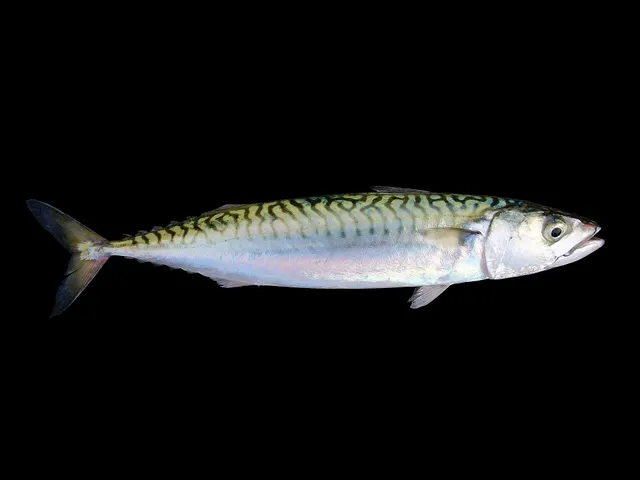
No photograph of Tope has passed identity review yet, so none is shown. A photograph is published only once somebody has checked the animal in it against the diagnostic features described on this page.
- Scientific name
- Galeorhinus galeus
- Family
- Triakidae
- Water
- Saltwater
- Conservation status
- Critically Endangered
- Regions
- Britain & Ireland, Western Europe, Northern Europe, Mediterranean, East & Southern Africa, Australia
- THE TAIL SETTLES IT. A large subterminal lobe near the tip of the upper caudal lobe, separated by a distinct notch — the tail appears to have a second small tail on the end. No other British shark at this size has it.
- TEETH ARE BLADED, OBLIQUE AND NOTCHED, with serrations on the trailing edge — cutting teeth for fish. A smooth-hound of similar length has flat pavement-like crushing plates for crabs. This is the fastest way to separate the two and the reason the tackle differs.
- The SECOND DORSAL FIN is much smaller than the first and sits almost directly above the anal fin, roughly the same size as it.
- Slender, streamlined, grey to grey-brown above and pale below, with a long pointed snout and large oval eyes. Nothing spotted, blotched or patterned.
- No spines anywhere. A spined shark of similar length in British water is a spurdog, which has two dorsal spines and no anal fin at all.
- Genuinely large: adults commonly exceed a metre and a half. A slim grey shark over a metre from a British beach is far more likely to be a tope than anything else.
Size
- Typical
- 1.2–1.6 m and 9–18 kg for rod-caught fish.
- Large
- Over 1.8 m and 25 kg is a very good tope anywhere in Britain.
Exceptional: Around 2 m and in the region of 35 kg is the widely reported upper end for the species, and females run larger than males. Fish of that size are old animals.
Where and when tope are inshore, and why the season is short
Tope fishing in Britain is a summer fishery with a hard start and a hard finish, and the reason is water temperature moving a migratory animal.
THE FISH ARRIVE WITH THE WARM WATER. Tope move into coastal ground as inshore temperatures climb through late spring, are present through summer, and move out again through autumn. This is not a fish that is quietly around all year in small numbers like a dogfish; the inshore population appears and leaves.
THE GROUND IS OPEN AND CLEAN. Tope want sand, shingle and mixed clean ground with tidal movement across it, and deep water within reach — a beach that shelves, a headland with a run of tide, an estuary mouth, a sandbank edge. They are not a rough-ground fish in the way conger and huss are, and fishing heavy rock is fishing for something else.
TIDE DOES MORE THAN TIME OF DAY. The fishing is generally reported to concentrate around the bigger movements of water, when a scent trail carries and prey is being moved. Dawn and dusk are widely favoured, and night fishing produces, but a strong flood over a clean bank in daylight will also produce.
BAYS AND ESTUARIES ARE NURSERY GROUND, AND THAT IS THE UNCOMFORTABLE PART. The shallow, sheltered inshore water that is easiest for a shore angler to fish is where pregnant females come to pup, in the same months. A heavily pregnant tope on a beach in July is not a rare accident; it is a predictable consequence of where and when the fishing happens. It is the strongest practical argument for short fights, unhooking in the water and returning fish quickly, and it is the reason many tope anglers now fish specifically to release.
WATER CLARITY MATTERS LESS THAN SCENT. A coloured sea after a blow is not the handicap it would be for a bass angler working a lure, because the fish is hunting by smell and by the electrical signature of living tissue. A fresh oily bait in coloured water is a good combination rather than a compromise.
NOTHING HERE STATES WHETHER THIS FISH MAY BE KEPT, what minimum size applies, or whether it is protected where you are fishing. Several British sharks, skates and rays are protected in some administrations and not in others, the designations are revised, and the answer differs between England, Wales, Scotland, Northern Ireland, the Isle of Man and the Republic of Ireland. Ask the fisheries authority for the water you are fishing before you go.
What experienced anglers do — why, and the sources (4)
Widely and independently recommended by experienced anglers and specialist sources. This is real angling knowledge, not proof: controlled evidence for it is limited, and FishingHQ records it as convention rather than as a demonstrated effect.
- The Fishes of the British Isles and North-West Europe — Macmillan, 1969 (Reference work)Relied on for: Distribution, habitat, identification characters and biology of the fishes of the British Isles and north-west Europe, including the sharks, skates and rays.States this directlyCitation checked — the work exists and is described correctly
- Sea Angler — Bauer Media (Specialist angling publication)Relied on for: Contemporary UK sea angling practice as reported by practitioners, including ground, seasonal timing, tackle convention and species behaviour.States this directlyCitation checked — the work exists and is described correctly
- Cefas science, advice and data on marine and freshwater environments — Centre for Environment, Fisheries and Aquaculture Science (Government fisheries body)Relied on for: UK marine fisheries science: survey data, distribution, elasmobranch stock monitoring and the biological basis of management advice.States this directlyCitation checked — the work exists and is described correctly
- General angling website restatements of established technique — Various (Credible secondary source)Relied on for: Widely restated descriptions of species behaviour and regional angling practice, recorded as consensus rather than as scholarship.Background and mechanism onlyCitation checked — the work exists and is described correctly
How big tope get, what they hunt, and the electrical sense that finds the bait
A tope is a pursuit predator of fish, and everything about the fishing follows from that.
THE HONEST NUMBERS. Most rod-caught tope are 1.2 to 1.6 metres and somewhere between nine and eighteen kilos. Over 1.8 metres and 25 kilos is a very good fish anywhere in Britain, and around two metres is the widely reported upper end for the species. Females run larger than males, so the big fish are disproportionately the breeding ones.
GROWTH IS SLOW AND MATURITY IS LATE. A large tope is an old animal, not a fast-grown one. This is the single most important biological fact about the species and it is why the fish on the beach cannot be replaced the way a bass or a dab can.
WHAT THEY EAT IS OTHER FISH. Whiting, pouting, mackerel, herring, small gadoids, flatfish and squid, taken by chasing them down. Crustaceans appear opportunistically. Nothing on that list is crushed, which is why the teeth are blades rather than plates.
SO THE BAIT IS A FISH, AND FRESHNESS BEATS SIZE. A whole small fish or a substantial oily fillet, fresh rather than long-frozen, presented on or just off the bottom. A bait that leaks is doing the work; a bait that has washed out for an hour is not.
THE SENSE THAT FINDS IT IS PARTLY ELECTRICAL. The pores scattered across a tope's snout are ampullae of Lorenzini, and they detect the minute electric fields that living muscle produces. Add an exceptional sense of smell and a lateral line, and a tope can locate a bait in darkness and coloured water with no visual involvement at all. Two practical consequences follow: presentation refinement matters far less than scent and freshness, and a bait that has been dead and washed out has lost most of what makes it findable.
THE TRACE HAS TO SURVIVE THE FISH RATHER THAN FOOL IT. Tope have cutting teeth and abrasive skin, so a bite trace of heavy mono or wire and a long rubbing leader are conventional — not because the fish is line-shy in reverse, but because a hooked shark rolls, and skin will part line that teeth never touched.
AND THE GEAR SHOULD BE ABLE TO END THE FIGHT. Light tackle produces a longer, more exhausting fight, and an exhausted shark released badly is a shark that does not survive. Tackle that can turn the fish is the welfare choice as well as the practical one.
What experienced anglers do — why, and the sources (4)
Widely and independently recommended by experienced anglers and specialist sources. This is real angling knowledge, not proof: controlled evidence for it is limited, and FishingHQ records it as convention rather than as a demonstrated effect.
- The Fishes of the British Isles and North-West Europe — Macmillan, 1969 (Reference work)Relied on for: Distribution, habitat, identification characters and biology of the fishes of the British Isles and north-west Europe, including the sharks, skates and rays.States this directlyCitation checked — the work exists and is described correctly
- Sea Angler — Bauer Media (Specialist angling publication)Relied on for: Contemporary UK sea angling practice as reported by practitioners, including ground, seasonal timing, tackle convention and species behaviour.States this directlyCitation checked — the work exists and is described correctly
- FAO Species Identification Guides for Fishery Purposes and the FAO Species Catalogues — Food and Agriculture Organization of the United Nations (Scientific institute)Relied on for: Diagnostic identification characters, family placement, depth range and distribution as set out in the FAO species identification sheets for the eastern Atlantic and Mediterranean.States this directlyCitation checked — the work exists and is described correctly
- Shark Trust identification guides and angling best practice — The Shark Trust (Angling or fisheries organisation)Relied on for: Identification characters separating the British sharks, skates and rays, and the handling, unhooking and release practice asked of anglers.States this directlyCitation checked — the work exists and is described correctly
Live birth, a life history that cannot absorb pressure, and returning a tope well
Everything difficult about tope conservation is contained in how the animal reproduces.
TOPE GIVE BIRTH TO LIVE YOUNG. The eggs develop inside the female, nourished by yolk rather than through a placenta, and she produces fully formed pups around thirty centimetres long after a gestation running to roughly a year. Litters are counted in tens.
COMPARE THAT WITH THE FISH ON THE NEXT PAGE. A dab spawns hundreds of thousands of pelagic eggs, matures in two or three years, and can absorb heavy losses because the survivors are replaced almost immediately. A tope matures late, breeds slowly, may not breed every year, and produces perhaps thirty young in a season. Remove adults from a dab population and it refills. Remove adults from a tope population and the shortfall persists for as long as it takes a pup to become a breeding adult, which is many years.
THAT IS WHY THE RED LIST CATEGORY IS WHAT IT IS. The IUCN global assessment is Critically Endangered. It reflects decline across the species' whole range, driven by the collision between a slow life history and sustained fishing pressure — historically for the liver and for fins, and as bycatch. It is a global assessment about the species and it does not tell you what may lawfully be done with one in front of you.
MIGRATION MEANS THERE IS NO LOCAL POPULATION TO PROTECT LOCALLY. Tagged tope have made long journeys between British waters, the Bay of Biscay, the Mediterranean and further. The fish caught off a Welsh beach is part of a stock that is fished elsewhere, which is why national measures alone cannot fix it and why individual handling is one of the few things an angler actually controls.
SO THE HANDLING IS THE ETHICS, and it is the one part an angler fully controls. Keep the fight short by using tackle that can actually turn the fish, because a long fight on gear that cannot is not better sport — it is a fish released with its physiology wrecked. Unhook in the water wherever the ground allows. Never lift a large shark by the tail or the gill slits and never hold one vertically: the body is supported by cartilage and by water, and an unsupported large shark is injured by its own weight. Do not drag one up a beach. Cut the trace if the hook is out of reach. Then hold the fish head-to-tide, with water passing over the gills in the right direction, and let it leave under its own power rather than releasing it before it can swim.
NOTHING HERE STATES WHETHER THIS FISH MAY BE KEPT, what minimum size applies, or whether it is protected where you are fishing. Several British sharks, skates and rays are protected in some administrations and not in others, the designations are revised, and the answer differs between England, Wales, Scotland, Northern Ireland, the Isle of Man and the Republic of Ireland. Ask the fisheries authority for the water you are fishing before you go.
Backed by research — why, and the sources (5)
Supported by peer-reviewed research or fisheries science. The sources are listed and can be checked.
- The IUCN Red List of Threatened Species — International Union for Conservation of Nature (Conservation authority)Relied on for: The global Red List category and the population assessment behind it, which is a statement about the species rather than about any managed stock.States this directlyCitation checked — the work exists and is described correctly
- The Fishes of the British Isles and North-West Europe — Macmillan, 1969 (Reference work)Relied on for: Distribution, habitat, identification characters and biology of the fishes of the British Isles and north-west Europe, including the sharks, skates and rays.States this directlyCitation checked — the work exists and is described correctly
- Shark Trust identification guides and angling best practice — The Shark Trust (Angling or fisheries organisation)Relied on for: Identification characters separating the British sharks, skates and rays, and the handling, unhooking and release practice asked of anglers.States this directlyCitation checked — the work exists and is described correctly
- ICES Advice on fishing opportunities, catch and effort — International Council for the Exploration of the Sea (Scientific institute)Relied on for: Scientific advice on north-east Atlantic elasmobranch stocks, including stock state and the basis for management advice.States this directlyCitation checked — the work exists and is described correctly
- JNCC species and habitat conservation advice — Joint Nature Conservation Committee (Conservation authority)Relied on for: Conservation status and designation of species and habitats in a UK context, and the framework under which some species are protected.Background and mechanism onlyCitation checked — the work exists and is described correctly
Lifecycle and reproduction
Tope are aplacental viviparous: the eggs hatch inside the female and the young are nourished by yolk rather than by a placental connection, and she gives birth to live, fully formed pups. Litters are counted in tens rather than in millions of eggs, gestation runs to roughly a year, and pups are born large — around 30 cm — in shallow inshore nursery grounds, notably in bays and estuaries. Growth is slow, maturity is late, and individuals are long-lived, with ages well into the decades reported. Every one of those traits is the opposite of the dab's, and together they are the whole explanation of the species' conservation status.
Females mature considerably later and larger than males and are thought not to breed every year. Pupping is concentrated in shallow, sheltered inshore grounds in late spring and summer, which places pregnant and newly pupped females in exactly the water shore anglers fish in the season they fish it. Tagging shows long migrations — individuals crossing between British waters and the Mediterranean and beyond — so a local population is not a local resource, and pressure anywhere in the range reaches the fish caught here.
Feeding and senses
An active fish predator. Tope hunt whiting, pouting, mackerel, herring, small gadoids, flatfish and cephalopods, and hunt them by pursuit rather than by ambush. They will also take crustaceans opportunistically. The practical consequence is that a tope is caught on a fish bait, usually a whole small fish or a substantial fillet, presented on the bottom or just off it; and that a tope hooked on light gear meant for something else will run a long way before anything can be done about it.
Sharks carry a sense no bony fish on FishingHQ has: the ampullae of Lorenzini, a field of gel-filled pores across the snout that detect the weak electric fields produced by living muscle. Combined with an exceptional sense of smell and a lateral line, this makes a tope very good at locating a bait it cannot see, and better still at locating one that is bleeding. It also means presentation subtleties that matter to a wary mullet matter little here, and that a fresh, leaking, oily fish bait does far more work than any refinement of the trace.
Through the year
A summer visitor to British inshore water. Tope move into shallower coastal ground and into bays and estuaries as water warms from late spring, are present through summer and early autumn, and move offshore and along the coast as temperatures fall. The inshore season is therefore short and predictable, and it coincides with pupping, which is the uncomfortable fact behind the summer fishing.
Distribution
Widely distributed in temperate seas — the eastern and western Atlantic, the Mediterranean, southern Africa, Australia, New Zealand and the eastern Pacific — in coastal and shelf waters from the surf line down to several hundred metres. Common around the British Isles and Ireland in summer. The IUCN global assessment is Critically Endangered, reflecting decline across the range in a species whose late maturity and small litters make recovery a matter of decades rather than seasons. That is a statement about the global species; what may be done with one where you are fishing is a separate question for the fisheries authority.
This is a biological range — where the species occurs, not a prediction that you will catch one. To browse the fishing geography FishingHQ holds, start at fishing places.
Why anglers care
The large shark that ordinary British shore and small-boat anglers genuinely catch, and for many the hardest-fighting fish available from a beach. Tope fishing is a distinct branch of UK sea angling with its own conventions: substantial fish baits, a heavy rubbing leader because the skin abrades line, a strong hook set in the scissors, and gear capable of turning a fish rather than gear that guarantees a long fight. It is also, increasingly, a catch-and-release fishery in practice, and the reason is on this page rather than in a rule book.
Handling and returning
This is the section that matters most on this page. A tope has cutting teeth and will use them; keep hands away from the mouth and use a long-nosed pliers or T-bar rather than fingers. The skin is covered in dermal denticles that will remove skin from a forearm and will abrade line — expect it, and never let a fish roll in the line. Tope have no swim bladder, so a fish from depth has no barotrauma and can be returned successfully, which is exactly why returning it is expected. Do not drag a shark up a beach on its belly over shingle, do not hold one vertically by the tail, and do not lift a large one by the gill slits: the body is supported by cartilage and water, and an unsupported large shark is injured by its own weight out of it. Unhook in the water where the ground allows, support the fish horizontally, keep air exposure to seconds rather than minutes, and hold it head-to-tide until it swims off under its own power. If the hook cannot be reached, cut the trace close.
Safety
Fish welfare — Can cause serious injury or death
Tope are Critically Endangered globally, slow to mature and slow to replace losses, and inshore summer fishing coincides with pregnant females on shallow pupping ground. A long fight, a drag up a beach, a vertical lift by the tail, or minutes out of water for photographs will kill a fish that swam away looking healthy.
What reduces it: Tackle capable of ending the fight quickly, unhooking in the water wherever the ground allows, horizontal support along the body, air exposure counted in seconds, no lifting by tail or gills, no dragging over shingle, and holding the fish head-to-tide until it leaves under its own power.
Worse when:
- Fishing shallow inshore bays and estuaries in summer, which are pupping grounds.
- Using tackle too light to turn the fish, producing an exhausting fight.
- Photographing a large fish, which is where most of the air exposure and most of the unsupported lifting happens.
- Warm, low-oxygen water, where a fish recovers from exhaustion far more slowly.
Species that bite — Can cause injury needing treatment
A tope has bladed, notched cutting teeth adapted for taking fish, and a hooked one twists and rolls rather than lying still. A hand near the mouth during unhooking, or a finger inside the gill slits while lifting, can be cut badly.
What reduces it: Unhook with long-nosed pliers or a T-bar rather than fingers, control the fish's head before reaching anywhere near it, never lift by the gill slits, and cut the trace close if the hook cannot be reached safely.
Worse when:
- Unhooking alone, where nobody is controlling the fish while the hook is worked.
- Working in the dark or in surf, where the fish's head cannot be seen.
- Handling a fish that is still green rather than one that has been brought under control.
Injury while handling fish — Minor injury
Shark skin is covered in dermal denticles — tooth-like structures rather than scales — which are abrasive in one direction. A forearm braced against a thrashing tope loses skin, and the same skin will abrade a leader that a tooth never touched.
What reduces it: Expect the abrasion and plan for it: a long rubbing leader on the trace, and forearms not used as a brace against the fish. Wet hands, and support along the body rather than gripping.
Worse when:
- Holding a fish against a bare forearm or knee to unhook it.
- Fishing light traces with no rubbing leader, where the skin rather than the teeth costs the fish.
Precautions that always apply here
- Wet your hands before touching a fish. Dry hands strip the protective mucus layer that keeps infection out.
- Support the fish's weight along its body, keep it out of the water for as short a time as possible, and hold it over something soft.
- Keep fingers out of the gills and clear of the teeth. Gill damage is usually fatal to the fish, and several species will remove skin from a finger.
- If a hook goes past the barb into a person, cut the line, leave the hook where it is, and get medical help. Pulling it back out does far more damage than pushing it through under proper care.
- Check the tide before you go and know your exit route. Being cut off is the commonest way a shore session becomes a rescue.
Further safety reading
- Handling fish safely — Cutting teeth, abrasive denticled skin, and an animal that must be supported horizontally because cartilage and water carry its weight rather than bone.
- Sharks and spearfishing — The species page most likely to be read by somebody who has just hooked a large shark and does not know what to do with it.
Check the rules before you fish
Fishing laws, bylaws, access rules, seasons, bait restrictions and permitted methods vary by location and can change. Check the current rules from the relevant authority and the water you intend to fish before fishing.
Check with:
- Current national or regional law for where you are fishing
- Current local bylaws
- The relevant fisheries authority
- The landowner, club or fishery whose water it is
- Any restrictions specific to the species or the method you intend to use
Where to go next
Similar and related fish
Where it lives
- EstuaryShallow, sheltered bays and estuary mouths are pupping ground, which is why summer shore captures include heavily pregnant females.
- Inshore groundClean sand, shingle and mixed ground with tide across it — the ground tope hunt over when they move inshore in summer.
- Open oceanA highly migratory species whose tagged individuals cross between British waters, Biscay and the Mediterranean — the local fish is part of a stock fished elsewhere.
- Surf beachesTope come genuinely close in over shelving beaches, which is why they are one of very few large sharks a British shore angler can reach.
Where you will find it
- The Clare coast and the Shannon estuaryThe Shannon estuary is described as holding PACKS of tope rather than single fish, and three separate marks along its Clare shore name them independently of one another. It is sheltered, shallow and soft-bottomed, which is why it fishes on days the Atlantic coast twenty kilometres north cannot.
- The Kerry coastNamed at the estuary and bay marks of the northern part of this coast, on a flooding tide with large baits, alongside the ray assemblage rather than separately from it.
- The Louth and Meath coastThe bay on this coast is described as producing ray and tope every season WITHOUT FAIL, which is a claim about reliability rather than about a mark or a year — and reliability is a different and stronger kind of statement. A local mark on the lough at the north end also produces them from the shore.
- The Sligo and Leitrim coastThree separate marks on this short coast are described as tope ground — a storm beach at medium range, a mixed headland over sand in summer, and a rock point fished into the current. That is the densest concentration of shore tope association anywhere in Ireland outside Wexford and the Shannon estuary.
- The Wexford coastTaken from the shore here on a flooding tide with large baits into a deep channel, and reported from the beaches in summer — which with Sligo and the Shannon puts Wexford in the small group of Irish shore tope geographies.
Understanding this fish
- Circle hooks or J hooks: where the fish gets hookedThe British catch where the choice matters most and where it is a welfare decision rather than a performance one. Tope are almost universally returned, they take a bait confidently and swallow it, and a circle hook's tendency to slide to the jaw corner is the difference between a hook that can be removed and one that cannot.
- How fish detect preyThe ampullae of Lorenzini detect the electric fields of living muscle, a sense no bony fish in FishingHQ has and the reason bait freshness beats presentation.
- What actually happens to a released fishTope have no swim bladder, so release genuinely works — which is precisely why fight length, air exposure and support determine whether it works in practice.
Told apart from
- Blue sharkThe two large sharks a British angler is most likely to hook. A tope is a houndshark with a notched subterminal tail lobe; a blue shark has pectoral fins nearly as long as its head and a body half the weight for the same length.
- SpurdogBoth are called sharks and both are caught on fish baits, but a spurdog has two dorsal spines and no anal fin, and a tope has an anal fin and no spines. One of them can injure you and the other cannot.
- Starry smooth-houndThe confusion that costs most. Both are slender grey houndsharks of similar size on similar ground, and they are separated by the teeth: a tope has bladed notched cutting teeth for fish, a smooth-hound flat crushing plates for crabs. That difference decides bait, trace and how carefully the fish is unhooked.
Rules and access
Environment and conservation
- Bycatch and discardsA highly migratory shark taken across its range as bycatch, which is why national measures alone cannot rebuild the stock a British angler catches from.
- Fish stocks and sustainabilityAssessed as Critically Endangered globally. Late maturity, year-long gestation and litters counted in tens mean the species cannot replace losses on a fishery's timescale.
Sources and evidence
- The Fishes of the British Isles and North-West Europe — Macmillan, 1969 (Reference work)Relied on for: Distribution, habitat, identification characters and biology of the fishes of the British Isles and north-west Europe, including the sharks, skates and rays.States this directlyCitation checked — the work exists and is described correctly
- FAO Species Identification Guides for Fishery Purposes and the FAO Species Catalogues — Food and Agriculture Organization of the United Nations (Scientific institute)Relied on for: Diagnostic identification characters, family placement, depth range and distribution as set out in the FAO species identification sheets for the eastern Atlantic and Mediterranean.States this directlyCitation checked — the work exists and is described correctly
- The IUCN Red List of Threatened Species — International Union for Conservation of Nature (Conservation authority)Relied on for: The global Red List category for this species and the population assessment behind it, as published in the assessment dated 14 February 2020. Recorded with its date because a Red List category is revised, and a status with no date is a claim with no shelf life.States this directlyCitation checked — the work exists and is described correctly
- Shark Trust identification guides and angling best practice — The Shark Trust (Angling or fisheries organisation)Relied on for: Identification characters separating the British sharks, skates and rays, and the handling, unhooking and release practice asked of anglers.States this directlyCitation checked — the work exists and is described correctly
- Sea Angler — Bauer Media (Specialist angling publication)Relied on for: Contemporary UK sea angling practice as reported by practitioners, including ground, seasonal timing, tackle convention and species behaviour.States this directlyCitation checked — the work exists and is described correctly
- Cefas science, advice and data on marine and freshwater environments — Centre for Environment, Fisheries and Aquaculture Science (Government fisheries body)Relied on for: UK marine fisheries science: survey data, distribution, elasmobranch stock monitoring and the biological basis of management advice.States this directlyCitation checked — the work exists and is described correctly
Why the 28 connections on this page are here, and the sources
Similar and related fish
Backed by research — 2 connections
Supported by peer-reviewed research or fisheries science. The sources are listed and can be checked.
Atlantic mackerel
A dietary claim made at SPECIES level because the reference works identify the prey to species: the evidence is about Scomber scombrus specifically, which is what a preys_on edge against that record asserts.
- The Fishes of the British Isles and North-West Europe — Macmillan, 1969 (Reference work)Relied on for: The diet of the British sharks, skates and rays as set out in the species accounts, in which Scomber scombrus is identified to species among the recorded prey.States this directlyCitation checked — the work exists and is described correctly
- FAO Species Identification Guides for Fishery Purposes and the FAO Species Catalogues — Food and Agriculture Organization of the United Nations (Scientific institute)Relied on for: Feeding habits and prey composition for the eastern Atlantic elasmobranchs, including the occurrence of Scomber scombrus in the diet.States this directlyCitation checked — the work exists and is described correctly
Lesser sandeel
A dietary claim made at SPECIES level because the reference works identify the prey to species: the evidence is about Ammodytes marinus specifically, which is what a preys_on edge against that record asserts.
- The Fishes of the British Isles and North-West Europe — Macmillan, 1969 (Reference work)Relied on for: The diet of the British sharks, skates and rays as set out in the species accounts, in which Ammodytes marinus is identified to species among the recorded prey.States this directlyCitation checked — the work exists and is described correctly
- FAO Species Identification Guides for Fishery Purposes and the FAO Species Catalogues — Food and Agriculture Organization of the United Nations (Scientific institute)Relied on for: Feeding habits and prey composition for the eastern Atlantic elasmobranchs, including the occurrence of Ammodytes marinus in the diet.States this directlyCitation checked — the work exists and is described correctly
How it is caught
What experienced anglers do — 4 connections
Widely and independently recommended by experienced anglers and specialist sources. This is real angling knowledge, not proof: controlled evidence for it is limited, and FishingHQ records it as convention rather than as a demonstrated effect.
Drift fishing
A statement about how a species is fished, which is angling convention rather than biology and is labelled as such.
- Sea Angler — Bauer Media (Specialist angling publication)Relied on for: Contemporary UK sea angling practice as reported by practitioners, including ground, seasonal timing, bait and method convention.States this directlyCitation checked — the work exists and is described correctly
- General angling website restatements of established technique — Various (Credible secondary source)Relied on for: Widely restated descriptions of species behaviour and regional angling practice, recorded as consensus rather than as scholarship.Background and mechanism onlyCitation checked — the work exists and is described correctly
Ledgering
A statement about how a species is fished, which is angling convention rather than biology and is labelled as such.
- Sea Angler — Bauer Media (Specialist angling publication)Relied on for: Contemporary UK sea angling practice as reported by practitioners, including ground, seasonal timing, bait and method convention.States this directlyCitation checked — the work exists and is described correctly
- General angling website restatements of established technique — Various (Credible secondary source)Relied on for: Widely restated descriptions of species behaviour and regional angling practice, recorded as consensus rather than as scholarship.Background and mechanism onlyCitation checked — the work exists and is described correctly
Livebaiting at sea
A statement about how a species is fished, which is angling convention rather than biology and is labelled as such.
- Sea Angler — Bauer Media (Specialist angling publication)Relied on for: Contemporary UK sea angling practice as reported by practitioners, including ground, seasonal timing, bait and method convention.States this directlyCitation checked — the work exists and is described correctly
- General angling website restatements of established technique — Various (Credible secondary source)Relied on for: Widely restated descriptions of species behaviour and regional angling practice, recorded as consensus rather than as scholarship.Background and mechanism onlyCitation checked — the work exists and is described correctly
Surfcasting
A statement about how a species is fished, which is angling convention rather than biology and is labelled as such.
- Sea Angler — Bauer Media (Specialist angling publication)Relied on for: Contemporary UK sea angling practice as reported by practitioners, including ground, seasonal timing, bait and method convention.States this directlyCitation checked — the work exists and is described correctly
- General angling website restatements of established technique — Various (Credible secondary source)Relied on for: Widely restated descriptions of species behaviour and regional angling practice, recorded as consensus rather than as scholarship.Background and mechanism onlyCitation checked — the work exists and is described correctly
Gear for this fish
What experienced anglers do — 2 connections
Widely and independently recommended by experienced anglers and specialist sources. This is real angling knowledge, not proof: controlled evidence for it is limited, and FishingHQ records it as convention rather than as a demonstrated effect.
Fish strip and cut bait
A bait joined to the fish it is conventionally used for. Convention, recorded as convention.
- Sea Angler — Bauer Media (Specialist angling publication)Relied on for: Contemporary UK sea angling practice as reported by practitioners, including ground, seasonal timing, bait and method convention.States this directlyCitation checked — the work exists and is described correctly
- General angling website restatements of established technique — Various (Credible secondary source)Relied on for: Widely restated descriptions of species behaviour and regional angling practice, recorded as consensus rather than as scholarship.Background and mechanism onlyCitation checked — the work exists and is described correctly
Sea deadbaits
A bait joined to the fish it is conventionally used for. Convention, recorded as convention.
- Sea Angler — Bauer Media (Specialist angling publication)Relied on for: Contemporary UK sea angling practice as reported by practitioners, including ground, seasonal timing, bait and method convention.States this directlyCitation checked — the work exists and is described correctly
- General angling website restatements of established technique — Various (Credible secondary source)Relied on for: Widely restated descriptions of species behaviour and regional angling practice, recorded as consensus rather than as scholarship.Background and mechanism onlyCitation checked — the work exists and is described correctly
Where it lives
Backed by research — 4 connections
Supported by peer-reviewed research or fisheries science. The sources are listed and can be checked.
Estuary
A distributional claim about where a species is found, which rests on the standard regional reference works rather than on angling report.
- The Fishes of the British Isles and North-West Europe — Macmillan, 1969 (Reference work)Relied on for: Distribution, habitat association, identification and biology of the sharks, skates and rays of the British Isles and north-west Europe.States this directlyCitation checked — the work exists and is described correctly
- FAO Species Identification Guides for Fishery Purposes and the FAO Species Catalogues — Food and Agriculture Organization of the United Nations (Scientific institute)Relied on for: Diagnostic characters, habitat and depth range as set out in the FAO species identification sheets for the eastern Atlantic and Mediterranean.States this directlyCitation checked — the work exists and is described correctly
Inshore ground
A distributional claim about where a species is found, which rests on the standard regional reference works rather than on angling report.
- The Fishes of the British Isles and North-West Europe — Macmillan, 1969 (Reference work)Relied on for: Distribution, habitat association, identification and biology of the sharks, skates and rays of the British Isles and north-west Europe.States this directlyCitation checked — the work exists and is described correctly
- FAO Species Identification Guides for Fishery Purposes and the FAO Species Catalogues — Food and Agriculture Organization of the United Nations (Scientific institute)Relied on for: Diagnostic characters, habitat and depth range as set out in the FAO species identification sheets for the eastern Atlantic and Mediterranean.States this directlyCitation checked — the work exists and is described correctly
Open ocean
A distributional claim about where a species is found, which rests on the standard regional reference works rather than on angling report.
- The Fishes of the British Isles and North-West Europe — Macmillan, 1969 (Reference work)Relied on for: Distribution, habitat association, identification and biology of the sharks, skates and rays of the British Isles and north-west Europe.States this directlyCitation checked — the work exists and is described correctly
- FAO Species Identification Guides for Fishery Purposes and the FAO Species Catalogues — Food and Agriculture Organization of the United Nations (Scientific institute)Relied on for: Diagnostic characters, habitat and depth range as set out in the FAO species identification sheets for the eastern Atlantic and Mediterranean.States this directlyCitation checked — the work exists and is described correctly
Surf beaches
A distributional claim about where a species is found, which rests on the standard regional reference works rather than on angling report.
- The Fishes of the British Isles and North-West Europe — Macmillan, 1969 (Reference work)Relied on for: Distribution, habitat association, identification and biology of the sharks, skates and rays of the British Isles and north-west Europe.States this directlyCitation checked — the work exists and is described correctly
- FAO Species Identification Guides for Fishery Purposes and the FAO Species Catalogues — Food and Agriculture Organization of the United Nations (Scientific institute)Relied on for: Diagnostic characters, habitat and depth range as set out in the FAO species identification sheets for the eastern Atlantic and Mediterranean.States this directlyCitation checked — the work exists and is described correctly
Where you will find it
Backed by research — 5 connections
Supported by peer-reviewed research or fisheries science. The sources are listed and can be checked.
The Clare coast and the Shannon estuary
A claim that a coast contains the ground and conditions the species is associated with. It is a distributional statement about the world, it rests on the regional reference literature, and it deliberately asserts nothing about access, permission or catch.
- The Fishes of the British Isles and North-West Europe — Macmillan, 1969 (Reference work)Relied on for: Distribution and habitat association of the marine and estuarine fishes of the British Isles and north-west Europe, including which coasts and ground types a species occupies.States this directlyCitation checked — the work exists and is described correctly
- FishBase: a global information system on fishes — Froese, R. and D. Pauly, eds. — FishBase Consortium (Scientific institute)Relied on for: Recorded distribution, depth range and habitat association for the species named.States this directlyPassage read and verified
The Kerry coast
A claim that a coast contains the ground and conditions the species is associated with. It is a distributional statement about the world, it rests on the regional reference literature, and it deliberately asserts nothing about access, permission or catch.
- The Fishes of the British Isles and North-West Europe — Macmillan, 1969 (Reference work)Relied on for: Distribution and habitat association of the marine and estuarine fishes of the British Isles and north-west Europe, including which coasts and ground types a species occupies.States this directlyCitation checked — the work exists and is described correctly
- FishBase: a global information system on fishes — Froese, R. and D. Pauly, eds. — FishBase Consortium (Scientific institute)Relied on for: Recorded distribution, depth range and habitat association for the species named.States this directlyPassage read and verified
The Louth and Meath coast
A claim that a coast contains the ground and conditions the species is associated with. It is a distributional statement about the world, it rests on the regional reference literature, and it deliberately asserts nothing about access, permission or catch.
- The Fishes of the British Isles and North-West Europe — Macmillan, 1969 (Reference work)Relied on for: Distribution and habitat association of the marine and estuarine fishes of the British Isles and north-west Europe, including which coasts and ground types a species occupies.States this directlyCitation checked — the work exists and is described correctly
- FishBase: a global information system on fishes — Froese, R. and D. Pauly, eds. — FishBase Consortium (Scientific institute)Relied on for: Recorded distribution, depth range and habitat association for the species named.States this directlyPassage read and verified
The Sligo and Leitrim coast
A claim that a coast contains the ground and conditions the species is associated with. It is a distributional statement about the world, it rests on the regional reference literature, and it deliberately asserts nothing about access, permission or catch.
- The Fishes of the British Isles and North-West Europe — Macmillan, 1969 (Reference work)Relied on for: Distribution and habitat association of the marine and estuarine fishes of the British Isles and north-west Europe, including which coasts and ground types a species occupies.States this directlyCitation checked — the work exists and is described correctly
- FishBase: a global information system on fishes — Froese, R. and D. Pauly, eds. — FishBase Consortium (Scientific institute)Relied on for: Recorded distribution, depth range and habitat association for the species named.States this directlyPassage read and verified
The Wexford coast
A claim that a coast contains the ground and conditions the species is associated with. It is a distributional statement about the world, it rests on the regional reference literature, and it deliberately asserts nothing about access, permission or catch.
- The Fishes of the British Isles and North-West Europe — Macmillan, 1969 (Reference work)Relied on for: Distribution and habitat association of the marine and estuarine fishes of the British Isles and north-west Europe, including which coasts and ground types a species occupies.States this directlyCitation checked — the work exists and is described correctly
- FishBase: a global information system on fishes — Froese, R. and D. Pauly, eds. — FishBase Consortium (Scientific institute)Relied on for: Recorded distribution, depth range and habitat association for the species named.States this directlyPassage read and verified
Understanding this fish
What experienced anglers do — 1 connection
Widely and independently recommended by experienced anglers and specialist sources. This is real angling knowledge, not proof: controlled evidence for it is limited, and FishingHQ records it as convention rather than as a demonstrated effect.
Circle hooks or J hooks: where the fish gets hooked
A fish or a record joined to the comparison it is a worked example of, written only where the subject's own behaviour is what makes the comparison concrete rather than where the comparison could apply to it.
- Understanding the Complexity of Catch-and-Release in Recreational Fishing — Reviews in Fisheries Science 15:75–167, 2007 (Scientific literature)Relied on for: Review of catch-and-release outcomes including hooking location, hook type and the handling factors bearing on post-release survival.States this directlyCitation checked — the work exists and is described correctly
- Do we need species-specific guidelines for catch-and-release recreational angling? — Biodiversity and Conservation 14:1195–1209, 2005 (Scientific literature)Relied on for: Analysis of whether species-specific catch-and-release guidelines are needed, including the effect of terminal tackle choice on hooking injury.States this directlyCitation checked — the work exists and is described correctly
- Freshwater Fishes of the British Isles — HarperCollins (New Naturalist 75), 1992 (Reference work)Relied on for: Feeding biology, behaviour and life history of the freshwater fishes of the British Isles.States this directlyCitation checked — the work exists and is described correctly
- FishBase: a global information system on fishes — Froese, R. and D. Pauly, eds. — FishBase Consortium (Scientific institute)Relied on for: Recorded feeding biology, environment and behaviour of the species named.States this directlyPassage read and verified
Backed by research — 2 connections
Supported by peer-reviewed research or fisheries science. The sources are listed and can be checked.
How fish detect prey
A record pointing at the mechanism that explains its own behaviour, so the explanation lives once rather than on every species page.
- The Fishes of the British Isles and North-West Europe — Macmillan, 1969 (Reference work)Relied on for: Distribution, habitat association, identification and biology of the sharks, skates and rays of the British Isles and north-west Europe.States this directlyCitation checked — the work exists and is described correctly
- FAO Species Identification Guides for Fishery Purposes and the FAO Species Catalogues — Food and Agriculture Organization of the United Nations (Scientific institute)Relied on for: Diagnostic characters, habitat and depth range as set out in the FAO species identification sheets for the eastern Atlantic and Mediterranean.States this directlyCitation checked — the work exists and is described correctly
What actually happens to a released fish
A record pointing at the mechanism that explains its own behaviour, so the explanation lives once rather than on every species page.
- The Fishes of the British Isles and North-West Europe — Macmillan, 1969 (Reference work)Relied on for: Distribution, habitat association, identification and biology of the sharks, skates and rays of the British Isles and north-west Europe.States this directlyCitation checked — the work exists and is described correctly
- FAO Species Identification Guides for Fishery Purposes and the FAO Species Catalogues — Food and Agriculture Organization of the United Nations (Scientific institute)Relied on for: Diagnostic characters, habitat and depth range as set out in the FAO species identification sheets for the eastern Atlantic and Mediterranean.States this directlyCitation checked — the work exists and is described correctly
Told apart from
What experienced anglers do — 1 connection
Widely and independently recommended by experienced anglers and specialist sources. This is real angling knowledge, not proof: controlled evidence for it is limited, and FishingHQ records it as convention rather than as a demonstrated effect.
Blue shark
A comparison a reader with the animal or the decision in front of them actually needs, joining two records that resolve one another.
- The Fishes of the British Isles and North-West Europe — Macmillan, 1969 (Reference work)Relied on for: Distribution, habitat association, identification and biology of the fishes and inshore fauna of the British Isles and north-west Europe.States this directlyCitation checked — the work exists and is described correctly
- FAO Species Identification Guides for Fishery Purposes and the FAO Species Catalogues — Food and Agriculture Organization of the United Nations (Scientific institute)Relied on for: Diagnostic characters, family placement, habitat and depth range as set out in the FAO species identification sheets for the eastern Atlantic and Mediterranean.States this directlyCitation checked — the work exists and is described correctly
Official guidance — 2 connections
Stated by a fisheries authority, scientific institute or recognised angling body. Authoritative, but summarising rather than demonstrating.
Spurdog
Two records a reader must hold together, because the animals are confused with one another in the hand and the consequences of getting it wrong are not symmetrical.
- Shark Trust identification guides and angling best practice — The Shark Trust (Angling or fisheries organisation)Relied on for: Identification characters separating the British sharks, skates and rays, and the handling, unhooking and release practice asked of anglers.States this directlyCitation checked — the work exists and is described correctly
Starry smooth-hound
Two records a reader must hold together, because the animals are confused with one another in the hand and the consequences of getting it wrong are not symmetrical.
- Shark Trust identification guides and angling best practice — The Shark Trust (Angling or fisheries organisation)Relied on for: Identification characters separating the British sharks, skates and rays, and the handling, unhooking and release practice asked of anglers.States this directlyCitation checked — the work exists and is described correctly
Safety reading
Official guidance — 2 connections
Stated by a fisheries authority, scientific institute or recognised angling body. Authoritative, but summarising rather than demonstrating.
Handling fish safely
A hazard the species genuinely presents, joined to the record that explains how to manage it.
- Shark Trust identification guides and angling best practice — The Shark Trust (Angling or fisheries organisation)Relied on for: Identification characters separating the British sharks, skates and rays, and the handling, unhooking and release practice asked of anglers.States this directlyCitation checked — the work exists and is described correctly
Sharks and spearfishing
A hazard the species genuinely presents, joined to the record that explains how to manage it.
- Shark Trust identification guides and angling best practice — The Shark Trust (Angling or fisheries organisation)Relied on for: Identification characters separating the British sharks, skates and rays, and the handling, unhooking and release practice asked of anglers.States this directlyCitation checked — the work exists and is described correctly
Rules and access
Official guidance — 1 connection
Stated by a fisheries authority, scientific institute or recognised angling body. Authoritative, but summarising rather than demonstrating.
Protected species, and why some fish may not be taken
A pointer to the regulatory FRAMEWORK that applies to this species, which is a different claim from stating what the rule currently is. FishingHQ names the framework and the authority and stops.
- JNCC species and habitat conservation advice — Joint Nature Conservation Committee (Conservation authority)Relied on for: Conservation status and designation of species in a UK context, and the framework under which some species are protected.Background and mechanism onlyCitation checked — the work exists and is described correctly
Environment and conservation
Backed by research — 2 connections
Supported by peer-reviewed research or fisheries science. The sources are listed and can be checked.
Bycatch and discards
A conservation claim about a species with a documented assessment, joined to the environmental issue it exemplifies.
- The IUCN Red List of Threatened Species — International Union for Conservation of Nature (Conservation authority)Relied on for: The global Red List category and the population assessment behind it for the species concerned.States this directlyCitation checked — the work exists and is described correctly
- Cefas science, advice and data on marine and freshwater environments — Centre for Environment, Fisheries and Aquaculture Science (Government fisheries body)Relied on for: UK marine fisheries science: survey data, distribution and elasmobranch stock monitoring in UK waters.States this directlyCitation checked — the work exists and is described correctly
Fish stocks and sustainability
A conservation claim about a species with a documented assessment, joined to the environmental issue it exemplifies.
- The IUCN Red List of Threatened Species — International Union for Conservation of Nature (Conservation authority)Relied on for: The global Red List category and the population assessment behind it for the species concerned.States this directlyCitation checked — the work exists and is described correctly
- Cefas science, advice and data on marine and freshwater environments — Centre for Environment, Fisheries and Aquaculture Science (Government fisheries body)Relied on for: UK marine fisheries science: survey data, distribution and elasmobranch stock monitoring in UK waters.States this directlyCitation checked — the work exists and is described correctly
How FishingHQ labels evidence is explained in the evidence policy.