The River Wye
Fishing regions · Last reviewed 2026-08-14
One of Britain's great mixed rivers — historically a salmon river of the first rank, now better known for barbel and chub — and the clearest current example of what nutrient pollution does to a river system.
Safety: moving water and currents — can cause serious injury or death. One more point applies here.
Being listed here is not permission to fish. What that meansClose
Access, fishing rights, seasons, licences, local bylaws and permitted methods vary and can change. Check current access, permission, local regulations, closures and restrictions before you travel or fish. FishingHQ describes what the ground is and names who holds the answer; it does not hold the answer itself.
Find the authority for a jurisdiction · What FishingHQ does and does not cover
The Wye rises in the Welsh mountains and runs to the Severn estuary, crossing the border repeatedly, and it is one of the very few large British rivers that has never been substantially canalised.
ITS CHARACTER CHANGES ALONG ITS LENGTH. The upper river is fast, acidic and mountain-fed, with trout and grayling. The middle river broadens into long streamy glides and deep pools over gravel and bedrock — classic barbel and chub water, and the reach most anglers mean when they say the Wye. The lower river becomes tidal below Bigsweir and runs through a steep wooded gorge to the Severn.
IT WAS ONE OF THE GREAT SALMON RIVERS. Through the nineteenth and twentieth centuries the Wye produced salmon in numbers and sizes that made it internationally famous, and the fishery supported an entire local economy. It has declined severely, in line with the wider Atlantic picture but further and faster than most, and current management is restrictive.
IT IS NOW PRIMARILY A COARSE FISHERY, and a very good one. Barbel in particular are the modern Wye's reputation, along with chub, pike and a substantial dace and roach population.
AND IT IS THE CLEAREST CURRENT ILLUSTRATION OF NUTRIENT POLLUTION IN A BRITISH RIVER. Phosphate loading, substantially from agricultural sources in the catchment, has driven algal growth severe enough to change the river's ecology visibly — smothering the ranunculus weed beds that structured the middle river and altering the invertebrate community. This is documented, it is the subject of active regulatory and legal attention, and it is not a historical problem. Any honest account of the Wye has to include it, because it affects what a visiting angler will find.
What fishing here is like
A large, fast, un-canalised river with a strongly changing character from mountain headwater to tidal gorge, running through a border landscape and crossing between two jurisdictions repeatedly. Historically a first-rank salmon river and now principally a barbel and chub fishery of high quality.
The culture is a mix of syndicate and association water, day-ticket stretches and hotel water, and access is comparatively good by the standards of famous British rivers — which is part of why it is so heavily fished.
What you can target here
One entry per fish, grouped by how you would be fishing — because the answer is a different one from the rocks and from a boat. Each entry says how strongly the sources support it and how much evidence sits behind it. These are documented catches, not a forecast, and none of it is a statement that you may fish any particular ground.
From the shore · 5
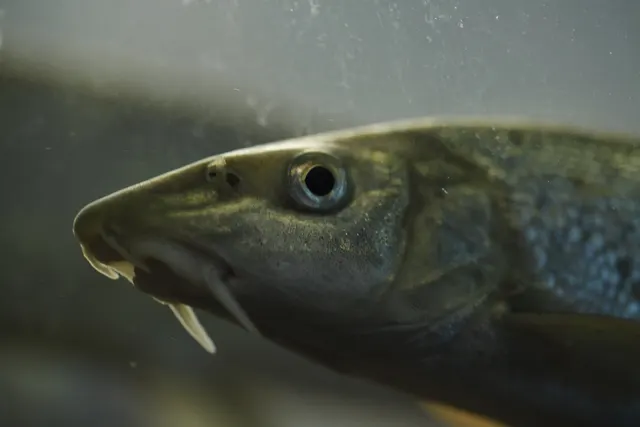 BarbelCharacteristic of this water1 placeThe Wye at Symonds YatOver river reachAround Jun–Oct
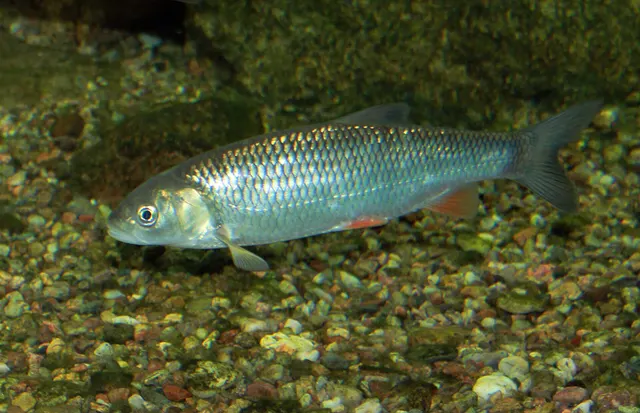 ChubCharacteristic of this water1 placeThe Wye at Symonds YatOver river reach
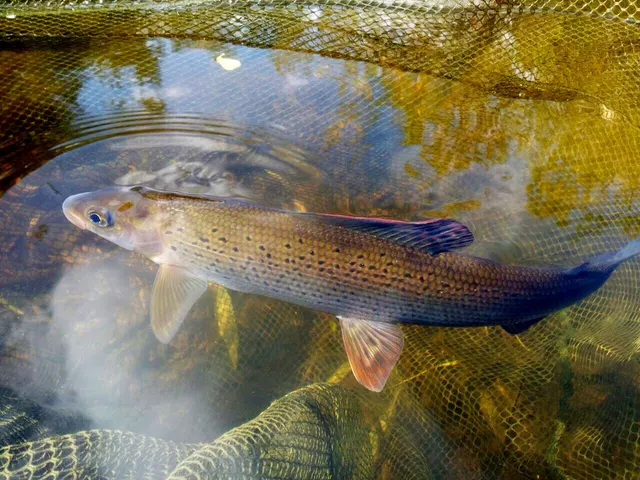 GraylingSeasonal1 placeThe Wye at Symonds YatOver river reachAround Jan–Feb, Nov–Dec
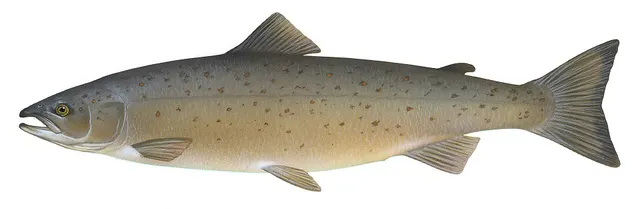 Atlantic salmonRecorded here1 placeThe Wye at Symonds YatOver river reach
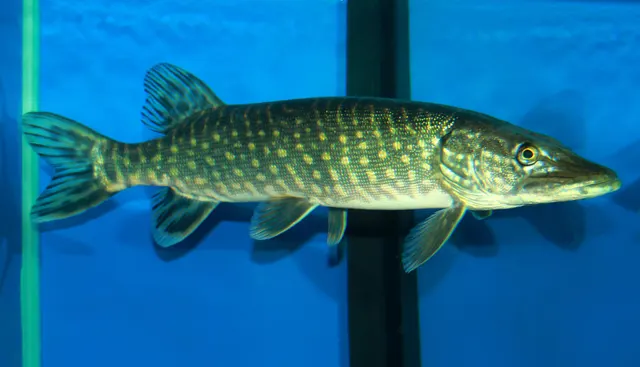 Northern pikeRecorded here1 placeThe Wye at Symonds YatOver river reach
Fly fishing · 2
What these strengths mean
- Characteristic of this water
- This water is strongly identified with this species by the sources that cover it.
- Seasonal
- Well supported, and concentrated in part of the year rather than spread through it.
- Recorded here
- At least one credible public account of this species being caught here. That is all it means.
- How breadth is counted
- A fish documented at six marks is shown as six marks: breadth never raises the strength on its own. A fishery account describes the fishing; a recorded catch reports one specific catch. How evidence is weighed.
How people fish here
5 methods are recorded on the places documented here, counted from the records themselves rather than from what is practised in the country. Each opens a full guide to the technique.
Feeder fishing
Recorded at 3 places here, over river reach.
Legering with a weight that also carries bait, so that free offerings arrive in exactly the same place as the hookbait, cast after cast.
Documented on the same ground: Barbel, Chub, Grayling, Atlantic salmon, Northern pike.
Float fishing
Recorded at 3 places here, over river reach.
Suspending a bait at a controlled depth beneath a buoyant indicator — the most visual, most controllable and most widely applicable method in angling.
Documented on the same ground: Barbel, Chub, Grayling, Atlantic salmon, Northern pike.
Ledgering
Recorded at 2 places here, over river reach.
Fishing a bait on the bottom held by a weight, with no float — the simplest way to fish at distance, in depth, or in wind.
Dry fly fishing
Recorded at 1 place here, over river reach.
Presenting a floating artificial to a fish feeding at the surface, so that it drifts exactly as a natural insect would.
Documented on the same ground: Barbel, Chub, Grayling, Atlantic salmon, Northern pike.
Stillwater fly fishing
Recorded at 1 place here, over reservoir.
Fly fishing without current, where the angler supplies every movement and the problem becomes finding fish rather than presenting to them.
These are the methods documented at the places FishingHQ holds here. A species listed beside a method is documented on the same ground, which is not the same as being taken that way — where a source establishes the method a fish was caught on, it is stated on that place’s own page. All fishing methods.
What dominates
Barbel fishing, principally with feeder and ledger tackle in the streamy middle reaches, which is the river's modern signature. Chub fishing throughout, on bait and increasingly on lures. Pike fishing on the slower reaches and in winter. Salmon fishing on the classic beats, now under restrictive management and much reduced. Trout and grayling fishing on the upper river. Float and match fishing for dace and roach on suitable stretches. Canoeing shares the river extensively, which is a genuine and sometimes contentious interaction with angling.
The water available
Fast acidic mountain headwaters with trout and grayling. A long middle river of streamy glides, gravel runs and deep pools over gravel and bedrock. Weir pools and natural falls. A steep wooded gorge on the lower river. Tidal reaches below Bigsweir grading into the Severn estuary. Extensive gravel spawning habitat, much of it now affected by siltation and algal growth.
How the rules are structured
The Wye crosses between England and Wales repeatedly, which is the structural complication: the two countries have separate fisheries administrations and a rod licence valid in one is not automatically the answer for the other, so a visitor must establish which licence covers the stretch they intend to fish. Permission to fish is separate again and comes from the owner, syndicate, angling association, hotel or day-ticket provider controlling the beat. Close seasons apply and differ by species and by water type. Salmon fishing on the Wye has been the subject of substantial and repeatedly revised measures in response to stock decline, including method and retention restrictions, and should be treated as current-only information. The river carries conservation designations along much of its length, adding constraints on bank work and access. Byelaws specific to the Wye exist. FishingHQ does not state what any current rule is: establish the licence position for the specific bank you will stand on, and the fishing permission from whoever controls it.
Who to ask
- The relevant national fisheries authority — for England or for Wales, depending on which bank and which stretch, which is the Wye's specific complication
- The owner, syndicate, angling association, hotel or day-ticket provider controlling the beat
- The statutory nature conservation body for the designations covering much of the river
- The Wye and Usk Foundation or equivalent catchment body, for river condition, access schemes and current advisory information
- The local authority environmental health service, where water quality bears on contact with the water
Words you will meet
- Streamy water
- Fast, broken, oxygenated glides over gravel — the Wye's characteristic barbel habitat and the reason its middle reaches fish as they do.
- Afon Gwy
- The river's Welsh name. The Wye is a border river and both names are in use along it, which matters when reading local information.
- The bore
- A tidal bore runs the lower Wye on large spring tides, as it does the neighbouring Severn — smaller than the Severn's but the same phenomenon.
- Ranunculus loss
- The disappearance of the water crowfoot weed beds that historically structured the middle river, attributed to algal growth driven by nutrient enrichment. Local anglers use the phrase as shorthand for the river's changed condition.
Conditions and hazards
The Wye is a big, fast river and it rises quickly. Spate conditions arrive after rain in the Welsh hills hours before the weather reaches the middle river, so a river can come up under an angler who has seen no rain at all.
Wading is possible on many gravel reaches and is genuinely dangerous in the pools and in anything above normal height. The river's bed is uneven bedrock in places and shelves abruptly.
Banks are steep and wooded on much of the lower and middle river, and access points are frequently the only safe egress.
Canoe traffic is heavy in season and interacts with anglers, which is a courtesy question most of the time and a safety one in fast water.
Water quality is a genuine consideration: algal blooms occur, and contact with water during a bloom carries a health risk. Weil's disease is present as in any British river.
And the tidal lower river adds a substantial range and a bore on big tides.
One river, three rivers
The Wye changes character more than almost any other large British river.
THE UPPER RIVER is a mountain stream: fast, acidic, peat-influenced, running off the Welsh uplands, holding trout and grayling and rising very quickly after rain.
THE MIDDLE RIVER is what most anglers mean. Broad, fast, streamy glides over gravel and bedrock alternating with deep pools, running through farmland and woodland. This is the barbel and chub water, and it is the reach that has changed most.
THE LOWER RIVER enters a steep wooded gorge and then becomes tidal below Bigsweir, with a substantial tidal range, a bore on big spring tides, and a completely different fishery.
CRITICALLY, IT HAS NEVER BEEN SUBSTANTIALLY CANALISED. Unlike most large lowland British rivers, the Wye retains a natural planform, and its gravel and pool sequence is the real thing rather than an engineered approximation. That is what made it a great salmon river and what makes its current condition so consequential.
Backed by research — why, and the sources (2)
Supported by peer-reviewed research or fisheries science. The sources are listed and can be checked.
- Freshwater Fishes of the British Isles — HarperCollins (New Naturalist 75), 1992 (Reference work)Relied on for: Biology, distribution, life history and conservation status of British and Irish freshwater and diadromous fishes.States this directlyCitation checked — the work exists and is described correctly
- JNCC species and habitat conservation advice — Joint Nature Conservation Committee (Conservation authority)Relied on for: Conservation status, designation and monitoring of species and habitats in the United Kingdom, including protected river and lake systems.States this directlyCitation checked — the work exists and is described correctly
What it holds now, and what it held
BARBEL are the modern Wye's reputation: abundant, hard-fighting, and distributed through the streamy middle reaches. This is one of Britain's premier barbel rivers.
CHUB are everywhere and are increasingly fished on lures as well as bait.
PIKE occupy the slower reaches and the pools and are fished principally in winter.
DACE AND ROACH support a substantial float and match fishery on suitable stretches.
TROUT AND GRAYLING hold the upper river.
SALMON are the river's history. The Wye was a first-rank salmon river producing fish of exceptional size, and the decline has been severe — further and faster than the wider Atlantic average. Management is now restrictive.
THE SEASON runs coarse fishing from summer through winter with a statutory close season on rivers, salmon under its own dates and restrictions, and trout and grayling on theirs. Barbel fishing is at its best from summer into autumn, and the river's condition through the summer is now a real variable in that.
Backed by research — why, and the sources (2)
Supported by peer-reviewed research or fisheries science. The sources are listed and can be checked.
- Freshwater Fishes of the British Isles — HarperCollins (New Naturalist 75), 1992 (Reference work)Relied on for: Biology, distribution, life history and conservation status of British and Irish freshwater and diadromous fishes.States this directlyCitation checked — the work exists and is described correctly
- NASCO conservation and management of North Atlantic salmon — North Atlantic Salmon Conservation Organization (Government fisheries body)Relied on for: The conservation and management of North Atlantic salmon, including stock state, marine survival and the drivers identified.States this directlyCitation checked — the work exists and is described correctly
How it is fished
BARBEL FISHING with feeder and ledger tackle in the streamy glides is the river's signature. Strong tackle is a welfare requirement here rather than a preference: a barbel played to exhaustion in fast warm water is a fish that may not recover, and the Wye's summer temperatures make that a live issue.
CHUB FISHING throughout, on bait in winter and increasingly on lures.
PIKE FISHING on the slower water and the pools through the winter.
SALMON FISHING on the classic beats, now restricted and much reduced, and conducted under measures that change.
TROUT AND GRAYLING on the upper river, on fly.
FLOAT AND MATCH FISHING for dace and roach.
AND THE RIVER IS SHARED. Canoe traffic is heavy in season, and the interaction with angling is a real feature of fishing the Wye — mostly a matter of courtesy, and occasionally a safety question in fast water.
What experienced anglers do — why, and the sources (2)
Widely and independently recommended by experienced anglers and specialist sources. This is real angling knowledge, not proof: controlled evidence for it is limited, and FishingHQ records it as convention rather than as a demonstrated effect.
- Angling Times — Bauer Media (Specialist angling publication)Relied on for: Contemporary UK coarse and match angling practice as reported by practitioners, including venue character and method convention.States this directlyCitation checked — the work exists and is described correctly
- Coarse Fishing — A. & C. Black, 1912 (Specialist angling publication)Relied on for: Classical British coarse angling practice: river and stillwater reading, baits, terminal arrangements and seasonal observation.States this directlyCitation checked — the work exists and is described correctly
A great salmon river, and what happened to it
The Wye's place in angling history rests on salmon. Through the nineteenth and twentieth centuries it produced fish in numbers and at sizes that drew anglers internationally, and the fishery was economically and culturally central to the valley. Records from its peak years describe a river that would be unrecognisable now.
THE DECLINE has been severe. It follows the wider North Atlantic pattern of falling marine survival, but the Wye's fall has been steeper than most, and freshwater factors in the catchment are implicated alongside conditions at sea.
THE NUTRIENT PROBLEM is the current chapter and it is documented rather than alleged. Phosphate loading in the catchment, substantially associated with intensive agriculture, has driven algal growth severe enough to change the river visibly: the ranunculus weed beds that structured the middle river have declined markedly, and the invertebrate community with them. It has been the subject of regulatory attention, of legal action and of substantial public argument.
WHY IT BELONGS IN A FISHING RECORD rather than only in an environmental one: it changes what an angler finds, it affects the fish, and during a bloom it affects whether contact with the water is advisable. A visitor should check the river's current condition as a matter of course.
Official guidance — why, and the sources (2)
Stated by a fisheries authority, scientific institute or recognised angling body. Authoritative, but summarising rather than demonstrating.
- Environment Agency fisheries management, byelaws and rod licensing information — Environment Agency (Government fisheries body)Relied on for: The structure of freshwater fisheries management in England, including licensing, close seasons, water quality monitoring and fishery regulation.States this directlyCitation checked — the work exists and is described correctly
- JNCC species and habitat conservation advice — Joint Nature Conservation Committee (Conservation authority)Relied on for: Conservation status, designation and monitoring of species and habitats in the United Kingdom, including protected river and lake systems.States this directlyCitation checked — the work exists and is described correctly
The words used on the Wye
STREAMY WATER names the fast broken oxygenated glides over gravel that are the river's characteristic barbel habitat, and the phrase is used constantly in local reports.
AFON GWY is the Welsh name, in use along much of the river, and worth recognising when reading local information or signage.
THE BORE runs the lower tidal river on big spring tides — smaller than the neighbouring Severn's but the same phenomenon.
RANUNCULUS LOSS is local shorthand for the river's changed condition, and if an angler uses it they are talking about nutrient enrichment rather than about weed cutting.
AND BEAT, ASSOCIATION WATER and DAY TICKET distinguish the three ways access is arranged here. The Wye has more accessible day-ticket and association water than most famous British rivers, which is part of its character and part of why it is so heavily fished.
What experienced anglers do — why, and the sources (2)
Widely and independently recommended by experienced anglers and specialist sources. This is real angling knowledge, not proof: controlled evidence for it is limited, and FishingHQ records it as convention rather than as a demonstrated effect.
- Angling Times — Bauer Media (Specialist angling publication)Relied on for: Contemporary UK coarse and match angling practice as reported by practitioners, including venue character and method convention.States this directlyCitation checked — the work exists and is described correctly
- Angling Trust guidance for anglers — Angling Trust (Angling or fisheries organisation)Relied on for: The structure of angling representation and fisheries governance in England and the bodies responsible for freshwater angling matters.Background and mechanism onlyCitation checked — the work exists and is described correctly
A border river, and the licence question that follows
The Wye's specific regulatory complication is that it crosses between England and Wales repeatedly, and the two countries have SEPARATE FISHERIES ADMINISTRATIONS.
A visitor must establish which licence covers the stretch and the bank they intend to fish. This is the single most common administrative error on this river and it is entirely avoidable by asking before travelling.
PERMISSION TO FISH is separate again, and on the Wye comes from owners, syndicates, angling associations, hotels and day-ticket providers — a comparatively accessible mix by the standards of famous British rivers.
CLOSE SEASONS apply and differ by species and water type.
SALMON MEASURES have been repeatedly revised in response to stock decline, including method and retention restrictions, and are current-only information.
CONSERVATION DESIGNATIONS cover much of the river and constrain bank work and access.
AND RIVER CONDITION is worth checking alongside the rules. Catchment bodies publish on water quality, and during an algal bloom that is health information rather than background. FishingHQ states no current rule.
Official guidance — why, and the sources (2)
Stated by a fisheries authority, scientific institute or recognised angling body. Authoritative, but summarising rather than demonstrating.
- Environment Agency fisheries management, byelaws and rod licensing information — Environment Agency (Government fisheries body)Relied on for: The structure of freshwater fisheries management in England, including licensing, close seasons, water quality monitoring and fishery regulation.States this directlyCitation checked — the work exists and is described correctly
- Angling Trust guidance for anglers — Angling Trust (Angling or fisheries organisation)Relied on for: The structure of angling representation and fisheries governance in England and the bodies responsible for freshwater angling matters.Background and mechanism onlyCitation checked — the work exists and is described correctly
Some of what lives here
Fish recorded here that FishingHQ holds a reviewed photograph of. It is not a complete list of what The River Wye holds, and it is not a prediction that you will catch any of them — it is a way in to the ones we can show you.
- BarbelA powerful, streamlined river cyprinid built for holding station in fast water — and the hardest-fighting freshwater fish most British anglers will meet.
Pmau, CC BY-SA 4.0, via Wikimedia Commons
- Atlantic salmonAn anadromous salmonid that migrates from its natal river to the North Atlantic and returns to spawn — and a species in serious, well-documented decline.
Knepp, Timothy, Public domain, via Wikimedia Commons
Places within this area
Publicly documented fishing geography. FishingHQ describes what the ground is; it does not say whether you may fish it, and every one of these sends that question to the body that holds the answer. Browse every place in this part of the world.
Who to ask before fishing any of these
FishingHQ does not know the current access position here. Freshwater rod fishing in England requires a current rod licence AND separate permission from whoever controls the fishing, which is frequently a club, riparian owner or navigation authority rather than a public body. Close seasons, byelaws and local rules apply and change. Check with the Environment Agency and with the controlling club or owner before going.
FishingHQ does not know the current access position here. Freshwater rod fishing in Wales requires a current rod licence AND separate permission from whoever controls the fishing, which is frequently a club, riparian owner or navigation authority rather than a public body. Close seasons, byelaws and local rules apply and change. Check with Natural Resources Wales and with the controlling club or owner before going.
The Wye at Symonds Yat
River reach · Fresh water
An incised meander of the lower Wye through a limestone gorge, with a genuine rapid at the Yat, hard rock and gravel bed, deep pools between the shallows and steep wooded sides.
Deeply sheltered in the gorge, which also means the reach warms and cools slowly and holds mist.
Particular to this ground: moving water and currents, drowning and immersion, cold water shock, biosecurity and disease transfer.
Particular to this water: This ground carries conservation designations that constrain access, vehicles, bait collection and disturbance independently of any fishing rule.
The Wye at Hereford
River reach · Fresh water
A wide gravel-bedded reach through the city, with long shallow glides, deeper bends and the summer low-flow and algal problems that have made this river a national water-quality case.
Severe hazards of The River Wye apply here: moving water and currents.
The Wye at Monmouth
River reach · Fresh water
The lower Wye below the Monnow confluence, deeper and slower than the reaches above, running towards the tidal limit through a wooded valley.
Severe hazards of The River Wye apply here: moving water and currents.
The Elan Valley reservoirs
Reservoir · Fresh water
A chain of Victorian masonry-dammed reservoirs in a steep mid-Wales valley, with cold, acidic, very soft water, steep drowned hillsides and high rainfall.
Severe hazards of The River Wye apply here: moving water and currents.
Safety
Moving water and currents — Can cause serious injury or death
The Wye rises fast. Rain falling on the Welsh hills reaches the middle river hours later, so the water can come up substantially under an angler who has seen no rain. Wading that was safe on arrival becomes dangerous, and the bed is uneven bedrock in places that shelves abruptly.
What reduces it: Check the river level gauges before setting out and again during a session, do not wade in rising water, know your exit before you enter, and treat rain in the hills as a reason to leave rather than to watch.
Worse when:
- After rain in the Welsh uplands, which arrives at the middle river with a delay
- The pools and any water above normal height
- Steep wooded banks where the access point is the only safe way out
Biosecurity and disease transfer — Can cause injury needing treatment
Algal blooms occur on the Wye in response to nutrient enrichment, and contact with water during a bloom carries a health risk to people and a serious one to dogs. Weil's disease is present as in any British river.
What reduces it: Check current river condition before travelling, avoid contact with visibly discoloured or scummy water, keep dogs out of it entirely, cover cuts, and wash hands before eating.
Further safety reading
- Wading safely — A big fast river that rises quickly on rain falling many hours upstream, with uneven bedrock that shelves abruptly and steep wooded banks where the access point is the only safe exit.
Check the rules before you fish
Fishing laws, bylaws, access rules, seasons, bait restrictions and permitted methods vary by location and can change. Check the current rules from the relevant authority and the water you intend to fish before fishing.
Check with:
- Current national or regional law for where you are fishing
- Current local bylaws
- The relevant fisheries authority
- The landowner, club or fishery whose water it is
- Any restrictions specific to the species or the method you intend to use
Where to go next
What swims here
Local knowledge
- Reading a river for fishThe Wye's middle reaches are a textbook sequence of streamy glide and deep pool over gravel, which puts the whole vocabulary of river reading into a few hundred metres of bank.
- River levels, and what a flood changesRain on the Welsh hills reaches the middle Wye hours later, so the river rises under anglers who have seen no rain — and the rise, the peak and the fall are three different fisheries.
Environment and conservation
Sources and evidence
- Freshwater Fishes of the British Isles — HarperCollins (New Naturalist 75), 1992 (Reference work)Relied on for: Biology, distribution, life history and conservation status of British and Irish freshwater and diadromous fishes.States this directlyCitation checked — the work exists and is described correctly
- Environment Agency fisheries management, byelaws and rod licensing information — Environment Agency (Government fisheries body)Relied on for: The structure of freshwater fisheries management in England, including licensing, close seasons, water quality monitoring and fishery regulation.States this directlyCitation checked — the work exists and is described correctly
- Angling Times — Bauer Media (Specialist angling publication)Relied on for: Contemporary UK coarse and match angling practice as reported by practitioners, including venue character and method convention.States this directlyCitation checked — the work exists and is described correctly
Why the 7 connections on this page are here, and the sources
What swims here
Backed by research — 2 connections
Supported by peer-reviewed research or fisheries science. The sources are listed and can be checked.
Atlantic salmon
A distributional claim taken from reference works on the fishes of the region rather than from angling report. It states presence and asserts nothing about a fishery.
- FishBase: a global information system on fishes — Froese, R. and D. Pauly, eds. — FishBase Consortium (Scientific institute)Relied on for: Distribution, habitat association, life history and depth range recorded for the species concerned.States this directlyPassage read and verified
- Freshwater Fishes of the British Isles — HarperCollins (New Naturalist 75), 1992 (Reference work)Relied on for: Biology, distribution and conservation status of British and Irish freshwater and diadromous fishes.States this directlyCitation checked — the work exists and is described correctly
- The Fishes of the British Isles and North-West Europe — Macmillan, 1969 (Reference work)Relied on for: Distribution, habitat and biology of the fishes of the British Isles and north-west Europe.States this directlyCitation checked — the work exists and is described correctly
Barbel
A distributional claim taken from reference works on the fishes of the region rather than from angling report. It states presence and asserts nothing about a fishery.
- FishBase: a global information system on fishes — Froese, R. and D. Pauly, eds. — FishBase Consortium (Scientific institute)Relied on for: Distribution, habitat association, life history and depth range recorded for the species concerned.States this directlyPassage read and verified
- Freshwater Fishes of the British Isles — HarperCollins (New Naturalist 75), 1992 (Reference work)Relied on for: Biology, distribution and conservation status of British and Irish freshwater and diadromous fishes.States this directlyCitation checked — the work exists and is described correctly
- The Fishes of the British Isles and North-West Europe — Macmillan, 1969 (Reference work)Relied on for: Distribution, habitat and biology of the fishes of the British Isles and north-west Europe.States this directlyCitation checked — the work exists and is described correctly
How people fish here
What experienced anglers do — 1 connection
Widely and independently recommended by experienced anglers and specialist sources. This is real angling knowledge, not proof: controlled evidence for it is limited, and FishingHQ records it as convention rather than as a demonstrated effect.
Coarse fishing
Which branch of fishing dominates a water is a statement about practice rather than about the place, and is recorded as convention.
- Coarse Fishing — A. & C. Black, 1912 (Specialist angling publication)Relied on for: Classical British coarse angling practice: river and stillwater reading, baits and seasonal observation.States this directlyCitation checked — the work exists and is described correctly
- Angling Times — Bauer Media (Specialist angling publication)Relied on for: Contemporary UK coarse angling practice as reported by practitioners, including venue character and method convention.States this directlyCitation checked — the work exists and is described correctly
Local knowledge
What experienced anglers do — 2 connections
Widely and independently recommended by experienced anglers and specialist sources. This is real angling knowledge, not proof: controlled evidence for it is limited, and FishingHQ records it as convention rather than as a demonstrated effect.
Reading a river for fish
A place joined to the mechanism that explains what is distinctive about fishing there, which is what makes a location page transferable rather than local colour.
- Coarse Fishing — A. & C. Black, 1912 (Specialist angling publication)Relied on for: Classical British coarse angling practice: river and stillwater reading, baits and seasonal observation.States this directlyCitation checked — the work exists and is described correctly
- Angling Times — Bauer Media (Specialist angling publication)Relied on for: Contemporary UK coarse angling practice as reported by practitioners, including venue character and method convention.States this directlyCitation checked — the work exists and is described correctly
River levels, and what a flood changes
A place joined to the mechanism that explains what is distinctive about fishing there, which is what makes a location page transferable rather than local colour.
- Coarse Fishing — A. & C. Black, 1912 (Specialist angling publication)Relied on for: Classical British coarse angling practice: river and stillwater reading, baits and seasonal observation.States this directlyCitation checked — the work exists and is described correctly
- Angling Times — Bauer Media (Specialist angling publication)Relied on for: Contemporary UK coarse angling practice as reported by practitioners, including venue character and method convention.States this directlyCitation checked — the work exists and is described correctly
Safety reading
Official guidance — 1 connection
Stated by a fisheries authority, scientific institute or recognised angling body. Authoritative, but summarising rather than demonstrating.
Wading safely
A hazard characteristic of the water, joined to the topic that treats it in full, on guidance published by water safety bodies.
- RNLI water safety guidance: cold water shock and Float to Live — Royal National Lifeboat Institution (Water-safety or diver-training authority)Relied on for: Water safety guidance including immersion, cold water shock, tidal cut-off and the circumstances in which water users get into difficulty.States this directlyPassage read and verified
- RoSPA water safety information and UK accidental drowning statistics — Royal Society for the Prevention of Accidents (Water-safety or diver-training authority)Relied on for: Accident-prevention guidance on inland water, including wading, banks, weirs and lone working.States this directlyPassage read and verified
Environment and conservation
Official guidance — 1 connection
Stated by a fisheries authority, scientific institute or recognised angling body. Authoritative, but summarising rather than demonstrating.
Fish stocks and sustainability
An environmental claim about a named water, limited to what the cited monitoring and conservation bodies set out.
- JNCC species and habitat conservation advice — Joint Nature Conservation Committee (Conservation authority)Relied on for: Conservation status, designation and monitoring of species and habitats in the United Kingdom.States this directlyCitation checked — the work exists and is described correctly
- Environment Agency fisheries management, byelaws and rod licensing information — Environment Agency (Government fisheries body)Relied on for: The structure of freshwater fisheries management in England, including water quality monitoring and fishery regulation.States this directlyCitation checked — the work exists and is described correctly
How FishingHQ labels evidence is explained in the evidence policy.