Llyn Tegid
Lake · Fresh water · in England and Wales
The largest natural lake in Wales: a glacial ribbon lake in a fault-guided valley in Snowdonia, six kilometres long, with steep sides, a deep central trough and the River Dee running through it.
Safety: cold water shock — can cause serious injury or death. 2 more points apply here.
FishingHQ describes what this place is, not whether you may fish it. Access, permits and who to ask.
What you can catch here
Documented at this place, grouped by how you would be fishing, with how strongly the sources support each one. This is what has been written down, not a forecast, and being listed is never permission to fish.
From the shore · 4
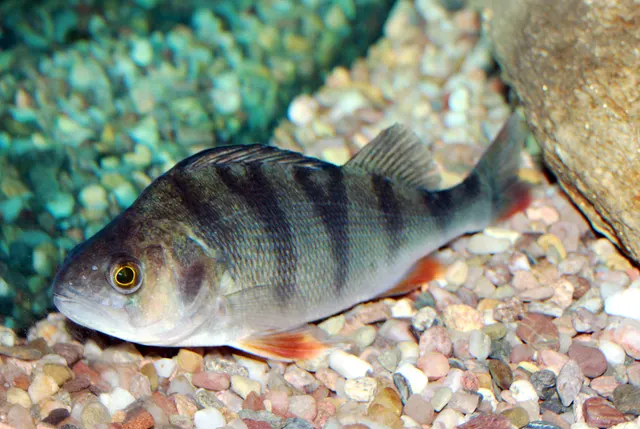
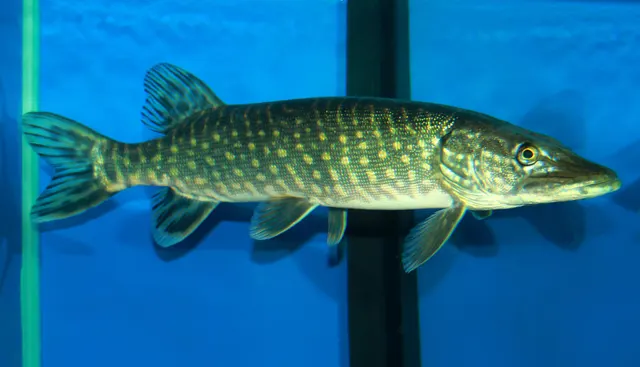
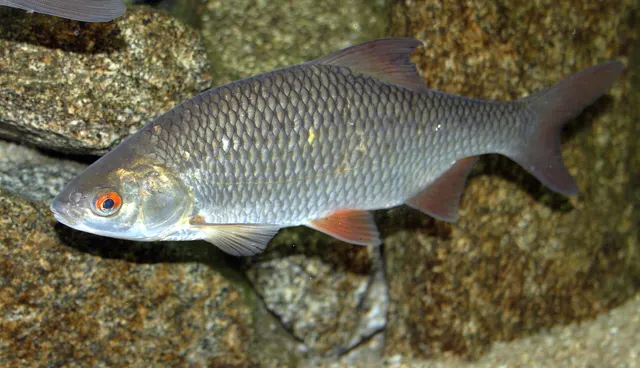
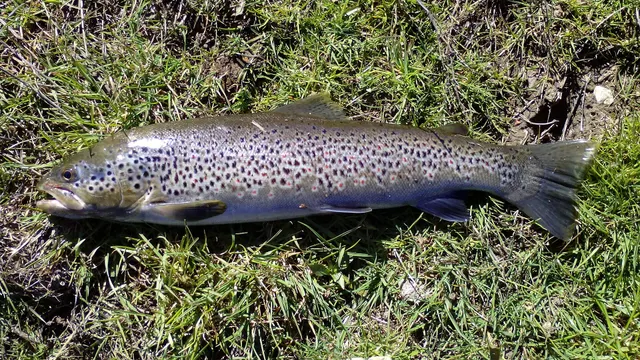
From a boat · 2
Fly fishing · 1
What these strengths mean
- Regular local target
- Fishing sources describe this as a normal local target here, not merely as caught.
- Seasonal
- Well supported, and concentrated in part of the year rather than spread through it.
- How breadth is counted
- A fish documented at six marks is shown as six marks: breadth never raises the strength on its own. A fishery account describes the fishing; a recorded catch reports one specific catch. How evidence is weighed.
Recorded here, but not a species to target
These are recorded here, but they are not fish to take. Each is either assessed as Critically Endangered or protected by statute in this jurisdiction, and taking one may be prohibited outright — elsewhere every rod-caught fish must be returned. Read the species page and check the current rules with the authority before fishing.
Fish documented nearby, not here
Nothing below has been documented at Llyn Tegid itself. Each one has been documented at a named place on the same ground, and the places are listed with it. Treat this as what the water around here holds rather than as a catch list for this mark.
Also documented at neighbouring places
One or two accounts each, on the ground around here. Enough to know the fish is caught in these waters; not enough to say anything about this place.
From the shore
- Tench — documented at The Montgomery Canal
- Common bream — documented at The Llangollen Canal; The Montgomery Canal
- Gudgeon — documented at The Llangollen Canal
How people fish it
Practised here: Coarse fishing, Fly fishing.
Methods the sources name for this ground. Each one is explained in full on its own page.
- Deadbaiting
Presenting a dead fish as bait for predators — a method that works because scavenging is normal predator behaviour, not an exception.
- Trolling
Towing lures or baits behind a moving boat to cover large volumes of water and locate scattered fish.
- Float fishing
Suspending a bait at a controlled depth beneath a buoyant indicator — the most visual, most controllable and most widely applicable method in angling.
- Stillwater fly fishing
Fly fishing without current, where the angler supplies every movement and the problem becomes finding fish rather than presenting to them.
The ground and the water
- The ground
- The largest natural lake in Wales: a glacial ribbon lake in a fault-guided valley in Snowdonia, six kilometres long, with steep sides, a deep central trough and the River Dee running through it.
- Exposure
- The valley funnels wind along the lake axis and Bala is notoriously windy; the fetch is the full length of the lake.
- Depth
- Deep and cold in the central trough, with steeply shelving margins.
- Tide and flow
- None, but the lake is part of the regulated Dee system and its level is managed for river regulation and water supply.
Through the year
Pike through the colder months, perch and roach year-round, wild trout in the season, and the gwyniad — a glacial relict whitefish found nowhere else in the world — which is not a fish to take and is the reason the lake carries the protection it does.
Safety
Cold water shock — Can cause serious injury or death
UK coastal and inland water is cold enough for most of the year to trigger the involuntary gasp and the loss of swimming ability that decides most immersion deaths, and it does so within the first minute, long before hypothermia is relevant.
What reduces it: Wear a buoyancy aid rather than carry one, carry a means of calling for help on the person rather than in a bag, and plan on the assumption that an unplanned entry into the water is survivable only if somebody knows immediately.
Boat safety — Can cause serious injury or death
A deep, cold, wind-funnelling lake with steep shores and a well-earned local reputation for wind that rises suddenly along its axis.
What reduces it: Wear a buoyancy aid afloat, watch up-lake for approaching wind, stay within a return margin, and treat the lake's reputation as data.
Biosecurity and disease transfer — Can cause serious injury or death
The lake holds the gwyniad, a species found nowhere else on earth, in a population already under pressure. Introduced species and disease moved on wet gear are a documented and existential threat to it.
What reduces it: Check, clean and dry all equipment before and after fishing here without exception, and treat live bait movement as prohibited rather than as discouraged.
Rules and access
Licence
A rod licence is required for freshwater rod fishing in Wales, issued by Natural Resources Wales.
Permission to fish
Separate. Fishing rights are held by clubs, associations, riparian owners or navigation authorities, and the licence does not grant access to any water.
FishingHQ does not know the current access position here. Freshwater rod fishing in Wales requires a current rod licence AND separate permission from whoever controls the fishing, which is frequently a club, riparian owner or navigation authority rather than a public body. Close seasons, byelaws and local rules apply and change. Check with Natural Resources Wales and with the controlling club or owner before going.
Particular to this water: This ground carries conservation designations that constrain access, vehicles, bait collection and disturbance independently of any fishing rule.
Who holds the answer:
- Natural Resources Wales, for rod licensing, close seasons and fisheries regulation in Wales.
- The club, association or riparian owner that controls the fishing.
- The environmental regulator for England, which issues the rod licence, makes fisheries byelaws and enforces them.
- The equivalent Welsh environmental body, which administers fisheries in Wales and has set salmon and sea trout measures differently from England.
- The owner, club, syndicate or commercial fishery controlling the water, whose permission is separate from and additional to any licence.
- The body managing any marine protected area, national park or designated site where the fishing takes place.
- The national conservation body, for protected species and habitat designations that override general rules.
- The national park authority and the lake's managing body, for access and navigation.
Nearby fishing
Other publicly documented places within about 40 km, by distance. Positions are approximate public geography and are never exact marks.
- Llyn Trawsfynydd — 10–25 km · Reservoir
- Llyn Brenig — 10–25 km · Reservoir
- The Conwy at Llanrwst — 25–40 km · River reach
- The Dee at Llangollen — 25–40 km · River reach
- Barmouth and the Mawddach estuary — 25–40 km · Estuary
- Porthmadog and the Glaslyn estuary — 25–40 km · Estuary
- The Dyfi at Machynlleth — 25–40 km · River reach
- The Llangollen Canal — 25–40 km · Canal section
Sources for this place
- Freshwater Fishes of the British Isles — HarperCollins (New Naturalist 75), 1992 (Reference work)Relied on for: Distribution, habitat requirements and biology of the freshwater fishes of Britain and Ireland named here.States this directlyCitation checked — the work exists and is described correctly
- Angling Times — Bauer Media (Specialist angling publication)Relied on for: Long-running published description of British coarse and match angling practice by water and by named reach.FishingHQ's interpretation of what it saysCitation checked — the work exists and is described correctly
- General angling website restatements of established technique — Various (Credible secondary source)Relied on for: Widely restated public descriptions of which waters are conventionally fished and how, recorded as practitioner consensus rather than as scholarship, and not relied on for access, permission or any current rule.Background and mechanism onlyCitation checked — the work exists and is described correctly
How FishingHQ labels evidence is explained in the evidence policy. Last reviewed 2026-08-16.