Germany
Fishing regions · Last reviewed 2026-08-18
Europe's largest angling population, two seas, the continent's busiest river system — and a licence that in most of the country is issued only after an examination in fish biology, law and welfare.
Safety: cold water shock — can cause serious injury or death. 3 more points apply here.
Contamination and toxins in the catch — Can cause injury needing treatment
Bivalves filter the water they sit in and concentrate marine biotoxins and microbiological contamination. Neither cooking nor appearance, smell or taste removes a biotoxin, and harvesting areas are opened and closed on monitoring a gatherer cannot see.
What reduces it: Check the current harvesting area classification and closures with the responsible food-safety authority before taking anything.
Being listed here is not permission to fish. What that meansClose
Access, fishing rights, seasons, licences, local bylaws and permitted methods vary and can change. Check current access, permission, local regulations, closures and restrictions before you travel or fish. FishingHQ describes what the ground is and names who holds the answer; it does not hold the answer itself.
Find the authority for a jurisdiction · What FishingHQ does and does not cover
Germany is a jurisdiction record because of a structural fact that has no parallel anywhere else on FishingHQ: in most of the country, the qualification comes before the paper.
THE FISCHEREISCHEIN FOLLOWS AN EXAMINATION. In most German states a fishing licence is issued only after a formal course and test covering fish biology, fishing practice, fisheries law, water ecology and animal welfare. That is not a formality and it is not a fee. It is a qualification, it takes real preparation, and it means the median German angler has been taught the welfare and identification material that most countries hope people pick up. Several states operate limited arrangements for visitors and holidaymakers; those differ between states and are the specific thing a visiting angler must establish rather than assume.
AND THE LICENCE IS ONLY HALF OF IT. A separate permit for the specific water — the Erlaubnisschein — is bought from whoever holds the fishing right, usually an angling club, a commune or a private owner. Neither document substitutes for the other. A person with a state licence and no water permit has a qualification and nowhere to use it.
THE COUNTRY HAS TWO QUITE DIFFERENT COASTS. The North Sea side is the German Wadden — enormous drying flats behind barrier islands, a real tidal range, and a fishery of flatfish, bass, mullet and eel from dykes, groynes and island beaches. The Baltic side is nearly tideless, brackish, shallow and cold, and it holds one of Europe's most significant shore fisheries for sea trout, along with cod, garfish in spring and pike in the brackish inlets — the last of which is unusual enough to be worth naming, because a pike caught in the sea is not something most of Europe can offer.
INLAND IS THE LARGER STORY. The Rhine, the Elbe, the Weser, the Oder and the Danube's German headwaters, plus an enormous stock of lakes and gravel pits, support the biggest freshwater angling participation in Europe. Carp, pike, zander, perch, bream and wels catfish dominate; the Alpine south adds trout, grayling and whitefish in cold clear water.
THE RIVERS ALSO CARRY THE CLEAREST RESTORATION STORY IN EUROPE. The Rhine was a chemical drain within living memory and salmon have been returned to it deliberately, through fish passes, water-quality regulation and stocking, across decades of international cooperation. That story is the reason the phrase means something.
What fishing here is like
A continental country with two short and completely dissimilar coasts and a very large inland fishery between them. The North Sea coast is Wadden: drying sand and mud flats behind barrier islands, a substantial tidal range, dykes and sluices, and an intertidal system of international conservation importance. The Baltic coast is nearly tideless, brackish, shallow and cold, with long sandy shorelines, boulder reefs, steep coastal cliffs in places, and shallow inlets and lagoons where fresh and salt water mix. Inland, a mature lowland river network — Rhine, Elbe, Weser, Oder — with heavily engineered channels and extensive floodplain lakes and gravel pits, rising in the south to cold, clear Alpine and upland streams and deep pre-Alpine lakes.
How people fish here
5 methods are recorded on the places documented here, counted from the records themselves rather than from what is practised in the country. Each opens a full guide to the technique.
Spinning
Recorded at 3 places here, over bay, island, river reach.
Casting an artificial lure and retrieving it so that it moves like something alive — the most direct form of lure fishing.
Drop shotting
Recorded at 2 places here, over bay, river reach.
A finesse rig with the weight below the hook, letting a small soft plastic be worked in place, off the bottom, without moving anywhere.
Ledgering
Recorded at 2 places here, over island, river reach.
Fishing a bait on the bottom held by a weight, with no float — the simplest way to fish at distance, in depth, or in wind.
Deadbaiting
Recorded at 1 place here, over bay.
Presenting a dead fish as bait for predators — a method that works because scavenging is normal predator behaviour, not an exception.
Saltwater fly fishing
Recorded at 1 place here, over island.
Fly fishing adapted to the sea: heavier lines, corrosion-proof tackle, fish that run rather than fight, and wind as the permanent constraint.
These are the methods documented at the places FishingHQ holds here. A species listed beside a method is documented on the same ground, which is not the same as being taken that way — where a source establishes the method a fish was caught on, it is stated on that place’s own page. All fishing methods.
What dominates
Coarse and predator angling inland at the largest scale in Europe, for carp, pike, zander, perch, bream, tench and wels catfish, from bank and boat. Baltic shore fishing for sea trout, which is a serious and highly developed discipline here, along with cod and spring garfish, and a genuinely unusual brackish-water pike fishery in the shallow inlets. North Sea shore fishing from dyke, groyne, sluice and island beach for flatfish, bass, mullet and eel. Fly fishing on the Alpine and upland streams and, increasingly, on the Baltic coast for sea trout. Boat and charter fishing on both coasts. Ice fishing in the colder east and south in hard winters, where local rules permit it.
The water available
The German Wadden — drying intertidal flats, barrier islands, deep tidal gullies and dyke frontage; the brackish, nearly tideless Baltic shore with sand, boulder reef and coastal cliff; shallow Baltic inlets and lagoons where salinity falls towards fresh; large engineered lowland rivers with groyne fields and slack water behind them; oxbows, floodplain lakes and an enormous stock of gravel pits; deep, cold pre-Alpine lakes; and clear upland trout and grayling streams in the south and centre.
How the rules are structured
Germany is a federal country and fisheries are a matter for the sixteen states, so the answer to almost every question begins with which state the water is in. In most states a fishing licence is issued only after a formal examination covering fish biology, practice, law, ecology and welfare, and several states operate separate limited or short-term arrangements for visitors that differ from one another — establishing which arrangement applies is the first task for anybody arriving from outside. Separately from the licence, a permit for the specific water is required from whoever holds the fishing right, which is usually an angling club, a commune or a private owner, and that permit carries its own conditions on methods, times, quantities and returns. Coastal arrangements differ between the states bordering the Baltic and the North Sea, and the Wadden carries the heaviest tier of nature protection available with zoning that constrains access independently of any fishing rule. Welfare law is unusually prominent in the German framework and shapes what may be done with a fish once caught. FishingHQ does not state what any current rule is. Establish the state, then the rights-holder.
Who to ask
- The fisheries authority of the federal state, which sets the licence, the examination behind it and any visitor arrangement.
- The angling club, commune or private owner holding the fishing right on the water, which issues the water permit and sets its conditions.
- The national park or protected-area administration on the Wadden coast, whose zoning constrains access independently of fishing rules.
- The waterways and shipping administration, for access to engineered river banks, groynes, locks and their surroundings.
- The veterinary and animal-welfare authority of the state, which is the body behind the welfare provisions of the framework.
Words you will meet
- Fischereischein
- The state fishing licence. In most German states it is issued only after a course and examination in fish biology, practice, law, ecology and welfare, which makes it a qualification rather than a receipt — and makes it the reason a visitor cannot simply buy one at a counter.
- Erlaubnisschein
- The permit for a specific water, bought from whoever holds the fishing right there. It is a separate document from the Fischereischein and neither replaces the other: the licence says a person is qualified, the permit says where.
- Angelverein
- An angling club. Clubs hold the fishing rights on a very large share of German inland water, manage stocking and habitat, and are the practical route to permission on most rivers and lakes.
- Buhne
- A groyne — a rock or timber structure built out from the bank of an engineered river or from a coast, to control flow or sediment. The slack water behind and between groynes is the defining feature of fishing the big German rivers, and the structures themselves are working infrastructure rather than platforms.
- Bodden
- A shallow, sheltered, brackish coastal lagoon on the German Baltic coast, partly enclosed by islands and peninsulas. Bodden water is where the unusual sea-pike fishery happens, and its low salinity is what makes a freshwater predator possible in what is nominally the sea.
Conditions and hazards
Three quite different environments, three failure modes. On the Wadden, tidal cut-off is the hazard and it works as it does across the whole system: on ground that flat, a small rise in water is an enormous horizontal advance, the creeks fill first so the sea arrives between a person and the dyke while the sand under them is dry, and fog removes the only navigation a featureless flat offers. Nobody local crosses those flats unaccompanied. On the Baltic, the water is cold for most of the year and sea-trout fishing is done wading, often in winter, often at first light and often alone — which combines cold water shock, a slippery boulder bottom and lone working in a way that is more dangerous than the calm surface suggests; a wading belt and a means of calling for help carried on the person are the standard answers. Inland, the big rivers are engineered, commercially navigated and faster than they look, with undercut banks, sudden depth beside groynes and wash from shipping that arrives without warning; the Alpine south adds cold water, fast rises from snowmelt and hydroelectric release, and deep lakes that produce violent local winds.
Why the licence is a qualification, and what that changes
Almost every jurisdiction on FishingHQ sells permission. Germany, in most of its states, teaches it first, and the consequences run further than the paperwork.
THE EXAMINATION IS REAL. A candidate studies fish biology and identification, fishing practice and gear, fisheries and nature-conservation law, water ecology, and animal welfare, and is tested on it. It takes preparation measured in weeks rather than minutes, and it is a precondition of the licence rather than an alternative route to one.
WHICH MEANS THE MEDIAN ANGLER HAS BEEN TAUGHT THINGS MOST COUNTRIES HOPE ARE PICKED UP. Species identification, minimum sizes and why they exist, close seasons and what they protect, humane dispatch, and the legal position on returning fish. A framework that examines people can then hold them to a standard, and German fisheries and welfare law does.
THE WELFARE DIMENSION IS UNUSUALLY PROMINENT. Animal-welfare law is a live and central part of the German framework rather than an appendix to it, and it shapes what may be done with a fish after it is caught in ways that visitors from catch-and-release cultures frequently do not anticipate. This is precisely the kind of thing that differs between states and changes, so FishingHQ names the framework and routes the reader to the authority rather than describing any current provision.
THE VISITOR QUESTION IS THE PRACTICAL ONE. Several states operate limited, short-term or holiday arrangements that allow somebody without the full examination to fish under conditions. Those arrangements differ between the sixteen states, in duration, in what they permit and in what supervision they require. Establishing which one applies where somebody is going is the single most useful preparation a visiting angler can do, and it cannot be done from a general description of Germany.
AND THE SECOND DOCUMENT IS NOT OPTIONAL. The state licence establishes that a person may fish. The water permit establishes where, and it comes from the club, commune or owner that holds the fishing right. Clubs hold the rights on a very large share of German inland water, they manage stocking and habitat with their own money and labour, and their permits carry conditions — methods, hours, quantities, catch returns — that are as binding in practice as anything in the state framework.
THE COASTS ARE ADMINISTERED BY THE COASTAL STATES, and the Wadden carries a further layer entirely: national park zoning that constrains access, vehicles, dogs, collection and timing independently of any fishing rule, in a system protected at the highest international tier. A place can be legally fishable under fisheries law and a place a person may not stand.
WHAT A READER SHOULD DO. Establish the state. Ask its fisheries authority what a visitor needs. Then find who holds the fishing right on the water and ask them. FishingHQ holds neither answer.
Official guidance — why, and the sources (2)
Stated by a fisheries authority, scientific institute or recognised angling body. Authoritative, but summarising rather than demonstrating.
- Code of Conduct for Responsible Fisheries — Food and Agriculture Organization of the United Nations, Rome, 1995 (Standards body)Relied on for: The international framework within which national and regional fisheries authorities set, revise and enforce measures, and the principle that responsible fishing includes the safety of fishers.Background and mechanism onlyCitation checked — the work exists and is described correctly
- ICES Advice on fishing opportunities, catch and effort — International Council for the Exploration of the Sea (Scientific institute)Relied on for: That the stock advice European fisheries measures are set against is produced internationally and revised annually, which is the mechanism by which a national measure changes without the national law changing.States this directlyCitation checked — the work exists and is described correctly
Wading a cold sea alone in winter, and other things that look safer than they are
German fishing produces its casualties in three quite separate ways, and two of them happen in water that looks harmless.
THE BALTIC SEA-TROUT FISHERY IS THE ONE TO BE MOST CAREFUL ABOUT, precisely because nothing about it looks dangerous. The water is shallow, there is no tide, there are no waves worth naming on a calm morning, and the angler is standing up in it. What that description leaves out is that it is done in winter, at first light, frequently alone, over a boulder bottom covered in weed, in water cold enough that an immersion is decided in the first minute. Cold water shock takes breathing control and swimming ability away immediately; chest waders that fill make swimming harder; and being alone on a beach at dawn in February means nobody is watching. A wading belt worn tight, a means of calling for help carried on the person rather than in a bag, telling somebody where and until when, and a decision to wade less deep than feels necessary are the practical answers.
THE WADDEN IS THE ONE WITH THE FATALITY RECORD, and it kills the same way everywhere on that system. On ground that flat, a small vertical rise is an enormous horizontal advance. The water fills the tidal creeks first and spreads outward and backward from them, so it appears between a person and the dyke while the sand under their feet is still dry — somebody watching the sea in front is watching the wrong direction. Creeks that were ankle-deep on the way out are moving channels on the way back, saturated ground that carried weight may not on the return, the channels move between tides, and fog is frequent on a plain with no landmarks. Guided crossing exists on that coast as a regulated activity precisely because local judgement is that it cannot be done safely alone.
THE BIG RIVERS ARE FASTER AND DEEPER THAN THEY LOOK. Engineered channels with groyne fields have sudden depth beside the structures, strong flow in the main channel, undercut and unstable banks, and commercial navigation whose wash arrives as a set of steep waves without warning. A person standing on a groyne is standing on working infrastructure in moving water.
THE ALPINE SOUTH ADDS COLD AND SPEED. Snowmelt and hydroelectric release can raise a river quickly with no weather to warn of it, which is a specific hazard for anybody wading, and the deep pre-Alpine lakes produce violent local winds that get up in minutes and build a short steep sea a small boat handles badly.
AND ANYTHING GATHERED CARRIES ITS OWN QUESTION. Bivalves filter what they sit in, harvesting areas are classified and closed on monitoring nobody can see from the shore, and neither cooking nor appearance removes a biotoxin. That is a food-safety authority's question rather than a fisheries one, and it is asked separately.
Official guidance — why, and the sources (3)
Stated by a fisheries authority, scientific institute or recognised angling body. Authoritative, but summarising rather than demonstrating.
- RNLI water safety guidance: cold water shock and Float to Live — Royal National Lifeboat Institution (Water-safety or diver-training authority)Relied on for: Cold water shock and the immersion response, tidal cut-off, and water-safety guidance for shore anglers and small-craft users.States this directlyPassage read and verified
- Met Office shipping forecast, inshore waters forecast and marine warnings — Met Office, United Kingdom (Government fisheries body)Relied on for: That inshore waters forecasts, sea state and swell are the operative inputs for shore and small-craft decisions in north-west European waters.States this directlyCitation checked — the work exists and is described correctly
- Shellfish classification — Food Standards Agency, 2026 (Government fisheries body)Relied on for: That shellfish harvesting areas are classified for food safety, that the classification governs what may be taken and how it must be treated, and that it is set and revised by the authority on monitoring results rather than fixed.States this directlyCitation checked — the work exists and is described correctly
Some of what lives here
Fish recorded here that FishingHQ holds a reviewed photograph of. It is not a complete list of what Germany holds, and it is not a prediction that you will catch any of them — it is a way in to the ones we can show you.
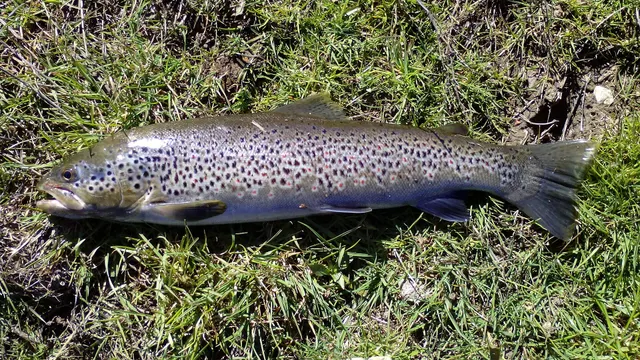 Brown troutA single, extraordinarily plastic species that appears as a tiny hill-stream fish, a deep-bodied loch trout and a silver sea-run migrant — all the same animal.
Robermix, CC0, via Wikimedia Commons
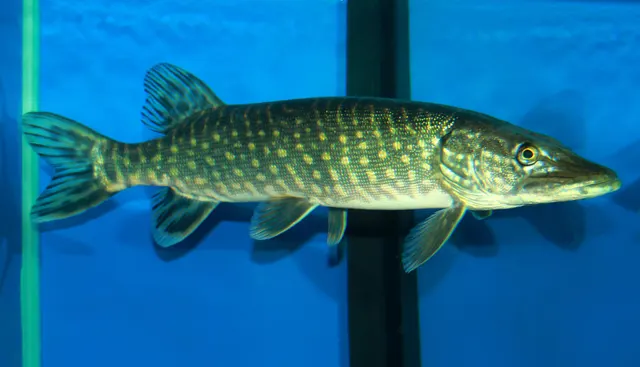 Northern pikeThe dominant freshwater ambush predator of the northern hemisphere: long, cryptic, and built for one violent acceleration rather than pursuit.
Karelj, Public domain, via Wikimedia Commons
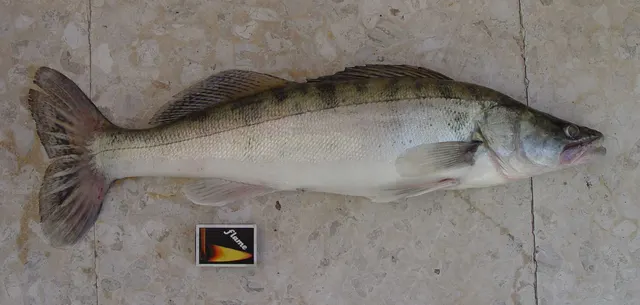 ZanderA shoaling freshwater predator built for hunting in low light and coloured water, and the fish that made a virtue of the conditions pike find difficult.
eLNuko — Public domain, via Wikimedia Commons
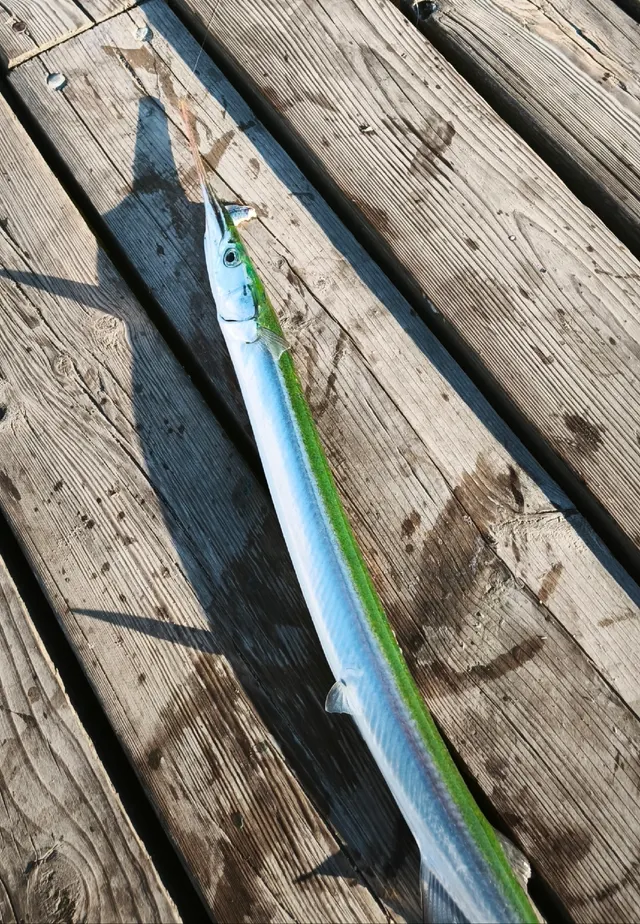 GarfishA slender surface-hunting fish with a long beaked jaw and green bones — a harmless pigment that alarms people unnecessarily.
Dmitry Petrov — CC BY, via iNaturalist
Places within this area
Publicly documented fishing geography. FishingHQ describes what the ground is; it does not say whether you may fish it, and every one of these sends that question to the body that holds the answer. Browse every place in this part of the world.
Who to ask before fishing any of these
FishingHQ does not know the current access position here, and Germany's structure surprises visitors more than most. In most of the country a fishing licence is issued only after a formal examination in fish biology, law and welfare — the qualification comes before the paper — and the arrangements for the Baltic and North Sea coasts differ between the coastal states. Species measures, closed seasons and protected areas apply and change. Check the current position with the fisheries authority of the state before going. This water is tidal and transitional, so the freshwater regime may also apply above the tidal limit: FishingHQ does not know the current access position here. German inland angling needs two separate things: the state fishing licence, which in most states follows an examination, and a permit for the specific water, which is sold by whoever holds the fishing right — usually a club, a commune or a private owner. Neither substitutes for the other, both differ between the sixteen states, and both change. Check with the state fisheries authority and with the water's rights-holder before going.
Fehmarn
Island · Brackish water
A low German Baltic island with a shore of boulder reef, stone, weed and sand, shallow ground extending well out from most of its coast and deeper water in the Belt to its west.
Faces every direction from somewhere on the island, which is why it is fished whatever the wind is doing — the practical reason it has the reputation it does.
Particular to this ground: cold water shock.
Severe hazards of Germany apply here: tides and being cut off.
The Rügen Bodden
Bay · Brackish water
A complex of shallow, sheltered, partly enclosed brackish lagoons behind the island of Rügen, with reed margins, weed beds, soft bottom and salinity low enough for freshwater fish to live and spawn.
Sheltered by the island from the open Baltic, with wind rather than sea the limiting factor.
Particular to this ground: cold water shock, drowning and immersion.
Severe hazards of Germany apply here: tides and being cut off.
Particular to this water: This ground lies in or beside a marine protected area whose zoning constrains fishing, diving, anchoring and collection independently of any licence, with rules that differ between zones and boundaries that are not visible from the water.
The Elbe at Hamburg
River reach · Brackish water
The tidal reach of the Elbe through Germany's largest port: a wide dredged navigation channel with quay walls, groynes and side arms, extensive mud and sand banks in the reaches below the city, and a strong tidal influence reaching well upstream.
Severe hazards of Germany apply here: cold water shock, tides and being cut off.
Particular to this water: This is working water-management or navigation infrastructure, operated to a schedule set by its authority rather than by anything happening in the fishing, and access to it is that authority's decision.
Safety
Contamination and toxins in the catch is set out at the top of this page, where it cannot be missed.
Cold water shock — Can cause serious injury or death
The Baltic sea-trout fishery is waded in winter, at first light, often alone, over a slippery boulder bottom in water cold enough that cold water shock removes breathing control and swimming ability within the first minute of an immersion.
What reduces it: Wear a wading belt tight over chest waders, carry a means of calling for help on the person rather than in a bag, tell somebody where you are and when you will be back, and wade shallower than feels necessary rather than deeper.
Worse when:
- Alone at dawn in winter, which is when the fishing is best and when nobody is watching.
Tides and being cut off — Can cause serious injury or death
On the Wadden flats a small vertical rise in the tide is an enormous horizontal advance, and the water fills the creeks first and spreads backward, so it appears between a person and the dyke while the ground under them is still dry.
What reduces it: Do not go out onto the flats unaccompanied — guided crossing exists on that coast because local judgement is that it cannot be done safely alone. Set a leaving time from the tide, and treat water appearing behind you as the signal to go immediately.
Worse when:
- In fog, which is frequent and removes the only navigation a featureless flat offers.
Moving water and currents — Can cause injury needing treatment
The engineered lowland rivers run faster and deeper than their surface suggests, with sudden depth beside groynes, undercut banks, and commercial shipping whose wash arrives as a set of steep waves with no warning.
What reduces it: Treat groynes as working infrastructure in moving water rather than as platforms, stand back from an undercut edge, and watch upstream for shipping rather than reacting to the wash when it arrives.
Further safety reading
- Cold water shock and immersion — The Baltic sea-trout fishery is waded in winter, at first light, frequently alone, over slippery boulder — which combines every condition cold water shock needs in water that looks entirely harmless.
- Tides and being cut off — The German Wadden behaves as the whole system does: on ground that flat the flood arrives behind a person while the sand in front is still dry.
Check the rules before you fish
Fishing laws, bylaws, access rules, seasons, bait restrictions and permitted methods vary by location and can change. Check the current rules from the relevant authority and the water you intend to fish before fishing.
Check with:
- Current national or regional law for where you are fishing
- Current local bylaws
- The relevant fisheries authority
- The landowner, club or fishery whose water it is
- Any restrictions specific to the species or the method you intend to use
Where to go next
What swims here
- Brown troutIn its sea-run form this is the fish the German Baltic coast is known for, feeding along shallow brackish shoreline through the colder months within reach of a waded shore cast.
- GarfishArrives on the German Baltic coast in numbers in spring, which makes it one of the few genuinely social and accessible sea fisheries in northern Europe.
- Northern pikePresent inland across the country and, unusually, in the brackish Baltic lagoons behind the islands, where salinity is low enough for a freshwater predator to live and spawn in what is nominally the sea.
- ZanderA dominant predator of the large engineered lowland rivers and their groyne fields, where turbid water suits an eye adapted to low light.
How this compares
- PolandThe two ends of the same administrative idea: both gate fishing behind a qualification, and a reader who has understood one has most of the shape of the other.
- The NetherlandsTwo neighbours with among the highest angling participation in Europe and opposite structures: one federated document issued by the anglers, against a state examination plus a separate water permit.
Rules and access
Environment and conservation
Sources and evidence
- Freshwater Fishes of the British Isles — HarperCollins (New Naturalist 75), 1992 (Reference work)Relied on for: Distribution, ecology, life history and conservation status of European freshwater fishes, including the migratory salmonids and the cyprinid and percid communities named.States this directlyCitation checked — the work exists and is described correctly
- FishBase: a global information system on fishes — Froese, R. and D. Pauly, eds. — FishBase Consortium (Scientific institute)Relied on for: Recorded distribution, habitat association and life history of the freshwater and migratory species named.States this directlyPassage read and verified
- ICES Advice on fishing opportunities, catch and effort — International Council for the Exploration of the Sea (Scientific institute)Relied on for: Ecoregion description, stock distribution and status, nursery function and the hydrography of the European sea areas assessed, including the Baltic, the North Sea, the Celtic Seas and the Iberian and Biscay shelf.States this directlyCitation checked — the work exists and is described correctly
- FAO Species Identification Guides for Fishery Purposes and the FAO Species Catalogues — Food and Agriculture Organization of the United Nations (Scientific institute)Relied on for: Identification, distribution and habitat association of the fishes and invertebrates of the Mediterranean, the Black Sea and the eastern central Atlantic.States this directlyCitation checked — the work exists and is described correctly
- FishBase: a global information system on fishes — Froese, R. and D. Pauly, eds. — FishBase Consortium (Scientific institute)Relied on for: Recorded distribution, depth range, habitat association, size and biology of the species named.States this directlyPassage read and verified
- The IUCN Red List of Threatened Species — International Union for Conservation of Nature (Conservation authority)Relied on for: Current global and regional conservation assessment for the species named, with the assessment date.Background and mechanism onlyCitation checked — the work exists and is described correctly
- Fishers' Craft and Lettered Art: Tracts on Fishing from the End of the Middle Ages — University of Toronto Press, 1997 (Scientific literature)Relied on for: That European fishing traditions develop around the water and fish available to them, and the historical method of reading such traditions.Background and mechanism onlyCitation checked — the work exists and is described correctly
- General angling website restatements of established technique — Various (Credible secondary source)Relied on for: Widely restated descriptions of regional angling practice, recorded as practitioner consensus rather than as scholarship.Background and mechanism onlyCitation checked — the work exists and is described correctly
Why the 12 connections on this page are here, and the sources
What swims here
Backed by research — 4 connections
Supported by peer-reviewed research or fisheries science. The sources are listed and can be checked.
Brown trout
That a species occurs in these waters, drawn from distribution science and stock assessment. It is a statement about where the animal lives and is not a statement that anybody will catch one, still less where.
- Freshwater Fishes of the British Isles — HarperCollins (New Naturalist 75), 1992 (Reference work)Relied on for: Distribution, habitat requirement and life history of European freshwater fishes, including their occurrence across the continental range named.States this directlyCitation checked — the work exists and is described correctly
- FishBase: a global information system on fishes — Froese, R. and D. Pauly, eds. — FishBase Consortium (Scientific institute)Relied on for: Recorded distribution and habitat association of the freshwater and migratory species named.States this directlyPassage read and verified
Garfish
That a species occurs in these waters, drawn from distribution science and stock assessment. It is a statement about where the animal lives and is not a statement that anybody will catch one, still less where.
- FishBase: a global information system on fishes — Froese, R. and D. Pauly, eds. — FishBase Consortium (Scientific institute)Relied on for: Recorded distribution, depth range and habitat association of the species named, including its occurrence in the waters of the jurisdiction named.States this directlyPassage read and verified
- ICES Advice on fishing opportunities, catch and effort — International Council for the Exploration of the Sea (Scientific institute)Relied on for: Stock distribution and assessment across the European ecoregions, which is the basis for stating that a species occurs in a given national sea area.States this directlyCitation checked — the work exists and is described correctly
Northern pike
That a species occurs in these waters, drawn from distribution science and stock assessment. It is a statement about where the animal lives and is not a statement that anybody will catch one, still less where.
- Freshwater Fishes of the British Isles — HarperCollins (New Naturalist 75), 1992 (Reference work)Relied on for: Distribution, habitat requirement and life history of European freshwater fishes, including their occurrence across the continental range named.States this directlyCitation checked — the work exists and is described correctly
- FishBase: a global information system on fishes — Froese, R. and D. Pauly, eds. — FishBase Consortium (Scientific institute)Relied on for: Recorded distribution and habitat association of the freshwater and migratory species named.States this directlyPassage read and verified
Zander
That a species occurs in these waters, drawn from distribution science and stock assessment. It is a statement about where the animal lives and is not a statement that anybody will catch one, still less where.
- Freshwater Fishes of the British Isles — HarperCollins (New Naturalist 75), 1992 (Reference work)Relied on for: Distribution, habitat requirement and life history of European freshwater fishes, including their occurrence across the continental range named.States this directlyCitation checked — the work exists and is described correctly
- FishBase: a global information system on fishes — Froese, R. and D. Pauly, eds. — FishBase Consortium (Scientific institute)Relied on for: Recorded distribution and habitat association of the freshwater and migratory species named.States this directlyPassage read and verified
How people fish here
What experienced anglers do — 2 connections
Widely and independently recommended by experienced anglers and specialist sources. This is real angling knowledge, not proof: controlled evidence for it is limited, and FishingHQ records it as convention rather than as a demonstrated effect.
Coarse fishing
That a discipline is conventionally practised in these waters, drawn from published description of practice rather than from participation data, and labelled as consensus accordingly.
- Sea Angler — Bauer Media (Specialist angling publication)Relied on for: Long-running published description of European sea angling practice by region and destination, including where British anglers travel and what they fish for there.FishingHQ's interpretation of what it saysCitation checked — the work exists and is described correctly
- General angling website restatements of established technique — Various (Credible secondary source)Relied on for: Widely restated descriptions of which disciplines are conventionally practised in the waters named, recorded as practitioner consensus rather than as scholarship.Background and mechanism onlyCitation checked — the work exists and is described correctly
Predator fishing
That a discipline is conventionally practised in these waters, drawn from published description of practice rather than from participation data, and labelled as consensus accordingly.
- Sea Angler — Bauer Media (Specialist angling publication)Relied on for: Long-running published description of European sea angling practice by region and destination, including where British anglers travel and what they fish for there.FishingHQ's interpretation of what it saysCitation checked — the work exists and is described correctly
- General angling website restatements of established technique — Various (Credible secondary source)Relied on for: Widely restated descriptions of which disciplines are conventionally practised in the waters named, recorded as practitioner consensus rather than as scholarship.Background and mechanism onlyCitation checked — the work exists and is described correctly
How this compares
What experienced anglers do — 2 connections
Widely and independently recommended by experienced anglers and specialist sources. This is real angling knowledge, not proof: controlled evidence for it is limited, and FishingHQ records it as convention rather than as a demonstrated effect.
Poland
A navigational link between two places a reader is genuinely choosing between or reasoning across, offered as orientation rather than as a ranking.
- Sea Angler — Bauer Media (Specialist angling publication)Relied on for: Long-running published description of European sea angling practice by region and destination, including where British anglers travel and what they fish for there.FishingHQ's interpretation of what it saysCitation checked — the work exists and is described correctly
- General angling website restatements of established technique — Various (Credible secondary source)Relied on for: Widely restated descriptions of which disciplines are conventionally practised in the waters named, recorded as practitioner consensus rather than as scholarship.Background and mechanism onlyCitation checked — the work exists and is described correctly
The Netherlands
A navigational link between two places a reader is genuinely choosing between or reasoning across, offered as orientation rather than as a ranking.
- Sea Angler — Bauer Media (Specialist angling publication)Relied on for: Long-running published description of European sea angling practice by region and destination, including where British anglers travel and what they fish for there.FishingHQ's interpretation of what it saysCitation checked — the work exists and is described correctly
- General angling website restatements of established technique — Various (Credible secondary source)Relied on for: Widely restated descriptions of which disciplines are conventionally practised in the waters named, recorded as practitioner consensus rather than as scholarship.Background and mechanism onlyCitation checked — the work exists and is described correctly
Safety reading
Official guidance — 2 connections
Stated by a fisheries authority, scientific institute or recognised angling body. Authoritative, but summarising rather than demonstrating.
Cold water shock and immersion
A link from the place to the substantial safety topic describing the mechanism that hurts people there, rather than a warning restated in prose on the record itself.
- RNLI water safety guidance: cold water shock and Float to Live — Royal National Lifeboat Institution (Water-safety or diver-training authority)Relied on for: Cold water shock and the immersion response, tidal cut-off, and water-safety guidance for shore anglers and small-craft users.States this directlyPassage read and verified
Tides and being cut off
A link from the place to the substantial safety topic describing the mechanism that hurts people there, rather than a warning restated in prose on the record itself.
- RNLI water safety guidance: cold water shock and Float to Live — Royal National Lifeboat Institution (Water-safety or diver-training authority)Relied on for: Cold water shock and the immersion response, tidal cut-off, and water-safety guidance for shore anglers and small-craft users.States this directlyPassage read and verified
Rules and access
Official guidance — 1 connection
Stated by a fisheries authority, scientific institute or recognised angling body. Authoritative, but summarising rather than demonstrating.
Licences and permission
This points to the kind of rule that applies rather than to a rule itself. The same question is administered differently in each of these countries, so the page says that the answer is held elsewhere and changes.
- Code of Conduct for Responsible Fisheries — Food and Agriculture Organization of the United Nations, Rome, 1995 (Standards body)Relied on for: The international framework within which national and regional fisheries authorities set, revise and enforce measures, and the principle that the responsible authority rather than a third party holds the current position.Background and mechanism onlyCitation checked — the work exists and is described correctly
- ICES Advice on fishing opportunities, catch and effort — International Council for the Exploration of the Sea (Scientific institute)Relied on for: That the stock advice European measures are set against is produced internationally and revised annually, which is how a national measure changes without the national law changing.States this directlyCitation checked — the work exists and is described correctly
Environment and conservation
Backed by research — 1 connection
Supported by peer-reviewed research or fisheries science. The sources are listed and can be checked.
Fish stocks and sustainability
An environmental claim attached to the geography where it operates, resting on published stock assessment and conservation status rather than on advocacy.
- The IUCN Red List of Threatened Species — International Union for Conservation of Nature (Conservation authority)Relied on for: The conservation assessment of the species and stocks concerned, with the assessment date, which is the basis for treating the pressure on them as established rather than asserted.States this directlyCitation checked — the work exists and is described correctly
- ICES Advice on fishing opportunities, catch and effort — International Council for the Exploration of the Sea (Scientific institute)Relied on for: Stock status and the advice on which management measures for the stocks concerned are set and revised.States this directlyCitation checked — the work exists and is described correctly
How FishingHQ labels evidence is explained in the evidence policy.