Decapod crustaceans as prey
Explainer · Last reviewed 2026-08-11
Crabs, shrimps, prawns and their relatives — ten-legged crustaceans that make up a large share of the diet of inshore and reef fish worldwide.
Background, not a fishing profile
This page is here so FishingHQ can describe a biological relationship accurately — usually because a fish covered elsewhere on the site feeds on this. It covers what it is, where it lives and the evidence behind that relationship, and deliberately nothing about methods, bait or tackle. Its presence here is not a statement that anybody fishes for it.
Decapoda is the crustacean order containing crabs, shrimps, prawns, lobsters and crayfish. In shallow marine and estuarine habitats they are among the most abundant mobile invertebrates present, and the diets of a very large number of fish reflect that.
Some predators specialise on them. Black drum, sheepshead and many wrasse have dentition adapted to crushing shells. Others take them opportunistically alongside fish — bass, snapper, grouper, trevally, cod and flatfish all do.
The reason this page exists rather than a series of species pages is that the evidence is normally reported at this level. A diet study reports crustacean remains, and identifying a crab from a fish's stomach to species is frequently impossible.
The scope is the order Decapoda excluding the freshwater crayfish: swimming crabs, shore crabs, penaeid and caridean shrimps and prawns, in marine, brackish AND fresh water. The freshwater restriction was corrected during an earlier pass: the record originally read 'marine and brackish' while already being cited for the freshwater prawns in Nile perch and Australian bass diets, which was an inconsistency between the scope statement and the edges resting on it. Freshwater crayfish remain separate, because the predators and the ecology are different enough to be worth separating. Amphipods, isopods, copepods and krill are not decapods and are not covered here.
Where to go next
Fish this applies to
- Australasian snapperCrabs and other crustaceans are a dominant item over the broken and shell ground snapper favour, crushed with heavy jaws.
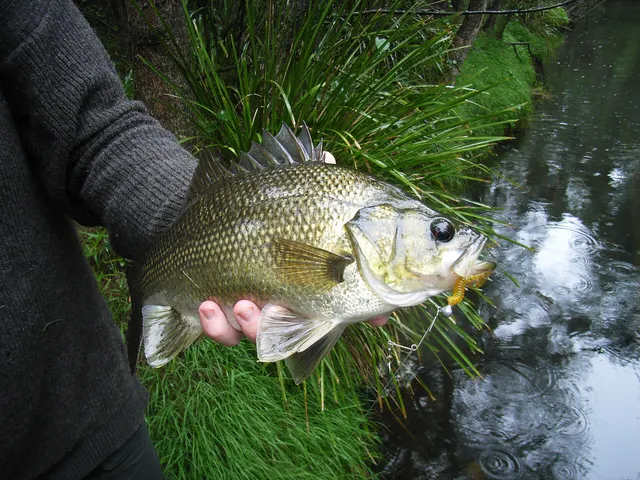 Australian bassAustralian bass feed heavily on freshwater prawns and shrimps in the coastal rivers they occupy, alongside insects and small fish.
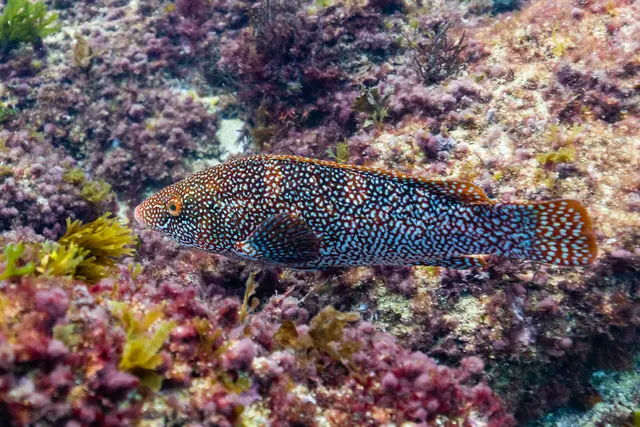 Ballan wrasseCrabs are a major part of the diet and are crushed rather than swallowed whole, which is why a wrasse's mouth does so much damage to a soft bait.
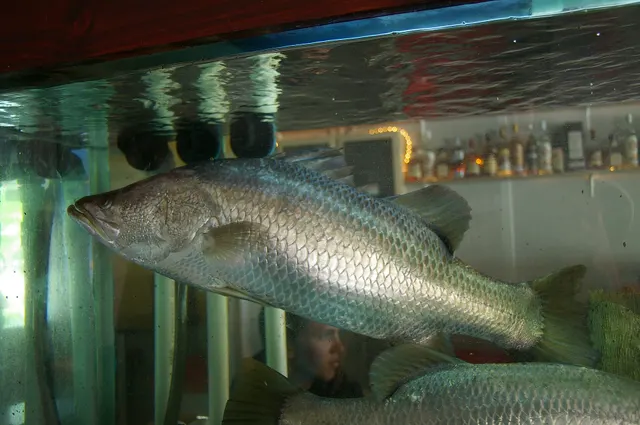 BarramundiPrawns are a dominant item in the barramundi diet in estuarine and tidal creek habitat, particularly on falling tides that flush them out of mangrove.
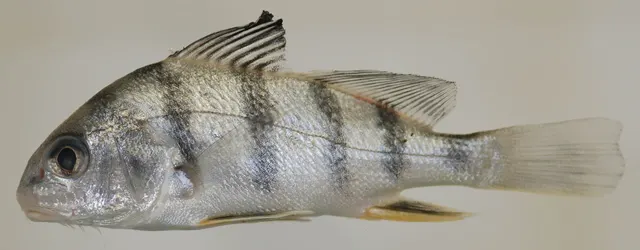 Black drumCrabs are taken alongside molluscs and are crushed in the same way, which is why crab baits work so consistently for the species.
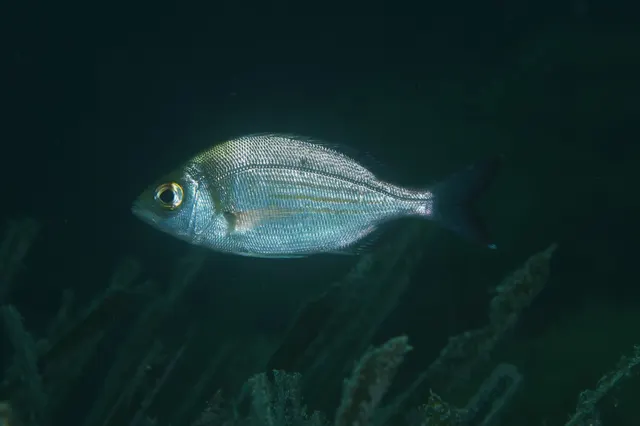 Black seabreamSmall crustaceans picked off reef, wreck and weed. The small mouth and close-set front teeth suit nipping rather than engulfing.
- Blonde rayCrabs, prawns and shrimps taken from the sandbank alongside fish — a broader diet than the fish-weighted reputation suggests.
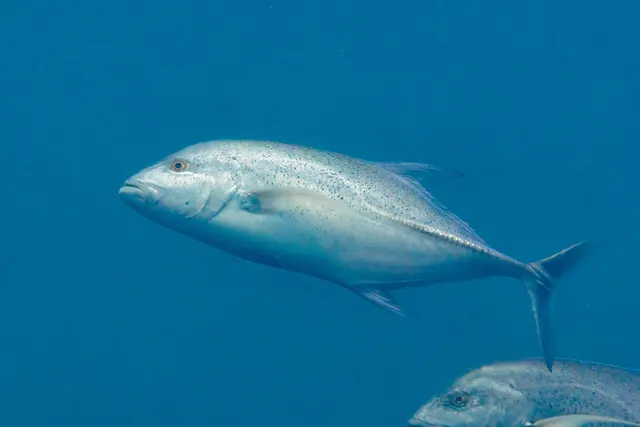 Bluefin trevallyCrustaceans are taken alongside small fish over reef and shallow ground, which is characteristic of the trevallies generally.
37 more
- Bonefish Fish
- Bull huss Fish
- Bull shark Fish
- Common octopus Fish
- Common snook Fish
- Common stingray Fish
- Conger eel Fish
- Corkwing wrasse Fish
- Cuckoo wrasse Fish
- Curled octopus Fish
- Dab Fish
- Dusky flathead Fish
- Dusky kob Fish
- European eel Fish
- European flounder Fish
- European sea bass Fish
- Flapper skate Fish
- Gag grouper Fish
- Giant trevally Fish
- Gilthead bream Fish
- Greater weever Fish
- Grey gurnard Fish
- Ling Fish
- Long-spined sea scorpion Fish
- Mediterranean moray Fish
- Nile perch Fish
- Northern red snapper Fish
- Red drum Fish
- Red gurnard Fish
- Red lionfish Fish
- Red scorpionfish Fish
- Reef stonefish Fish
- Small-spotted catshark Fish
- Spotted eagle ray Fish
- Spotted ray Fish
- Spotted seatrout Fish
- Tub gurnard Fish
Sources and evidence
- FishBase: a global information system on fishes — Froese, R. and D. Pauly, eds. — FishBase Consortium (Scientific institute)Relied on for: Recorded food items for the predatory species this taxon is cited as prey for, at the granularity the database records them.States this directlyPassage read and verified
- FAO Species Identification Guides for Fishery Purposes and the FAO Species Catalogues — Food and Agriculture Organization of the United Nations (Scientific institute)Relied on for: Species and family accounts describing food items, given at family or functional-group level where that is what the account states.States this directlyCitation checked — the work exists and is described correctly
Why the 45 connections on this page are here, and the sources
Fish this applies to
Backed by research — 45 connections
Supported by peer-reviewed research or fisheries science. The sources are listed and can be checked.
Australasian snapper
Recorded diet evidence identifies decapod crustaceans as a food item of this predator at group level rather than to species. The edge points at the taxon record for that reason, and encoding it as a species-level claim would assert something the source does not.
- FishBase: a global information system on fishes — Froese, R. and D. Pauly, eds. — FishBase Consortium (Scientific institute)Relied on for: Food items recorded for this predator, given as decapod crustaceans.States this directlyPassage read and verified
- FAO Species Identification Guides for Fishery Purposes and the FAO Species Catalogues — Food and Agriculture Organization of the United Nations (Scientific institute)Relied on for: Species account describing this predator's diet, recorded at the level of decapod crustaceans.Background and mechanism onlyCitation checked — the work exists and is described correctly
Australian bass
Recorded diet evidence identifies freshwater prawns and shrimps as a food item of this predator at group level rather than to species. The edge points at the taxon record for that reason, and encoding it as a species-level claim would assert something the source does not.
- FishBase: a global information system on fishes — Froese, R. and D. Pauly, eds. — FishBase Consortium (Scientific institute)Relied on for: Food items recorded for this predator, given as freshwater prawns and shrimps.States this directlyPassage read and verified
- FAO Species Identification Guides for Fishery Purposes and the FAO Species Catalogues — Food and Agriculture Organization of the United Nations (Scientific institute)Relied on for: Species account describing this predator's diet, recorded at the level of freshwater prawns and shrimps.Background and mechanism onlyCitation checked — the work exists and is described correctly
Ballan wrasse
Recorded diet evidence identifies decapod crustaceans as a food item of this predator at group level rather than to species. The edge points at the taxon record for that reason, and encoding it as a species-level claim would assert something the source does not.
- FishBase: a global information system on fishes — Froese, R. and D. Pauly, eds. — FishBase Consortium (Scientific institute)Relied on for: Food items recorded for this predator, given as decapod crustaceans.States this directlyPassage read and verified
- FAO Species Identification Guides for Fishery Purposes and the FAO Species Catalogues — Food and Agriculture Organization of the United Nations (Scientific institute)Relied on for: Species account describing this predator's diet, recorded at the level of decapod crustaceans.Background and mechanism onlyCitation checked — the work exists and is described correctly
Barramundi
Recorded diet evidence identifies prawns and other decapod crustaceans as a food item of this predator at group level rather than to species. The edge points at the taxon record for that reason, and encoding it as a species-level claim would assert something the source does not.
- FishBase: a global information system on fishes — Froese, R. and D. Pauly, eds. — FishBase Consortium (Scientific institute)Relied on for: Food items recorded for this predator, given as prawns and other decapod crustaceans.States this directlyPassage read and verified
- FAO Species Identification Guides for Fishery Purposes and the FAO Species Catalogues — Food and Agriculture Organization of the United Nations (Scientific institute)Relied on for: Species account describing this predator's diet, recorded at the level of prawns and other decapod crustaceans.Background and mechanism onlyCitation checked — the work exists and is described correctly
Black drum
Recorded diet evidence identifies decapod crustaceans as a food item of this predator at group level rather than to species. The edge points at the taxon record for that reason, and encoding it as a species-level claim would assert something the source does not.
- FishBase: a global information system on fishes — Froese, R. and D. Pauly, eds. — FishBase Consortium (Scientific institute)Relied on for: Food items recorded for this predator, given as decapod crustaceans.States this directlyPassage read and verified
- FAO Species Identification Guides for Fishery Purposes and the FAO Species Catalogues — Food and Agriculture Organization of the United Nations (Scientific institute)Relied on for: Species account describing this predator's diet, recorded at the level of decapod crustaceans.Background and mechanism onlyCitation checked — the work exists and is described correctly
Black seabream
A dietary claim recorded at GROUP level against a modelled prey concept, because the sources describe the prey as a group and inventing a species to point at would be the fabrication the precision audit exists to prevent.
- Cefas science, advice and data on marine and freshwater environments — Centre for Environment, Fisheries and Aquaculture Science (Government fisheries body)Relied on for: UK marine fisheries science: survey data, distribution and the biological basis of management advice for the species concerned.States this directlyCitation checked — the work exists and is described correctly
- The Fishes of the British Isles and North-West Europe — Macmillan, 1969 (Reference work)Relied on for: Distribution, habitat and biology of the fishes of the British Isles and north-west Europe.States this directlyCitation checked — the work exists and is described correctly
Blonde ray
A dietary claim recorded at GROUP level against a modelled prey concept, because the sources describe the prey as a group and selecting a species for the edge to point at would assert a precision the evidence does not carry.
- The Fishes of the British Isles and North-West Europe — Macmillan, 1969 (Reference work)Relied on for: Distribution, habitat association, identification and biology of the sharks, skates and rays of the British Isles and north-west Europe.States this directlyCitation checked — the work exists and is described correctly
- FAO Species Identification Guides for Fishery Purposes and the FAO Species Catalogues — Food and Agriculture Organization of the United Nations (Scientific institute)Relied on for: Diagnostic characters, habitat and depth range as set out in the FAO species identification sheets for the eastern Atlantic and Mediterranean.States this directlyCitation checked — the work exists and is described correctly
Bluefin trevally
Recorded diet evidence identifies decapod crustaceans as a food item of this predator at group level rather than to species. The edge points at the taxon record for that reason, and encoding it as a species-level claim would assert something the source does not.
- FishBase: a global information system on fishes — Froese, R. and D. Pauly, eds. — FishBase Consortium (Scientific institute)Relied on for: Food items recorded for this predator, given as decapod crustaceans.States this directlyPassage read and verified
- FAO Species Identification Guides for Fishery Purposes and the FAO Species Catalogues — Food and Agriculture Organization of the United Nations (Scientific institute)Relied on for: Species account describing this predator's diet, recorded at the level of decapod crustaceans.Background and mechanism onlyCitation checked — the work exists and is described correctly
Bonefish
Recorded diet evidence identifies crabs and shrimps as a food item of this predator at group level rather than to species. The edge points at the taxon record for that reason, and encoding it as a species-level claim would assert something the source does not.
- FishBase: a global information system on fishes — Froese, R. and D. Pauly, eds. — FishBase Consortium (Scientific institute)Relied on for: Food items recorded for this predator, given as crabs and shrimps.States this directlyPassage read and verified
- FAO Species Identification Guides for Fishery Purposes and the FAO Species Catalogues — Food and Agriculture Organization of the United Nations (Scientific institute)Relied on for: Species account describing this predator's diet, recorded at the level of crabs and shrimps.Background and mechanism onlyCitation checked — the work exists and is described correctly
Bull huss
A dietary claim recorded at GROUP level against a modelled prey concept, because the sources describe the prey as a group and selecting a species for the edge to point at would assert a precision the evidence does not carry.
- The Fishes of the British Isles and North-West Europe — Macmillan, 1969 (Reference work)Relied on for: Distribution, habitat association, identification and biology of the sharks, skates and rays of the British Isles and north-west Europe.States this directlyCitation checked — the work exists and is described correctly
- FAO Species Identification Guides for Fishery Purposes and the FAO Species Catalogues — Food and Agriculture Organization of the United Nations (Scientific institute)Relied on for: Diagnostic characters, habitat and depth range as set out in the FAO species identification sheets for the eastern Atlantic and Mediterranean.States this directlyCitation checked — the work exists and is described correctly
Bull shark
A dietary claim recorded at GROUP level against a modelled prey concept, because the sources describe the prey as a group and FishingHQ documents no single species from the right ocean to point at.
- FAO Species Identification Guides for Fishery Purposes and the FAO Species Catalogues — Food and Agriculture Organization of the United Nations (Scientific institute)Relied on for: Diagnostic characters, habitat association, depth range and distribution as set out in the FAO species identification guides for fishery purposes.States this directlyCitation checked — the work exists and is described correctly
- FishBase: a global information system on fishes — Froese, R. and D. Pauly, eds. — FishBase Consortium (Scientific institute)Relied on for: Distribution, maximum size, depth range, habitat association and biology as compiled for the species.States this directlyPassage read and verified
Common octopus
A dietary claim recorded at GROUP level against a modelled prey concept, because the sources describe the prey as a group and FishingHQ documents no single species from the right ocean to point at.
- FAO Species Identification Guides for Fishery Purposes and the FAO Species Catalogues — Food and Agriculture Organization of the United Nations (Scientific institute)Relied on for: Diagnostic characters, habitat association, depth range and distribution as set out in the FAO species identification guides for fishery purposes.States this directlyCitation checked — the work exists and is described correctly
- FishBase: a global information system on fishes — Froese, R. and D. Pauly, eds. — FishBase Consortium (Scientific institute)Relied on for: Distribution, maximum size, depth range, habitat association and biology as compiled for the species.States this directlyPassage read and verified
Common snook
Recorded diet evidence identifies penaeid shrimps and other decapod crustaceans as a food item of this predator at group level rather than to species. The edge points at the taxon record for that reason, and encoding it as a species-level claim would assert something the source does not.
- FishBase: a global information system on fishes — Froese, R. and D. Pauly, eds. — FishBase Consortium (Scientific institute)Relied on for: Food items recorded for this predator, given as penaeid shrimps and other decapod crustaceans.States this directlyPassage read and verified
- FAO Species Identification Guides for Fishery Purposes and the FAO Species Catalogues — Food and Agriculture Organization of the United Nations (Scientific institute)Relied on for: Species account describing this predator's diet, recorded at the level of penaeid shrimps and other decapod crustaceans.Background and mechanism onlyCitation checked — the work exists and is described correctly
Common stingray
A dietary claim recorded at GROUP level against a modelled prey concept, because the sources describe the prey as a group and selecting a species for the edge to point at would assert a precision the evidence does not carry.
- The Fishes of the British Isles and North-West Europe — Macmillan, 1969 (Reference work)Relied on for: Distribution, habitat association, identification and biology of the sharks, skates and rays of the British Isles and north-west Europe.States this directlyCitation checked — the work exists and is described correctly
- FAO Species Identification Guides for Fishery Purposes and the FAO Species Catalogues — Food and Agriculture Organization of the United Nations (Scientific institute)Relied on for: Diagnostic characters, habitat and depth range as set out in the FAO species identification sheets for the eastern Atlantic and Mediterranean.States this directlyCitation checked — the work exists and is described correctly
Conger eel
Recorded diet evidence identifies decapod crustaceans as a food item of this predator at group level rather than to species. The edge points at the taxon record for that reason, and encoding it as a species-level claim would assert something the source does not.
- FishBase: a global information system on fishes — Froese, R. and D. Pauly, eds. — FishBase Consortium (Scientific institute)Relied on for: Food items recorded for this predator, given as decapod crustaceans.States this directlyPassage read and verified
- FAO Species Identification Guides for Fishery Purposes and the FAO Species Catalogues — Food and Agriculture Organization of the United Nations (Scientific institute)Relied on for: Species account describing this predator's diet, recorded at the level of decapod crustaceans.Background and mechanism onlyCitation checked — the work exists and is described correctly
Corkwing wrasse
A diet claim recorded at group level, pointed at a modelled prey CATEGORY, because the reference works describe the diet as a group rather than by species. Naming a particular species FishingHQ happens to hold would invent a precision the evidence never had.
- The Fishes of the British Isles and North-West Europe — Macmillan, 1969 (Reference work)Relied on for: Distribution, habitat association, identification and biology of the fishes and inshore fauna of the British Isles and north-west Europe.States this directlyCitation checked — the work exists and is described correctly
- FAO Species Identification Guides for Fishery Purposes and the FAO Species Catalogues — Food and Agriculture Organization of the United Nations (Scientific institute)Relied on for: Diagnostic characters, family placement, habitat and depth range as set out in the FAO species identification sheets for the eastern Atlantic and Mediterranean.States this directlyCitation checked — the work exists and is described correctly
Cuckoo wrasse
A diet claim recorded at group level, pointed at a modelled prey CATEGORY, because the reference works describe the diet as a group rather than by species. Naming a particular species FishingHQ happens to hold would invent a precision the evidence never had.
- The Fishes of the British Isles and North-West Europe — Macmillan, 1969 (Reference work)Relied on for: Distribution, habitat association, identification and biology of the fishes and inshore fauna of the British Isles and north-west Europe.States this directlyCitation checked — the work exists and is described correctly
- FAO Species Identification Guides for Fishery Purposes and the FAO Species Catalogues — Food and Agriculture Organization of the United Nations (Scientific institute)Relied on for: Diagnostic characters, family placement, habitat and depth range as set out in the FAO species identification sheets for the eastern Atlantic and Mediterranean.States this directlyCitation checked — the work exists and is described correctly
Curled octopus
A diet claim recorded at group level, pointed at a modelled prey CATEGORY, because the reference works describe the diet as a group rather than by species.
- The Fishes of the British Isles and North-West Europe — Macmillan, 1969 (Reference work)Relied on for: Distribution, habitat association, identification and biology of the fishes and inshore fauna of the British Isles and north-west Europe.States this directlyCitation checked — the work exists and is described correctly
- FAO Species Identification Guides for Fishery Purposes and the FAO Species Catalogues — Food and Agriculture Organization of the United Nations (Scientific institute)Relied on for: Diagnostic characters, family placement, habitat and depth range as set out in the FAO species identification sheets for the region concerned.States this directlyCitation checked — the work exists and is described correctly
Dab
A dietary claim recorded at GROUP level against a modelled prey concept, because the sources describe the prey as a group and inventing a species to point at would be the fabrication the precision audit exists to prevent.
- Cefas science, advice and data on marine and freshwater environments — Centre for Environment, Fisheries and Aquaculture Science (Government fisheries body)Relied on for: UK marine fisheries science: survey data, distribution and the biological basis of management advice for the species concerned.States this directlyCitation checked — the work exists and is described correctly
- The Fishes of the British Isles and North-West Europe — Macmillan, 1969 (Reference work)Relied on for: Distribution, habitat and biology of the fishes of the British Isles and north-west Europe.States this directlyCitation checked — the work exists and is described correctly
Dusky flathead
Recorded diet evidence identifies prawns and other decapod crustaceans as a food item of this predator at group level rather than to species. The edge points at the taxon record for that reason, and encoding it as a species-level claim would assert something the source does not.
- FishBase: a global information system on fishes — Froese, R. and D. Pauly, eds. — FishBase Consortium (Scientific institute)Relied on for: Food items recorded for this predator, given as prawns and other decapod crustaceans.States this directlyPassage read and verified
- FAO Species Identification Guides for Fishery Purposes and the FAO Species Catalogues — Food and Agriculture Organization of the United Nations (Scientific institute)Relied on for: Species account describing this predator's diet, recorded at the level of prawns and other decapod crustaceans.Background and mechanism onlyCitation checked — the work exists and is described correctly
Dusky kob
Recorded diet evidence identifies prawns and other decapod crustaceans as a food item of this predator at group level rather than to species. The edge points at the taxon record for that reason, and encoding it as a species-level claim would assert something the source does not.
- FishBase: a global information system on fishes — Froese, R. and D. Pauly, eds. — FishBase Consortium (Scientific institute)Relied on for: Food items recorded for this predator, given as prawns and other decapod crustaceans.States this directlyPassage read and verified
- FAO Species Identification Guides for Fishery Purposes and the FAO Species Catalogues — Food and Agriculture Organization of the United Nations (Scientific institute)Relied on for: Species account describing this predator's diet, recorded at the level of prawns and other decapod crustaceans.Background and mechanism onlyCitation checked — the work exists and is described correctly
European eel
Recorded diet evidence identifies decapod crustaceans as a food item of this predator at group level rather than to species. The edge points at the taxon record for that reason, and encoding it as a species-level claim would assert something the source does not.
- FishBase: a global information system on fishes — Froese, R. and D. Pauly, eds. — FishBase Consortium (Scientific institute)Relied on for: Food items recorded for this predator, given as decapod crustaceans.States this directlyPassage read and verified
- FAO Species Identification Guides for Fishery Purposes and the FAO Species Catalogues — Food and Agriculture Organization of the United Nations (Scientific institute)Relied on for: Species account describing this predator's diet, recorded at the level of decapod crustaceans.Background and mechanism onlyCitation checked — the work exists and is described correctly
European flounder
A dietary claim recorded at GROUP level against a modelled prey concept, because the sources describe the prey as a group and inventing a species to point at would be the fabrication the precision audit exists to prevent.
- Cefas science, advice and data on marine and freshwater environments — Centre for Environment, Fisheries and Aquaculture Science (Government fisheries body)Relied on for: UK marine fisheries science: survey data, distribution and the biological basis of management advice for the species concerned.States this directlyCitation checked — the work exists and is described correctly
- The Fishes of the British Isles and North-West Europe — Macmillan, 1969 (Reference work)Relied on for: Distribution, habitat and biology of the fishes of the British Isles and north-west Europe.States this directlyCitation checked — the work exists and is described correctly
European sea bass
Recorded diet evidence identifies decapod crustaceans as a food item of this predator at group level rather than to species. The edge points at the taxon record for that reason, and encoding it as a species-level claim would assert something the source does not.
- FishBase: a global information system on fishes — Froese, R. and D. Pauly, eds. — FishBase Consortium (Scientific institute)Relied on for: Food items recorded for this predator, given as decapod crustaceans.States this directlyPassage read and verified
- FAO Species Identification Guides for Fishery Purposes and the FAO Species Catalogues — Food and Agriculture Organization of the United Nations (Scientific institute)Relied on for: Species account describing this predator's diet, recorded at the level of decapod crustaceans.Background and mechanism onlyCitation checked — the work exists and is described correctly
Flapper skate
A dietary claim recorded at GROUP level against a modelled prey concept, because the sources describe the prey as a group and selecting a species for the edge to point at would assert a precision the evidence does not carry.
- The Fishes of the British Isles and North-West Europe — Macmillan, 1969 (Reference work)Relied on for: Distribution, habitat association, identification and biology of the sharks, skates and rays of the British Isles and north-west Europe.States this directlyCitation checked — the work exists and is described correctly
- FAO Species Identification Guides for Fishery Purposes and the FAO Species Catalogues — Food and Agriculture Organization of the United Nations (Scientific institute)Relied on for: Diagnostic characters, habitat and depth range as set out in the FAO species identification sheets for the eastern Atlantic and Mediterranean.States this directlyCitation checked — the work exists and is described correctly
Gag grouper
Recorded diet evidence identifies decapod crustaceans as a food item of this predator at group level rather than to species. The edge points at the taxon record for that reason, and encoding it as a species-level claim would assert something the source does not.
- FishBase: a global information system on fishes — Froese, R. and D. Pauly, eds. — FishBase Consortium (Scientific institute)Relied on for: Food items recorded for this predator, given as decapod crustaceans.States this directlyPassage read and verified
- FAO Species Identification Guides for Fishery Purposes and the FAO Species Catalogues — Food and Agriculture Organization of the United Nations (Scientific institute)Relied on for: Species account describing this predator's diet, recorded at the level of decapod crustaceans.Background and mechanism onlyCitation checked — the work exists and is described correctly
Giant trevally
Recorded diet evidence identifies decapod crustaceans as a food item of this predator at group level rather than to species. The edge points at the taxon record for that reason, and encoding it as a species-level claim would assert something the source does not.
- FishBase: a global information system on fishes — Froese, R. and D. Pauly, eds. — FishBase Consortium (Scientific institute)Relied on for: Food items recorded for this predator, given as decapod crustaceans.States this directlyPassage read and verified
- FAO Species Identification Guides for Fishery Purposes and the FAO Species Catalogues — Food and Agriculture Organization of the United Nations (Scientific institute)Relied on for: Species account describing this predator's diet, recorded at the level of decapod crustaceans.Background and mechanism onlyCitation checked — the work exists and is described correctly
Gilthead bream
Recorded diet evidence identifies decapod crustaceans as a food item of this predator at group level rather than to species. The edge points at the taxon record for that reason, and encoding it as a species-level claim would assert something the source does not.
- FishBase: a global information system on fishes — Froese, R. and D. Pauly, eds. — FishBase Consortium (Scientific institute)Relied on for: Food items recorded for this predator, given as decapod crustaceans.States this directlyPassage read and verified
- FAO Species Identification Guides for Fishery Purposes and the FAO Species Catalogues — Food and Agriculture Organization of the United Nations (Scientific institute)Relied on for: Species account describing this predator's diet, recorded at the level of decapod crustaceans.Background and mechanism onlyCitation checked — the work exists and is described correctly
Greater weever
A dietary claim recorded at GROUP level against a modelled prey concept, because the sources describe the prey as a group and inventing a species to point at would be the fabrication the precision audit exists to prevent.
- Cefas science, advice and data on marine and freshwater environments — Centre for Environment, Fisheries and Aquaculture Science (Government fisheries body)Relied on for: UK marine fisheries science: survey data, distribution and the biological basis of management advice for the species concerned.States this directlyCitation checked — the work exists and is described correctly
- The Fishes of the British Isles and North-West Europe — Macmillan, 1969 (Reference work)Relied on for: Distribution, habitat and biology of the fishes of the British Isles and north-west Europe.States this directlyCitation checked — the work exists and is described correctly
Grey gurnard
A dietary claim recorded at GROUP level against a modelled prey concept, because the sources describe the prey as a group and inventing a species to point at would be the fabrication the precision audit exists to prevent.
- Cefas science, advice and data on marine and freshwater environments — Centre for Environment, Fisheries and Aquaculture Science (Government fisheries body)Relied on for: UK marine fisheries science: survey data, distribution and the biological basis of management advice for the species concerned.States this directlyCitation checked — the work exists and is described correctly
- The Fishes of the British Isles and North-West Europe — Macmillan, 1969 (Reference work)Relied on for: Distribution, habitat and biology of the fishes of the British Isles and north-west Europe.States this directlyCitation checked — the work exists and is described correctly
Ling
Recorded diet evidence identifies decapod crustaceans as a food item of this predator at group level rather than to species. The edge points at the taxon record for that reason, and encoding it as a species-level claim would assert something the source does not.
- FishBase: a global information system on fishes — Froese, R. and D. Pauly, eds. — FishBase Consortium (Scientific institute)Relied on for: Food items recorded for this predator, given as decapod crustaceans.States this directlyPassage read and verified
- FAO Species Identification Guides for Fishery Purposes and the FAO Species Catalogues — Food and Agriculture Organization of the United Nations (Scientific institute)Relied on for: Species account describing this predator's diet, recorded at the level of decapod crustaceans.Background and mechanism onlyCitation checked — the work exists and is described correctly
Long-spined sea scorpion
A diet claim recorded at group level, pointed at a modelled prey CATEGORY, because the reference works describe the diet as a group rather than by species.
- The Fishes of the British Isles and North-West Europe — Macmillan, 1969 (Reference work)Relied on for: Distribution, habitat association, identification and biology of the fishes and inshore fauna of the British Isles and north-west Europe.States this directlyCitation checked — the work exists and is described correctly
- FAO Species Identification Guides for Fishery Purposes and the FAO Species Catalogues — Food and Agriculture Organization of the United Nations (Scientific institute)Relied on for: Diagnostic characters, family placement, habitat and depth range as set out in the FAO species identification sheets for the region concerned.States this directlyCitation checked — the work exists and is described correctly
Mediterranean moray
A diet claim recorded at group level, pointed at a modelled prey CATEGORY, because the reference works describe the diet as a group rather than by species. Naming a particular species FishingHQ happens to hold would invent a precision the evidence never had.
- Cefas science, advice and data on marine and freshwater environments — Centre for Environment, Fisheries and Aquaculture Science (Government fisheries body)Relied on for: UK marine science: distribution, habitat association, shellfish and crustacean monitoring, and the biological basis of management advice.States this directlyCitation checked — the work exists and is described correctly
- FAO Species Identification Guides for Fishery Purposes and the FAO Species Catalogues — Food and Agriculture Organization of the United Nations (Scientific institute)Relied on for: Habitat, depth range and distribution as set out in the FAO species identification sheets for the region concerned.States this directlyCitation checked — the work exists and is described correctly
Nile perch
Recorded diet evidence identifies freshwater prawns as a food item of this predator at group level rather than to species. The edge points at the taxon record for that reason, and encoding it as a species-level claim would assert something the source does not.
- FishBase: a global information system on fishes — Froese, R. and D. Pauly, eds. — FishBase Consortium (Scientific institute)Relied on for: Food items recorded for this predator, given as freshwater prawns.States this directlyPassage read and verified
- FAO Species Identification Guides for Fishery Purposes and the FAO Species Catalogues — Food and Agriculture Organization of the United Nations (Scientific institute)Relied on for: Species account describing this predator's diet, recorded at the level of freshwater prawns.Background and mechanism onlyCitation checked — the work exists and is described correctly
Northern red snapper
Recorded diet evidence identifies decapod crustaceans as a food item of this predator at group level rather than to species. The edge points at the taxon record for that reason, and encoding it as a species-level claim would assert something the source does not.
- FishBase: a global information system on fishes — Froese, R. and D. Pauly, eds. — FishBase Consortium (Scientific institute)Relied on for: Food items recorded for this predator, given as decapod crustaceans.States this directlyPassage read and verified
- FAO Species Identification Guides for Fishery Purposes and the FAO Species Catalogues — Food and Agriculture Organization of the United Nations (Scientific institute)Relied on for: Species account describing this predator's diet, recorded at the level of decapod crustaceans.Background and mechanism onlyCitation checked — the work exists and is described correctly
Red drum
Recorded diet evidence identifies blue crabs and other decapod crustaceans as a food item of this predator at group level rather than to species. The edge points at the taxon record for that reason, and encoding it as a species-level claim would assert something the source does not.
- FishBase: a global information system on fishes — Froese, R. and D. Pauly, eds. — FishBase Consortium (Scientific institute)Relied on for: Food items recorded for this predator, given as blue crabs and other decapod crustaceans.States this directlyPassage read and verified
- FAO Species Identification Guides for Fishery Purposes and the FAO Species Catalogues — Food and Agriculture Organization of the United Nations (Scientific institute)Relied on for: Species account describing this predator's diet, recorded at the level of blue crabs and other decapod crustaceans.Background and mechanism onlyCitation checked — the work exists and is described correctly
Red gurnard
A diet claim recorded at group level, pointed at a modelled prey CATEGORY, because the reference works describe the diet as a group rather than by species. Naming a particular species FishingHQ happens to hold would invent a precision the evidence never had.
- The Fishes of the British Isles and North-West Europe — Macmillan, 1969 (Reference work)Relied on for: Distribution, habitat association, identification and biology of the fishes and inshore fauna of the British Isles and north-west Europe.States this directlyCitation checked — the work exists and is described correctly
- FAO Species Identification Guides for Fishery Purposes and the FAO Species Catalogues — Food and Agriculture Organization of the United Nations (Scientific institute)Relied on for: Diagnostic characters, family placement, habitat and depth range as set out in the FAO species identification sheets for the eastern Atlantic and Mediterranean.States this directlyCitation checked — the work exists and is described correctly
Red lionfish
A diet claim recorded at group level, pointed at a modelled prey CATEGORY, because the reference works describe the diet as a group rather than by species. Naming a particular species FishingHQ happens to hold would invent a precision the evidence never had.
- Cefas science, advice and data on marine and freshwater environments — Centre for Environment, Fisheries and Aquaculture Science (Government fisheries body)Relied on for: UK marine science: distribution, habitat association, shellfish and crustacean monitoring, and the biological basis of management advice.States this directlyCitation checked — the work exists and is described correctly
- FAO Species Identification Guides for Fishery Purposes and the FAO Species Catalogues — Food and Agriculture Organization of the United Nations (Scientific institute)Relied on for: Habitat, depth range and distribution as set out in the FAO species identification sheets for the region concerned.States this directlyCitation checked — the work exists and is described correctly
Red scorpionfish
A diet claim recorded at group level, pointed at a modelled prey CATEGORY, because the reference works describe the diet as a group rather than by species. Naming a particular species FishingHQ happens to hold would invent a precision the evidence never had.
- Cefas science, advice and data on marine and freshwater environments — Centre for Environment, Fisheries and Aquaculture Science (Government fisheries body)Relied on for: UK marine science: distribution, habitat association, shellfish and crustacean monitoring, and the biological basis of management advice.States this directlyCitation checked — the work exists and is described correctly
- FAO Species Identification Guides for Fishery Purposes and the FAO Species Catalogues — Food and Agriculture Organization of the United Nations (Scientific institute)Relied on for: Habitat, depth range and distribution as set out in the FAO species identification sheets for the region concerned.States this directlyCitation checked — the work exists and is described correctly
Reef stonefish
A diet claim recorded at group level, pointed at a modelled prey CATEGORY, because the reference works describe the diet as a group rather than by species.
- FAO Species Identification Guides for Fishery Purposes and the FAO Species Catalogues — Food and Agriculture Organization of the United Nations (Scientific institute)Relied on for: Habitat association, depth range and distribution as set out in the FAO species identification sheets for the Indo-Pacific and Red Sea.States this directlyCitation checked — the work exists and is described correctly
- The IUCN Red List of Threatened Species — International Union for Conservation of Nature (Conservation authority)Relied on for: Global assessment and distribution for the species concerned.States this directlyCitation checked — the work exists and is described correctly
Small-spotted catshark
A dietary claim recorded at GROUP level against a modelled prey concept, because the sources describe the prey as a group and selecting a species for the edge to point at would assert a precision the evidence does not carry.
- The Fishes of the British Isles and North-West Europe — Macmillan, 1969 (Reference work)Relied on for: Distribution, habitat association, identification and biology of the sharks, skates and rays of the British Isles and north-west Europe.States this directlyCitation checked — the work exists and is described correctly
- FAO Species Identification Guides for Fishery Purposes and the FAO Species Catalogues — Food and Agriculture Organization of the United Nations (Scientific institute)Relied on for: Diagnostic characters, habitat and depth range as set out in the FAO species identification sheets for the eastern Atlantic and Mediterranean.States this directlyCitation checked — the work exists and is described correctly
Spotted eagle ray
A dietary claim recorded at GROUP level against a modelled prey concept, because the sources describe the prey as a group and FishingHQ documents no single species from the right ocean to point at.
- FAO Species Identification Guides for Fishery Purposes and the FAO Species Catalogues — Food and Agriculture Organization of the United Nations (Scientific institute)Relied on for: Diagnostic characters, habitat association, depth range and distribution as set out in the FAO species identification guides for fishery purposes.States this directlyCitation checked — the work exists and is described correctly
- FishBase: a global information system on fishes — Froese, R. and D. Pauly, eds. — FishBase Consortium (Scientific institute)Relied on for: Distribution, maximum size, depth range, habitat association and biology as compiled for the species.States this directlyPassage read and verified
Spotted ray
A dietary claim recorded at GROUP level against a modelled prey concept, because the sources describe the prey as a group and selecting a species for the edge to point at would assert a precision the evidence does not carry.
- The Fishes of the British Isles and North-West Europe — Macmillan, 1969 (Reference work)Relied on for: Distribution, habitat association, identification and biology of the sharks, skates and rays of the British Isles and north-west Europe.States this directlyCitation checked — the work exists and is described correctly
- FAO Species Identification Guides for Fishery Purposes and the FAO Species Catalogues — Food and Agriculture Organization of the United Nations (Scientific institute)Relied on for: Diagnostic characters, habitat and depth range as set out in the FAO species identification sheets for the eastern Atlantic and Mediterranean.States this directlyCitation checked — the work exists and is described correctly
Spotted seatrout
Recorded diet evidence identifies penaeid shrimps and other decapod crustaceans as a food item of this predator at group level rather than to species. The edge points at the taxon record for that reason, and encoding it as a species-level claim would assert something the source does not.
- FishBase: a global information system on fishes — Froese, R. and D. Pauly, eds. — FishBase Consortium (Scientific institute)Relied on for: Food items recorded for this predator, given as penaeid shrimps and other decapod crustaceans.States this directlyPassage read and verified
- FAO Species Identification Guides for Fishery Purposes and the FAO Species Catalogues — Food and Agriculture Organization of the United Nations (Scientific institute)Relied on for: Species account describing this predator's diet, recorded at the level of penaeid shrimps and other decapod crustaceans.Background and mechanism onlyCitation checked — the work exists and is described correctly
Tub gurnard
A dietary claim recorded at GROUP level against a modelled prey concept, because the sources describe the prey as a group and inventing a species to point at would be the fabrication the precision audit exists to prevent.
- Cefas science, advice and data on marine and freshwater environments — Centre for Environment, Fisheries and Aquaculture Science (Government fisheries body)Relied on for: UK marine fisheries science: survey data, distribution and the biological basis of management advice for the species concerned.States this directlyCitation checked — the work exists and is described correctly
- The Fishes of the British Isles and North-West Europe — Macmillan, 1969 (Reference work)Relied on for: Distribution, habitat and biology of the fishes of the British Isles and north-west Europe.States this directlyCitation checked — the work exists and is described correctly
How FishingHQ labels evidence is explained in the evidence policy.