Pir I and the Hurtigruten quay, Trondheim
Harbour wall · Salt water
The Hurtigruten terminal at Pir I, which TOFA calls perhaps the most used mark in the centre of Trondheim: easy to reach by bus, with good parking, and a fairly clean bottom where tackle does not often snag.
Safety: cold water shock — can cause serious injury or death (general advice, not specific to this place).
FishingHQ describes what this place is, not whether you may fish it. Access, permits and who to ask.
What you can catch here
Documented at this place, grouped by how you would be fishing, with how strongly the sources support each one. This is what has been written down, not a forecast, and being listed is never permission to fish.
From the shore · 10
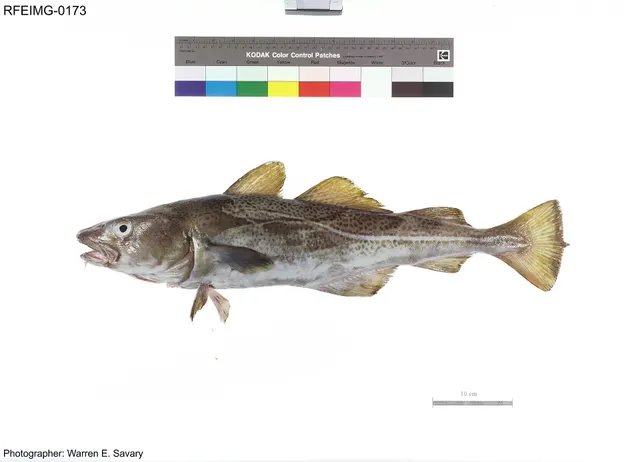 Atlantic codRegular local target1 placePir I and the Hurtigruten quay, TrondheimOver harbour wall
Photo: The U.S. Food and Drug Administration, via Wikimedia Commons, public domain; resized and trimmed to fit
- Atlantic herringRegular local target1 placePir I and the Hurtigruten quay, TrondheimOver harbour wall
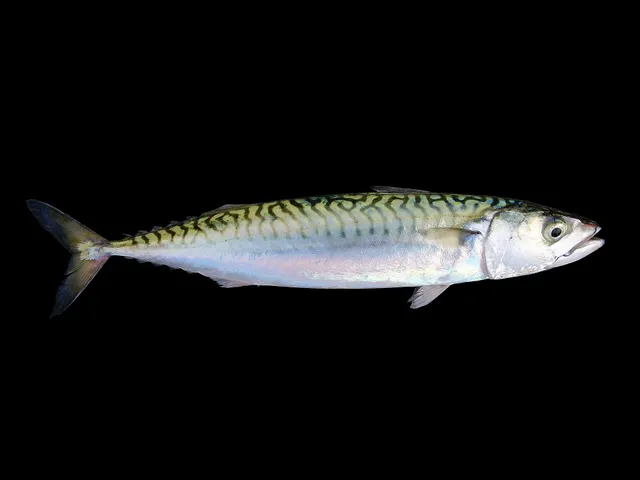 Atlantic mackerelRegular local target1 placePir I and the Hurtigruten quay, TrondheimOver harbour wall
Photo: Hans Hillewaert, via Wikimedia Commons, CC BY-SA 4.0; resized; shared under the same licence
- DabRegular local target1 placePir I and the Hurtigruten quay, TrondheimOver harbour wall
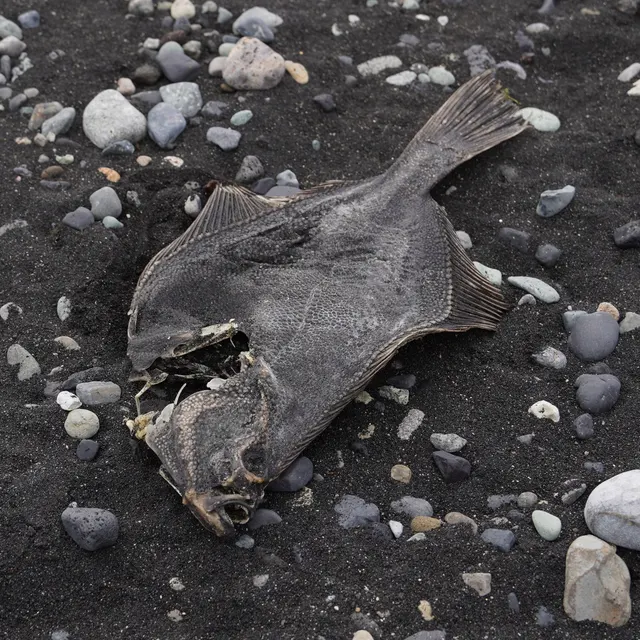 European flounderRegular local target1 placePir I and the Hurtigruten quay, TrondheimOver harbour wall
Photo: nbasargin, via iNaturalist, CC BY; resized and trimmed to fit
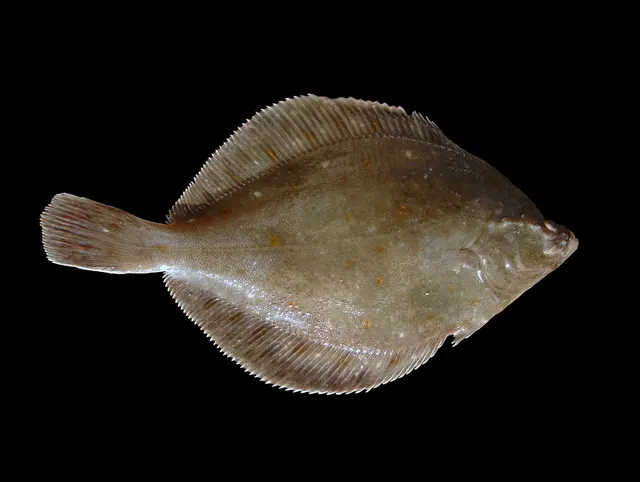 European plaiceRegular local target1 placePir I and the Hurtigruten quay, TrondheimOver harbour wall
Photo: Hans Hillewaert, via Wikimedia Commons, CC BY-SA 4.0; resized; shared under the same licence
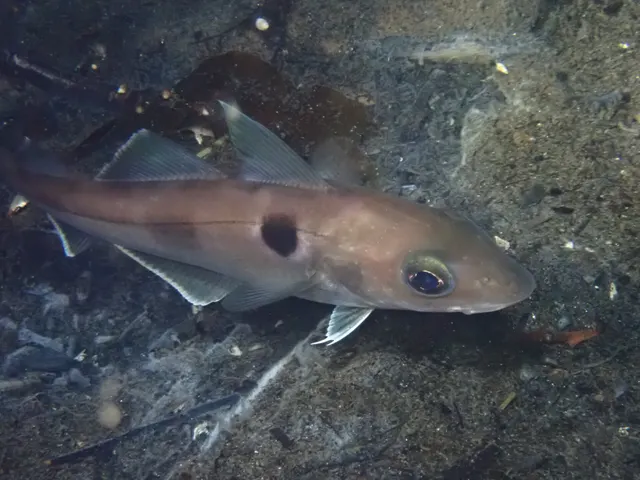 HaddockRegular local target1 placePir I and the Hurtigruten quay, TrondheimOver harbour wall
Photo: Vsevolod Rudyi, via Wikimedia Commons, CC BY 4.0; resized
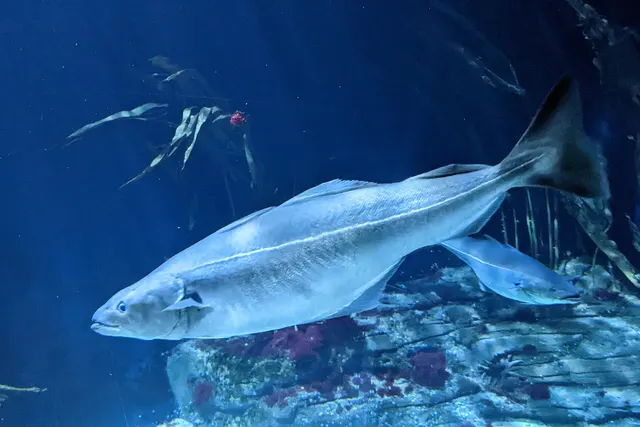 SaitheRegular local target1 placePir I and the Hurtigruten quay, TrondheimOver harbour wall
Photo: Wilhelm Thomas Fiege, via Wikimedia Commons, CC BY-SA 4.0; resized and trimmed to fit; shared under the same licence


Also documented from the shore: Whiting · Atlantic halibut
What these strengths mean
- Regular local target
- Fishing sources describe this as a normal local target here, not merely as caught.
- Repeatedly reported
- Several independent public accounts. Enough to say it happens more than once; not enough to call it a fishery.
- How breadth is counted
- A fish documented at six marks is shown as six marks: breadth never raises the strength on its own. A fishery account describes the fishing; a recorded catch reports one specific catch. How evidence is weighed.
Fish documented nearby, not here
Nothing below has been documented at Pir I and the Hurtigruten quay, Trondheim itself. Each one has been documented at a named place on the same ground, and the places are listed with it. Treat this as what the water around here holds rather than as a catch list for this mark.
Also documented at neighbouring places
One or two accounts each, on the ground around here. Enough to know the fish is caught in these waters; not enough to say anything about this place.
From the shore
- Pollack — documented at Trollakaia, Trondheim; Østmarkneset and the German quays, Lade
- Ballan wrasse — documented at Østmarkneset and the German quays, Lade
- Conger eel — documented at Trollakaia, Trondheim
- Thornback ray — documented at Sjøbadet, Trondheim
- Brown trout — documented at Storsand pier, Malvik
How people fish it
Practised here: Sea fishing.
Methods the sources name for this ground. Each one is explained in full on its own page.
Baits and lures for these fish
The baits and lures each of the fish above is commonly taken on, from that fish’s own page. This is what works for the fish, not a report of what people use on this particular water — local knowledge and the conditions on the day still decide.
Baits
- Lugworm — for Atlantic cod, Dab, European flounder, European plaice and 1 more
- Ragworm — for Dab, European flounder, European plaice, Saithe
- Peeler crab — for Atlantic cod, European flounder, Saithe
- Fish strip and cut bait — for Atlantic cod, Whiting
- Squid and cuttlefish — for Atlantic cod, Dab
- Crab and shellfish — for Saithe
- Sand eel — for Saithe
Lures
- Metal jigs — for Atlantic cod, Atlantic mackerel, Saithe
- Soft plastics — for Atlantic cod, Saithe
- Spinners — for Atlantic mackerel, Saithe
How to catch them: Cod fishing · Mackerel fishing · Flounder fishing · Plaice fishing · Coalfish fishing · Whiting fishing
Rods, reels and rigs for them: Atlantic cod · Atlantic mackerel · European flounder · European plaice · Saithe · Whiting
The ground and the water
- The ground
- The Hurtigruten terminal at Pir I, which TOFA calls perhaps the most used mark in the centre of Trondheim: easy to reach by bus, with good parking, and a fairly clean bottom where tackle does not often snag.
Not to be confused with Sjøbadet, Trondheim, which is a separate place on different ground.
Safety
Cold water shock — Can cause serious injury or death
General safety for this kind of ground, not a finding about this place.
Water here is cold enough year-round that sudden immersion causes involuntary gasping and hyperventilation within seconds, followed by rapid loss of useful movement in the limbs. Swimming ability is close to irrelevant to the outcome.
What reduces it: Wear a buoyancy aid or a flotation suit whenever on or beside the water, including on a small boat in a sheltered fjord. If immersed, float on your back until the initial gasping passes rather than trying to swim immediately. Get out and get warm quickly — the danger continues after the water.
Rules and access
Particular to this water: TOFA's guide says sea trout in Trondheimsfjorden are closed to all sport fishing from shore and boat from 1 March to 31 May, catch-and-release included, and asks anglers to release sea trout outside that period too. National minimum sizes apply. Check the Directorate of Fisheries and the county governor for the rules in force. This is a working Hurtigruten terminal: TOFA asks anglers to clear up and not to gut fish on the quay. Where angling is allowed on it is the port's to say.
Beyond what is stated above, FishingHQ does not know the current access position here. Norway permits recreational sea angling broadly, but rules on gear, quantity, export, minimum sizes, protected species and boat registration apply and change, and they differ for residents and visitors. Check the current position with the Norwegian Directorate of Fisheries before going.
Who holds the answer:
- The Norwegian Directorate of Fisheries, for recreational sea fishing measures.
- The harbour authority or landowner, for access.
- The national directorate responsible for fisheries, for sea fishing rules including species, size and quantity limits and export restrictions
- The national environment agency, for freshwater and anadromous species and the associated fee
- The landowner, association or river management body holding the fishing rights for any given fresh water
- County and municipal authorities, for local rules and for protected areas
- Border and customs authorities, for the rules on taking caught fish out of the country, which catch visitors out regularly
- The Norwegian Directorate of Fisheries (Fiskeridirektoratet): rules for recreational sea fishing and minimum sizes.
- The county governor of Trøndelag (Statsforvalteren): salmon and sea trout rules, including the fjord's sea trout closure.
- Trondheim og Omland Fiskeadministrasjon (TOFA): the fishing rights it administers and its guidance on these marks.
Nearby fishing
Other publicly documented places within about 40 km, by distance. Positions are approximate public geography and are never exact marks.
- Sjøbadet, Trondheim — under 2 km · Harbour wall
- Skansen pontoons, Trondheim — under 2 km · Harbour wall
- Østmarkneset and the German quays, Lade — 2–5 km · Rock mark
- Trollakaia, Trondheim — 2–5 km · Harbour wall
- Storsand pier, Malvik — 10–25 km · Harbour wall
- Trondheimsfjord — 10–25 km · Sea loch
Sources for this place
- TOFA: Sjøfiskeguide for Trondheimsregionen (sea fishing guide) — Trondheim og Omland Fiskeadministrasjon (TOFA), with Trøndelag fylkeskommune as sponsor, 2023 (Angling or fisheries organisation)Relied on for: Pir I / Hurtigrutekaia: access by bus, parking, the clean bottom, the spinning and bottom-rig catches with prawn or mussel, and conduct at the terminal.States this directlyPassage read and verified
How FishingHQ labels evidence is explained in the evidence policy. Last reviewed 2026-10-18.
Something wrong or out of date?
If something on this page has changed, email us from your own account using the link that fits, with a link to where you saw the change if you can. Every report is checked by a person before anything is changed, and a report never appears on the site by itself. Please don’t send exact private marks.
Before you go
- Fish documented here
- 10 at this place itself. See them.
- Getting there
- Not recorded. FishingHQ holds no sourced description of the way in.
- Rules particular to this water
- TOFA's guide says sea trout in Trondheimsfjorden are closed to all sport fishing from shore and boat from 1 March to 31 May, catch-and-release included, and asks anglers to release sea trout outside that period too. Source not tied: no recorded source has been matched to this statement.
- National minimum sizes apply. Source not tied: no recorded source has been matched to this statement.
- Check the Directorate of Fisheries and the county governor for the rules in force. Source not tied: no recorded source has been matched to this statement.
- This is a working Hurtigruten terminal: TOFA asks anglers to clear up and not to gut fish on the quay. Source not tied: no recorded source has been matched to this statement.
- Where angling is allowed on it is the port's to say. Source not tied: no recorded source has been matched to this statement.
Nothing here is watched for change. Sources and who to ask.
- Hazards particular to this place
- None recorded for this place; the hazards of the wider coast or water still apply.
Check before you travel
- Whether you may fish here, and whether a licence or permit is needed — start with the Norwegian Directorate of Fisheries.
- The tide times and the forecast for the day you go.
- Anything recorded here was true when it was read; it is not watched for change.