Havnsø harbour
Harbour wall · Salt water · in Denmark
A ferry harbour on the north-west coast of Zealand where, the guide says, parking is easy and there is wading on both sides as well as fishing out into deep water, and fishing from the harbour mole itself.
Safety: cold water shock — can cause serious injury or death (general advice, not specific to this place). 2 more points apply here.
FishingHQ describes what this place is, not whether you may fish it. Access, permits and who to ask.
What you can catch here
Documented at this place, grouped by how you would be fishing, with how strongly the sources support each one. This is what has been written down, not a forecast, and being listed is never permission to fish.
From the shore · 4
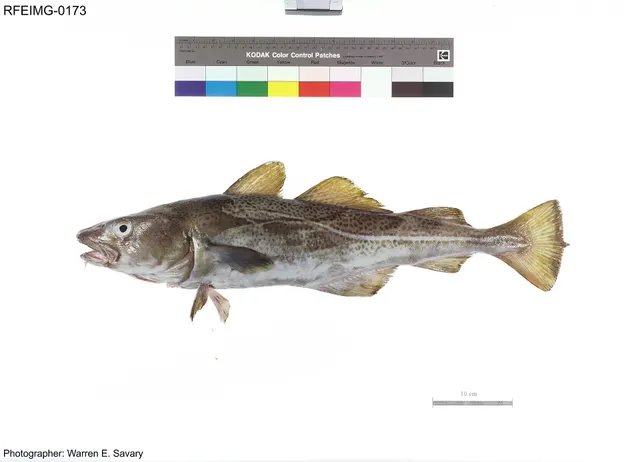 Atlantic codRegular local target1 placeHavnsø harbourOver harbour wall
Photo: The U.S. Food and Drug Administration, via Wikimedia Commons, public domain; resized and trimmed to fit
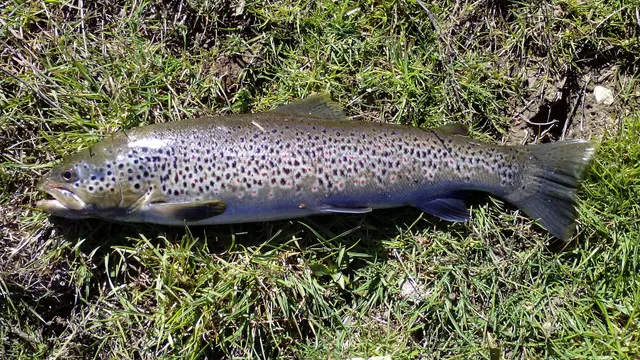 Brown troutRegular local target1 placeHavnsø harbourOver harbour wall
Photo: Robermix, via Wikimedia Commons, CC0; resized and trimmed to fit
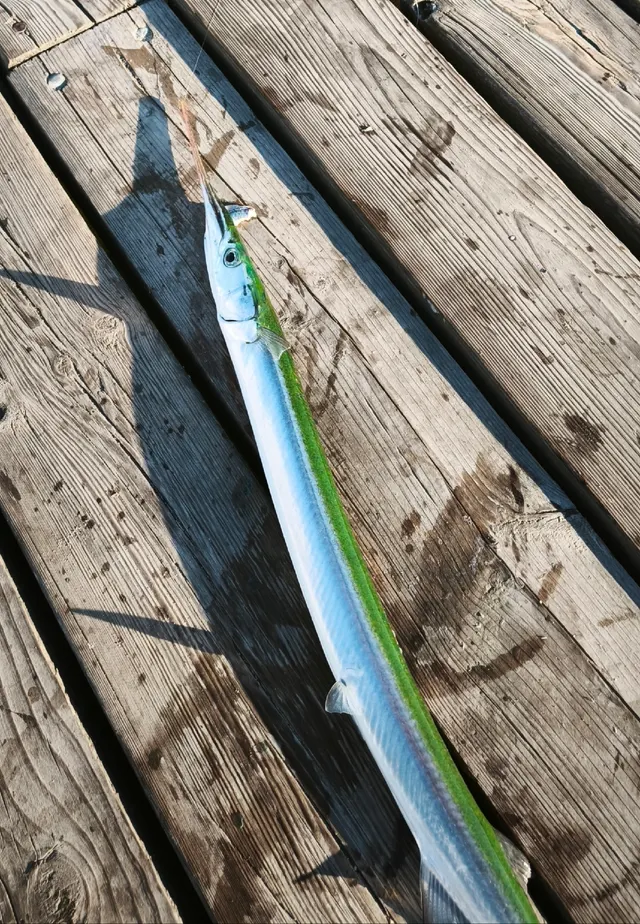 GarfishRegular local target1 placeHavnsø harbourOver harbour wall
Photo: Dmitry Pietrow, via iNaturalist, CC BY; resized and trimmed to fit
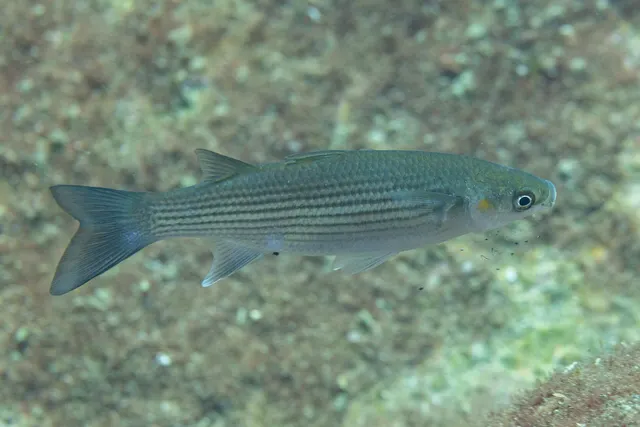 Thick-lipped grey mulletRegular local target1 placeHavnsø harbourOver harbour wall
Photo: Diego Delso, via Wikimedia Commons, CC BY-SA 4.0; resized and trimmed to fit; shared under the same licence


What these strengths mean
- Regular local target
- Fishing sources describe this as a normal local target here, not merely as caught.
- How breadth is counted
- A fish documented at six marks is shown as six marks: breadth never raises the strength on its own. A fishery account describes the fishing; a recorded catch reports one specific catch. How evidence is weighed.
Fish documented nearby, not here
Nothing below has been documented at Havnsø harbour itself. Each one has been documented at a named place on the same ground, and the places are listed with it. Treat this as what the water around here holds rather than as a catch list for this mark.
Widely documented on this ground
Documented at three or more neighbouring places, fished a way this place is also fished. That is a pattern about the ground rather than about any one mark, and it is the closest this site comes to saying you will probably meet a fish somewhere nothing has been written about.
From the shore
- Atlantic mackerel — documented at Ebbeløkke; Gniben - Sjælands odde; Halsskov Odde (+50 more)
- Atlantic herring — documented at Kalundborg Havn; Nyborg Mole; Åsen (+19 more)
- Rainbow trout — documented at Reersø harbour and Skansen point; Mullerup Havn; Ugerløse and Græsmarken (+2 more)
Also documented at neighbouring places
One or two accounts each, on the ground around here. Enough to know the fish is caught in these waters; not enough to say anything about this place.
From the shore
- Greater weever — documented at Klintevej; Vesterlyng
- Turbot — documented at Reersø north coast; Stenrøsen
How people fish it
Practised here: Sea fishing, Fly fishing.
Methods the sources name for this ground. Each one is explained in full on its own page.
- Spinning
Casting an artificial lure and retrieving it so that it moves like something alive — the most direct form of lure fishing.
- Saltwater fly fishing
Fly fishing adapted to the sea: heavier lines, corrosion-proof tackle, fish that run rather than fight, and wind as the permanent constraint.
Baits and lures for these fish
The baits and lures each of the fish above is commonly taken on, from that fish’s own page. This is what works for the fish, not a report of what people use on this particular water — local knowledge and the conditions on the day still decide.
Baits
- Fish strip and cut bait — for Atlantic cod, Garfish, Thick-lipped grey mullet
- Maggots — for Brown trout, Thick-lipped grey mullet
- Bread — for Thick-lipped grey mullet
- Lugworm — for Atlantic cod
- Peeler crab — for Atlantic cod
- Ragworm — for Thick-lipped grey mullet
- Sand eel — for Garfish
- Squid and cuttlefish — for Atlantic cod
Lures
- Dry flies — for Brown trout
- Metal jigs — for Atlantic cod
- Nymphs — for Brown trout
- Soft plastics — for Atlantic cod
- Spinners — for Garfish
- Streamers — for Brown trout
- Terrestrial fly patterns — for Brown trout
- Wet flies — for Brown trout
How to catch them: Cod fishing · Brown trout fishing · Garfish fishing · Grey mullet fishing
Rods, reels and rigs for them: Atlantic cod · Brown trout · Garfish · Thick-lipped grey mullet
The ground and the water
- The ground
- A ferry harbour on the north-west coast of Zealand where, the guide says, parking is easy and there is wading on both sides as well as fishing out into deep water, and fishing from the harbour mole itself.
Safety
Cold water shock — Can cause serious injury or death
General safety for this kind of ground, not a finding about this place.
The coastal sea-trout fishery is waded in winter, at first and last light, frequently alone, over slippery boulder and weed. An unplanned immersion removes breathing control and swimming ability within the first minute, and a metre of water is enough for that to be fatal.
What reduces it: Wear a wading belt tight, carry a means of calling for help on the person rather than in a bag on the shore, tell somebody where you are and when you will be back, wade shallower than the fishing seems to demand, and fish with somebody else where you can.
Worse when:
- Alone at first or last light in winter, which is when the fishing is best and when nobody is watching.
Tides and being cut off — Can cause serious injury or death
General safety for this kind of ground, not a finding about this place.
On the Danish Wadden flats the ground is level enough that a small rise in tide is a large horizontal advance, and the creeks fill first so water appears between a person and the shore while the ground under them is dry.
What reduces it: Do not go out onto the flats unaccompanied, set a leaving time from the tide rather than from the fishing, and treat water appearing behind you as the signal to leave immediately.
Boat traffic and being seen — Can cause injury needing treatment
The guide says the ferry comes in and out of Havnsø harbour often and tells anglers to watch for its wash, which reaches a wading angler or the mole without warning in otherwise calm water.
What reduces it: Watch for the ferry when wading near the harbour or fishing from the mole, and step back from the edge or towards shallower water before its wash arrives.
Rules and access
FishingHQ does not know the current access position here. Denmark runs a single national fishing licence covering both sea and fresh water for those it applies to, and it is not a permission to fish anywhere: protected zones around river mouths, closed seasons for sea trout in colour, size and quantity measures, and local restrictions all apply and change. Check the current position with the Danish fisheries agency before going.
Particular to this water: The 2016 guide says a Danish fishing licence (fisketegn) is needed from age 18 to 65, that sea trout must be 40 cm, that coloured spawning sea trout are protected in salt water from 16 November to 15 January, and that most stream mouths carry protection zones. These are dated; check the Danish Fisheries Agency for the rules in force.
Who holds the answer:
- The Danish Fisheries Agency, which administers the national licence and coastal fisheries measures.
- The municipality or harbour authority, for access to structures and the shore.
- The Danish Fisheries Agency, which administers the national licence and sets coastal measures, closed periods and protected zones.
- The angling association, club or landowner holding the fishing right on an inland water, which issues its day ticket and sets its conditions.
- The municipality or harbour authority, for access to shore structures, harbours and moles.
- The national park and protected-area administration on the Wadden coast, whose zoning constrains access independently of fishing rules.
- The food-safety authority, for shellfish harvesting area classification and closures.
- The Danish Fisheries Agency (Fiskeristyrelsen): the fishing licence, minimum sizes, closed seasons and the protection zones at stream mouths.
- Kalundborg Kommune and Fishing Zealand: local guidance on these places.
Nearby fishing
Other publicly documented places within about 40 km, by distance. Positions are approximate public geography and are never exact marks.
- Starreklinte — under 2 km · Beach section
- Stold — 2–5 km · Beach section
- Alleshave — 5–10 km · Beach section
- Nekselø — 5–10 km · Beach section
- Vindekilde — 5–10 km · Beach section
- Nørrehoved — 5–10 km · Beach section
- Knarbos Klint — 5–10 km · Beach section
- Krageo — 5–10 km · Beach section
Sources for this place
- Fishing Zealand and Kalundborg Kommune: Fiskeguide, lystfiskeri i Kalundborg Kommune — Fishing Zealand (Danmarks Sportsfiskerforbund, the Zealand municipalities and partners) with Kalundborg Kommune, 2016 (Angling or fisheries organisation)Relied on for: Havnsø: parking, wading either side, the mole, the fish named, and the ferry's wash.States this directlyPassage read and verified
How FishingHQ labels evidence is explained in the evidence policy. Last reviewed 2026-10-18.
Something wrong or out of date?
If something on this page has changed, email us from your own account using the link that fits, with a link to where you saw the change if you can. Every report is checked by a person before anything is changed, and a report never appears on the site by itself. Please don’t send exact private marks.
Before you go
- Fish documented here
- 4 at this place itself. See them.
- Getting there
- Not recorded. FishingHQ holds no sourced description of the way in.
- Rules particular to this water
- None recorded, which is not the same as none existing.
- Hazards particular to this place
- 1 recorded. Safety.
Check before you travel
- Whether you may fish here, and whether a licence or permit is needed — start with the Danish Fisheries Agency.
- The tide times and the forecast for the day you go.
- Anything recorded here was true when it was read; it is not watched for change.