South Africa
Fishing regions · Last reviewed 2026-08-14
Two oceans meeting at a continental corner, with a cold productive Atlantic coast on one side and a warm Indian Ocean coast on the other, and a shore fishing culture built on both.
Safety: cliffs and rock platforms — can cause serious injury or death. One more point applies here.
Being listed here is not permission to fish. What that meansClose
Access, fishing rights, seasons, licences, local bylaws and permitted methods vary and can change. Check current access, permission, local regulations, closures and restrictions before you travel or fish. FishingHQ describes what the ground is and names who holds the answer; it does not hold the answer itself.
Find the authority for a jurisdiction · What FishingHQ does and does not cover
South Africa is a jurisdiction-tier record because a single country holds two entirely different marine systems, and the boundary between them explains almost everything about the fishing.
TWO OCEANS MEET AT THE SOUTHERN TIP. The west coast is washed by the cold, nutrient-rich Benguela system driven by upwelling off the Atlantic; the east coast is washed by the warm, fast, southward-flowing Agulhas Current out of the tropical Indian Ocean. They meet around the Cape, and the transition is one of the sharpest marine boundaries in the world.
SO THE SPECIES CHANGE COMPLETELY ALONG THE COAST. The cold west supports snoek, hottentot, kob and a productive small-pelagic system; the warm east supports garrick, kingfish, king mackerel, and a tropical and subtropical reef fauna reaching down from Mozambique. In between, around the Cape and the southern Cape coast, both occur and the fishing is a mixture.
SHORE ANGLING IS THE NATIONAL DISCIPLINE and it is practised at a scale and level of organisation that surprises visitors. Rock and surf fishing from an exposed, high-energy coastline is the mainstream form of South African sea angling, with a strong competitive tradition, and it is conducted from ground that is genuinely dangerous — the record's safety context does not overstate it.
THE SARDINE RUN IS THE EVENT THE COUNTRY IS KNOWN FOR. Each winter, cold-water sardines move north-east along the east coast in enormous shoals, pursued by game fish, sharks, dolphins and birds, in one of the largest predator aggregations on earth. It is a genuine ecological phenomenon rather than a marketing one, its timing and intensity vary considerably between years, and it drives a substantial seasonal fishery.
FRESHWATER FISHING IS SUBSTANTIAL AND UNDER-RECOGNISED. Yellowfish in the Orange and Vaal systems are a genuine indigenous sport fishery on fly and lure; introduced trout occupy the cool highland streams; and largemouth bass and carp are widely established in impoundments. The country's dams are a major recreational resource.
AND THE REGULATORY FRAMEWORK IS NATIONAL WITH PROVINCIAL AND CONSERVATION LAYERS. Nothing here states what any current rule is.
What fishing here is like
A country with two marine systems and a serious shore-angling culture. The cold, upwelling-driven Atlantic west coast and the warm, current-driven Indian Ocean east coast meet around the Cape, and the species, the methods and the seasons differ completely between them. Rock and surf angling from an exposed high-energy coast is the mainstream discipline and is practised competitively. Spearfishing is well established and separately licensed. Inland, indigenous yellowfish and introduced trout and bass support a substantial freshwater fishery in rivers and impoundments.
What you can target here
One entry per fish, grouped by how you would be fishing — because the answer is a different one from the rocks and from a boat. Each entry says how strongly the sources support it and how much evidence sits behind it. These are documented catches, not a forecast, and none of it is a statement that you may fish any particular ground.
From the shore · 28
- BlacktailCharacteristic of this water9 places · 2 fishery accounts · 2 independent sourcesArniston, Mossel Bay, Plettenberg Bay and Robberg, Algoa Bay and 5 moreOver bay, cliff coast, headland, rock mark, rock platform, surf beachAround JulObserved 1996–2009
- BluefishCharacteristic of this water6 places · 2 fishery accounts · 2 independent sourcesUmhlanga Rocks, Kalk Bay harbour wall, Mazeppa Bay, The Dwesa-Cwebe coast and 2 moreOver bay, cliff coast, harbour wall, rock markAround Jan–Sept, DecObserved 1996–2022
- Bronze breamCharacteristic of this water5 places · 2 fishery accounts · 2 independent sourcesAlgoa Bay, The Dwesa-Cwebe coast, Arniston, Mossel Bay and 1 moreOver bay, cliff coast, rock markAround JulObserved 1996–2009
- GaljoenCharacteristic of this water7 places · 1 fishery account · 1 sourceStruisbaai, Arniston, The De Hoop coast, The Dwesa-Cwebe coast and 3 moreOver beach, cliff coast, rock mark, rock platform, surf beachAround Mar–OctObserved in 2009
- Dusky kobCharacteristic of this water4 places · 1 fishery account · 1 sourceThe Dwesa-Cwebe coast, The Knysna estuary, Port Alfred and the Kowie, Mazeppa BayOver cliff coast, estuary, rock markAround Jan–Apr, Oct–DecObserved October 2010
- Spotted grunterCharacteristic of this water3 places · 1 fishery account · 1 sourceThe Knysna estuary, Port Alfred and the Kowie, The Dwesa-Cwebe coastOver cliff coast, estuaryAround OctObserved October 2010
Also documented from the shore: Silver kob · Hottentot · Cape stumpnose · White stumpnose · White musselcracker · White steenbras · Riverbream · Black musselcracker · Bigeye trevally · Springer · West coast steenbras · Giant trevally · Largespot pompano · Olive grunter · Zebra (South African) · Bronze whaler · Yellowtail kingfish · Leerfish · European squid · Raggedtooth shark · Spotted gully shark · Tope
From a boat · 22
- Narrow-barred Spanish mackerelCharacteristic of this water3 placesAliwal Shoal, Protea Banks, Sodwana BayOver bay, reef
- SlingerCharacteristic of this water2 placesAliwal Shoal, Protea BanksOver reef
- White stumpnoseCharacteristic of this water2 placesLangebaan Lagoon, Saldanha BayOver bay, estuary
- HottentotCharacteristic of this water1 placeSaldanha BayOver bay
- Raggedtooth sharkCharacteristic of this water1 placeAliwal ShoalOver reef
- Spotted grunterCharacteristic of this water1 placeThe Knysna estuaryOver estuary
Also documented from a boat: Silver kob · Yellowtail kingfish · Geelbek · Dusky kob · Roman · Yellowfin tuna · Bigeye trevally · Carpenter · Eastern little tuna · Englishman · Giant trevally · Scotsman · Barracouta · Bronze whaler · European squid · Leerfish
On a charter · 5
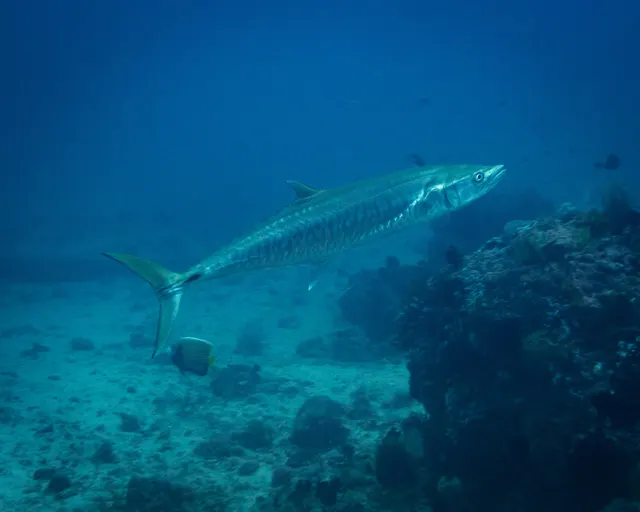 Narrow-barred Spanish mackerelCharacteristic of this water3 placesAliwal Shoal, Protea Banks, Sodwana BayOver bay, reef
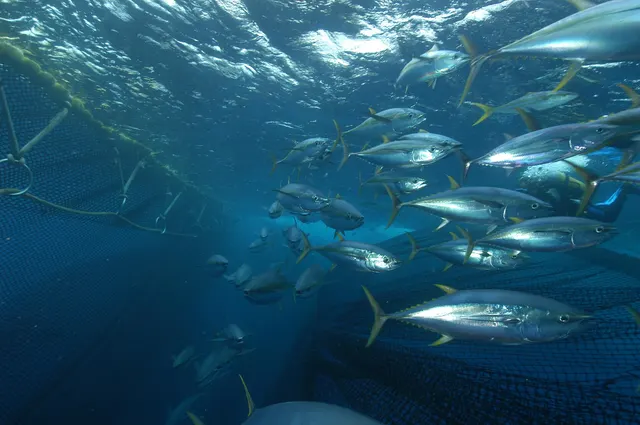 Yellowfin tunaRegular local target2 placesProtea Banks, Sodwana BayOver bay, reefAround Jan–Apr, Nov–Dec
- GeelbekRegular local target1 placeSt Helena BayOver bay
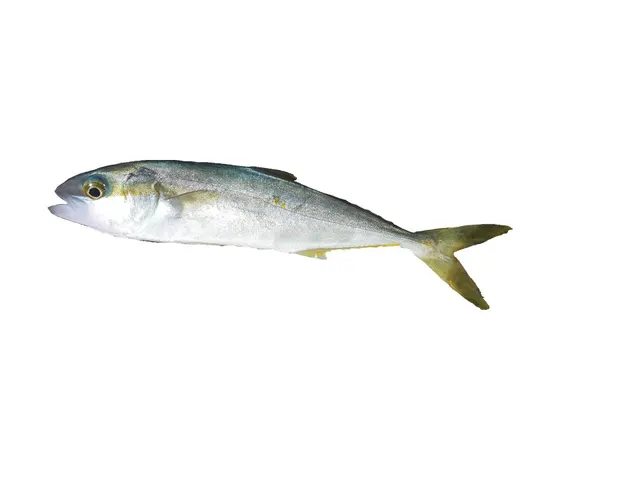 Yellowtail kingfishRegular local target1 placeSt Helena BayOver bay
- Silver kobOccasional1 placeSt Helena BayOver bay
From a kayak · 6
- Spotted grunterCharacteristic of this water2 placesThe Knysna estuary, Port Alfred and the KowieOver estuary
- Cape stumpnoseCharacteristic of this water1 placeThe Knysna estuaryOver estuary
- White stumpnoseCharacteristic of this water1 placeLangebaan LagoonOver estuary
- Dusky kobRegular local target2 placesThe Knysna estuary, Port Alfred and the KowieOver estuary
- LeerfishSeasonal3 placesLangebaan Lagoon, The Knysna estuary, Port Alfred and the KowieOver estuaryAround Jan–Apr, Nov–Dec
- SpringerRepeatedly reported1 placeThe Knysna estuaryOver estuary
Spearfishing · 10
- Bronze breamCharacteristic of this water1 place · 1 fishery account · 1 sourceAlgoa BayOver bayObserved in 1996
- HottentotCharacteristic of this water3 placesSaldanha Bay, Cape Point, Gordon's BayOver bay, harbour wall, headland
- GaljoenCharacteristic of this water1 placeArnistonOver rock markAround Mar–Oct
- Raggedtooth sharkCharacteristic of this water1 placeAliwal ShoalOver reef
- White musselcrackerRegular local target4 places · 1 fishery account · 1 sourceStruisbaai, Arniston, Algoa Bay, Cape PointOver bay, headland, rock mark, surf beachObserved in 1996
- Black musselcrackerRegular local target2 placesArniston, Mazeppa BayOver rock mark
Also documented spearfishing: Roman · Giant trevally · Yellowtail kingfish · Bronze whaler
What these strengths mean
- Characteristic of this water
- This water is strongly identified with this species by the sources that cover it.
- Regular local target
- Fishing sources describe this as a normal local target here, not merely as caught.
- Seasonal
- Well supported, and concentrated in part of the year rather than spread through it.
- Repeatedly reported
- Several independent public accounts. Enough to say it happens more than once; not enough to call it a fishery.
- Recorded here
- At least one credible public account of this species being caught here. That is all it means.
- Occasional
- Caught here, and described as unusual rather than normal. Do not plan a session around it.
- How breadth is counted
- A fish documented at six marks is shown as six marks: breadth never raises the strength on its own. A fishery account describes the fishing; a recorded catch reports one specific catch. How evidence is weighed.
How people fish here
19 methods are recorded on the places documented here, counted from the records themselves rather than from what is practised in the country. Each opens a full guide to the technique.
Ledgering
Recorded at 20 places here, over bay, estuary, harbour wall, rock mark.
Fishing a bait on the bottom held by a weight, with no float — the simplest way to fish at distance, in depth, or in wind.
Documented on the same ground: Blacktail, Bluefish, Bronze bream, Cape stumpnose, Dusky kob, Galjoen.
Light rock fishing
Recorded at 14 places here, over rock mark, bay, cliff coast, harbour wall.
Ultralight lure fishing from the shore with tackle rated in single grams — a discipline that catches the fish everybody else steps over, and one FishingHQ held every component of and had never named.
Documented on the same ground: Blacktail, Bluefish, Bronze bream, Dusky kob, Galjoen, Hottentot.
Spinning
Recorded at 11 places here, over estuary, harbour wall, headland, rock mark.
Casting an artificial lure and retrieving it so that it moves like something alive — the most direct form of lure fishing.
Documented on the same ground: Blacktail, Bluefish, Cape stumpnose, Hottentot, Spotted grunter, White stumpnose.
Surfcasting
Recorded at 8 places here, over bay, surf beach, beach, headland.
Casting heavy baited tackle from a beach into surf — a method defined by distance, by tide, and by reading water that all looks the same.
Documented on the same ground: Blacktail, Bluefish, Bronze bream, Galjoen, Hottentot, Silver kob.
Drift fishing
Recorded at 6 places here, over bay, reef.
Letting the boat move with tide and wind while fishing, so the tackle searches ground instead of waiting on it — and the decision that determines whether a boat session works at all.
Documented on the same ground: Blacktail, Bronze bream, Narrow-barred Spanish mackerel, Raggedtooth shark, Slinger, Bigeye trevally.
Jigging
Recorded at 6 places here, over bay, reef, headland.
Working a weighted lure with a rising-and-falling motion, usually vertically, so it behaves like a wounded or fleeing baitfish.
Documented on the same ground: Blacktail, Hottentot, Narrow-barred Spanish mackerel, Raggedtooth shark, Slinger, Bronze bream.
Boat diving
Recorded at 5 places here, over bay, reef.
Spearfishing from a vessel, which removes the swim and adds the two things most likely to kill a diver: propellers and drift.
Documented on the same ground: Blacktail, Bronze bream, Hottentot, Narrow-barred Spanish mackerel, Raggedtooth shark, Slinger.
Float fishing
Recorded at 5 places here, over estuary, harbour wall.
Suspending a bait at a controlled depth beneath a buoyant indicator — the most visual, most controllable and most widely applicable method in angling.
Documented on the same ground: Cape stumpnose, Hottentot, Spotted grunter, White stumpnose, Bigeye trevally, Dusky kob.
Livebaiting at sea
Recorded at 4 places here, over reef, bay, rock mark.
Presenting a living fish where a predator will find it — the most effective method for many species and the one with the clearest welfare questions attached.
Documented on the same ground: Blacktail, Narrow-barred Spanish mackerel, Raggedtooth shark, Slinger, Bigeye trevally, Black musselcracker.
10 further methods are recorded at one or two places each: Trolling, Kayak fishing, Reef spearfishing, Shore diving, Popping and stickbaiting, Deep-drop fishing, Eging, Feathering and multi-lure traces, Livebaiting, Saltwater fly fishing.
These are the methods documented at the places FishingHQ holds here. A species listed beside a method is documented on the same ground, which is not the same as being taken that way — where a source establishes the method a fish was caught on, it is stated on that place’s own page. All fishing methods.
The fishing year here
The months the records under this area actually name, tightest season first. This is “observed in these months” rather than a season: a species whose months nobody recorded is not listed, because a gap in the evidence is not a year-round fishery.
- BlacktailJuly to July
- Bronze breamJuly to July
- Spotted grunterOctober to October
- RiverbreamOctober to October
- Raggedtooth sharkDecember to December
- TopeFebruary to February
- GeelbekAugust to November
- BarracoutaMay to September
- Yellowtail kingfishNovember to April
- Yellowfin tunaNovember to April
- European squidOctober to March
- Silver kobOctober to April
Areas within this one
6 coasts, island groups and systems inside this area have fishing guides of their own.
The Cape Peninsula and False Bay
4 documented places
One peninsula with two oceans on it: cold Atlantic kelp on the west side, warmer False Bay on the east, and a summer kob fishery that starts when the south-easter starts blowing.
Documented here: Hottentot, Silver kob, White steenbras, Yellowtail kingfish, Barracouta
Fished by: ledgering, light rock fishing, spinning, feathering and multi-lure traces
The Cape west coast
5 documented places
The cold Atlantic side: Benguela upwelling, kelp forest, snoek and hottentot, and water that is colder in midsummer than in midwinter because the summer wind is what drives the upwelling.
Documented here: Hottentot, White stumpnose, Silver kob, West coast steenbras, Yellowtail kingfish
Fished by: ledgering, jigging, light rock fishing, spinning
The Eastern Cape and the Wild Coast
4 documented places
The rock-and-surf heartland: the coast the blacktail statistic is about, where the Agulhas starts to bite, and where a hundred kilometres of Wild Coast has almost nobody on it.
Documented here: Blacktail, Bronze bream, Dusky kob, Riverbream, Silver kob
Fished by: ledgering, light rock fishing, spinning, boat diving
The Garden Route
3 documented places
The estuary coast: a warm-temperate stretch where the river mouths rather than the rocks are the main event, and where the country's most important estuarine system sits inside a national park.
Documented here: Blacktail, Cape stumpnose, Spotted grunter, Silver kob, Bronze bream
Fished by: ledgering, light rock fishing, spinning, surfcasting
The KwaZulu-Natal coast
5 documented places
The subtropical coast: warm Agulhas water, couta and kingfish, the sardine run in winter, and the reefs where the seventy-four was fished to a prohibition.
Documented here: Narrow-barred Spanish mackerel, Slinger, Bluefish, Raggedtooth shark, Bigeye trevally
Fished by: drift fishing, livebaiting at sea, reef spearfishing, trolling
The Overberg and Cape Agulhas
3 documented places
The actual southern tip of Africa, a legal boundary in the national fishing rules, and the coast where a marine reserve demonstrably brought the national fish back.
Documented here: Blacktail, Galjoen, White musselcracker, Black musselcracker, Bronze bream
Fished by: ledgering, light rock fishing, shore diving, surfcasting
What dominates
Rock and surf angling from the exposed coast for kob, garrick, galjoen, sharks and seabream species, which is the mainstream national discipline and has a strong competitive structure. Ski-boat and offshore fishing for game species along both coasts. Spearfishing on the rocky coast, well established and separately licensed. Fly and lure fishing for indigenous yellowfish in the Orange and Vaal systems. Trout fly fishing in the cool highland streams and stillwaters. Bass fishing in impoundments. Estuary fishing for kob, grunter and garrick where estuaries are open.
The water available
A cold, upwelling-influenced Atlantic west coast with kelp forest, rocky shore and productive shelf water; a warm, current-swept Indian Ocean east coast with subtropical reef, surf beach and estuaries; a transitional southern Cape coast where both faunas overlap; extensive high-energy rocky shore and surf beach along most of the coastline; temporarily open and closed estuaries along the east and south coasts; large interior river systems including the Orange and the Vaal; extensive impoundments; and cool clear highland streams supporting introduced salmonids.
How the rules are structured
Recreational marine fishing is administered nationally, with permits required for shore angling, spearfishing, boat-based fishing and the collection of marine organisms, issued through the national fisheries authority. Marine protected areas along both coasts carry their own restrictions and no-take zones. Freshwater fishing is administered provincially, with permits, seasons and rules differing between provinces, and conservation authorities administering waters within reserves and parks. Certain species carry specific protection, closed seasons or prohibitions on retention. Estuaries are subject to their own arrangements. All of this changes and FishingHQ does not state what any current rule is.
Who to ask
- The national fisheries authority responsible for marine recreational permits, bag and size limits and marine protected areas.
- The provincial conservation or environment authority of the province being fished, for freshwater permits, seasons and rules.
- The management authority of any marine protected area, national park or nature reserve in which fishing is proposed.
- The national environmental authority, for protected species and for the framework governing marine and estuarine conservation.
Words you will meet
- Ski-boat
- A small, fast, trailerable offshore boat launched through the surf from a beach rather than from a harbour, and the basis of much South African offshore fishing. Launching and landing one through surf is a distinct and consequential skill.
- Galjoen
- A robust endemic surf-zone fish of the southern African coast, strongly associated with rough water and rocky ground, and the country's national fish. Emblematic of the shore-angling tradition.
- Kob / kabeljou
- Large sciaenid drum species of the southern African coast and estuaries, among the principal targets of shore, estuary and boat angling. Several species are grouped under the name in general use.
- The sardine run
- The winter movement of cold-water sardine shoals north-eastward along the east coast, pursued by game fish, sharks, dolphins and seabirds. A major ecological event whose timing and intensity vary considerably between years.
- Yellowfish
- Indigenous cyprinids of the southern African rivers, principally the smallmouth and largemouth yellowfish of the Orange–Vaal system, now the basis of a substantial indigenous fly and lure fishery.
Conditions and hazards
The coast is high-energy and the shore-angling tradition takes place on ground that is genuinely dangerous. Being swept from a low rock ledge by a set wave is the characteristic fatal accident, and it happens on days that look manageable because long-period swell arrives independently of local wind. The Atlantic west coast is cold enough that immersion is immediately serious, and the east coast's warm water conceals strong currents and heavy surf. Launching and landing a ski-boat through surf is among the most consequential small-craft operations anywhere and is a taught skill rather than an extension of boat handling. Sharks are present on both coasts and are a real consideration for spearfishers and for anglers wading or handling catch in the water, though the ordinary hazards of swell and cold remain far more likely to cause harm. Estuaries can change depth and current rapidly. Remote stretches of coast are a long way from assistance.
Two oceans, one country, and the boundary that decides what you catch
The single most useful thing to understand about South African fishing is that the coastline is not one coast, and the transition between the two happens over a comparatively short distance.
THE WEST COAST IS COLD AND PRODUCTIVE AND IT IS AN UPWELLING SYSTEM. Southerly winds drive surface water offshore and cold, nutrient-rich deep water rises to replace it, producing very high primary production and a huge small-pelagic biomass — the same physical mechanism the Galicia and Pacific Northwest records describe, on the other side of the world. The fauna is cold-temperate: snoek, hottentot, kob, west coast rock lobster, and kelp forest along the rocky shore.
THE EAST COAST IS WARM AND FAST AND IT IS A CURRENT SYSTEM. The Agulhas Current carries tropical Indian Ocean water south-westward along the edge of the shelf at considerable speed, and it brings a subtropical and tropical fauna down with it — kingfish, king mackerel, garrick, tropical reef species reaching well beyond where the latitude alone would put them.
THE MEETING POINT IS AROUND THE CAPE AND THE OVERLAP IS THE INTERESTING PART. Along the southern Cape coast both faunas occur, the water temperature swings with wind-driven upwelling and current intrusions, and a single mark can fish cold-water and warm-water species in the same season. That variability is a defining feature rather than an inconsistency.
WHICH MEANS A METHOD LEARNED ON ONE COAST TRANSFERS BADLY TO THE OTHER. The bait, the ground, the target species and the conditions all change, and an angler moving between them is effectively changing countries.
THE SARDINE RUN IS THIS BOUNDARY IN MOTION. Each winter, cold water pushing up the east coast allows cold-water sardine shoals to move north-eastward into water that is normally too warm for them, dragging an enormous predator assemblage with them. When the cold water does not push far enough, the run is poor — which is why its timing and intensity vary so much and why it cannot be predicted from a date.
AND THE ESTUARIES ARE A THIRD SYSTEM AGAIN, many of them temporarily open and closed, functioning as nurseries for kob, grunter and garrick and closing off entirely when the sandbar builds.
Backed by research — why, and the sources (2)
Supported by peer-reviewed research or fisheries science. The sources are listed and can be checked.
- ICES Advice on fishing opportunities, catch and effort — International Council for the Exploration of the Sea (Scientific institute)Relied on for: Stock assessment and scientific advice, and the environmental conditions the assessments rest on, for the sea areas concerned.Background and mechanism onlyCitation checked — the work exists and is described correctly
- FishBase: a global information system on fishes — Froese, R. and D. Pauly, eds. — FishBase Consortium (Scientific institute)Relied on for: Distribution, habitat association and life history of the species occurring in the area.States this directlyPassage read and verified
Shore angling as a national discipline, and ski-boats launched through surf
South African fishing culture is built on two practices that are unusual enough to be worth explaining rather than listing.
ROCK AND SURF ANGLING IS THE MAINSTREAM AND IT IS COMPETITIVE. Shore fishing from exposed rock ledges and high-energy surf beaches is the ordinary form of sea angling here, organised through a substantial club and competition structure with provincial and national representative teams. That is a very different social organisation from the largely individual British shore fishery, and it produces a high general standard of casting and rig-building.
THE GROUND IT IS PRACTISED ON IS SEVERE. This is a coast of long-period Southern Ocean and Indian Ocean swell against rock platforms and steep beaches, and the fishery is conducted where that swell arrives. The safety context is not a caution added afterwards; being swept from a ledge is the characteristic fatal accident in South African angling and it happens in conditions that look manageable.
THE SKI-BOAT IS THE SECOND PRACTICE AND IT IS DISTINCTIVELY SOUTHERN AFRICAN. Small, fast, trailerable offshore boats launched directly through the surf from a beach rather than from a harbour, because much of the coast has no harbour. Launching and landing one through breaking water is a taught skill with real consequences, and it is what gives access to the offshore fishery along stretches of coast that would otherwise be unreachable.
SPEARFISHING IS WELL ESTABLISHED AND SEPARATELY LICENSED, practised on both coasts with quite different catch, and it sits within the same permitting framework as other marine recreational fishing.
INLAND, THE YELLOWFISH FISHERY IS THE CULTURAL DEVELOPMENT WORTH NOTING. Indigenous yellowfish in the Orange and Vaal systems were long regarded as a coarse species and are now the basis of a serious fly and lure fishery with a strong conservation ethic attached — a genuine shift in how an indigenous species is valued, and one of the more encouraging developments in African recreational fishing.
AND THE TROUT FISHERY IN THE HIGHLANDS is an inherited colonial tradition on introduced fish, which sits somewhat awkwardly alongside the yellowfish revival and is discussed openly as such.
What experienced anglers do — why, and the sources (2)
Widely and independently recommended by experienced anglers and specialist sources. This is real angling knowledge, not proof: controlled evidence for it is limited, and FishingHQ records it as convention rather than as a demonstrated effect.
- ICES Advice on fishing opportunities, catch and effort — International Council for the Exploration of the Sea (Scientific institute)Relied on for: Stock assessment and scientific advice, and the environmental conditions the assessments rest on, for the sea areas concerned.Background and mechanism onlyCitation checked — the work exists and is described correctly
- FishBase: a global information system on fishes — Froese, R. and D. Pauly, eds. — FishBase Consortium (Scientific institute)Relied on for: Distribution, habitat association and life history of the species occurring in the area.States this directlyPassage read and verified
Ski-boat, galjoen, gully: the vocabulary of a two-ocean coast
South African fishing vocabulary is Afrikaans and English in layers, and several terms describe things that exist nowhere else on FishingHQ.
SKI-BOAT NAMES THE BEACH-LAUNCHED OFFSHORE BOAT — small, fast, trailerable, launched through surf from a beach rather than from a harbour. The word carries the launching technique and the crew practice with it, and it is the reason there is an offshore fishery along stretches of coast with no port.
GALJOEN NAMES THE NATIONAL FISH, a surf-zone species of the rocky shore that is emblematic of South African shore angling and carries protection reflecting its depleted status.
GULLY NAMES A CHANNEL BETWEEN ROCK where surf runs in and out. Gullies are the productive shore marks and they are also where anglers stand closest to the water, which is why the fatal accidents happen there.
BACKLINE NAMES THE OUTER LINE OF BREAKING WAVES, and getting a ski-boat through it and back is the defining skill of the launch.
KOB AND KABELJOU NAME THE SAME FISH — dusky kob — in English and Afrikaans usage, and the seriously depleted status of the stock is one of the coast's central fisheries issues.
YELLOWFISH NAMES THE INDIGENOUS FRESHWATER CYPRINIDS of the Orange and Vaal systems, whose transformation from a coarse species into the basis of a serious fly and lure fishery with a conservation ethic is one of the more encouraging developments in African angling.
SARDINE RUN NAMES THE WINTER EVENT and is used carefully by people who know it: the run may or may not come, and treating it as an annual fixture is the visitor's mistake.
AND TONGUE-IN-CHEEK OR NOT, ROCK AND SURF IS A COMPOUND DISCIPLINE NAME, and hearing it used for a national competitive sport rather than for a general activity tells a visitor how organised the shore fishery is here.
What experienced anglers do — why, and the sources (2)
Widely and independently recommended by experienced anglers and specialist sources. This is real angling knowledge, not proof: controlled evidence for it is limited, and FishingHQ records it as convention rather than as a demonstrated effect.
- General angling website restatements of established technique — Various (Credible secondary source)Relied on for: Widely restated practice associating this discipline or technique with this place, recorded as practitioner consensus rather than as tested fact.Background and mechanism onlyCitation checked — the work exists and is described correctly
- Fishers' Craft and Lettered Art: Tracts on Fishing from the End of the Middle Ages — University of Toronto Press, 1997 (Scientific literature)Relied on for: That fishing traditions develop around the water and fish available to them, and the historical method of reading such traditions from their documentary record.States this directlyCitation checked — the work exists and is described correctly
A winter run, a summer game season and estuaries that close
South Africa's fishing calendar is southern-hemisphere and its two coasts run different ones.
THE HEMISPHERE IS THE FIRST THING. Winter here is the middle of the calendar year and summer straddles the turn of it, so any northern month reference is wrong by six months. FishingHQ models seasons as biological states for exactly this reason.
WINTER IS THE SARDINE RUN, when it comes. Cold water pushing north-eastward inshore of the Agulhas allows sardine shoals into water that is normally too warm for them, with an enormous predator assemblage behind them. Whether it reaches a given coast in a given year depends on the physics rather than on the calendar.
SUMMER IS THE GAME FISHING SEASON on the east coast, with warm current water furthest south and marlin, sailfish and tuna at their most available.
KING MACKEREL AND GARRICK RUN ON THE SHOULDERS, moving along the coast in spring and autumn, and they connect the shore fishery to the pelagic one.
THE WEST COAST IS DRIVEN BY UPWELLING. Southerly winds in the warmer months drive the cold nutrient-rich water that supports the snoek, hottentot and rock lobster fisheries, and the coast is at its coldest when the air is warmest.
THE ESTUARIES OPEN AND CLOSE WITH THE RAINS. Many South African estuaries are temporarily open and closed systems, breaching in the wet season and sealing behind a sandbar in the dry, which governs whether kob, grunter and garrick can recruit and makes the estuary fishery seasonal in a structural way.
AND THE WEATHER SEASON CONSTRAINS EVERYTHING OFFSHORE. South-westerly gales are more frequent in winter, and a south-westerly against the Agulhas stops small-boat fishing dead.
Backed by research — why, and the sources (2)
Supported by peer-reviewed research or fisheries science. The sources are listed and can be checked.
- ICES Advice on fishing opportunities, catch and effort — International Council for the Exploration of the Sea (Scientific institute)Relied on for: Stock assessment, the environmental drivers of stock distribution and abundance, and the scientific basis for advice in the sea areas concerned.Background and mechanism onlyCitation checked — the work exists and is described correctly
- FishBase: a global information system on fishes — Froese, R. and D. Pauly, eds. — FishBase Consortium (Scientific institute)Relied on for: Distribution, temperature tolerance, migratory behaviour and habitat association of the species concerned.States this directlyPassage read and verified
Permits for shore angling, and a linefish crisis that shaped them
South Africa's regulatory framework has a feature most visitors do not expect and a stock history that explains it.
RECREATIONAL SEA ANGLING REQUIRES A PERMIT, including from the shore. That is unusual: in much of the world, shore sea angling is unlicensed, and here it is not. Permits are obtained through a straightforward process and cover different categories of fishing.
SPEARFISHING AND OTHER ACTIVITIES CARRY THEIR OWN PERMITS, as does the recreational collection of certain shellfish and crustacea, and the categories are distinct.
THE LINEFISH CRISIS DROVE MUCH OF THIS. Serial depletion of the coast's diverse multi-species line fishery through the twentieth century led to a formal declaration of emergency in the linefishery and to a substantial restructuring of both commercial and recreational line fishing, with effort limitation, permit systems, bag limits and closed areas. It is one of the better documented cases anywhere of a diverse line fishery being fished down and then managed hard.
BAG LIMITS, SIZE LIMITS AND CLOSED SEASONS apply to a long list of species, and several — including the national fish and the most depleted kob and seabream species — carry particular restriction.
MARINE PROTECTED AREAS ARE EXTENSIVE and several are designed around specific functions such as spawning aggregation sites and nursery estuaries.
ESTUARIES ARE FREQUENTLY GOVERNED SEPARATELY, with their own gear, species and access rules, because their nursery function is disproportionate to their area.
INLAND FISHING IS PROVINCIALLY ADMINISTERED, with its own licensing, and the yellowfish fisheries of the Orange and Vaal sit under that.
AND FISHINGHQ DOES NOT STATE WHAT ANY OF THIS CURRENTLY PERMITS. Bag and size limits here are revised on stock advice and have changed repeatedly.
Official guidance — why, and the sources (2)
Stated by a fisheries authority, scientific institute or recognised angling body. Authoritative, but summarising rather than demonstrating.
- Code of Conduct for Responsible Fisheries — Food and Agriculture Organization of the United Nations, Rome, 1995 (Standards body)Relied on for: Principles for the management of fisheries, including licensing, closed seasons, size limits and the treatment of small-scale and shared stocks.States this directlyCitation checked — the work exists and is described correctly
- Good Fish Guide — Marine Conservation Society (Conservation authority)Relied on for: Assessment of fisheries and the management measures applied to them, including the instruments used and their purpose.Background and mechanism onlyCitation checked — the work exists and is described correctly
Trek nets, trout, an emergency and a native fish reconsidered
South Africa's fishing history contains a colonial inheritance, a stock collapse and one genuinely encouraging reversal.
INDIGENOUS COASTAL HARVESTING IS ANCIENT. Shell middens and stone tidal fish traps along the southern Cape coast are among the oldest evidence anywhere of systematic coastal resource use, and some of the stone traps are still visible.
THE COMMERCIAL LINEFISHERY AND THE TREK NET FISHERIES developed from the colonial period, with beach seine — trek net — fishing an established practice in the bays and a source of continuing conflict with recreational and conservation interests.
THE WEST COAST FISHERIES BUILT ON UPWELLING. Snoek, sardine, anchovy and rock lobster supported a substantial industry, and the rock lobster fishery in particular has a long history of depletion, management and continuing illegal harvesting.
THE TROUT FISHERY IS A COLONIAL INHERITANCE. Brown and rainbow trout stocked into highland streams from the nineteenth century created a fishery that persists and that raises its own questions about introduced predators in systems holding endemic fishes.
THE LINEFISH EMERGENCY IS THE DEFINING MODERN EVENT. Sustained decline across the coast's diverse line-caught species led to formal emergency measures and a restructuring of the fishery, and the depleted status of several iconic species — kob, seventy-four, red steenbras — is a well-documented cautionary case.
THE YELLOWFISH REVIVAL IS THE ENCOURAGING CHAPTER. Indigenous yellowfish in the Orange and Vaal systems, long dismissed as coarse fish, became the basis of a serious fly and lure fishery with a strong conservation ethic attached — a genuine reassessment of a native species' value, and one of the more positive developments in African recreational fishing.
AND SKI-BOAT FISHING AND SPEARFISHING BOTH DEVELOPED HERE as distinct regional practices in the twentieth century and spread outward from this coast.
Official guidance — why, and the sources (2)
Stated by a fisheries authority, scientific institute or recognised angling body. Authoritative, but summarising rather than demonstrating.
- Fishers' Craft and Lettered Art: Tracts on Fishing from the End of the Middle Ages — University of Toronto Press, 1997 (Scientific literature)Relied on for: The historical development of fishing practice and its transmission, and the method of reading a fishing tradition from its documentary record.States this directlyCitation checked — the work exists and is described correctly
- Code of Conduct for Responsible Fisheries — Food and Agriculture Organization of the United Nations, Rome, 1995 (Standards body)Relied on for: Principles for fisheries management including the treatment of traditional, small-scale and shared fisheries, against which historical arrangements can be read.Background and mechanism onlyCitation checked — the work exists and is described correctly
Some of what lives here
Fish recorded here that FishingHQ holds a reviewed photograph of. It is not a complete list of what South Africa holds, and it is not a prediction that you will catch any of them — it is a way in to the ones we can show you.
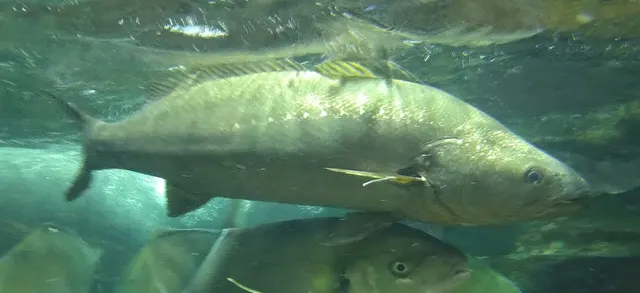 Dusky kobA large, long-lived estuarine and surf predator of southern African and Australian coasts, assessed as Endangered, and one of the clearest cases where a popular sport fish is genuinely in trouble.
タウナギ — CC BY-SA 4.0, via Wikimedia Commons
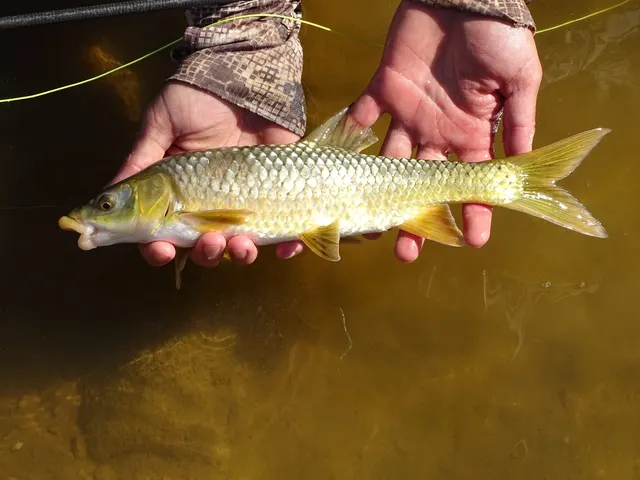 Smallmouth yellowfishA golden grazing cyprinid of southern African rivers, fished on nymphs in fast shallow water and often called Africa's answer to the bonefish.
Shaun Swanepoel — CC BY, via iNaturalist
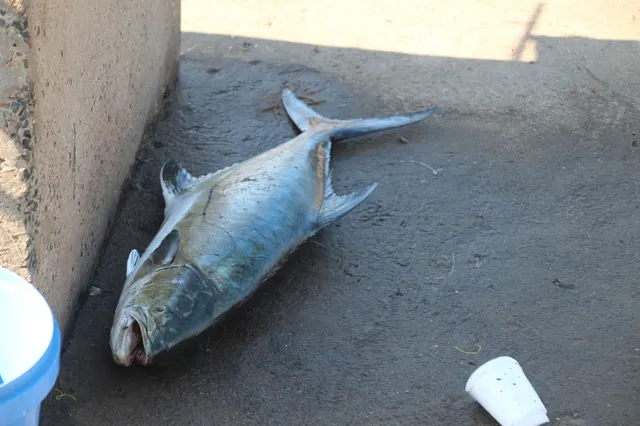 LeerfishA large, fast, laterally compressed jack of Mediterranean and African coasts, known as garrick in South Africa, and a prime surf and lure target.
Erwin Sieben — CC0, via iNaturalist
- Narrow-barred Spanish mackerelA fast Indo-Pacific mackerel with vertical bars and shearing teeth that is a headline sport and food fish from South Africa to Australia — and a well-known ciguatera risk in parts of its range.
ppericard — CC BY 4.0, via Wikimedia Commons
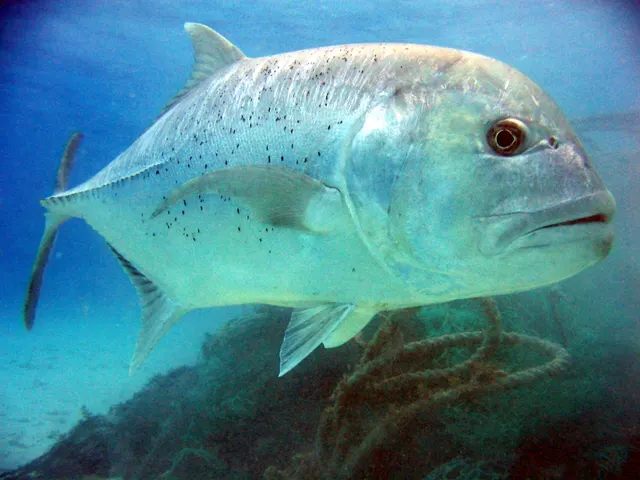 Giant trevallyA hugely powerful Indo-Pacific reef predator that hunts over shallow structure, and the fish popping was built around.
Dr. Dwayne Meadows, NOAA/NMFS/OPR — Public domain, via Wikimedia Commons
Safety
Cliffs and rock platforms — Can cause serious injury or death
An angler or spearfisher on a low rock ledge is struck by a set wave substantially larger than those preceding it and is swept into water they cannot climb out of. This is the characteristic fatal accident of South African shore fishing, and it happens on days that appear manageable because long-period Southern Ocean and Indian Ocean swell arrives independently of local wind.
What reduces it: Watch a mark for a full set before committing to it, stand higher than feels necessary, never turn your back on the sea, and treat swell height and period as separate from wind. Wear a buoyancy aid on exposed rock. Fish with somebody who can raise help.
Worse when:
- Long-period swell arriving with no local wind, which makes the sea look calmer than it is.
- A rising tide progressively covering a ledge that was dry on arrival.
- Ground that is wet, weeded or sloping toward the water.
Drowning and immersion — Can cause serious injury or death
A ski-boat launching or landing through surf from an open beach broaches, is swamped or is capsized, putting the crew into breaking water alongside a heavy hull and its engines. Much of this coast has no harbour, so launching through surf is the ordinary means of access rather than an unusual manoeuvre.
What reduces it: Treat surf launching and landing as a taught skill obtained from competent instruction rather than as an extension of boat handling. Wear buoyancy that stays on in surf, brief the crew on their positions before committing, and accept that the decision not to launch is the routine correct answer on many days.
Further safety reading
- Rock platform and cliff safety — Being swept from a low rock ledge by a set wave is the characteristic fatal accident in South African shore angling, and it happens on days that look manageable.
- Sharks and spearfishing — Sharks are present on both coasts and are a genuine consideration for spearfishers and for anglers handling catch in the water, alongside the more likely hazards of swell and cold.
- Shore entry and exit for divers — Launching and landing a ski-boat through surf from an open beach is the country's distinctive small-craft operation and is a taught skill with real consequences.
Check the rules before you fish
Fishing laws, bylaws, access rules, seasons, bait restrictions and permitted methods vary by location and can change. Check the current rules from the relevant authority and the water you intend to fish before fishing.
Check with:
- Current national or regional law for where you are fishing
- Current local bylaws
- The relevant fisheries authority
- The landowner, club or fishery whose water it is
- Any restrictions specific to the species or the method you intend to use
Where to go next
What swims here
- Atlantic horse mackerelOccupies the productive upwelling-driven shelf waters of the west coast as part of the Benguela small-pelagic system.
- Clanwilliam yellowfishConfined to the Olifants River system of the Western Cape, with introduced populations in the Berg and Breede. Endangered on a restricted-range criterion, and threatened by introduced predatory fish rather than by angling.
- Dusky kobA principal target of shore, estuary and boat angling along the south and east coasts, and a species whose estuarine nursery habitat governs its recruitment.
- Giant trevallyReaches the warm north-eastern coast as part of the Indian Ocean fauna carried down by the Agulhas Current.
- Largemouth yellowfishThe larger indigenous yellowfish of the Orange–Vaal system, predatory and considerably less common than its smallmouth relative.
- LeerfishKnown locally as garrick, a fast coastal predator of the south and east coasts and a prized shore and ski-boat target.
- Narrow-barred Spanish mackerelOccurs along the warm east coast carried south by the Agulhas Current, where it supports a seasonal ski-boat fishery.
- Smallmouth yellowfishAn indigenous cyprinid of the Orange and Vaal systems and the basis of the country's indigenous fly and lure fishery.
1 more
- Spotted grunter Fish
How this compares
- Southern African fishingSouth Africa is the region in national detail; the overview covers the wider coast and the inland systems that cross its borders.
- The Agulhas CurrentThe current explains the country's east coast fishery, and it runs past several of that country's neighbours, so it is described where it belongs — with the current itself, rather than inside any one of the countries it passes.
Environment and conservation
Sources and evidence
- ICES Advice on fishing opportunities, catch and effort — International Council for the Exploration of the Sea (Scientific institute)Relied on for: Stock assessment and scientific advice, and the environmental conditions the assessments rest on, for the sea areas concerned.Background and mechanism onlyCitation checked — the work exists and is described correctly
- FishBase: a global information system on fishes — Froese, R. and D. Pauly, eds. — FishBase Consortium (Scientific institute)Relied on for: Distribution, habitat association and life history of the species occurring in the area.States this directlyPassage read and verified
Why the 17 connections on this page are here, and the sources
What swims here
Backed by research — 9 connections
Supported by peer-reviewed research or fisheries science. The sources are listed and can be checked.
Atlantic horse mackerel
A distribution association between an animal and a kind of water, rather than a claim about any named mark.
- FishBase: a global information system on fishes — Froese, R. and D. Pauly, eds. — FishBase Consortium (Scientific institute)Relied on for: Distribution, habitat association and depth range recorded for the species, including its occurrence in the water body concerned.States this directlyPassage read and verified
- The IUCN Red List of Threatened Species — International Union for Conservation of Nature (Conservation authority)Relied on for: Assessment and range account for the species, including the systems and coasts it occupies.Background and mechanism onlyCitation checked — the work exists and is described correctly
Clanwilliam yellowfish
A claim that a coast or region contains the ground and conditions this species is associated with. It is a distributional statement about the world, it rests on the reference literature and on the institute that surveyed it, and it deliberately asserts nothing about access, permission or catch.
- FishBase: a global information system on fishes — Froese, R. and D. Pauly, eds. — FishBase Consortium (Scientific institute)Relied on for: Recorded distribution, depth range and habitat association for the species named.States this directlyPassage read and verified
Dusky kob
A distribution association between an animal and a kind of water, rather than a claim about any named mark.
- FishBase: a global information system on fishes — Froese, R. and D. Pauly, eds. — FishBase Consortium (Scientific institute)Relied on for: Distribution, habitat association and depth range recorded for the species, including its occurrence in the water body concerned.States this directlyPassage read and verified
- The IUCN Red List of Threatened Species — International Union for Conservation of Nature (Conservation authority)Relied on for: Assessment and range account for the species, including the systems and coasts it occupies.Background and mechanism onlyCitation checked — the work exists and is described correctly
Giant trevally
A distribution association between an animal and a kind of water, rather than a claim about any named mark.
- FishBase: a global information system on fishes — Froese, R. and D. Pauly, eds. — FishBase Consortium (Scientific institute)Relied on for: Distribution, habitat association and depth range recorded for the species, including its occurrence in the water body concerned.States this directlyPassage read and verified
- The IUCN Red List of Threatened Species — International Union for Conservation of Nature (Conservation authority)Relied on for: Assessment and range account for the species, including the systems and coasts it occupies.Background and mechanism onlyCitation checked — the work exists and is described correctly
Largemouth yellowfish
A distribution association between an animal and a kind of water, rather than a claim about any named mark.
- FishBase: a global information system on fishes — Froese, R. and D. Pauly, eds. — FishBase Consortium (Scientific institute)Relied on for: Distribution, habitat association and depth range recorded for the species, including its occurrence in the water body concerned.States this directlyPassage read and verified
- The IUCN Red List of Threatened Species — International Union for Conservation of Nature (Conservation authority)Relied on for: Assessment and range account for the species, including the systems and coasts it occupies.Background and mechanism onlyCitation checked — the work exists and is described correctly
Leerfish
A distribution association between an animal and a kind of water, rather than a claim about any named mark.
- FishBase: a global information system on fishes — Froese, R. and D. Pauly, eds. — FishBase Consortium (Scientific institute)Relied on for: Distribution, habitat association and depth range recorded for the species, including its occurrence in the water body concerned.States this directlyPassage read and verified
- The IUCN Red List of Threatened Species — International Union for Conservation of Nature (Conservation authority)Relied on for: Assessment and range account for the species, including the systems and coasts it occupies.Background and mechanism onlyCitation checked — the work exists and is described correctly
Narrow-barred Spanish mackerel
A distribution association between an animal and a kind of water, rather than a claim about any named mark.
- FishBase: a global information system on fishes — Froese, R. and D. Pauly, eds. — FishBase Consortium (Scientific institute)Relied on for: Distribution, habitat association and depth range recorded for the species, including its occurrence in the water body concerned.States this directlyPassage read and verified
- The IUCN Red List of Threatened Species — International Union for Conservation of Nature (Conservation authority)Relied on for: Assessment and range account for the species, including the systems and coasts it occupies.Background and mechanism onlyCitation checked — the work exists and is described correctly
Smallmouth yellowfish
A distribution association between an animal and a kind of water, rather than a claim about any named mark.
- FishBase: a global information system on fishes — Froese, R. and D. Pauly, eds. — FishBase Consortium (Scientific institute)Relied on for: Distribution, habitat association and depth range recorded for the species, including its occurrence in the water body concerned.States this directlyPassage read and verified
- The IUCN Red List of Threatened Species — International Union for Conservation of Nature (Conservation authority)Relied on for: Assessment and range account for the species, including the systems and coasts it occupies.Background and mechanism onlyCitation checked — the work exists and is described correctly
Spotted grunter
A distribution association between an animal and a kind of water, rather than a claim about any named mark.
- FishBase: a global information system on fishes — Froese, R. and D. Pauly, eds. — FishBase Consortium (Scientific institute)Relied on for: Distribution, habitat association and depth range recorded for the species, including its occurrence in the water body concerned.States this directlyPassage read and verified
- The IUCN Red List of Threatened Species — International Union for Conservation of Nature (Conservation authority)Relied on for: Assessment and range account for the species, including the systems and coasts it occupies.Background and mechanism onlyCitation checked — the work exists and is described correctly
How people fish here
What experienced anglers do — 2 connections
Widely and independently recommended by experienced anglers and specialist sources. This is real angling knowledge, not proof: controlled evidence for it is limited, and FishingHQ records it as convention rather than as a demonstrated effect.
Sea fishing
A discipline that is characteristic of the place rather than merely possible there, joined so a reader can move between the place and the practice.
- General angling website restatements of established technique — Various (Credible secondary source)Relied on for: Widely restated practice associating this discipline with this place, recorded as practitioner consensus rather than as tested fact.Background and mechanism onlyCitation checked — the work exists and is described correctly
- Fishers' Craft and Lettered Art: Tracts on Fishing from the End of the Middle Ages — University of Toronto Press, 1997 (Scientific literature)Relied on for: That fishing traditions develop around the water and fish available to them, and the historical method of reading such traditions.States this directlyCitation checked — the work exists and is described correctly
Spearfishing
A discipline that is characteristic of the place rather than merely possible there, joined so a reader can move between the place and the practice.
- General angling website restatements of established technique — Various (Credible secondary source)Relied on for: Widely restated practice associating this discipline with this place, recorded as practitioner consensus rather than as tested fact.Background and mechanism onlyCitation checked — the work exists and is described correctly
- Fishers' Craft and Lettered Art: Tracts on Fishing from the End of the Middle Ages — University of Toronto Press, 1997 (Scientific literature)Relied on for: That fishing traditions develop around the water and fish available to them, and the historical method of reading such traditions.States this directlyCitation checked — the work exists and is described correctly
How this compares
What experienced anglers do — 2 connections
Widely and independently recommended by experienced anglers and specialist sources. This is real angling knowledge, not proof: controlled evidence for it is limited, and FishingHQ records it as convention rather than as a demonstrated effect.
Southern African fishing
A continental overview joined to a record it sits above, so that the synthesis and the detail are reachable from one another rather than duplicating each other.
- FAO fishing gear types and fishing technology information — Food and Agriculture Organization of the United Nations (Scientific institute)Relied on for: Classification and description of world fishing gears and the regions in which each is used.States this directlyCitation checked — the work exists and is described correctly
- General angling website restatements of established technique — Various (Credible secondary source)Relied on for: Widely restated descriptions of regional angling practice, recorded as consensus rather than as scholarship.Background and mechanism onlyCitation checked — the work exists and is described correctly
The Agulhas Current
Two places a reader would reasonably weigh against one another, joined where the comparison teaches something about both. It is also how the larger geography is linked to what sits inside it.
- General angling website restatements of established technique — Various (Credible secondary source)Relied on for: Widely restated practice associating this discipline with this place, recorded as practitioner consensus rather than as tested fact.Background and mechanism onlyCitation checked — the work exists and is described correctly
- Fishers' Craft and Lettered Art: Tracts on Fishing from the End of the Middle Ages — University of Toronto Press, 1997 (Scientific literature)Relied on for: That fishing traditions develop around the water and fish available to them, and the historical method of reading such traditions.States this directlyCitation checked — the work exists and is described correctly
Safety reading
Official guidance — 3 connections
Stated by a fisheries authority, scientific institute or recognised angling body. Authoritative, but summarising rather than demonstrating.
Rock platform and cliff safety
A place is joined to the safety topic that explains a hazard genuinely characteristic of it, so the mechanism is reachable rather than restated as a weak warning.
- United States Lifesaving Association public education on rip currents and the surf zone — United States Lifesaving Association (Water-safety or diver-training authority)Relied on for: Surf zone hazards, wave behaviour, shore-break and the mechanisms by which people are swept from exposed shores.States this directlyCitation checked — the work exists and is described correctly
- RNLI water safety guidance: cold water shock and Float to Live — Royal National Lifeboat Institution (Water-safety or diver-training authority)Relied on for: Shore angling hazards including being swept in, shore-break and cold water shock.States this directlyPassage read and verified
Sharks and spearfishing
A place is joined to the safety topic that explains a hazard genuinely characteristic of it, so the mechanism is reachable rather than restated as a weak warning.
- RNLI water safety guidance: cold water shock and Float to Live — Royal National Lifeboat Institution (Water-safety or diver-training authority)Relied on for: Cold water shock and the immersion response, shore angling hazards, small-craft guidance and the circumstances in which water users are most often killed.States this directlyPassage read and verified
- RoSPA water safety information and UK accidental drowning statistics — Royal Society for the Prevention of Accidents (Water-safety or diver-training authority)Relied on for: Accidental drowning statistics and the circumstances in which recreational water users are most often killed.Background and mechanism onlyPassage read and verified
Shore entry and exit for divers
A place is joined to the safety topic that explains a hazard genuinely characteristic of it, so the mechanism is reachable rather than restated as a weak warning.
- United States Lifesaving Association public education on rip currents and the surf zone — United States Lifesaving Association (Water-safety or diver-training authority)Relied on for: Surf zone hazards, wave behaviour, shore-break and the mechanisms by which people are swept from exposed shores.States this directlyCitation checked — the work exists and is described correctly
- RNLI water safety guidance: cold water shock and Float to Live — Royal National Lifeboat Institution (Water-safety or diver-training authority)Relied on for: Shore angling hazards including being swept in, shore-break and cold water shock.States this directlyPassage read and verified
Environment and conservation
Backed by research — 1 connection
Supported by peer-reviewed research or fisheries science. The sources are listed and can be checked.
Fish stocks and sustainability
An environmental pressure that is specific to this place rather than general to fishing, joined so the issue is anchored to a real example.
- ICES Advice on fishing opportunities, catch and effort — International Council for the Exploration of the Sea (Scientific institute)Relied on for: Stock status, environmental pressures and the scientific basis for advice in the waters concerned.Background and mechanism onlyCitation checked — the work exists and is described correctly
- The IUCN Red List of Threatened Species — International Union for Conservation of Nature (Conservation authority)Relied on for: Assessment of the species and habitats affected, and the pressures acting on them.States this directlyCitation checked — the work exists and is described correctly
How FishingHQ labels evidence is explained in the evidence policy.