Rutland Water
Reservoir · Fresh water · in The English trout reservoirs
One of the largest artificial lakes in western Europe: a pumped-storage reservoir filling a shallow valley, with two long arms, extensive shallow bays, deeper water near the dam and a bed of drowned farmland with the old hedge and field structure still present beneath it.
Safety: cold water shock — can cause serious injury or death. 2 more points apply here.
FishingHQ describes what this place is, not whether you may fish it. Access, permits and who to ask.
What you can catch here
Documented at this place, grouped by how you would be fishing, with how strongly the sources support each one. This is what has been written down, not a forecast, and being listed is never permission to fish.
From the shore · 2
From a boat · 4
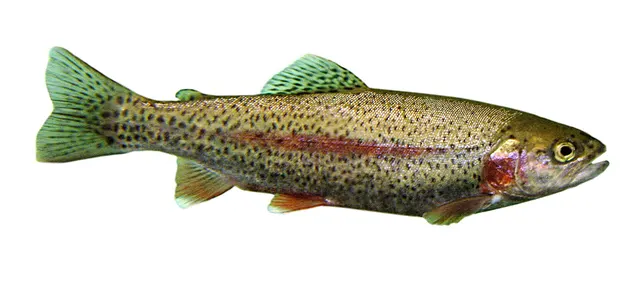 Rainbow troutCharacteristic of this water1 placeRutland WaterOver reservoirAround Jan, Mar–Dec
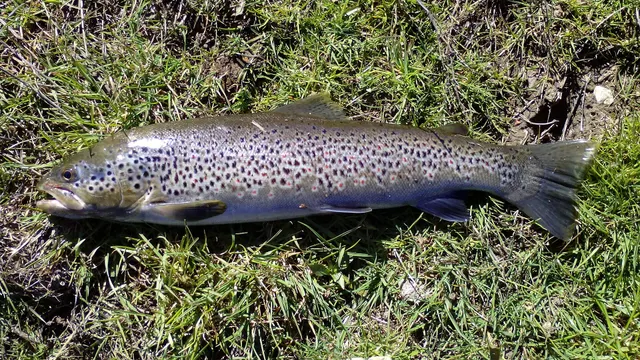 Brown troutRegular local target1 placeRutland WaterOver reservoir
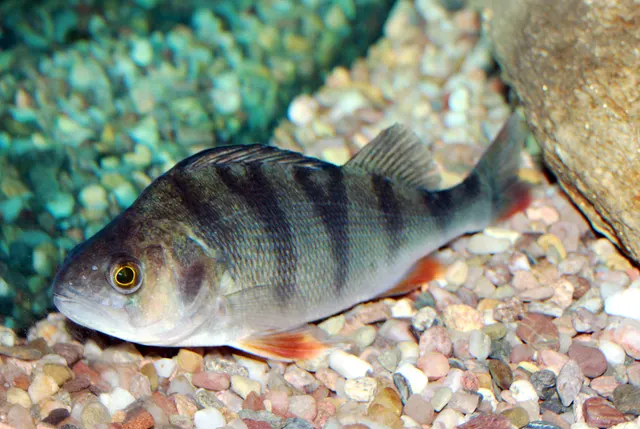 European perchSeasonal1 placeRutland WaterOver reservoirAround Jan, Oct–Dec
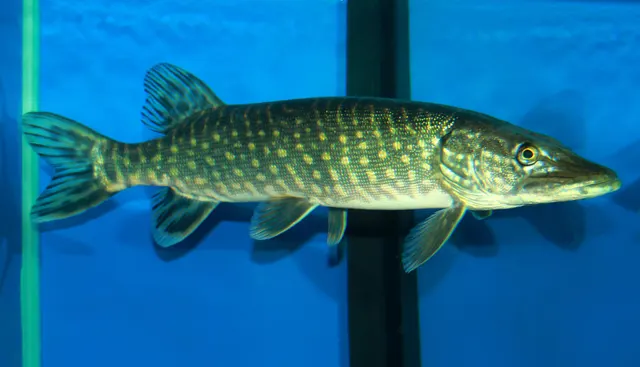 Northern pikeSeasonal1 placeRutland WaterOver reservoirAround Jan, Oct–Dec
Fly fishing · 2
What these strengths mean
- Characteristic of this water
- This water is strongly identified with this species by the sources that cover it.
- Regular local target
- Fishing sources describe this as a normal local target here, not merely as caught.
- Seasonal
- Well supported, and concentrated in part of the year rather than spread through it.
- How breadth is counted
- A fish documented at six marks is shown as six marks: breadth never raises the strength on its own. A fishery account describes the fishing; a recorded catch reports one specific catch. How evidence is weighed.
Also associated with this ground
Recorded as present here without a documented method or strength behind them.
How people fish it
Practised here: Fly fishing, Coarse fishing.
Methods the sources name for this ground. Each one is explained in full on its own page.
- Stillwater fly fishing
Fly fishing without current, where the angler supplies every movement and the problem becomes finding fish rather than presenting to them.
- Trolling
Towing lures or baits behind a moving boat to cover large volumes of water and locate scattered fish.
- Deadbaiting
Presenting a dead fish as bait for predators — a method that works because scavenging is normal predator behaviour, not an exception.
The ground and the water
- The ground
- One of the largest artificial lakes in western Europe: a pumped-storage reservoir filling a shallow valley, with two long arms, extensive shallow bays, deeper water near the dam and a bed of drowned farmland with the old hedge and field structure still present beneath it.
- Exposure
- Very exposed. Reservoirs in low, open country make their own weather, and the fetch along the main basin is long enough to raise a genuine sea in a strong wind.
- Depth
- Shallow in the arms and bays, deepest near the dam wall, with the drowned topography creating structure that concentrates fish exactly where the old valley features were.
- Tide and flow
- None. Water level is managed by abstraction and pumping and can move substantially through a season, which exposes and covers large areas of the margins.
Getting there
What public sources describe, last checked 2026-08-25. Car parks fill, services change and a path existing is not a path anybody may use — none of this is a guarantee of availability and none of it is permission to be anywhere.
- Getting to it
- The fishing is run from a single lodge on the reservoir's southern shore at Normanton, which is where permits, boats and the tackle shop are. Bank and boat fishing are both offered from it, and the operator states that season ticket holders may hire a key giving access to bank areas that are otherwise closed.
- Mobility
- The operator provides a Wheelyboat for Blue Badge holders, which is a boat designed for wheelchair access rather than an adapted ordinary one. At Normanton the café has step-free access and there is a Changing Places toilet. The operator makes no statement about bank swims for anglers with limited mobility, so none is recorded.
Parking
Rutland Water fishing lodge, Normanton
Harbour or operator parking · Charged
Operator parking at the lodge. The operator states that season ticket holders park free, which implies a charge for everybody else; no tariff is recorded here because a tariff is the fact that changes.
Where this access information comes from
- Rutland Water trout fishing — the operator's own pages — Anglian Water Parks (Credible secondary source)Relied on for: The fishing lodge at Normanton, the tackle shop and café, day, half-day and evening boat hire with the pre-booking position, the Wheelyboat for Blue Badge holders, the season ticket key for bank access, and free parking for season ticket holders.States this directlyPassage read and verified
What is there
Public toilets
At Normanton, including a Changing Places toilet — a fully accessible facility with a hoist and changing bench, which is a different and much rarer thing from a standard accessible toilet.
Tackle shop nearby
At the fishing lodge, where permits are issued. The operator does not publish what it stocks, so nothing is recorded about that.
Food or shelter
The Waterside Café above the lodge, with step-free access.
Harbour facilities
Boat hire from the lodge, in day, half-day and evening forms. The operator states that evening boats cannot be pre-booked and that walk-in boats carry a surcharge, and advises calling ahead. No price is recorded.
Through the year
A stocked stillwater trout fishery from spring through autumn — one of the waters where British reservoir fly fishing was developed — and a substantial pike and coarse population using the same water.
The months the sources attach to each species here. Where a species carries no season it is listed underneath rather than assumed to run through the year.
| Species | J | F | M | A | M | J | J | A | S | O | N | D |
|---|---|---|---|---|---|---|---|---|---|---|---|---|
| Rainbow trout — characteristic of this water, recorded in March, April, May, June, July, August, September, October, November, December, January. | ||||||||||||
| European perch — seasonal, recorded in October, November, December, January. | ||||||||||||
| Northern pike — seasonal, recorded in October, November, December, January. |
Recorded here with no season stated: Brown trout.
Safety
Cold water shock — Can cause serious injury or death
UK coastal and inland water is cold enough for most of the year to trigger the involuntary gasp and the loss of swimming ability that decides most immersion deaths, and it does so within the first minute, long before hypothermia is relevant.
What reduces it: Wear a buoyancy aid rather than carry one, carry a means of calling for help on the person rather than in a bag, and plan on the assumption that an unplanned entry into the water is survivable only if somebody knows immediately.
Boat safety — Can cause serious injury or death
A large open sheet of cold water with a long fetch, where wind rises faster than a small boat under oars or a trolling motor can return, and where the distance to a landable shore can be considerable.
What reduces it: Treat the wind forecast for the whole session as the deciding input, stay within a return margin of the lee shore, wear a buoyancy aid at all times afloat, and come in early rather than late.
Overhead power lines — Can cause serious injury or death
Overhead electricity lines cross some reservoir approaches and margins. Carbon rods conduct and electricity arcs across a gap without contact, so raising a rod beneath a line kills instantly.
What reduces it: Look up before setting up and before moving with a rod raised, and do not fish a swim with a line over or near it.
Rules and access
Licence
A rod licence is required for freshwater rod fishing in England, issued by the Environment Agency.
Permission to fish
Separate. Almost all fishing rights are held by a club, association, riparian owner or navigation authority, and the licence does not grant access to any of them.
FishingHQ does not know the current access position here. Freshwater rod fishing in England requires a current rod licence AND separate permission from whoever controls the fishing, which is frequently a club, riparian owner or navigation authority rather than a public body. Close seasons, byelaws and local rules apply and change. Check with the Environment Agency and with the controlling club or owner before going.
Who holds the answer:
- The Environment Agency, for rod licensing, close seasons and fisheries byelaws in England.
- The club, association, riparian owner or navigation authority that controls the fishing.
- The Environment Agency, for rod licensing in England and for fisheries enforcement.
- The water company or fishery operator that runs the reservoir, whose own rules govern methods, bag limits, boats and access and are the operative constraint.
- Natural England and the site management body, where a reservoir carries a conservation designation affecting access, disturbance or timing.
- The fishery lodge or manager on the day, for boat safety requirements, buoyancy aid rules and any conditions in force.
- The water company and fishery operator, whose rules govern the fishery, the boats and the shore.
Nearby fishing
Other publicly documented places within about 40 km, by distance. Positions are approximate public geography and are never exact marks.
- The Nene at Peterborough — 25–40 km · River reach
- The Counter Drain — 25–40 km · Drain
- The Welland at Spalding — 25–40 km · River reach
- Pitsford Water — 25–40 km · Reservoir
Sources for this place
- Angling Times — Bauer Media (Specialist angling publication)Relied on for: Long-running published description of British coarse and match angling practice by water and by named reach.FishingHQ's interpretation of what it saysCitation checked — the work exists and is described correctly
- General angling website restatements of established technique — Various (Credible secondary source)Relied on for: Widely restated public descriptions of which waters are conventionally fished and how, recorded as practitioner consensus rather than as scholarship, and not relied on for access, permission or any current rule.Background and mechanism onlyCitation checked — the work exists and is described correctly
- Environment Agency fisheries management, byelaws and rod licensing information — Environment Agency (Government fisheries body)Relied on for: Freshwater and transitional-water fisheries management in England, the structure of rod licensing, close seasons and byelaws, and the monitoring of rivers and stillwaters.States this directlyCitation checked — the work exists and is described correctly
- RNLI water safety guidance: cold water shock and Float to Live — Royal National Lifeboat Institution (Water-safety or diver-training authority)Relied on for: Cold water shock and the immersion response, tidal cut-off, and water-safety guidance for shore anglers and small-craft users.States this directlyPassage read and verified
- Rutland Water trout fishing — the operator's own pages — Anglian Water Parks (Credible secondary source)Relied on for: That the fishing at this reservoir is operated from a single lodge at Normanton offering bank and boat fishing, with a tackle shop, café, boat hire and a Wheelyboat.States this directlyPassage read and verified
How FishingHQ labels evidence is explained in the evidence policy. Last reviewed 2026-08-16.