The Welland at Spalding
River reach · Fresh water · in The Fens and their drains
A straight embanked fen river with high banks, uniform depth and a level held by the Coronation Channel and the tidal sluice below the town.
Safety: drowning and immersion — can cause serious injury or death.
FishingHQ describes what this place is, not whether you may fish it. Access, permits and who to ask.
What you can catch here
Documented at this place, grouped by how you would be fishing, with how strongly the sources support each one. This is what has been written down, not a forecast, and being listed is never permission to fish.
From the shore · 5
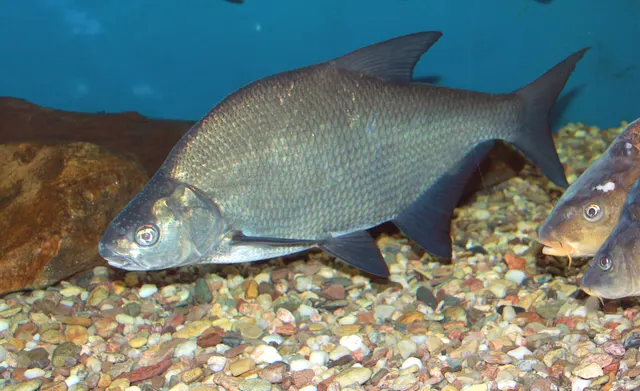 Common breamRegular local target1 placeThe Welland at SpaldingOver river reachAround May–Sept
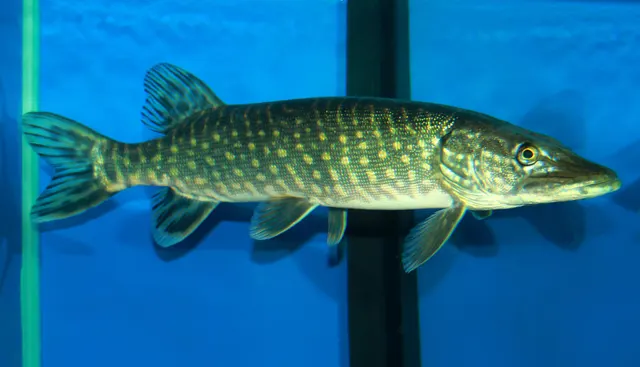 Northern pikeRegular local target1 placeThe Welland at SpaldingOver river reachAround Jan–Feb, Oct–Dec
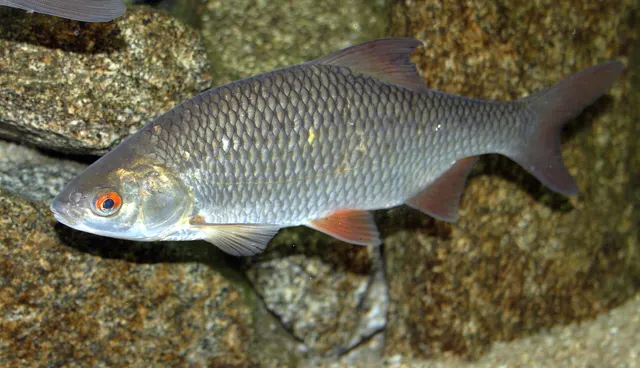 RoachRegular local target1 placeThe Welland at SpaldingOver river reach
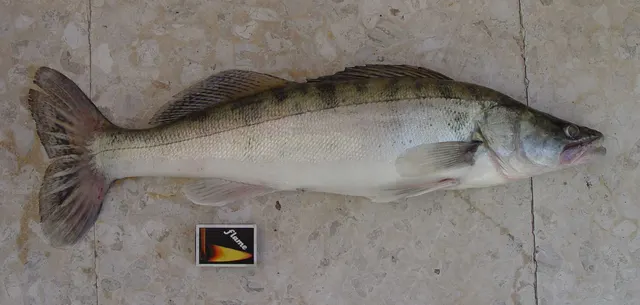 ZanderRegular local target1 placeThe Welland at SpaldingOver river reachAround Jan–Feb, Oct–Dec
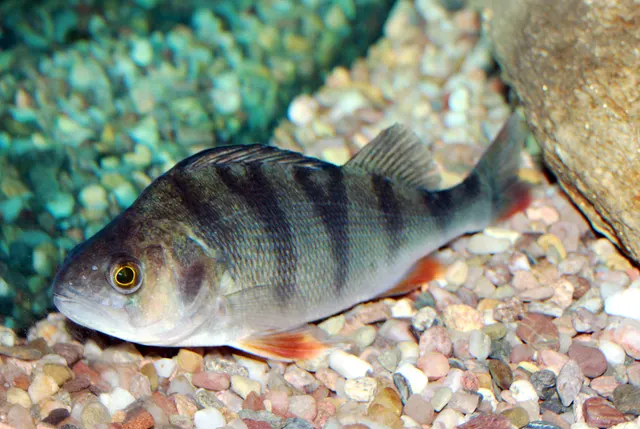 European perchRecorded here1 placeThe Welland at SpaldingOver river reach
What these strengths mean
- Regular local target
- Fishing sources describe this as a normal local target here, not merely as caught.
- Recorded here
- At least one credible public account of this species being caught here. That is all it means.
- How breadth is counted
- A fish documented at six marks is shown as six marks: breadth never raises the strength on its own. A fishery account describes the fishing; a recorded catch reports one specific catch. How evidence is weighed.
Also associated with this ground
Recorded as present here without a documented method or strength behind them.
How people fish it
Practised here: Coarse fishing.
Methods the sources name for this ground. Each one is explained in full on its own page.
- Pole fishing
Fishing with a long jointed pole and a short fixed line, giving bait placement precision no rod and reel can match.
- Float fishing
Suspending a bait at a controlled depth beneath a buoyant indicator — the most visual, most controllable and most widely applicable method in angling.
- Feeder fishing
Legering with a weight that also carries bait, so that free offerings arrive in exactly the same place as the hookbait, cast after cast.
The ground and the water
- The ground
- A straight embanked fen river with high banks, uniform depth and a level held by the Coronation Channel and the tidal sluice below the town.
Through the year
The months the sources attach to each species here. Where a species carries no season it is listed underneath rather than assumed to run through the year.
| Species | J | F | M | A | M | J | J | A | S | O | N | D |
|---|---|---|---|---|---|---|---|---|---|---|---|---|
| Common bream — regular local target, recorded in May, June, July, August, September. | ||||||||||||
| Northern pike — regular local target, recorded in October, November, December, January, February. | ||||||||||||
| Zander — regular local target, recorded in October, November, December, January, February. |
Recorded here with no season stated: Roach, European perch.
Safety
Drowning and immersion — Can cause serious injury or death
Fenland drains are typically deep with steep or near-vertical sides, soft crumbling margins and no shallow ledge. A person who enters the water frequently cannot climb out unaided and may find no exit for a considerable distance along the bank. The landscape is sparsely populated and help can be far away.
What reduces it: Identify an exit point before fishing a swim. Do not fish alone on remote drains, particularly in winter. Carry a means of calling for help and tell somebody where you are going. Treat a bank of soft peat or clay above deep water as the hazard it is rather than as a nuisance.
Worse when:
- Winter, when cold water shortens self-rescue time dramatically
- Remote drains with no nearby road or building
- Wet or frozen banks
- Fishing alone
Rules and access
Licence
A rod licence is required for freshwater rod fishing in England, issued by the Environment Agency.
Permission to fish
Separate. Almost all fishing rights are held by a club, association, riparian owner or navigation authority, and the licence does not grant access to any of them.
FishingHQ does not know the current access position here. Freshwater rod fishing in England requires a current rod licence AND separate permission from whoever controls the fishing, which is frequently a club, riparian owner or navigation authority rather than a public body. Close seasons, byelaws and local rules apply and change. Check with the Environment Agency and with the controlling club or owner before going.
Who holds the answer:
- The Environment Agency, for rod licensing, close seasons and fisheries byelaws in England.
- The club, association, riparian owner or navigation authority that controls the fishing.
- The national fisheries authority for England, for rod licensing, byelaws, close seasons and fisheries enforcement.
- The internal drainage boards, which operate the pumping stations and sluices and manage water levels across the system.
- The navigation authority for the navigable rivers and channels within the system.
- The angling club, consortium or landowner controlling the specific water, for permission to fish it.
- The authorities responsible for invasive and non-native species, for the rules on moving or returning particular fish.
Nearby fishing
Other publicly documented places within about 40 km, by distance. Positions are approximate public geography and are never exact marks.
- The Counter Drain — 5–10 km · Drain
- The Nene at Peterborough — 25–40 km · River reach
- The Middle Level Main Drain — 25–40 km · Drain
- The Sixteen Foot Drain — 25–40 km · Drain
- The Forty Foot Drain — 25–40 km · Drain
- The Relief Channel — 25–40 km · Drain
- Rutland Water — 25–40 km · Reservoir
- The Boston Deeps — 25–40 km · Tidal channel
Sources for this place
- Environment Agency fisheries management, byelaws and rod licensing information — Environment Agency (Government fisheries body)Relied on for: Freshwater and transitional-water fisheries management in England, the structure of rod licensing, close seasons and byelaws, and the monitoring of rivers and stillwaters.States this directlyCitation checked — the work exists and is described correctly
- Angling Times — Bauer Media (Specialist angling publication)Relied on for: Long-running published description of British coarse and match angling practice by water and by named reach.FishingHQ's interpretation of what it saysCitation checked — the work exists and is described correctly
- General angling website restatements of established technique — Various (Credible secondary source)Relied on for: Widely restated public descriptions of which waters are conventionally fished and how, recorded as practitioner consensus rather than as scholarship, and not relied on for access, permission or any current rule.Background and mechanism onlyCitation checked — the work exists and is described correctly
How FishingHQ labels evidence is explained in the evidence policy. Last reviewed 2026-08-16.