Bewl Water
Reservoir · Fresh water · in The English trout reservoirs
A long, branching, wooded reservoir on the Kent and Sussex border in a Wealden clay valley, with many arms, drowned hedgerows and a soft bed.
Safety: cold water shock — can cause serious injury or death. 2 more points apply here.
FishingHQ describes what this place is, not whether you may fish it. Access, permits and who to ask.
What you can catch here
Documented at this place, grouped by how you would be fishing, with how strongly the sources support each one. This is what has been written down, not a forecast, and being listed is never permission to fish.
From the shore · 3
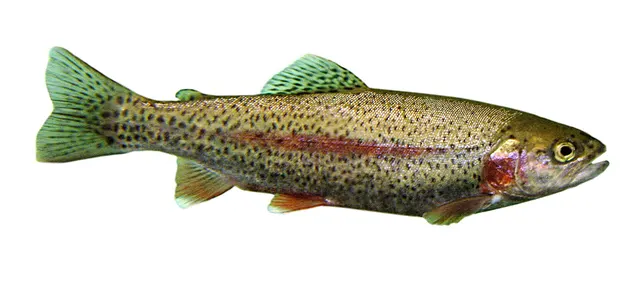
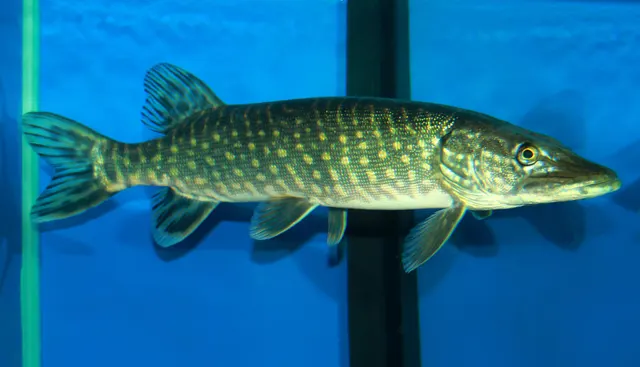
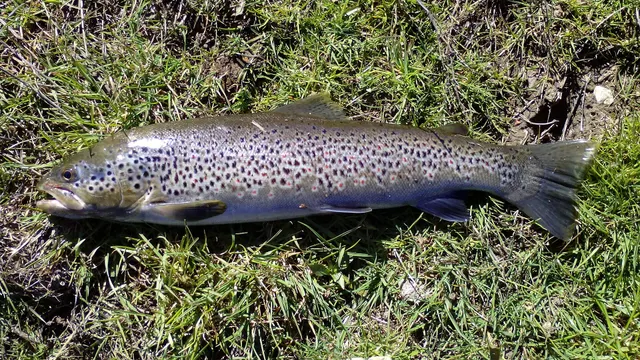
From a boat · 2
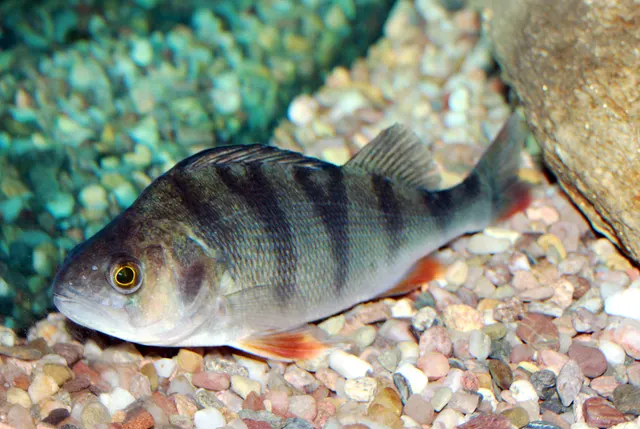
Fly fishing · 3
What these strengths mean
- Characteristic of this water
- This water is strongly identified with this species by the sources that cover it.
- Seasonal
- Well supported, and concentrated in part of the year rather than spread through it.
- Repeatedly reported
- Several independent public accounts. Enough to say it happens more than once; not enough to call it a fishery.
- Recorded here
- At least one credible public account of this species being caught here. That is all it means.
- How breadth is counted
- A fish documented at six marks is shown as six marks: breadth never raises the strength on its own. A fishery account describes the fishing; a recorded catch reports one specific catch. How evidence is weighed.
How people fish it
Practised here: Coarse fishing, Fly fishing.
Methods the sources name for this ground. Each one is explained in full on its own page.
- Stillwater fly fishing
Fly fishing without current, where the angler supplies every movement and the problem becomes finding fish rather than presenting to them.
The ground and the water
- The ground
- A long, branching, wooded reservoir on the Kent and Sussex border in a Wealden clay valley, with many arms, drowned hedgerows and a soft bed.
Safety
Cold water shock — Can cause serious injury or death
A warm surface layer sits on cold deep water through the summer. Immersion in August is immersion in cold water, the involuntary gasp and loss of breathing control arrive in the first seconds, and off a steep margin or from a boat there is nothing shallow to stand up in.
What reduces it: Wear a buoyancy aid rather than carry one, do not fish alone from a boat, and treat these lakes as cold water in every month because below the surface they are.
Worse when:
- In summer, when the warm surface makes the lake feel safe.
- Off dam walls, rip-rap and steep drawdown margins, where there is no shallow water to recover into.
Boat safety — Can cause serious injury or death
A large open reservoir gives wind a long uninterrupted fetch, so a steep sea builds quickly and a boat that could make ground half an hour ago may not now. The shore under the lee may be bare drawdown bank or rip-rap with nowhere sensible to land.
What reduces it: Follow the fishery's boat and buoyancy aid rules, which are the operative framework. Fix a turnaround time and a named landing shore before setting off, and go in early when the wind starts rather than after it has built.
Overhead power lines — Can cause serious injury or death
Overhead electricity lines cross some reservoir approaches and margins. Carbon rods conduct and electricity arcs across a gap without contact, so raising a rod beneath a line kills instantly.
What reduces it: Look up before setting up and before moving with a rod raised, and do not fish a swim with a line over or near it.
Rules and access
Licence
A rod licence is required for freshwater rod fishing in England, issued by the Environment Agency.
Permission to fish
Separate. Almost all fishing rights are held by a club, association, riparian owner or navigation authority, and the licence does not grant access to any of them.
FishingHQ does not know the current access position here. Freshwater rod fishing in England requires a current rod licence AND separate permission from whoever controls the fishing, which is frequently a club, riparian owner or navigation authority rather than a public body. Close seasons, byelaws and local rules apply and change. Check with the Environment Agency and with the controlling club or owner before going.
Who holds the answer:
- The Environment Agency, for rod licensing, close seasons and fisheries byelaws in England.
- The club, association, riparian owner or navigation authority that controls the fishing.
- The Environment Agency, for rod licensing in England and for fisheries enforcement.
- The water company or fishery operator that runs the reservoir, whose own rules govern methods, bag limits, boats and access and are the operative constraint.
- Natural England and the site management body, where a reservoir carries a conservation designation affecting access, disturbance or timing.
- The fishery lodge or manager on the day, for boat safety requirements, buoyancy aid rules and any conditions in force.
Nearby fishing
Other publicly documented places within about 40 km, by distance. Positions are approximate public geography and are never exact marks.
- Bexhill — 25–40 km · Beach
- Hastings and the Stade — 25–40 km · Beach section
- Camber Sands — 25–40 km · Beach
- Eastbourne Pier — 25–40 km · Pier
- Beachy Head and the ledges — 25–40 km · Ledge
- Newhaven west arm — 25–40 km · Breakwater
Sources for this place
- Environment Agency fisheries management, byelaws and rod licensing information — Environment Agency (Government fisheries body)Relied on for: Freshwater and transitional-water fisheries management in England, the structure of rod licensing, close seasons and byelaws, and the monitoring of rivers and stillwaters.States this directlyCitation checked — the work exists and is described correctly
- Angling Times — Bauer Media (Specialist angling publication)Relied on for: Long-running published description of British coarse and match angling practice by water and by named reach.FishingHQ's interpretation of what it saysCitation checked — the work exists and is described correctly
- General angling website restatements of established technique — Various (Credible secondary source)Relied on for: Widely restated public descriptions of which waters are conventionally fished and how, recorded as practitioner consensus rather than as scholarship, and not relied on for access, permission or any current rule.Background and mechanism onlyCitation checked — the work exists and is described correctly
How FishingHQ labels evidence is explained in the evidence policy. Last reviewed 2026-08-16.