Size limits and retention
Rules & access · Last reviewed 2026-08-10
Rules about which fish may be kept and how many — a management tool with a clear rationale and, in places, a well-known weakness.
- Scope
- General concept
- Levels of rule-making involved
- International agreement or convention; National framework; Regional, state or provincial framework; Species-specific or method-specific restriction
- Framework description last checked
- 2026-08-10
Retention rules govern what an angler may keep. The commonest form is a minimum size, below which a fish must be returned; bag limits cap the number; and slot limits protect both small and large fish by permitting retention only within a band.
The rationale for a minimum size is straightforward: let fish reach maturity and spawn at least once before they can be removed. The rationale for a bag limit is to cap total removals where the number of participants is large.
Slot limits reflect a subtler and more recent insight. In many species, fecundity rises steeply with size — a large old female produces disproportionately more eggs than several smaller ones combined — so removing the largest fish damages a population more than the same weight of small ones would. A minimum size alone protects the young and concentrates all the pressure on the biggest and most reproductively valuable individuals. Slot limits address that directly.
The well-known weakness of a minimum size on its own is that it produces discarding: fish below the size are caught anyway, and in commercial contexts they are returned dead. That is why landing obligations and gear selectivity measures usually accompany size limits rather than replacing them.
What it is
Rules determining which fish may be retained. Minimum sizes prohibit retention below a length; maximum sizes and slot limits also protect larger individuals; bag limits cap numbers per angler per period; and some rules prohibit retention of a species altogether.
Why it exists
To allow fish to reproduce before removal, to cap total removals where participation is high, and — in the case of slot and maximum limits — to protect the large, old, highly fecund individuals whose contribution to a population is disproportionate to their number. Recreational removals are a real component of total fishing mortality for some species and are accounted for in assessments where they are significant.
What varies between places
- The size threshold itself, which differs by species, by area and over time.
- Whether the limit is a minimum, a maximum, or a slot.
- How size is measured — total length, fork length or carapace width — which is not consistent between species or jurisdictions.
- Bag limits, which differ by species, by area, by season and sometimes by day.
- Whether retention is permitted at all, which for some species and periods it is not.
- Whether the rule derives from statute, from a regional authority, or from the fishery's own rules.
Who to ask
- The national or regional fisheries or marine management authority, for statutory sizes and bag limits.
- The fishery, club or landowner, whose own rules may be stricter than the statutory position.
- The relevant authority for any species with specific protection, where general rules do not apply.
Check the rules before you fish
Fishing laws, bylaws, access rules, seasons, bait restrictions and permitted methods vary by location and can change. Check the current rules from the relevant authority and the water you intend to fish before fishing.
Check with:
- Current national or regional law for where you are fishing
- Current local bylaws
- The relevant fisheries authority
- The landowner, club or fishery whose water it is
- Any restrictions specific to the species or the method you intend to use
Where to go next
Fish this affects
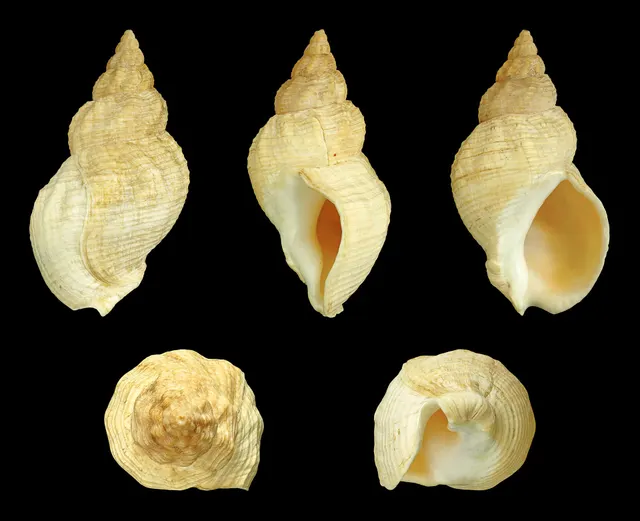 Common whelkMinimum landing sizes have been raised in several areas because whelks mature late and have no drifting larval stage, so a cleared ground does not restock from elsewhere.
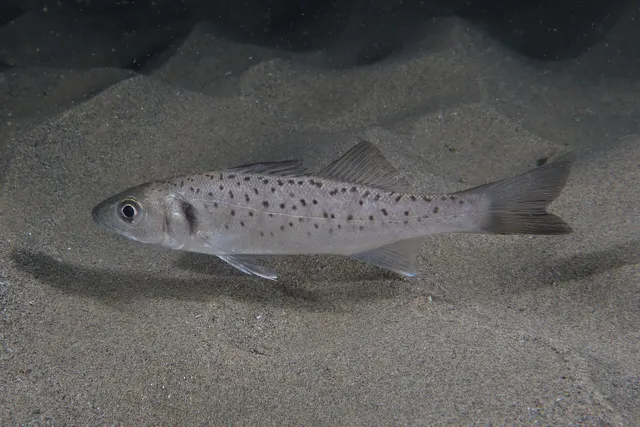 European sea bassBass retention rules for recreational anglers have changed substantially and repeatedly, and are among the rules most worth checking before every trip.
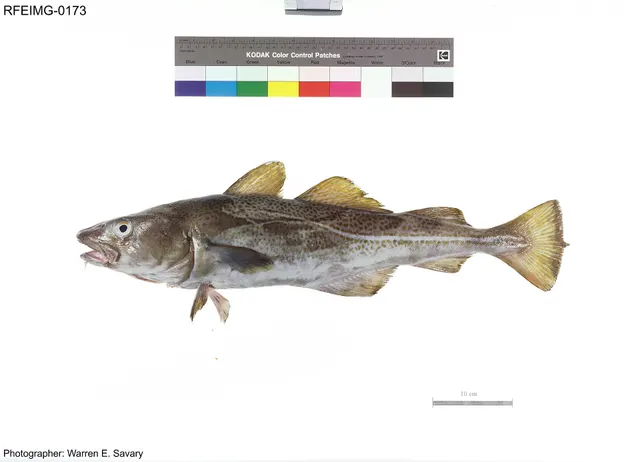 Atlantic codA large, heavily-built demersal predator of the North Atlantic, and the species whose commercial history is the standard example of stock collapse.
Gear involved
Where it applies
- AustraliaSize and bag limits here are set by states and territories rather than nationally, so crossing a state line changes the rules — which catches out visitors and residents alike.
- Chesil BeachDistrict byelaws, national minimum conservation reference sizes and the national bass measures all bear on what may be retained from this beach.
- FloridaSlot limits protecting both small and large fish are a characteristic Florida instrument, reflecting the fact that the largest fish are frequently the most reproductively valuable.
- HawaiiState size and bag limits sit alongside community-based subsistence fishing area rules that a community can propose from its own traditional practice, which is an unusual route into enforceable law.
- Lake Victoria and the Rift Valley lakesMinimum landing sizes for the principal commercial species are applied by each riparian state, and fish and fishers cross the boundaries the rules do not.
- Portland Bill and the Portland RaceDistrict byelaws, national minimum conservation reference sizes and the national bass measures all apply to what may be retained here.
- The Agulhas CurrentBag limits, size limits and permit systems on the linefish of this coast are stock-driven measures applied to recreational and commercial line fishing alike.
- The Humboldt CurrentClosing a fishery when juveniles dominate the catch, and allocating individual vessel quotas, are the two measures that changed this fishery's incentives most.
3 more
- The Maldives Fishing regions
- The Strait of Gibraltar Fishing regions
- The Strait of Messina Fishing regions
Related reading
- A fish that comes off, and what you owe itCatch-and-release conditions, barbless requirements and handling rules are all attempts to reduce exactly the loss this page is about, and they are permit conditions rather than advice.
- Dispatching a fish: doing it properly, or not doing it at allThe question that arises immediately before dispatch is whether this fish may be kept at all, and the answer is a size, a season, a quantity or a protection that varies by water and by jurisdiction.
- Eating freshwater fish you have caughtIn a great many European fresh waters coarse fish may not be removed at all, which is a rule rather than a convention and is set by the fishery or the authority rather than nationally.
- Fly fishing for bass in surf, estuary and over rockSea bass is among the most tightly and most frequently revised recreational measures in European waters, with size, quantity and seasonal provisions that change year to year against stock advice.
- Handling a large fish for the tableA large fish is disproportionately likely to be a breeding adult, which is why maximum-size and slot limits exist in some fisheries and why the decision to keep one is regulated as well as ethical.
- How to handle a fish you have caughtThe record tells a reader to decide before casting whether the fish is going back, and that decision is frequently not theirs. Size limits, bag limits, close seasons, protected species and fishery rules all constrain it, they differ by water and by species, and establishing the position is part of the permission check rather than a separate task.
- Icing and chilling a catch: the only variable that matters muchA fish being iced is a fish being kept, and how many may be kept and at what size is the question that had to be answered before the ice was reached for.
- Mini species and species huntingA pursuit organised around catching as many species as possible meets minimum sizes and protected species more often than any other, precisely because it targets what nobody else does.
2 more
- Reviving a fish before release Explainer
- Saltwater fly fishing: what changes Explainer
How this compares
- Protected species, and why some fish may not be takenSize-based protection and species-based protection are frequently applied together, and a fish may be legal by one measure and not by the other.
- What a bag limit is forNumber and size are two axes of the same measure, and slot limits combine them to protect juveniles and large breeders at once.
Sources and evidence
- ICES Advice on fishing opportunities, catch and effort — International Council for the Exploration of the Sea (Scientific institute)Relied on for: That recreational removals are accounted for in stock assessment where significant, and that management measures are set at stock level.FishingHQ's interpretation of what it saysCitation checked — the work exists and is described correctly
- Cefas science, advice and data on marine and freshwater environments — Centre for Environment, Fisheries and Aquaculture Science (Government fisheries body)Relied on for: The life-history basis for size-based management measures, including late maturity and the reproductive value of large individuals.FishingHQ's interpretation of what it saysCitation checked — the work exists and is described correctly
Why the 27 connections on this page are here, and the sources
Fish this affects
Official guidance — 3 connections
Stated by a fisheries authority, scientific institute or recognised angling body. Authoritative, but summarising rather than demonstrating.
Common whelk
A place joined to the regulatory concept whose structure it illustrates. The edge asserts that the concept applies here, never what any current rule says.
- Code of Conduct for Responsible Fisheries — Food and Agriculture Organization of the United Nations, Rome, 1995 (Standards body)Relied on for: Principles for the management of fisheries, including licensing, closed seasons, size limits and the treatment of small-scale and shared stocks.States this directlyCitation checked — the work exists and is described correctly
- Good Fish Guide — Marine Conservation Society (Conservation authority)Relied on for: Assessment of fisheries and the management measures applied to them, including the instruments used and their purpose.Background and mechanism onlyCitation checked — the work exists and is described correctly
European sea bass
Bass are managed at stock level with recreational measures that have been revised repeatedly.
- ICES Advice on fishing opportunities, catch and effort — International Council for the Exploration of the Sea (Scientific institute)Relied on for: That bass are assessed at stock level and that recreational removals are accounted for.FishingHQ's interpretation of what it saysCitation checked — the work exists and is described correctly
- Cefas science, advice and data on marine and freshwater environments — Centre for Environment, Fisheries and Aquaculture Science (Government fisheries body)Relied on for: The life-history basis for size-based management of bass.FishingHQ's interpretation of what it saysCitation checked — the work exists and is described correctly
Atlantic cod
Retention measures for cod vary by area and are revised in line with stock advice.
- ICES Advice on fishing opportunities, catch and effort — International Council for the Exploration of the Sea (Scientific institute)Relied on for: That management measures are set at stock level and revised with advice.FishingHQ's interpretation of what it saysCitation checked — the work exists and is described correctly
Gear involved
Official guidance — 1 connection
Stated by a fisheries authority, scientific institute or recognised angling body. Authoritative, but summarising rather than demonstrating.
Keepnets, sacks and retaining fish
This points to the kind of rule that applies rather than to a rule itself, so the page carries the notice that the requirement varies — which is correct wherever the answer is set locally and changes.
- Environment Agency fisheries management, byelaws and rod licensing information — Environment Agency (Government fisheries body)Relied on for: Freshwater fisheries management including byelaws on gear, retention and fish movement, and the biosecurity measures applied to equipment.States this directlyCitation checked — the work exists and is described correctly
- Angling Trust guidance for anglers — Angling Trust (Angling or fisheries organisation)Relied on for: Guidance to anglers on fishery rules and conditions of access, including gear and retention restrictions set by individual waters.States this directlyCitation checked — the work exists and is described correctly
Where it applies
Official guidance — 11 connections
Stated by a fisheries authority, scientific institute or recognised angling body. Authoritative, but summarising rather than demonstrating.
Australia
A regulatory-structure claim held to an authoritative standard, stated as structure and never as content.
- FAO fishing gear types and fishing technology information — Food and Agriculture Organization of the United Nations (Scientific institute)Relied on for: That fisheries management measures including size limits are administered at the jurisdiction level that holds the competence.Background and mechanism onlyCitation checked — the work exists and is described correctly
- Environment Agency fisheries management, byelaws and rod licensing information — Environment Agency (Government fisheries body)Relied on for: That size limits and retention rules are standard instruments applied at national and regional level.FishingHQ's interpretation of what it saysCitation checked — the work exists and is described correctly
Chesil Beach
A place joined to the regulatory concept whose structure it illustrates. The edge asserts that the concept applies here, never what any current rule says.
- Code of Conduct for Responsible Fisheries — Food and Agriculture Organization of the United Nations, Rome, 1995 (Standards body)Relied on for: Principles for the management of fisheries, including licensing, closed seasons, size limits and the treatment of small-scale and shared stocks.States this directlyCitation checked — the work exists and is described correctly
- Good Fish Guide — Marine Conservation Society (Conservation authority)Relied on for: Assessment of fisheries and the management measures applied to them, including the instruments used and their purpose.Background and mechanism onlyCitation checked — the work exists and is described correctly
Florida
A place joined to the regulatory concept whose structure it illustrates. The edge asserts that the concept applies here, never what any current rule says.
- Code of Conduct for Responsible Fisheries — Food and Agriculture Organization of the United Nations, Rome, 1995 (Standards body)Relied on for: Principles for the management of fisheries, including licensing, closed seasons, size limits and the treatment of small-scale and shared stocks.States this directlyCitation checked — the work exists and is described correctly
- Good Fish Guide — Marine Conservation Society (Conservation authority)Relied on for: Assessment of fisheries and the management measures applied to them, including the instruments used and their purpose.Background and mechanism onlyCitation checked — the work exists and is described correctly
Hawaii
A place joined to the regulatory concept whose structure it illustrates. The edge asserts that the concept applies here, never what any current rule says.
- Code of Conduct for Responsible Fisheries — Food and Agriculture Organization of the United Nations, Rome, 1995 (Standards body)Relied on for: Principles for the management of fisheries, including licensing, closed seasons, size limits and the treatment of small-scale and shared stocks.States this directlyCitation checked — the work exists and is described correctly
- Good Fish Guide — Marine Conservation Society (Conservation authority)Relied on for: Assessment of fisheries and the management measures applied to them, including the instruments used and their purpose.Background and mechanism onlyCitation checked — the work exists and is described correctly
Lake Victoria and the Rift Valley lakes
A place joined to the regulatory concept whose structure it illustrates. The edge asserts that the concept applies here, never what any current rule says.
- Code of Conduct for Responsible Fisheries — Food and Agriculture Organization of the United Nations, Rome, 1995 (Standards body)Relied on for: Principles for the management of fisheries, including licensing, closed seasons, size limits and the treatment of small-scale and shared stocks.States this directlyCitation checked — the work exists and is described correctly
- Good Fish Guide — Marine Conservation Society (Conservation authority)Relied on for: Assessment of fisheries and the management measures applied to them, including the instruments used and their purpose.Background and mechanism onlyCitation checked — the work exists and is described correctly
Portland Bill and the Portland Race
A place joined to the regulatory concept whose structure it illustrates. The edge asserts that the concept applies here, never what any current rule says.
- Code of Conduct for Responsible Fisheries — Food and Agriculture Organization of the United Nations, Rome, 1995 (Standards body)Relied on for: Principles for the management of fisheries, including licensing, closed seasons, size limits and the treatment of small-scale and shared stocks.States this directlyCitation checked — the work exists and is described correctly
- Good Fish Guide — Marine Conservation Society (Conservation authority)Relied on for: Assessment of fisheries and the management measures applied to them, including the instruments used and their purpose.Background and mechanism onlyCitation checked — the work exists and is described correctly
The Agulhas Current
A place joined to the regulatory concept whose structure it illustrates. The edge asserts that the concept applies here, never what any current rule says.
- Code of Conduct for Responsible Fisheries — Food and Agriculture Organization of the United Nations, Rome, 1995 (Standards body)Relied on for: Principles for the management of fisheries, including licensing, closed seasons, size limits and the treatment of small-scale and shared stocks.States this directlyCitation checked — the work exists and is described correctly
- Good Fish Guide — Marine Conservation Society (Conservation authority)Relied on for: Assessment of fisheries and the management measures applied to them, including the instruments used and their purpose.Background and mechanism onlyCitation checked — the work exists and is described correctly
The Humboldt Current
A place joined to the regulatory concept whose structure it illustrates. The edge asserts that the concept applies here, never what any current rule says.
- Code of Conduct for Responsible Fisheries — Food and Agriculture Organization of the United Nations, Rome, 1995 (Standards body)Relied on for: Principles for the management of fisheries, including licensing, closed seasons, size limits and the treatment of small-scale and shared stocks.States this directlyCitation checked — the work exists and is described correctly
- Good Fish Guide — Marine Conservation Society (Conservation authority)Relied on for: Assessment of fisheries and the management measures applied to them, including the instruments used and their purpose.Background and mechanism onlyCitation checked — the work exists and is described correctly
The Maldives
A place joined to the regulatory concept whose structure it illustrates. The edge asserts that the concept applies here, never what any current rule says.
- Code of Conduct for Responsible Fisheries — Food and Agriculture Organization of the United Nations, Rome, 1995 (Standards body)Relied on for: Principles for the management of fisheries, including licensing, closed seasons, size limits and the treatment of small-scale and shared stocks.States this directlyCitation checked — the work exists and is described correctly
- Good Fish Guide — Marine Conservation Society (Conservation authority)Relied on for: Assessment of fisheries and the management measures applied to them, including the instruments used and their purpose.Background and mechanism onlyCitation checked — the work exists and is described correctly
The Strait of Gibraltar
A place joined to the regulatory concept whose structure it illustrates. The edge asserts that the concept applies here, never what any current rule says.
- Code of Conduct for Responsible Fisheries — Food and Agriculture Organization of the United Nations, Rome, 1995 (Standards body)Relied on for: Principles for the management of fisheries, including licensing, closed seasons, size limits and the treatment of small-scale and shared stocks.States this directlyCitation checked — the work exists and is described correctly
- Good Fish Guide — Marine Conservation Society (Conservation authority)Relied on for: Assessment of fisheries and the management measures applied to them, including the instruments used and their purpose.Background and mechanism onlyCitation checked — the work exists and is described correctly
The Strait of Messina
A place joined to the regulatory concept whose structure it illustrates. The edge asserts that the concept applies here, never what any current rule says.
- Code of Conduct for Responsible Fisheries — Food and Agriculture Organization of the United Nations, Rome, 1995 (Standards body)Relied on for: Principles for the management of fisheries, including licensing, closed seasons, size limits and the treatment of small-scale and shared stocks.States this directlyCitation checked — the work exists and is described correctly
- Good Fish Guide — Marine Conservation Society (Conservation authority)Relied on for: Assessment of fisheries and the management measures applied to them, including the instruments used and their purpose.Background and mechanism onlyCitation checked — the work exists and is described correctly
Related reading
Official guidance — 10 connections
Stated by a fisheries authority, scientific institute or recognised angling body. Authoritative, but summarising rather than demonstrating.
A fish that comes off, and what you owe it
This points to the kind of rule that applies rather than to a rule itself. The page already carries the notice that requirements vary; this says WHICH rules bear on it, which turns a generic warning into a route to the body that sets them.
- Humane Harvesting of Fish: percussive stunning and percussive equipment — Humane Slaughter Association (Angling or fisheries organisation)Relied on for: Humane dispatch and handling of caught fish, and the standards and expectations applied to it.States this directlyNot yet checked
- Angling Trust guidance for anglers — Angling Trust (Angling or fisheries organisation)Relied on for: Guidance to anglers on welfare, handling and the fishery rules that bear on both.States this directlyCitation checked — the work exists and is described correctly
Dispatching a fish: doing it properly, or not doing it at all
This points to the kind of rule that applies rather than to a rule itself. The page already carries the notice that requirements vary; this says WHICH rules bear on it, which turns a generic warning into a route to the body that sets them.
- Humane Harvesting of Fish: percussive stunning and percussive equipment — Humane Slaughter Association (Angling or fisheries organisation)Relied on for: Humane dispatch and handling of caught fish, and the standards and expectations applied to it.States this directlyNot yet checked
- Angling Trust guidance for anglers — Angling Trust (Angling or fisheries organisation)Relied on for: Guidance to anglers on welfare, handling and the fishery rules that bear on both.States this directlyCitation checked — the work exists and is described correctly
Eating freshwater fish you have caught
This points to the kind of rule that applies rather than to a rule itself. The page already carries the notice that requirements vary; this says WHICH rules bear on it, which turns a generic warning into a route to the body that sets them.
- Environment Agency fisheries management, byelaws and rod licensing information — Environment Agency (Government fisheries body)Relied on for: Freshwater and transitional-water fisheries management, the structure of licensing, close seasons and byelaws, and the measures applied to gear, bait, retention and fish movement.States this directlyCitation checked — the work exists and is described correctly
- Angling Trust guidance for anglers — Angling Trust (Angling or fisheries organisation)Relied on for: Guidance to anglers on fishery rules and conditions of access, including the restrictions individual waters and authorities set.States this directlyCitation checked — the work exists and is described correctly
Fly fishing for bass in surf, estuary and over rock
This points to the kind of rule that applies rather than to a rule itself. The page already carries the notice that requirements vary; this says WHICH rules bear on it, which turns a generic warning into a route to the body that sets them.
- ICES Advice on fishing opportunities, catch and effort — International Council for the Exploration of the Sea (Scientific institute)Relied on for: The stock advice against which European marine measures — sizes, seasons, quantities and closures — are set and revised annually.States this directlyCitation checked — the work exists and is described correctly
- Code of Conduct for Responsible Fisheries — Food and Agriculture Organization of the United Nations, Rome, 1995 (Standards body)Relied on for: The international framework within which national and regional fisheries authorities set, revise and enforce measures.Background and mechanism onlyCitation checked — the work exists and is described correctly
Handling a large fish for the table
This points to the kind of rule that applies rather than to a rule itself. The page already carries the notice that requirements vary; this says WHICH rules bear on it, which turns a generic warning into a route to the body that sets them.
- The IUCN Red List of Threatened Species — International Union for Conservation of Nature (Conservation authority)Relied on for: The conservation assessment of the species concerned, which is the basis on which protection measures are argued for and set.States this directlyCitation checked — the work exists and is described correctly
- ICES Advice on fishing opportunities, catch and effort — International Council for the Exploration of the Sea (Scientific institute)Relied on for: Stock status and the advice on which management and protection measures for the stocks concerned are set and revised.States this directlyCitation checked — the work exists and is described correctly
How to handle a fish you have caught
The edge names the CLASS of rule and never its content. Written for the beginner records that genuinely turn on permission, because this is the point in a reader's journey where a confident wrong answer does the most damage.
- Environment Agency fisheries management, byelaws and rod licensing information — Environment Agency (Government fisheries body)Relied on for: Rod licensing, byelaws, close seasons and the structure of fishing permission in England.States this directlyCitation checked — the work exists and is described correctly
- Angling Trust guidance for anglers — Angling Trust (Angling or fisheries organisation)Relied on for: Guidance to anglers on permission, access and the rules applying across coarse, game and sea angling.States this directlyCitation checked — the work exists and is described correctly
Icing and chilling a catch: the only variable that matters much
This points to the kind of rule that applies rather than to a rule itself. The page already carries the notice that requirements vary; this says WHICH rules bear on it, which turns a generic warning into a route to the body that sets them.
- Environment Agency fisheries management, byelaws and rod licensing information — Environment Agency (Government fisheries body)Relied on for: Freshwater and transitional-water fisheries management, the structure of licensing, close seasons and byelaws, and the measures applied to gear, bait, retention and fish movement.States this directlyCitation checked — the work exists and is described correctly
- Angling Trust guidance for anglers — Angling Trust (Angling or fisheries organisation)Relied on for: Guidance to anglers on fishery rules and conditions of access, including the restrictions individual waters and authorities set.States this directlyCitation checked — the work exists and is described correctly
Mini species and species hunting
This points to the kind of rule that applies rather than to a rule itself. The page already carries the notice that requirements vary; this says WHICH rules bear on it, which turns a generic warning into a route to the body that sets them.
- The IUCN Red List of Threatened Species — International Union for Conservation of Nature (Conservation authority)Relied on for: The conservation assessment of the species concerned, which is the basis on which protection measures are argued for and set.States this directlyCitation checked — the work exists and is described correctly
- ICES Advice on fishing opportunities, catch and effort — International Council for the Exploration of the Sea (Scientific institute)Relied on for: Stock status and the advice on which management and protection measures for the stocks concerned are set and revised.States this directlyCitation checked — the work exists and is described correctly
Reviving a fish before release
This points to the kind of rule that applies rather than to a rule itself. The page already carries the notice that requirements vary; this says WHICH rules bear on it, which turns a generic warning into a route to the body that sets them.
- Humane Harvesting of Fish: percussive stunning and percussive equipment — Humane Slaughter Association (Angling or fisheries organisation)Relied on for: Humane dispatch and handling of caught fish, and the standards and expectations applied to it.States this directlyNot yet checked
- Angling Trust guidance for anglers — Angling Trust (Angling or fisheries organisation)Relied on for: Guidance to anglers on welfare, handling and the fishery rules that bear on both.States this directlyCitation checked — the work exists and is described correctly
Saltwater fly fishing: what changes
Written for the five fly records where a genuine regulatory dimension exists — fly-only water as a method restriction, salmon and pike close seasons, bass retention — and refused for the twenty-four where it does not. The edge names the CLASS of rule and never its content, which is the product's standing position on regulation.
- Environment Agency fisheries management, byelaws and rod licensing information — Environment Agency (Government fisheries body)Relied on for: Rod licensing, close seasons, byelaws and method restrictions for freshwater and migratory fish in England.States this directlyCitation checked — the work exists and is described correctly
- Angling Trust guidance for anglers — Angling Trust (Angling or fisheries organisation)Relied on for: Guidance to anglers on the rules applying to game, coarse and sea angling and on where to check them.States this directlyCitation checked — the work exists and is described correctly
How this compares
What experienced anglers do — 2 connections
Widely and independently recommended by experienced anglers and specialist sources. This is real angling knowledge, not proof: controlled evidence for it is limited, and FishingHQ records it as convention rather than as a demonstrated effect.
Protected species, and why some fish may not be taken
Two records a reader is deciding between, joined so that the trade is visible from either side.
- The IUCN Red List of Threatened Species — International Union for Conservation of Nature (Conservation authority)Relied on for: Global extinction-risk assessment, population trend and the threats identified for the species concerned.States this directlyCitation checked — the work exists and is described correctly
- JNCC species and habitat conservation advice — Joint Nature Conservation Committee (Conservation authority)Relied on for: Conservation status, designation and legal protection of species and habitats in the United Kingdom.States this directlyCitation checked — the work exists and is described correctly
What a bag limit is for
Two records a reader is deciding between, joined so that the trade is visible from either side.
- Code of Conduct for Responsible Fisheries — Food and Agriculture Organization of the United Nations, Rome, 1995 (Standards body)Relied on for: International principles for responsible fisheries including management objectives and the role of national authorities.States this directlyCitation checked — the work exists and is described correctly
- Environment Agency fisheries management, byelaws and rod licensing information — Environment Agency (Government fisheries body)Relied on for: The structure of freshwater fisheries regulation including licensing, enforcement and the bodies responsible.States this directlyCitation checked — the work exists and is described correctly
How FishingHQ labels evidence is explained in the evidence policy.