Hardangerfjord
Sea loch · Brackish water · in Norway and the Nordic coast
The second-longest fjord in Norway, cut nearly two hundred kilometres into the western mountains, with near-vertical rock walls, glacier-fed rivers entering along its length and exceptionally deep water close to the shore.
Safety: cold water shock — can cause serious injury or death. One more point applies here.
FishingHQ describes what this place is, not whether you may fish it. Access, permits and who to ask.
What you can catch here
Documented at this place, grouped by how you would be fishing, with how strongly the sources support each one. This is what has been written down, not a forecast, and being listed is never permission to fish.
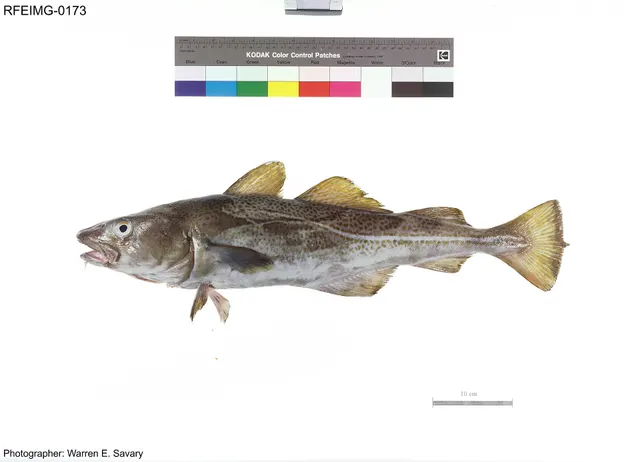
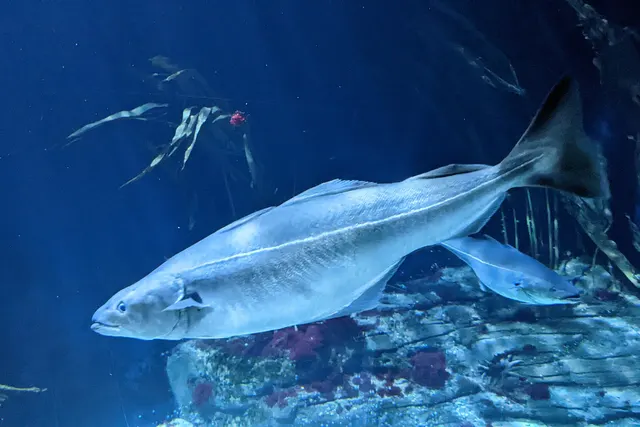
From the shore · 2
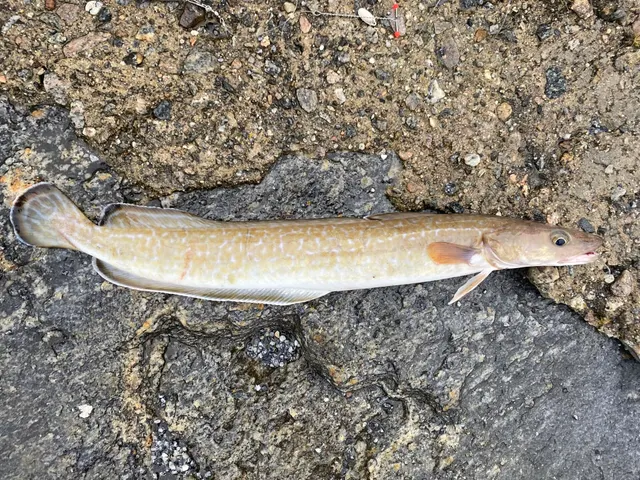
From a boat · 3
What these strengths mean
- Repeatedly reported
- Several independent public accounts. Enough to say it happens more than once; not enough to call it a fishery.
- Recorded here
- At least one credible public account of this species being caught here. That is all it means.
- How breadth is counted
- A fish documented at six marks is shown as six marks: breadth never raises the strength on its own. A fishery account describes the fishing; a recorded catch reports one specific catch. How evidence is weighed.
Also associated with this ground
Recorded as present here without a documented method or strength behind them.
How people fish it
Practised here: Sea fishing.
Methods the sources name for this ground. Each one is explained in full on its own page.
- Jigging
Working a weighted lure with a rising-and-falling motion, usually vertically, so it behaves like a wounded or fleeing baitfish.
- Spinning
Casting an artificial lure and retrieving it so that it moves like something alive — the most direct form of lure fishing.
- Deep-drop fishing
Fishing baits several hundred metres down with heavy weights and, usually, an electric reel — a method defined entirely by what depth does to everything else.
- Kayak fishing
A platform rather than a technique: quiet, shallow-draught access to water no other craft reaches, bought at the price of exposure, and a discipline where the decision not to launch is part of the skill.
The ground and the water
- The ground
- The second-longest fjord in Norway, cut nearly two hundred kilometres into the western mountains, with near-vertical rock walls, glacier-fed rivers entering along its length and exceptionally deep water close to the shore.
- Depth
- Depths of several hundred metres within a stone's throw of the rock, which puts deep-water species within reach of a shore cast in a way almost nothing else does.
Safety
Cold water shock — Can cause serious injury or death
Northern European water is cold enough for most of the year to trigger the involuntary gasp and the loss of swimming ability that decides most immersion deaths, and it does so within the first minute, long before hypothermia is relevant.
What reduces it: Wear a buoyancy aid rather than carry one, carry a means of calling for help on the person rather than in a bag, and plan on the assumption that an unplanned entry into the water is survivable only if somebody knows immediately.
Boat safety — Can cause serious injury or death
Small-boat fishing in cold deep water, frequently in unfamiliar waters, with weather that changes quickly and winds that come off high ground with little warning. Help can be a long way away and mobile coverage is not continuous.
What reduces it: Flotation suits rather than lifejackets in cold water — they buy time that a lifejacket alone does not. Check the forecast for the whole window. File a plan ashore. Carry communications that work beyond phone coverage. Do not go further than the weather and the boat justify.
Rules and access
FishingHQ does not know the current access position here. Norway permits recreational sea angling broadly, but rules on gear, quantity, export, minimum sizes, protected species and boat registration apply and change, and they differ for residents and visitors. Check the current position with the Norwegian Directorate of Fisheries before going. This water is tidal and transitional, so the freshwater regime may also apply above the tidal limit: FishingHQ does not know the current access position here. Norwegian freshwater fishing generally requires both a local fishing permit and, for salmon, sea trout and char, a separate national licence fee, and disinfection of equipment brought from abroad is required in many catchments to protect against parasite spread. Seasons and rules change. Check with the Norwegian Environment Agency and the local rights-holder before going.
Who holds the answer:
- The Norwegian Directorate of Fisheries, for recreational sea fishing measures.
- The harbour authority or landowner, for access.
- The Norwegian Environment Agency, for the national licence and for salmonid regulation.
- The local rights-holder or association that issues the water's permit.
- The national directorate responsible for fisheries, for sea fishing rules including species, size and quantity limits and export restrictions
- The national environment agency, for freshwater and anadromous species and the associated fee
- The landowner, association or river management body holding the fishing rights for any given fresh water
- County and municipal authorities, for local rules and for protected areas
- Border and customs authorities, for the rules on taking caught fish out of the country, which catch visitors out regularly
Sources for this place
- EMODnet — the European Marine Observation and Data Network — The European Commission, assembled from the national hydrographic offices, geological surveys and marine institutes of the member states (Scientific institute)Relied on for: Charted bathymetry, seabed substrate and seabed habitat for European sea areas, assembled from the national hydrographic and geological surveys, at the resolution the product publishes.States this directlyCitation checked — the work exists and is described correctly
- The European Environment Agency's assessments of Europe's waters, seas and coasts — European Environment Agency, Copenhagen (Conservation authority)Relied on for: Assessment of Europe's coasts and regional seas, including the condition of coastal water bodies, the pressures recorded on them and the coverage of designated sites.Background and mechanism onlyCitation checked — the work exists and is described correctly
- ICES Advice on fishing opportunities, catch and effort — International Council for the Exploration of the Sea (Scientific institute)Relied on for: Ecoregion description, stock distribution, nursery function and the hydrography of the north-east Atlantic and Baltic sea areas assessed.States this directlyCitation checked — the work exists and is described correctly
- FishBase: a global information system on fishes — Froese, R. and D. Pauly, eds. — FishBase Consortium (Scientific institute)Relied on for: Recorded distribution, depth range and habitat association of the species named for this ground.States this directlyPassage read and verified
How FishingHQ labels evidence is explained in the evidence policy. Last reviewed 2026-08-18.