The South Uist machair beaches
Surf beach · Salt water · in Outer Hebrides
Twenty miles of unbroken white shell sand down the Atlantic side of South Uist, backed by machair and freshwater lochs and with almost no rock on the whole length of it. As uniform a surf beach as exists in Britain.
Safety: cold water shock — can cause serious injury or death (general advice, not specific to this place). 2 more points apply here.
FishingHQ describes what this place is, not whether you may fish it. Access, permits and who to ask.
What you can catch here
Documented at this place, grouped by how you would be fishing, with how strongly the sources support each one. This is what has been written down, not a forecast, and being listed is never permission to fish.
From the shore · 4
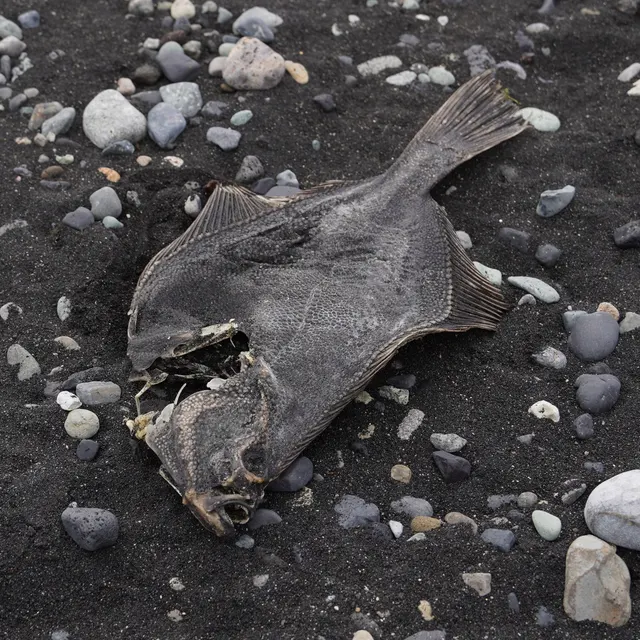 European flounderRegular local target1 placeThe South Uist machair beachesOver surf beach
Photo: nbasargin, via iNaturalist, CC BY; resized and trimmed to fit
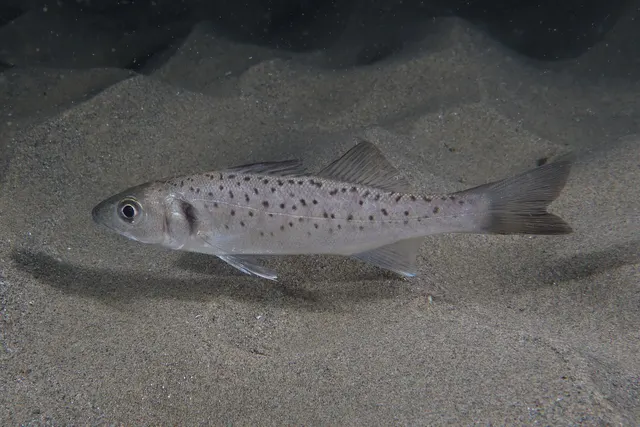 European sea bassSeasonal1 placeThe South Uist machair beachesOver surf beachAround Jun–Sept
Photo: Julien Renoult, via Wikimedia Commons, CC BY 4.0; resized and trimmed to fit
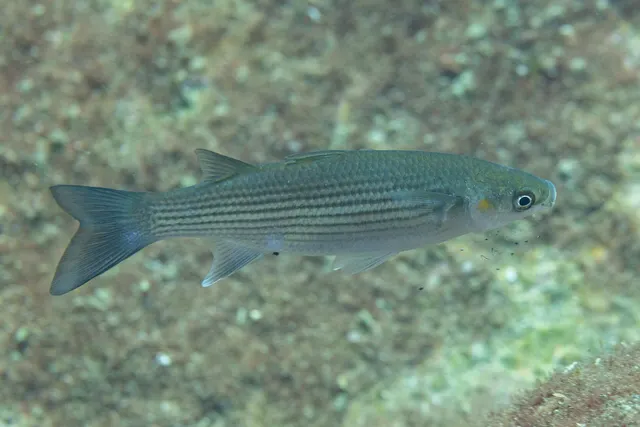 Thick-lipped grey mulletSeasonal1 placeThe South Uist machair beachesOver surf beachAround Jun–Sept
Photo: Diego Delso, via Wikimedia Commons, CC BY-SA 4.0; resized and trimmed to fit; shared under the same licence
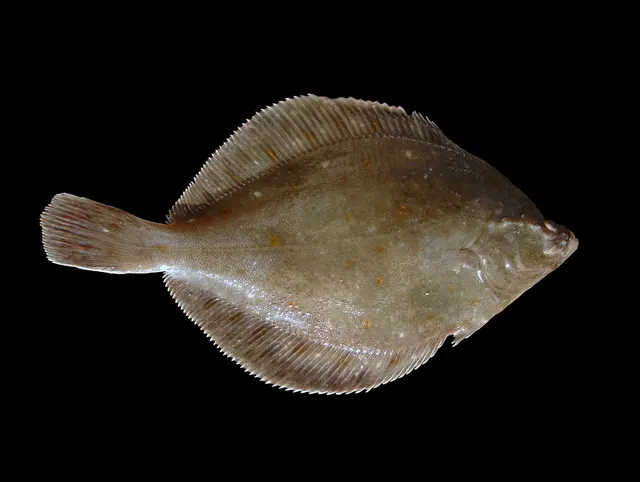 European plaiceRecorded here1 placeThe South Uist machair beachesOver surf beach
Photo: Hans Hillewaert, via Wikimedia Commons, CC BY-SA 4.0; resized; shared under the same licence


What these strengths mean
- Regular local target
- Fishing sources describe this as a normal local target here, not merely as caught.
- Seasonal
- Well supported, and concentrated in part of the year rather than spread through it.
- Recorded here
- At least one credible public account of this species being caught here. That is all it means.
- How breadth is counted
- A fish documented at six marks is shown as six marks: breadth never raises the strength on its own. A fishery account describes the fishing; a recorded catch reports one specific catch. How evidence is weighed.
Fish documented nearby, not here
Nothing below has been documented at The South Uist machair beaches itself. Each one has been documented at a named place on the same ground, and the places are listed with it. Treat this as what the water around here holds rather than as a catch list for this mark.
Also documented at neighbouring places
One or two accounts each, on the ground around here. Enough to know the fish is caught in these waters; not enough to say anything about this place.
From the shore
- Atlantic mackerel — documented at Griminish Pier; Kallin Harbour
- Pollack — documented at Griminish Pier; Kallin Harbour
How people fish it
Practised here: Sea fishing.
Methods the sources name for this ground. Each one is explained in full on its own page.
- Surfcasting
Casting heavy baited tackle from a beach into surf — a method defined by distance, by tide, and by reading water that all looks the same.
- Ledgering
Fishing a bait on the bottom held by a weight, with no float — the simplest way to fish at distance, in depth, or in wind.
- Spinning
Casting an artificial lure and retrieving it so that it moves like something alive — the most direct form of lure fishing.
Baits and lures for these fish
The baits and lures each of the fish above is commonly taken on, from that fish’s own page. This is what works for the fish, not a report of what people use on this particular water — local knowledge and the conditions on the day still decide.
Baits
- Ragworm — for European flounder, European sea bass, Thick-lipped grey mullet, European plaice
- Lugworm — for European flounder, European plaice
- Peeler crab — for European flounder, European sea bass
- Bread — for Thick-lipped grey mullet
- Crab and shellfish — for European sea bass
- Fish strip and cut bait — for Thick-lipped grey mullet
- Maggots — for Thick-lipped grey mullet
- Sand eel — for European sea bass
Lures
- Jerkbaits — for European sea bass
- Metal jigs — for European sea bass
- Soft plastics — for European sea bass
- Streamers — for European sea bass
- Surface lures — for European sea bass
How to catch them: Flounder fishing · Bass fishing · Grey mullet fishing · Plaice fishing
Rods, reels and rigs for them: European flounder · European sea bass · Thick-lipped grey mullet · European plaice
The ground and the water
- The ground
- Twenty miles of unbroken white shell sand down the Atlantic side of South Uist, backed by machair and freshwater lochs and with almost no rock on the whole length of it. As uniform a surf beach as exists in Britain.
- Exposure
- Fully open west into the Atlantic for the whole twenty miles.
Through the year
Peaks in the summer.
The months the sources attach to each species here. Where a species carries no season it is listed underneath rather than assumed to run through the year.
| Species | J | F | M | A | M | J | J | A | S | O | N | D |
|---|---|---|---|---|---|---|---|---|---|---|---|---|
| European sea bass — seasonal, recorded in June, July, August, September. | ||||||||||||
| Thick-lipped grey mullet — seasonal, recorded in June, July, August, September. |
Recorded here with no season stated: European flounder, European plaice.
Safety
Cold water shock — Can cause serious injury or death
General safety for this kind of ground, not a finding about this place.
UK coastal and inland water is cold enough for most of the year to trigger the involuntary gasp and the loss of swimming ability that decides most immersion deaths, and it does so within the first minute, long before hypothermia is relevant.
What reduces it: Wear a buoyancy aid rather than carry one, carry a means of calling for help on the person rather than in a bag, and plan on the assumption that an unplanned entry into the water is survivable only if somebody knows immediately.
Cliffs and rock platforms — Can cause serious injury or death
General safety for this kind of ground, not a finding about this place.
The Atlantic-facing coast takes unobstructed ocean swell. Rock platforms and exposed headlands are reached by waves generated by weather thousands of miles away and invisible locally.
What reduces it: Check swell rather than wind. Observe an exposed mark for a sustained period before committing. Fish the sheltered eastern side when the west is running — the choice of coast is the local skill.
Fishing alone — Can cause serious injury or death
General safety for this kind of ground, not a finding about this place.
Sparse population, long distances between settlements, unreliable mobile coverage on much of the coast and interior, and a great deal of fishing done alone a long way from a road.
What reduces it: Tell somebody your plan and expected return. Do not assume mobile coverage; carry an alternative means of calling for help where it matters. Allow for the fact that help is not close.
Rules and access
FishingHQ does not know the current access position here. Sea angling in Scotland is not rod-licensed, but access rights under the Scottish Outdoor Access Code carry responsibilities, and harbour, local authority, marine conservation and fisheries measures all apply and all change. Check the current position with the Marine Directorate, the harbour or local authority and the land manager before going.
Who holds the answer:
- The Scottish Government Marine Directorate, for sea fisheries measures in Scottish waters.
- The harbour authority or land manager, for access to the structure or the ground.
- The local authority, for shellfish harvesting classification.
- The Scottish fisheries and marine authorities, for sea fisheries rules, sizes and protected areas
- The relevant estate, angling club or community body, for freshwater permits — which are required and are obtained locally
- The local authority environmental health service, for shellfish harvesting classification and closures
- Local clubs and tackle shops, which in a sparsely populated island chain are the practical route to current access information
Nearby fishing
Other publicly documented places within about 40 km, by distance. Positions are approximate public geography and are never exact marks.
- Kallin Harbour — 25–40 km · Harbour wall
Sources for this place
- Sea Angler — Bauer Media (Specialist angling publication)Relied on for: Long-running published description of British sea angling practice by region, ground type and named mark.FishingHQ's interpretation of what it saysCitation checked — the work exists and is described correctly
- General angling website restatements of established technique — Various (Credible secondary source)Relied on for: Widely restated public descriptions of which places are conventionally fished and how, recorded as practitioner consensus rather than as scholarship, and not relied on for access, permission or any current rule.Background and mechanism onlyCitation checked — the work exists and is described correctly
- British Sea Fishing: Scottish shore marks — British Sea Fishing (Credible secondary source)Relied on for: Which species are fished for at each named Scottish shore mark and how the fishing divides between the winter and the summer half of the year.States this directlyPassage read and verified
How FishingHQ labels evidence is explained in the evidence policy. Last reviewed 2026-08-16.
Something wrong or out of date?
If something on this page has changed, email us from your own account using the link that fits, with a link to where you saw the change if you can. Every report is checked by a person before anything is changed, and a report never appears on the site by itself. Please don’t send exact private marks.
Before you go
- Fish documented here
- 4 at this place itself. See them.
- Getting there
- Not recorded. FishingHQ holds no sourced description of the way in.
- Rules particular to this water
- None recorded, which is not the same as none existing.
- Hazards particular to this place
- 1 recorded. Safety.
Check before you travel
- Whether you may fish here, and whether a licence or permit is needed — start with the Scottish Government Marine Directorate.
- The tide times and the forecast for the day you go.
- Anything recorded here was true when it was read; it is not watched for change.