Skinningrove jetty
Jetty · Salt water · in The Yorkshire coast
The stub of the old ironstone jetty at the Kilton Beck mouth, with slag and mine waste making up much of the foreshore and rough ground either side. A hard, artificial shore under high cliffs.
Safety: cliffs and rock platforms — can cause serious injury or death. 2 more points apply here.
FishingHQ describes what this place is, not whether you may fish it. Access, permits and who to ask.
What you can catch here
Documented at this place, grouped by how you would be fishing, with how strongly the sources support each one. This is what has been written down, not a forecast, and being listed is never permission to fish.
From the shore · 5
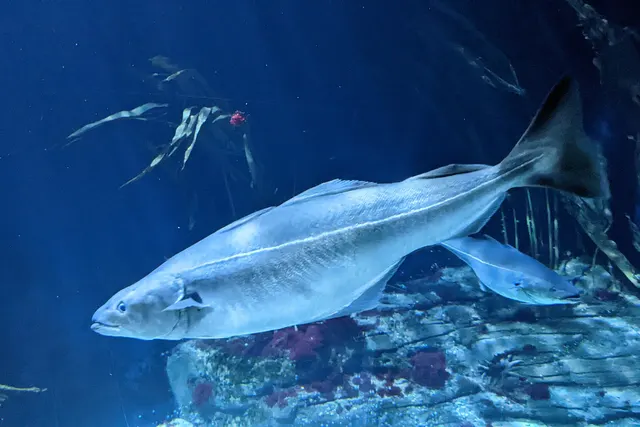 SaitheRegular local target1 placeSkinningrove jettyOver jetty
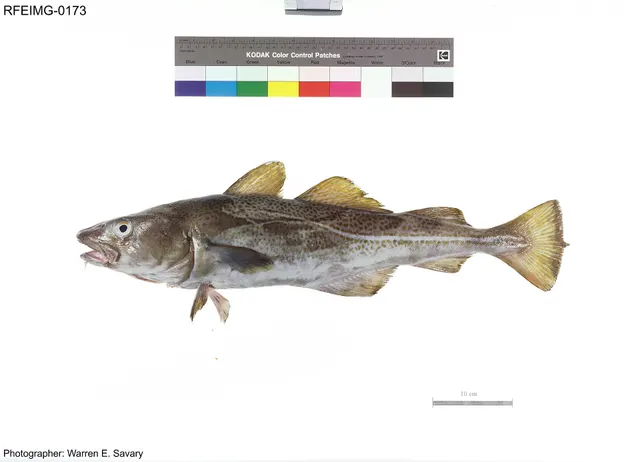 Atlantic codSeasonal1 placeSkinningrove jettyOver jettyAround Jan–Feb, Nov–Dec
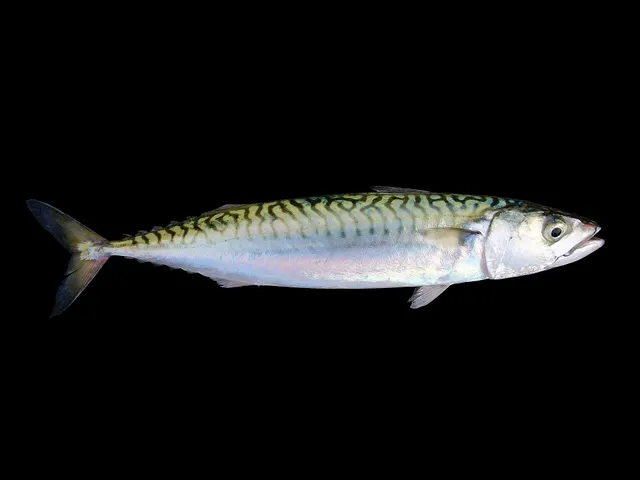 Atlantic mackerelSeasonal1 placeSkinningrove jettyOver jettyAround Jun–Sept
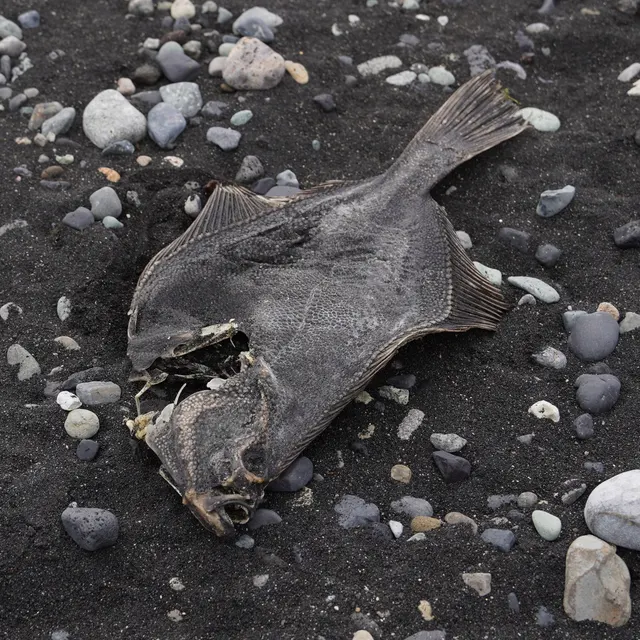 European flounderSeasonal1 placeSkinningrove jettyOver jettyAround Jan–Feb, Nov–Dec
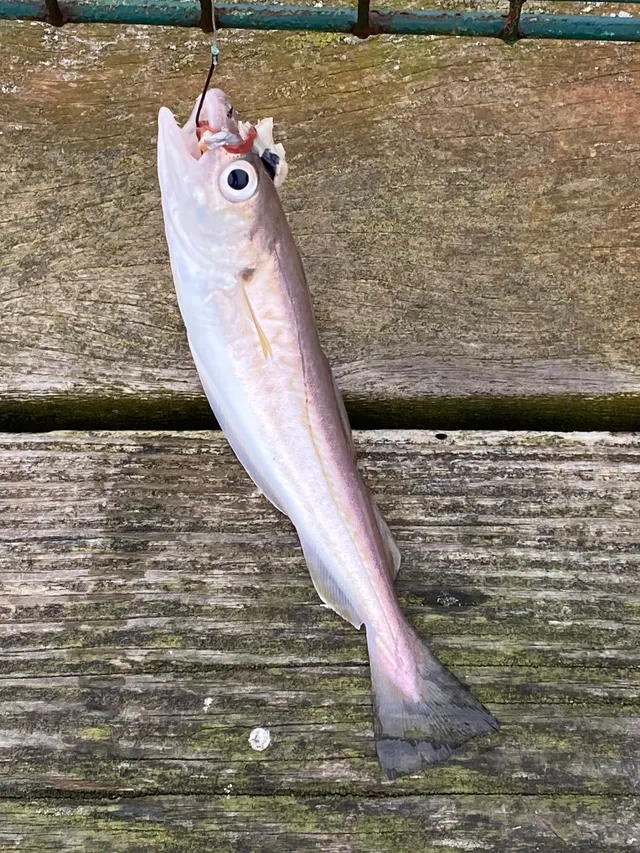 WhitingSeasonal1 placeSkinningrove jettyOver jettyAround Jan–Feb, Nov–Dec
What these strengths mean
- Regular local target
- Fishing sources describe this as a normal local target here, not merely as caught.
- Seasonal
- Well supported, and concentrated in part of the year rather than spread through it.
- How breadth is counted
- A fish documented at six marks is shown as six marks: breadth never raises the strength on its own. A fishery account describes the fishing; a recorded catch reports one specific catch. How evidence is weighed.
Fish documented nearby, not here
Nothing below has been documented at Skinningrove jetty itself. Each one has been documented at a named place on the same ground, and the places are listed with it. Treat this as what the water around here holds rather than as a catch list for this mark.
Widely documented on this ground
Documented at three or more neighbouring places, fished a way this place is also fished. That is a pattern about the ground rather than about any one mark, and it is the closest this site comes to saying you will probably meet a fish somewhere nothing has been written about.
From the shore
- Pollack — documented at Cloughton Wyke; Scarborough South Bay pier; Whitby piers
Also documented at neighbouring places
One or two accounts each, on the ground around here. Enough to know the fish is caught in these waters; not enough to say anything about this place.
From the shore
- Ballan wrasse — documented at Filey Brigg; Cloughton Wyke
- Dab — documented at Robin Hood's Bay; Whitby piers
- European sea bass — documented at Robin Hood's Bay; Cayton Bay
How people fish it
Practised here: Sea fishing.
Methods the sources name for this ground. Each one is explained in full on its own page.
- Ledgering
Fishing a bait on the bottom held by a weight, with no float — the simplest way to fish at distance, in depth, or in wind.
- Surfcasting
Casting heavy baited tackle from a beach into surf — a method defined by distance, by tide, and by reading water that all looks the same.
- Feathering and multi-lure traces
A string of small lures on droppers, worked in the water column — how most people in Britain and Ireland catch their first sea fish, and the method most likely to catch far more than anybody intended.
Baits and lures for these fish
The baits and lures each of the fish above is commonly taken on, from that fish’s own page. This is what works for the fish, not a report of what people use on this particular water — local knowledge and the conditions on the day still decide.
Baits
- Lugworm — for Atlantic cod, Whiting
- Peeler crab — for Atlantic cod, European flounder
- Crab and shellfish — for Saithe
- Fish strip and cut bait — for Atlantic cod
- Ragworm — for European flounder
- Sand eel — for Saithe
- Squid and cuttlefish — for Atlantic cod
Lures
- Metal jigs — for Saithe, Atlantic cod, Atlantic mackerel
- Soft plastics — for Saithe, Atlantic cod
- Spinners — for Atlantic mackerel
The ground and the water
- The ground
- The stub of the old ironstone jetty at the Kilton Beck mouth, with slag and mine waste making up much of the foreshore and rough ground either side. A hard, artificial shore under high cliffs.
- Exposure
- Open north-east into the North Sea below the highest cliffs in England.
Through the year
Winter cod and whiting; coalfish through the year; mackerel in summer.
The months the sources attach to each species here. Where a species carries no season it is listed underneath rather than assumed to run through the year.
| Species | J | F | M | A | M | J | J | A | S | O | N | D |
|---|---|---|---|---|---|---|---|---|---|---|---|---|
| Atlantic cod — seasonal, recorded in November, December, January, February. | ||||||||||||
| Atlantic mackerel — seasonal, recorded in June, July, August, September. | ||||||||||||
| European flounder — seasonal, recorded in November, December, January, February. | ||||||||||||
| Whiting — seasonal, recorded in November, December, January, February. |
Recorded here with no season stated: Saithe.
Safety
Cliffs and rock platforms — Can cause serious injury or death
Anglers are swept from rock platforms by individual large sets rather than by the average sea, which means the conditions that kill people frequently look survivable for the twenty minutes before they arrive. Wet rock, weed and a swell running onto a sloping platform remove any chance of recovery.
What reduces it: Watch the water for a full set cycle before committing to a position, know the escape route and how long it takes, wear a flotation aid rather than carry one, never fish a platform alone, and treat a rising swell forecast as a reason not to go rather than a reason to be careful.
Cold water shock — Can cause serious injury or death
UK coastal and inland water is cold enough for most of the year to trigger the involuntary gasp and the loss of swimming ability that decides most immersion deaths, and it does so within the first minute, long before hypothermia is relevant.
What reduces it: Wear a buoyancy aid rather than carry one, carry a means of calling for help on the person rather than in a bag, and plan on the assumption that an unplanned entry into the water is survivable only if somebody knows immediately.
Tides and being cut off — Can cause serious injury or death
Wave-cut rock scars flood from the seaward edge and from behind at the same time, so the route back across the low ground between the platform and the cliff closes while the platform is still dry and while the angler is facing the sea.
What reduces it: Walk the exit before fishing and note the low ground. Set a leaving time from the tide rather than from the fishing. Do not go out onto a scar on a rising tide unless the exit stays above water for the whole session.
Worse when:
- Spring tides, when the platform covers faster and further.
- In the dark, when the low ground behind cannot be seen filling.
Rules and access
FishingHQ does not know the current access position here. Shore angling in England is not rod-licensed, but access rights, landowner permission, local authority and harbour byelaws, national and inshore fisheries measures, and site designations all apply and all change. Check the current position with the relevant inshore fisheries and conservation authority, the harbour or local authority, and the landowner before going.
Who holds the answer:
- The Inshore Fisheries and Conservation Authority for the district, which makes and enforces inshore byelaws.
- The Marine Management Organisation, for national recreational sea fishing measures in English waters.
- The local authority and, where one exists, the harbour authority, for access, byelaws and shellfish classification.
- The relevant Inshore Fisheries and Conservation Authority for the district, which makes and enforces inshore byelaws including those on bait collection.
- Natural England and the site management body, where a marine or coastal designation affects access, vehicles or collection.
- The harbour authority or commissioners at each port, where fishing is from harbour structures or small craft are launched.
- The statutory harbour authority for the Humber, for navigation and access on the estuary.
- The Maritime and Coastguard Agency and the RNLI, for safety guidance on this coast.
Nearby fishing
Other publicly documented places within about 40 km, by distance. Positions are approximate public geography and are never exact marks.
- Saltburn — 5–10 km · Beach
- Staithes — 5–10 km · Cove
- Port Mulgrave — 5–10 km · Jetty
- Runswick Bay — 10–25 km · Bay
- Redcar — 10–25 km · Beach
- South Gare — 10–25 km · Breakwater
- The Tees estuary — 10–25 km · Estuary
- Whitby piers — 10–25 km · Pier
Sources for this place
- Sea Angler — Bauer Media (Specialist angling publication)Relied on for: Long-running published description of British sea angling practice by region, ground type and named mark.FishingHQ's interpretation of what it saysCitation checked — the work exists and is described correctly
- General angling website restatements of established technique — Various (Credible secondary source)Relied on for: Widely restated public descriptions of which places are conventionally fished and how, recorded as practitioner consensus rather than as scholarship, and not relied on for access, permission or any current rule.Background and mechanism onlyCitation checked — the work exists and is described correctly
- British Sea Fishing: north-east England and Yorkshire shore marks — British Sea Fishing (Credible secondary source)Relied on for: Which species are fished for at each named north-east England shore mark, in which season, at which state of tide and after which weather.States this directlyPassage read and verified
How FishingHQ labels evidence is explained in the evidence policy. Last reviewed 2026-08-16.