The Old Bedford River and the Delph
Drain · Fresh water · in The Fens and their drains
Two straight seventeenth-century artificial channels running parallel across the Fens with the Ouse Washes flood storage area between them: uniform width, steep clay banks, silt bed, and no natural features at all.
Safety: drowning and immersion — can cause serious injury or death. 2 more points apply here.
FishingHQ describes what this place is, not whether you may fish it. Access, permits and who to ask.
What you can catch here
Documented at this place, grouped by how you would be fishing, with how strongly the sources support each one. This is what has been written down, not a forecast, and being listed is never permission to fish.
From the shore · 3
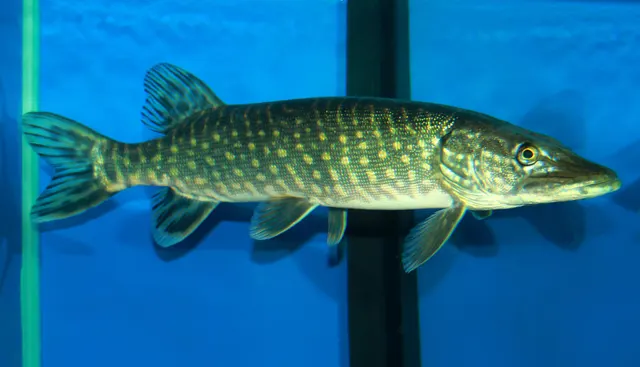
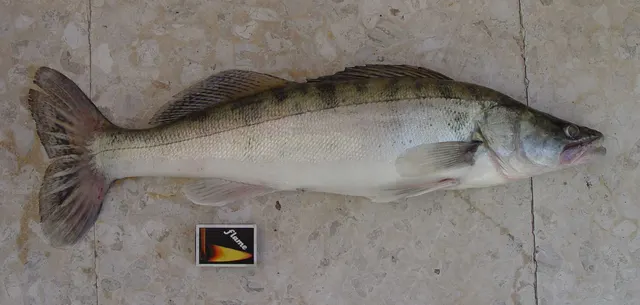
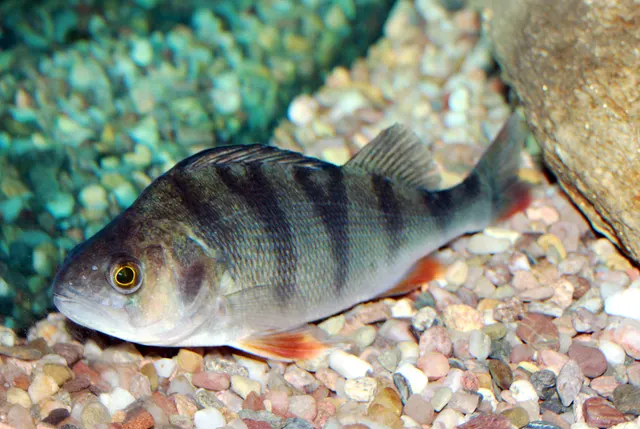
What these strengths mean
- Regular local target
- Fishing sources describe this as a normal local target here, not merely as caught.
- Repeatedly reported
- Several independent public accounts. Enough to say it happens more than once; not enough to call it a fishery.
- How breadth is counted
- A fish documented at six marks is shown as six marks: breadth never raises the strength on its own. A fishery account describes the fishing; a recorded catch reports one specific catch. How evidence is weighed.
Also associated with this ground
Recorded as present here without a documented method or strength behind them.
Roach · Common bream · Rudd
How people fish it
Practised here: Coarse fishing.
Methods the sources name for this ground. Each one is explained in full on its own page.
- Float fishing
Suspending a bait at a controlled depth beneath a buoyant indicator — the most visual, most controllable and most widely applicable method in angling.
- Ledgering
Fishing a bait on the bottom held by a weight, with no float — the simplest way to fish at distance, in depth, or in wind.
- Deadbaiting
Presenting a dead fish as bait for predators — a method that works because scavenging is normal predator behaviour, not an exception.
- Spinning
Casting an artificial lure and retrieving it so that it moves like something alive — the most direct form of lure fishing.
The ground and the water
- The ground
- Two straight seventeenth-century artificial channels running parallel across the Fens with the Ouse Washes flood storage area between them: uniform width, steep clay banks, silt bed, and no natural features at all.
- Exposure
- Total. The Fens are the flattest land in Britain and there is nothing at all to break the wind on a drain bank.
- Depth
- Shallow and uniform, which is characteristic of every Fenland drain and is why they fish so differently from rivers.
- Tide and flow
- Not tidal, but heavily managed — levels are set by pumping and by flood operation, and the washes between the channels flood deliberately in winter, which is the defining event of the fishery's year.
Through the year
A winter predator fishery of long standing — pike and zander in cold, clear water — with roach and bream through the warmer months. The annual flooding of the washes redistributes fish through the whole system and is the reason the fishery is unpredictable year to year.
The months the sources attach to each species here. Where a species carries no season it is listed underneath rather than assumed to run through the year.
| Species | J | F | M | A | M | J | J | A | S | O | N | D |
|---|---|---|---|---|---|---|---|---|---|---|---|---|
| Northern pike — regular local target, recorded in October, November, December, January, February. | ||||||||||||
| Zander — regular local target, recorded in October, November, December, January, February. |
Recorded here with no season stated: European perch.
Safety
Drowning and immersion — Can cause serious injury or death
Fen drain banks are steep, high, smooth clay above cold water with no shallow margin and no natural handhold. Somebody who goes in cannot climb out at the point they entered, and the bank is frequently unfenced and unlit.
What reduces it: Test the bank before committing weight, wade only where you can see or have felt the bottom, wear a buoyancy aid on any water you would not want to swim in clothes, and do not fish alone at night on a steep or undercut bank.
Cold water shock — Can cause serious injury or death
UK coastal and inland water is cold enough for most of the year to trigger the involuntary gasp and the loss of swimming ability that decides most immersion deaths, and it does so within the first minute, long before hypothermia is relevant.
What reduces it: Wear a buoyancy aid rather than carry one, carry a means of calling for help on the person rather than in a bag, and plan on the assumption that an unplanned entry into the water is survivable only if somebody knows immediately.
Fishing alone — Can cause injury needing treatment
The Fens are remote, featureless and largely without mobile coverage in places, and a drain bank in winter can be several kilometres from the nearest occupied building.
What reduces it: Tell somebody the specific drain and access point, not the general area; carry a means of calling for help on the person; and do not fish a remote bank alone in winter darkness.
Rules and access
Licence
A rod licence is required for freshwater rod fishing in England, issued by the Environment Agency.
Permission to fish
Separate. Almost all fishing rights are held by a club, association, riparian owner or navigation authority, and the licence does not grant access to any of them.
FishingHQ does not know the current access position here. Freshwater rod fishing in England requires a current rod licence AND separate permission from whoever controls the fishing, which is frequently a club, riparian owner or navigation authority rather than a public body. Close seasons, byelaws and local rules apply and change. Check with the Environment Agency and with the controlling club or owner before going.
Particular to this water: This ground carries conservation designations that constrain access, vehicles, bait collection and disturbance independently of any fishing rule.
Who holds the answer:
- The Environment Agency, for rod licensing, close seasons and fisheries byelaws in England.
- The club, association, riparian owner or navigation authority that controls the fishing.
- The national fisheries authority for England, for rod licensing, byelaws, close seasons and fisheries enforcement.
- The internal drainage boards, which operate the pumping stations and sluices and manage water levels across the system.
- The navigation authority for the navigable rivers and channels within the system.
- The angling club, consortium or landowner controlling the specific water, for permission to fish it.
- The authorities responsible for invasive and non-native species, for the rules on moving or returning particular fish.
- The internal drainage board and the Environment Agency, as the bodies that manage water levels and the flood operation.
Nearby fishing
Other publicly documented places within about 40 km, by distance. Positions are approximate public geography and are never exact marks.
- The Middle Level Main Drain — 10–25 km · Drain
- The Sixteen Foot Drain — 10–25 km · Drain
- The Great Ouse at Ely — 10–25 km · River reach
- The Forty Foot Drain — 10–25 km · Drain
- The Relief Channel — 10–25 km · Drain
- The Nene at Peterborough — 25–40 km · River reach
- The Counter Drain — 25–40 km · Drain
- The Welland at Spalding — 25–40 km · River reach
Sources for this place
- Environment Agency fisheries management, byelaws and rod licensing information — Environment Agency (Government fisheries body)Relied on for: Freshwater and transitional-water fisheries management in England, the structure of rod licensing, close seasons and byelaws, and the monitoring of rivers and stillwaters.States this directlyCitation checked — the work exists and is described correctly
- Angling Times — Bauer Media (Specialist angling publication)Relied on for: Long-running published description of British coarse and match angling practice by water and by named reach.FishingHQ's interpretation of what it saysCitation checked — the work exists and is described correctly
- General angling website restatements of established technique — Various (Credible secondary source)Relied on for: Widely restated public descriptions of which waters are conventionally fished and how, recorded as practitioner consensus rather than as scholarship, and not relied on for access, permission or any current rule.Background and mechanism onlyCitation checked — the work exists and is described correctly
- RNLI water safety guidance: cold water shock and Float to Live — Royal National Lifeboat Institution (Water-safety or diver-training authority)Relied on for: Cold water shock and the immersion response, tidal cut-off, and water-safety guidance for shore anglers and small-craft users.States this directlyPassage read and verified
How FishingHQ labels evidence is explained in the evidence policy. Last reviewed 2026-08-16.