Lough Mask
Lough · Fresh water · in Lough Corrib
A large limestone lough immediately above Lough Corrib and connected to it underground, with a rocky, shallow, boulder-strewn bed over much of its area, sheer cliffs on the western shore and extensive shallow bays on the east.
Safety: boat safety — can cause serious injury or death. One more point applies here.
FishingHQ describes what this place is, not whether you may fish it. Access, permits and who to ask.
What you can catch here
Documented at this place, grouped by how you would be fishing, with how strongly the sources support each one. This is what has been written down, not a forecast, and being listed is never permission to fish.
From a boat · 3
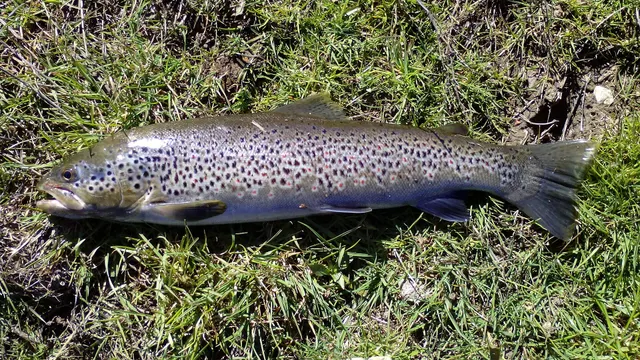 Brown troutCharacteristic of this water1 placeLough MaskOver loughAround Apr–Aug
Photo: Robermix, via Wikimedia Commons, CC0; resized and trimmed to fit
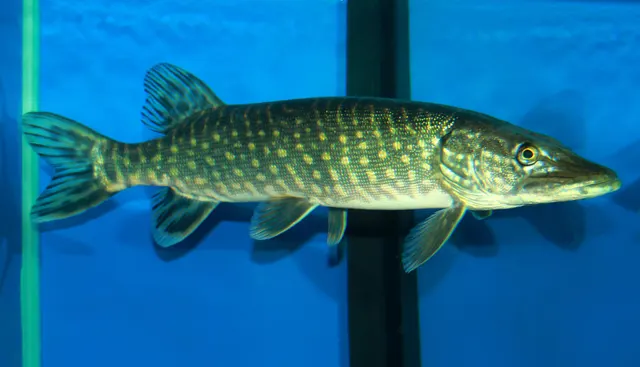 Northern pikeRegular local target1 placeLough MaskOver lough
Photo: Karelj, via Wikimedia Commons, public domain; resized and trimmed to fit
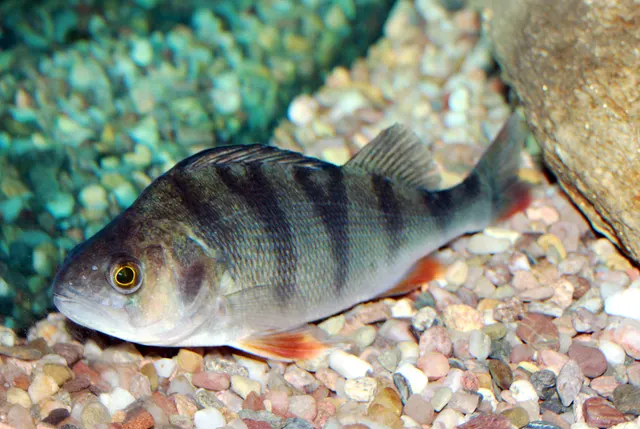 European perchRepeatedly reported1 placeLough MaskOver lough
Photo: Karelj, via Wikimedia Commons, public domain; resized and trimmed to fit


What these strengths mean
- Characteristic of this water
- This water is strongly identified with this species by the sources that cover it.
- Regular local target
- Fishing sources describe this as a normal local target here, not merely as caught.
- Repeatedly reported
- Several independent public accounts. Enough to say it happens more than once; not enough to call it a fishery.
- How breadth is counted
- A fish documented at six marks is shown as six marks: breadth never raises the strength on its own. A fishery account describes the fishing; a recorded catch reports one specific catch. How evidence is weighed.
Recorded here, but not a species to target
These are recorded here, but they are not fish to take. Each is either assessed as Critically Endangered or protected by statute in this jurisdiction, and taking one may be prohibited outright — elsewhere every rod-caught fish must be returned. Read the species page and check the current rules with the authority before fishing.
How people fish it
Practised here: Fly fishing, Coarse fishing, Predator fishing.
Methods the sources name for this ground. Each one is explained in full on its own page.
- Stillwater fly fishing
Fly fishing without current, where the angler supplies every movement and the problem becomes finding fish rather than presenting to them.
- Trolling
Towing lures or baits behind a moving boat to cover large volumes of water and locate scattered fish.
- Float fishing
Suspending a bait at a controlled depth beneath a buoyant indicator — the most visual, most controllable and most widely applicable method in angling.
Baits and lures for these fish
The baits and lures each of the fish above is commonly taken on, from that fish’s own page. This is what works for the fish, not a report of what people use on this particular water — local knowledge and the conditions on the day still decide.
Baits
- Lobworms and worms — for European perch
- Sea deadbaits — for Northern pike
Lures
- Crankbaits — for Northern pike, European perch
- Soft plastics — for Northern pike, European perch
- Dry flies — for Brown trout
- Jerkbaits — for Northern pike
- Jigs and jig heads — for European perch
- Nymphs — for Brown trout
- Spinnerbaits and bladed jigs — for Northern pike
- Spinners — for European perch
Also: Spoons · Streamers · Terrestrial fly patterns · Wet flies
How to catch them: Brown trout fishing · Pike fishing · Perch fishing
The ground and the water
- The ground
- A large limestone lough immediately above Lough Corrib and connected to it underground, with a rocky, shallow, boulder-strewn bed over much of its area, sheer cliffs on the western shore and extensive shallow bays on the east.
- Exposure
- Big enough and shallow enough to build a short steep sea very quickly in wind, with very little shelter on the open water.
Through the year
The trout fishing is organised around the lough's insect hatches through the spring and early summer, and the water is fished from boats far more than from the shore.
Safety
Boat safety — Can cause serious injury or death
The lough is large, shallow and strewn with rocks, reefs and islands, many of them unmarked and invisible in a ripple. Striking one at speed can hole or capsize a boat, and this has caused fatalities. The lake also raises a steep dangerous sea quickly in wind, and conditions in open water can be far worse than they look from a sheltered bay.
What reduces it: Wear a lifejacket, take a local boatman or learn the safe passages before travelling at speed, keep to known routes, watch the wind forecast rather than the current conditions, and turn for shelter early. Carry a means of summoning help and tell somebody your plan.
Worse when:
- In a ripple or a chop, when submerged rocks cannot be seen.
- In rising wind on the open water, where fetch is long enough to build a steep sea quickly.
- In failing light or fog, when navigation among islands becomes very difficult.
Cold water shock — Can cause serious injury or death
General safety for this kind of ground, not a finding about this place.
Northern European water is cold enough for most of the year to trigger the involuntary gasp and the loss of swimming ability that decides most immersion deaths, and it does so within the first minute, long before hypothermia is relevant.
What reduces it: Wear a buoyancy aid rather than carry one, carry a means of calling for help on the person rather than in a bag, and plan on the assumption that an unplanned entry into the water is survivable only if somebody knows immediately.
Rules and access
Licence
A State licence is required for salmon and sea trout in the Republic of Ireland. None is required for trout, pike or coarse fishing.
Permission to fish
Separate, and frequently required even where no licence is. A local permit from the club, fishery or state fisheries body is normal, and some catchments require one for coarse and pike fishing as well.
FishingHQ does not know the current access position here. Irish freshwater angling requires permission from whoever holds the fishing rights, and salmon and sea trout additionally require a state licence and a tagging arrangement. Seasons, permits and conservation measures apply and change. Check with Inland Fisheries Ireland and with the fishery owner or club before going.
Who holds the answer:
- Inland Fisheries Ireland, for licensing, seasons and fisheries protection.
- The fishery owner, club or association that controls the water.
- The state inland fisheries body, which manages the lough, its feeder rivers, the salmon and sea trout stocks and the byelaws applying to them.
- The national parks and wildlife service and equivalent conservation bodies, for the European habitat designations covering the lough and its catchment.
- The environmental protection agency and local authorities, for water quality, nutrient management and catchment measures.
- The maritime safety authority, for small-craft and lifejacket requirements on the lough.
- The local angling federations and clubs, which have historically played a substantial role in the management and stewardship of the fishery.
Nearby fishing
Other publicly documented places within about 40 km, by distance. Positions are approximate public geography and are never exact marks.
- Bertra Strand — 25–40 km · Beach
- Killary Harbour — 25–40 km · Sea loch
- Clew Bay — 25–40 km · Bay
- Rossaveal — 25–40 km · Harbour wall
- Spiddal Pier — 25–40 km · Pier
Sources for this place
- Freshwater Fishes of the British Isles — HarperCollins (New Naturalist 75), 1992 (Reference work)Relied on for: Distribution, habitat requirement, ecology and life history of European freshwater fishes, including the species named for this water.States this directlyCitation checked — the work exists and is described correctly
- The European Environment Agency's assessments of Europe's waters, seas and coasts — European Environment Agency, Copenhagen (Conservation authority)Relied on for: Assessment of Europe's surface waters, including hydromorphological modification, barriers to migration and the pressures recorded on the water body.States this directlyCitation checked — the work exists and is described correctly
- Trout & Salmon — Bauer Media (Specialist angling publication)Relied on for: Long-running published description of European game angling practice by river and season, including the continental destinations British anglers fish.FishingHQ's interpretation of what it saysCitation checked — the work exists and is described correctly
- General angling website restatements of established technique — Various (Credible secondary source)Relied on for: Widely restated public descriptions of which continental waters are conventionally fished and how, recorded as practitioner consensus rather than as scholarship, and not relied on for access, permission or any current rule.Background and mechanism onlyCitation checked — the work exists and is described correctly
- RNLI water safety guidance: cold water shock and Float to Live — Royal National Lifeboat Institution (Water-safety or diver-training authority)Relied on for: Cold water shock and the immersion response, tidal cut-off, and water-safety guidance for shore anglers and small-craft users. Cited for the mechanism, which does not vary by coast.States this directlyPassage read and verified
How FishingHQ labels evidence is explained in the evidence policy. Last reviewed 2026-08-18.