The Finnish lake district
Fishing regions · Last reviewed 2026-08-16
Tens of thousands of connected lakes cut into ancient rock and stained brown by peat, frozen for months of the year, with a public right to fish that has no equivalent in most of Europe.
Safety: cold water shock — can cause serious injury or death. 3 more points apply here.
Being listed here is not permission to fish. What that meansClose
Access, fishing rights, seasons, licences, local bylaws and permitted methods vary and can change. Check current access, permission, local regulations, closures and restrictions before you travel or fish. FishingHQ describes what the ground is and names who holds the answer; it does not hold the answer itself.
Find the authority for a jurisdiction · What FishingHQ does and does not cover
The Finnish lake district is a system-tier record because the lakes are not separate waters: they form connected chains and basins across a large part of the country, they share one geological and chemical character, and describing them individually would be an exercise in gazetteering.
WHAT MADE THEM. Ice sheets scoured a very old, very hard crystalline shield, gouging out basins and depositing ridges. When the ice retreated the depressions filled, and because the land is low-relief and the drainage immature, the water did not organise itself into rivers — it sat in tens of thousands of interconnected lakes joined by short channels and rapids.
THE WATER IS BROWN AND THAT IS THE DEFINING CHEMISTRY. Peatland and forest catchments deliver dissolved humic substances, which stain the water tea-coloured, reduce light penetration substantially, and make the water soft and slightly acidic. Nutrient levels are low. So these are dark, cool, soft, moderately unproductive waters, and everything about the fish community follows.
WHAT LIVES THERE. Pike and perch above all, which suit dark structured water. Zander in the larger and warmer basins, which is a substantial and growing fishery. Whitefish and vendace, which are cold-water species of real cultural and commercial importance here. Brown trout and Arctic char in the coldest and cleanest waters, and landlocked salmon in some systems. Burbot, which is a genuinely important winter fish here rather than a curiosity.
THE ICE IS THE ORGANISING FACT OF THE YEAR. These lakes freeze for months, the ice becomes a working surface, and ice fishing is not a novelty but the ordinary way a great many people fish through a large part of the year. It has its own tackle, its own species targets and its own safety discipline.
AND THE ACCESS ARRANGEMENT IS UNUSUAL IN EUROPE. Finland operates a public right of access to nature, and alongside it a fishing framework in which certain simple methods are available to everybody without payment, while others require a national fisheries management fee and in places a water-specific permit. That combination — broad public access with a layered permit system on top — is quite different from the private-rights model of Britain and Ireland, and it is the single most important structural thing for a visitor to understand.
THE SAIMAA SEAL IS THE CONSERVATION HEADLINE. A landlocked freshwater seal population found nowhere else, critically small, and subject to fishing gear restrictions in its range that exist to prevent entanglement.
What fishing here is like
Tens of thousands of connected lakes and basins cut by ice into ancient hard crystalline rock, joined by short channels and rapids, across a low-relief forested and peaty landscape. Water is stained brown by dissolved humic substances from peat and forest catchments, which reduces light penetration substantially and makes it soft, slightly acidic and moderately unproductive. Lakes are generally shallow to moderately deep with extensive rocky shoals, islands, reedbeds and drowned timber. The system freezes for a substantial part of the year and the ice becomes a working surface.
How people fish here
4 methods are recorded on the places documented here, counted from the records themselves rather than from what is practised in the country. Each opens a full guide to the technique.
Ice fishing
Recorded at 2 places here, over lake.
Fishing through a hole cut in ice — a normal winter method across northern Europe and North America, and one where the ice itself is the principal hazard.
Spinning
Recorded at 2 places here, over lake.
Casting an artificial lure and retrieving it so that it moves like something alive — the most direct form of lure fishing.
Trolling
Recorded at 2 places here, over lake.
Towing lures or baits behind a moving boat to cover large volumes of water and locate scattered fish.
Jigging
Recorded at 1 place here, over lake.
Working a weighted lure with a rising-and-falling motion, usually vertically, so it behaves like a wounded or fleeing baitfish.
These are the methods documented at the places FishingHQ holds here. A species listed beside a method is documented on the same ground, which is not the same as being taken that way — where a source establishes the method a fish was caught on, it is stated on that place’s own page. All fishing methods.
What dominates
Pike and perch fishing by lure, which is the mainstay and which the dark structured water suits. Zander fishing in the larger and warmer basins, growing substantially. Ice fishing through the frozen months, which is ordinary practice rather than a novelty and includes jigging for perch, burbot fishing at night and set lines for pike. Trolling on the larger open basins for salmonids and pike. Fly fishing in the connecting rapids for trout and grayling. Traditional net and trap fishing for whitefish and vendace, which persists and is culturally important. Boat fishing generally, since the productive water is usually out among the shoals and islands.
The water available
Tens of thousands of connected humic-stained lakes on hard crystalline shield rock; short connecting channels and rapids; extensive rocky shoals, skerries and islands; reedbed, drowned timber and boulder margins; deep cold basins in the larger lakes; peatland and forest catchments delivering the dissolved humic substances that colour the water; and a months-long ice cover that becomes a working surface each winter.
How the rules are structured
Finland's arrangement is structurally different from the private-rights model of Britain and Ireland and is worth understanding before arriving. A broad public right of access to nature exists, and on top of it sits a layered fishing framework: certain simple methods are available to everybody without payment as a general public right; most other recreational fishing requires a national fisheries management fee paid by anybody within a defined age range; and in many waters a further water-specific permit from the owner or the local fishing area is required as well. Rules on minimum sizes, closed seasons and permitted gear are national with local variation, and several species carry specific protection. In the range of the Saimaa ringed seal, gear restrictions apply seasonally to prevent entanglement and are strictly enforced. FishingHQ does not state what any current rule is, including the fee and permit requirements.
Who to ask
- The Finnish national authority responsible for fisheries, which administers the fisheries management fee and sets national rules on sizes, seasons and gear.
- The local fishing area or water owner, from which the water-specific permit is obtained where one is required in addition to the national fee.
- The environmental authority for the region, where a protected species or area — notably the range of the Saimaa ringed seal — imposes gear restrictions or closures.
- Metsähallitus or the equivalent state land manager, for fishing on state-owned waters and in national parks.
Words you will meet
- Humic water
- Water stained brown by dissolved organic substances leached from peat and forest soils. It is not pollution and not sediment: it is a chemical property that reduces light penetration, softens the water and shapes which species do well — which is why these lakes are pike and perch water rather than clear-water salmonid water.
- Everyman's right
- The Nordic public right of access to nature, which allows movement and certain activities on land regardless of ownership. It is the reason access here feels so different from Britain, and it is not a right to fish by any method — the fishing framework sits alongside it and has its own layers.
- Pilkki
- Ice fishing with a short rod and a small jig through a drilled hole, targeting perch above all. It is ordinary winter practice for a very large number of people here rather than a specialist pursuit, and it has its own tackle, competitions and etiquette.
Conditions and hazards
The ice is the dominant hazard and it is a technical one rather than a general one. Ice thickness varies enormously across a single lake: it is thinner over currents, at inflows and outflows, around islands and shoals where water moves, near reeds where gas and decay weaken it, and anywhere a spring discharges. Early and late season are the dangerous periods, and warm spells and snow cover both change the picture — snow insulates and hides weak areas. Falling through is survivable with the right equipment and preparation and is frequently not without it, which is why ice picks worn on the person, a rope, a companion and a knowledge of the specific water are the standard local kit rather than optional extras. In open water the hazards are ordinary lake ones with a northern accent: cold water year-round even in summer, large open basins that raise a steep sea in wind, and thousands of unmarked rocks and shoals in dark water where a covered rock cannot be seen at all. Distances are large, mobile coverage is patchy in the interior, and winter days are very short.
Brown water on hard rock, and the fish community that produces
The Finnish lakes look alike because they are alike, and two properties — the rock beneath and the colour of the water — explain nearly all of the fishing.
THE ROCK IS ANCIENT AND CHEMICALLY INERT. This is crystalline shield: very old, very hard granite and gneiss that weathers extremely slowly and releases almost nothing into the water. So unlike the limestone waters of Ireland, these lakes get no calcium, no buffering capacity and no fertility from their beds. Whatever chemistry they have comes from the catchment above rather than the rock below.
AND THE CATCHMENT IS PEAT AND FOREST, which delivers dissolved humic substances — the same compounds that colour a peaty upland stream in Britain, at continental scale. That stains the water brown, and the consequences are large.
LIGHT IS THE FIRST CONSEQUENCE. Humic staining absorbs light strongly, so the photic zone is shallow: plants grow in a narrow band, algal production is limited, and visibility for a fish is short even in clean water. That favours predators that hunt by lateral line and by ambush over those that hunt by long-range sight, which is a large part of why pike and perch dominate.
SOFTNESS AND ACIDITY ARE THE SECOND. Low calcium and low buffering means these waters are soft and slightly acidic, and were historically vulnerable to acid deposition — an issue that shaped Nordic freshwater science for decades. It also limits species that need calcium, which is why the crayfish story here is a complicated one and why molluscs are sparse.
LOW PRODUCTIVITY IS THE THIRD. These are not rich waters. Fish grow slowly, populations are moderate rather than dense, and a large pike here is an old pike — considerably older than a fish of the same size from a productive lowland water further south. That is the single most important thing for an angler to internalise, because it changes what returning a fish means.
WHAT ACTUALLY LIVES THERE. Pike everywhere, in structured margins, reed and drowned timber. Perch in enormous numbers and, in the right waters, at real size. Zander in the larger, warmer, more turbid basins — a species that positively prefers low light, which humic water supplies permanently. Whitefish and vendace in the cooler deeper water, which are culturally and commercially important here in a way they are nowhere in Britain. Burbot, active and catchable in midwinter under the ice. Brown trout and Arctic char in the coldest cleanest systems. And landlocked salmon in a few, which is a distinct and precious thing.
AND THE SAIMAA RINGED SEAL SITS ON TOP OF IT. A freshwater seal population isolated since the ice retreated, found nowhere else on earth, and critically small. Gear restrictions in its range exist to prevent entanglement and are enforced, which is a direct and unusual intersection between a conservation problem and ordinary fishing practice.
Backed by research — why, and the sources (4)
Supported by peer-reviewed research or fisheries science. The sources are listed and can be checked.
- Freshwater Fishes of the British Isles — HarperCollins (New Naturalist 75), 1992 (Reference work)Relied on for: Distribution, ecology, life history and conservation status of European freshwater fishes, including the migratory species named.States this directlyCitation checked — the work exists and is described correctly
- FishBase: a global information system on fishes — Froese, R. and D. Pauly, eds. — FishBase Consortium (Scientific institute)Relied on for: Recorded distribution, habitat association and life history of the freshwater and migratory species named.States this directlyPassage read and verified
- JNCC species and habitat conservation advice — Joint Nature Conservation Committee (Conservation authority)Relied on for: Designation, habitat description and conservation status of the marine, coastal and freshwater habitats named, and the species characteristically associated with them.States this directlyCitation checked — the work exists and is described correctly
- FishBase: a global information system on fishes — Froese, R. and D. Pauly, eds. — FishBase Consortium (Scientific institute)Relied on for: Recorded distribution, depth range, habitat association and biology of the species named.States this directlyPassage read and verified
Everyman's right, a national fee, and a permit on top
Finland's access arrangement is the structural thing a visitor most needs to understand, and it is genuinely different from the model FishingHQ's British and Irish records describe.
START WITH WHAT IS DIFFERENT IN PRINCIPLE. In Britain and Ireland the right to fish is private property attached to land, and everything else — rod licences, club books, day tickets — sits on top of somebody's ownership. In Finland there is a broad public right of access to nature, and the fishing framework is built as a series of layers over a base of public entitlement rather than as permissions carved out of private property.
THE FIRST LAYER IS THE PUBLIC ONE. Certain simple methods are available to everybody as a general public right, without payment and without permission. That is the layer that makes casual fishing here so accessible, and it is the reason a family can arrive at a lake and fish without an administrative preliminary.
THE SECOND LAYER IS THE NATIONAL FISHERIES MANAGEMENT FEE. Most other recreational fishing requires it, it is paid by anybody within a defined age range, and it is a national payment rather than a water-specific one. The proceeds go to fisheries management, which makes it closer in spirit to a British rod licence than to a day ticket.
THE THIRD LAYER IS THE WATER-SPECIFIC PERMIT, which many waters require in addition, obtained from the owner or the local fishing area. This is where the ownership element enters, and it is the layer visitors most often miss because the first two felt like the whole answer.
AND ON TOP OF ALL THREE SIT THE ORDINARY RULES: minimum sizes, closed seasons, gear restrictions and species protections, national with local variation.
THE SEAL RESTRICTIONS ARE THE CLEAREST CASE OF A LOCAL LAYER MATTERING. In the range of the Saimaa ringed seal, seasonal gear restrictions apply specifically to prevent pups from becoming entangled in nets and certain other gear. They are geographically defined, they are seasonal, they are enforced, and they exist because the population is small enough that individual mortalities matter. A visitor fishing that system needs to know it, and no general national rule conveys it.
WHAT THIS MEANS PRACTICALLY. Establish which layer or layers apply to the specific water and the specific method before fishing, from the national authority and from the local fishing area. FishingHQ does not state what the current fee, permit or restriction is; the point of this section is the SHAPE of the arrangement, which is stable, rather than its contents, which are not.
AND THE CULTURAL POINT IS WORTH MAKING. A country with tens of thousands of lakes and a public access tradition produces a fishing culture that is ordinary, domestic and widespread rather than specialised or exclusive — which is visible in the fact that ice fishing is something a large fraction of the population simply does, rather than a hobby a few people have.
Official guidance — why, and the sources (3)
Stated by a fisheries authority, scientific institute or recognised angling body. Authoritative, but summarising rather than demonstrating.
- Code of Conduct for Responsible Fisheries — Food and Agriculture Organization of the United Nations, Rome, 1995 (Standards body)Relied on for: The international framework within which national and regional fisheries authorities set, revise and enforce measures, and the principle that responsible fishing includes the safety of fishers.Background and mechanism onlyCitation checked — the work exists and is described correctly
- Fishers' Craft and Lettered Art: Tracts on Fishing from the End of the Middle Ages — University of Toronto Press, 1997 (Scientific literature)Relied on for: That fishing traditions develop around the water and fish available to them, and the historical method of reading such traditions.Background and mechanism onlyCitation checked — the work exists and is described correctly
- General angling website restatements of established technique — Various (Credible secondary source)Relied on for: Widely restated descriptions of regional angling practice, recorded as practitioner consensus rather than as scholarship.Background and mechanism onlyCitation checked — the work exists and is described correctly
Ice is not a surface, it is a condition with local exceptions
Ice fishing here is ordinary rather than adventurous, and that is precisely why the safety discipline around it is specific and taken seriously.
THE FIRST THING TO UNLEARN IS THAT ICE HAS A THICKNESS. It has a thickness at each point, and those differ enormously across one lake on one day. Ice is thinner and weaker wherever water is moving or heat is arriving: over currents, at inflows and outflows, in narrows between basins, around islands and shoals where flow accelerates, over springs, near reedbeds where decaying vegetation produces gas and warmth, and anywhere a structure conducts heat.
SNOW IS THE COMPLICATION NOBODY EXPECTS. A layer of snow insulates the ice beneath it, slowing further thickening, and it hides the visual signals — colour, cracks, wet patches — that would otherwise show a weak area. Fresh snow on ice makes a lake harder to read rather than easier.
EARLY AND LATE SEASON ARE THE DANGEROUS PERIODS. Ice forming and ice rotting look similar from above and behave completely differently, and late-season ice can be thick and structurally worthless because the crystal structure has degraded. Warm spells during the season change the picture across a whole lake.
WHICH IS WHY THE LOCAL KIT IS SPECIFIC RATHER THAN GENERAL. Ice picks worn on the person and reachable with either hand, which are what allow somebody in the water to get purchase on the edge and pull themselves out — bare hands on wet ice cannot. A rope. A companion who stays back and can help without joining you in the water. Something to test the ice ahead. Knowledge of that specific lake, because the weak places are properties of the water body rather than of the weather. And a change of clothing kept dry and reachable.
FALLING THROUGH IS SURVIVABLE WITH THAT PREPARATION AND FREQUENTLY IS NOT WITHOUT IT. Cold water shock takes breathing control in seconds, hands lose grip strength within a minute or two, and the person in the water has a short window in which they can help themselves. Everything in the standard kit exists to be usable inside that window.
OPEN WATER PRESENTS THE ORDINARY NORTHERN LAKE HAZARDS. Water is cold in every month, so cold water shock decides an immersion in July as much as in October. The larger basins are big enough to raise a steep sea in wind with a long fetch and a shore that may be a long way off. And the lakes are strewn with unmarked rocks and shoals in water dark enough that a covered rock cannot be seen at all — dark water is worse than a ripple for this, and it is permanent rather than occasional.
AND THE CONSEQUENCE MULTIPLIER IS DISTANCE AND DAYLIGHT. Distances between settlements are large, mobile coverage is patchy in the interior, and the winter day is very short at these latitudes — everything takes longer than planned and the light goes early. Tell somebody the water and the return time, wear flotation in open water, and treat local knowledge about a specific lake's ice as information rather than as advice.
Official guidance — why, and the sources (3)
Stated by a fisheries authority, scientific institute or recognised angling body. Authoritative, but summarising rather than demonstrating.
- RNLI water safety guidance: cold water shock and Float to Live — Royal National Lifeboat Institution (Water-safety or diver-training authority)Relied on for: Cold water shock and the immersion response, tidal cut-off, and water-safety guidance for shore anglers and small-craft users.States this directlyPassage read and verified
- Met Office shipping forecast, inshore waters forecast and marine warnings — Met Office, United Kingdom (Government fisheries body)Relied on for: That inshore waters forecasts, sea state and swell are the operative inputs for shore and small-craft decisions in north-west European waters.States this directlyCitation checked — the work exists and is described correctly
- Code of Conduct for Responsible Fisheries — Food and Agriculture Organization of the United Nations, Rome, 1995 (Standards body)Relied on for: The international framework within which national and regional fisheries authorities set, revise and enforce measures, and the principle that responsible fishing includes the safety of fishers.Background and mechanism onlyCitation checked — the work exists and is described correctly
Some of what lives here
Fish recorded here that FishingHQ holds a reviewed photograph of. It is not a complete list of what The Finnish lake district holds, and it is not a prediction that you will catch any of them — it is a way in to the ones we can show you.
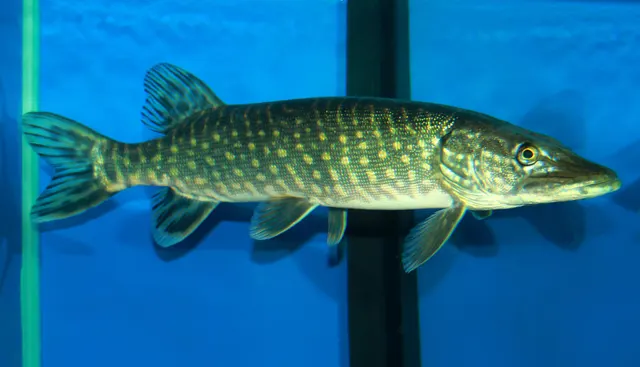 Northern pikeThe dominant freshwater ambush predator of the northern hemisphere: long, cryptic, and built for one violent acceleration rather than pursuit.
Karelj, Public domain, via Wikimedia Commons
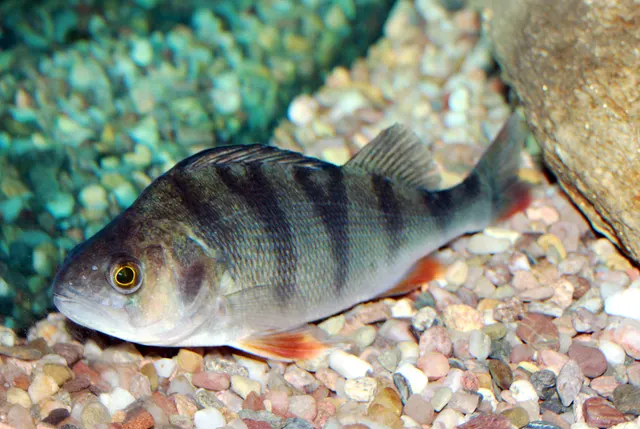 European perchA small, shoaling, spiny-finned predator that is both the most accessible predator to catch and the one most anglers first learn on.
Karelj, Public domain, via Wikimedia Commons
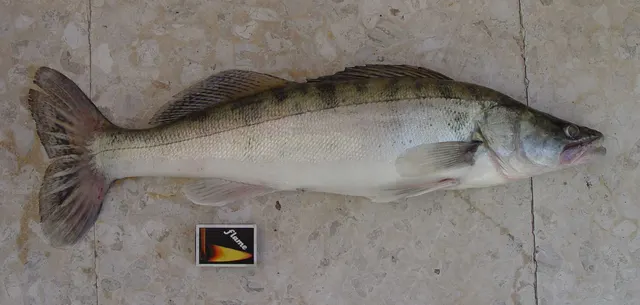 ZanderA shoaling freshwater predator built for hunting in low light and coloured water, and the fish that made a virtue of the conditions pike find difficult.
eLNuko — Public domain, via Wikimedia Commons
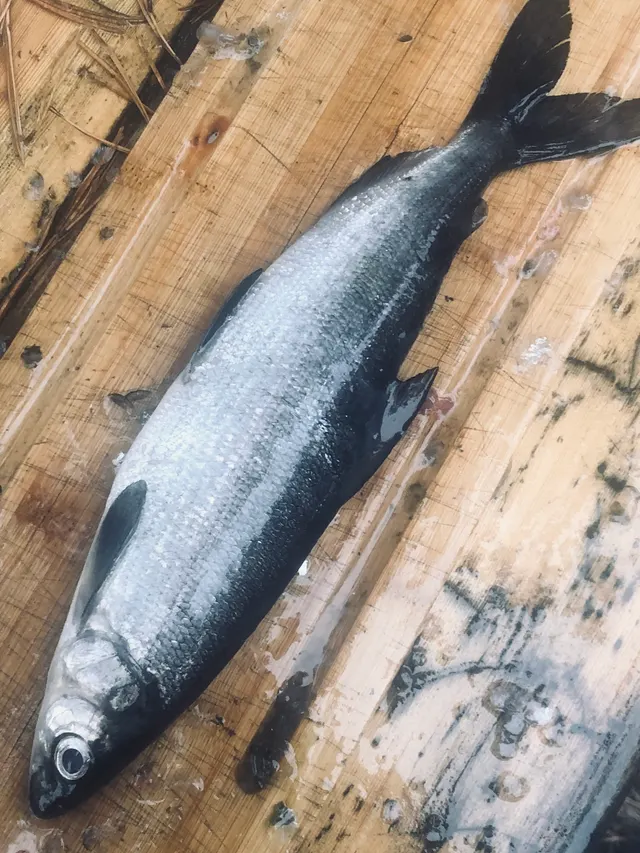 Common whitefishThe Alpine and northern lake fish that carries a different name in every country it lives in — powan, schelly, gwyniad, felchen, renke — and one of the few European species fished with a purpose-built rig of its own.
Vladislav Isaev — CC BY, via iNaturalist
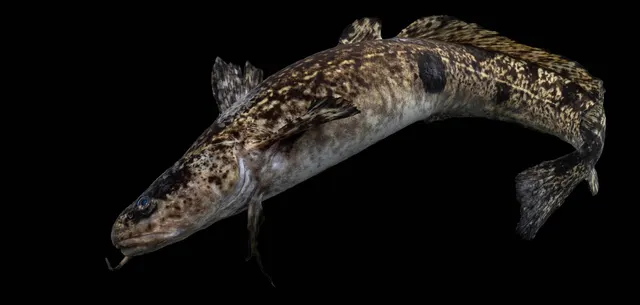 BurbotThe only freshwater cod, a nocturnal cold-water bottom predator with a single chin barbel that spawns under ice in midwinter.
U.S. Fish and Wildlife Service — public domain, via Wikimedia Commons
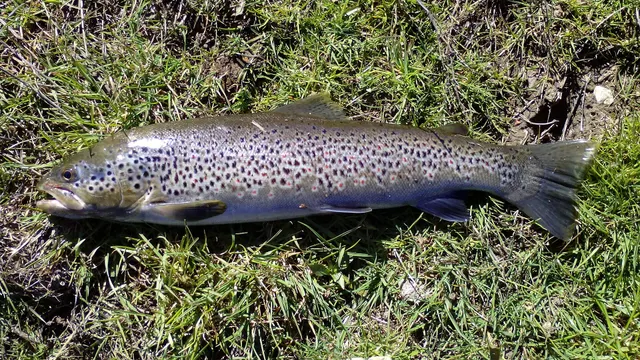 Brown troutA single, extraordinarily plastic species that appears as a tiny hill-stream fish, a deep-bodied loch trout and a silver sea-run migrant — all the same animal.
Robermix, CC0, via Wikimedia Commons
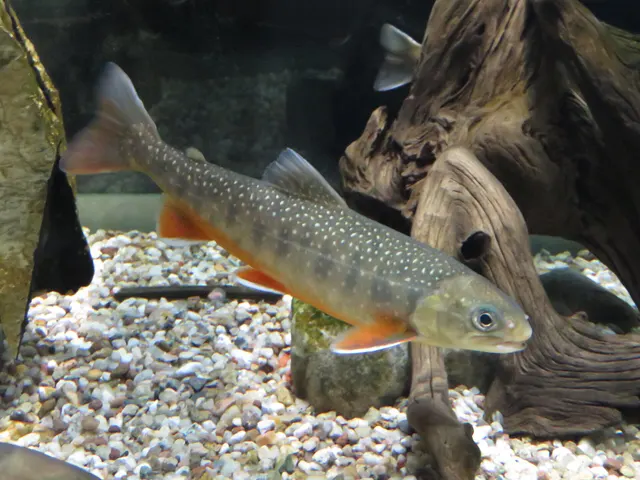 Arctic charThe most northerly freshwater fish in the world, a cold-demanding char with brilliant orange-red spawning bellies and highly distinct landlocked populations.
Xepheid — CC BY-SA 4.0, via Wikimedia Commons
Places within this area
Publicly documented fishing geography. FishingHQ describes what the ground is; it does not say whether you may fish it, and every one of these sends that question to the body that holds the answer. Browse every place in this part of the world.
Who to ask before fishing any of these
FishingHQ does not know the current access position here. The same structure applies inland and matters more: the public angling right is narrow, the national fisheries management fee covers ordinary lure fishing in most waters for those it applies to, and a great many waters — particularly salmonid rivers and the best pike and perch water — additionally require a permit from the owner or the fisheries area. Everything changes. Check with the fisheries area and the water's owner before going.
Saimaa
Lake · Fresh water
Europe's fourth-largest lake and the core of the Finnish lake district: an enormous branching system of connected basins on ancient rock, with thousands of islands, water stained brown by peat, and narrow straits between basins where the flow concentrates.
Sheltered among the islands and genuinely exposed on the open basins, where a long fetch builds a short steep sea.
Particular to this ground: drowning and immersion, cold water shock.
Severe hazards of The Finnish lake district apply here: hypothermia.
Particular to this water: This ground lies in or beside a marine protected area whose zoning constrains fishing, diving, anchoring and collection independently of any licence, with rules that differ between zones and boundaries that are not visible from the water.
Päijänne
Lake · Fresh water
Finland's second-largest lake: a long deep basin running north to south with clear water by Finnish standards, rocky shores and islands, and steep drop-offs where the ice-scoured rock falls away.
Particular to this ground: drowning and immersion, cold water shock.
Severe hazards of The Finnish lake district apply here: hypothermia.
Safety
Cold water shock — Can cause serious injury or death
Ice thickness varies enormously across one lake — thinner over currents, at inflows and outflows, in narrows, around shoals, over springs and near reedbeds — and snow both insulates the ice and hides the visual signals of weakness. Cold water shock takes breathing control in seconds and grip strength within a minute or two.
What reduces it: Wear ice picks on the person reachable with either hand, carry a rope, go with a companion who stays back, test the ice ahead, and rely on knowledge of that specific lake rather than on a general thickness figure.
Worse when:
- In early and late season, when forming and rotting ice look alike from above.
- After snowfall, which insulates the ice and hides the colour, cracks and wet patches that signal weakness.
Hypothermia — Can cause serious injury or death
Air temperatures are low, the winter day is very short, and somebody who has been in the water or has become wet a long way from shelter loses function quickly. Impaired judgement is one of the earliest effects and the person it is happening to is the last to recognise it.
What reduces it: Keep a dry change of clothing reachable, go with a companion who will call it, plan the day around the available light rather than around the fishing, and tell somebody the water and the return time.
Boat safety — Can cause injury needing treatment
The larger basins are big enough to raise a steep sea in wind with a long fetch and a distant shore, and the lakes are strewn with unmarked rocks and shoals in humic-stained water dark enough that a covered rock cannot be seen at all.
What reduces it: Wear flotation, watch the wind forecast rather than the current conditions, go slowly on unfamiliar water, and treat dark water as permanently concealing the bed rather than occasionally.
Fishing alone — Can cause injury needing treatment
Distances between settlements are large, mobile coverage is patchy in the interior, and a great deal of fishing here is done alone on ice or on a lake a long way from a road.
What reduces it: Tell somebody the specific water and the expected return time, carry a means of calling for help on the person, and do not go out onto ice alone.
Further safety reading
- Cold water shock and immersion — Ice thickness varies enormously across one lake and snow both insulates it and hides the signals of weakness. Cold water shock takes breathing control in seconds and grip strength within a minute or two, which is why ice picks worn on the person are standard local kit rather than an optional extra.
Check the rules before you fish
Fishing laws, bylaws, access rules, seasons, bait restrictions and permitted methods vary by location and can change. Check the current rules from the relevant authority and the water you intend to fish before fishing.
Check with:
- Current national or regional law for where you are fishing
- Current local bylaws
- The relevant fisheries authority
- The landowner, club or fishery whose water it is
- Any restrictions specific to the species or the method you intend to use
Where to go next
What swims here
- Arctic charIn the deepest and coldest lakes of the system as a cold-water species at the southern part of its range, dependent on water that stays cold and oxygenated at depth.
- Brown troutIn the coldest and cleanest waters and in the connecting rapids between basins, which is where the fly fishing on this system happens.
- BurbotGenuinely important here rather than a curiosity: most active and most catchable in the coldest months, spawning under ice in midwinter, and a target of set lines and night fishing through the ice.
- Common whitefishThrough the cooler deeper water of the system, taken by net, trap and rod, and — like vendace — an everyday fish here rather than a relict population of conservation concern.
- European perchIn enormous numbers across the shoals and margins and, in the right waters, at real size. It is the mainstay of both open-water lure fishing and of winter jigging through the ice.
- Northern pikeThroughout the system in reed, drowned timber and rocky margin. Humic-stained water gives permanently short visibility, which favours ambush over pursuit, and low productivity means a large pike here is a considerably older fish than one of the same size further south.
- VendaceIn the cooler open water of the larger lakes, where it is a species of genuine cultural and commercial importance rather than the scarce glacial relict it is in Britain. This is the first place on FishingHQ where vendace is an ordinary fish.
- ZanderIn the larger, warmer and more turbid basins, where a species that positively prefers low light finds it supplied permanently by humic staining rather than only at dusk.
How this compares
Rules and access
Environment and conservation
Sources and evidence
- Freshwater Fishes of the British Isles — HarperCollins (New Naturalist 75), 1992 (Reference work)Relied on for: Distribution, ecology, life history and conservation status of European freshwater fishes, including the migratory species named.States this directlyCitation checked — the work exists and is described correctly
- FishBase: a global information system on fishes — Froese, R. and D. Pauly, eds. — FishBase Consortium (Scientific institute)Relied on for: Recorded distribution, habitat association and life history of the freshwater and migratory species named.States this directlyPassage read and verified
- JNCC species and habitat conservation advice — Joint Nature Conservation Committee (Conservation authority)Relied on for: Designation, habitat description and conservation status of the marine, coastal and freshwater habitats named, and the species characteristically associated with them.States this directlyCitation checked — the work exists and is described correctly
- FishBase: a global information system on fishes — Froese, R. and D. Pauly, eds. — FishBase Consortium (Scientific institute)Relied on for: Recorded distribution, depth range, habitat association and biology of the species named.States this directlyPassage read and verified
- RNLI water safety guidance: cold water shock and Float to Live — Royal National Lifeboat Institution (Water-safety or diver-training authority)Relied on for: Cold water shock and the immersion response, tidal cut-off, and water-safety guidance for shore anglers and small-craft users.States this directlyPassage read and verified
- Met Office shipping forecast, inshore waters forecast and marine warnings — Met Office, United Kingdom (Government fisheries body)Relied on for: That inshore waters forecasts, sea state and swell are the operative inputs for shore and small-craft decisions in north-west European waters.States this directlyCitation checked — the work exists and is described correctly
Why the 14 connections on this page are here, and the sources
What swims here
Backed by research — 8 connections
Supported by peer-reviewed research or fisheries science. The sources are listed and can be checked.
Arctic char
A claim that a place contains the ground, water and seasonal conditions the species is associated with. It is a distributional statement about the world, it rests on the regional reference literature, and it deliberately asserts nothing about access, permission or catch.
- Freshwater Fishes of the British Isles — HarperCollins (New Naturalist 75), 1992 (Reference work)Relied on for: Distribution, ecology and conservation status of European freshwater and migratory fishes, including in modified and artificial waters.States this directlyCitation checked — the work exists and is described correctly
- FishBase: a global information system on fishes — Froese, R. and D. Pauly, eds. — FishBase Consortium (Scientific institute)Relied on for: Recorded distribution, habitat association and life history for the freshwater and migratory species named.States this directlyPassage read and verified
Brown trout
A claim that a place contains the ground, water and seasonal conditions the species is associated with. It is a distributional statement about the world, it rests on the regional reference literature, and it deliberately asserts nothing about access, permission or catch.
- Freshwater Fishes of the British Isles — HarperCollins (New Naturalist 75), 1992 (Reference work)Relied on for: Distribution, ecology and conservation status of European freshwater and migratory fishes, including in modified and artificial waters.States this directlyCitation checked — the work exists and is described correctly
- FishBase: a global information system on fishes — Froese, R. and D. Pauly, eds. — FishBase Consortium (Scientific institute)Relied on for: Recorded distribution, habitat association and life history for the freshwater and migratory species named.States this directlyPassage read and verified
Burbot
A claim that a place contains the ground, water and seasonal conditions the species is associated with. It is a distributional statement about the world, it rests on the regional reference literature, and it deliberately asserts nothing about access, permission or catch.
- Freshwater Fishes of the British Isles — HarperCollins (New Naturalist 75), 1992 (Reference work)Relied on for: Distribution, ecology and conservation status of European freshwater and migratory fishes, including in modified and artificial waters.States this directlyCitation checked — the work exists and is described correctly
- FishBase: a global information system on fishes — Froese, R. and D. Pauly, eds. — FishBase Consortium (Scientific institute)Relied on for: Recorded distribution, habitat association and life history for the freshwater and migratory species named.States this directlyPassage read and verified
Common whitefish
A claim that a place contains the ground, water and seasonal conditions the species is associated with. It is a distributional statement about the world, it rests on the regional reference literature, and it deliberately asserts nothing about access, permission or catch.
- Freshwater Fishes of the British Isles — HarperCollins (New Naturalist 75), 1992 (Reference work)Relied on for: Distribution, ecology and conservation status of European freshwater and migratory fishes, including in modified and artificial waters.States this directlyCitation checked — the work exists and is described correctly
- FishBase: a global information system on fishes — Froese, R. and D. Pauly, eds. — FishBase Consortium (Scientific institute)Relied on for: Recorded distribution, habitat association and life history for the freshwater and migratory species named.States this directlyPassage read and verified
European perch
A claim that a place contains the ground, water and seasonal conditions the species is associated with. It is a distributional statement about the world, it rests on the regional reference literature, and it deliberately asserts nothing about access, permission or catch.
- Freshwater Fishes of the British Isles — HarperCollins (New Naturalist 75), 1992 (Reference work)Relied on for: Distribution, ecology and conservation status of European freshwater and migratory fishes, including in modified and artificial waters.States this directlyCitation checked — the work exists and is described correctly
- FishBase: a global information system on fishes — Froese, R. and D. Pauly, eds. — FishBase Consortium (Scientific institute)Relied on for: Recorded distribution, habitat association and life history for the freshwater and migratory species named.States this directlyPassage read and verified
Northern pike
A claim that a place contains the ground, water and seasonal conditions the species is associated with. It is a distributional statement about the world, it rests on the regional reference literature, and it deliberately asserts nothing about access, permission or catch.
- Freshwater Fishes of the British Isles — HarperCollins (New Naturalist 75), 1992 (Reference work)Relied on for: Distribution, ecology and conservation status of European freshwater and migratory fishes, including in modified and artificial waters.States this directlyCitation checked — the work exists and is described correctly
- FishBase: a global information system on fishes — Froese, R. and D. Pauly, eds. — FishBase Consortium (Scientific institute)Relied on for: Recorded distribution, habitat association and life history for the freshwater and migratory species named.States this directlyPassage read and verified
Vendace
A claim that a place contains the ground, water and seasonal conditions the species is associated with. It is a distributional statement about the world, it rests on the regional reference literature, and it deliberately asserts nothing about access, permission or catch.
- Freshwater Fishes of the British Isles — HarperCollins (New Naturalist 75), 1992 (Reference work)Relied on for: Distribution, ecology and conservation status of European freshwater and migratory fishes, including in modified and artificial waters.States this directlyCitation checked — the work exists and is described correctly
- FishBase: a global information system on fishes — Froese, R. and D. Pauly, eds. — FishBase Consortium (Scientific institute)Relied on for: Recorded distribution, habitat association and life history for the freshwater and migratory species named.States this directlyPassage read and verified
Zander
A claim that a place contains the ground, water and seasonal conditions the species is associated with. It is a distributional statement about the world, it rests on the regional reference literature, and it deliberately asserts nothing about access, permission or catch.
- Freshwater Fishes of the British Isles — HarperCollins (New Naturalist 75), 1992 (Reference work)Relied on for: Distribution, ecology and conservation status of European freshwater and migratory fishes, including in modified and artificial waters.States this directlyCitation checked — the work exists and is described correctly
- FishBase: a global information system on fishes — Froese, R. and D. Pauly, eds. — FishBase Consortium (Scientific institute)Relied on for: Recorded distribution, habitat association and life history for the freshwater and migratory species named.States this directlyPassage read and verified
How people fish here
What experienced anglers do — 2 connections
Widely and independently recommended by experienced anglers and specialist sources. This is real angling knowledge, not proof: controlled evidence for it is limited, and FishingHQ records it as convention rather than as a demonstrated effect.
Coarse fishing
A claim about angling convention rather than about the world: that this place sits within this branch of fishing, which drives the information architecture as well as the page. It rests on independent practitioner description.
- General angling website restatements of established technique — Various (Credible secondary source)Relied on for: Widely restated descriptions of which practices are conventionally used on the waters named, recorded as practitioner consensus rather than as scholarship.Background and mechanism onlyCitation checked — the work exists and is described correctly
- Coarse Fishing — A. & C. Black, 1912 (Specialist angling publication)Relied on for: Established description of coarse and predator fishing practice on large rivers and still waters.FishingHQ's interpretation of what it saysCitation checked — the work exists and is described correctly
Predator fishing
A claim about angling convention rather than about the world: that this place sits within this branch of fishing, which drives the information architecture as well as the page. It rests on independent practitioner description.
- General angling website restatements of established technique — Various (Credible secondary source)Relied on for: Widely restated descriptions of which practices are conventionally used on the waters named, recorded as practitioner consensus rather than as scholarship.Background and mechanism onlyCitation checked — the work exists and is described correctly
- Coarse Fishing — A. & C. Black, 1912 (Specialist angling publication)Relied on for: Established description of coarse and predator fishing practice on large rivers and still waters.FishingHQ's interpretation of what it saysCitation checked — the work exists and is described correctly
How this compares
What experienced anglers do — 1 connection
Widely and independently recommended by experienced anglers and specialist sources. This is real angling knowledge, not proof: controlled evidence for it is limited, and FishingHQ records it as convention rather than as a demonstrated effect.
The Baltic Sea
A claim that two places are worth reading against one another, because a reader choosing between them or generalising from one to the other needs to know how the underlying process differs.
- General angling website restatements of established technique — Various (Credible secondary source)Relied on for: Widely restated descriptions of which practices are conventionally used in the waters named, recorded as practitioner consensus rather than as scholarship.Background and mechanism onlyCitation checked — the work exists and is described correctly
- Sea Angler — Bauer Media (Specialist angling publication)Relied on for: Long-running published description of European sea angling practice by region and by ground type.FishingHQ's interpretation of what it saysCitation checked — the work exists and is described correctly
Safety reading
Official guidance — 1 connection
Stated by a fisheries authority, scientific institute or recognised angling body. Authoritative, but summarising rather than demonstrating.
Cold water shock and immersion
A claim that a place presents a particular hazard strongly enough that the reader should be sent to the page dealing with it in full, rather than left with the short warning on the place itself.
- RNLI water safety guidance: cold water shock and Float to Live — Royal National Lifeboat Institution (Water-safety or diver-training authority)Relied on for: Cold water shock and the immersion response, tidal cut-off, and water-safety guidance for shore anglers and small-craft users.States this directlyPassage read and verified
Rules and access
Official guidance — 1 connection
Stated by a fisheries authority, scientific institute or recognised angling body. Authoritative, but summarising rather than demonstrating.
Protected species, and why some fish may not be taken
A claim that a place sits under a general regulatory concept, which routes the reader to the concept rather than stating any current rule. It asserts the SHAPE of the constraint and never its contents.
- JNCC species and habitat conservation advice — Joint Nature Conservation Committee (Conservation authority)Relied on for: Habitat classification and description for the intertidal, coastal and freshwater habitats named, and the species characteristically associated with them.States this directlyCitation checked — the work exists and is described correctly
- ICES Advice on fishing opportunities, catch and effort — International Council for the Exploration of the Sea (Scientific institute)Relied on for: Ecoregion description, nursery function and the hydrography of the European sea areas assessed.States this directlyCitation checked — the work exists and is described correctly
Environment and conservation
Backed by research — 1 connection
Supported by peer-reviewed research or fisheries science. The sources are listed and can be checked.
Bycatch and discards
A claim that a place raises a particular environmental question, resting on the scientific and conservation literature for the system rather than on angling practice.
- JNCC species and habitat conservation advice — Joint Nature Conservation Committee (Conservation authority)Relied on for: Habitat classification and description for the intertidal, coastal and freshwater habitats named, and the species characteristically associated with them.States this directlyCitation checked — the work exists and is described correctly
- ICES Advice on fishing opportunities, catch and effort — International Council for the Exploration of the Sea (Scientific institute)Relied on for: Ecoregion description, nursery function and the hydrography of the European sea areas assessed.States this directlyCitation checked — the work exists and is described correctly
How FishingHQ labels evidence is explained in the evidence policy.