The Algarve offshore grounds
Sea area · Salt water · in Portugal
The shelf and shelf-edge water south of the Algarve coast, warm through the summer and autumn, where the region's trolling and big-game fleet works.
Safety: boat traffic and being seen — can cause serious injury or death. 2 more points apply here.
FishingHQ describes what this place is, not whether you may fish it. Access, permits and who to ask.
What you can catch here
Documented at this place, grouped by how you would be fishing, with how strongly the sources support each one. This is what has been written down, not a forecast, and being listed is never permission to fish.
From a boat · 6
- Atlantic bluefin tunaRepeatedly reported1 place · 1 fishery account · 1 sourceThe Algarve offshore groundsOver sea areaSources name Trolling
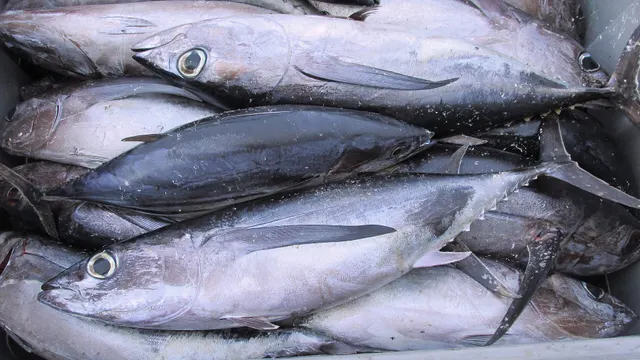 AlbacoreRecorded here1 place · 1 fishery account · 1 sourceThe Algarve offshore groundsOver sea area
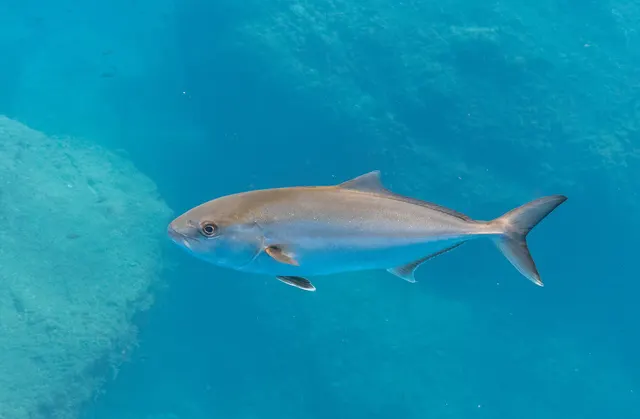 Greater amberjackRecorded here1 place · 1 fishery account · 1 sourceThe Algarve offshore groundsOver sea area
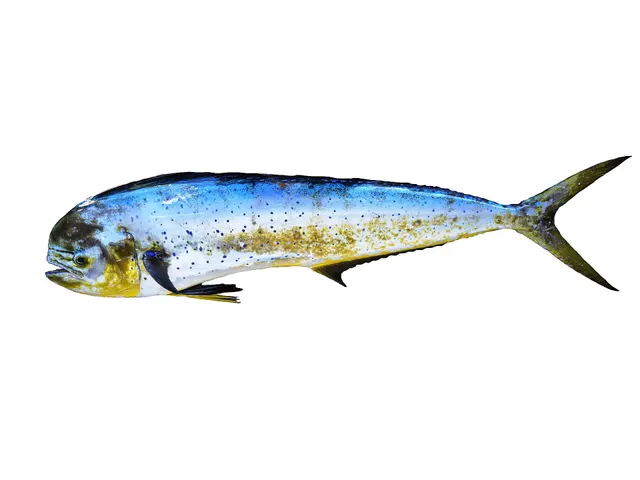 Mahi-mahiRecorded here1 place · 1 fishery account · 1 sourceThe Algarve offshore groundsOver sea area
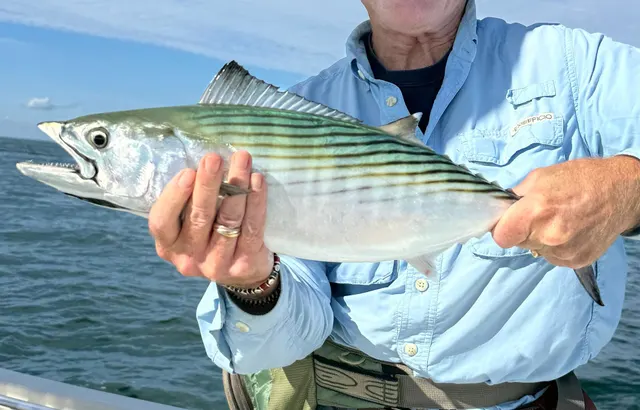 Atlantic bonitoRecorded here1 placeThe Algarve offshore groundsOver sea area
- Blue sharkRecorded here1 placeThe Algarve offshore groundsOver sea area
On a charter · 6
- Atlantic bluefin tunaRepeatedly reported1 place · 1 fishery account · 1 sourceThe Algarve offshore groundsOver sea areaSources name Trolling
- AlbacoreRecorded here1 place · 1 fishery account · 1 sourceThe Algarve offshore groundsOver sea area
- Greater amberjackRecorded here1 place · 1 fishery account · 1 sourceThe Algarve offshore groundsOver sea area
- Mahi-mahiRecorded here1 place · 1 fishery account · 1 sourceThe Algarve offshore groundsOver sea area
- Atlantic bonitoRecorded here1 placeThe Algarve offshore groundsOver sea area
- Blue sharkRecorded here1 placeThe Algarve offshore groundsOver sea area
What these strengths mean
- Repeatedly reported
- Several independent public accounts. Enough to say it happens more than once; not enough to call it a fishery.
- Recorded here
- At least one credible public account of this species being caught here. That is all it means.
- How breadth is counted
- A fish documented at six marks is shown as six marks: breadth never raises the strength on its own. A fishery account describes the fishing; a recorded catch reports one specific catch. How evidence is weighed.
Also associated with this ground
Recorded as present here without a documented method or strength behind them.
How people fish it
Practised here: Sea fishing.
Methods the sources name for this ground. Each one is explained in full on its own page.
- Trolling
Towing lures or baits behind a moving boat to cover large volumes of water and locate scattered fish.
- Jigging
Working a weighted lure with a rising-and-falling motion, usually vertically, so it behaves like a wounded or fleeing baitfish.
- Deadbaiting
Presenting a dead fish as bait for predators — a method that works because scavenging is normal predator behaviour, not an exception.
The ground and the water
- The ground
- The shelf and shelf-edge water south of the Algarve coast, warm through the summer and autumn, where the region's trolling and big-game fleet works.
- Exposure
- Open shelf water, with nothing between it and the Atlantic to the south.
Through the year
The pelagic fishery concentrates in the warmer half of the year.
Safety
Boat traffic and being seen — Can cause serious injury or death
Summer small-craft traffic on this coast is heavy and fast, and a swimmer, breath-hold diver or small float is nearly invisible from a planing hull until it is too close to alter course.
What reduces it: Carry a surface marker buoy with a dive flag and keep it directly above the diver, work inside marked zones where they exist, and leave water where traffic is heavy rather than trying to be seen in it.
Cliffs and rock platforms — Can cause serious injury or death
Long-period Atlantic swell breaks in irregular sets onto the low rock platforms used for shore fishing along the exposed west coast. Anglers are swept off by a wave substantially larger than those preceding it, frequently after an hour of ordinary conditions, and the water is deep and moving immediately below.
What reduces it: Read a swell forecast — height, period and direction — rather than a wind forecast, and treat a long period as the warning. Watch a full set before committing to a platform, never fish exposed rock alone, wear a buoyancy aid, and treat a windless sunny day with swell running as a hazardous day rather than a safe one.
Worse when:
- Long-period ground swell from a distant Atlantic depression, which gives no local warning at all.
- Rising tide, which brings the break progressively further up the platform.
- Unfamiliar ground, where which platforms are workable at which swell is entirely local knowledge.
Moving water and currents — Can cause serious injury or death
The long surf beaches generate strong, persistent rip currents, and river bars break heavily in swell. Percebes gathering in the surge zone of exposed rock is conducted in breaking water and has a serious fatality record.
What reduces it: Stay out of rip channels, recognisable as darker calmer water moving seaward between areas of breaking waves. Do not attempt goose barnacle gathering — it is licensed professional work. Treat river bar crossings as requiring local knowledge and the right state of tide.
Rules and access
FishingHQ does not know the current access position here. Recreational sea fishing in mainland Portugal is licensed by the state, with separate categories for shore, boat and underwater fishing and separate arrangements again for shellfish gathering, and with quantity, size and species measures alongside. Licences, measures and closures change. Check the current position with the national fisheries directorate and with the local maritime authority before going.
Particular to this water: Billfish and tuna here are a boat fishery worked well offshore. Several of these species carry catch limits, size limits or release requirements that differ by species and by year, and bluefin tuna in particular is tightly managed across the whole Atlantic. Check the current rules with the authority and with the skipper before booking.
Who holds the answer:
- The Directorate-General for Natural Resources, Safety and Maritime Services, which licenses recreational sea fishing in Portuguese waters.
- The local maritime authority, for access to structures and for local measures.
- The Direção-Geral de Recursos Naturais, Segurança e Serviços Marítimos, for recreational sea fishing and underwater fishing licensing.
- The Instituto da Conservação da Natureza e das Florestas, for inland fishing licences, seasons and protected freshwater species.
- The Instituto Português do Mar e da Atmosfera, for shellfish ground classification and biotoxin monitoring.
- The managing body of the relevant marine protected area or natural park, including the Ria Formosa and the south-west coast.
- The regional government of Madeira or the Azores for fishing in those autonomous regions, which is administered separately.
Nearby fishing
Other publicly documented places within about 40 km, by distance. Positions are approximate public geography and are never exact marks.
- Praia de Faro — 25–40 km · Surf beach
- The Ria Formosa — 25–40 km · Estuary
- Praia de Quarteira — 25–40 km · Beach
- Vilamoura marina — 25–40 km · Charter departure port
- The Vilamoura moles — 25–40 km · Mole
Sources for this place
- Sea Angler — Bauer Media (Specialist angling publication)Relied on for: Long-running published description of British sea angling practice by region, ground type and named mark.FishingHQ's interpretation of what it saysCitation checked — the work exists and is described correctly
- General angling website restatements of established technique — Various (Credible secondary source)Relied on for: Widely restated public descriptions of which places are conventionally fished and how, recorded as practitioner consensus rather than as scholarship, and not relied on for access, permission or any current rule.Background and mechanism onlyCitation checked — the work exists and is described correctly
How FishingHQ labels evidence is explained in the evidence policy. Last reviewed 2026-08-16.