How to keep lugworm alive
Keeping lugworm in usable condition, and what follows for the water it came from.
Why keeping it alive matters
Lugworm are a soft-bodied bait whose value is scent and mass rather than movement, and their condition determines whether they stay on the hook at all. A fresh lugworm holds together well enough to cast; a deteriorating one bursts and slides off. Keeping them well is largely about keeping them from breaking down.
The container
Shallow trays or single layers wrapped in newspaper, not heaped in a bucket. Lugworm are thin-skinned and burst easily under the weight of others, and one burst worm accelerates the decline of everything around it.
Temperature
Cool and steady. Like ragworm they come from cold intertidal sand and tolerate cold well; heat destroys them quickly. Warmth combined with their own fluids is what turns a tray of lugworm into a liquid mess.
Oxygen
No aeration when kept damp in paper. Lugworm are frequently gutted and salted or frozen rather than kept alive at all, precisely because keeping them alive is difficult and keeping them preserved is not — which is a legitimate alternative rather than a failure.
What to keep it in
Damp newspaper, changed when it becomes wet or discoloured. Some anglers gut lugworm and dry-salt them for storage, which is a preservation method rather than a way of keeping them alive and should be described as such — a salted lugworm is a dead bait with a long shelf life.
How long it keeps
Short — lugworm are among the least durable live baits and deteriorate faster than ragworm. Use them fresh where possible, and treat any batch that has been warm as suspect. Where longer storage is needed, gutting and salting or freezing is the practical route.
Signs it is going wrong
Catching these early is the difference between losing a few and losing the lot.
- Worms going soft, flattening out, or leaking yellow-brown fluid.
- A strong sour or rotten smell from the tray.
- Newspaper that has become soaked and stained rather than merely damp.
- Worms bursting when lifted, which means they are already past use.
Transporting it
Flat, cool, and in as few layers as possible. Short journeys in a cool box do little harm; long journeys in a warm car ruin a batch. Take the session's worms to the water and leave the rest in the cool box.
What not to do
Each of these is a common and avoidable way of killing this bait.
- Do not heap lugworm in a bucket, where the lower layers burst under the weight.
- Do not use fresh water at any stage.
- Do not leave burst or dead worms among the rest.
- Do not leave the tray in the sun on the beach.
- Do not tip unused worms or bait water into the sea at a different location from where they were dug.
Biosecurity
Lugworm digging turns over intertidal sand and directly disturbs the habitat and the organisms living in it, which is why it is restricted or prohibited on many shores and inside many protected areas. Backfilling holes and spreading effort rather than working one patch reduces the impact. As with all marine baits, do not move worms between shores and release them, and do not empty bait water into any water body.
Welfare
Dig or buy what the session requires. The main proportionate measures are avoiding crushing, avoiding heat, and not holding a batch for days in conditions where it is visibly breaking down. Where a batch cannot be kept alive well, preserving it by gutting and salting is more defensible than letting it die slowly in a warm bucket.
Unused bait
Put spoiled lugworm in household waste. Do not tip them or their fluid into the sea or onto the beach at a shore other than the one they came from, and do not leave trays or newspaper behind.
Rules vary, and they vary a lot
Collecting, transporting, keeping and using live bait are regulated differently almost everywhere, and some of these baits may not be used at all in some waters. Restrictions commonly cover where and how much may be collected, whether live bait may be moved between waters, whether a species may be used as bait at all, and whether a licence or permit is required. FishingHQ does not state what any rule is or where it applies — check with the authority responsible for the water and the shore you intend to use before collecting or using live bait.
Check the rules before you fish
Fishing laws, bylaws, access rules, seasons, bait restrictions and permitted methods vary by location and can change. Check the current rules from the relevant authority and the water you intend to fish before fishing.
Check with:
- Current national or regional law for where you are fishing
- Current local bylaws
- The relevant fisheries authority
- The landowner, club or fishery whose water it is
- Any restrictions specific to the species or the method you intend to use
The full bait record
This page covers keeping lugworm alive. The Lugworm record covers the whole lifecycle — identifying it, obtaining it responsibly, preparing it, presenting it and disposing of it.
What this bait is for
The fish it catches, how it is fished and what you present it on.
Fish it catches
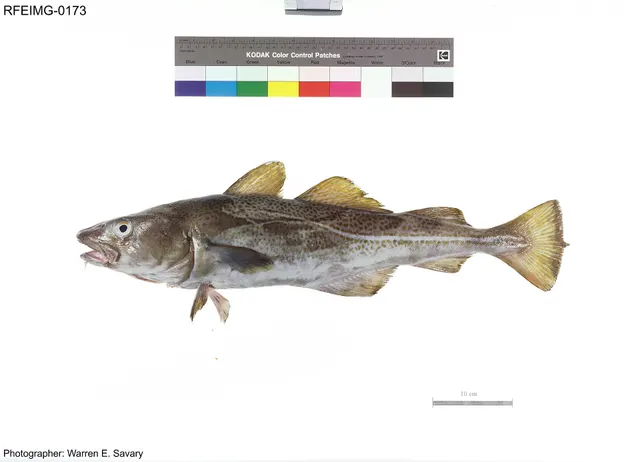 Atlantic codSoft, full of body fluid, and strongly scented — which is what winter cod in coloured water are actually responding to.
- DabThe standard dab bait. Dabs track a scent trail across open sand, and practitioners hold that a fresh leaking worm does considerably better than a tidy one.
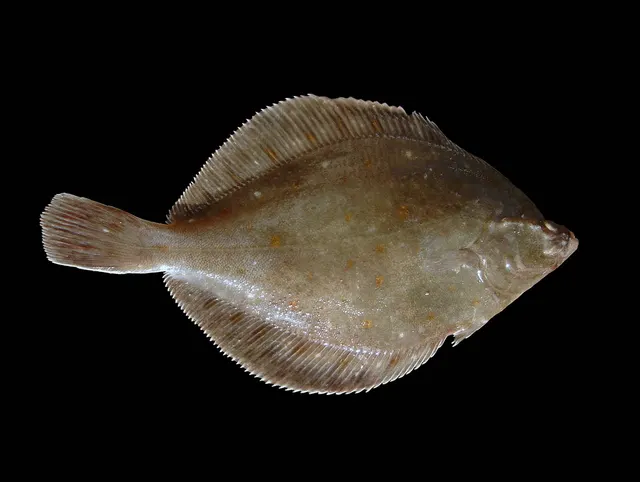 European plaiceThe bait a plaice is caught on over clean sand, and the reason a beach with a lugworm bed beside it is a plaice mark rather than a coincidence.
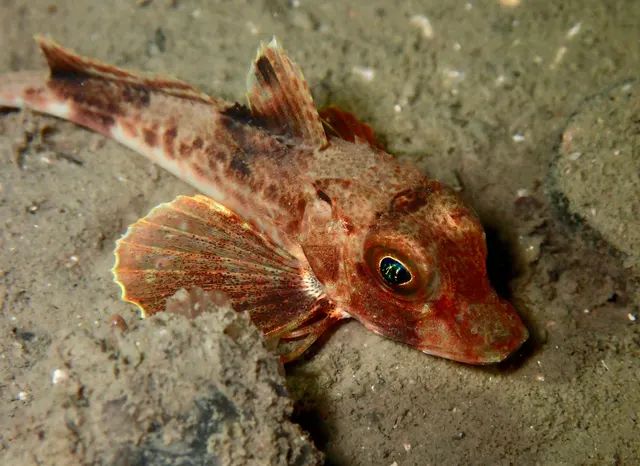 Grey gurnardWorm baits on the bottom take gurnards constantly, usually while the angler is fishing for something else.
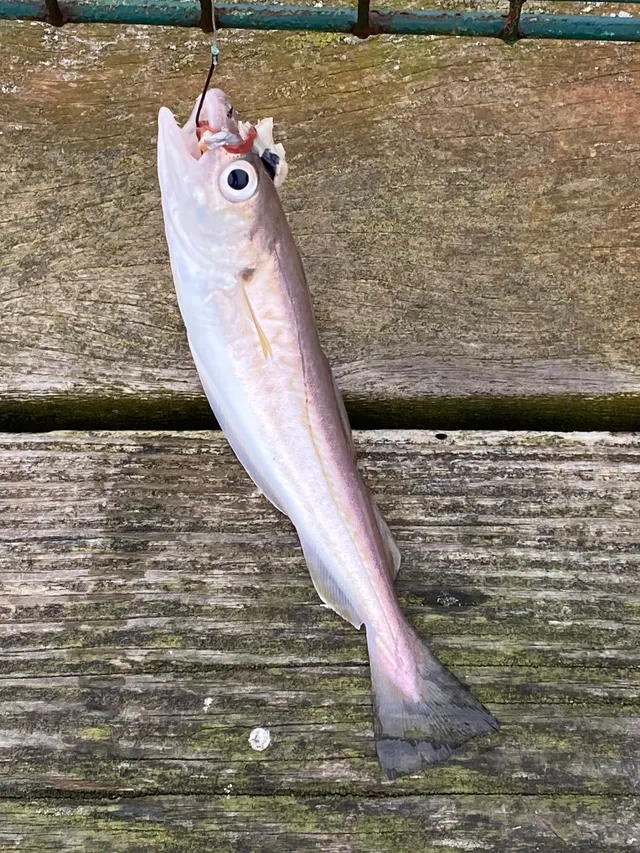 WhitingWorm baits on multi-hook rigs through the winter.
How it is fished
Why the 6 connections on this page are here, and the sources
Fish it catches
What experienced anglers do — 5 connections
Widely and independently recommended by experienced anglers and specialist sources. This is real angling knowledge, not proof: controlled evidence for it is limited, and FishingHQ records it as convention rather than as a demonstrated effect.
Atlantic cod
Standard winter shore practice, independently described.
- Sea Angler — Bauer Media (Specialist angling publication)Relied on for: Lugworm as the standard winter shore bait for cod and whiting.Citation checked — the work exists and is described correctly
- Angling Times — Bauer Media (Specialist angling publication)Relied on for: Contemporary winter shore bait practice.Citation checked — the work exists and is described correctly
Dab
A bait joined to the fish it is conventionally used for. Convention, recorded as convention.
- Sea Angler — Bauer Media (Specialist angling publication)Relied on for: Contemporary UK and European sea angling practice as reported by practitioners, including ground, seasonal timing, bait and method convention.States this directlyCitation checked — the work exists and is described correctly
- General angling website restatements of established technique — Various (Credible secondary source)Relied on for: Widely restated descriptions of species behaviour and regional angling practice, recorded as consensus rather than as scholarship.Background and mechanism onlyCitation checked — the work exists and is described correctly
European plaice
Named for plaice independently by a statutory mark guide and by a practitioner directory that records a specific capture on freshly dug lugworm.
- Inland Fisheries Ireland: South West Sea Angling Guide — Cork Harbour to Mine Head — Inland Fisheries Ireland, 2020 (Government fisheries body)Relied on for: The statutory fisheries body naming the bait alongside the species and the season, mark by mark.Passage read and verified
- Sea Angling in Ireland: the shore marks of Waterford — Sea Angling Ireland (Credible secondary source)Relied on for: A practitioner shore directory naming the bait alongside the species, mark by mark.Passage read and verified
Grey gurnard
A bait joined to the fish it is conventionally used for. Convention, recorded as convention.
- Sea Angler — Bauer Media (Specialist angling publication)Relied on for: Contemporary UK and European sea angling practice as reported by practitioners, including ground, seasonal timing, bait and method convention.States this directlyCitation checked — the work exists and is described correctly
- General angling website restatements of established technique — Various (Credible secondary source)Relied on for: Widely restated descriptions of species behaviour and regional angling practice, recorded as consensus rather than as scholarship.Background and mechanism onlyCitation checked — the work exists and is described correctly
Whiting
A practitioner claim about tackle commonly used for Merlangius merlangus.
- General angling website restatements of established technique — Various (Credible secondary source)Relied on for: Widely restated practitioner accounts of this presentation for whiting.Citation checked — the work exists and is described correctly
- Angling Times — Bauer Media (Specialist angling publication)Relied on for: Practitioner treatment of comparable presentations for the species group.Citation checked — the work exists and is described correctly
How it is fished
What experienced anglers do — 1 connection
Widely and independently recommended by experienced anglers and specialist sources. This is real angling knowledge, not proof: controlled evidence for it is limited, and FishingHQ records it as convention rather than as a demonstrated effect.
Surfcasting
The surfcasting page describes bait fishing at range over clean ground, and the lugworm page describes the bait that ground's species take — the pairing both records assume without either naming the other.
- Sea Angler — Bauer Media (Specialist angling publication)Relied on for: Practitioner treatment of which lure or bait family this technique is fished with.States this directlyCitation checked — the work exists and is described correctly
- General angling website restatements of established technique — Various (Credible secondary source)Relied on for: The widely restated practitioner pairing of this technique with this family.Background and mechanism onlyCitation checked — the work exists and is described correctly
Reviewed 2026-08-10.