How to keep sand eel alive
Keeping sand eel in usable condition, and what follows for the water it came from.
Why keeping it alive matters
A live sand eel swims, and for bass, pollack and many other predators that swimming action is the entire attraction. Sand eels are also delicate — they die quickly from handling, from warm water and from crowding — so the difference between a livebait and a deadbait is often decided in the first few minutes after they are caught.
The container
A large volume of water relative to the number of fish, in a smooth-sided container. Sand eels damage themselves against rough surfaces and against each other, and a crowded bucket produces scale loss, then infection, then death. Volume is the single most effective variable.
Temperature
Cool seawater, kept as close to the temperature they came from as possible. Warming is what kills a bucket of sand eels on a summer boat: warm water holds less oxygen at exactly the moment the fish need more, and a bucket in the sun can go from healthy to lost within an hour.
Oxygen
Aeration is genuinely required. Sand eels are active pelagic fish with a high oxygen demand and will not survive long in standing water. A battery aerator or a flow-through livewell is the practical minimum; a bucket with a lid is not.
What to keep it in
Clean seawater, refreshed or circulated. Water quality falls faster than most anglers expect because scale loss, mucus and waste accumulate quickly in a confined volume. Fresh water is immediately fatal.
How long it keeps
Hours rather than days for most setups. Sand eels are among the hardest live baits to keep, and a realistic expectation is a session rather than a stock. Anglers who keep them longer do so with proper circulating livewells rather than with buckets.
Signs it is going wrong
Catching these early is the difference between losing a few and losing the lot.
- Fish swimming at the surface or on their sides rather than holding position in the water.
- Visible scale loss, reddening or damage along the flanks.
- Fish gathering at one point of the container rather than moving.
- Water becoming cloudy, foamy or noticeably warm.
- Rapid gill movement, which indicates the water is short of oxygen.
Transporting it
In an aerated container with as much water as can be carried, kept out of the sun and insulated. Transport is where most losses happen. Where a long journey is unavoidable, accepting that the eels will be used as deadbaits and freezing them properly is more honest than arriving with a bucket of dying fish.
What not to do
Each of these is a common and avoidable way of killing this bait.
- Do not keep sand eels in standing water without aeration.
- Do not crowd them — volume per fish matters more than any other factor.
- Do not handle them with dry hands, which strips the mucus layer and starts the damage.
- Do not let the container stand in sun or in a warm cabin.
- Do not transfer them, or their water, into any water body other than the one they came from.
Biosecurity
Sand eels are wild-caught marine fish and moving live fish between areas is one of the more effective ways to move disease and parasites. Live sand eels should not be released anywhere other than where they were caught, and bait water should never be emptied into a water body. In several jurisdictions the use of live fish as bait is restricted or prohibited outright, particularly in fresh water.
Welfare
These are vertebrates and the welfare consideration is correspondingly greater than for invertebrate baits. Catch what the session needs, give them the largest volume of aerated water available, handle them with wet hands and as little as possible, and do not keep a bucket of fish alive in deteriorating water simply to avoid admitting they will be used dead. Prompt dispatch is preferable to slow suffocation.
Unused bait
Unused live sand eels should be returned to the water they came from where that is practical and permitted. Dead ones should be frozen for use as deadbait or disposed of in household waste. Never tip bait water into any water body, and never release live baitfish into a water they did not come from.
Rules vary, and they vary a lot
Collecting, transporting, keeping and using live bait are regulated differently almost everywhere, and some of these baits may not be used at all in some waters. Restrictions commonly cover where and how much may be collected, whether live bait may be moved between waters, whether a species may be used as bait at all, and whether a licence or permit is required. FishingHQ does not state what any rule is or where it applies — check with the authority responsible for the water and the shore you intend to use before collecting or using live bait.
Check the rules before you fish
Fishing laws, bylaws, access rules, seasons, bait restrictions and permitted methods vary by location and can change. Check the current rules from the relevant authority and the water you intend to fish before fishing.
Check with:
- Current national or regional law for where you are fishing
- Current local bylaws
- The relevant fisheries authority
- The landowner, club or fishery whose water it is
- Any restrictions specific to the species or the method you intend to use
The full bait record
This page covers keeping sand eel alive. The Sand eel record covers the whole lifecycle — identifying it, obtaining it responsibly, preparing it, presenting it and disposing of it.
What this bait is for
The fish it catches, how it is fished and what you present it on.
Fish it catches
- Blonde rayBlonde rays take a greater proportion of fish than the smaller rays, and sandeel and launce are the conventional baits for them.
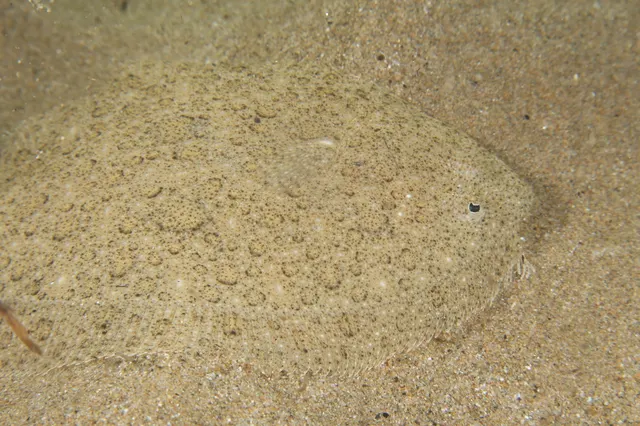 BrillSand eel and strip baits fished over clean sandy ground.
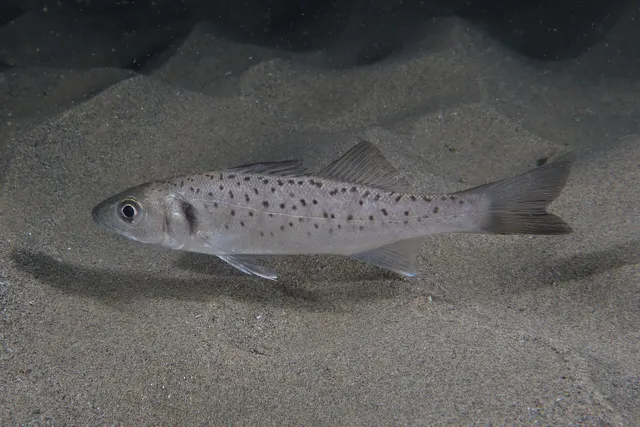 European sea bassThe forage fish bass actually eat across most of their range, which makes a sand eel the one bait whose effectiveness needs no explanation.
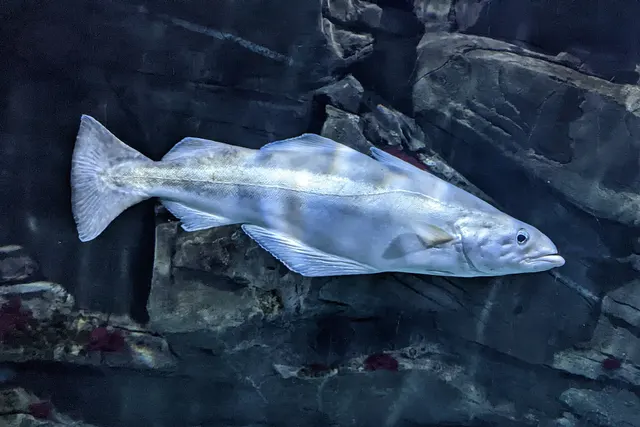 PollackWhere pollack are taken on bait rather than on lures, sandeel is what the sources name — the Mayo directory is explicit that the pollack and coalfish from a named pier prefer fresh or frozen sandeel, with squid, lugworm and lures as backups.
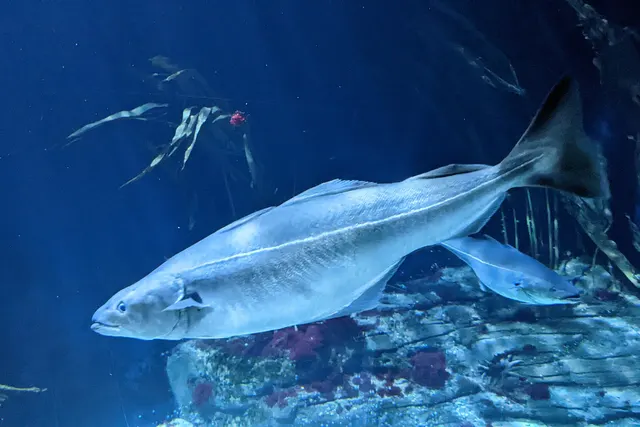 SaitheA midwater hunter of small shoaling fish, taken on whole sand eels fished on a flowing trace or on artificial eels worked at speed.
- Small-eyed rayThe conventional bait, and directly explained by the diet: sandeel is a notably important part of what draws the fish into shallow surf.
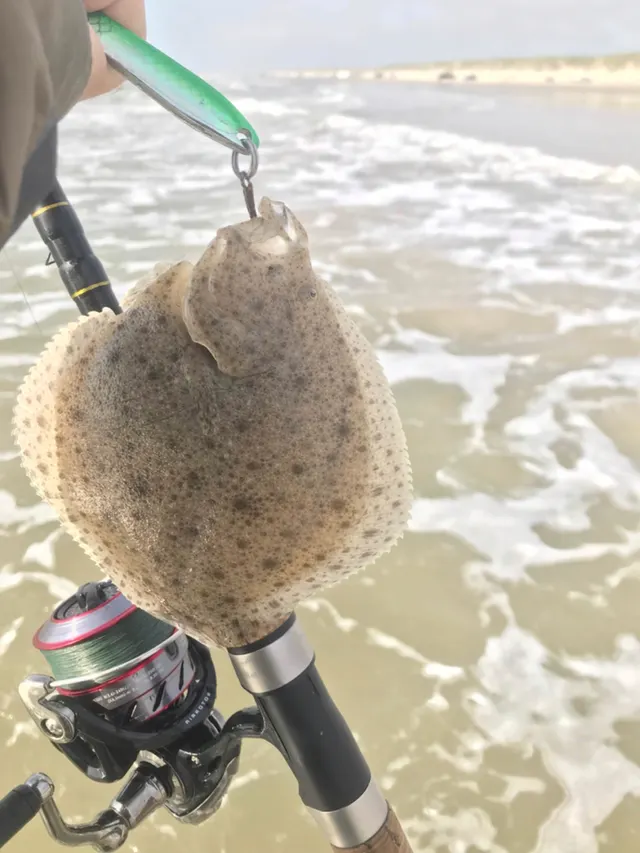 TurbotSand eel presented on the ground where the fish lies buried.
How it is fished
Why the 9 connections on this page are here, and the sources
Fish it catches
What experienced anglers do — 7 connections
Widely and independently recommended by experienced anglers and specialist sources. This is real angling knowledge, not proof: controlled evidence for it is limited, and FishingHQ records it as convention rather than as a demonstrated effect.
Blonde ray
A bait joined to the fish it is conventionally used for. Convention, recorded as convention.
- Sea Angler — Bauer Media (Specialist angling publication)Relied on for: Contemporary UK sea angling practice as reported by practitioners, including ground, seasonal timing, bait and method convention.States this directlyCitation checked — the work exists and is described correctly
- General angling website restatements of established technique — Various (Credible secondary source)Relied on for: Widely restated descriptions of species behaviour and regional angling practice, recorded as consensus rather than as scholarship.Background and mechanism onlyCitation checked — the work exists and is described correctly
Brill
A practitioner claim about tackle commonly used for Scophthalmus rhombus.
- General angling website restatements of established technique — Various (Credible secondary source)Relied on for: Widely restated practitioner accounts of this presentation for brill.Citation checked — the work exists and is described correctly
- Angling Times — Bauer Media (Specialist angling publication)Relied on for: Practitioner treatment of comparable presentations for the species group.Citation checked — the work exists and is described correctly
European sea bass
A practitioner claim about a bait-species pairing, with the underlying forage relationship supported separately.
- Sea Angler — Bauer Media (Specialist angling publication)Relied on for: Practitioner treatment of sand eel as a bass bait, live and frozen.Citation checked — the work exists and is described correctly
- Cefas science, advice and data on marine and freshwater environments — Centre for Environment, Fisheries and Aquaculture Science (Government fisheries body)Relied on for: The inshore habitat use and diet of European sea bass, including small forage fish.Citation checked — the work exists and is described correctly
Pollack
Named by a practitioner directory that ranks it above the alternatives and by a statutory guide independently.
- Sea Angling in Ireland: the shore marks of Mayo — Sea Angling Ireland (Credible secondary source)Relied on for: A county directory stating that the pollack and coalfish of a named pier prefer fresh or frozen sandeel, with the alternatives ranked behind it.Passage read and verified
- Inland Fisheries Ireland: South West Sea Angling Guide — the Kerry and Beara angling marks — Inland Fisheries Ireland, 2020 (Government fisheries body)Relied on for: The statutory body naming sandeel among the baits at the marks where it gives pollack over rough ground.Passage read and verified
Saithe
A practitioner claim about a bait-species pairing.
- Sea Angler — Bauer Media (Specialist angling publication)Relied on for: Practitioner treatment of sand eel presentation for midwater gadoids over wrecks and reefs.Citation checked — the work exists and is described correctly
- General angling website restatements of established technique — Various (Credible secondary source)Relied on for: Widely restated practitioner guidance on flowing traces and artificial sand eels.Citation checked — the work exists and is described correctly
Small-eyed ray
A bait joined to the fish it is conventionally used for. Convention, recorded as convention.
- Sea Angler — Bauer Media (Specialist angling publication)Relied on for: Contemporary UK sea angling practice as reported by practitioners, including ground, seasonal timing, bait and method convention.States this directlyCitation checked — the work exists and is described correctly
- General angling website restatements of established technique — Various (Credible secondary source)Relied on for: Widely restated descriptions of species behaviour and regional angling practice, recorded as consensus rather than as scholarship.Background and mechanism onlyCitation checked — the work exists and is described correctly
Turbot
A practitioner claim about tackle commonly used for Scophthalmus maximus.
- General angling website restatements of established technique — Various (Credible secondary source)Relied on for: Widely restated practitioner accounts of this presentation for turbot.Citation checked — the work exists and is described correctly
- Angling Times — Bauer Media (Specialist angling publication)Relied on for: Practitioner treatment of comparable presentations for the species group.Citation checked — the work exists and is described correctly
How it is fished
What experienced anglers do — 2 connections
Widely and independently recommended by experienced anglers and specialist sources. This is real angling knowledge, not proof: controlled evidence for it is limited, and FishingHQ records it as convention rather than as a demonstrated effect.
Drift fishing
The sand-eel record asks for a bait that looks like it is swimming rather than merely attached. A drift supplies continuous, varying water speed over the ground, which is the only presentation that achieves it without a retrieve.
- Sea Angler — Bauer Media (Specialist angling publication)Relied on for: Specialist treatment of which bait or lure family this technique is fished with.States this directlyCitation checked — the work exists and is described correctly
- General angling website restatements of established technique — Various (Credible secondary source)Relied on for: The independently restated practitioner pairing of this technique with this family.Background and mechanism onlyCitation checked — the work exists and is described correctly
Surfcasting
The sand-eel record's claim is that it is what most North Atlantic predators actually eat. A surf beach is where bass and rays hunt them inshore, which makes the bait a match to the venue rather than a general offering.
- Sea Angler — Bauer Media (Specialist angling publication)Relied on for: Specialist treatment of which bait or lure family this technique is fished with.States this directlyCitation checked — the work exists and is described correctly
- General angling website restatements of established technique — Various (Credible secondary source)Relied on for: The independently restated practitioner pairing of this technique with this family.Background and mechanism onlyCitation checked — the work exists and is described correctly
Reviewed 2026-08-10.