How to keep peeler crab alive
Keeping peeler crab in usable condition, and what follows for the water it came from.
Why keeping it alive matters
Peeler crab is prized for a narrow window in the animal's moult cycle, when the old shell is about to come away and the flesh beneath is soft and highly attractive. Keeping peelers alive is really about keeping them AT that stage — a crab that completes its moult in the bait box has become a softback, and one that dies has lost most of its value within hours.
The container
A cool box or bait box lined with damp seaweed, with the crabs kept separate rather than piled. Crabs damage each other when crowded, and a dead crab in a closed box degrades quickly and affects the rest.
Temperature
Cool. Cold slows the moult, which is exactly the point: warmth pushes a peeler through to softback faster than an angler wants. The principle is to hold the animal steady rather than to hit a target value, and steady cool does that.
Oxygen
Crabs kept damp in weed rather than immersed do not need aeration, and immersing them in a sealed tub of standing seawater is worse than keeping them damp — the water goes anoxic and they suffocate. Damp, cool and airy is the working combination.
What to keep it in
Damp seaweed or damp newspaper, refreshed as it dries or fouls. The weed keeps humidity up without drowning the animal. Fresh water is fatal, and so is letting the medium dry out completely.
How long it keeps
Days at best, and dependent on how close to moulting the crab already was when collected. A crab taken very close to the moult has little time left in that condition whatever is done. Judge by the animal, not by a stored figure.
Signs it is going wrong
Catching these early is the difference between losing a few and losing the lot.
- Limbs hanging limp, or the crab failing to respond when handled.
- Legs shed — crabs drop limbs under stress, and a box of loose legs indicates poor conditions.
- A strong ammonia or rotting smell in the container.
- Weed or paper that has dried out completely, or become sodden and foul.
- Crabs that have completed the moult and are now soft-shelled, which is a different bait.
Transporting it
In a cool box with damp weed, out of the sun, and not sealed in water. Peelers travel reasonably well kept cool and damp and very badly kept warm or immersed. Keep the collecting container and the storage container separate so that shore water is not carried home.
What not to do
Each of these is a common and avoidable way of killing this bait.
- Do not immerse peelers in a sealed tub of standing seawater.
- Do not use fresh water at any point.
- Do not crowd crabs together where they damage each other.
- Do not leave dead crabs among live ones.
- Do not return unused crabs to a different shore from the one they were collected on.
Biosecurity
Crabs are collected by turning rocks and searching structure, and that collection is itself a habitat impact — turning a rock and not returning it the way it lay destroys the community underneath. Crabs can also carry parasites and can be moved between coasts by anglers, which is a genuine route for spreading organisms. Return rocks as they lay, do not move crabs between shores, and never tip bait water into any water body.
Welfare
Crabs are increasingly regarded as capable of experiencing pain, and proportionate care follows: collect only what the session needs, keep them cool and damp rather than crowded and drying, do not hold them for long periods, and dispatch them properly before use rather than hooking a live animal where a dispatched one works as well. Peeler crab is one of the baits where welfare and effectiveness point the same way.
Unused bait
Unused live crabs should be returned to the shore they came from if that is practical and permitted, and to household waste if not. Never release them onto a different shore. Do not leave dead crabs, weed or bait water on the beach or tip them into the sea elsewhere.
Rules vary, and they vary a lot
Collecting, transporting, keeping and using live bait are regulated differently almost everywhere, and some of these baits may not be used at all in some waters. Restrictions commonly cover where and how much may be collected, whether live bait may be moved between waters, whether a species may be used as bait at all, and whether a licence or permit is required. FishingHQ does not state what any rule is or where it applies — check with the authority responsible for the water and the shore you intend to use before collecting or using live bait.
Check the rules before you fish
Fishing laws, bylaws, access rules, seasons, bait restrictions and permitted methods vary by location and can change. Check the current rules from the relevant authority and the water you intend to fish before fishing.
Check with:
- Current national or regional law for where you are fishing
- Current local bylaws
- The relevant fisheries authority
- The landowner, club or fishery whose water it is
- Any restrictions specific to the species or the method you intend to use
The full bait record
This page covers keeping peeler crab alive. The Peeler crab record covers the whole lifecycle — identifying it, obtaining it responsibly, preparing it, presenting it and disposing of it.
What this bait is for
The fish it catches, how it is fished and what you present it on.
Fish it catches
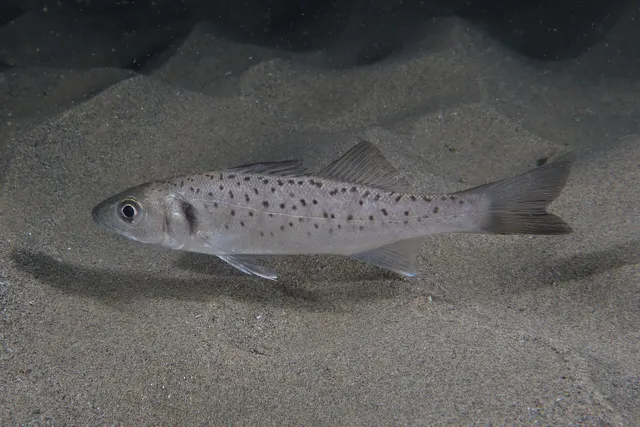 European sea bassThe most highly regarded shore bait in British sea angling for bass, and the reasoning is biological rather than traditional: a crab that has just shed its shell is defenceless and briefly abundant, and bass feed on exactly that.
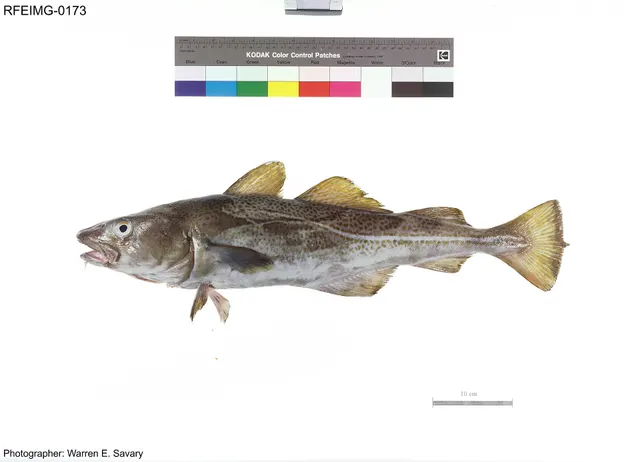 Atlantic codWidely used for cod over mixed and rough ground, frequently in combination with worm rather than alone.
- Common stingrayWhere a stingray is a target rather than an accident, crab and king ragworm are what the sources say to use — the Shannon directory is explicit that the fish baits which take the tope and thornback will not do it.
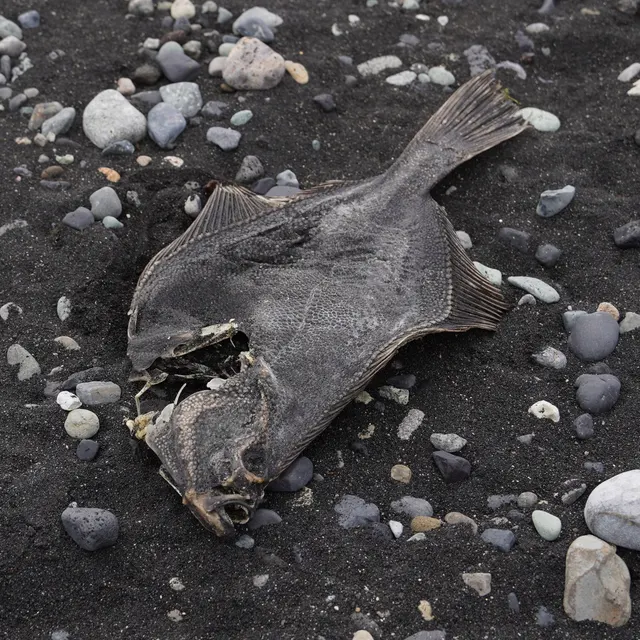 European flounderTakes better flounders than worm in many estuaries, particularly in spring when crabs are moulting.
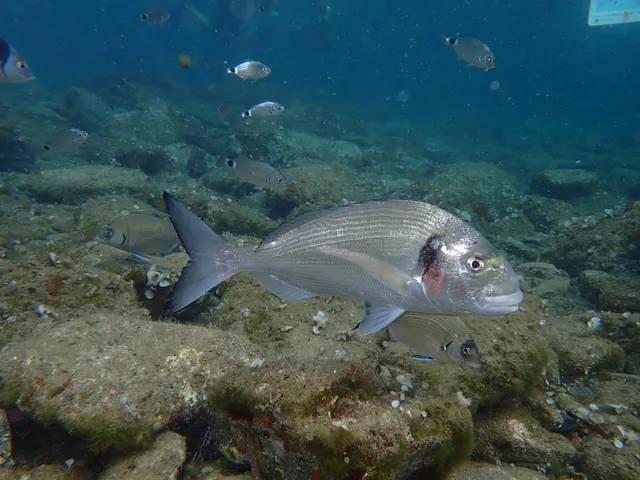 Gilthead breamThe statutory guide gives crab as the best bait in the Clonakilty estuary, where it names gilthead bream alongside bass, flounder and three mullet species on the same tide.
- Spotted rayThe standout bait for this species, and a worked example of diet informing bait choice: the spotted ray's diet is crustacean-weighted where the blonde ray's is fish-weighted.
- Starry smooth-houndEvery published account of a shore smooth-hound fishery read for this names crab and offers no alternative. A Wexford club match landing a hundred and sixteen hounds in four hours, and a Lincolnshire session of more than fifty fish per angler, both fished fresh peeler.
How it is fished
Why the 8 connections on this page are here, and the sources
Fish it catches
What experienced anglers do — 6 connections
Widely and independently recommended by experienced anglers and specialist sources. This is real angling knowledge, not proof: controlled evidence for it is limited, and FishingHQ records it as convention rather than as a demonstrated effect.
European sea bass
Long-established and independently described sea angling practice.
- Sea Angler — Bauer Media (Specialist angling publication)Relied on for: Peeler crab as a bass bait and its seasonal availability.Citation checked — the work exists and is described correctly
- Angling Times — Bauer Media (Specialist angling publication)Relied on for: Contemporary peeler crab practice from a separate editorial tradition.Citation checked — the work exists and is described correctly
Established angling convention about what a bait is used for. Convention is what this is, and labelling it as convention is what stops it being read as a tested result.
- Sea Angler — Bauer Media (Specialist angling publication)Relied on for: Contemporary UK sea angling practice as reported and restated by practitioners, including shore technique, bait use and species behaviour.States this directlyCitation checked — the work exists and is described correctly
- General angling website restatements of established technique — Various (Credible secondary source)Relied on for: Widely restated angling practice and belief, recorded as practitioner consensus rather than as tested fact.Background and mechanism onlyCitation checked — the work exists and is described correctly
Atlantic cod
Established angling convention about what a bait is used for. Convention is what this is, and labelling it as convention is what stops it being read as a tested result.
- Sea Angler — Bauer Media (Specialist angling publication)Relied on for: Contemporary UK sea angling practice as reported and restated by practitioners, including shore technique, bait use and species behaviour.States this directlyCitation checked — the work exists and is described correctly
- General angling website restatements of established technique — Various (Credible secondary source)Relied on for: Widely restated angling practice and belief, recorded as practitioner consensus rather than as tested fact.Background and mechanism onlyCitation checked — the work exists and is described correctly
Common stingray
Two independent publishers naming crab for stingray on two different pieces of Irish coast, one of them contrasting it with the fish bait used for other elasmobranchs there.
- Sea Angling in Ireland: the shore marks of south Clare and the Shannon estuary — Sea Angling Ireland (Credible secondary source)Relied on for: A county directory distinguishing the bait for stingray from the fish baits used for tope and thornback on the same ground.Passage read and verified
- Inland Fisheries Ireland: South West Sea Angling Guide — the Kerry and Beara angling marks — Inland Fisheries Ireland, 2020 (Government fisheries body)Relied on for: The statutory body naming peeler crab and fish baits together at the Tralee Bay marks where it gives stingray.Passage read and verified
European flounder
A bait joined to the fish it is conventionally used for. Convention, recorded as convention.
- Sea Angler — Bauer Media (Specialist angling publication)Relied on for: Contemporary UK and European sea angling practice as reported by practitioners, including ground, seasonal timing, bait and method convention.States this directlyCitation checked — the work exists and is described correctly
- General angling website restatements of established technique — Various (Credible secondary source)Relied on for: Widely restated descriptions of species behaviour and regional angling practice, recorded as consensus rather than as scholarship.Background and mechanism onlyCitation checked — the work exists and is described correctly
Spotted ray
A bait joined to the fish it is conventionally used for. Convention, recorded as convention.
- Sea Angler — Bauer Media (Specialist angling publication)Relied on for: Contemporary UK sea angling practice as reported by practitioners, including ground, seasonal timing, bait and method convention.States this directlyCitation checked — the work exists and is described correctly
- General angling website restatements of established technique — Various (Credible secondary source)Relied on for: Widely restated descriptions of species behaviour and regional angling practice, recorded as consensus rather than as scholarship.Background and mechanism onlyCitation checked — the work exists and is described correctly
Starry smooth-hound
Named as the smooth-hound bait by two independent publishers in two countries, each attached to a dated session with a fish count.
- Sea Angling in Ireland: the shore marks of Wexford — Sea Angling Ireland (Credible secondary source)Relied on for: A county shore directory describing a shore smooth-hound fishery across five beaches and naming the bait at each.Passage read and verified
- On the Lincolnshire smoothhounds — Planet Sea Fishing, 2016 (Specialist angling publication)Relied on for: A dated feature on an English shore smooth-hound session naming the bait, the rig and the hook size.Passage read and verified
Reported, not established — 1 connection
Reported, but without independent support. Recorded because it is in circulation, not because it has been shown to hold.
Gilthead bream
One publisher, but a statutory one, naming the bait at four separate marks in the same estuary system where it names the species. Recorded as practice on that coast rather than as a general claim, and graded as a claim resting on a single independent original.
- Inland Fisheries Ireland: South West Sea Angling Guide — the west and south Cork angling marks — Inland Fisheries Ireland, 2020 (Government fisheries body)Relied on for: The statutory body naming crab as the best bait at the estuary marks where it gives gilthead bream as an ordinary catch.Passage read and verified
How it is fished
What experienced anglers do — 1 connection
Widely and independently recommended by experienced anglers and specialist sources. This is real angling knowledge, not proof: controlled evidence for it is limited, and FishingHQ records it as convention rather than as a demonstrated effect.
Surfcasting
Both records describe the same seasonal window from opposite ends: the beach fishery changes when peeler is available, and the peeler page describes the fish that switch onto it.
- Sea Angler — Bauer Media (Specialist angling publication)Relied on for: Practitioner treatment of which lure or bait family this technique is fished with.States this directlyCitation checked — the work exists and is described correctly
- General angling website restatements of established technique — Various (Credible secondary source)Relied on for: The widely restated practitioner pairing of this technique with this family.Background and mechanism onlyCitation checked — the work exists and is described correctly
Reviewed 2026-08-10.