Fishing and food culture
History & culture · Last reviewed 2026-08-14
For most of history fishing was food production, and the ways fish were preserved — salted, dried, smoked, fermented, pickled — shaped trade routes, settlement patterns and national cuisines that persist long after the necessity ended.
FISH SPOILS FASTER THAN ALMOST ANY OTHER PROTEIN, and every fishing culture in history has therefore been a preservation culture. What people did about that shaped a great deal more than dinner.
THE PRESERVATION METHODS, and each produced a distinct food tradition.
SALTING AND DRYING. Split, salted and air-dried fish keeps for a very long time and travels. Dried and salted cod became one of the great commodities of the North Atlantic, sustained long-distance fisheries, and is still central to cuisines thousands of kilometres from where it was caught — which is a striking example of a preservation technique creating a cuisine in places that never had the fish fresh.
SMOKING, which combines drying with antimicrobial compounds from the smoke, and which produced regional traditions distinguished by wood, temperature and duration. Cold smoking and hot smoking are different processes producing different products.
FERMENTING. Controlled fermentation of fish appears independently across northern Europe and across South-East and East Asia, producing everything from fermented herring to the fish sauces that are foundational to entire regional cuisines.
PICKLING AND CURING in acid or brine.
FREEZING, historically in cold climates and universally after refrigeration — which is the change that ended the necessity for all of the above and left the traditions in place as preferences.
WHAT THIS DID BEYOND FOOD.
IT MOVED PEOPLE AND BUILT PLACES. Fishing settlements exist where boats could land near fish, and the preserving and trading of the catch built the towns behind them. Long-distance fisheries operating far from home depended entirely on preservation.
IT SET RELIGIOUS AND SEASONAL PATTERNS. Fasting practices requiring abstention from meat but permitting fish created enormous, calendar-driven demand in medieval Europe, which drove fishery development and trade in a way that is hard to overstate.
AND IT PERSISTS AS IDENTITY. Dishes built on preserved fish remain markers of regional and national identity long after refrigeration made them unnecessary, and in many places the traditional preparation is now the prestige version rather than the practical one.
FOR A RECREATIONAL ANGLER WHO EATS THEIR CATCH, the practical descendants of all this are handling and food safety rather than tradition — cooling the fish promptly, handling it cleanly, and knowing which species and which waters carry specific hazards. Those are covered by the catch-handling records and by the relevant food authority, and they are the part of this history that still has consequences.
Where to go next
Fish involved
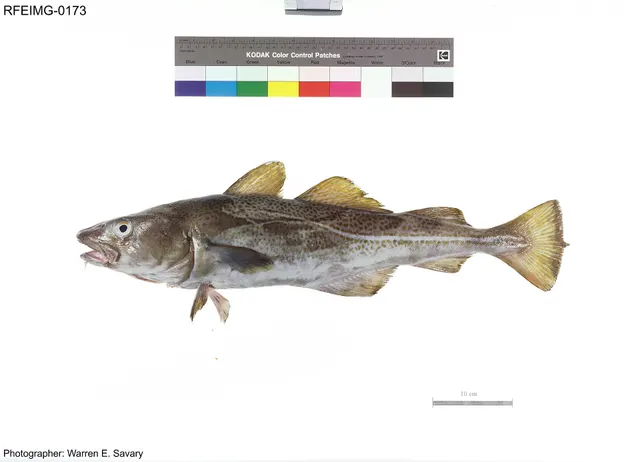 Atlantic codDried and salted cod sustained long-distance fisheries and became central to cuisines thousands of kilometres from where it was caught, which is a preservation technique creating a food culture rather than the reverse.
- Atlantic herringSalted, smoked and pickled herring built trade routes and towns across northern Europe, and the calendar-driven demand created by fasting practice is hard to overstate.
Related reading
- Gutting a fish, and why it usually comes firstThe instruction to gut early is older than any explanation of why, and it survived as practice for centuries before anybody could describe the enzymes and bacterial load the page names. It is a case of traditional handling turning out to be correct for reasons its practitioners did not have.
- Storing, freezing and thawing a catchFreezing is recent and preservation is not. Salting, drying, smoking and pickling shaped what fish people ate and where, and several of the dishes those methods produced outlived the necessity — which is why the record's point that freezing undoes nothing sits inside a much longer argument about what preservation is for.
How this compares
Sources and evidence
- Fishers' Craft and Lettered Art: Tracts on Fishing from the End of the Middle Ages — University of Toronto Press, 1997 (Scientific literature)Relied on for: Medieval and early-modern European fishing practice, gear, fishery organisation and the communities that used them.States this directlyCitation checked — the work exists and is described correctly
- Words of the Lagoon: Fishing and Marine Lore in the Palau District of Micronesia — University of California Press, Berkeley, 1981 (Reference work)Relied on for: Systematic documentation of traditional fishing knowledge and customary marine management in Pacific island communities.States this directlyCitation checked — the work exists and is described correctly
- Good Fish Guide — Marine Conservation Society (Conservation authority)Relied on for: Synthesis of stock and gear information relating commercial fishing methods to their effects on stocks and habitats.Background and mechanism onlyCitation checked — the work exists and is described correctly
Why the 5 connections on this page are here, and the sources
Fish involved
What experienced anglers do — 2 connections
Widely and independently recommended by experienced anglers and specialist sources. This is real angling knowledge, not proof: controlled evidence for it is limited, and FishingHQ records it as convention rather than as a demonstrated effect.
Atlantic cod
A record joined to the history behind it. Historical placement rests on the documentary and scholarly sources cited; where the tradition is living rather than documented, the claim is kept at the level those sources support.
- Fishers' Craft and Lettered Art: Tracts on Fishing from the End of the Middle Ages — University of Toronto Press, 1997 (Scientific literature)Relied on for: Medieval and early-modern European fishing practice, gear, fishery organisation and the communities that used them.States this directlyCitation checked — the work exists and is described correctly
- The Compleat Angler, or the Contemplative Man's Recreation — Richard Marriot, 1653 (Reference work)Relied on for: Seventeenth-century English angling practice, its social setting and the literary tradition it founded.States this directlyPassage read and verified
Atlantic herring
A record joined to the history behind it. Historical placement rests on the documentary and scholarly sources cited; where the tradition is living rather than documented, the claim is kept at the level those sources support.
- Fishers' Craft and Lettered Art: Tracts on Fishing from the End of the Middle Ages — University of Toronto Press, 1997 (Scientific literature)Relied on for: Medieval and early-modern European fishing practice, gear, fishery organisation and the communities that used them.States this directlyCitation checked — the work exists and is described correctly
- The Compleat Angler, or the Contemplative Man's Recreation — Richard Marriot, 1653 (Reference work)Relied on for: Seventeenth-century English angling practice, its social setting and the literary tradition it founded.States this directlyPassage read and verified
Related reading
What experienced anglers do — 2 connections
Widely and independently recommended by experienced anglers and specialist sources. This is real angling knowledge, not proof: controlled evidence for it is limited, and FishingHQ records it as convention rather than as a demonstrated effect.
Gutting a fish, and why it usually comes first
A beginner explainer joined to the tradition that answers the question it leaves hanging. Written only where the page's own subject carries a specific historical fact it omits — in several cases the fact that explains why the thing is arranged so oddly — and refused for the general orientation pages where the only claim would be that fishing is old.
- The Compleat Angler, or the Contemplative Man's Recreation — Richard Marriot, 1653 (Reference work)Relied on for: Seventeenth-century English angling practice including tackle, hooks, lines and the fishing they were used for.States this directlyPassage read and verified
- Fishers' Craft and Lettered Art: Tracts on Fishing from the End of the Middle Ages — University of Toronto Press, 1997 (Scientific literature)Relied on for: Medieval and early modern angling tracts and the development of tackle, technique and the literature describing them.Background and mechanism onlyCitation checked — the work exists and is described correctly
- Freshwater Fishing — Macdonald & Jane's, 1975 (Specialist angling publication)Relied on for: Comprehensive angling practice across disciplines, including tackle, water reading and the conduct of a session.States this directlyCitation checked — the work exists and is described correctly
- Coarse Fishing — A. & C. Black, 1912 (Specialist angling publication)Relied on for: Classical coarse angling practice including approach to the water, presentation and the ordinary faults of a day's fishing.States this directlyCitation checked — the work exists and is described correctly
Storing, freezing and thawing a catch
A beginner explainer joined to the tradition that answers the question it leaves hanging. Written only where the page's own subject carries a specific historical fact it omits — in several cases the fact that explains why the thing is arranged so oddly — and refused for the general orientation pages where the only claim would be that fishing is old.
- The Compleat Angler, or the Contemplative Man's Recreation — Richard Marriot, 1653 (Reference work)Relied on for: Seventeenth-century English angling practice including tackle, hooks, lines and the fishing they were used for.States this directlyPassage read and verified
- Fishers' Craft and Lettered Art: Tracts on Fishing from the End of the Middle Ages — University of Toronto Press, 1997 (Scientific literature)Relied on for: Medieval and early modern angling tracts and the development of tackle, technique and the literature describing them.Background and mechanism onlyCitation checked — the work exists and is described correctly
- Freshwater Fishing — Macdonald & Jane's, 1975 (Specialist angling publication)Relied on for: Comprehensive angling practice across disciplines, including tackle, water reading and the conduct of a session.States this directlyCitation checked — the work exists and is described correctly
- Coarse Fishing — A. & C. Black, 1912 (Specialist angling publication)Relied on for: Classical coarse angling practice including approach to the water, presentation and the ordinary faults of a day's fishing.States this directlyCitation checked — the work exists and is described correctly
How this compares
What experienced anglers do — 1 connection
Widely and independently recommended by experienced anglers and specialist sources. This is real angling knowledge, not proof: controlled evidence for it is limited, and FishingHQ records it as convention rather than as a demonstrated effect.
Fishing, communities and economies
Two traditions a reader will understand better together, joined where the comparison shows a common problem being solved differently.
- Fishers' Craft and Lettered Art: Tracts on Fishing from the End of the Middle Ages — University of Toronto Press, 1997 (Scientific literature)Relied on for: Medieval and early-modern European fishing practice, gear, fishery organisation and the communities that used them.States this directlyCitation checked — the work exists and is described correctly
- The Compleat Angler, or the Contemplative Man's Recreation — Richard Marriot, 1653 (Reference work)Relied on for: Seventeenth-century English angling practice, its social setting and the literary tradition it founded.States this directlyPassage read and verified
How FishingHQ labels evidence is explained in the evidence policy.