Channel catfish vs Blue catfish
How to tell them apart, and what follows from getting it right.
Why they get confused
Both are large North American catfish sharing a deeply forked tail, and a young blue catfish is often spotted in the way a channel catfish is, which removes the character most people rely on. Colour is unreliable in both: either can appear pale, slate or dark depending on water.
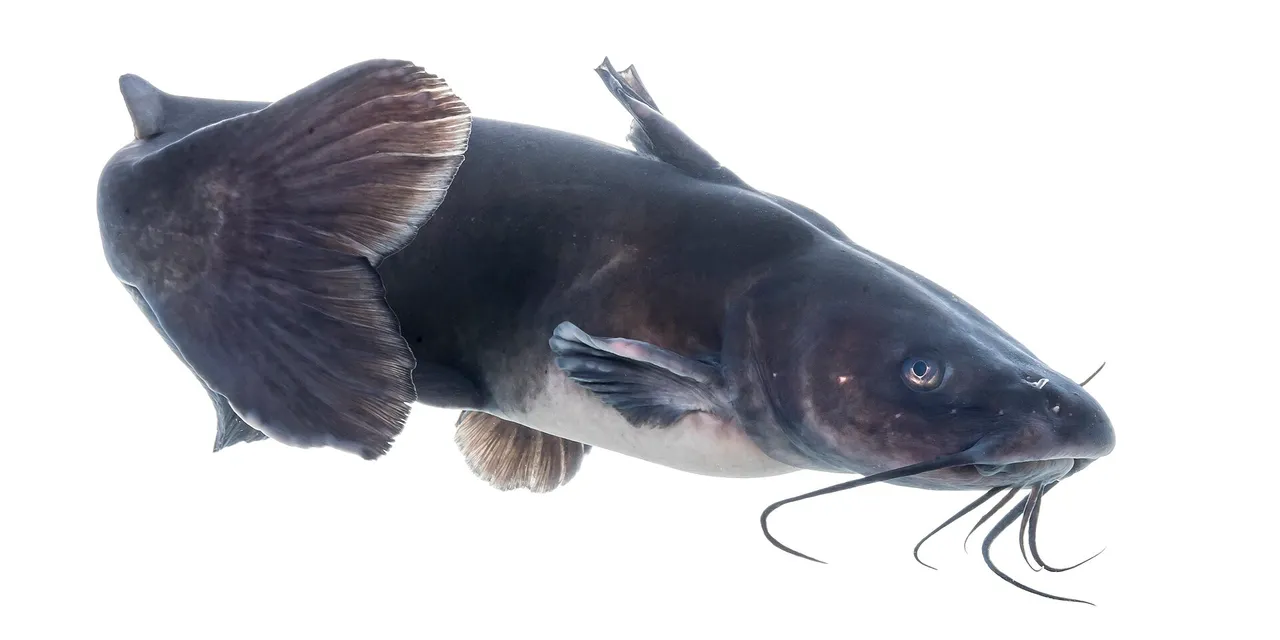
Channel catfish
Ictalurus punctatus — Ictaluridae
_Gavins_Point.jpg)
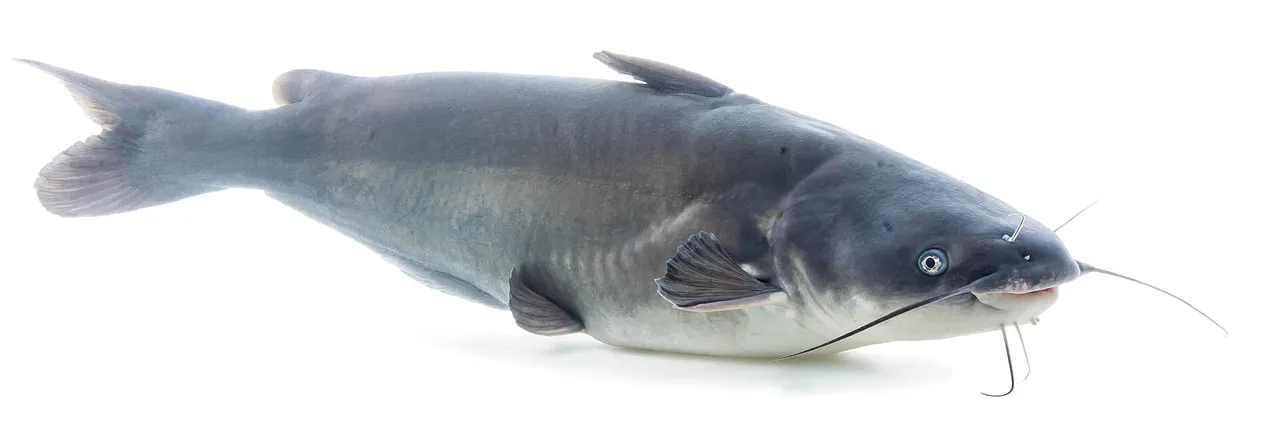
Blue catfish
Ictalurus furcatus — Ictaluridae
_(52880431802).jpg)
The differences
Each difference is marked with how far it can be trusted on its own. A single diagnostic character settles the identification; suggestive ones only narrow it.
| Character | Channel catfish | Blue catfish | Reliability |
|---|---|---|---|
| Shape of the anal finIdentification | Anal fin rounded along its free margin, with fewer rays. | Anal fin straight-edged and longer, with a distinctly higher ray count — the standard character for separating the two. | Diagnostic on its own |
| SpottingIdentification | Scattered dark spots on the flank in most fish, fading in large individuals. | Usually unspotted as an adult, though juveniles may be spotted and mislead. | Supporting — use with others |
| Maximum sizeSize | Large, but reaching a considerably lower maximum weight than its congener. | The largest catfish in its native range, reaching weights a channel catfish does not approach. | Suggestive only — varies |
| Handling and safetyHandling | Pectoral and dorsal spines will penetrate a hand; both species demand the same grip and the same care. | Identical spine risk, magnified by the weight of a large fish and the leverage it can apply. | Supporting — use with others |
Why it matters
Length and bag rules commonly differ between the two, and blue catfish reach a size at which handling for a photograph does real internal damage if the fish is held unsupported. Getting the identification right is the first step in both.
The full records
This page compares two species. Each of them has a complete record covering biology, behaviour, handling and the evidence behind all of it.
More about channel catfish
Where it lives, how it is caught, and what else it is confused with.
How it is caught
Why the 1 connections on this page are here, and the sources
How it is caught
What experienced anglers do — 1 connection
Widely and independently recommended by experienced anglers and specialist sources. This is real angling knowledge, not proof: controlled evidence for it is limited, and FishingHQ records it as convention rather than as a demonstrated effect.
Ledgering
Established angling practice for this species, recorded as convention. The note states the property of the animal or its water that makes the method the answer.
- IGFA International Angling Rules and World Record Requirements — International Game Fish Association (Angling or fisheries organisation)Relied on for: Recognition of the species as an established sport fish and the angling methods and tackle classes conventionally used for it.States this directlyPassage read and verified
- General angling website restatements of established technique — Various (Credible secondary source)Relied on for: Widely restated practice connecting this species and method.Background and mechanism onlyCitation checked — the work exists and is described correctly
Reviewed 2026-08-10. FishingHQ does not state what any rule is or where any rule applies. Where this page says the two species are managed differently, that is a reason to check the authority for the water you are on — not a statement of what it requires.